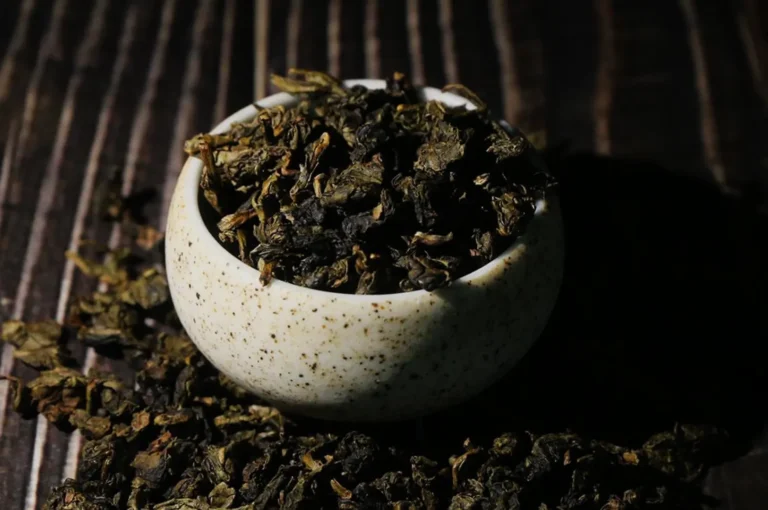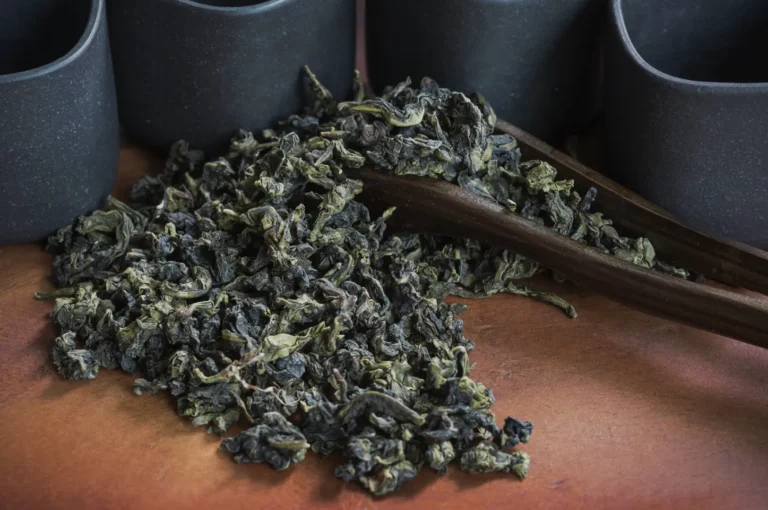
The journey of a single tea leaf is a story of profound transformation. It begins in the misty mountains of southern China, where ancient, wild tea trees reach for the sun, and it culminates in the quiet warmth of a refined Yixing clay teapot, held in the hands of a modern connoisseur. The history of tea in China is often told through philosophy and poetry, yet the evolution of Chinese tea culture was shaped just as powerfully by the objects themselves. These material forms, from rough-hewn bowls to elegant porcelain, dictated how Chinese people would come to interact with, and ultimately revere, the leaf.
At Tea Room by Ki-Setsu, our sanctuary is a place where these objects and traditions converge. Here, we honour the silent dialogue between the vessel and the tea, a conversation that has been unfolding for centuries. Understanding this material history is essential to appreciating traditional Chinese tea in its deepest sense.
Origins: Wild Tea Trees to Tang Dynasty
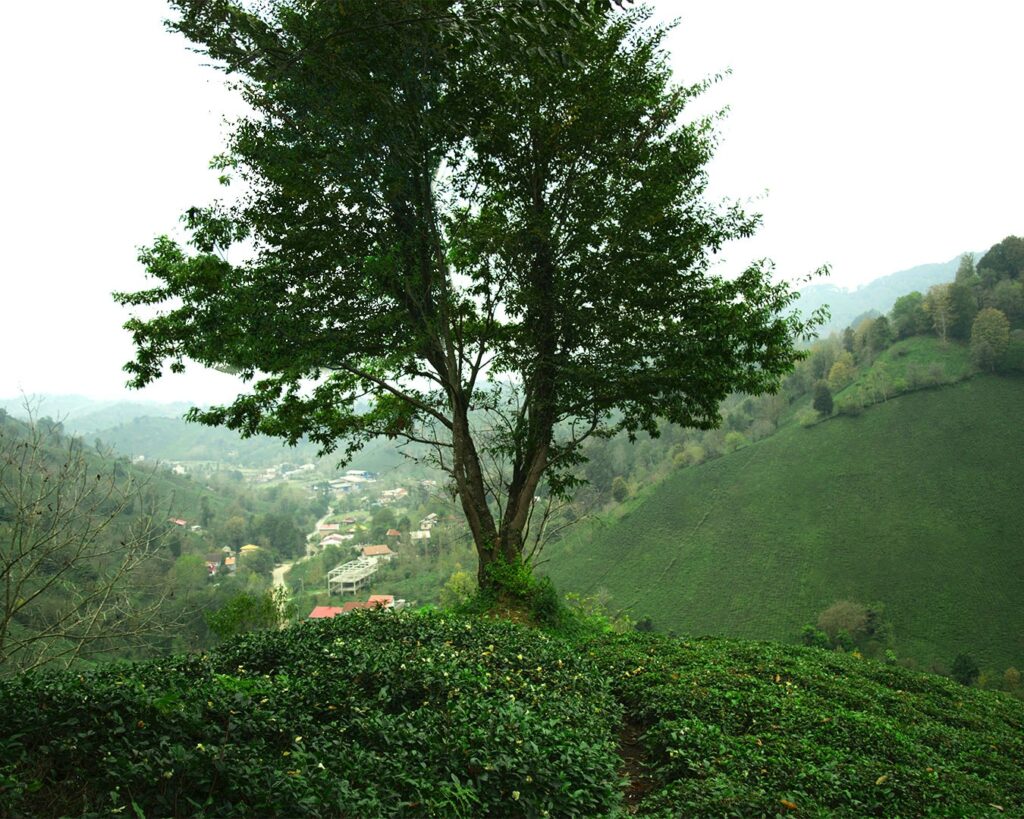
The story of tea begins in the lush forests of southern China, where the Camellia sinensis plant grew wild. Early on, tea found its place as a medicinal ingredient, its leaves boiled into a bitter but restorative tea soup or tea broth. The discovery of tea cultivation allowed for more consistent harvesting, but it was during the Tang Dynasty that tea was truly elevated from folk remedy to cultural art form.
The tea sage Lu Yu, in his seminal work The Classic of Tea, codified its preparation and appreciation. During this era, tea was often compressed into tea cakes or tea bricks and ground into a fine powder before being whisked into hot water. The tea utensils of the time were simple and functional; bowls for whisking, kettles for boiling, and scoops for measuring the powdered tea. These early objects laid the foundation for a ritual that would grow in complexity and refinement over the next thousand years.
The Tea Horse Road Era: Objects of Trade

The physicality of tea became paramount during the era of the Tea Horse Road (Chá Mǎ Gǔ Dào). This ancient network of paths, winding through the mountains of Sichuan, Yunnan, and Tibet, was built on the trade of one essential object: the compressed tea brick. For ease of transport by horse and mule, tea leaves were pressed into dense tea bricks and tea cakes. This necessity of form had a profound impact on the tea industry and its methods of tea production.
The long and arduous journey along the tea trade routes also gave rise to new types of tea. The constant movement and exposure to the elements encouraged natural fermentation, leading to the development of fermented tea like Pu-erh tea and other forms of dark tea. These objects of trade did more than carry a commodity; they connected distant cultures, spreading tea drinking customs and embedding the ritual of tea deep within the societies they touched.
Ming and Qing Dynasties: The Shift to Loose Leaf
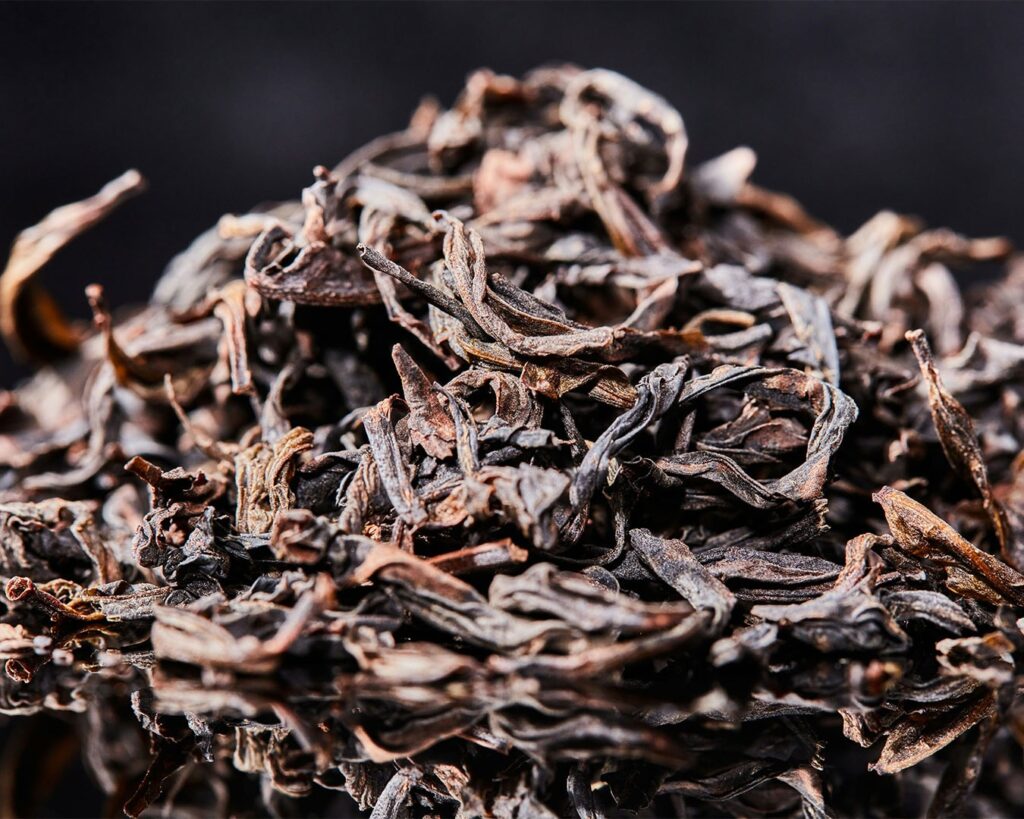
A revolutionary change swept through tea culture during the Ming and Qing Dynasties. The emperor declared that the laborious practice of grinding powdered tea was to be abandoned in favour of steeping whole, loose leaf tea. This single decree transformed the entire landscape of tea preparation and enjoyment, birthing the methods we recognise today.
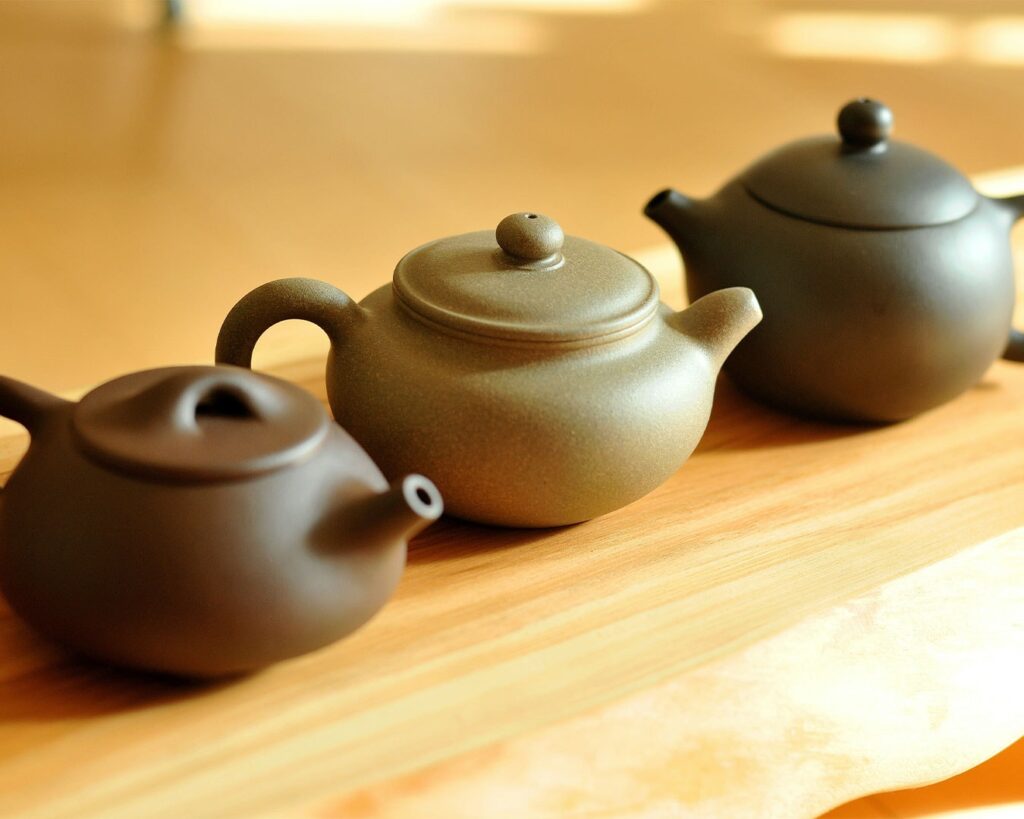
This shift demanded a new lexicon of tea utensils. The bowl and whisk gave way to the rise of elegant teapots, delicate tea cups, and an array of graceful tools like the tea strainer and tea tongs. It was during this time that the legendary Yixing clay teapot emerged, its porous nature breathing with the tea and enhancing its flavour over time. This new way of preparing tea allowed an incredible diversity of tea varieties to flourish. Delicate green tea like Longjing tea, complex oolong tea such as Da Hong Pao from Fujian Province, rich black tea (which is called red tea in China), ethereal white tea, rare yellow tea, and fragrant jasmine tea all found their perfect expression through these new objects.
The Gongfu Tea Ceremony: Ritual Through Objects
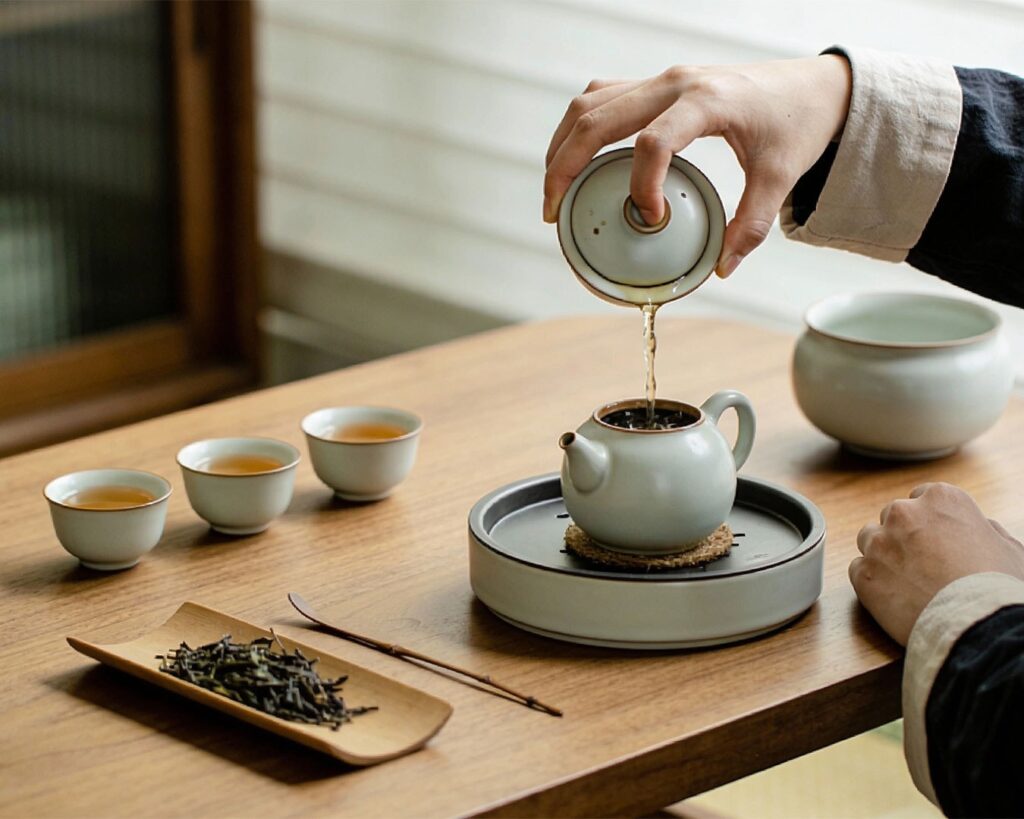
The new utensils of the Ming and Qing Dynasties did not just change how tea was made; they created a new form of ritual, the Gongfu tea ceremony. This practice, whose name means “making tea with skill,” is a choreography of objects, a meditative dance where each piece plays a vital role. The Gongfu tea ritual is a testament to how physical forms can create and deepen meaning.
The tea master orchestrates a symphony of movements: they pour hot water to awaken the leaves, use the sound of boiling water as a timer, and decant the brew with precision. The act of serving tea and offering tea is imbued with respect and hospitality. From the small aroma cups that capture the tea’s fragrance to the fairness pitcher that ensures every guest receives an equal brew, each object in the Chinese tea ceremony elevates the experience from simple drinking tea to appreciating tea. In these intimate tea gatherings, guided by ancient tea drinking customs and tea traditions, one finds a direct connection to the heart of Chinese culture.
High-Quality Tea and the Objects Worthy of It
As tea cultivation and tea production became more refined, so too did the appreciation for high quality tea. Connoisseurs sought out rare and expensive teas from specific terroirs, where unique tea plants yielded extraordinary flavours. This pursuit of excellence demanded equally refined tea utensils. The objects were no longer just functional; they had to be worthy of the precious leaves they held.
A deep, personal bond formed between tea lovers and their tools. For a serious tea connoisseur, an Yixing clay teapot is not just a vessel; it is a partner. Over years of use, the clay absorbs the oils of the tea, becoming seasoned to a specific variety. This seasoned pot, in turn, enhances every future brew, creating a unique flavour that belongs only to its owner. The relationship between the person and the pot becomes a cherished part of the tea journey.
Modern China: Evolution and Innovation
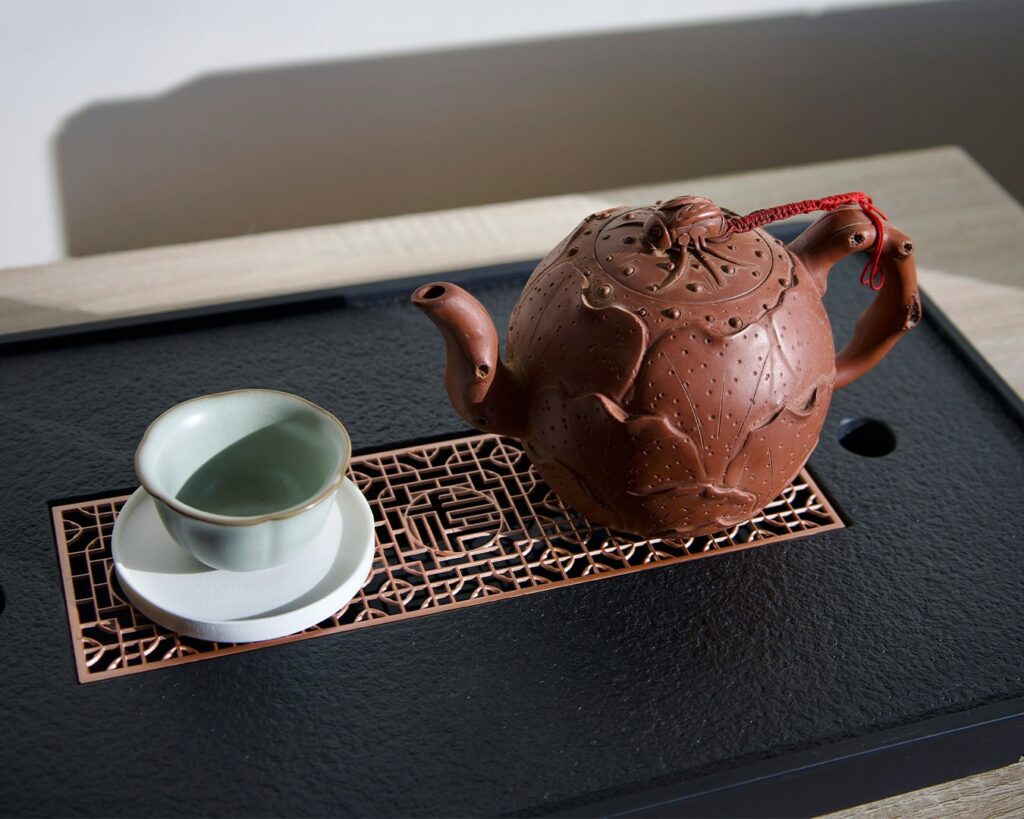
The tea culture of modern China is one of beautiful contrasts. While the tea industry has evolved with new technologies and global reach, it has done so while honouring the integrity of traditional Chinese tea. Walk through a city like Shanghai, and you will find sleek shops offering trendy milk tea creations just a few doors down from quiet sanctuaries dedicated to ancient tea rituals.
The enduring reverence for tradition is what distinguishes Chinese tea culture from, for example, Japanese tea culture, which evolved with its own distinct aesthetic and set of tea utensils. For Chinese people, there is a seamless flow between the past and the present. The same objects and rituals that delighted emperors centuries ago continue to bring moments of peace and connection to contemporary life.
Conclusion
The journey from the wild tea trees of Yunnan to the modern tea table mirrors the evolution of Chinese tea culture itself, a story of transformation through form. The objects that emerged over the history of tea in China are not merely decorative tools; they are vessels of meaning, ritual, and human connection. They are the grammar of a silent language, shaping how we hold, pour, and perceive the gift of the leaf.
To truly understand Chinese tea culture through its objects is to recognise that the word ‘cha’ itself carries meaning no translation can capture, a depth explored in our reflection on why Chinese Cha means more than just tea. At Tea Room by Ki-Setsu, we invite you to experience this living history. In our sanctuary, you can hold these objects, feel their weight, and discover the profound stories they whisper.