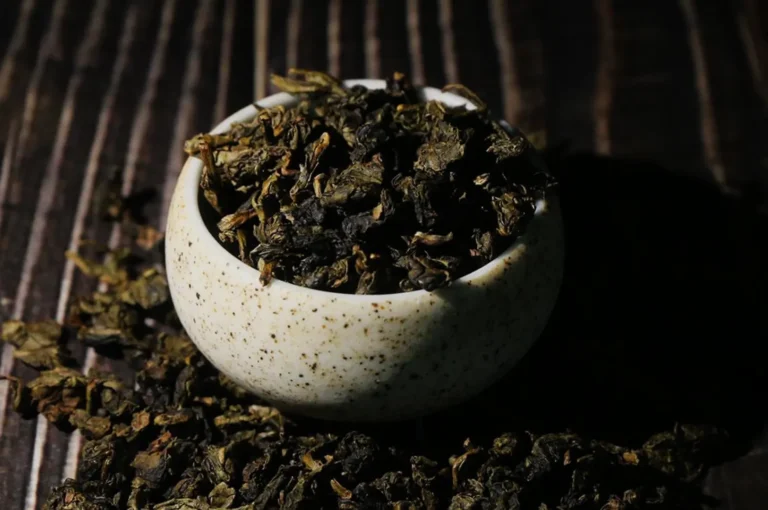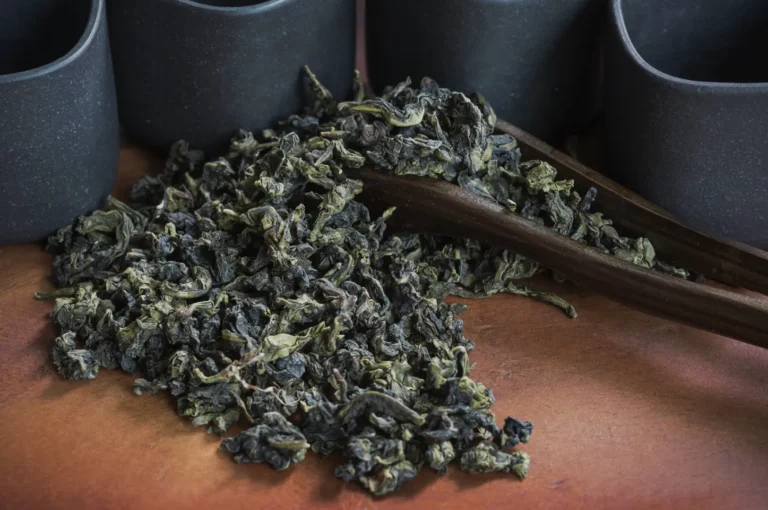
The question of which infusion constitutes the “healthiest tea” has no single answer, for wellness is not a monolith. It depends entirely on the landscape of your individual needs. One cup may offer solace to a restless mind, while another invigorates a sluggish metabolism. The pursuit of the healthiest tea is less about finding a universal panacea and more about discovering the specific botanical ally that aligns with your constitution and health goals.
At Tea Room by Ki-Setsu, we approach the world of tea with reverence and respect. Tea is not just a drink: it is a living tradition that aligns with the rhythms of our lives. In this article, we bridge the wisdom of generations with scientific validation, exploring how tea’s rich botanical complexity supports your well-being. Join us as we reveal the healthiest teas and how to match them to your health goals and constitution.
Understanding True Teas vs. Herbal Tea – The Essential Distinction
Before diving into the healthiest tea options, it’s important to understand the distinction between true teas and herbal teas. True teas originate from the Camellia sinensis plant. Whether it manifests as delicate white tea or bold black tea, the core of the leaf remains the same, with only the processing differing. This plant is a rich source of bioactive compounds, notably polyphenols like catechins and theaflavins. These compounds provide the antioxidant properties for which tea is widely celebrated.
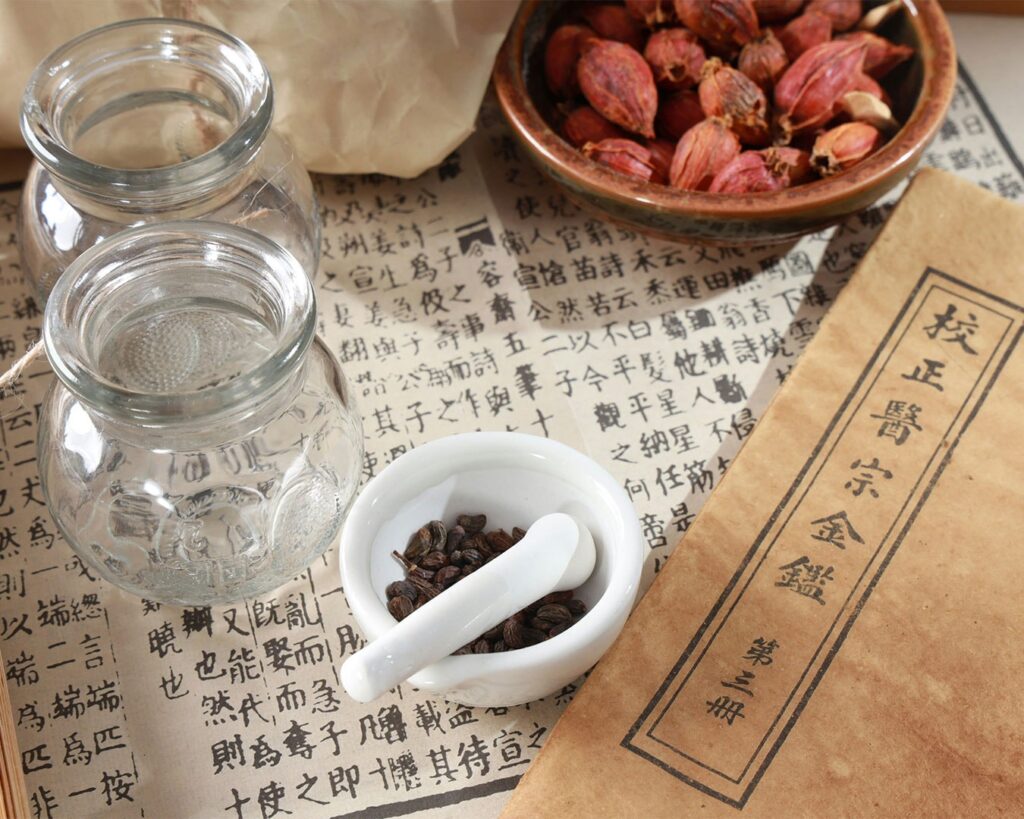
Herbal teas, or tisanes, on the other hand, do not come from the tea plant itself. They encompass a diverse range of infusions made from flowers, roots, fruits, and herbs, used traditionally in Chinese medicine for their targeted health benefits. While true teas provide systemic support across the body, herbal teas offer focused benefits, such as digestive ease or relaxation. Understanding the differences between these two categories helps you curate a selection that suits your health needs—whether for long-term vitality or immediate comfort.
The Healthiest True Teas from Camellia Sinensis
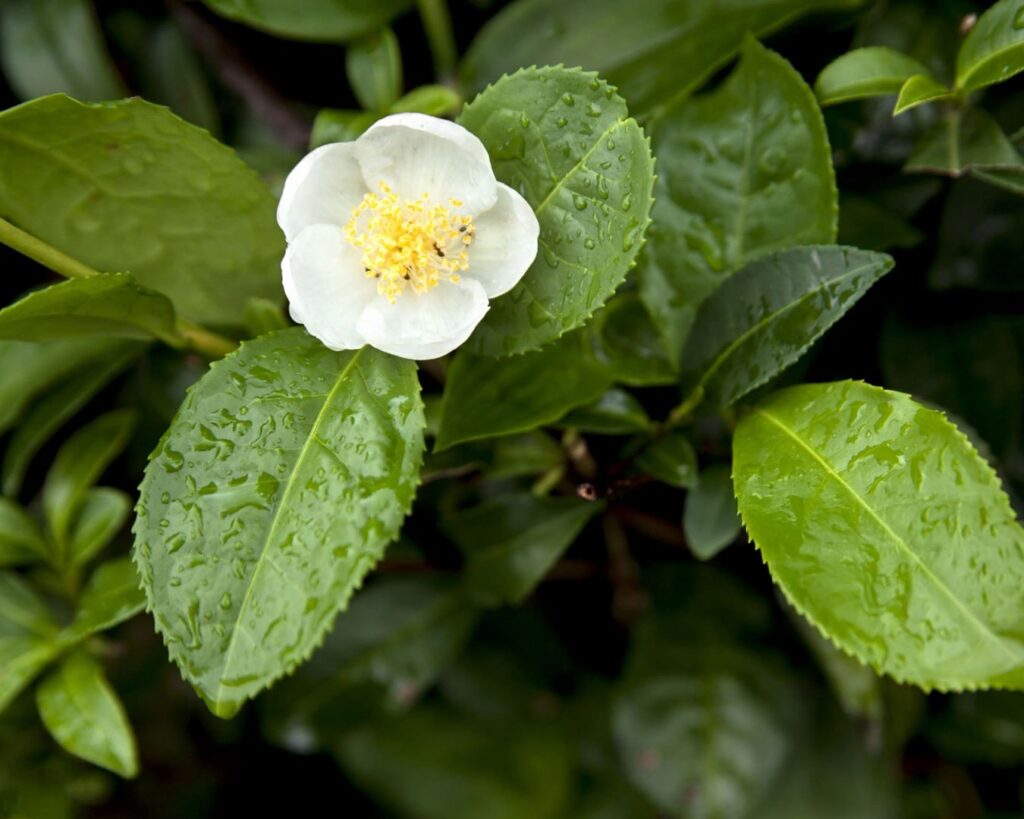
When we examine the Camellia sinensis plant through the lens of nutritional density and processing, a hierarchy of benefits begins to emerge.
White Tea
White tea is often regarded as the purest form of tea, as it undergoes the least processing. The young buds and leaves are simply withered and dried, retaining the highest concentration of antioxidants among all tea types. Research suggests that white tea offers superior antioxidant protection, which may help guard against cellular damage and support immune health. Its light, delicate flavor belies its potent wellness benefits, making it an elegant choice for daily consumption.
Green Tea
Widely recognized for its health benefits, green tea is packed with epigallocatechin gallate (EGCG), a catechin known for its anti-inflammatory and cardiovascular support properties. Regular consumption of green tea has been linked to improved blood vessel function, lower blood pressure, and reduced risk of heart disease. It is also one of the healthiest teas for metabolic health, known to promote fat oxidation and improve insulin sensitivity.
Black Tea
Fully oxidized, black tea offers a robust flavor and a different range of health benefits. The oxidation process transforms catechins into theaflavins and thearubigins, which play a role in reducing LDL cholesterol and improving heart health. While black tea contains less EGCG than green tea, it is equally effective in supporting cardiovascular health. Research suggests that regular black tea consumption may reduce the risk of stroke, making it a foundational choice for long-term heart health.
Aged Pu-erh
Pu-erh tea, particularly aged varieties, offers a unique set of health benefits. This post-fermented tea is traditionally consumed after meals to aid digestion and support weight management. Studies have shown that aged pu-erh tea can help regulate cholesterol levels and promote gut health by influencing the microbiome. Its earthy, grounding flavors make it a comforting choice for those seeking digestive balance and metabolic support.
Jasmine Tea
Jasmine tea combines the health benefits of green tea with the therapeutic effects of aromatherapy. The fragrance of jasmine flowers is known to calm the nervous system, promoting relaxation and mental clarity. The combination of L-theanine in tea and the floral aroma creates a peaceful, mindful experience, making jasmine tea ideal for both physical and mental health.
Chinese Herbal Tea for Targeted Wellness
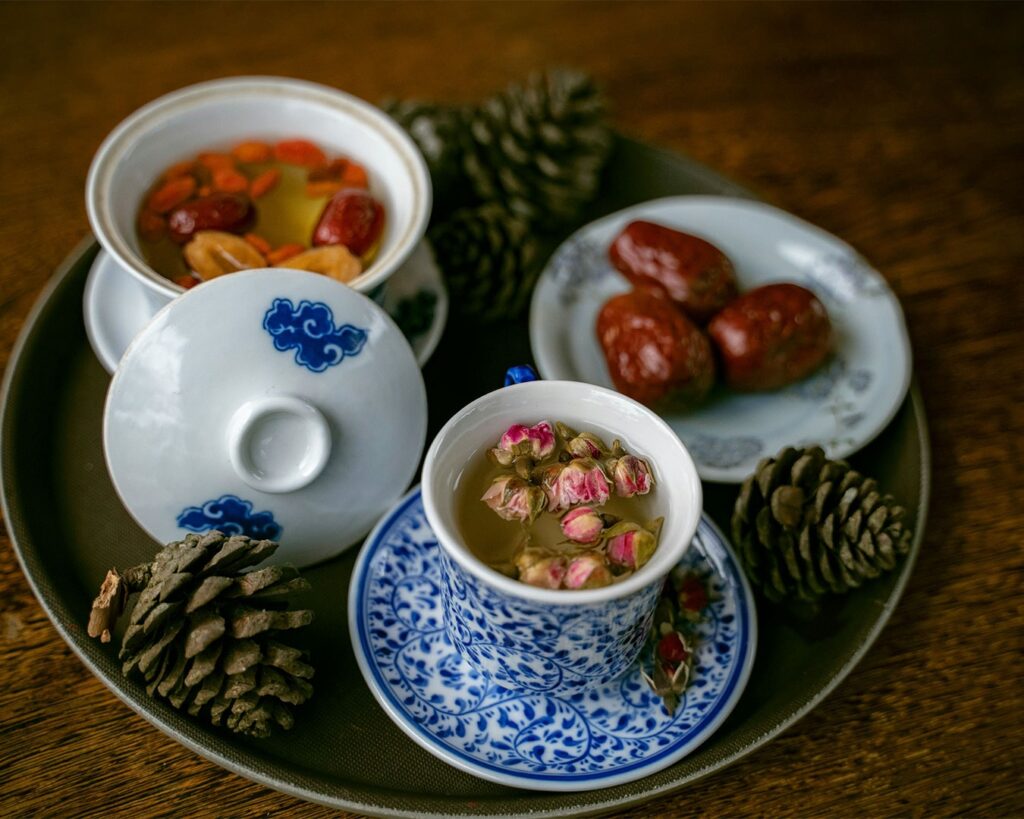
Beyond the tea bush lies the ancient apothecary of Chinese herbal tea. These infusions are often consumed not just for pleasure, but as functional beverages designed to restore harmony to the body.
Chrysanthemum Tea
Chrysanthemum tea is traditionally considered a “cooling” tea, used to clear heat from the body. It is especially beneficial for eye strain, headaches, and mild fever. The bright yellow liquor it produces is refreshing and soothing, offering anti-inflammatory properties that support overall wellness, particularly for those who spend long hours in front of screens.
Goji Berry (Wolfberry) Tea
Goji berries, rich in Vitamin C, antioxidants, and unique polysaccharides, are often brewed into tea for their immune-boosting benefits. This sweet and slightly tart tea has been traditionally used to support liver health and overall vitality. The infusion of goji berries offers a gentle, nourishing boost, making it a staple in Chinese wellness practices.
Lotus Leaf Tea
Lotus leaf is associated with purity in traditional Chinese medicine, and it is often consumed for its role in weight management and fluid balance. This bittersweet tea may also have anti-inflammatory effects, offering gentle support for healthy digestion and metabolism.
Ginger Tea
A universal remedy across cultures, ginger tea is widely consumed for its warming effects on the digestive system. It helps to ease nausea, soothe sore throats, and settle the stomach. As a potent digestive aid, it is an essential part of Chinese wellness practices, particularly during colder months or times of digestive discomfort.
Prunella Vulgaris (Selfheal) Tea
Known as Xia Ku Cao, this herb is a traditional Chinese remedy often consumed as a cooling tea during hot weather. It possesses significant medicinal properties and is commonly used to support liver health and reduce swelling. While less known in the West, its enduring presence in herbal tea shops across Asia speaks to its valued role in maintaining balance during the heat of summer.
Popular Herbal Tea Varieties and Their Health Benefits
While Chinese tradition offers profound wisdom, Western herbalism also contributes valuable varieties to the canon of healthy teas.
Chamomile Tea
Few infusions are as synonymous with rest as chamomile tea. Its gentle, apple-like fragrance heralds its primary function: promoting sleep quality. The dried flowers contain apigenin, an antioxidant that binds to specific receptors in the brain to induce calming effects. It is also traditionally used to treat digestive issues, acting as a mild antispasmodic that relaxes the stomach muscles.
Hibiscus Tea
Brewed from the crimson calyces of the hibiscus plant, this tea yields a tart, jewel-toned liquor rich in Vitamin C. It is a refreshing beverage enjoyed hot or cold. Crucially, peer reviewed studies indicate that hibiscus tea may support blood pressure support, helping to maintain levels within a healthy range. Its high antioxidant content contributes to overall heart health, making it both a delicious and functional choice.
Peppermint Tea
Peppermint tea is widely recognized for its digestive benefits. It is effective in alleviating symptoms of irritable bowel syndrome and soothing digestive discomfort. Its cooling properties also provide relief for sore throats, making it a versatile and soothing choice for everyday wellness.
Ginger Tea (Expanded)
We return to ginger, for its versatility warrants further exploration. Beyond digestion, research suggests ginger possesses strong anti inflammatory properties that may help reduce muscle pain and support joint health. As an immune system boost, it is unparalleled when the seasons change. The perfect balance of sweet and warming, especially when paired with honey, makes it a comforting ritual that delivers robust therapeutic benefits.
It is prudent to note that while these natural remedies are potent, more research is needed to fully map their mechanisms. Peer reviewed studies show potential, but we always invite you to consult your doctor, especially when managing chronic conditions.
Choosing Your Healthiest Tea Based on Your Health Goals
Tea offers a wide array of health benefits, but the healthiest tea for you depends on your personal health goals, constitution, and the specific health problems you wish to address. Consider what your body needs most and choose accordingly from these options, each with unique health-promoting properties:
Heart Health: Green tea and black tea are foundational choices for cardiovascular health due to their rich antioxidant properties, with hibiscus tea—made from brightly colored flowers—offering an excellent herbal complement that may help lower blood pressure and improve cholesterol levels.
Digestive Health: Ginger tea and peppermint tea are soothing and effective for digestive discomfort and nausea, while chamomile tea relaxes the stomach after meals and may ease symptoms of premenstrual syndrome.
Immune Support: Goji berry tea and hibiscus tea, both rich in antioxidants, support immune health and help combat cold symptoms, providing essential nutrients and vitamin C.
Metabolic Health: Green tea remains the gold standard for weight management and metabolic support, complemented by traditional Chinese blends featuring lotus leaf or aged pu-erh, which aid digestion and promote a lower risk of certain cancers.
Relaxation and Sleep: Chamomile tea is the go-to tea for calming the mind and promoting better sleep quality without grogginess, thanks to its calming effects and bioactive compounds.
As you explore these different teas, remember that moderation is key. Tea is not a cure-all but a holistic ally that can support the whole family’s wellness when integrated thoughtfully into your daily routine. Choose teas with minimal additives to fully enjoy their natural taste, nutrients, and health benefits.
Conclusion: The Lasting Benefits of Tea as a Daily Ritual
Tea is not simply a beverage: it is a living tradition that supports the body, mind, and soul. Whether you seek antioxidants, improved digestion, or mental clarity, the healthiest tea is one that harmonizes with your needs, reflecting the many evidence-based tea benefits associated with daily tea drinking, and becomes part of your daily ritual.
At Tea Room by Ki-Setsu, we invite you to experience the benefits of tea in its most authentic form, where tradition and wellness converge in every sip. For a deeper understanding of how these benefits work at the molecular level, explore our comprehensive guide to tea benefits.