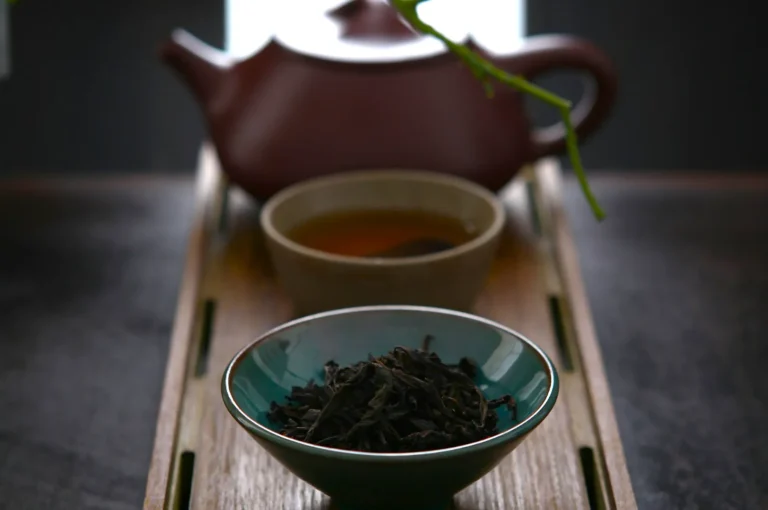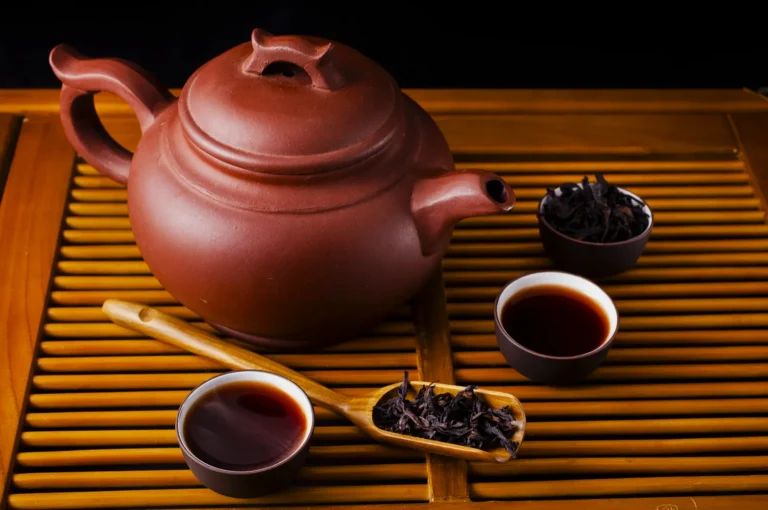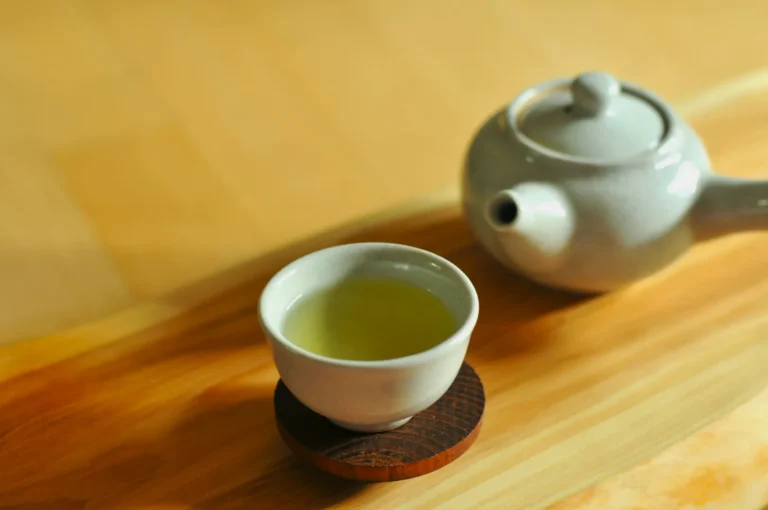
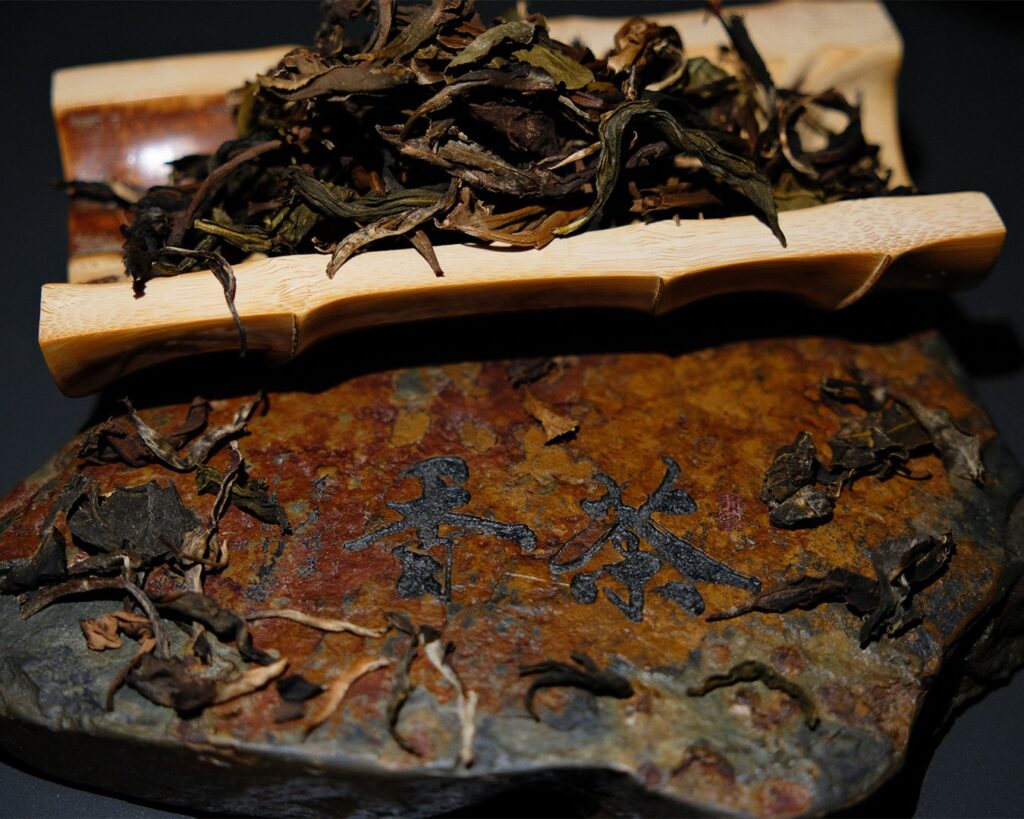
In the quiet moments of tea brewing, when boiling water meets the leaf, something magical happens. The essence of the tea unfurls, offering not only a delicate fragrance but also a profound gift to the body. Tea, in its purest form, is more than just a drink. It is an ancient, living ritual that nourishes the body, and with every sip, the antioxidants in tea work silently, offering protection and promoting health.
Tea is not just a beverage; it is a drink that has, for centuries, been celebrated not only for its flavor but for its health benefits, guiding many to explore what truly defines the healthiest tea between Chinese herbal infusions and authentic tea leaves. Antioxidants, the life-preserving compounds that neutralize free radicals, play a central role in tea’s remarkable ability to support health. From the fresh, grassy notes of green tea to the deep, earthy richness of pu-erh, each cup offers a silent conversation between the plant and your body.
At Tea Room by Ki-Setsu, we honor the journey of tea through time, understanding that the benefits it offers today are as much a product of heritage as they are of modern science. In this article, we explore the complex world of antioxidants in tea, the various health benefits they provide, and how they contribute to a lifetime of well-being, with scientific support confirming these same benefits across diverse populations.
Antioxidants in Tea: Nature’s Defense System
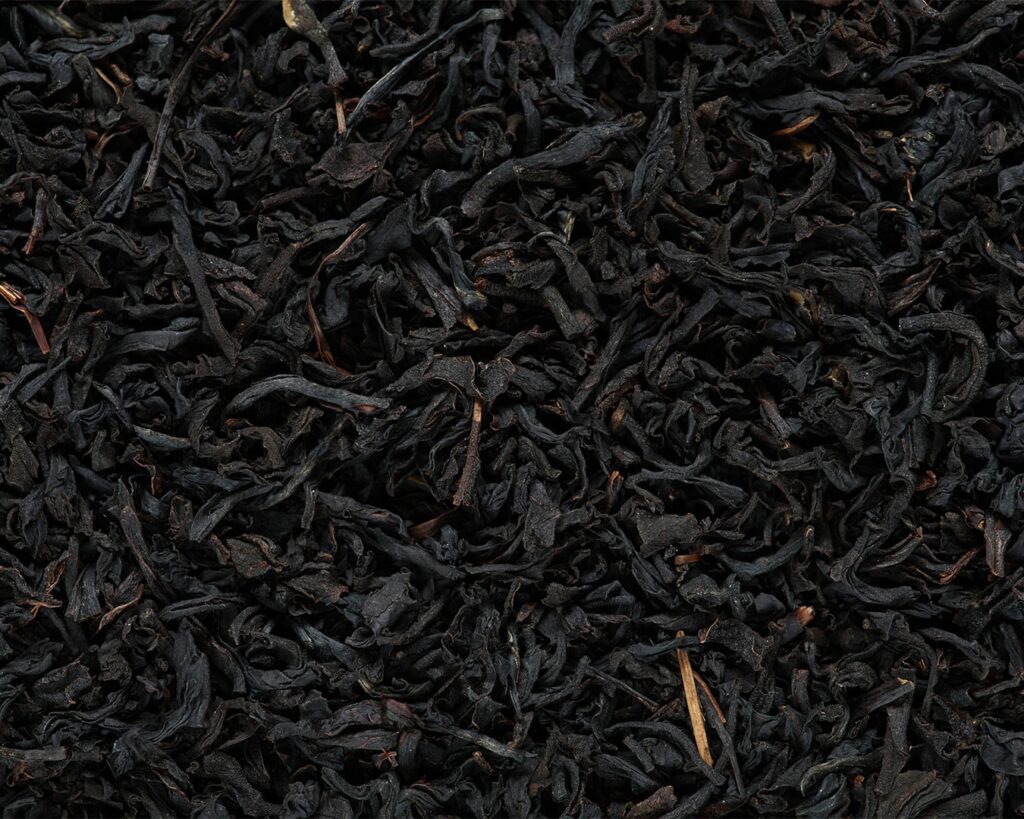
The conversation about the health benefits of tea centers on its rich antioxidants, especially those in the leaves and buds. These compounds, potent in true teas, have been studied extensively by the National Cancer Institute and global research bodies.
Camellia Sinensis: The Botanical Source
At the heart of tea’s antioxidants is the Camellia sinensis plant, source of all true teas: green, black, oolong, white, yellow, dark, and pu erh. It contains unique tea polyphenols like catechins, theaflavins, and thearubigins, which drive the antioxidant activity and health benefits of tea leaves.
Ferric Reducing Antioxidant Power: Measuring Potency
Researchers use the ferric reducing antioxidant power (FRAP) assay to measure tea’s antioxidant potential. Studies in the Nutrition Journal and Food Science publications show tea’s total antioxidant content often exceeds that of foods like red wine, dark chocolate, sweet potatoes, and whole grains.
Antioxidant Activity and Human Health
Tea’s antioxidant activity arises from naturally occurring antioxidants: polyphenols, vitamin C (ascorbic acid), vitamin E, and other nutrients. The oxidation process shaping each tea type affects antioxidant profiles, linking tea’s dietary intake to cardiovascular disease prevention and cancer risk reduction, as studied in international journals.
Free Radicals: The Rationale for Daily Tea
Free radicals are unstable molecules from metabolism and stress that damage cells, contributing to ageing, high blood pressure, heart disease, and cancer risk. Antioxidants in tea neutralize free radicals, boost antioxidant enzymes, and provide continuous defense against oxidative stress. Evidence suggests regular tea intake offers protective effects unmatched by supplements.
In summary, tea’s naturally occurring antioxidants from Camellia sinensis are potent, measurable, and scientifically supported, forming the foundation of tea’s reputation as a beneficial functional food.
The Impact of Antioxidants in Tea on Heart Health

One of the most extensively researched health benefits of antioxidants in tea is their positive impact on heart health. Scientific studies consistently show that regular consumption of green tea and black tea leaves improves cardiovascular health by lowering high blood pressure, enhancing vascular function, and reducing cholesterol oxidation. All these are critical factors in preventing heart disease and promoting cardiovascular protective effects.
The antioxidants in tea, particularly catechins and theaflavins, help protect cells by supporting blood vessel elasticity and promoting healthy circulation. Drinking a daily cup of tea acts as a natural ally in maintaining heart health and reducing the risk of cardiovascular disease.
Additionally, a diet high in antioxidants from tea is linked to a lower risk of stroke and overall stronger cardiovascular function. These cumulative effects of tea’s antioxidant compounds contribute to long-term heart protection, making each cup a simple and effective step toward improved public health and reduced all cause mortality.
Antioxidants in Tea and Their Role in Metabolism and Weight Management

Tea has been consumed for centuries, and its health benefits have been extensively studied. Green tea, rich in catechins like EGCG, is known to boost fat oxidation and enhance metabolic rate. The combination of tea polyphenols and mild caffeine supports weight management and improves insulin sensitivity.
Rather than a quick fix, tea provides long-term metabolic support by promoting fat burning and regulating blood sugar, helping prevent type 2 diabetes. True teas from the Camellia Sinensis plant (especially green and oolong tea) offer a complex array of naturally occurring antioxidants that aid metabolic health when included in a balanced diet.
Tea and Cognitive Function: Antioxidants for the Mind
The benefits of tea extend beyond the physical to cognitive health. Antioxidants, especially L-theanine, promote relaxation and enhance focus without the jitteriness of coffee. The combination of L-theanine and caffeine in tea provides smooth, sustained alertness, boosting cognitive function and mental clarity.
Studies show that antioxidants in tea reduce oxidative stress linked to cognitive decline. Regular consumption, particularly of green tea leaves, is associated with improved cognitive function and a lower risk of Alzheimer’s disease. Thus, tea nourishes the body and protects the mind, supporting overall health and well-being.
Aging and Antioxidants in Tea: A Natural Shield

One of tea’s most celebrated benefits is its ability to combat aging. Oxidative stress accelerates skin aging by damaging cells, leading to wrinkles and other age-related issues. Antioxidants in tea, especially EGCG in green tea, neutralize free radicals, protect skin from UV damage, reduce inflammation, and enhance hydration.
While not a substitute for sunscreen, tea’s antioxidants complement skincare by supporting cell repair, reducing degenerative risks, and promoting vitality. Incorporating tea daily nourishes the body and strengthens resilience against aging effects, contributing to overall health and longevity.
Comparative Antioxidant Levels Across Tea Types
All true teas come from the Camellia sinensis plant, but their antioxidant profiles vary due to differences in processing and oxidation.
White Tea: High Antioxidant Activity
Minimally processed, white tea preserves high levels of naturally occurring antioxidants, especially catechins, offering potent free radical protection and making it a top choice for adding antioxidants through functional foods rather than supplements.
Green Tea: Benchmark for Antioxidants
Green tea is treated with heat to prevent oxidation, preserving high levels of catechins like EGCG. Its vibrant, fresh taste is a benchmark for antioxidant potency, offering the most consistent health benefits.
Yellow Tea: Unique Antioxidant Benefits
With slow, controlled oxidation, yellow tea offers a smooth flavor and distinct antioxidant profile. Its moderate catechin content and tea polyphenols provide meaningful cellular protection and diversify antioxidant intake.
Oolong Tea: Balanced Antioxidant Profile
Oolong is partially oxidized, offering a balance of catechins and theaflavins. It provides a unique spectrum of benefits, supporting metabolism and cardiovascular health.
Black Tea: Robust Antioxidants
Fully oxidized, black tea transforms catechins into theaflavins and thearubigins, providing a different but equally powerful antioxidant profile that supports heart health.
Dark Tea (Pu-erh): Distinctive Antioxidants
Post-fermented dark teas like pu-erh develop unique antioxidants due to microbial activity. These compounds aid digestion and support metabolic health, broadening the antioxidant sources available from tea.
Despite varying antioxidant levels, all tea types contribute valuable antioxidant properties. Incorporating multiple teas into a diet rich in functional foods enhances wellness and underscores tea as a central antioxidant source.
How Antioxidants Benefit Your Body: Research-Supported Health Benefits

Tea’s primary function is cellular protection. By neutralizing free radicals, tea helps slow aging and prevent tissue damage. This protection translates into various health benefits, including heart health, cancer prevention, and neuroprotection.
Tea polyphenols are particularly effective in preventing cardiovascular disease. The National Cancer Institute and other health organizations recognize tea’s protective effects on blood vessels, blood pressure, and cholesterol. Tea’s antioxidant properties help maintain vascular health and reduce the risk of atherosclerosis.
For cancer prevention, although no single food guarantees protection, studies suggest that high tea consumption correlates with a reduced risk of certain cancers. Tea polyphenols have been shown to inhibit tumor growth and promote apoptosis.
Tea also provides anti-inflammatory and neuroprotective effects. By defending neurons from oxidative stress, tea supports cognitive health and reduces the risk of cognitive decline, including Alzheimer’s disease.
Food Science: Tea and Its Place Among Antioxidant-Rich Foods
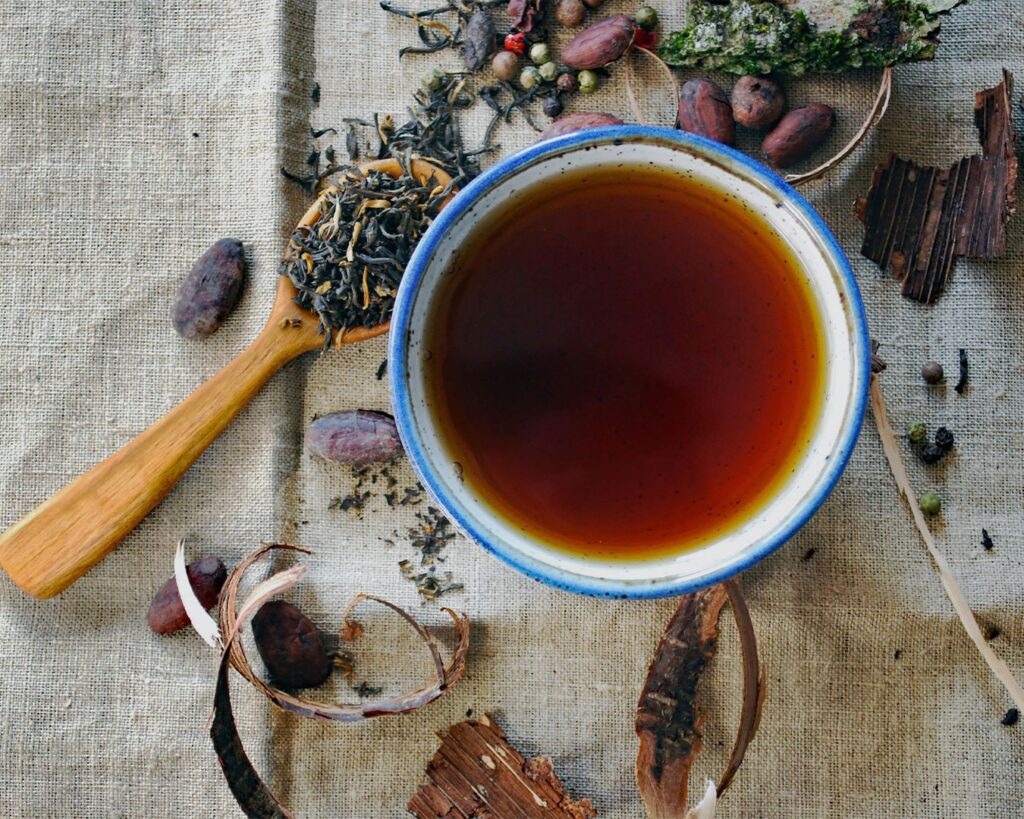
When we turn to food science, tea emerges as a remarkable source of naturally occurring antioxidants. Compared with other foods lauded for their antioxidant properties such as coffee, dark chocolate, red wine, fruits, vegetables, sweet potatoes, and whole grains. Tea offers a uniquely concentrated supply of polyphenols. Unlike many functional foods, the antioxidant compounds in Camellia Sinensis have been studied for both their bioavailability and their capacity to work synergistically within the matrix of the tea leaf itself.
Antioxidant Supplements vs. Tea: Whole Food Synergy
The discussion between antioxidant supplements and tea’s natural benefits remains robust. While supplements provide isolated doses of nutrients like vitamin C, vitamin E, or beta carotene, the evidence suggests that dietary intake from natural products (in their original matrix) often provides more antioxidants that are better absorbed and utilized by the body. Peer-reviewed studies in nutrition journals frequently cite tea as a more holistic approach, its complex mix of phytochemicals offering broader benefits than single-compound supplements ever could.
Ascorbic Acid and Tea: Vitamin C in Context
Ascorbic acid (vitamin C) is a well-known dietary antioxidant, abundant in citrus fruits and certain vegetables. While tea is not the richest natural source of ascorbic acid, it complements vitamin C’s effects. The interplay of tea’s polyphenols with dietary vitamin C from other foods produces a synergistic antioxidant activity in the body, creating a nutritional safety net that extends cellular protection.
Conclusion: Tea as a Living Elixir of Wellness
Tea offers more than flavor; it is a living elixir that works in quiet harmony with the body. From antioxidant protection to cognitive enhancement, tea is a timeless practice that nourishes both body and mind. Research suggests its ability to slow the aging process, protect the heart, and support metabolism makes it one of the most revered beverages in history.
At Tea Room by Ki-Setsu, we invite you to experience the depth of tea’s health benefits in a space that honors the ritual of tea drinking. Every cup tells a story, and each sip brings you closer to understanding the quiet power of tea. We welcome you to join us in the practice of sipping wellness, where centuries of tradition meet modern-day science in every infusion. Discover the complete spectrum of tea benefits in our comprehensive guide.
For those with specific health conditions or concerns, it is always wise to seek advice from healthcare professionals regarding incorporating tea into your daily diet.