There is a quiet world that unfolds in the heart of a tea room, a space where time slows and warmth breathes through every corner. The authentic chinese tea ceremony ritual is not about quenching thirst; it is a moving meditation, an art form steeped in centuries of ancient wisdom. This practice transcends simple tea drinking, transforming the act into a communion with nature, craftsmanship, and the self. It is a ritual that can be woven into the fabric of daily life, offering a moment of profound stillness.
At Tea Room by Ki-setsu, we are dedicated to preserving this tradition in Singapore. We believe that in every pour, there are layers of history waiting to be discovered, a quiet indulgence in the art of patience.
Understanding the Authentic Chinese Tea Ceremony Ritual
What distinguishes an authentic chinese tea ceremony from casual drinking tea? The difference lies in intention. While any brew can be enjoyed, a tea ceremony elevates the process through mindfulness and precision. This practice, with roots stretching back to the Tang Dynasty and beyond, is crystallised in the philosophy of gongfu cha; literally, “making tea with skill.” It is an embodiment of respect for the leaf, the water, and the guest.
In gongfu cha, every gesture carries meaning, from the way the tea pot is held to the silence that follows each tasting. This contemplative practice differs from the celebratory chinese wedding tea ceremony, which focuses on honoring family and social bonds. Here, the focus is internal; a journey into the sensory world of a single leaf. It is a disciplined yet deeply personal expression of chinese culture.
Essential Elements: The Sacred Tools
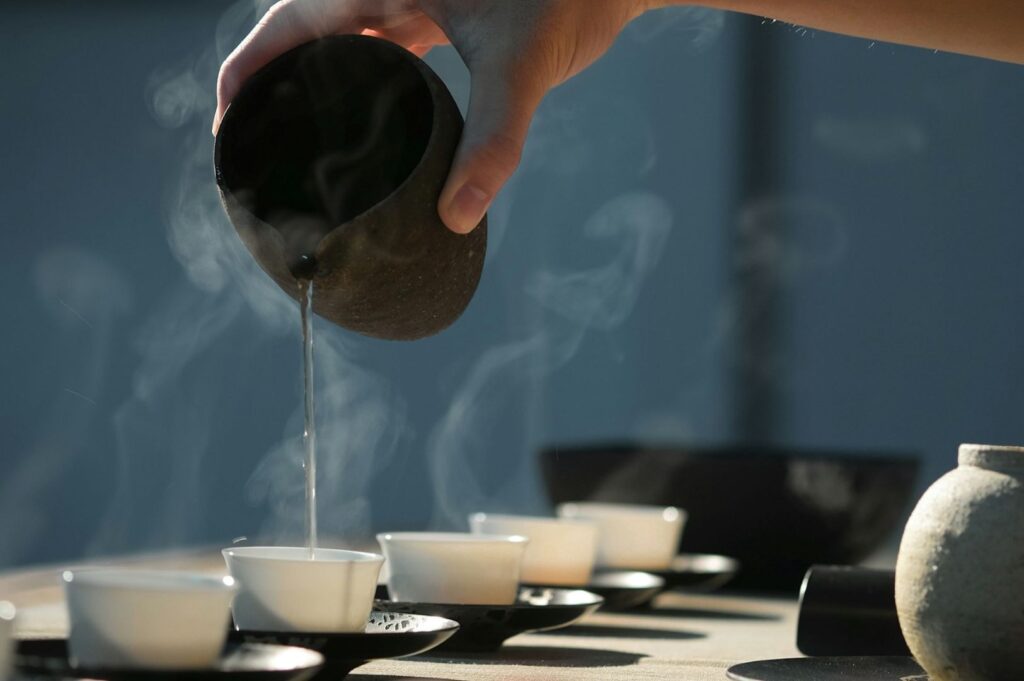
The sacred tools of a tea ceremony are not mere implements; they are partners in the ritual, each with a practical and symbolic purpose. These essential elements form the foundation of the tea table.
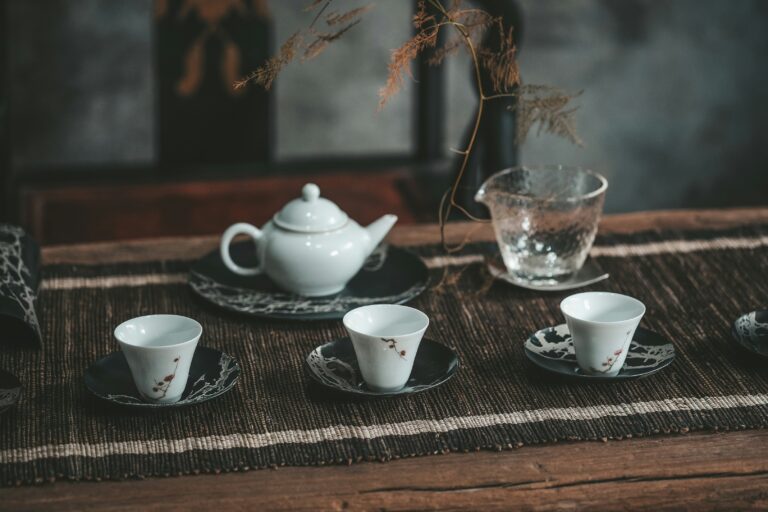
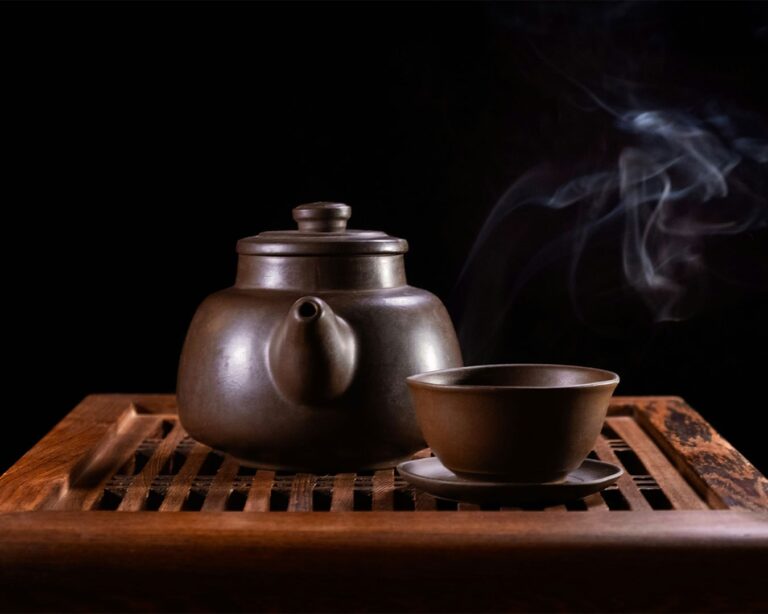
The tea pot, often a small teapot made from porous Yixing clay, develops a spiritual relationship with the tea leaves over time, absorbing their oils and enhancing future brews. The tea cups, and specifically small tea cups, are designed to encourage mindful sipping, allowing the drinker to appreciate the nuances of each infusion.
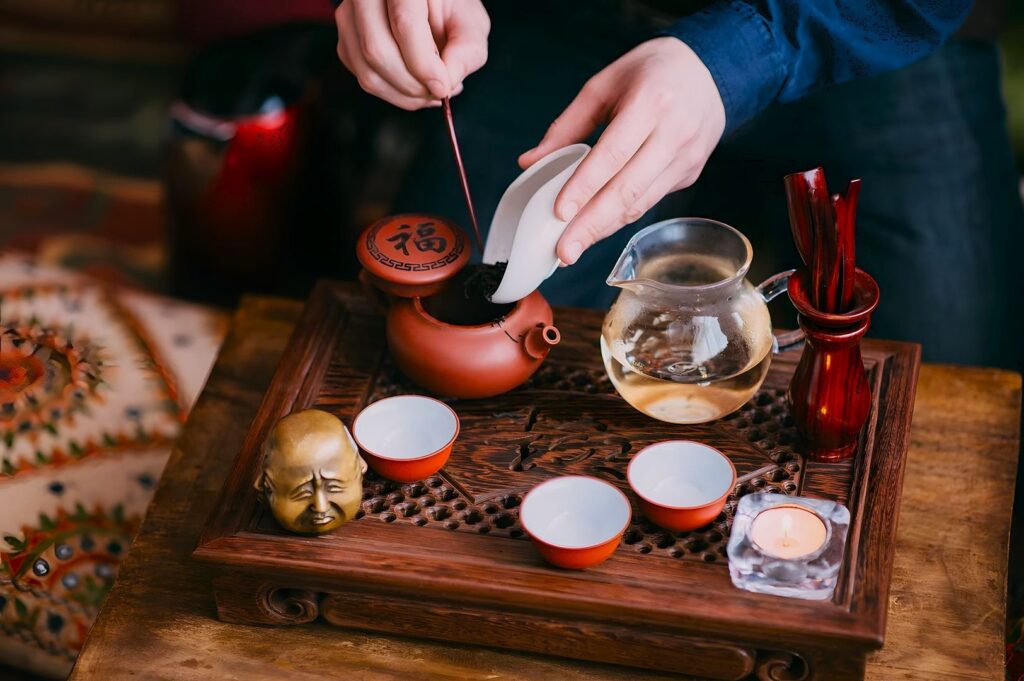
A tea tray, also called a tea boat, serves the practical function of catching spills and discarded water, while also symbolising the cleansing of the space and the palate. The tea scoop, usually made of bamboo, ensures precision in measuring the leaves. The gong dao bei, or fairness cup, is used to hold the brewed tea before serving, ensuring that all family members or guests receive a brew of equal strength and temperature. Finally, clay “tea pets” are silent companions on the tray, absorbing the ritual’s excess tea and energy.
The Sacred Preparation Before Brewing Tea
The authentic chinese tea ceremony ritual begins long before water touches the leaf. The first and most crucial step is mental readiness; a conscious effort to clear the mind and bring one’s full attention to the present moment.
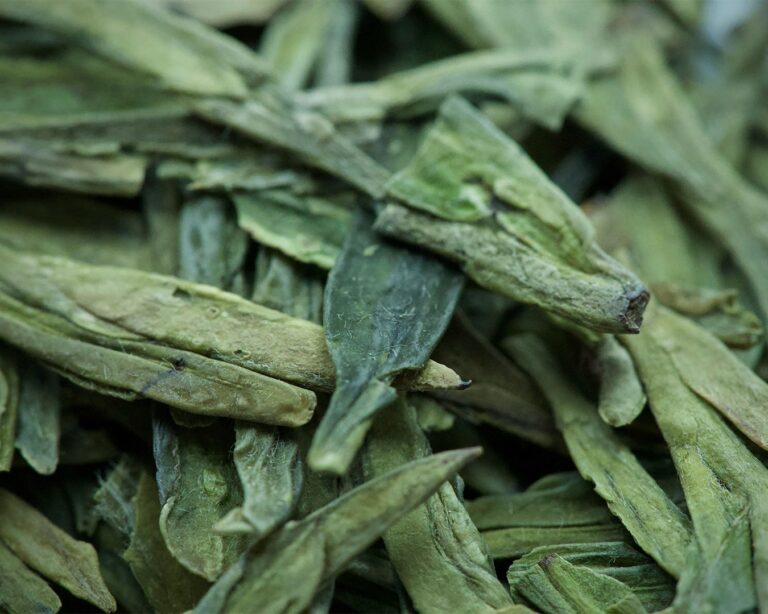
Next comes the selection of chinese tea. A delicate green tea, a complex oolong, a deep pu erh, or a robust black tea; each category demands a different approach to temperature and timing. The quality of the water is paramount; serious tea drinkers obsess over sourcing pure, soft hot water that will not interfere with the quality tea’s flavour.
Temperature precision is critical. While some teas require boiling water, a gentle green tea will be scalded and turn bitter if the water is too hot. Finally, setting the tea table is an act of intention. Simplicity reigns, often accented by simple flower arrangements that reflect the season and create a harmonious space for tea preparation.
Traditional Chinese Tea Ceremony Steps: The Complete Ritual
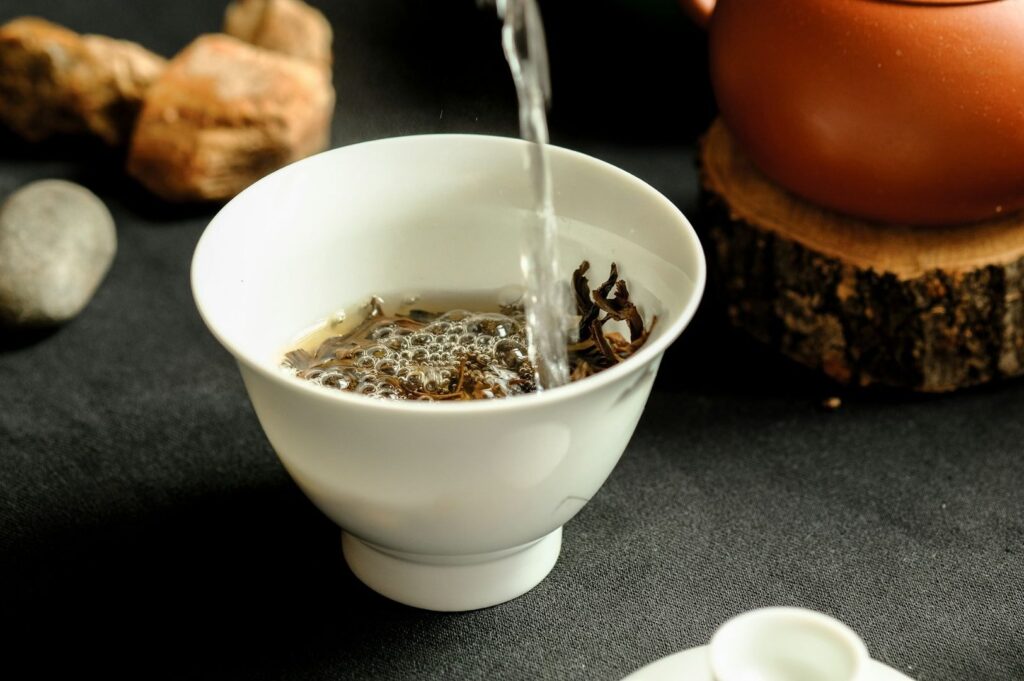
The following steps outline the graceful choreography of gongfu cha, a dance between water, leaf, and intention.
Step 1: Warming the Vessels
The ceremony begins by pouring hot water into the empty tea pot and cups. This initial warming serves two purposes: it ensures temperature consistency for the first proper infusion and demonstrates respect for the vessels. After a few moments, the water is discarded onto the tea tray, washing away any residual dust and symbolically cleansing the space.
Step 2: Awakening the Tea Leaves
With a tea scoop, the chosen tea leaves are placed into the warmed vessel. The first brew is a brief rinse, lasting only a few seconds, designed to gently awaken the dormant leaves from their slumber. This quick wash helps to unfurl the leaves, release any dust from storage, and prepare them to share their full spectrum of flavours. For certain exceptionally delicate or premium teas, some traditional methods may skip this step to preserve the most subtle notes.
Step 3: The First Pour and Its Significance
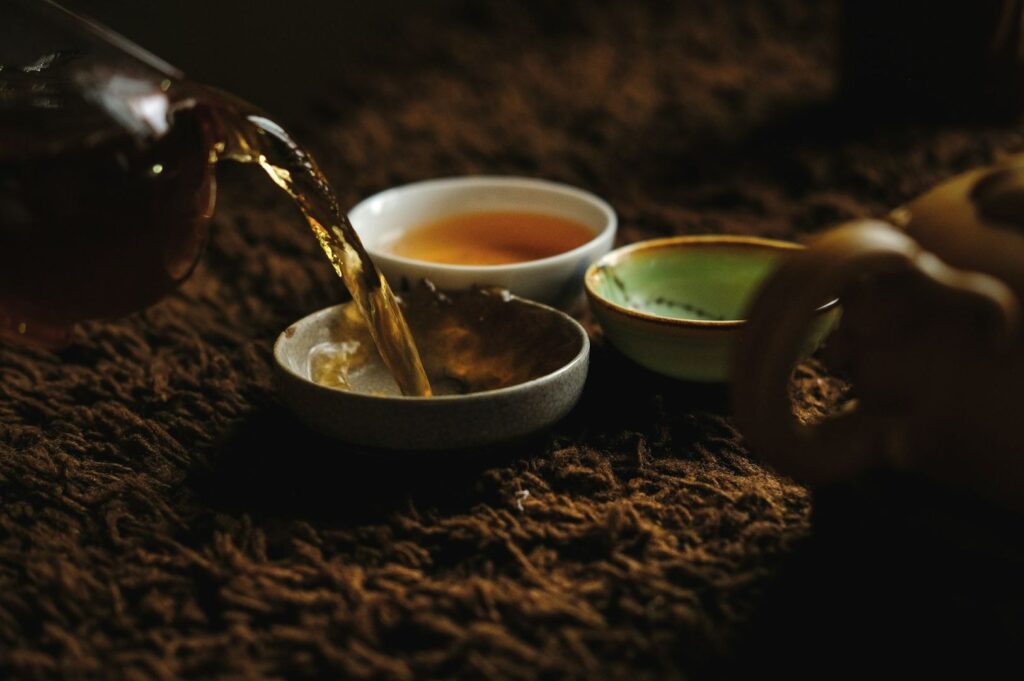
Now, the true brewing begins. Boiling water or appropriately heated water is added to the pot. Infusion time is brief and precise: a green tea may need only 30 seconds, an oolong around 45, and a dense pu erh up to a minute. The brewed liquor is then poured entirely into the fairness cup. From there, it is distributed into the small tea cups. This crucial step ensures every person receives tea of identical strength, colour, and warmth. Before the first taste, participants are encouraged to observe the colour and inhale the rich aroma.
Step 4: Multiple Infusions – The Heart of Gongfu Cha
The heart of gongfu cha lies in its appreciation for multiple infusions. High-quality tea leaves are not exhausted after one brew; they are just beginning their conversation. Premium leaves can often yield five, ten, or even more infusions. Each next round reveals different layers of flavour, transforming the tasting experience over time. The steeping time is gradually increased, often by five to ten seconds with each subsequent infusion. It is in this repetitive, patient process that brewing tea becomes a form of meditation.
Step 5: Serving Tea with Intention
In formal tea ceremonies and family gatherings, the act of serving tea follows a clear hierarchy rooted in respect. Elders are served first, followed by guests, with the host serving themselves last. In a chinese wedding tea ceremony, this ritual is central, with the couple serving the bride’s family, the groom’s family, the bride’s parents, the groom’s parents, the bride’s grandparents, and other relatives like older cousins. Each cup is always delivered respectfully with both hands.
Step 6: Closing the Ceremony
The ceremony concludes with the final pour from the final infusion. A moment of silence is often observed to honour the tea that has shared its essence. The vessels are then emptied and cleaned mindfully, bringing the ritual to a graceful close.
Chinese Wedding Tea Ceremony: A Cultural Parallel
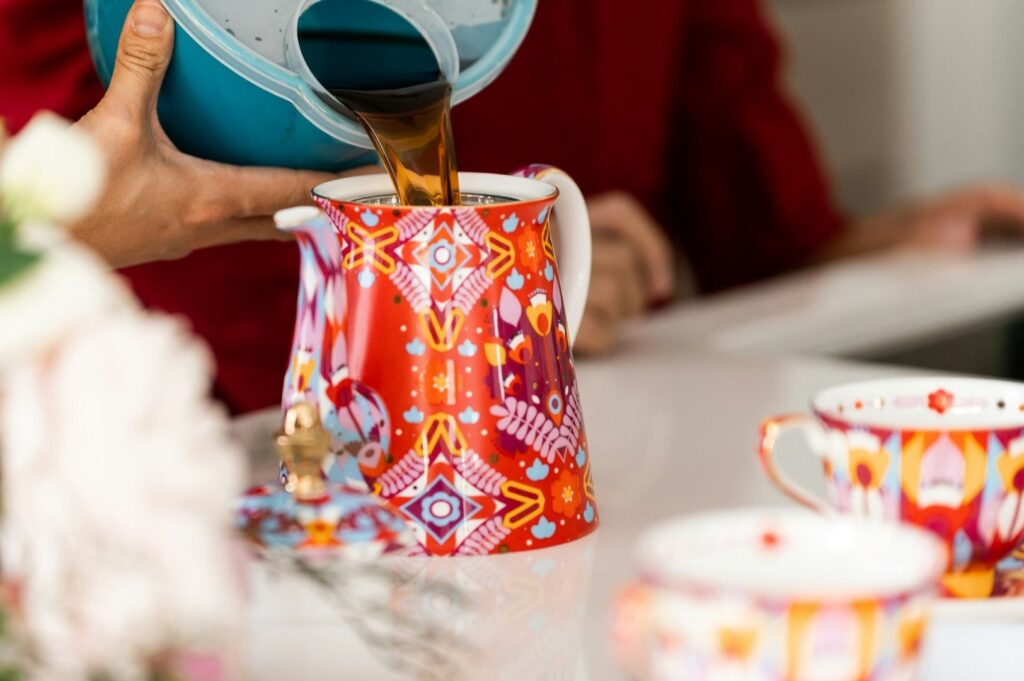
The chinese wedding tea ceremony is a beautiful adaptation of these tea rituals for the chinese wedding tradition. On the wedding day, often after the morning’s door games, the couple will engage in the act of offering tea. This usually takes place at the family home or the wedding venue. Either the bride in her vibrant red dress or a modern shapely dress, and the groom in his suit and red tie, will together pour tea for their respective family members.
The tea set itself is symbolic, often including lotus seeds and red dates, both symbolizing fertility and good fortune. As the two families unite, the couple’s parents receive the tea and offer their well wishes, often giving red envelopes or gold jewelry in return. Traditional etiquette dictates that the couple kneel or bow while serving, although some modern adaptations have emerged and there is no strict rule. A wedding photographer is always present to capture this intimate exchange, often staged with two pillows for kneeling. This ceremony is less about contemplative tasting and more about celebrating lineage and honouring the union of families.
Common Mistakes in Daily Life Tea Practice
While embracing your own tea ceremony at home is a rewarding practice, a few common mistakes can hinder the experience. The most frequent error is water temperature; using boiling water on a delicate green tea will scorch the leaves and create bitterness. Another is rushing the infusions. Patience is one of the essential elements of gongfu cha.
Using the wrong vessel can also affect the outcome. A porous Yixing tea pot is perfect for oolong or pu erh but may retain the flavour of black tea too strongly. Overfilling tea cups is also a common misstep; traditional etiquette suggests filling them only to 70%, leaving space for the aroma to gather. Finally, ignoring water quality can mask the nuanced flavours of quality tea.
Regional Variations in Chinese Culture
Chinese culture is not monolithic, and neither are its tea traditions. Different regions have developed unique ceremonies that reflect their local leaves and cultural values.
In Fujian, the home of oolong, tea rituals often feature lighter, more floral profiles, perfect for dispelling the summer heat. In Yunnan, the birthplace of pu erh, the ceremony is often earthier and slower, mirroring the quiet pace of mountain life. The most famous variation is the Chaozhou gongfu ceremony from Guangdong, which uses the smallest tea pot and cups to create incredibly concentrated and potent brews.
Experience Authentic Chinese Tea Ceremony at Tea Room by Ki-setsu
The authentic chinese tea ceremony ritual transforms simple tea drinking into a profound communion with ancient wisdom. Whether you are practicing your own tea ceremony at home or attending formal tea ceremonies, every pour is an opportunity to honour centuries of chinese culture.
At Tea Room by Ki-setsu, we are dedicated to preserving these traditional methods in Singapore’s most intimate tea sanctuary. Our limited private sessions ensure that each guest receives undivided attention, allowing them to fully immerse themselves in the art form of gongfu cha and the deep traditions of chinese tea.