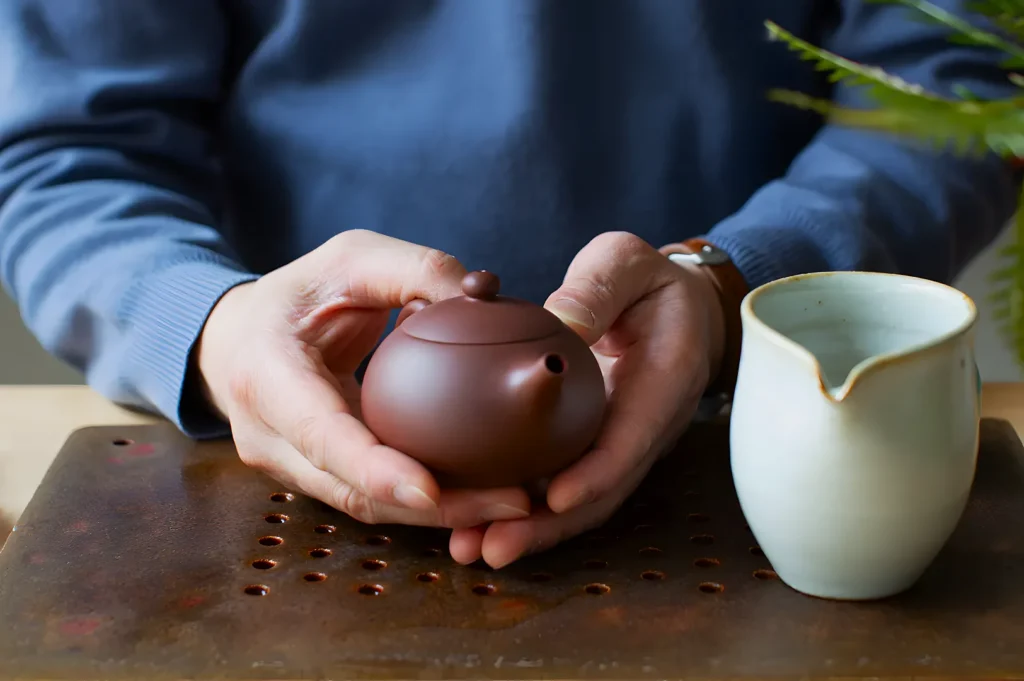
If you paid $50 for a ‘zisha teapot,’ you didn’t buy zisha. It is a harsh truth, but a necessary one to confront. The reality is that a vast majority of yixing teapots circulating in Singapore’s market today are simply chemical clay imposters masquerading as the real thing.
Our intent here is not to pass judgment on past purchases, but to serve as an educational guide to protect your future ones. To fully appreciate the art of brewing tea and the rich taste it offers, tea lovers must understand the vessels that cradle it. In our Chinese tea sanctuary, we’ve seen too many disappointed guests discover their ‘yixing clay’ teapot was never genuine yixing at all.
Here are some essential tips to help you identify authentic handmade zisha teapots from China, ensuring you enjoy the true flavor and aroma that only real yixing clay can provide.
For readers who wish to explore the subject in greater depth, we have prepared a comprehensive guide to buying genuine Yixing teapots in Singapore, outlining the essential markers of authentic clay and craftsmanship.
Why Singapore’s Zisha Teapot / Yixing Teapot Market Needs Scrutiny
Singapore is currently experiencing a beautiful tea renaissance. A growing appreciation for traditional brewing methods is driving a surge in demand for the perfect zisha teapot. Unfortunately, this renewed interest has been met with a flood of counterfeits pouring through online platforms and bustling tourist shops.
Industry estimates now suggest an astonishing 90% of what is labelled as “zisha” globally is, in fact, fake. Singapore finds itself uniquely vulnerable to this influx. As an international shipping hub with an affluent market but limited local authentication expertise, it is easy for mass-produced imitations to slip through unchallenged.
At Tea Room by Ki-setsu, we watch this carefully. Our guests’ tea drinking experience depends on authentic materials. Understanding the difference between real yixing clay and imitation transforms you from vulnerable consumer to informed curator.
Understanding the Issue of Fake Zisha Teapot
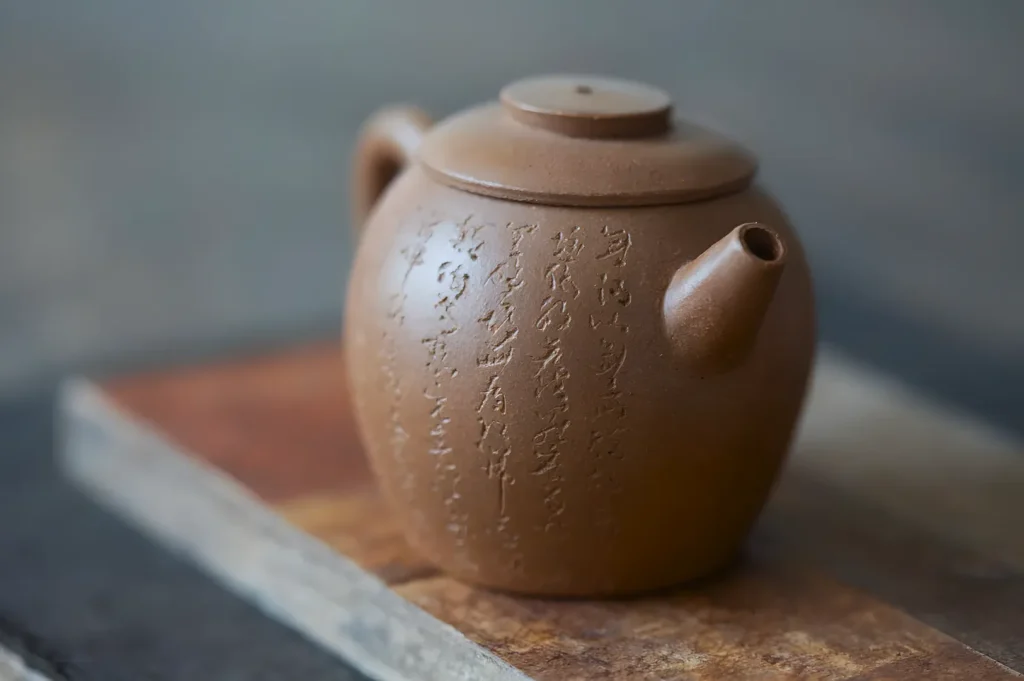
To understand what makes a fake, we first need to know what it’s made of. Most imitation pots are made from chemical clay (huaxue ni), which is ordinary industrial clay mixed heavily with artificial colorants, metallic pigments, chemical sealants, and synthetic additives. These materials are combined to mimic the appearance of natural purple or red clay.
These fake pots are usually made by pouring the clay into slip-cast molds to create uniform shapes, then painted or polished to give a false shine. This process raises three major concerns for buyers. First, the health risks: heavy metals like lead and cadmium in the artificial pigments can leach into your tea when exposed to boiling water.
Second, fake clay offers no functional benefits. Unlike genuine yixing teapots, which have a unique double-pore structure, fake clay lacks this porous nature. That means no mineral interaction, no absorption of tea oils, and no flavor improvement over time. Lastly, there’s the aesthetic deception: chemical clay never develops a natural patina and often cracks on the surface within months.
Real yixing zisha clay breathes. If you hold it to your ear after pouring boiling water, you can hear tiny movements as the pores open. Fake clay remains silent: sealed and inert. This difference matters not just for your money, but for your safety, your tea journey, and honoring true craftsmanship instead of supporting deception.
Seven Signs of Real Yixing Teapot: Shi Piao, Tiny Bumps and More
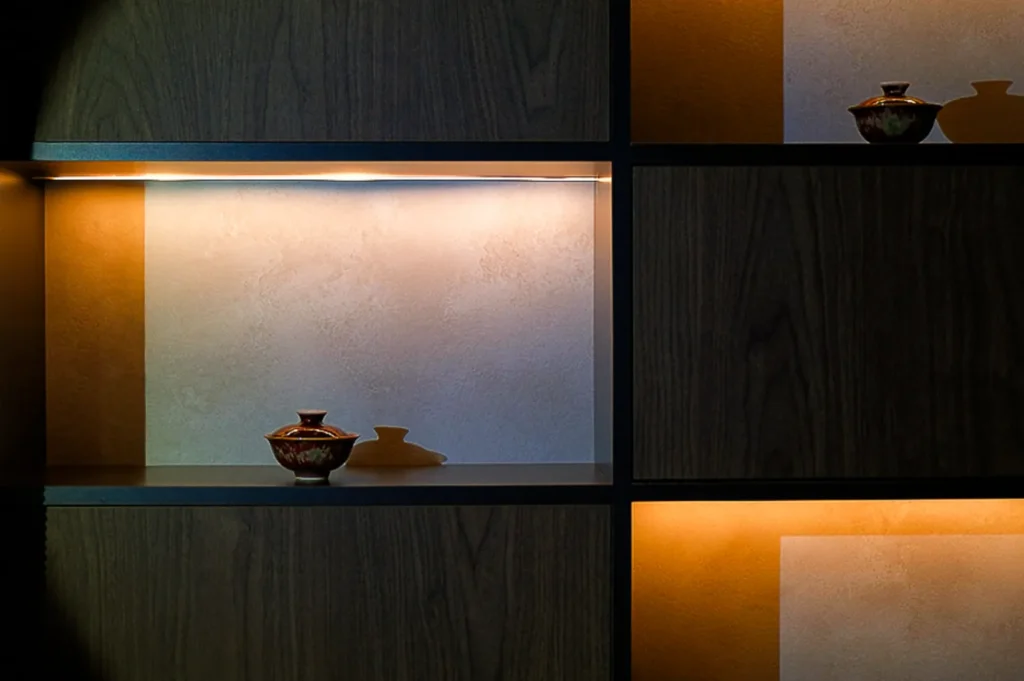
When distinguishing a real from a fake Yixing teapot, careful observation is key. Here are seven signs to look for:
- Price Reality: Authentic zisha teapots for Singapore buyers typically start at $150 to $200 SGD, reflecting the scarcity of the clay and the potter’s years of training.
- Weight and Density: Genuine zisha clay has a distinctive heft—heavier than standard ceramic but slightly lighter than dense porcelain.
- Surface Texture: Look for tiny bumps called “jumping sand” (tiao sha), tiny black spots indicating natural iron, and tiny white spots which are quartz particles. The surface should feel slightly grainy and organic, never glass-smooth.
- Sound Test: Gently tap the lid against the body. Authentic clay produces a clear, resonant ring, unlike the dull thud of chemical clay.
- Water Absorption: When boiling water is poured over the exterior, real Yixing clay darkens immediately as it absorbs moisture.
- Human Craftsmanship: Check for slight irregularities in internal seam lines, precise lid fit, and hand-carved details. The shi piao (artist seal) on the base should be crisply carved, not bluntly stamped.
- Provenance Documentation: Demand documentation including the maker’s name, specific clay body type, and origin certification from the Yixing region.
At Tea Room by Ki-setsu, we source directly from Yixing and understand the true cost of authenticity.
Genuine Yixing Value and Jumping Sand: Understanding Price vs Value
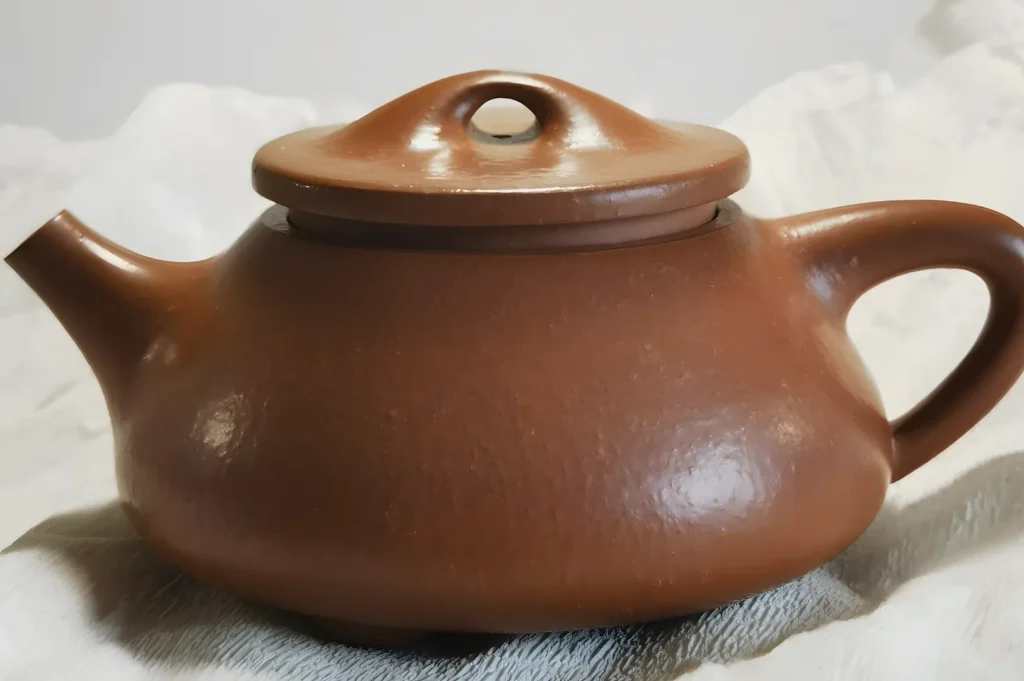
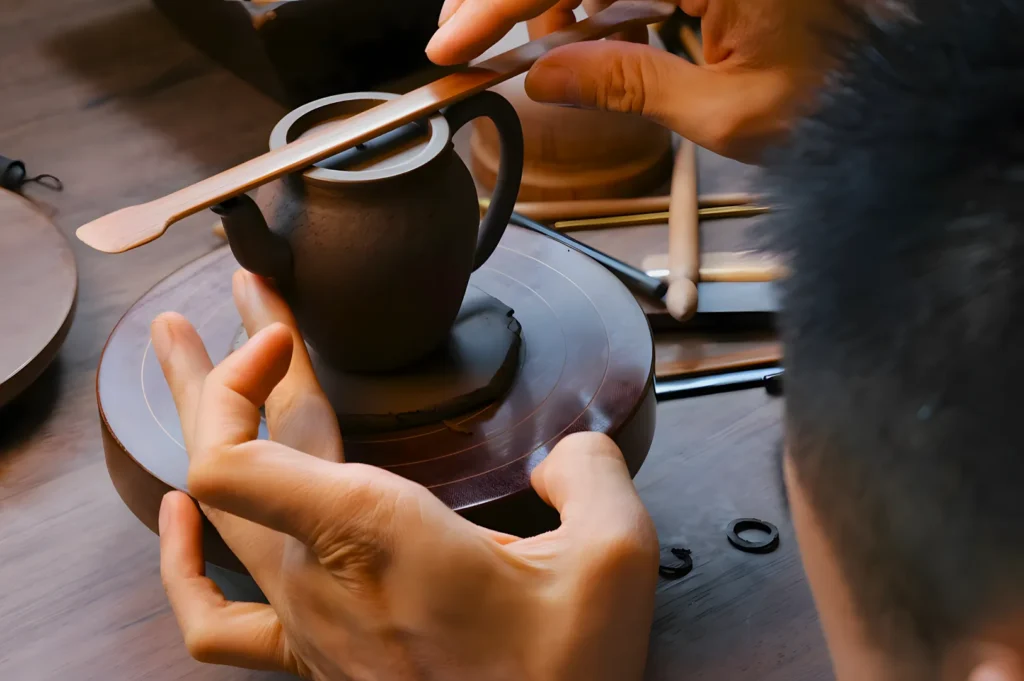
It is natural to hesitate at the price of genuine craftsmanship. However, the true cost of a zisha teapot reflects raw clay scarcity, master artistry, and an intensely demanding firing process. Traditional hand-thrown construction alone requires anywhere from 15 to 40 hours of focused labour per pot.
When we reframe this cost, the long-term value becomes strikingly clear. A $300 teapot used daily for 30 years breaks down to merely $0.027 per brewing session. Many of us would readily spend a similar amount on a fine bottle of wine destined to be enjoyed for just one evening.
Unlike most purchases that depreciate the moment you take them home, an authentic zisha teapot becomes more valuable with every use. It develops a luminous patina, builds a rich flavour memory of your favourite teas, and possesses true inheritance potential for future generations. We understand this represents significant investment. That’s precisely why we curate with such rigor—every teapot in our Singapore sanctuary earns its place through verified authenticity and exceptional artistry.
Where to Buy Authentic Zisha and Hand Carved Teapots in Singapore
To spot fake zisha teapots, carefully vet vendors and understand the qualities of genuine yixing zisha teapots. Look for green flags: deep knowledge of Chinese tea culture, yixing clay bodies like zi ni and zhu ni, potter lineages, and firing temperature details. Reputable sellers provide transparent pricing, clear return policies, certificates of authenticity, and high-resolution photos showing tell tale signs such as tiny white spots (mica), tiny black spots (iron oxide), and the natural texture of the wall and surface.
Beware of red flags: prices below $150 SGD, vague descriptions, bulk sales, high-pressure tactics, perfect machine-like uniformity (often slip cast or slip molded), and no maker or artist seal. Authentic yixing teapots are handmade or wheel thrown, with slight imperfections and hand carved details, not seamless machine-made lines.
Our curation starts in the yixing region, with potters whose families have worked this unique clay for generations. Every genuine yixing clay teapot comes with full provenance, including kiln and clay blend info. We encourage examining tell tale signs of authenticity: tiny holes from firing, larger grains on the surface, and natural dust texture of zisha clay, before purchase. This transparency is essential in a market flooded with deception.
Why Tiny White Spots and Tiny Black Spots Matter in Your Zisha Teapot Decision?
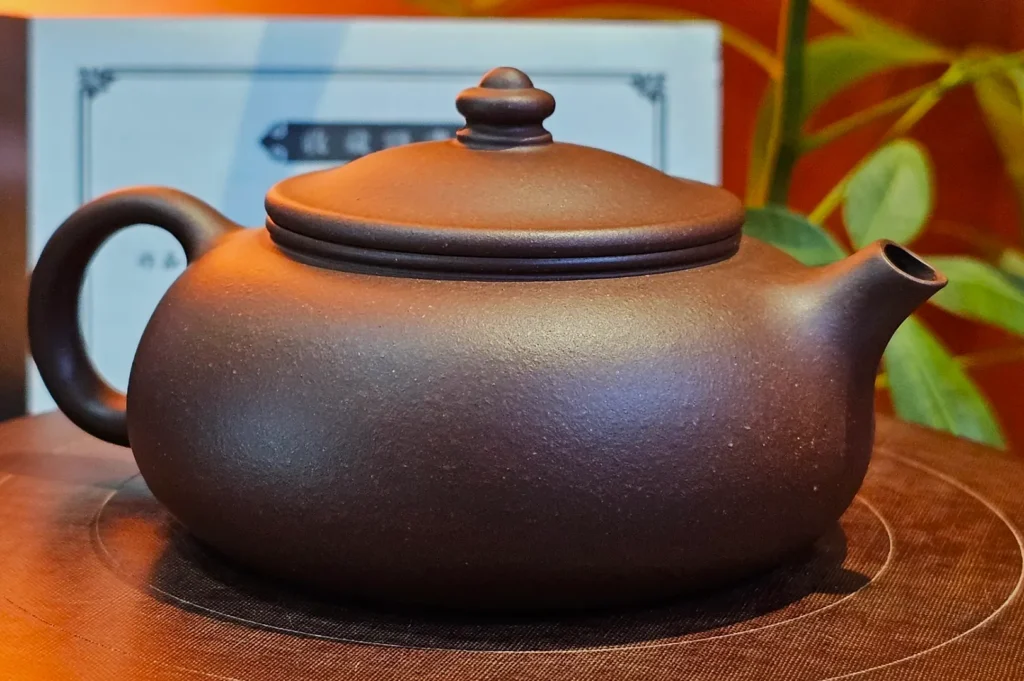
Ultimately, choosing authentic zisha over cheap imitations represents a broader philosophical choice. It means valuing handcrafted human craftsmanship over industrial efficiency, prioritising your personal safety over fleeting savings, and embracing genuine tea culture over superficial aesthetics.
Every time you brew in real yixing zisha clay, you actively participate in a continuous tradition that spans all the way back to the Ming Dynasty. The natural minerals interact seamlessly with the complex essence of tea compounds, the porous clay breathes alongside your tea journey, and the flavour of your daily brew deepens within a rich range of notes through patient seasoning.
In our exclusive tea sanctuary, we honour this ancient artistry. True luxury isn’t convenience: it’s authenticity that resonates through centuries.