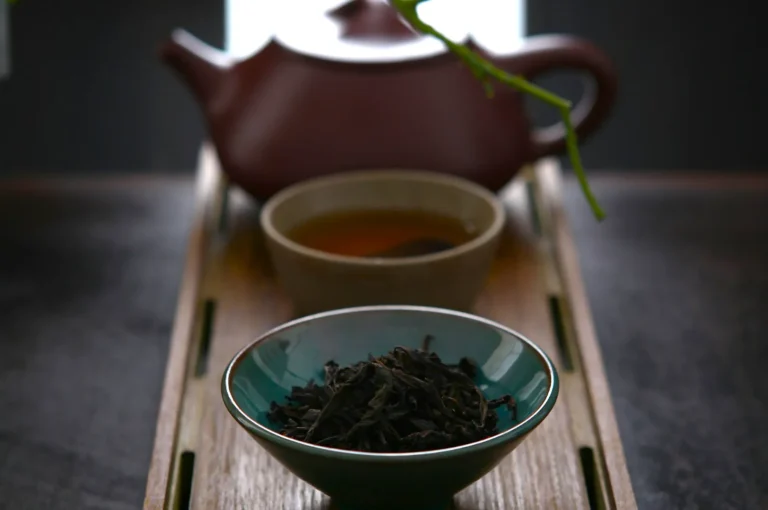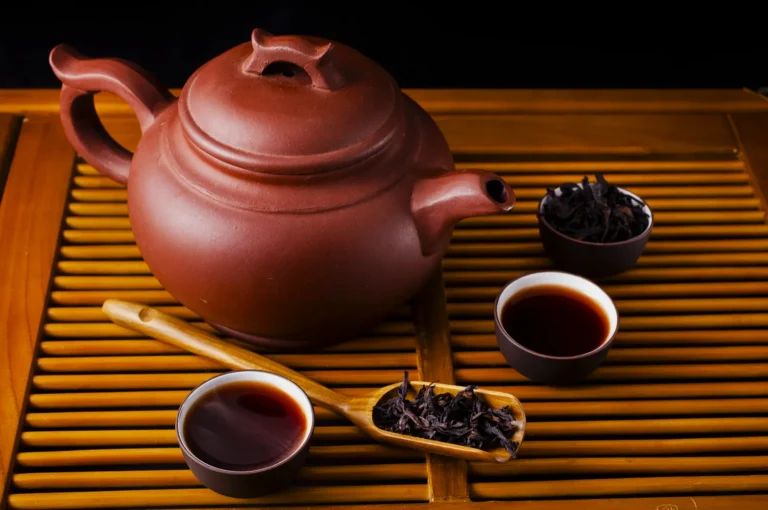

From the classic English breakfast blend to the nuanced varieties found in traditional Chinese ceremonies, black tea is one of the world’s most cherished beverages. Beyond its comforting warmth and rich flavour, a growing body of scientific research is uncovering the extensive health benefits packed into every cup. In fact, black tea offers several health benefits, as supported by scientific studies, including antioxidant properties, cardiovascular support, and more. Here in Singapore, where appreciation for authentic tea culture is flourishing, Tea Room by Ki-setsu serves as a gateway to understanding and experiencing the profound properties of black tea within the rich tapestry of traditional tea rituals. This article explores the science behind black tea, highlighting the health benefits of black tea from its unique bioactive compounds to its proven impact on physical and cognitive health.
Understanding The Black Tea Properties
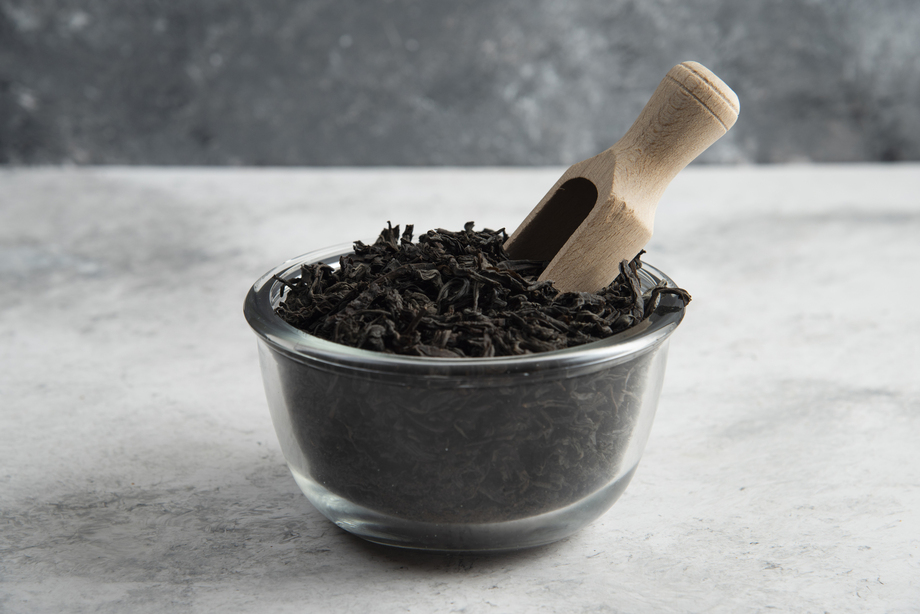
The deep, amber hue and robust flavour of black tea are the result of a specific production process that transforms the tea leaf and creates a unique chemical profile. Among the key molecular constituents in this profile are tea polyphenols, which are responsible for many of black tea’s health benefits due to their antioxidant and anti-inflammatory properties. Understanding these black tea properties is key to appreciating its wellness potential.
Key Bioactive Compounds
Unlike green tea, black tea leaves undergo a full oxidation process, transforming many original catechins into complex compounds like theaflavins and thearubigins. These black tea polyphenols are powerful antioxidants that support cardiovascular health, cancer prevention, and anti-obesity effects. Responsible for black tea’s dark color and astringency, this unique combination of bioactive compounds distinguishes black tea and drives many of its health benefits.
Nutritional Profile
Black tea is not just an antioxidant powerhouse; it also provides essential micronutrients like B vitamins (riboflavin B2 and folate B9) vital for energy metabolism and cell growth. It is a significant source of minerals such as manganese, important for bone health and metabolism, and potassium, which helps regulate fluid balance and blood pressure. Additionally, drinking black tea may help lower blood sugar levels after a meal, aiding postprandial glycemic control. Studies indicate that black tea may also help mitigate blood glucose spikes following the consumption of a high sugar beverage.
Some studies also suggest that black tea may help regulate body weight by influencing metabolism and fat absorption.
Caffeine and L-theanine Synergy
Many people drink black tea for its gentle energy boost, which feels distinctly different from coffee. This is due to the synergy between caffeine and the amino acid L-theanine, abundant in the tea plant. Caffeine blocks adenosine, promoting alertness, while L-theanine induces calm, focused relaxation by increasing alpha brain waves. Together, they provide smooth, sustained mental alertness, enhancing cognitive function without the jitters linked to high caffeine intake. Studies show L-theanine benefits stress reduction and improved sleep, especially in healthy adults.
Proven Health Benefits of Drinking Black Tea

Regular consumption of black tea is associated with a wide array of positive health outcomes, supported by extensive scientific research. However, it is important to be aware of potential health risks, particularly for individuals sensitive to caffeine or with certain health conditions. Black tea intake has been associated with a reduced risk of several chronic diseases, including cardiovascular disorders and diabetes. Consuming black tea daily for over 3 months has also shown greater decreases in both systolic and diastolic blood pressure, highlighting its role in supporting heart health and overall wellness.
Cardiovascular Health
One of the most well-documented benefits of black tea is its positive impact on cardiovascular health. The flavonoids in black tea improve the function of the endothelium, the thin lining of blood vessels, helping them relax and expand. Studies show that regular black tea consumption reduces oxidation of LDL (“bad”) cholesterol, a key factor in atherosclerosis. Elevated cholesterol, especially too much LDL (low density lipoprotein), is a major risk for cardiovascular disease and heart attack. A meta-analysis found that drinking three or more cups of black tea daily lowers heart disease risk by 11%. Drinking black tea significantly reduces LDL cholesterol by about 4.64 mg/dL, lowering heart attack and cardiovascular disease risk.
Scientific studies also indicate that regular black tea consumption lowers systolic blood pressure in people with high blood pressure, reducing cardiovascular risk and supporting heart health. Long-term black tea consumption has been linked to reduced stroke risk, emphasizing its cardiovascular benefits.
Digestive Health
The polyphenols in black tea act as prebiotics, feeding beneficial bacteria in your gut. A healthy gut microbiome is essential for digestion, immune function, and even mental well-being. Black tea supports gut health by promoting beneficial gut bacteria and reducing gut inflammation, which can improve gut barrier function. By promoting the growth of good bacteria and inhibiting harmful strains, the bioactive compounds in black tea help maintain a balanced gut environment, supporting long-term digestive health.
Mental Alertness
The combination of caffeine and L-theanine enhances cognitive function by improving focus, attention, and memory, making black tea an excellent choice for work or study. Theaflavins in black tea may help prevent cognitive decline by reducing inflammation, supporting long-term brain health. Studies show that regular tea drinking is linked to better mental alertness and a lower risk of cognitive decline. Additionally, L-theanine may reduce stress-related symptoms like anxiety, making black tea both calming and energizing. Animal studies also indicate that black tea polyphenols improve learning and memory, highlighting its cognitive benefits.
Immune System Support
The antioxidants in black tea, such as theaflavins and catechins, support the immune system by neutralizing harmful free radicals that cause cellular damage (oxidative stress). This protection helps maintain immune function and may reduce cancer risk by shielding cells from oxidative damage, though more research is needed. Some studies show women who regularly drink black tea have a lower risk of ovarian cancer. Additionally, drinking tea regularly is linked to a significantly lower risk of ischemic stroke compared to non-drinkers, highlighting its protective health benefits.
Metabolic Benefits
Research suggests that black tea can aid in maintaining a healthy metabolism. It may help improve blood sugar regulation, with studies showing its potential to lower blood glucose levels in diabetic and pre-diabetic individuals. This effect is linked to enhanced insulin sensitivity, crucial for preventing metabolic disorders. Additionally, black tea compounds may support weight management by influencing fat metabolism and body composition. Polyphenols in black tea can inhibit the digestion and absorption of lipids and complex sugars, while also enhancing lipolysis and reducing fat cell proliferation, making black tea a valuable ally in managing body weight.
Oral Health
Black tea contains natural fluoride, which helps strengthen tooth enamel and prevent cavities. Moreover, its polyphenols can inhibit the growth of certain oral bacteria responsible for plaque formation and bad breath. People who regularly drink tea may have fewer cavity-causing bacteria in their mouths, although more research is needed to confirm the extent of this benefit. This makes unsweetened black tea a beneficial beverage for maintaining good dental hygiene. Some studies also suggest that black tea polyphenols may help lower the risk of oral cancer, though further research is needed.
Bone Health
Consistent consumption of black tea has been linked to better bone health. The flavonoids in tea may help improve bone mineral density and strength, particularly in older adults. Regular intake could contribute to a lower risk of fractures and support the skeletal system over the long term.
Optimal Consumption Guidelines

To make the most of the benefits of black tea, it helps to follow a few simple guidelines. Regular tea intake is key to achieving the health benefits associated with black tea, as studies show that consistent consumption can improve cardiovascular health, lower cholesterol, and reduce disease risk. Black tea drinking should be incorporated as a consistent habit for optimal results. By regularly drinking black tea, you can maximize its positive effects on your health. Scientific studies support that consistent tea intake is linked to these beneficial outcomes.
Recommended Daily Intake
Most research points to benefits from consuming at least two cups (approximately 480-960 ml) of black tea per day. This amount provides an effective dose of flavonoids and other bioactive compounds without leading to excessive caffeine intake for most people. A meta-analysis found that drinking three cups or more of black tea daily is linked to reduced disease risk, including cardiovascular disease and certain cancers. Studies also show that participants who drank black tea regularly experienced measurable health improvements, such as lower blood pressure and reduced cholesterol.
Best Times to Drink Black Tea
Black tea contains caffeine, making it an excellent choice for boosting alertness and focus, especially in the morning or early afternoon. For those sensitive to caffeine, drinking black tea alongside meals can help minimize any potential stomach discomfort. However, it is advisable to avoid consuming black tea immediately after iron-rich meals, as the tannins in tea can interfere with iron absorption. Timing your black tea intake thoughtfully can help you maximize its benefits while minimizing any drawbacks.
Black Tea vs. Other Types of Teas

All true teas (black, green, white, and oolong) come from the Camellia sinensis plant. The primary difference lies in their level of oxidation. White tea is the least oxidised, green tea is unoxidised, oolong tea is partially oxidised, and black tea is fully oxidised. This distinction creates their different flavour profiles and antioxidant compositions. While green tea is rich in catechins, black tea is uniquely high in theaflavins and thearubigins.
Black tea extract, a concentrated form of black tea, is often used in research and supplements for its health benefits, including antioxidant, anti-aging, and skin-protective properties. Black tea may also support skin health by reducing inflammation and protecting against signs of aging.
Maximizing The Health Benefits of Black Tea

The quality of your tea directly influences the health benefits you receive. Whole-leaf teas usually hold more bioactive compounds than the dust and fannings in many commercial tea bags. Brewing loose black tea often yields richer flavor and more beneficial compounds, as you can control quantity and steeping time for optimal extraction. Tea bags offer convenience but may contain lower-quality tea with fewer health-promoting compounds. Choosing organic teas helps reduce pesticide exposure. Freshness matters because beneficial compounds degrade over time.
For those interested in tea quality and preparation, Tea Room by Ki-setsu offers an immersive experience highlighting premium black tea and brewing art. Traditional tea ceremonies enhance sensory enjoyment and connect tea lovers to black tea’s cultural heritage and wellness benefits.
Experience Authentic Chinese Tea Culture and Wellness at Tea Room by Ki-setsu
At Tea Room by Ki-setsu, we offer an exclusive private tea session designed to immerse you fully in the art and tradition of Chinese black tea. In an intimate setting, guests learn authentic brewing techniques directly from our tea master, savor rare and carefully selected Chinese black teas, and connect deeply with the rich history behind each cup. This personalized experience not only enhances your appreciation of tea’s wellness benefits but also fosters mindfulness and calm, transforming tea drinking into a meaningful daily ritual.
Incorporating black tea into your routine supports cardiovascular health, cognitive function, and overall well-being, as backed by scientific research. Our traditional tea ceremonies provide a unique opportunity to experience high-quality Chinese black teas firsthand, allowing you to connect with centuries of cultural heritage and the wellness secrets behind every cup. Join us at Tea Room by Ki-setsu for an enriching journey into the art and essence of Chinese tea, where each sip brings you closer to greater health and harmony.