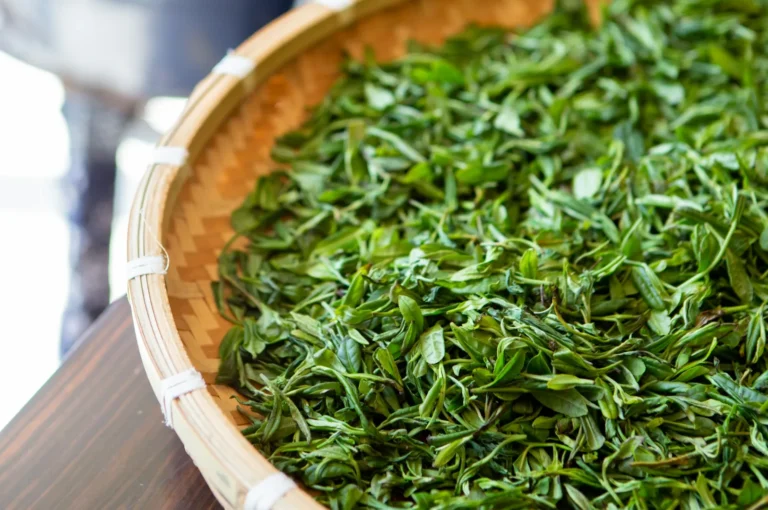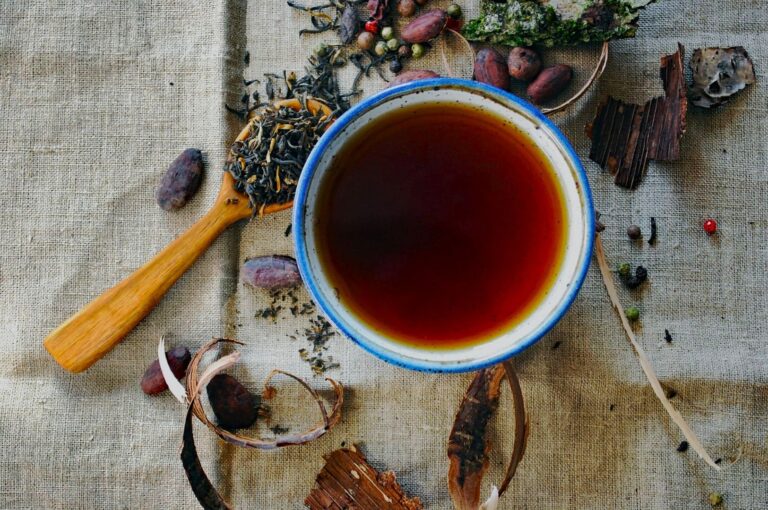

True wellness extends beyond a simple list of chemical compounds. It embodies a philosophy of ritual, mindfulness, and the quiet power of intention. In the world of fine teas, this holistic understanding is paramount. Rooibos tea, a naturally caffeine free herbal tea from the red bush native to South Africa, perfectly exemplifies this. Made from the fermented leaves of the Aspalathus linearis shrub, rooibos tea highlights the importance of using plant native species to support local ecosystems and sustainable agriculture.
This remarkable red tea offers a unique duality: it provides scientifically supported health benefits while creating an opportunity for pause and presence. Drinking rooibos tea daily can become a wellness ritual: a moment of calm in the rhythm of modern life. As a good alternative to traditional caffeinated beverages like green and black tea, rooibos tea invites you to enjoy its slightly sweet, earthy flavor while embracing mindful living.
The Antioxidant Profile: Health Promoting Antioxidants—Aspalathin and Nothofagin Explained

The wellness credentials of rooibos tea begin with its unique profile of chemical compounds. It is exceptionally rich in antioxidants, molecules that protect the body from oxidative stress. Two of these health promoting antioxidants are particularly noteworthy: aspalathin and nothofagin. The antioxidant aspalathin is found almost exclusively in the rooibos plant, making it a rare and valuable component of this herbal tea.
These compounds differentiate rooibos from both green tea and black tea, giving it a distinct place in a balanced tea practice. Both traditional rooibos (fermented rooibos from fermented leaves) and the unfermented green rooibos tea are rich in antioxidants. While green rooibos tea contains slightly higher levels due to its minimal processing, both varieties contribute positively to the overall antioxidant status in the body. Research suggests that these powerful antioxidant properties may help to reduce inflammation and support long-term cellular health.
Digestive Health Benefits: Rooibos for Gut Health and Comfort

Rooibos is celebrated for its ability to support digestive wellness. Its notable anti inflammatory properties can help to soothe the digestive system, making it a comforting beverage after a meal. Unlike green or black tea, rooibos contains absolutely no caffeine, a compound that can sometimes irritate sensitive stomachs. This gentle nature makes it an excellent choice for individuals seeking digestive calm.
The tea’s slightly sweet, earthy flavor requires no added sugar, further supporting a healthy digestive environment. As a calorie free, caffeine free alternative, it can be consumed throughout the day without causing digestive stress. Incorporating rooibos tea daily can become part of a mindful eating practice. The simple act of sipping a warm, satisfying beverage may help to regulate food intake by providing comfort without calories.
Skin from Within: Anti Inflammatory Properties for Radiance

The health of our skin is often a direct reflection of our internal balance. The potent anti inflammatory and antioxidant properties of red rooibos tea contribute to skin health from within. By helping to reduce systemic inflammation, regular consumption may lead to a clearer, more radiant complexion.
This benefit is not merely skin deep. The antioxidants rooibos tea contains work at a cellular level to protect against environmental stressors that can accelerate ageing. The tea can be enjoyed as a warming hot tea or a refreshing iced tea, both preparations delivering its beneficial compounds to the body. While some traditional practices involve applying cooled rooibos topically, internal consumption through drinking rooibos is the most studied and effective method for reaping its full benefits.
Benefits of Rooibos Tea on Heart Health

The potential health benefits of rooibos tea for cardiovascular health are among its most studied attributes. Regular consumption may help to support a healthy heart by positively influencing factors like blood pressure and cholesterol levels. The key lies in its unique blend of antioxidants, which protect the body’s intricate network of blood vessels from oxidative damage.
Emerging research suggests that these properties may reduce risk factors associated with developing cardiovascular disease and coronary heart disease. Furthermore, some studies indicate that rooibos may help to lower blood sugar levels and support blood sugar regulation. This is significant, as stable blood sugar is crucial for overall cardiovascular health. By potentially improving issues like insulin resistance and glucose intolerance, drinking rooibos tea offers a multi-faceted approach to maintaining a healthy heart.
Bone Health and Metabolic Support: Minerals in Every Sip

Beyond its antioxidant profile, rooibos contains trace minerals like calcium, manganese, fluoride, magnesium, and potassium that support bone density and may help prevent arthritis and osteoporosis. While not a primary source, these minerals complement a balanced diet. Recent research also suggests rooibos may aid weight management through mechanisms such as boosting fat metabolism and regulating appetite.
This research suggests that the compounds in rooibos may encourage quicker fat metabolism and potentially inhibit the formation of new fat cells. Rooibos tea may help with weight management by increasing levels of leptin, a hormone that regulates food intake, and the antioxidant aspalathin found in rooibos tea has been shown to help with glucose and fat metabolism. An 8-ounce serving of rooibos tea has no calories and contains no carbohydrates, protein, fats, or sodium.
Its zero calorie count and satisfying flavour can help to regulate enough food consumption, making it a wise choice for those mindful of their metabolic health. Rooibos tea can benefit weight management and help those looking to lose weight due to its effects on appetite regulation, fat metabolism, and being calorie-free. It is important to view red bush tea as a supportive element in a holistic wellness approach, not a standalone solution.
The Mindfulness Benefit: Caffeine Free Calm for Evening Wellness
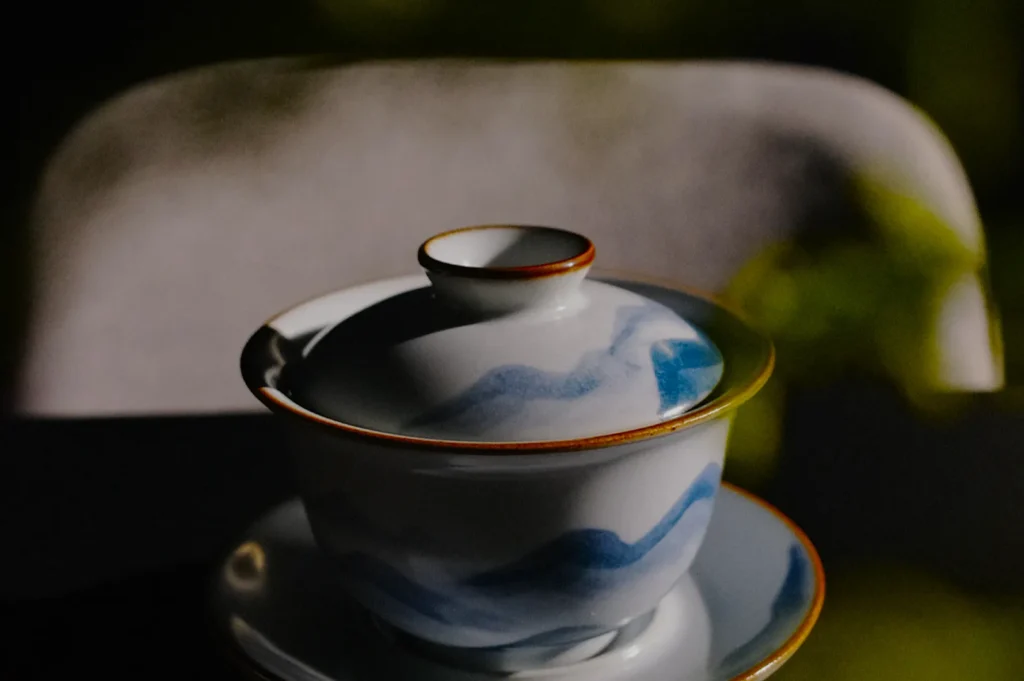
One of the most profound benefits of red tea is what it lacks: caffeine. This makes it an excellent alternative to black or green tea, particularly for evening consumption. If you want to avoid caffeine, especially if you are caffeine-sensitive, rooibos tea is a great choice. Rooibos tea is free from caffeine, making it a good option for pregnant people, children, and those who are sensitive to caffeine. Its lack of caffeine also gives rooibos tea calming effects, helping to manage anxiety, irritability, and insomnia. The ritual of preparing and sipping a warm beverage before bed is a powerful tool for stress management, and a caffeine free option ensures this practice supports rather than disrupts sleep.
The gentle act of preparing the tea, observing its rich colour, and inhaling its earthy aroma creates a sensory anchor that draws you into the present moment. You can even add milk to create a creamy, comforting evening beverage. At Tea Room by Ki-setsu, we honour this mindful approach to tea appreciation, understanding that the principles of intentional brewing and sensory engagement apply across all traditions, from ancient Chinese puerh to this modern South African treasure.
How to Incorporate Rooibos into Your Wellness Routine
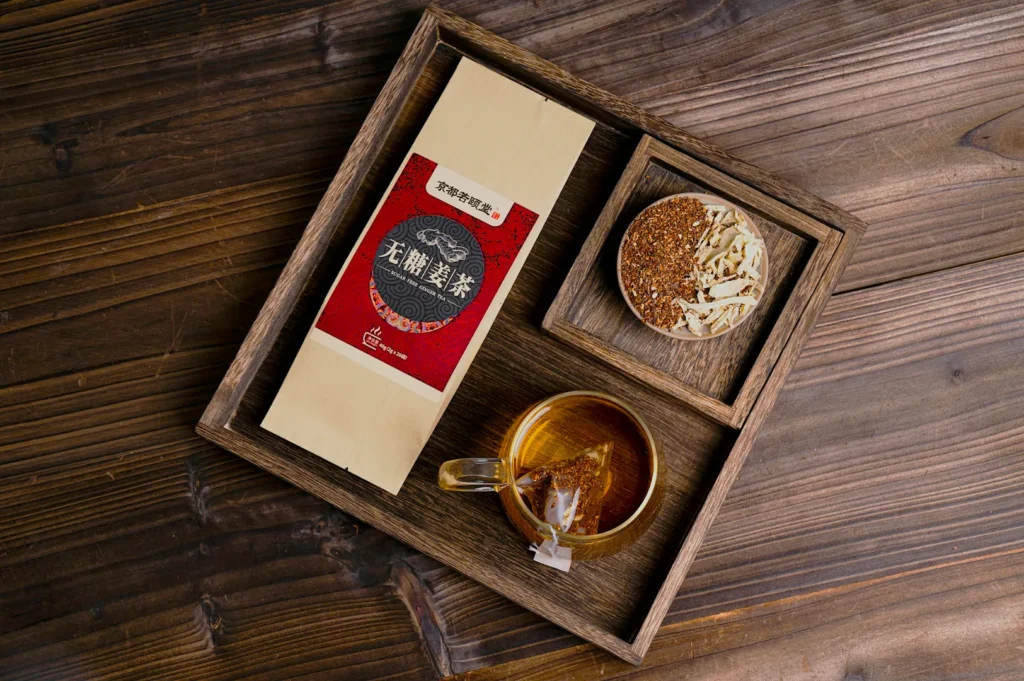
Integrating rooibos into your daily life is simple and rewarding. You can enjoy rooibos tea daily, either as a gentle start to the morning or a calming ritual in the evening. To prepare, use fresh boiling water and allow the leaves to steep for 5 to 7 minutes to ensure the full extraction of its flavour and beneficial compounds.
Experiment with both traditional rooibos and the lighter green rooibos tea to discover your preference. For variety, consider pairing the leaves with complementary botanicals like sunflower petals. It is equally delicious prepared as a hot tea or a refreshing iced tea. While rooibos offers unique benefits, it can be part of a varied practice that includes other teas like green and black tea. It is worth noting that while most people can safely enjoy the health benefits of rooibos, an awareness of extremely rare cases of liver toxicity exists in scientific literature.
Conclusion: A Gentle Path to Balance
The benefits of rooibos tea are best understood through a holistic wellness philosophy. This remarkable red tea offers more than just a collection of impressive compounds; it provides a gentle, caffeine free alternative that supports a balanced lifestyle. From its anti inflammatory support to its potential benefits for heart health, rooibos stands as a testament to the quiet power of nature.
At Tea Room by Ki-setsu, we believe that the principles of quality, craftsmanship, and mindfulness are universal. We invite you to explore how authentic tea culture honours the wellness principles found in both ancient Eastern tea philosophy and the modern appreciation of the South African rooibos tradition. To learn more about our authentic Chinese tea experiences, we welcome you to visit us at our private tea sanctuary.