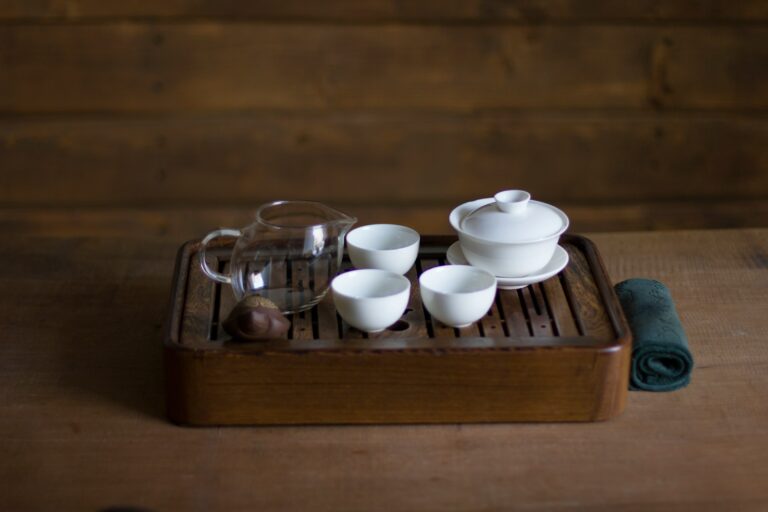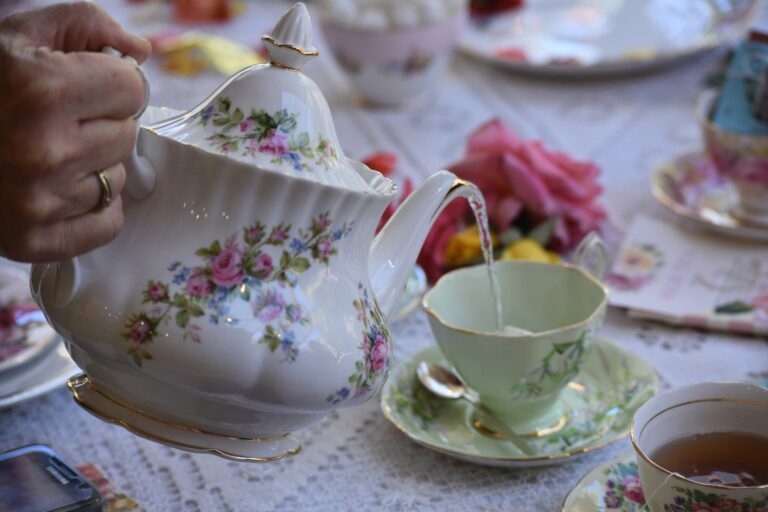
In Chinese culture, color is never only decorative. It carries intention, hierarchy, and belief. A hue can signal virtue, authority, restraint or joy often all at once. When these colors appear on antique chinese tea cups, they do so with quiet purpose.
Each cup becomes a small canvas. Not for display alone, but for daily ritual. Many antique Chinese tea cups are made from porcelain or ceramic materials, which serve as the canvas for these symbolic glazes. The glaze that catches the light is also carrying centuries of thought: ideas shaped by philosophy, nature, and the rhythms of dynastic life. To drink from such a cup is to enter a longer conversation between hand, material, and meaning. Traditional cups are typically tiny (20–50 ml), designed to encourage mindful sipping and appreciation of the tea.
This guide moves through the traditional glaze colors found on antique chinese tea cups, tracing how they were inspired, how they were made, and why their symbolism still matters. Understanding these colors does not complicate the tea experience. It deepens it slowly and with care.
The Philosophy Behind Color in Chinese Art
Before glaze was chemistry, it was cosmology.
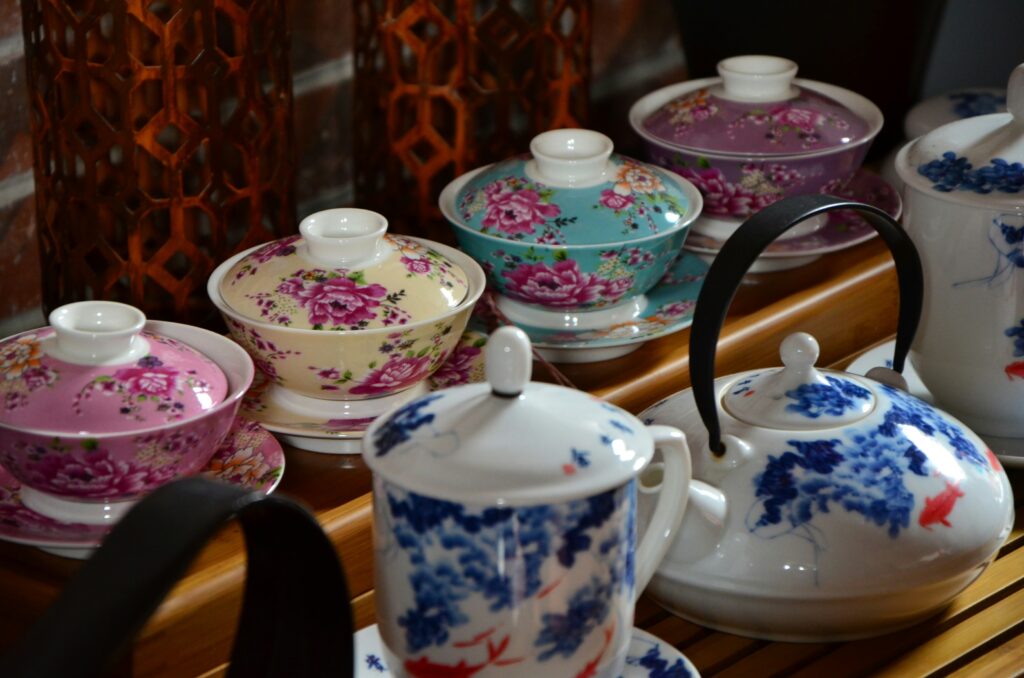
Color in Chinese art developed in dialogue with the Five Elements, Yin and Yang and the natural world. Green spoke to wood and renewal. Yellow anchored the earth. Blue reached toward heaven. These associations were not fixed rules but guiding principles that endured across longer periods of history, even as dynasties rose and fell.
Artisans did not invent colors arbitrarily. They were inspired by jade, stone, soil, water, ash and sky. Kilns became places where belief met fire. The technical challenge of controlling temperature, oxygen, and minerals meant that achieving stable glazes was as much intuition as skill.
Over centuries, meanings evolved. Yet the core language remained. When we look at antique chinese tea cups today, we are reading a visual philosophy one that was never meant to shout. For readers who wish to understand how form and function support this philosophy, our guide to chinese cups shaped by tradition and ceremony explores the most common styles and their intended use.
Celadon Green (Qingzi) – The Color of Jade and Immortality
There is a calm to celadon green that resists urgency.
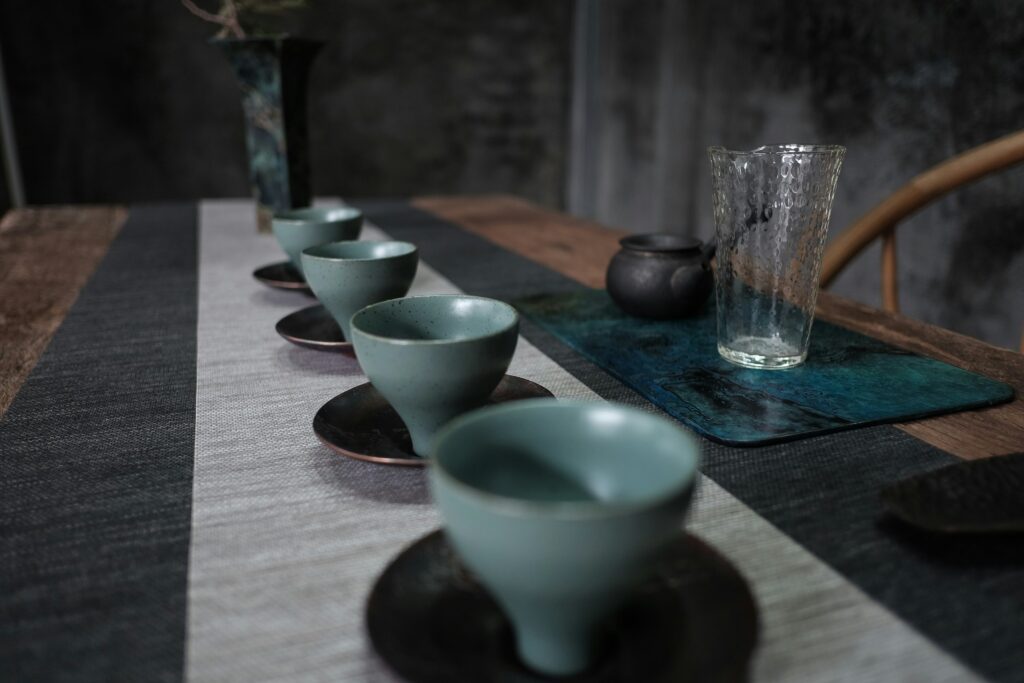
Associated with jade, this glaze carried ideas of purity, moral integrity and quiet nobility. During the Song Dynasty, celadon reached extraordinary refinement. Tea cups from this period feel restrained, even modest, yet their surfaces reveal remarkable depth: tones ranging from pale seafoam to muted olive, shifting gently as light moves across them.
Celadon glazes were technically demanding. Their beauty depended on precise kiln conditions, where iron content and firing atmosphere aligned just enough to produce that soft, luminous finish. Too much heat, and the color dulled. Too little, and it lost life.
Scholars favored celadon cups for tea ceremonies because the color harmonized with nature rather than dominating it. The glaze reflected longer ideals of balance and longevity. Even today, antique chinese tea cups in celadon feel timeless unhurried companions to thoughtful drinking.
Cobalt Blue – Imperial Elegance and Celestial Inspired Connection
Blue arrived in China by way of distance.
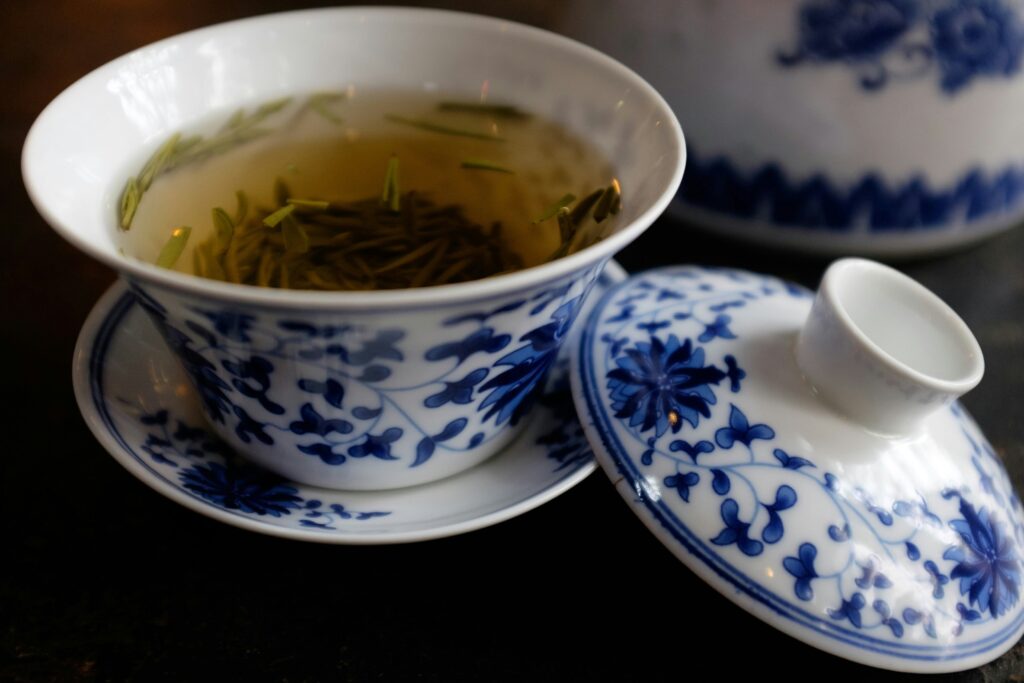
Imported cobalt traveled along Persian trade routes, eventually finding its place in Chinese kilns during the Yuan and Ming dynasties. From this material came cobalt blue, most famously expressed in blue-and-white porcelain cups that feel crisp, confident and enduring.
Symbolically, blue was linked to heaven, authority and protection. Motifs painted beneath clear glazes (e.g. clouds, waves, dragons) spoke to order and cosmic harmony. These cups were inspired not only by nature, but by governance and the idea of a structured world.
Achieving consistent cobalt blue was notoriously difficult. The pigment could blur, darken, or burn away in firing. Mastery required experience and restraint. When successful, the result was striking without excess.
For collectors, antique chinese tea cups in cobalt blue represent both technical achievement and cultural confidence: cups that hold clarity as well as tea.
Iron Red – Prosperity and Celebration
Red does not whisper.
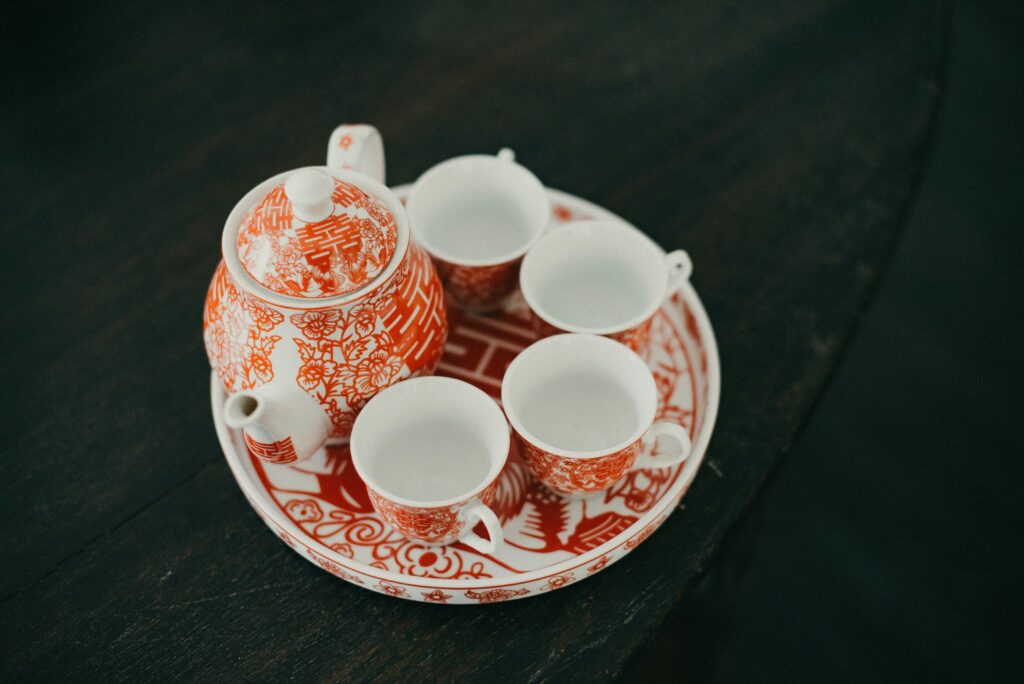
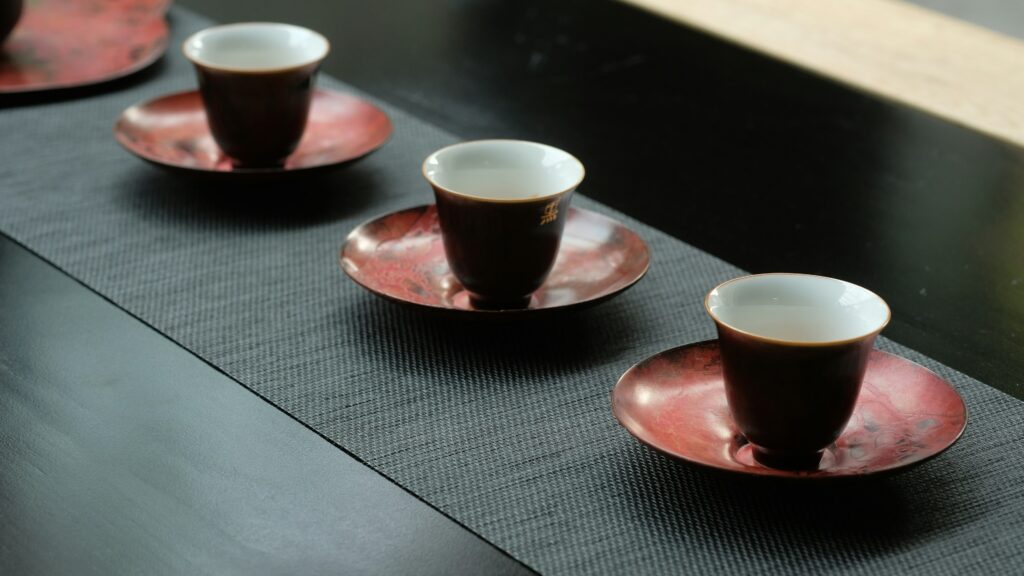
In Chinese culture, it signals joy, luck and celebration. Iron red, known as fan hong, was applied as an overglaze enamel, requiring a second firing and careful control. On tea cups, it often appeared in auspicious motifs (e.g. bats, peaches, florals) symbols meant to carry good fortune into daily life.
Iron red was frequently paired with gold, especially on imperial wares. The contrast added warmth and visual richness, making these cups suitable for festivals and significant occasions.
Because the technique was complex and the margin for error high, well-preserved iron red antique chinese tea cups are highly valued today. Their color remains vivid, even after centuries, carrying a sense of continuity that feels celebratory rather than nostalgic.
Imperial Yellow – The Emperor’s Exclusive Color
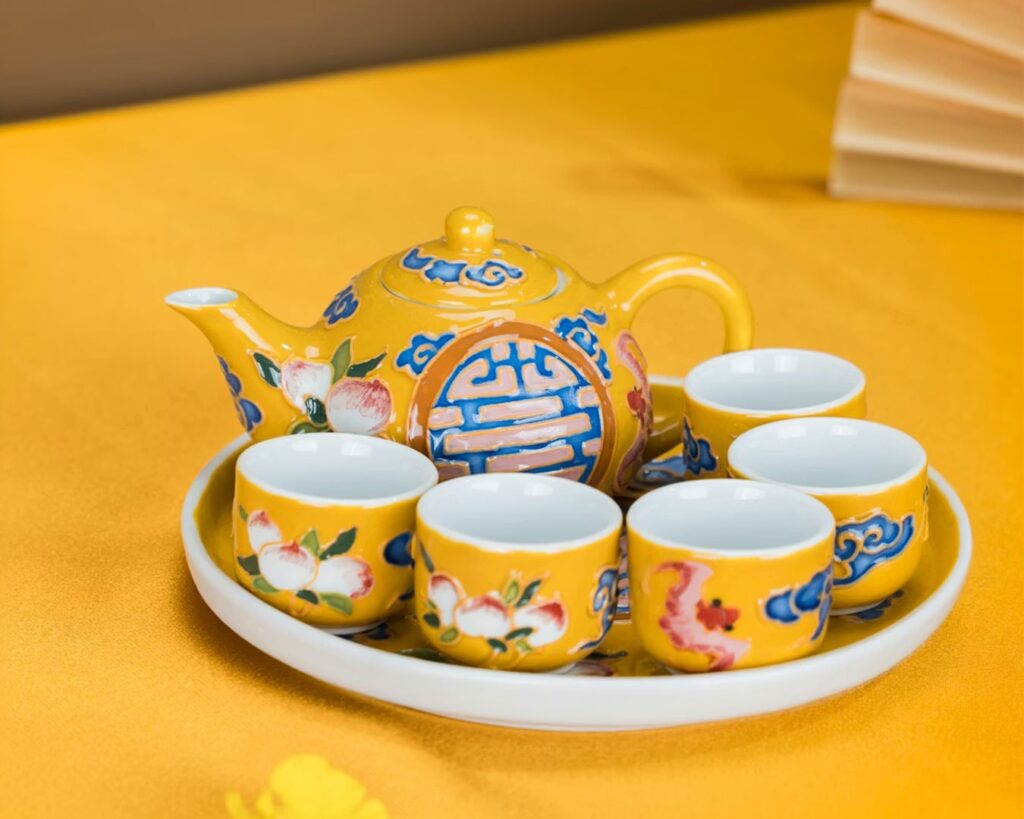
Yellow belonged to the center.
Linked to the earth element, imperial yellow symbolized supreme authority and balance. For much of Chinese history, its use was restricted to the imperial court. Tea cups glazed in this color were not common objects; they were statements of position.
Producing a pure yellow glaze was exceptionally difficult. Impurities shifted the tone toward green or brown, making successful results rare. When achieved, the surface appears warm and grounded, catching light softly rather than reflecting it sharply.
Because of their limited use and technical demands, yellow-glazed antique chinese tea cups remain among the most sought-after by collectors. Their symbolism endures not as power but as reverence.
Other Significant Glaze Colors on Cups
Some colors reveal themselves slowly.
Ox-blood red (sang de boeuf) is dramatic and unpredictable, created through copper-rich glazes that bloom differently with each firing. Peach bloom offers a delicate pink blush, subtle and scholarly. Tea dust glazes (mottled green-brown) were inspired by earth and ash, celebrating imperfection and natural process.
Pure white Dehua porcelain speaks through absence. Its smooth surface and gentle translucence highlight form over color, allowing tea to take visual precedence.
Each of these antique chinese tea cups carries a distinct cultural resonance. None exists merely to please the eye.
How to Appreciate Color Symbolism for Longer When Collecting
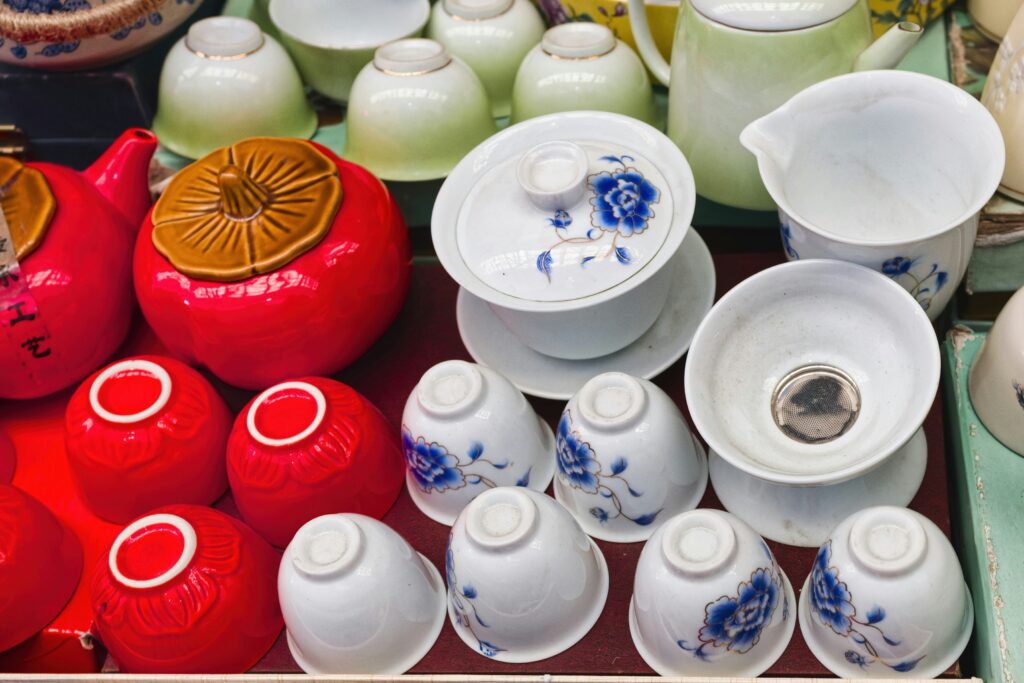
Begin by looking longer.
Collecting is an act of preservation, a way of keeping stories alive. Looking closely at chinese cups from different traditions helps collectors understand how colour, form, and function were designed to work together across time. When you approach antique chinese tea cups, look beyond the immediate aesthetic appeal to the cultural layers beneath the glaze. Ask yourself what the colour might have signified to its original owner: was it a scholar seeking the quiet of celadon, or a merchant celebrating prosperity with iron red?
Appreciating the technical achievements (the specific temperature required for ox-blood, or the mineral balance for cobalt) adds another dimension to the object. It transforms the cup from a decorative item into a marvel of human ingenuity. At our private tea sanctuary, we encourage this deeper looking. Understanding these symbols enriches the collecting experience, turning every tea session into a moment of connection with the past.
Conclusion
The colours of antique chinese tea cups are not silent; they tell stories of emperors and scholars, of technical struggle and spiritual longing. These narratives transcend time, waiting to be rediscovered with every pour. We invite you to view the collection at Tea Room by Ki-Setsu with this deeper understanding, where a quiet world unfolds in the palm of your hand. To hold such a cup is to hold centuries of meaning, warm and alive.