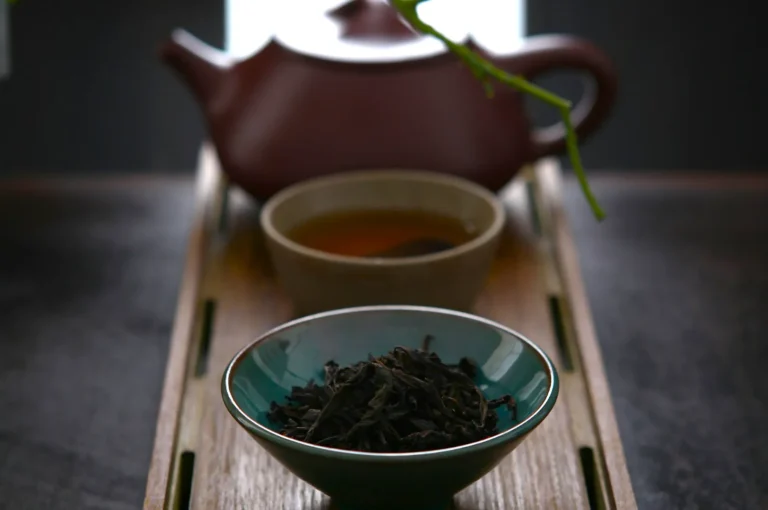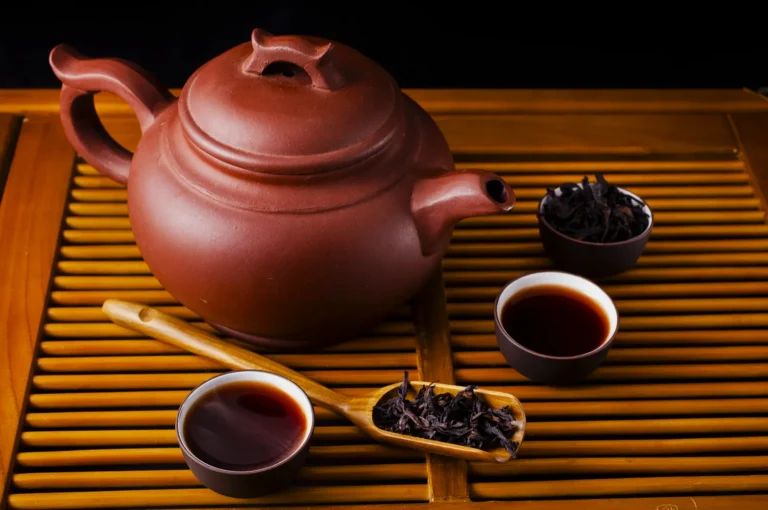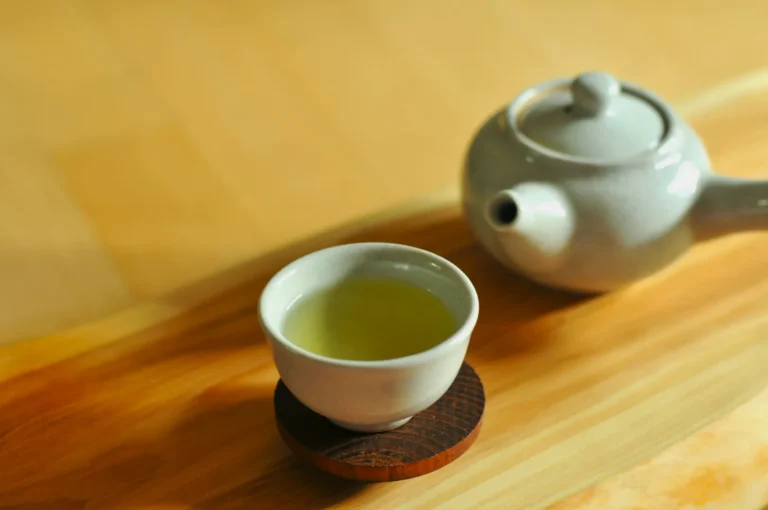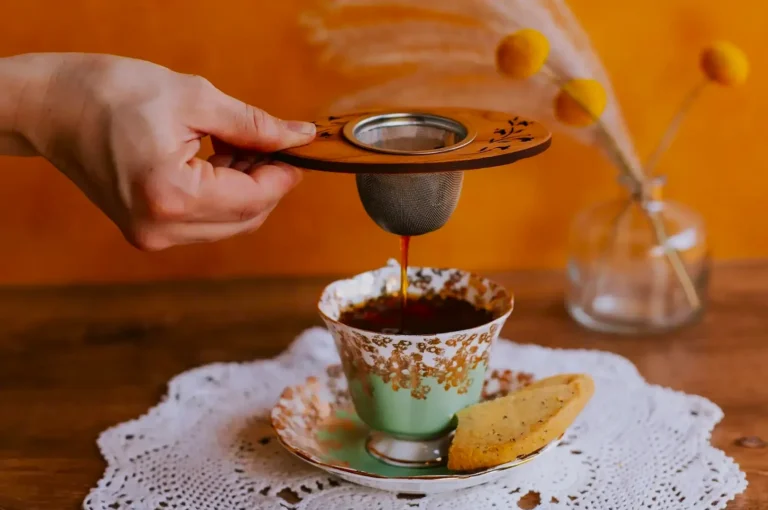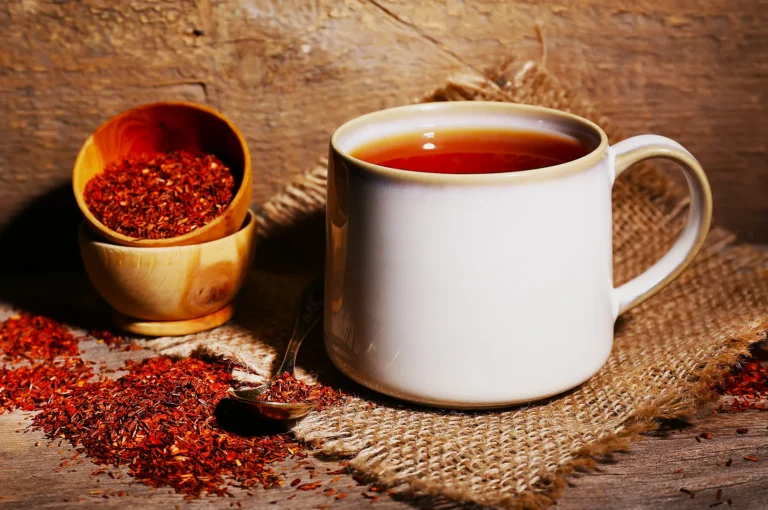
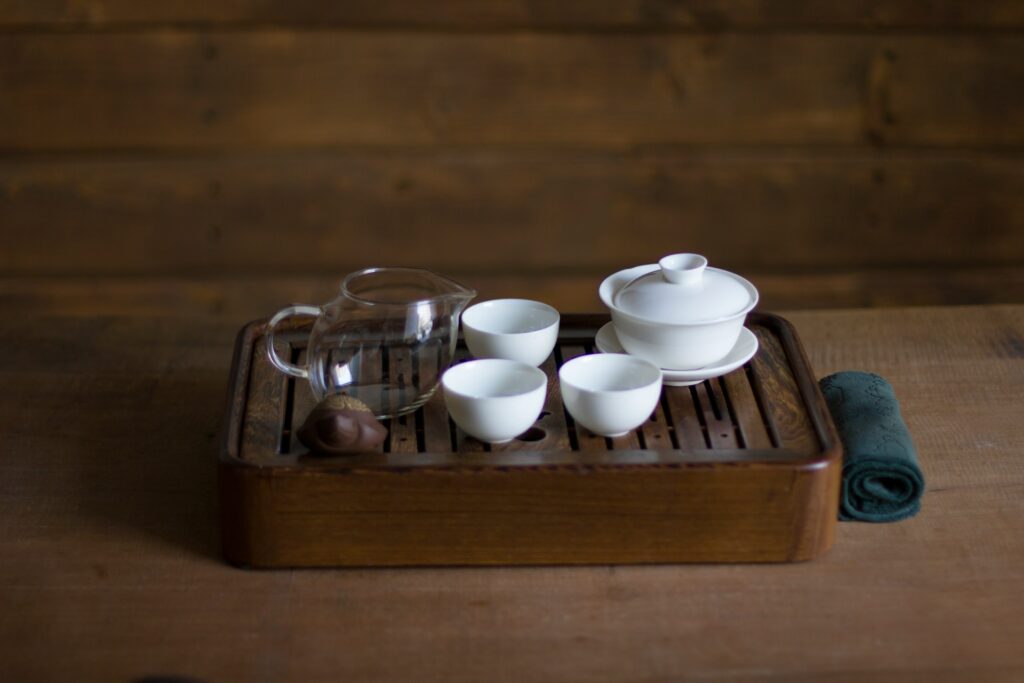
There is a quiet magic in holding a fine porcelain teacup. The material glows with a soft, translucent light, feeling impossibly delicate yet firm in your hand. Its warmth gently radiates through your fingertips as the tea’s fragrance rises to meet you, perfectly complementing the serene moment of tea time. This sensory experience is no accident; it is the culmination of nearly two millennia of refinement. Porcelain is China’s gift to the world, a material born from the relentless pursuit of the perfect cup of tea. It represents the pinnacle of craftsmanship, transforming the simple act of drinking tea from an everyday habit into a moment of pure elegance that feels like a treasured ritual at home.
This guide invites you on a journey through the legacy of the porcelain tea set. We will travel from ancient imperial kilns to the vibrant tea culture of modern Singapore, exploring the heritage, quality, and artistry that distinguish these beautiful vessels. Whether you are moving beyond everyday mugs or searching for an exquisite gift set, understanding porcelain is the first step toward a deeper appreciation of tea itself.
As you explore the different types of tea sets and their cultural significance, you may also want to discover the unique differences between traditional English tea sets and their Chinese counterparts, both of which have shaped Singapore’s evolving tea culture.
Birth of Porcelain in Chinese Tea Culture
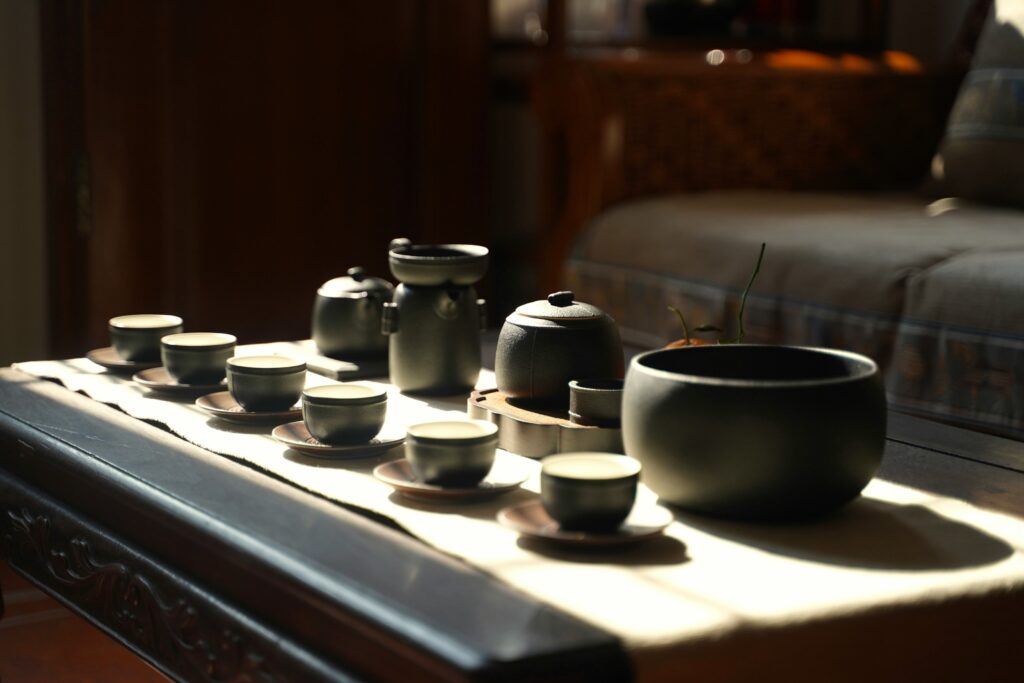
The story of porcelain is inseparable from the story of tea. During the Tang Dynasty (618-907 AD), as tea preparation became more refined, artisans sought vessels that honored the leaf. Early ceramics were dark and heavy, masking the delicate colour of the brew. The pursuit of a purer taste and beautiful presentation led to ceramic innovation.
Artisans experimented with clays and firing techniques, creating early porcelain. This material, with its white body and clean surface, allowed the true colour of tea to shine through. The innovation was revolutionary. As Chinese tea and teaware fame spread along the Silk Road, these exquisite pieces became symbols of wealth and refinement worldwide.
Imperial demand fueled this evolution. Kilns created teaware exclusively for the emperor, pushing potters to achieve high quality and beauty. Styles evolved from celadon’s green to pristine white porcelain. Later, intricate famille rose patterns, inspired by nature and philosophy, added decorative artistry. Each porcelain tea set expressed harmony between humanity and nature.
True Porcelain vs Bone China
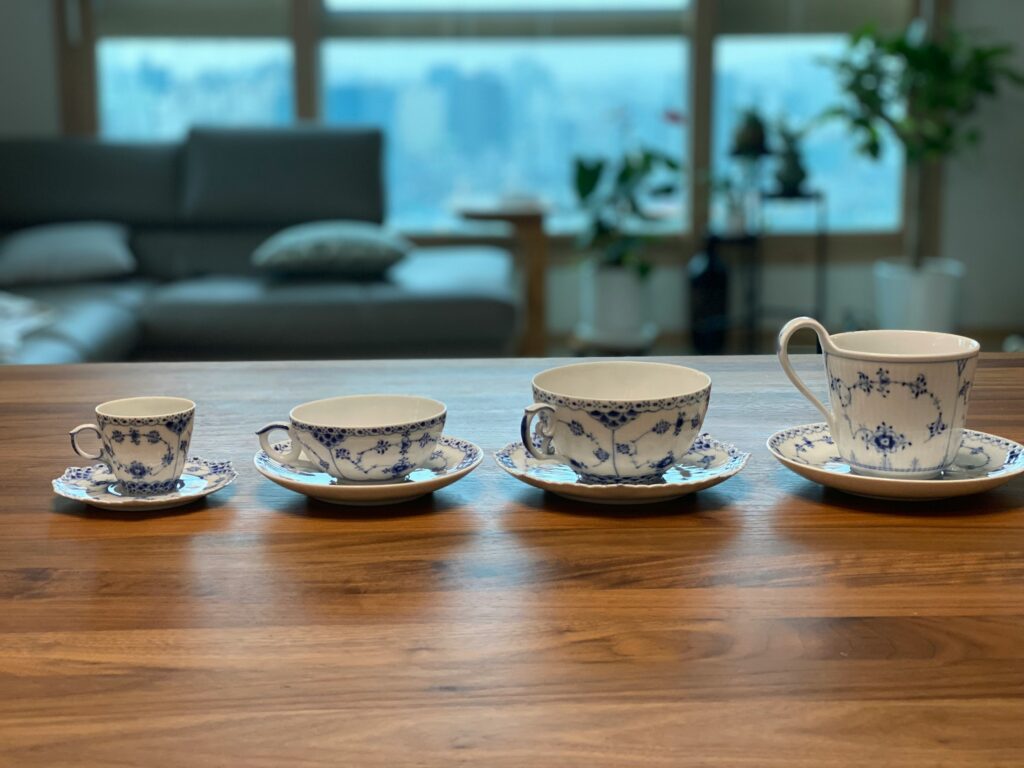
Navigating the world of fine teaware can be confusing, especially with terms like “porcelain” and “bone china” often used interchangeably. While both are types of ceramics, their composition and characteristics are distinct. True porcelain, the original material from China, is a refined blend of kaolin (a white clay), feldspar, and quartz. It is fired at extremely high temperatures, typically between 1,200°C and 1,400°C, resulting in a strong, dense, and non-porous material.
Bone china, an English innovation from the 18th century, incorporates bone ash into the clay mixture. This creates a softer, more delicate material that can be crafted exceptionally thin. However, for the tea purist, true porcelain is often preferred for several reasons. It offers superior heat retention, greater durability for everyday use, and its completely neutral surface ensures that nothing interferes with the tea’s delicate notes.
You can distinguish between the two through simple tests. True porcelain produces a clear, resonant ring when tapped gently, whereas bone china emits a softer, shorter tone. Visually, porcelain displays a cooler, blue-white colour, while bone china has a warmer, creamier hue. Though both are translucent, the inherent strength and flavor-neutrality of a traditional porcelain tea set make it the superior choice for an authentic tea experience.
Why Porcelain Enhances Tea Flavor
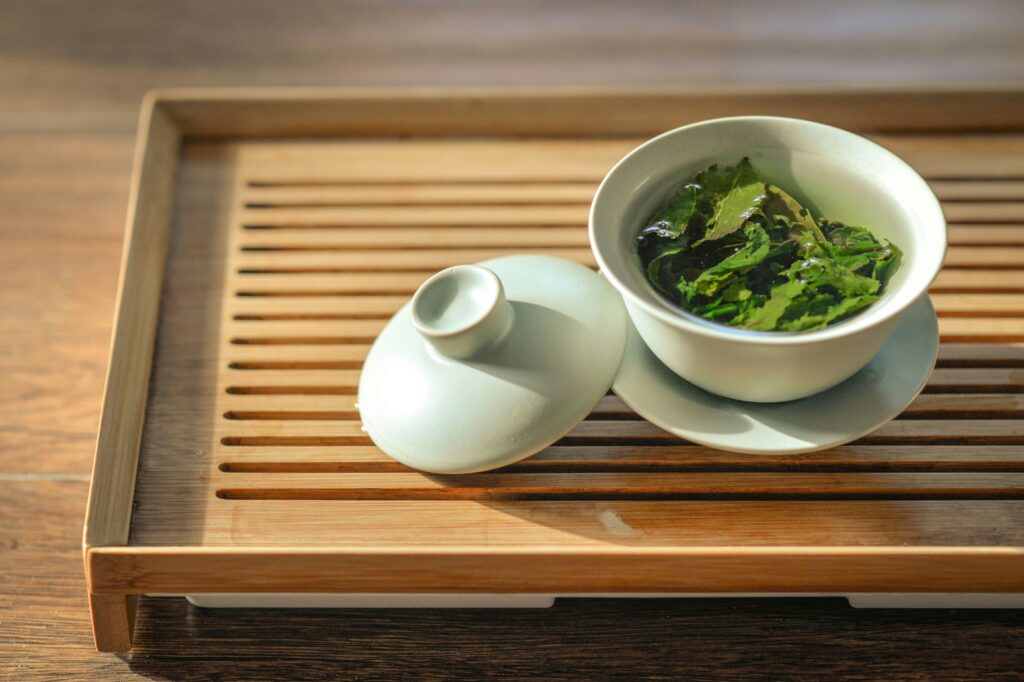
The reason a porcelain tea set is revered in tea culture lies in its perfect harmony with the leaf. Its non-porous, glazed surface is chemically inert, so it neither absorbs nor imparts flavors. Drinking from porcelain means tasting tea in its purest form, as intended by the tea farmer.
Porcelain’s thermal properties are ideal for brewing, retaining heat to maintain stable infusion temperatures essential for full flavor extraction. Artisans control vessel thickness to affect heat distribution; thin-walled cups cool tea to a perfect drinking temperature, preserving delicate notes.
Additionally, the white background of a porcelain tea set showcases the liquor’s true colour: from pale jade green to rich black amber. Suitable for many varieties, including green, white, and floral teas, porcelain balances function and beauty better than ceramic or glass.
Famous Porcelain Styles
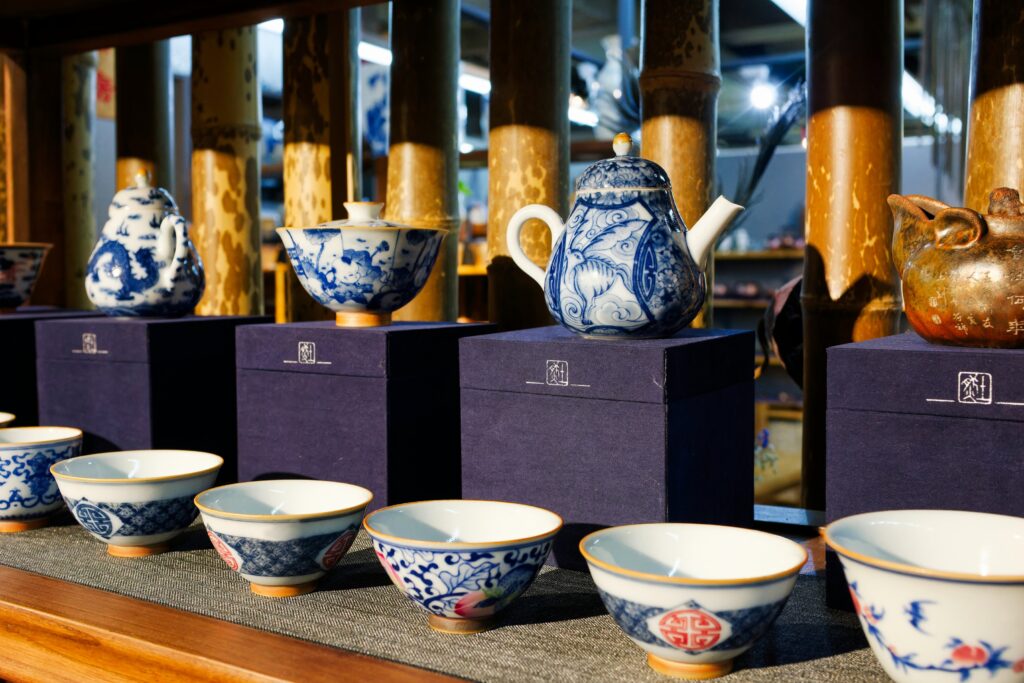
The history of Chinese porcelain is marked by several iconic styles, many named after the regions where they were perfected. Understanding these traditions adds appreciation to any collection.
Jingdezhen: Known as the “Porcelain Capital” of the world, Jingdezhen has been central to Chinese ceramics for over 1,700 years. During the Ming and Qing dynasties, it hosted imperial kilns producing the finest teaware for the emperor. It is famous for blue and white porcelain, with intricate cobalt designs. Today, artisans continue to revive these ancient techniques, creating stunning hand-painted pieces.
Dehua White Porcelain (Blanc de Chine): From Fujian province, Dehua porcelain is prized for its warm, ivory-white colour and smooth, creamy feel. Known historically for intricate Buddhist sculptures, its teaware shares this serene beauty.
Ru Ware: One of the “Five Great Kilns” of the Song Dynasty, Ru ware is rare and treasured. Known for exquisite celadon glazes in sky blue and a unique “ice-crackle” pattern formed during firing. Authentic pieces are nearly impossible to own but inspire modern potters.
Jun Ware: Another Song Dynasty gem, Jun ware features striking opalescent glazes with vibrant blue and purple hues from copper oxide. Each piece is a unique work of art.
Other notable styles include Ding ware with elegant carved patterns and Longquan celadon known for deep jade-green tones.
Identifying Quality
When you decide to purchase a porcelain tea set, knowing how to identify quality is essential. The price of a set can range from affordable to astronomical, but there are markers of good craftsmanship at every level.
Start with a visual inspection. The glaze should be smooth, even, and free of bubbles or pits. The colour should be consistent across all pieces. Hold a cup up to the light; good porcelain will have a beautiful translucency. Feel the weight. It should feel balanced, neither too heavy nor flimsy.
Pay close attention to the details. The foot rim of a cup should be smooth and unglazed, a sign of traditional firing methods. On teapots, the lid should fit snugly without rattling, and the spout should pour cleanly without dripping.
Distinguishing between hand-painted patterns and machine-printed transfers is another key skill. Hand-painted lines will have subtle variations in thickness and colour, showing the artist’s touch. Look for an authentic maker’s mark on the base, though be aware that many famous marks are copied. Ultimately, provenance is important. Buying from a reputable dealer who understands the origin of their teaware ensures you are making a sound investment.
Complete Sets vs Individual Pieces
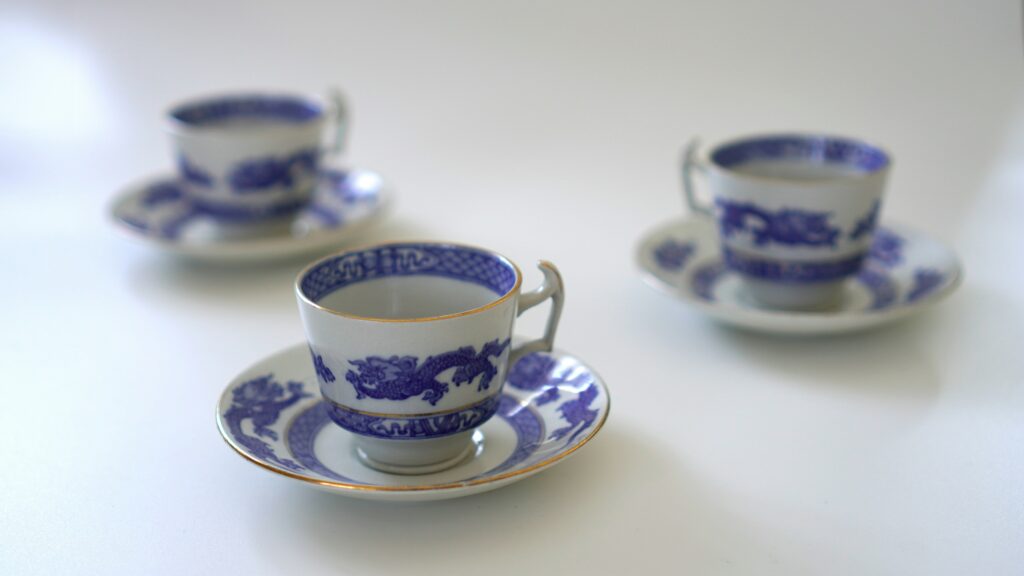
As you build your collection, you will face the choice between buying a complete set or curating individual pieces. A complete porcelain tea set traditionally includes a teapot, several cups and saucers, and sometimes matching sugar bowls, a milk jug, or a filter. These sets offer a cohesive design and are perfect for entertaining or as an elegant gift set.
However, there is also great joy in building a collection over time. This approach allows you to select individual pieces that you love, creating a set that is uniquely yours. You might pair a vintage teapot with modern cups, or collect cups from different artisans. This is a common practice in Chinese tea culture, where the focus is on the function and beauty of each piece rather than on perfect uniformity.
You can start with a few essential items for your everyday tea ritual and gradually add more ceremonial pieces as you explore different varieties of tea. This method allows you to create a functional and beautiful collection that grows with your knowledge and appreciation.
Where to Find Authentic Porcelain Tea Sets in Singapore
In Singapore, there are many places where you can find a porcelain tea set. However, for those seeking authentic, hand-crafted pieces that reflect the quality and heritage of Jingdezhen craftsmanship, Tea Room by Ki-Setsu is your ideal destination. Our curated collection of teaware includes a selection of porcelain tea sets that have been carefully sourced from reputable artisans in China. Each set is a testament to the artistry and tradition of Chinese porcelain-making.
Exploring Our Collection & Gift Set at Tea Room by Ki-Setsu
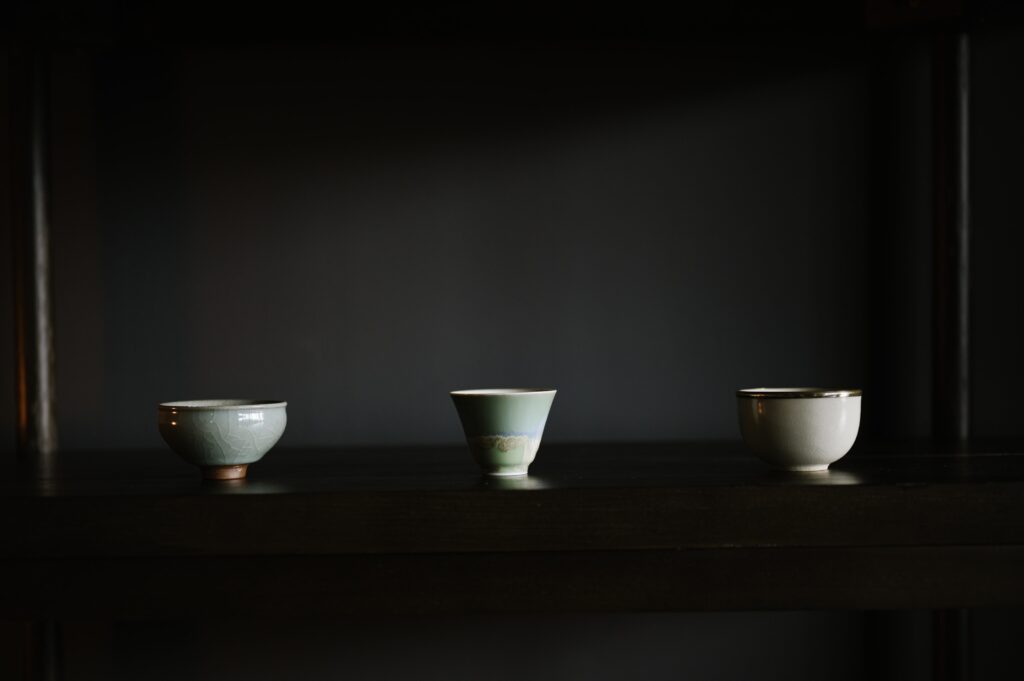
At Tea Room by Ki-Setsu, we understand that choosing the right tea set is a personal decision. That’s why we offer a range of pieces designed to fit various tea rituals and preferences. Whether you are looking to shop for a complete gift set or a simple, elegant set for everyday use, our collection offers something for every tea enthusiast.
You can browse our collection exclusively at our private tea room to explore our offerings. With careful packaging and reliable delivery available, we make it easy for you to bring home the perfect porcelain tea set and start enjoying the rich tradition of Chinese tea culture.
Conclusion: Elevate Your Tea Experience with a Porcelain Tea Set
The journey of the porcelain tea set is a remarkable one, stretching from ancient imperial kilns to the sophisticated tea tables of the modern world, including vibrant Singapore. It is a story of how the quest for the perfect taste of tea drove centuries of artistic innovation. The tactile experience (watching the tea prepare, feeling the warmth of the vessel throughout the day, and tasting from a cup designed to preserve the essence) transforms the entire ritual, allowing you to truly enjoy the diverse varieties of tea.
To experience authentic Jingdezhen porcelain and masterfully prepared Chinese tea, explore Tea Room by Ki-Setsu where every vessel honors centuries of craftsmanship.