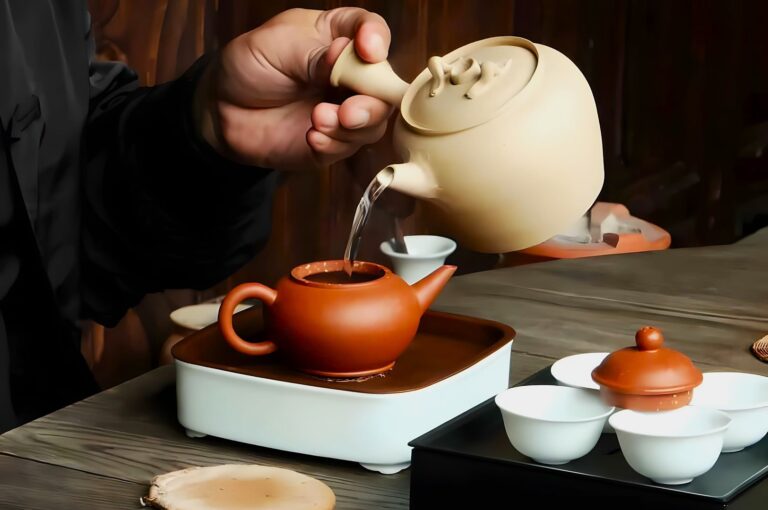
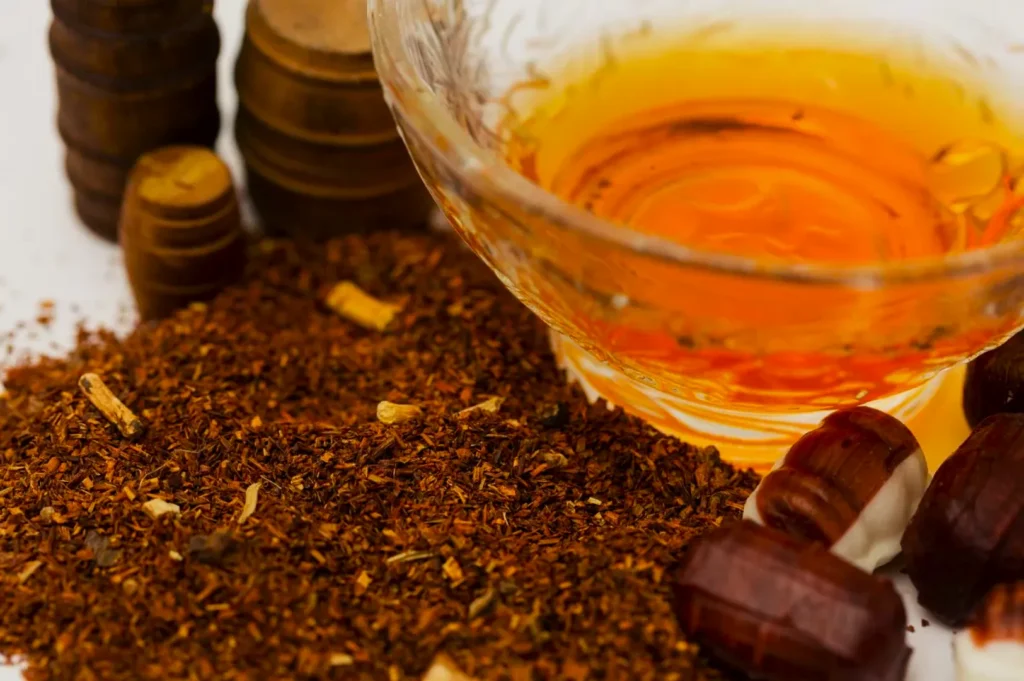
As twilight descends and the world softens into shades of lavender and grey, many tea drinkers seek a warm cup that soothes without stimulating. This search leads to a remarkable herbal tea from southern Africa: rooibos tea. So, does rooibos tea have caffeine? The simple and natural answer is no.
Rooibos tea is naturally caffeine free, often referred to as rooibos tea caffeine free, making it the perfect caffeine free alternative to traditional green and black teas. In Chinese tea culture, each tea has its own time and purpose, and rooibos offers a world of flavour, wellness, and calm without caffeine. This article explores the benefits of rooibos tea, its unique characteristics, and why it is a wonderful choice for tea drinkers seeking a healthy, caffeine free drink.
The Simple Answer: Rooibos is Naturally Caffeine Free
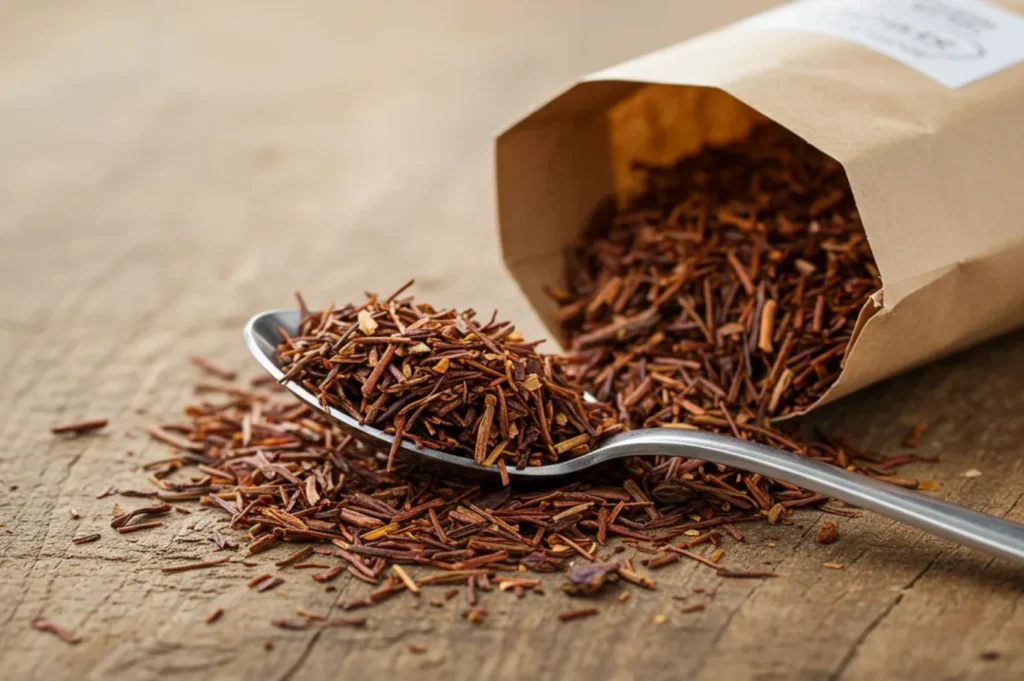
Rooibos tea, also known as red bush tea or simply red tea, provides a pure caffeine free alternative to traditional teas derived from Camellia sinensis. This means tea drinkers can enjoy the full sensory experience of a rich, flavorful herbal tea without any caffeine intake or stimulant effects. Unlike green and black tea, rooibos tea caffeine free status requires no decaffeination process, ensuring a natural, wholesome beverage rich in antioxidants like the antioxidant aspalathin.green and
However, it is important to note that rooibos may sometimes be blended with other ingredients containing caffeine. Therefore, individuals strictly avoiding caffeine should always check product labels to confirm the caffeine content before drinking. Research suggests that rooibos tea, with its low tannin content and lack of caffeine, offers numerous health benefits including support for heart health, blood sugar regulation, and reduced inflammation compared to other teas and coffee.
Why Rooibos Has No Caffeine: Plant Biology Explained
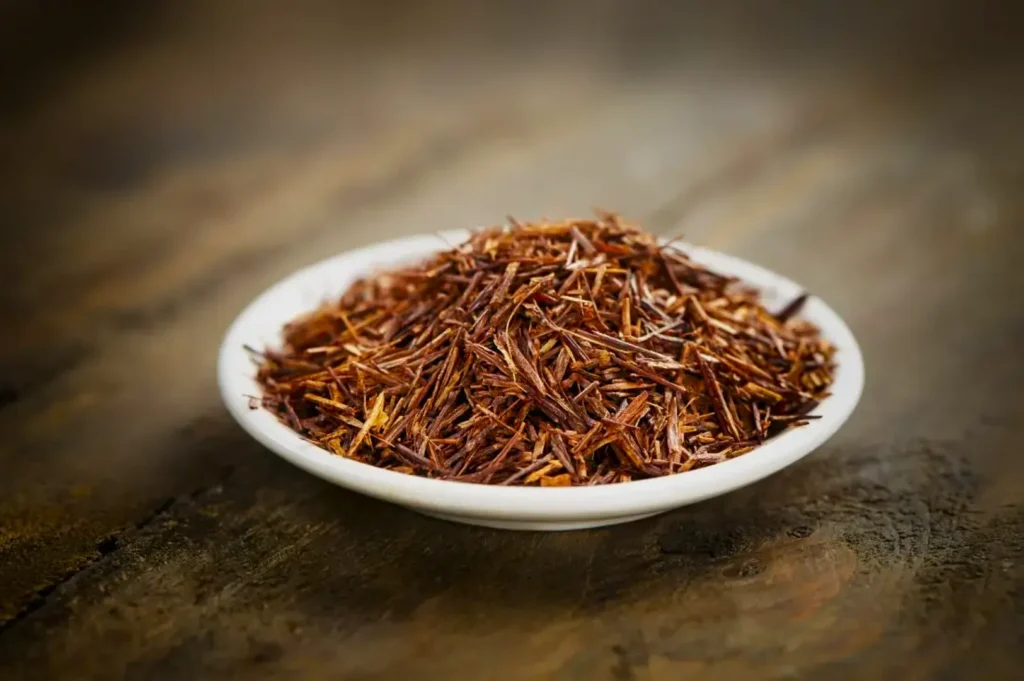
The reason rooibos tea is naturally caffeine free lies in its unique botanical origins. Unlike true teas, which all come from the Camellia sinensis plant, rooibos is derived from a different species altogether: Aspalathus linearis. This hardy shrub, often called the rooibos bush, is native to a very specific, small mountainous region of South Africa known as the Cederberg. It thrives in this unique terroir and has never been successfully cultivated elsewhere.
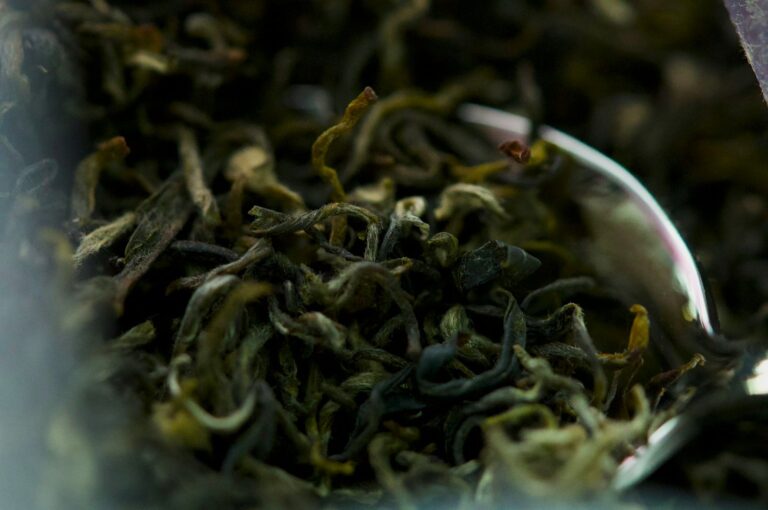
The Aspalathus linearis plant simply does not produce caffeine as part of its biological makeup. This holds true for both of the main varieties you will encounter. Traditional rooibos, with its distinctive reddish brown colour, is made from fermented leaves that have been allowed to oxidise. Green rooibos undergoes minimal oxidation to preserve its fresh, grassy character. Regardless of the processing method, both types remain a completely caffeine free and healthy drink.
The Evening Ritual: Creating a Nighttime Tea Practice
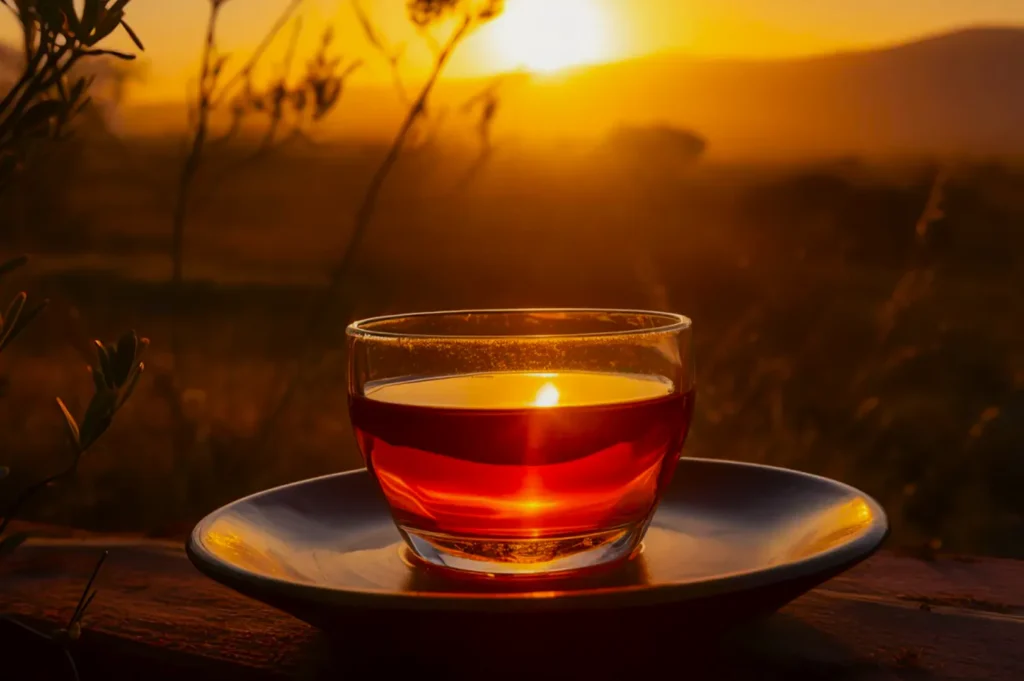
In traditional Chinese tea culture, evening calls for calming teas that soothe the spirit and prepare the body for rest. Rooibos tea fits this perfectly as a naturally caffeine free choice that supports relaxation without disrupting sleep.
Rooibos is rich in health promoting antioxidants like aspalathin, unique to the rooibos bush (Aspalathus linearis). These antioxidants may support heart health by improving blood vessels and cholesterol, reduce inflammation, and help regulate blood sugar. Rooibos also has antispasmodic properties that soothe digestive issues and is free of oxalic acid, making it safe for those prone to kidney stones. Its smooth, nutty taste and low tannin content make it a wonderful caffeine free alternative to green and black tea.
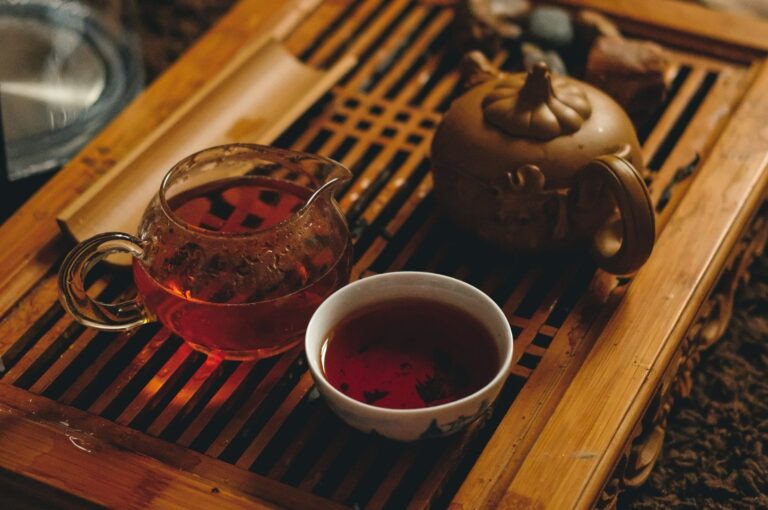
For a calming ritual, dim the lights, warm your teaware, and enjoy the comforting aroma and flavour of fermented rooibos as you unwind from the day.
Tasting Rooibos: Flavor Without the Buzz
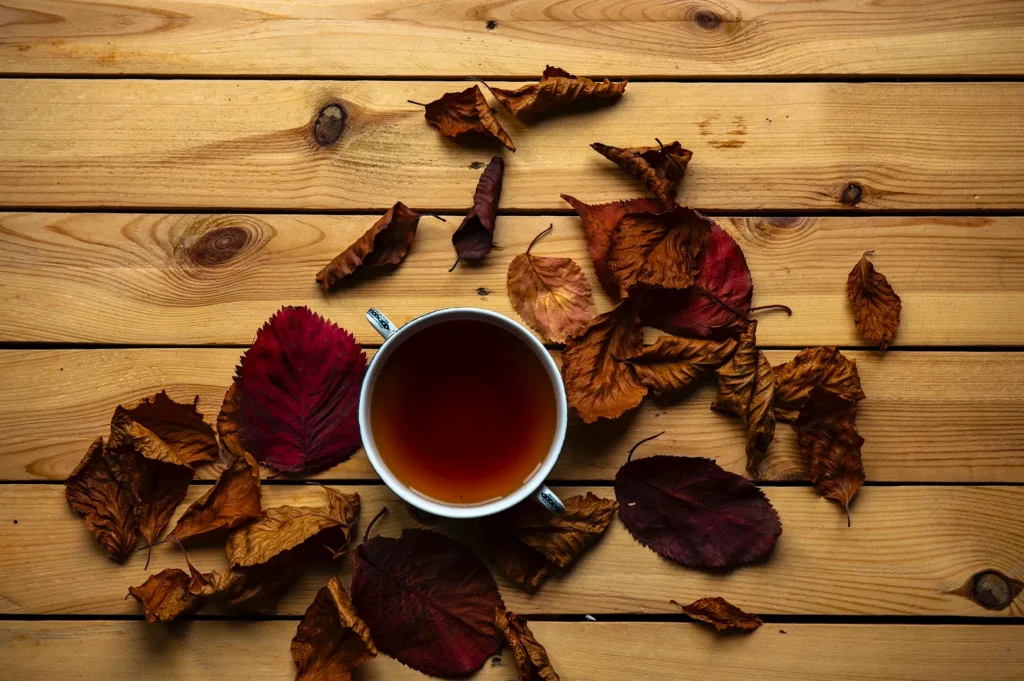
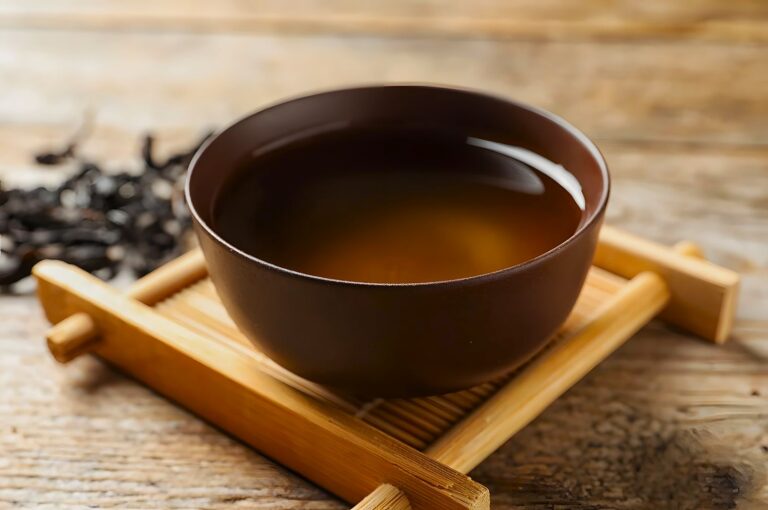
One of the most compelling aspects of rooibos is that its lack of caffeine does not equate to a lack of character. The sensory profile is rich, complex, and deeply satisfying. The traditional rooibos, with its distinctive reddish brown colour, offers a naturally sweet, earthy, and smooth flavour. Many detect a pleasant nutty taste, with undertones of honey, vanilla, and caramel.
In addition to its appealing taste, rooibos tea is valued for its numerous benefits, including its antioxidant content, support for heart health, blood sugar regulation, and its potential to aid in weight loss as a calorie-free beverage. These benefits of rooibos tea make it a healthy, caffeine-free alternative to traditional teas.
The unoxidised green rooibos presents a lighter, grassier profile, yet still retains that inherent smoothness. A key characteristic of this low tannin beverage is its lack of bitterness, meaning it is naturally sweet and rarely requires added sugar. Rooibos tea has a sweet, nutty flavor, while black tea has a bold, malty flavor. This exceptional flavour is partly thanks to unique antioxidants like aspalathin, a compound found only in the rooibos plant, which contributes to its unique taste and wellness profile.
Comparing Experiences: Rooibos vs. Decaf vs. Traditional Tea
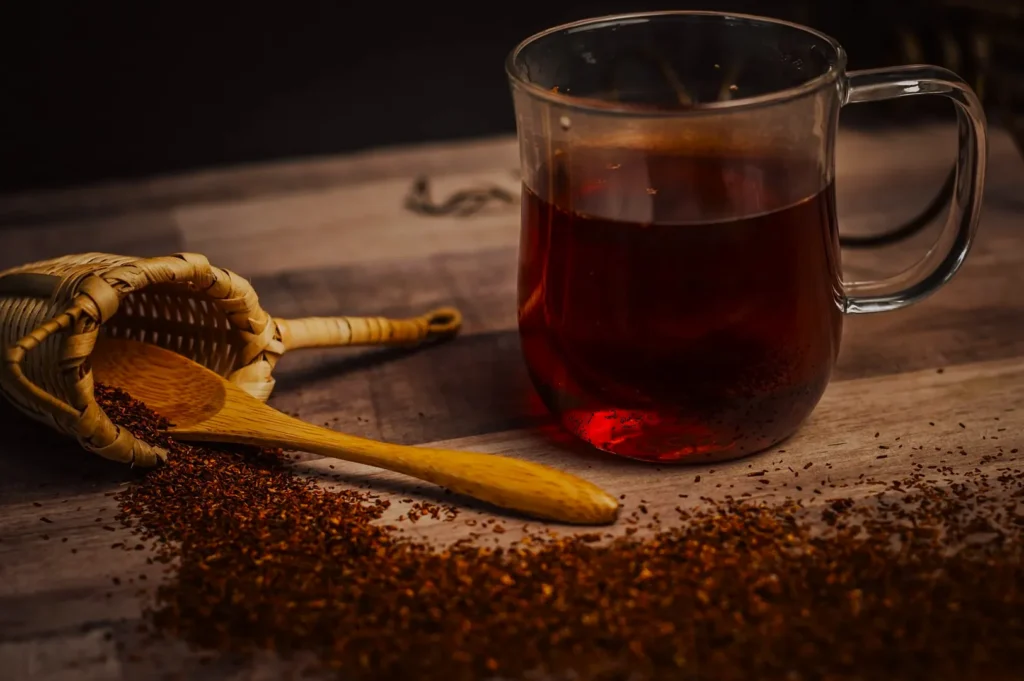
To fully appreciate rooibos tea’s unique qualities, compare its caffeine content with other teas. Green tea contains about 30-50mg per cup, black tea 40-70mg, while rooibos is naturally caffeine free with zero caffeine, requiring no decaffeination. This makes rooibos an ideal caffeine free alternative for tea drinkers seeking a soothing beverage without the stimulant effects of traditional Camellia sinensis teas.
Many tea drinkers who want to reduce their caffeine intake choose rooibos because it contains no caffeine at all, unlike green or black teas which have more caffeine and can cause restlessness or sleeplessness. Beyond its caffeine free nature, rooibos tea offers additional benefits that set it apart from green and black tea. Unlike these traditional teas, rooibos is a low tannin beverage, which means it interferes less with the absorption of certain nutrients such as iron. The fermented rooibos leaves give red bush tea its distinctive reddish brown colour and rich, nutty taste, making it a flavorful herbal tea gaining popularity among many cultures worldwide.
Drinking rooibos tea not only provides a caffeine free option but also delivers health promoting antioxidants and potential health benefits, including reduced risk of heart disease, improved cholesterol levels, and support for blood sugar regulation. This combination of qualities makes rooibos tea a wonderful choice for tea drinkers seeking a naturally caffeine free, healthy drink with a unique flavor profile.
Who Benefits Most from Caffeine Free Tea?
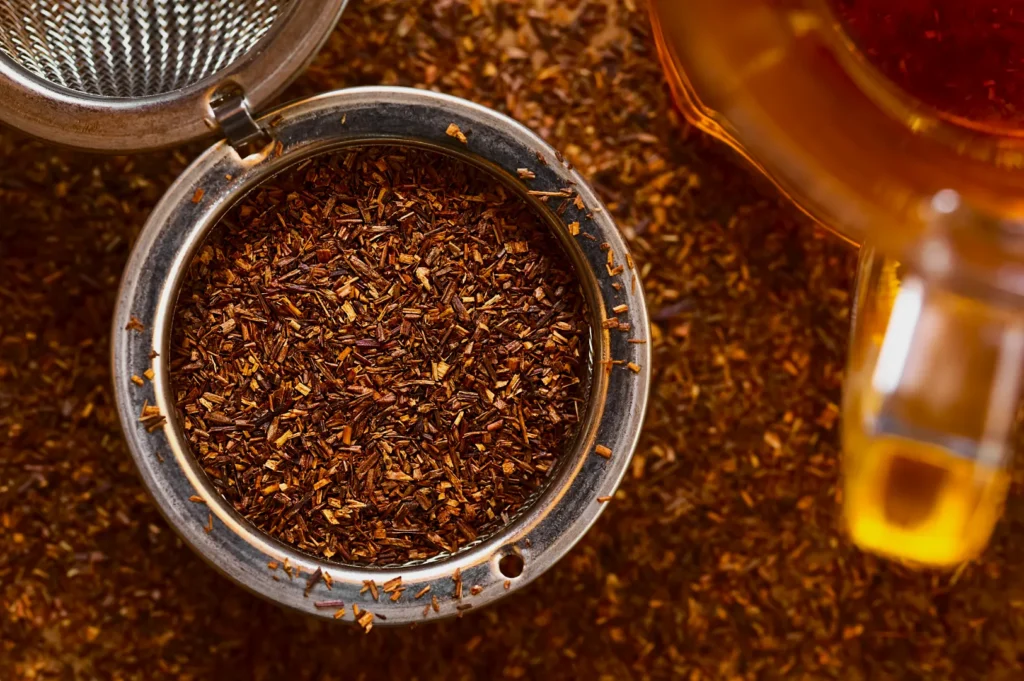
While rooibos can be enjoyed by nearly everyone, certain individuals may find it particularly beneficial. Those managing heart disease, cardiovascular disease, or concerns related to high blood pressure often seek to reduce their caffeine intake, making rooibos an excellent addition to a heart-healthy lifestyle. Similarly, people who are carefully managing their blood sugar levels or diabetes can enjoy this naturally sweet beverage without concern for caffeine’s metabolic effects. The health benefits of rooibos include its antioxidant content, potential to lower blood sugar levels, support heart health, and its suitability as a caffeine-free alternative for health-conscious consumers.
The gentle nature of rooibos also makes it suitable for those with chronic conditions affecting blood vessels or cholesterol levels. While rare cases of liver toxicity have been noted in studies involving highly concentrated extracts, the moderate consumption of brewed rooibos tea is considered exceptionally safe for the vast majority of people. Most studies on rooibos’s health effects involve larger amounts consumed (often several cups per day) while moderate amounts are considered safe for most people. Pregnant women, children, and anyone with a sensitivity to stimulants can safely enjoy its comforting warmth.
Evening Pairings: Foods and Moments That Complement Rooibos
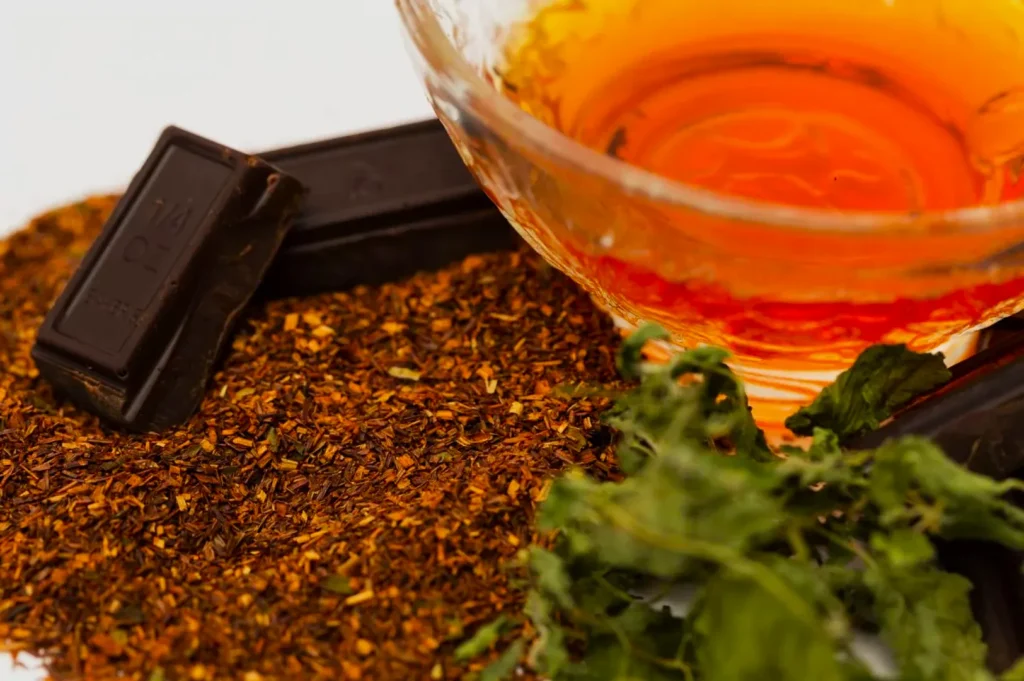
The versatile, nutty taste of rooibos pairs beautifully with a variety of foods and moments, enhancing any evening ritual. For a sweet complement, consider pairing a cup with honey cakes or delicate almond cookies, which echo its natural sweetness. For a savoury option, the earthy notes of rooibos are wonderful alongside hard cheeses and roasted nuts.
Brewing is simple: steep the fermented leaves in hot water—boiling is perfectly fine, as the low tannin content prevents bitterness. For a creamy indulgence, add a splash of warm milk to create a rooibos latte. For a refreshing twist on a summer evening, serve it as iced tea with a slice of orange or lemon. Most importantly, pair rooibos with moments of quietude: reading a book, meditating, or enjoying gentle conversation with a loved one.
Conclusion: Freedom in Every Cup
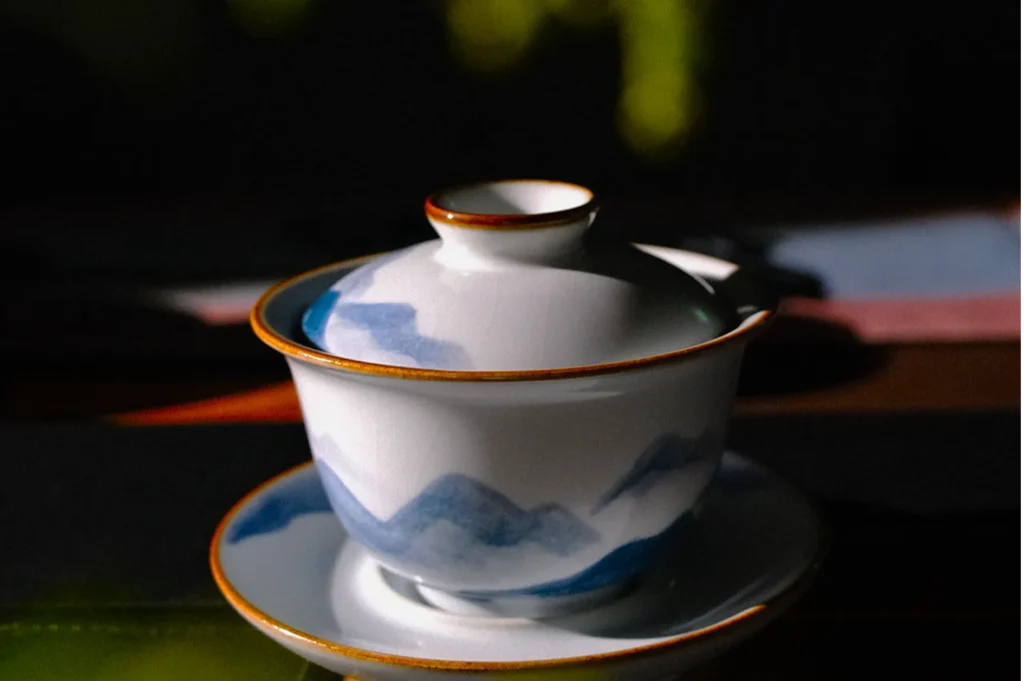
So, does rooibos tea have caffeine? The answer is a resounding and joyful no, and this very absence is its greatest gift. It offers the freedom to indulge in the rich ritual of tea at any hour, without reservation. Its health benefits are a quiet bonus, supporting heart health, blood sugar balance, and delivering a wealth of antioxidant properties that may help prevent cell damage and reduce heart attack risk as part of a healthy lifestyle.
This remarkable herbal tea serves as a gateway between cultures, bringing a taste of South Africa to tea tables worldwide. In spaces like Tea Room by Ki-setsu, where tea traditions from East and beyond are honored with equal reverence, rooibos finds its place alongside ancient Chinese classics: a reminder that true tea mastery embraces both heritage and discovery. We invite you to continue your exploration of fine teas with us at our private Chinese tea sanctuary in Singapore.