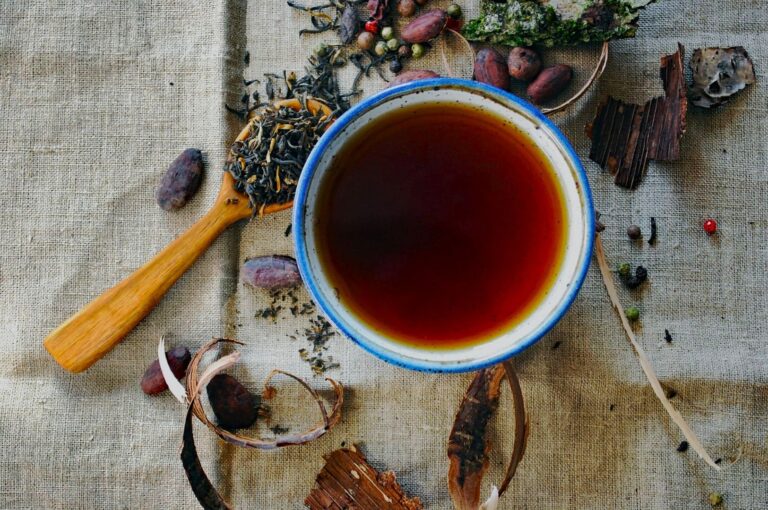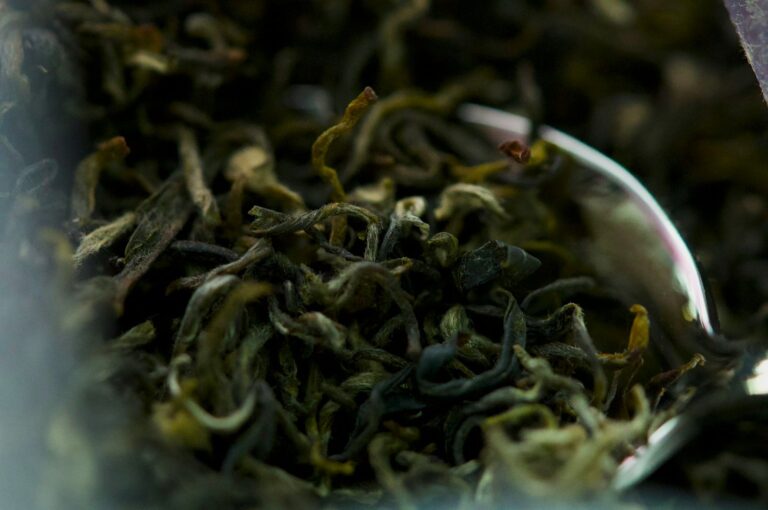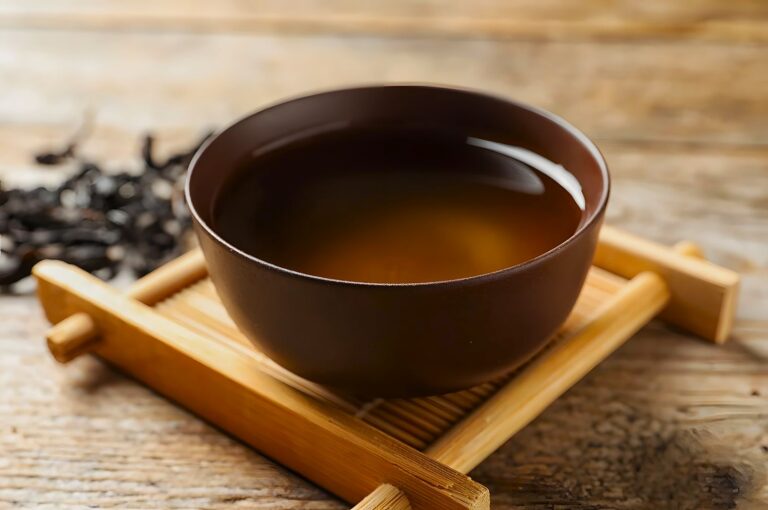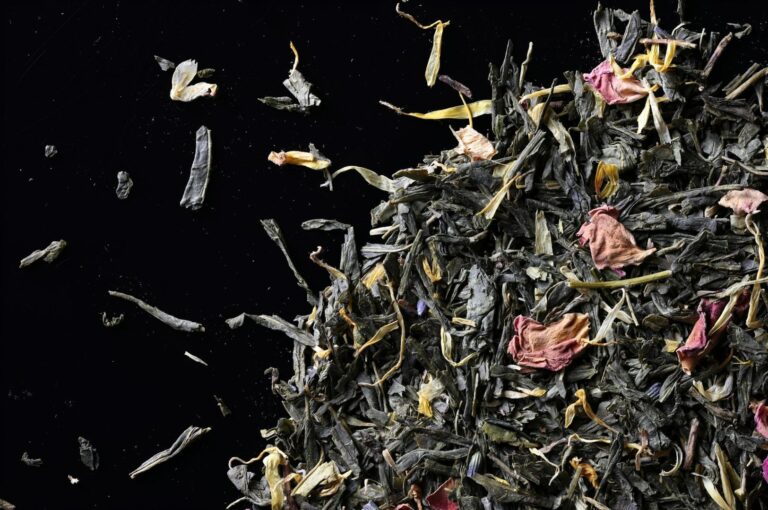
The practice of tea is a journey, not just a ceremony. It is a quiet path of personal transformation that unfolds one intentional pour at a time. In the heart of urban Singapore, where life moves at a relentless pace, the gongfu tea ceremony emerges as a modern mindfulness practice; a sanctuary where time slows and the senses awaken. This is a city where ancient chinese tea culture meets the pulse of contemporary life, creating a unique space for this profound ritual to breathe.
Here, in this intersection of worlds, the simple act of drinking tea becomes an invitation. It is a chance to step away from the noise, to connect with a lineage of wisdom, and to discover the quiet world that unfolds within a single cup. This journey begins not with grand gestures, but with the simple decision to be present.
The Gongfu Tea Ceremony: Where Chinese Culture Meets Daily Ritual
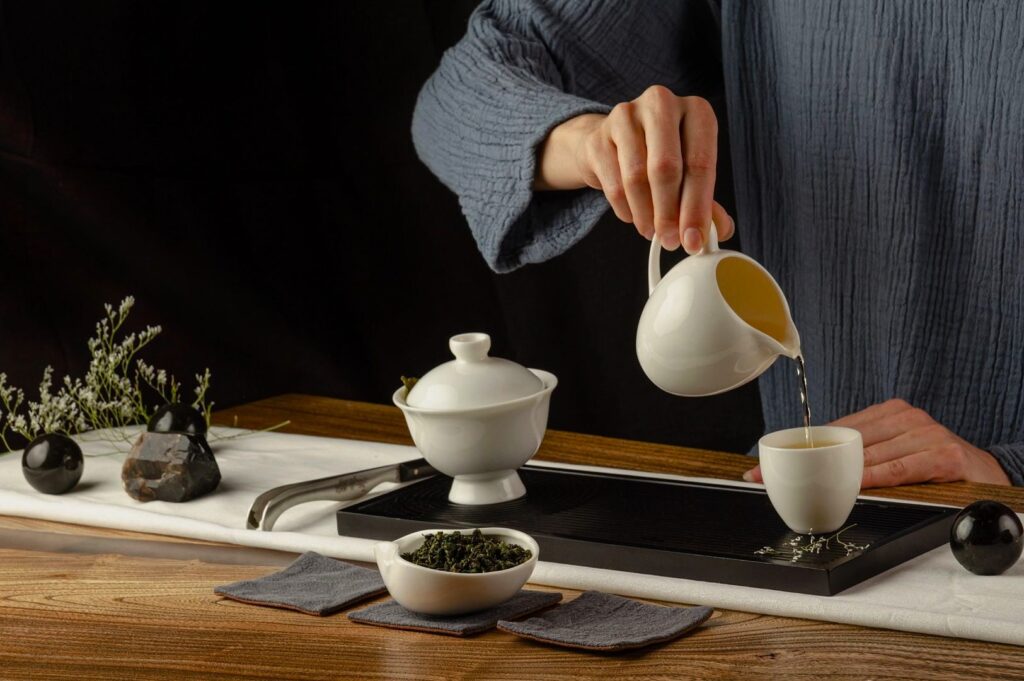
The art of gongfu tea, or gong fu cha, is far more than a performance reserved for formal occasions. It is a lifestyle practice, a daily ritual that integrates mindfulness into the rhythm of ordinary life. Its historical journey winds from the scholarly circles of the Tang Dynasty through the misty peaks of Wuyi Mountain, eventually finding a dedicated home in modern Singapore tea houses. The core philosophy remains unchanged: gongfu translates to “skill over time,” a principle that applies as much to personal growth as it does to making tea.
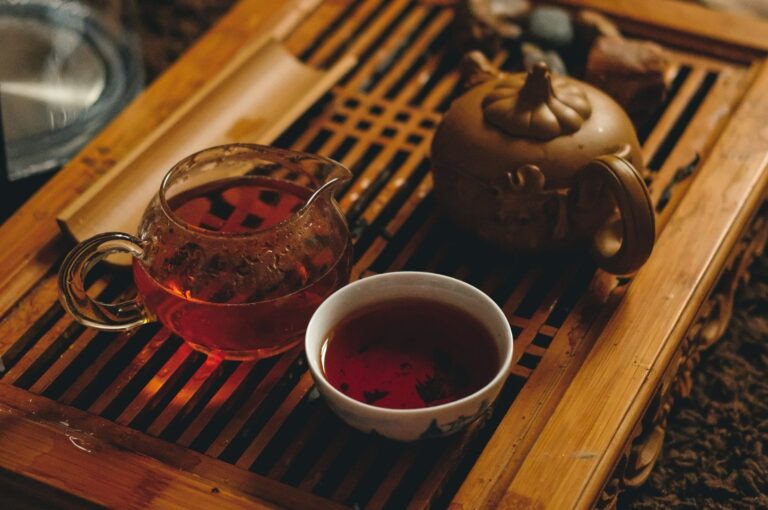
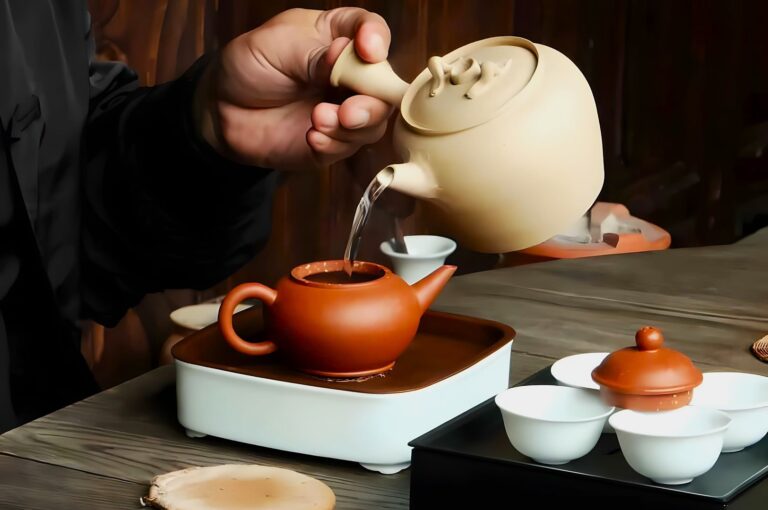
In contemporary urban living, the traditional chinese tea ceremony adapts with grace. The grand formality of historical tea parties gives way to the intimacy of private tea rooms and quiet tea gatherings among friends. Essential tea equipment becomes a source of daily connection: a tea tray to catch spills, a cherished brewing vessel like a teapot or gaiwan, delicate tea cups, a bamboo tea scoop, and other tea utensils and tea tools.
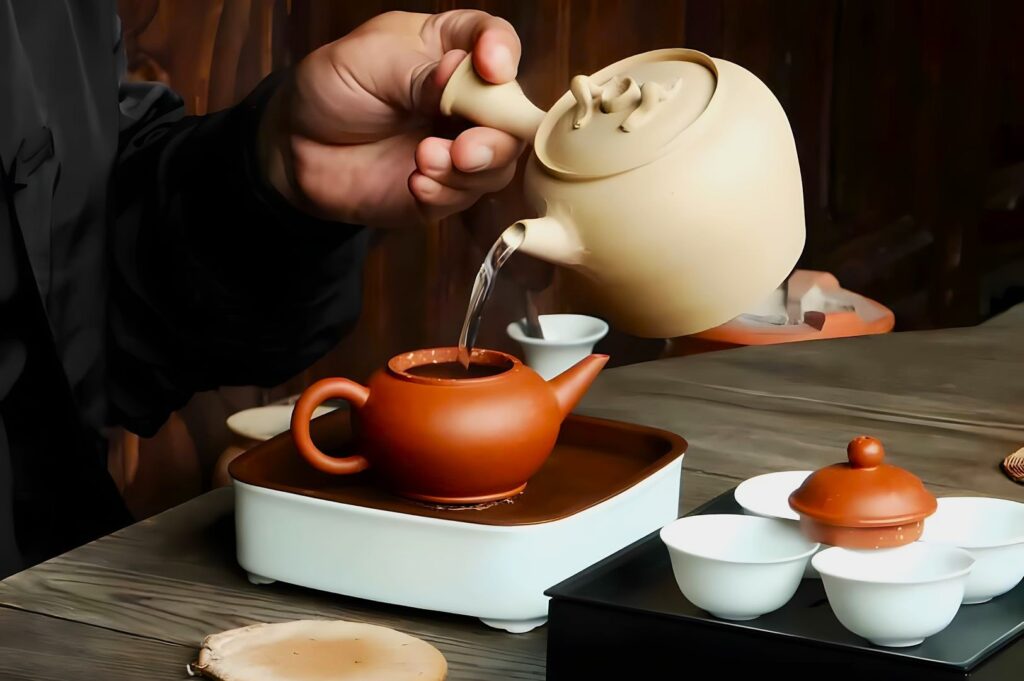
The ritual sequence, guided by a tea master, is a meditation in motion. It begins with selecting the dry leaves, moves to ensuring the correct hot water temperature, and unfolds through a patient steeping time. The sensory experience is holistic; one learns to appreciate the taste, smell, and visual beauty of the final brew. Through the intentional acts of serving and drinking tea, this ancient practice transforms a simple beverage into a profound moment of connection.
Beyond Japanese Tea: Understanding Different Paths to Mindfulness
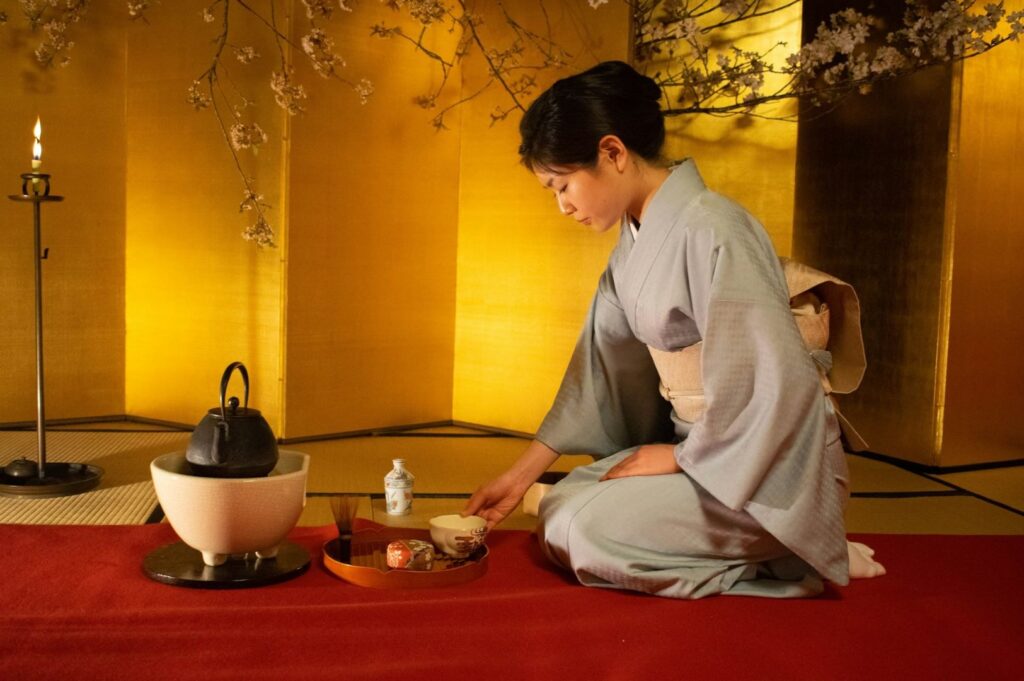
The world of tea offers many paths to stillness, each with its own unique philosophy. While the Chinese gongfu tea ceremony and the Japanese tea ceremony share deep roots in Zen Buddhism, they offer different approaches to mindfulness.
The japanese tea ceremony, or chanoyu, is a highly structured art form deeply embedded in japanese tea culture. The tea master guides guests through a precise order of events in a dedicated tea room, often with a tatami floor and a hearth built into the space. The focus is on powdered green tea (matcha), whisked to a froth in tea bowls using a bamboo whisk. Essential equipment includes the tea whisk, a kettle over a charcoal fire, and a stone basin where guests ritually purify themselves before entering.
The ceremony itself is often silent. Guests enter from a waiting room, take their place, and receive one bowl of tea; either thick tea (koicha) or thin tea (usucha). The practice is to take a few sips, wipe the rim, and return the bowl with a silent bow. One must avoid drinking hastily. This meditative silence, influenced by the Buddhist monk tradition, is a core element.
In contrast, the gongfu tea ceremony is often more conversational. While still disciplined, it encourages interaction and shared appreciation. Some practitioners prefer its intimate, flowing nature over the structured silence of the japanese tea tradition. Most tea ceremonies, whether from China or Japan, honour tea as an art form and use natural materials like bamboo and wood. However, the expression differs. There are different schools and tea schools for both, and different seasons influence the style of tea parties and formal occasions. They are two distinct paths to the same destination: a moment of pure, focused attention.
Tea Cups and Tea Culture: The Sensory Language of Chinese Tea
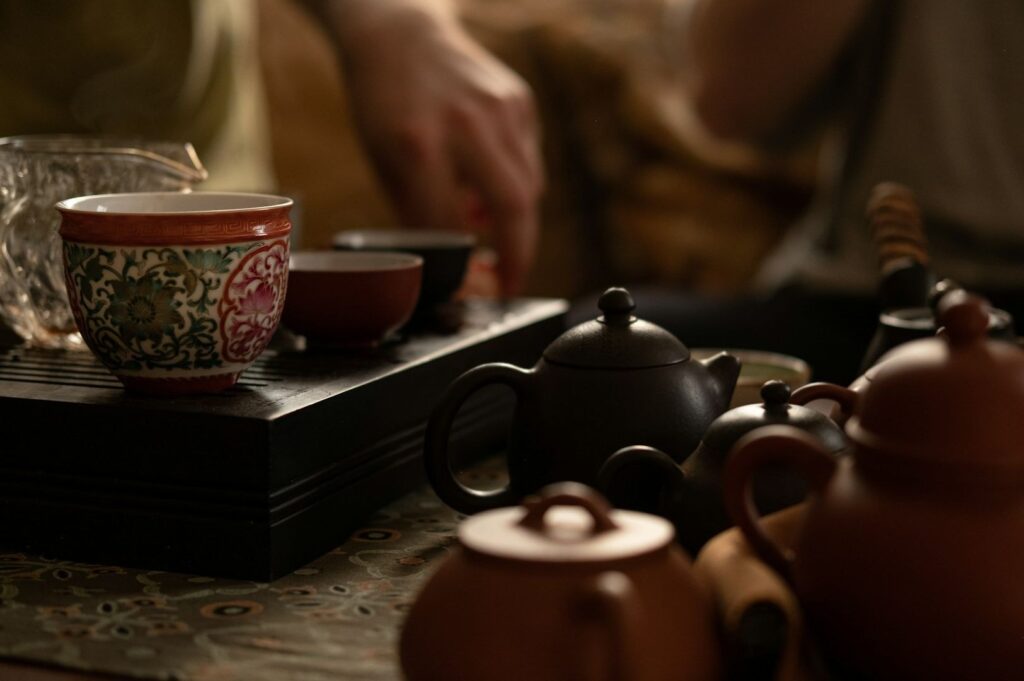
In chinese tea culture, the vessels are not mere containers; they are active participants in the tea experience. The shape, material, and size of tea cups profoundly influence how we perceive the tea. This is a sensory language that unfolds through touch, sight, and taste.
The art of selecting the right cup for different types of tea; from a delicate green tea to a robust chinese tea, is central to the practice. A wide, shallow bowl allows the aroma to blossom, while a tall, narrow cup concentrates the fragrance. The act of touching the warm porcelain, smelling the fragrant steam, and observing the colour of the liquor in the cup enhances the act of tea drinking immeasurably.
The cultural significance of serving tea is also embodied in the vessel. The ceremony of pouring from the brewing vessel into a fairness pitcher, and then into individual tea cups, ensures that all guests receive a brew of equal strength and warmth. At Tea Room by Ki-setsu, we curate specific tea cups for each tea type, understanding that every detail contributes to the sensory journey of taste and smell.
Creating Your Gongfu Tea Practice: Tea Equipment and Sacred Space
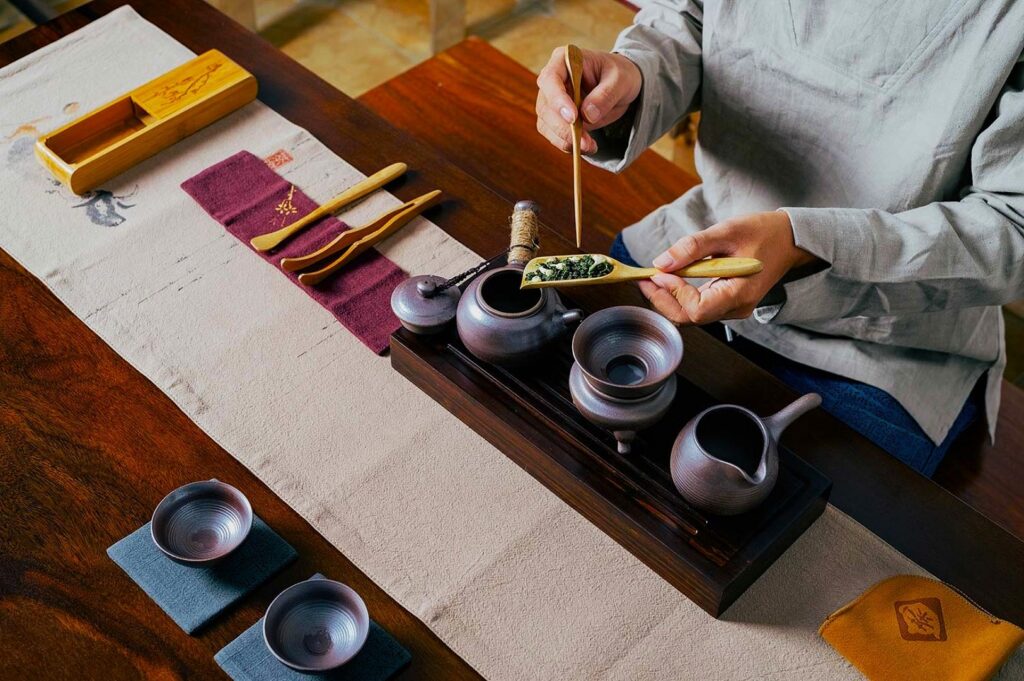
Beginning a personal gongfu tea practice at home is a transformative journey. It starts with creating a sacred space, a corner dedicated to the ritual of tea. Even in a small Singapore apartment, a simple table can become a sanctuary. When you dedicate physical space to a tea ceremony, you are also creating space in your mind for stillness and reflection.
The tea equipment can be built over time. Essential tools include a brewing vessel (teapot or gaiwan), a tea tray, and cups. As your practice deepens, you may add other tea utensils and tea tools. The quality of the tea itself is paramount. Sourcing from trusted tea plantations in its country of origin, such as China, ensures an authentic tea experience.
Understanding how to use your tools is key. Learning the correct boiling water temperature for different tea leaves or mastering the pour from a gaiwan elevates ordinary moments into meaningful rituals. A complete tea equipment collection is not just an assortment of objects; it is a set of keys that unlock a deeper connection to this ancient art form.
Tea Houses in Singapore: Where Ancient Gong Fu Cha Lives Today
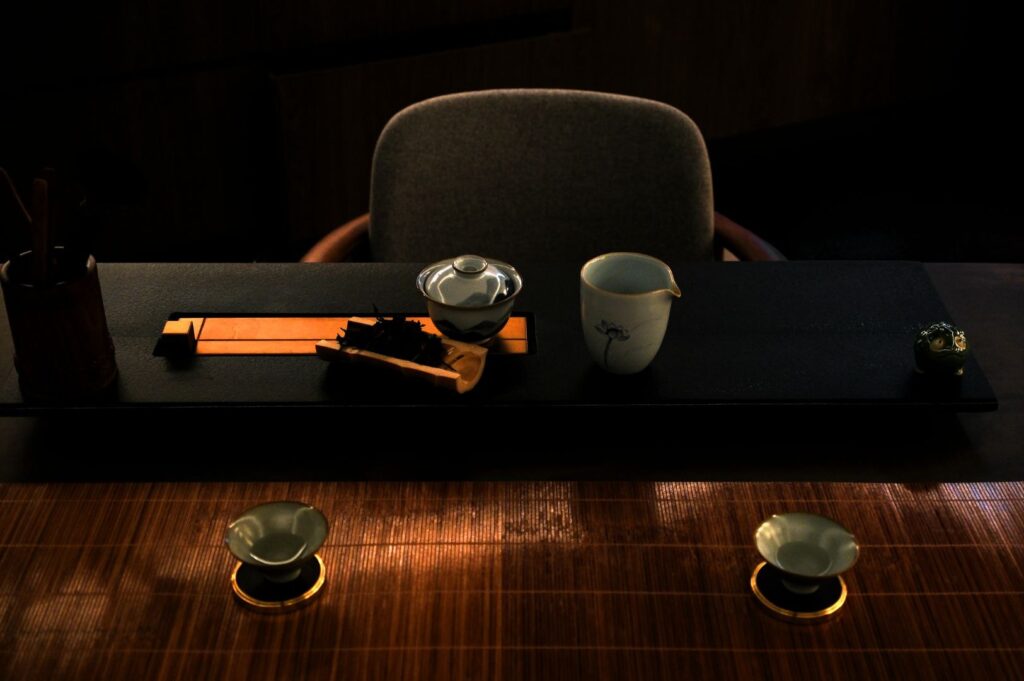
Singapore holds a unique position as a modern custodian of authentic chinese tea culture. Here, tea houses are not just cafes; they are sanctuaries where the ancient art of gong fu cha is preserved and shared with reverence. What distinguishes these authentic spaces from commercial tea shops is the central role of the tea master.
A true tea master is both a guide and a teacher, leading beginners and connoisseurs alike into the deeper currents of the tea experience. The setting is crucial. Private tea room experiences offer a level of intimacy and focus that larger tea gatherings cannot match. In these quiet spaces, deep immersion is possible.
At Tea Room by Ki-setsu, we honour the traditions of gong fu cha by creating a modern sanctuary for this timeless practice. We believe that an intimate setting is essential for the quiet world of tea to unfold. In this way, Singapore acts as a vital bridge, connecting the rich heritage of chinese culture with the evolving sensibilities of contemporary tea culture.
From First Sip to Lifelong Practice: The Gongfu Tea Journey
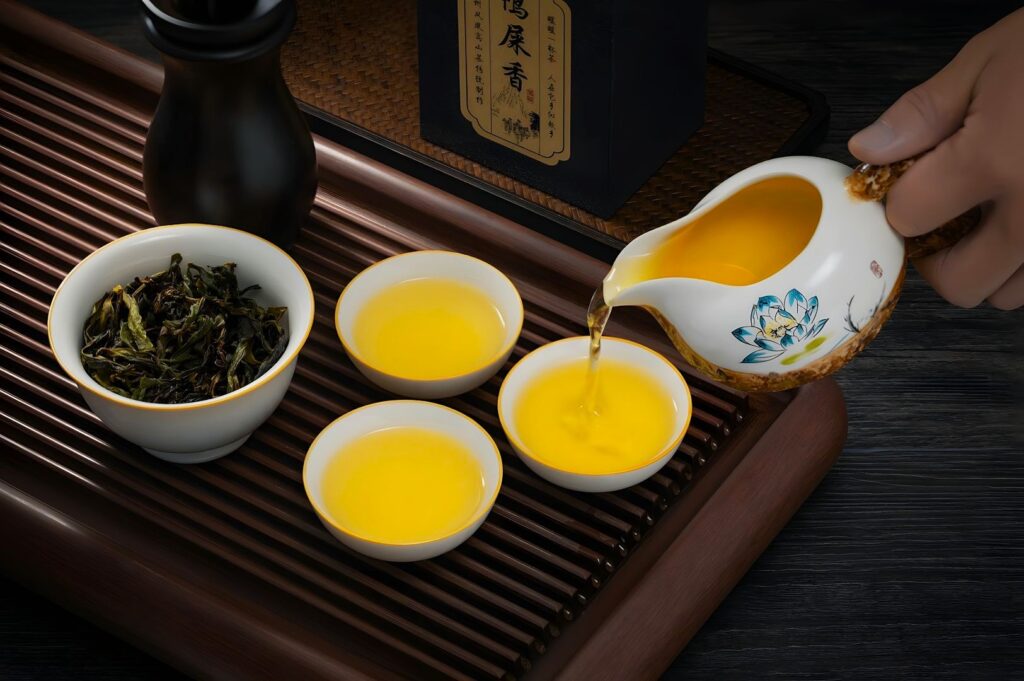
The gongfu tea ceremony is a practice that transforms over time. The first sip is a moment of discovery, but the lifelong journey is where the true change occurs. The meditative quality of brewing tea repeatedly (focusing on the ritual, not just the drink) instills a sense of calm and patience that lingers long after the session ends.
This regular practice also builds community. Sharing quiet moments over a tea tray with guests deepens connections in a way that few other activities can. In a city as fast-paced as Singapore, the gongfu tea ceremony is more relevant than ever. It offers a tangible way to slow down, to reconnect with oneself, and to appreciate the simple beauty of a shared cup of tea. The ongoing tea experience becomes a quiet path of personal transformation.
Closing: Begin Your Tea Journey at Tea Room by Ki-setsu
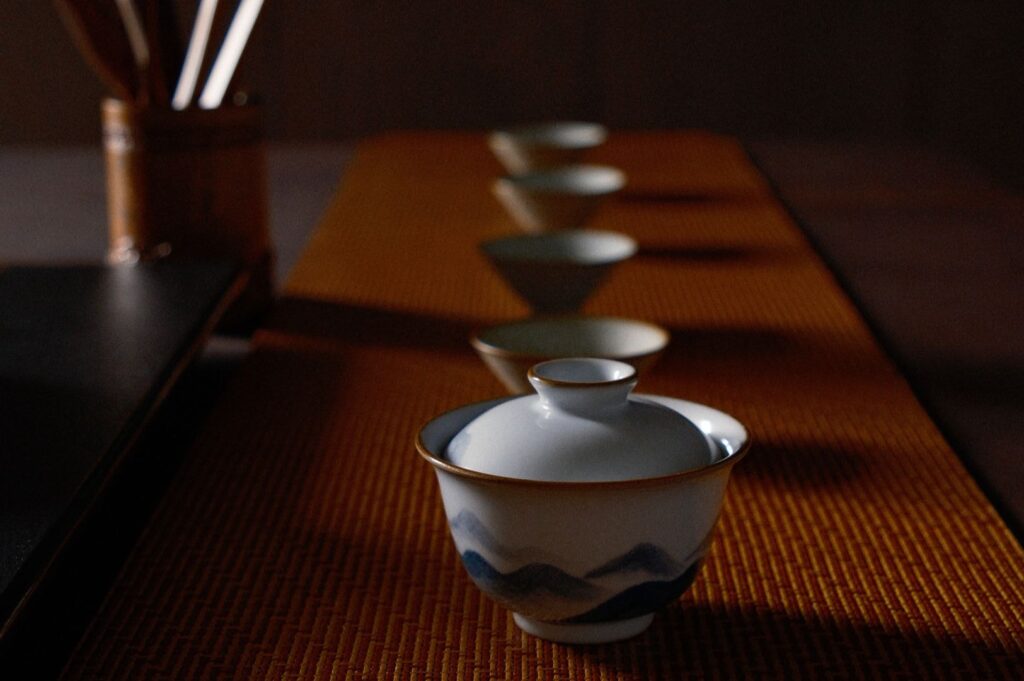
We invite you to experience the authentic gongfu tea ceremony in Singapore’s most intimate tea sanctuary. Tea Room by Ki-setsu is a gateway to the transformative practice of chinese tea, where private sessions honour both the tea and the guest. Here, the journey begins.