
Green tea is often celebrated as one of the healthiest beverages, revered for its many health benefits but also noted for potential side effects. Derived from the tea plant Camellia sinensis, green tea has been a cornerstone of traditional Chinese tea culture for millennia and is recognized in complementary and integrative health practices. Understanding its dual nature is essential for informed consumption. This guide offers a balanced, evidence-based overview of green tea benefits and side effects, empowering you to make choices aligned with your health and wellness goals.
Understanding Green Tea’s Dual Nature: How the Same Compounds Create Benefits and Side Effects
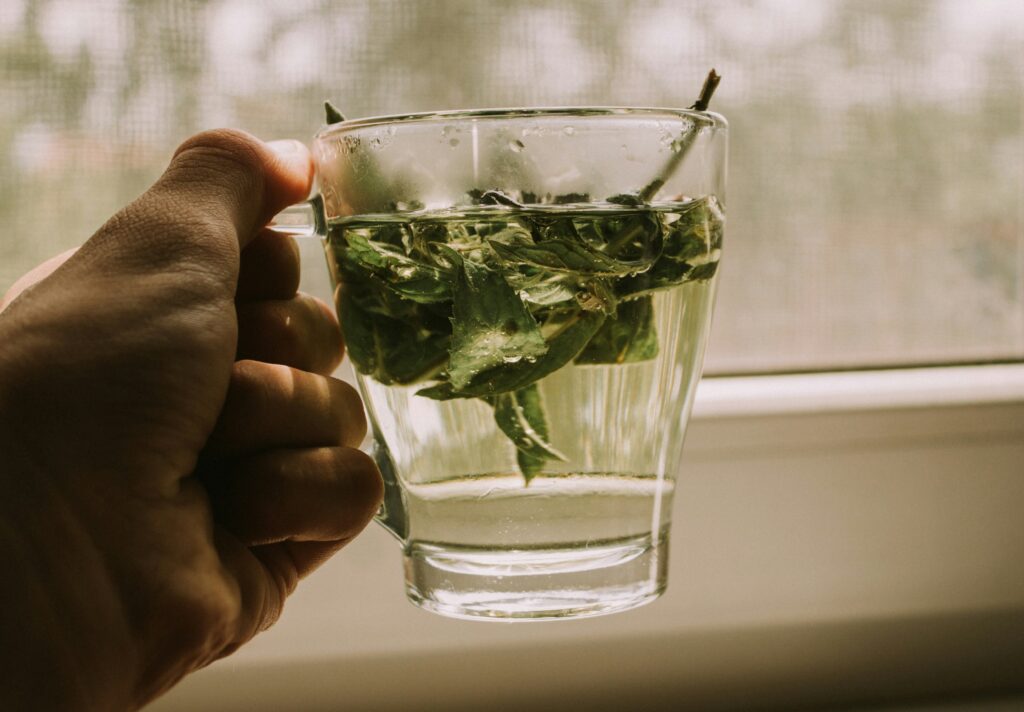
The benefits and side effects of green tea are largely due to the compounds in green tea, including polyphenol catechins (especially EGCG), caffeine, and the amino acid L-theanine. These compounds in green tea not only provide potential health benefits but can also cause side effects. The outcome depends entirely on the dose-response relationship; the idea that a substance can be beneficial in moderate amounts but harmful in excessive intake. A single cup may offer antioxidant protection and support cardiovascular health, but several cups could lead to digestive discomfort or increased caffeine intake-related side effects. Individual responses also vary significantly due to genetics, existing health conditions, and lifestyle, meaning how much green tea is safe for one person may be excessive for another.
The Science Behind Drinking Green Tea: Polyphenols, Catechins, and Caffeine Explained
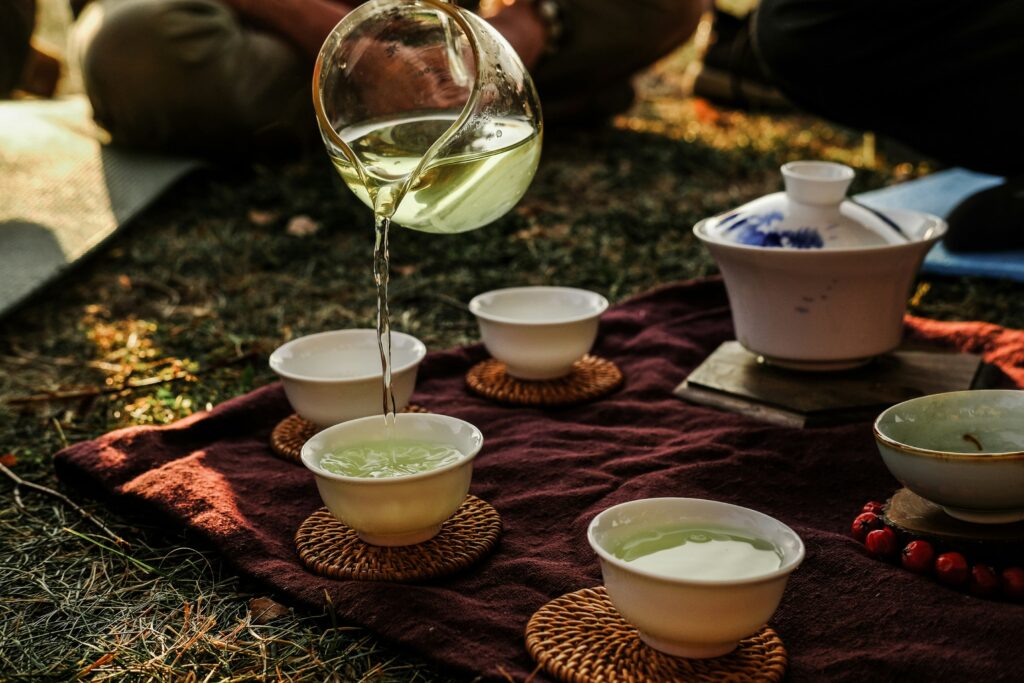
The molecular mechanisms of green tea are fascinating. Green tea catechins, especially Epigallocatechin gallate (EGCG), are powerful antioxidants that neutralize harmful free radicals. Green tea contains caffeine, a stimulant that blocks adenosine, promoting alertness, while L-theanine induces calm alertness, balancing caffeine’s effects. These compounds are absorbed via the digestive system and metabolized mainly by the liver. Brew potency depends on water temperature, steeping time, and tea leaf quality, affecting compound concentration. Green tea, black tea, and oolong teas all derive from the same tea plant but differ in processing, leading to variations in tea components and health effects.
Scientific research suggests these unique molecular components may support skin health, weight management, cardiovascular health, cancer prevention, cognitive function, and reduce chronic disease risk, though further studies are needed.
Advantages of Green Tea: A Quick Overview
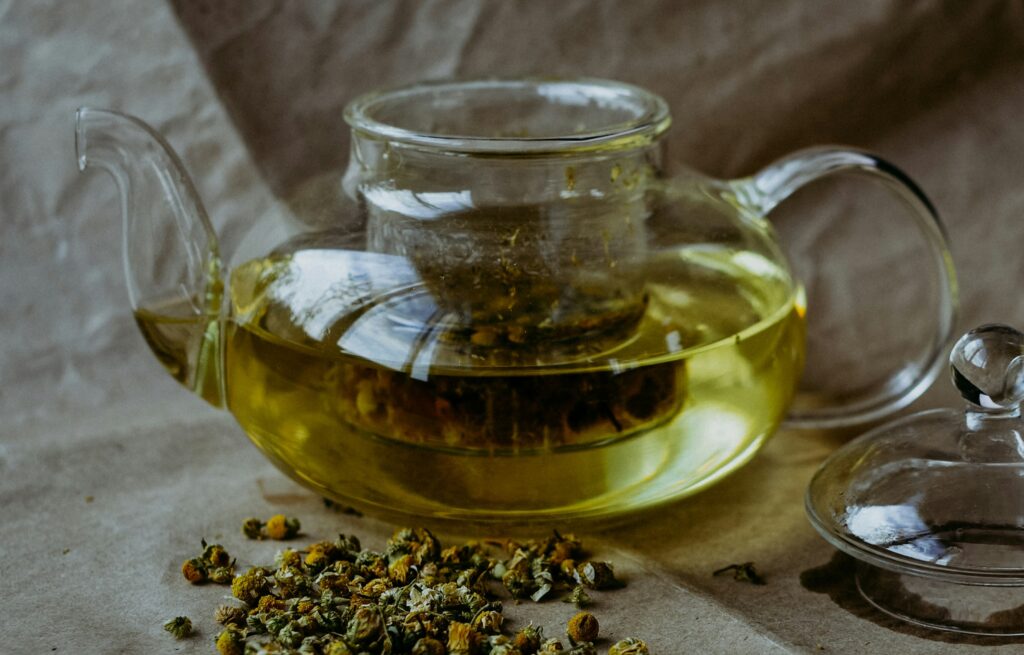
The wellness advantages of green tea are well-documented and are a primary reason for its global popularity. While we will focus on a balanced view, it is important to acknowledge its positive attributes.
-
Powerful Antioxidant and Anti-Inflammatory Properties: Rich in green tea polyphenol catechins, green tea protects against oxidative stress and reduces inflammation-related ailments.
-
Cognitive Enhancement: The caffeine in green tea combined with L-theanine improves focus, alertness, and memory, potentially lowering the risk of Alzheimer’s disease.
-
Metabolic Support: Green tea may boost metabolism and fat oxidation, aiding weight management and weight loss.
-
Cardiovascular and Cancer Prevention: Regular green tea consumption supports heart health by lowering blood pressure, improving blood vessel function, and reducing low-density lipoprotein cholesterol, which may lower the risk of cardiovascular disease and prostate cancer.
For a comprehensive exploration of these benefits, see our detailed article on Understanding The Benefits of Drinking Green Tea. Now, let’s turn to a balanced examination of the potential drawbacks.
Comprehensive Side Effects of Green Tea: What Research Really Shows
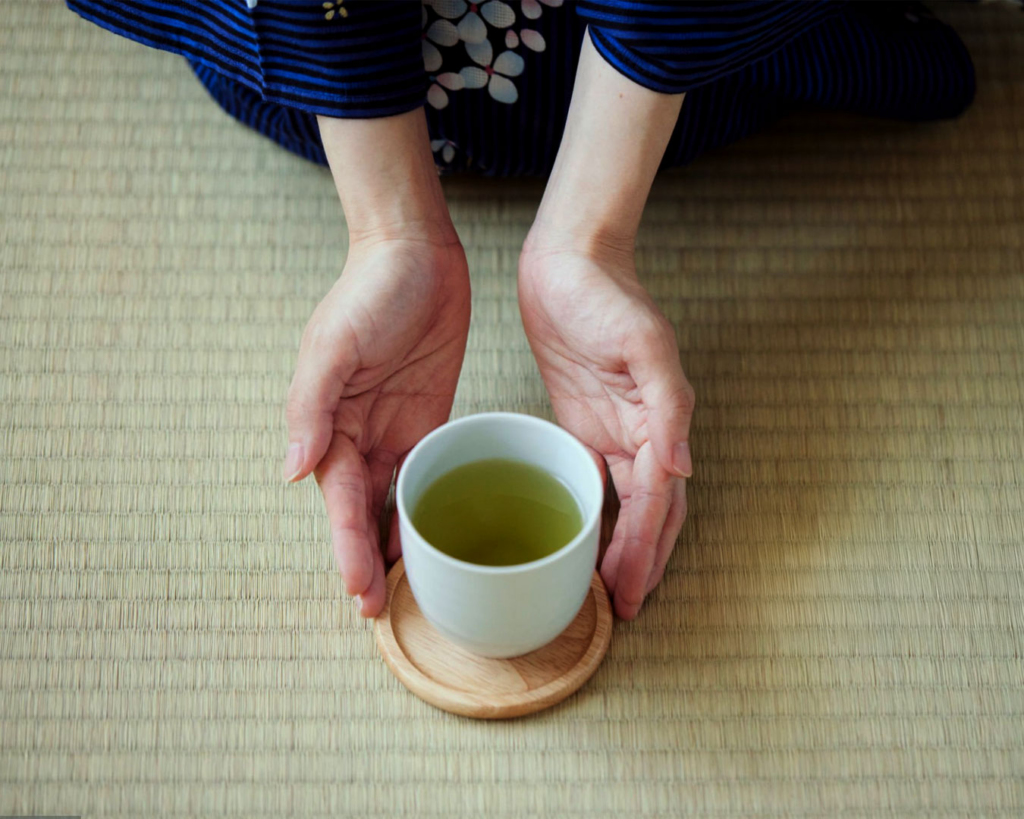
Understanding the disadvantages of green tea allows for mindful tea consumption. The consumption of green tea can lead to side effects if not managed properly. Here is what the science green tea research says about potential side effects.
Caffeine-Related Side Effects: Anxiety, Jitters, and Sleep Disruption
Symptoms: While green tea contains less caffeine than coffee consumption or other caffeinated drinks, excessive caffeine intake from green tea or green tea extract supplements can still cause nervousness, a rapid heartbeat, restlessness, and insomnia.
Who’s Susceptible: Individuals with caffeine sensitivity or pre-existing anxiety disorders are most at risk.
Mitigation Tips: Drink green tea earlier in the day, reduce the number of cups of green tea daily, or choose lower-caffeine varieties. For detailed caffeine management strategies, see our article on Green Tea Caffeine: A Complete Guide to Understanding Caffeine Content, Effects, and Optimal Consumption.
Digestive Issues: Stomach Upset, Nausea, and Acid Reflux
Explanation: Green tea contains tannins, which can increase stomach acid and cause upset stomach when consumed on an empty stomach. This may irritate sensitive stomachs, leading to nausea or discomfort.
Who’s Susceptible: People with sensitive stomachs, acid reflux, or gastric ulcers are more prone to these effects.
Practical Solutions: Drink green tea with or after meals, and brew with cooler water and shorter steeping times to reduce tannin extraction and minimize side effects.
Iron Absorption Interference: Understanding the Tannin Effect
-
Explanation: Tannins and catechins in green tea reduce absorption of non-heme iron from plants, increasing risk of iron deficiency or anemia.
-
Risk Groups: Individuals with iron deficiency anemia, vegetarians, and vegans.
-
Strategic Timing: Avoid drinking green tea with iron-rich meals; wait 1–2 hours after eating. Vitamin C helps enhance iron absorption.
Potential Liver Concerns: Separating Fact from Fear with High-Dose Extracts
Explanation: Rare cases of liver injury and liver damage have been linked to high-dose green tea extract supplements, not brewed green tea. High concentrations of EGCG in some unregulated supplements can overwhelm the liver.
Distinction: For most healthy adults, moderate consumption of brewed green tea is safe and does not pose liver health risks. Concerns mainly involve concentrated extracts.
Safe Parameters: Individuals with liver conditions should consult healthcare professionals, but moderate intake of brewed green tea is generally safe.
Bone Health Considerations: Calcium Absorption and Osteoporosis Risk
-
Explanation: High caffeine intake is linked to increased calcium excretion in urine. Some studies suggest green tea catechins may also interfere with calcium absorption, with effects depending on the dose.
-
Risk Populations: Postmenopausal women and those at risk for osteoporosis should monitor total caffeine intake from all sources.
-
Mitigation: Ensure adequate calcium intake through diet or supplements, avoiding simultaneous consumption with green tea. Moderate green tea consumption poses minimal risk to bone health when calcium levels are sufficient.
Individual Sensitivity Factors: Why Some People Experience More Side Effects

Genetic Variations: How DNA Affects Caffeine and Polyphenol Metabolism
Your genetic makeup plays a huge role in how you respond to green tea. Variations in the CYP1A2 gene determine whether you are a “fast” or “slow” metabolizer of caffeine. Slow metabolizers feel the effects of caffeine for much longer and are more prone to side effects like anxiety and sleep disruption.
Existing Health Conditions: When Green Tea Requires Extra Caution
Individuals with the following conditions should be particularly cautious with green tea consumption and speak with a healthcare professional first:
- Anxiety and panic disorders
- Heart conditions and arrhythmias, including high blood pressure
- Liver or kidney disease
- Iron deficiency anemia
- Osteoporosis
- Glaucoma
- Irritable Bowel Syndrome (IBS)
- Breastfeeding mothers, as caffeine from green tea can pass into breast milk and may affect nursing infants, potentially causing sleep disturbances or irritability.
Dosage Matters: The Critical Difference Between Moderate and Excessive Consumption

For most healthy adults, moderate consumption is defined as 3-5 cups of green tea per day. Most healthy adults can safely drink green tea every day, as long as they stay within recommended caffeine and EGCG limits. At this level, you are likely to experience the benefits of green tea without significant risks. Side effects typically emerge with excessive intake, often exceeding 5-6 cups daily or when consuming highly concentrated green tea extracts or green tea supplements. The safe upper limit for EGCG from all sources is generally considered to be around 800mg per day.
Timing and Consumption Context: Reducing Side Effects Through Strategic Intake
Iron Absorption: Drink tea at least 1-2 hours away from meals, especially if they are rich in plant-based iron.
Sleep Quality: Avoid green tea for at least 6-8 hours before bedtime to prevent caffeine in green tea from disrupting your sleep.
Digestive Comfort: Never drink green tea on an empty stomach. Enjoy it with or after food.
Moderation and Timing: Consuming green tea in moderation and at the right times can help reduce side effects such as stomach irritation, headaches, or acid reflux. It is best to consume green tea after meals or at specific times to mitigate potential negative effects.
Food Pairing Strategies: Minimizing Digestive and Absorption Issues

Pairing green tea with the right foods can enhance its benefits and reduce side effects. Enjoying a cup of green tea with a meal or snack can optimize its health benefits and minimize digestive discomfort. Consuming it with a small, protein-rich snack can prevent upset stomach. Adding a splash of lemon or another source of vitamin C can help counteract the tea’s effect on iron absorption. At Tea Room by Ki-setsu, our understanding of traditional Chinese tea culture includes the wisdom of such pairings to create a harmonious experience.
Common Myths About Benefits of Green Tea: Setting Realistic Expectations
Myth | Reality |
|---|---|
“Green tea melts fat effortlessly.” | It can provide a modest boost to metabolism and fat oxidation, but it is not a magic solution for weight loss. It supports, but does not replace, a healthy diet and exercise. |
“More is always better.” | The dose-response curve shows that benefits plateau and risks increase with excessive consumption. Moderation is key. |
“All green teas are equally beneficial.” | Quality, origin, and processing matter immensely. At Tea Room by Ki-setsu, we curate premium, artisanal teas to ensure a superior profile of flavour and beneficial compounds. |
Enjoy green tea as part of a balanced, healthy lifestyle to take advantage of its potential benefits, such as supporting heart health, aiding in weight management, and providing antioxidants.
Monitoring Your Response: Signs to Watch and When to Adjust Consumption
Pay attention to how your body feels. Keeping a journal can help you track your green tea intake and any symptoms.
Severity | Symptoms | Action |
|---|---|---|
Mild | Slight restlessness, minor stomach upset | Reduce intake, check timing and food pairing. |
Moderate | Noticeable jitters, persistent acid reflux, trouble sleeping | Significantly reduce intake or switch to lower-caffeine teas. |
Serious | Heart palpitations, severe anxiety, extreme nausea | Cease consumption immediately and consult a healthcare professional. |
Lorem ipsum dolor sit amet, consectetur adipiscing elit. Ut elit tellus, luctus nec ullamcorper mattis, pulvinar dapibus leo.
Experiencing Premium Green Tea Safely at Tea Room by Ki-setsu
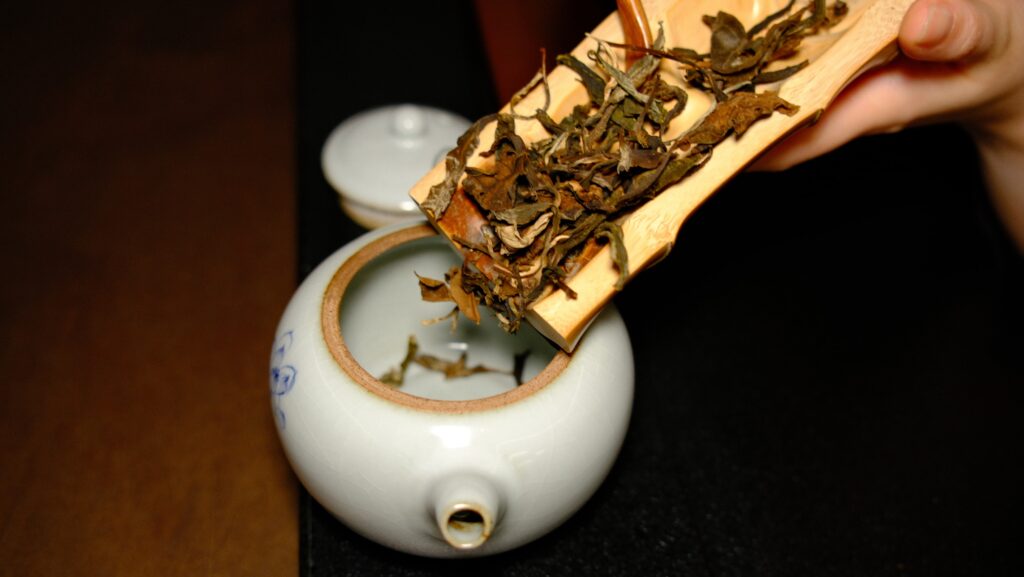
Navigating the nuances of green tea can be a deeply personal journey. At Tea Room by Ki-setsu, our expertise is at your service. During our private tea sessions, we demonstrate traditional preparation methods designed to optimize the tea’s benefits while minimizing potential side effects. With a focus on quality assurance and authentic sourcing, we provide personalized recommendations to ensure your experience with premium Chinese teas is both safe and profoundly enjoyable.
Conclusion: Making Informed Decisions About Green Tea Consumption
The key to enjoying green tea lies in balance. Its health benefits are real and green tea backed by science, but so are its potential side effects. By embracing a moderate, mindful approach, you can harness its advantages while respecting your body’s unique sensitivities. The optimal strategy is a personalized one, informed by knowledge and guided by how you feel.
Visit Tea Room by Ki-setsu for expert guidance on selecting and preparing green tea that aligns with your individual health needs and preferences. Our tea master can help you discover varieties and brewing methods that maximize benefits while minimizing potential concerns.
For more information on caffeine management, read our article on Green Tea Caffeine.