Green tea presents a fascinating paradox. It is renowned for its ability to sharpen the mind and provide a gentle lift in energy, yet it is equally celebrated for promoting a sense of calm and focused tranquility. How can one beverage be both energising and soothing? The answer lies in the unique nature of green tea caffeine and its sophisticated interplay with other natural tea components within the leaf. This complexity is often misunderstood, leaving many to wonder about its true effects. This guide serves to demystify the topic, offering a clear and comprehensive exploration of the caffeine in green tea, from its precise measurements and effects on the body to strategies for mindful consumption that allow you to harness its health benefits perfectly.
Understanding Green Tea Caffeine: The Basics
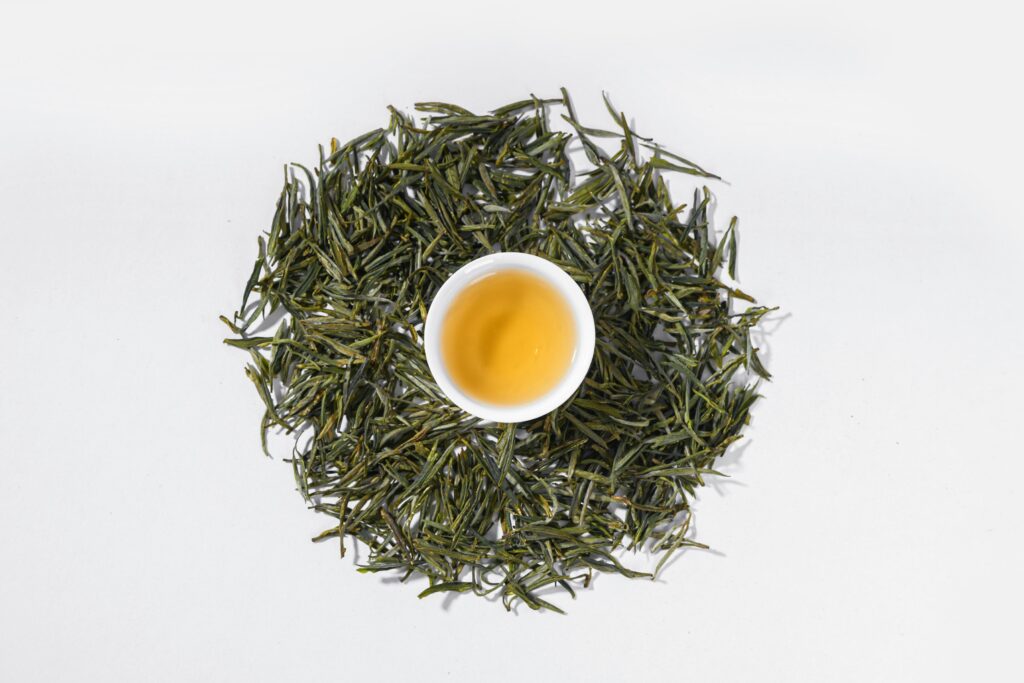
So, does green tea contain caffeine? Yes, it does. Caffeine is a naturally occurring stimulant found in the leaves of the Camellia sinensis plant, from which all true teas, including green tea, are derived. It serves as a natural defence mechanism for the tea plant, deterring insects. In green tea, the average caffeine content can range from 25 to 50 milligrams per 8 oz (240ml) cup. What makes green tea caffeine different from other sources, like coffee, is its synergistic relationship with other compounds in the tea leaves, such as the amino acid L-theanine, which fundamentally alters how it is experienced by the body.
How Much Caffeine is in Green Tea? A Detailed Breakdown
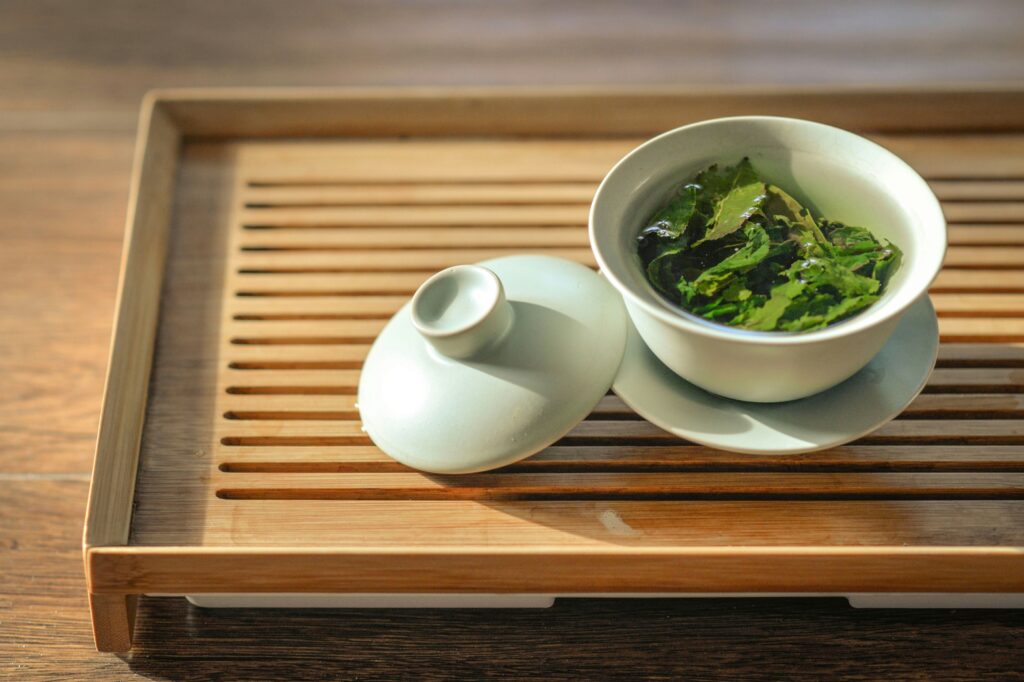
To truly understand the question “how much caffeine is in green tea?”, it helps to see the numbers side by side. A standard cup of green tea contains significantly less caffeine than many other popular drinks and caffeinated beverages. The exact caffeine level can vary depending on the variety and brewing method, but the table below provides a reliable comparison for a standard 8 oz (240ml) serving.
| Beverage | Average Caffeine Content (mg) |
|---|---|
| Green Tea | 25 , 50 mg |
| White Tea | 15 , 30 mg |
| Oolong Tea | 30 , 60 mg |
| Black Tea | 40 , 70 mg |
| Brewed Coffee | 95 , 200 mg |
Caffeine Content Across Premium Green Tea Varieties
Not all green teas are created equal when it comes to caffeine. Origin, terroir, and specific varietal play a significant role in green tea consumption and caffeine intake.
Chinese Green Teas: Teas like Longjing (Dragon Well) and Biluochun are often pan-fired, which can affect the final caffeine profile. Premium teas sourced from ancient trees, such as those from Bulang Mountain, possess a complex character where caffeine is just one part of a rich chemical tapestry including green tea catechins known for their antioxidant and anti inflammatory properties.
Japanese Green Teas: These teas are typically steamed. Sencha, the most common variety, falls within the standard caffeine range. Gyokuro, however, is shade-grown for several weeks before harvest. This process increases both chlorophyll and caffeine content, resulting in a higher caffeine level than most other green teas. Conversely, Bancha, harvested later in the season, and Hojicha, which is roasted, tend to have less caffeine.
Powdered Green Tea: Varieties such as Matcha are made from finely ground whole tea leaves, which means consuming powdered green tea delivers significantly more caffeine per serving compared to brewed loose leaf tea or tea bags.
At Tea Room by Ki-setsu, guests can experience premium green tea varieties firsthand, appreciating the distinct caffeine profiles and flavour nuances that each green tea offers.
Factors That Influence Caffeine Levels in Your Cup
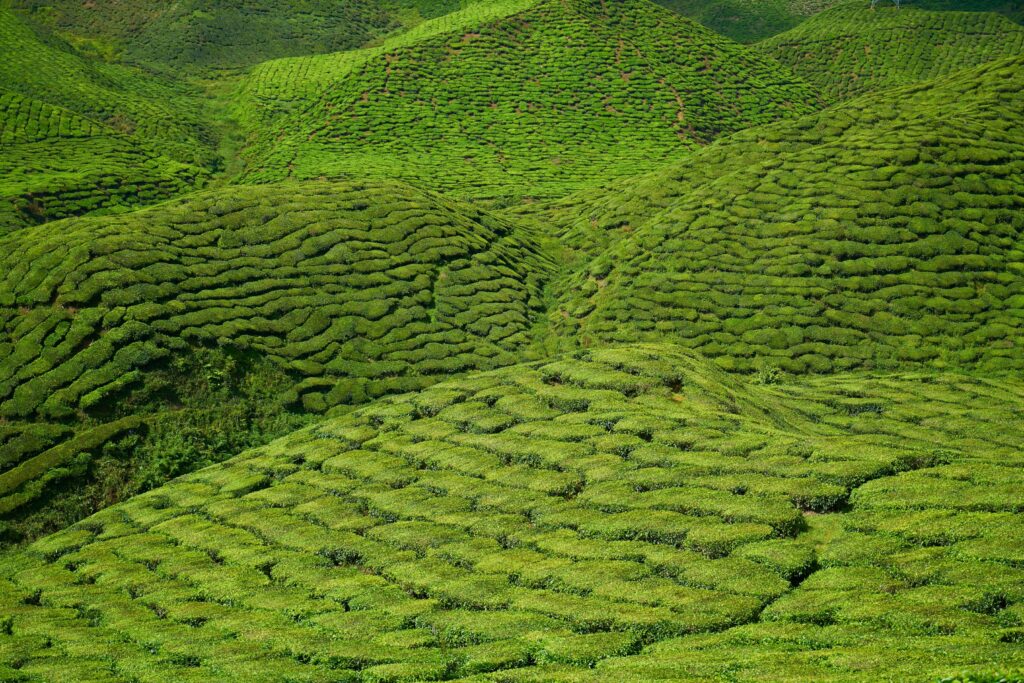
Beyond the tea’s origin, several factors during cultivation and processing determine the caffeine contents in your cup.
Leaf Grade and Picking Standards: Teas made from the youngest tea leaves and buds, which are more vulnerable to pests, naturally contain higher caffeine levels as a protective measure.
Harvest Season: First-flush (spring) teas generally have higher caffeine levels and green tea catechins compared to later harvests.
Processing Methods: While all green tea is unoxidised, the specific techniques used, such as steaming versus pan-firing, can influence how much caffeine is readily extractable during brewing.
Green Tea vs. Coffee: A Caffeine Comparison
While a cup of brewed coffee contains two to four times more caffeine than an average cup of green tea, the difference goes beyond mere quantity. The caffeine in coffee is absorbed rapidly, leading to a quick, powerful spike in energy, often followed by a “crash.” In contrast, the caffeine in green tea, with its unique combination of caffeine and L-theanine, is absorbed more slowly, resulting in a gentler, more sustained lift that can last for several hours without the jitters. This makes green tea a popular drink for those who want to avoid the negative effects of coffee consumption such as spikes in blood pressure or nervousness. Incorporating green tea into your daily routine can be a great way to build healthy habits while enjoying the benefits of a beverage with a moderate caffeine level and a higher caffeine content than many other herbal options.
Green Tea vs. Other Teas: Where Does It Stand?
Green tea’s caffeine content generally sits in the middle of the tea spectrum.
| Tea Type | Typical Processing | Caffeine Level (mg per 8oz) |
|---|---|---|
| White Tea | Unoxidised, withered | Low (15,30) |
| Green Tea | Unoxidised, pan-fired or steamed | Moderate (25,50) |
| Oolong Tea | Partially oxidised | Moderate, High (30,60) |
| Black Tea | Fully oxidised | High (40,70) |
| Matcha | Ground, shade-grown | Very High (60,80) |
The L-Theanine Advantage: Green Tea’s Secret Weapon
The true magic of green tea caffeine lies in its synergy with the amino acid L-theanine. Abundant in green tea, L-theanine promotes the production of alpha waves in the brain, inducing a state of relaxation and mental clarity. This compound works in concert with caffeine, smoothing out its stimulating effects. The result is a unique state of “calm alertness”, a focused, serene energy boost that is quite distinct from the raw jolt of coffee or energy drinks. This powerful combination is a key reason behind the many wellness associations explored when understanding the benefits of green tea.
How Green Tea Caffeine Affects Your Body
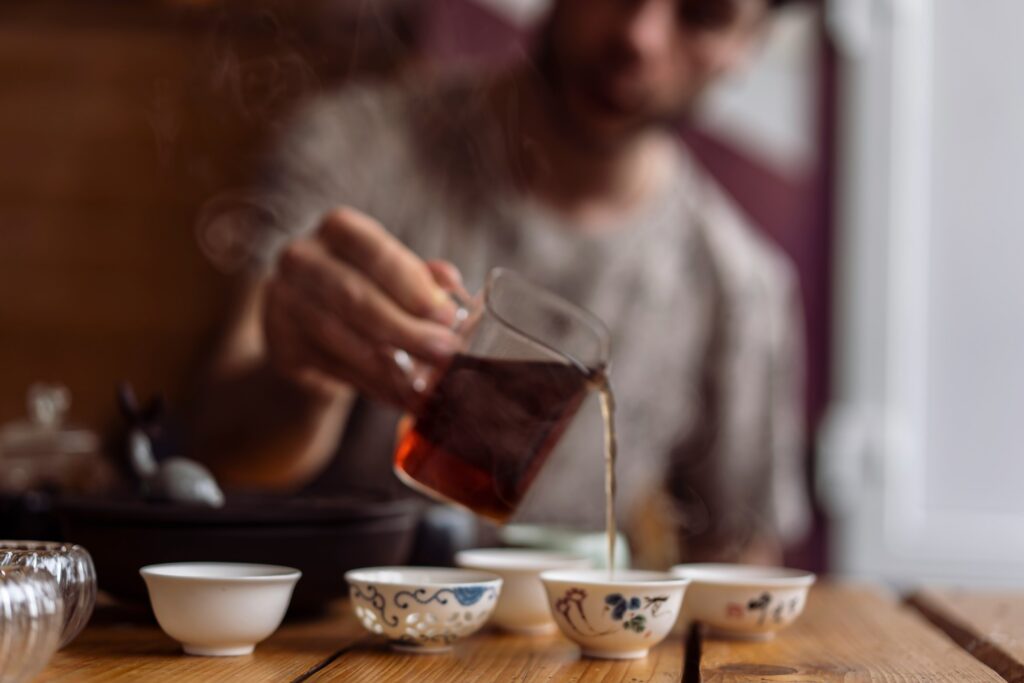
When you are drinking green tea, caffeine acts as a central nervous system stimulant by blocking adenosine, a neurotransmitter that promotes relaxation and sleepiness. This leads to increased alertness and reduced fatigue. On a metabolic level, caffeine in green tea has been shown to modestly boost metabolic rate and increase fat oxidation, contributing to weight management and fitness delivered straight to your healthy habits.
While generally safe for healthy adults and cardiovascular health in moderation, individuals with pre-existing conditions such as high blood pressure or heart disease risk should be mindful of their caffeine intake. Consuming green tea may also contribute to protecting heart health and reducing heart disease risk due to its rich content of green tea catechins and antioxidant polyphenols.
Health Benefits of Green Tea Caffeine
The combination of caffeine and L-theanine has been widely studied for its cognitive-enhancing effects. Research suggests this duo can improve both speed and accuracy on cognitively demanding tasks, enhance memory and attention, and promote a more productive and focused mindset, contributing to improved brain function and potentially slowing brain aging.
Caffeine Metabolism and Individual Sensitivity
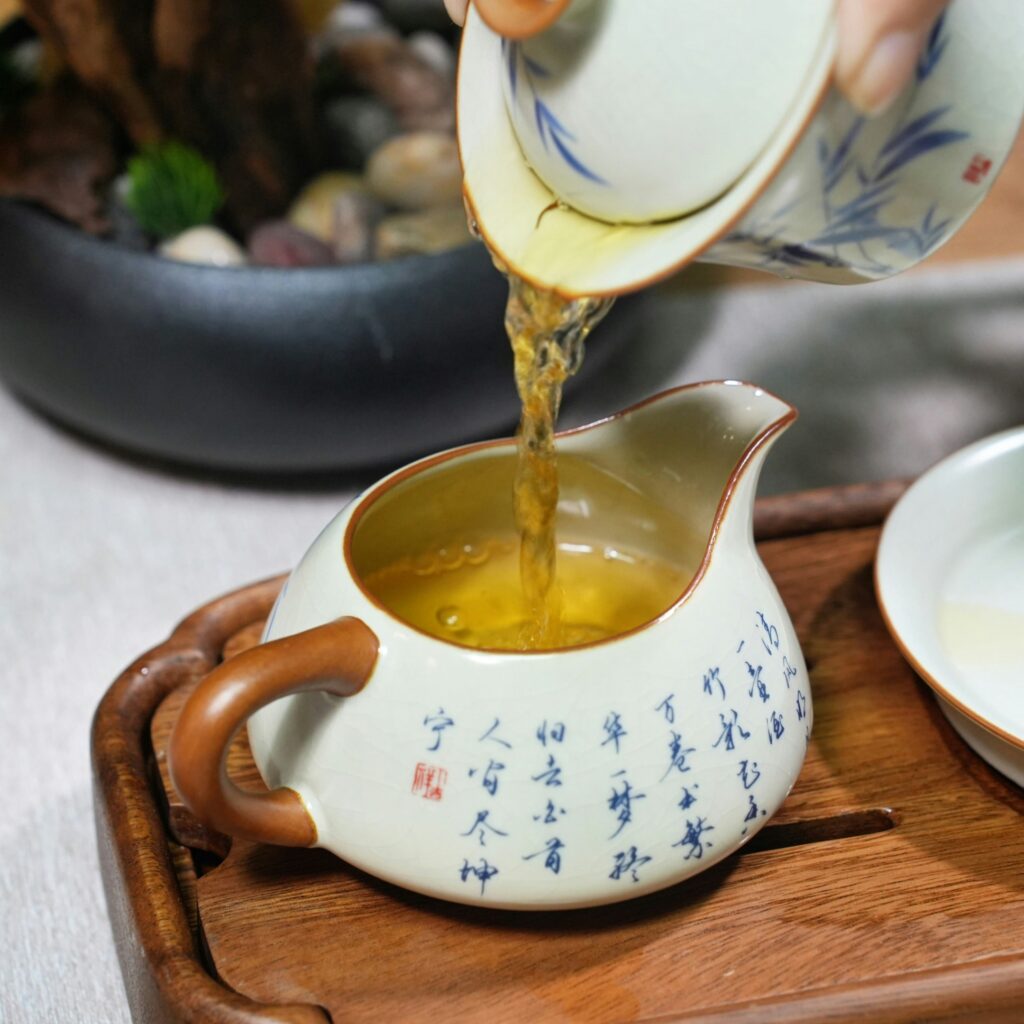
How your body processes caffeine is highly individual. Genetic factors determine whether you are a “fast” or “slow” metaboliser of caffeine, which dictates how long its effects last. Body weight also influences caffeine metabolism and tolerance. Building a tolerance is common, where regular tea consumption leads to a diminished response over time. Understanding your personal sensitivity is key to finding your optimal caffeine intake and avoiding too much caffeine, which can cause jitters, insomnia, or digestive upset.
Optimal Timing: When to Drink Green Tea
Morning: A cup of green tea in the morning can provide a perfect start, offering mental clarity and sustained energy for the day ahead.
Afternoon: It is an excellent choice for navigating the midday slump without risking the sleep disruption that a late afternoon coffee or energy drink might cause.
Pre-Workout: The gentle energy boost can enhance physical performance and focus during exercise.
Evening: Generally best avoided if you are sensitive to caffeine. If you do enjoy an evening cup, opt for a low caffeine variety like Hojicha or a caffeine free herbal alternative such as chamomile tea and use a very short steeping time.
Special Considerations: Pregnancy, Medications, and Health Conditions
Individuals who are pregnant, breastfeeding, or have certain health conditions should moderate their caffeine intake and consult with a healthcare provider. Caffeine can also interact with some stimulant drugs and medications, so it is always wise to discuss your consumption with a doctor if you have any concerns. Excessive green tea extract intake has been linked to rare cases of liver injury, so caution is advised when using supplements.
Decaffeinated Green Tea: Process and Trade-offs
Decaffeinated green tea is processed to remove most of its caffeine. The superior method uses natural carbon dioxide, which helps to preserve the tea’s delicate flavour and antioxidants. Chemical solvent methods are less desirable. It is important to note that no process removes 100% of the caffeine, and some loss of beneficial polyphenols is inevitable.
Low-Caffeine Green Tea Alternatives
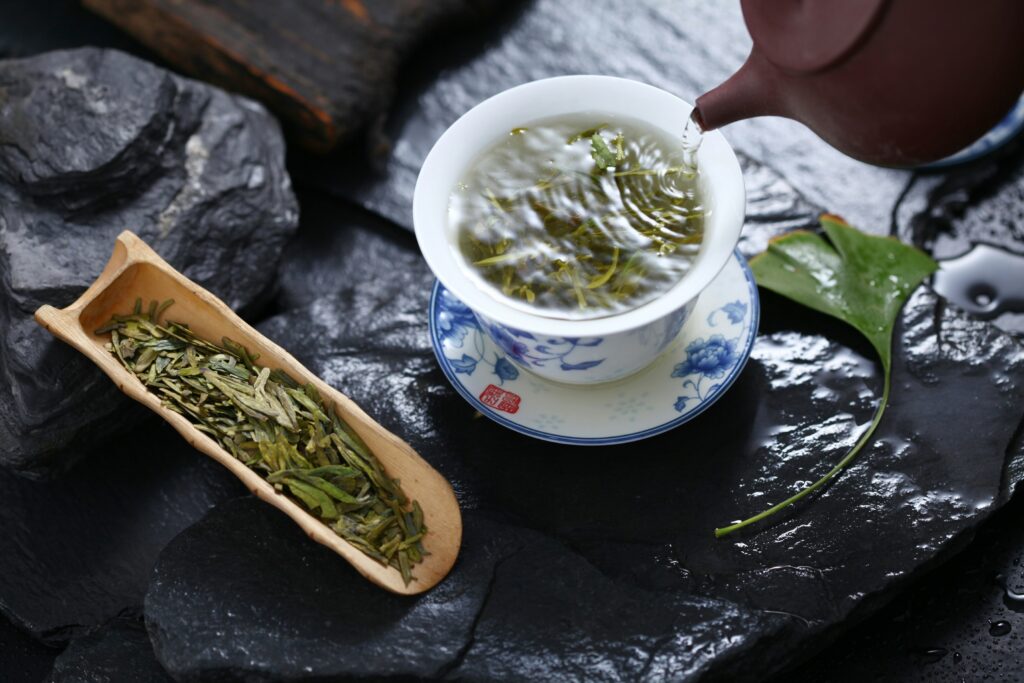
If you are seeking an even gentler experience, several types of Japanese green tea are naturally low in caffeine.
Hojicha: A roasted green tea with a nutty, comforting flavour and very low caffeine levels.
Kukicha: A “twig tea” made from the stems and stalks of the tea plant, which contain significantly less caffeine than the leaves.
Bancha: A later harvest green tea that is naturally lower in caffeine.
The art of drinking green tea is about finding a personal balance. You can alternate between higher caffeine morning teas like Gyokuro and lower caffeine afternoon options like Bancha or Hojicha. Experimenting with brewing parameters will allow you to tailor each cup to your needs, ensuring you receive the wellness benefits without feeling overstimulated.
Tea Room by Ki-setsu offers a serene environment to explore these variations, helping tea lovers understand how different brewing techniques and tea types affect caffeine levels and flavour profiles.
Experiencing Rare Green Tea at Tea Room by Ki-setsu
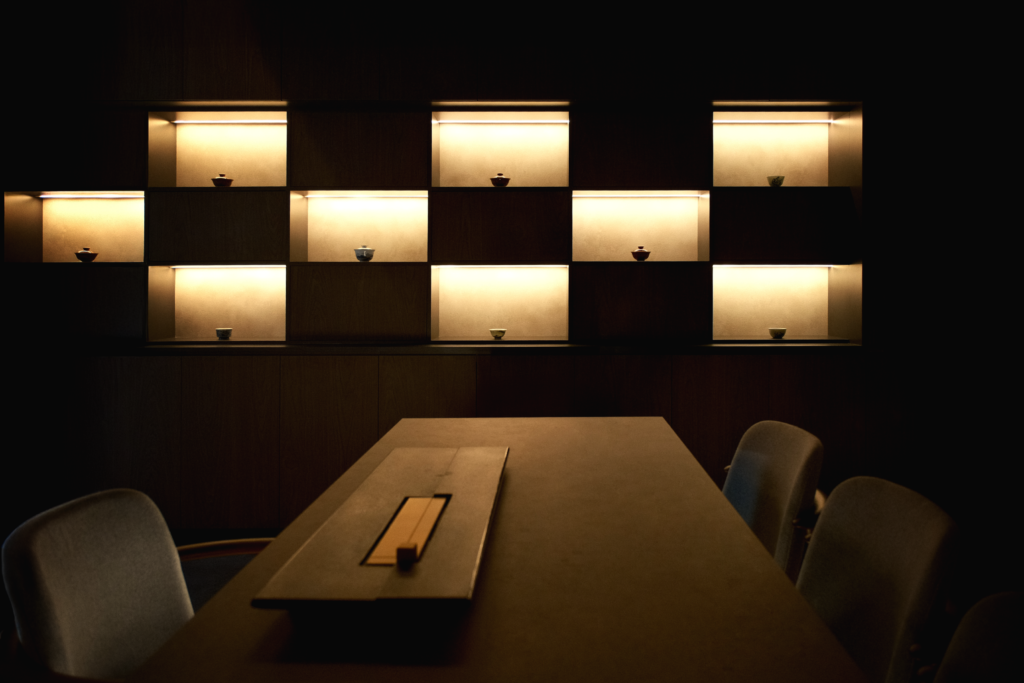
Navigating the world of green tea is a journey of discovery. At Tea Room by Ki-setsu, we guide our guests through this experience with a curated selection of premium Chinese green teas. In our reservation only sessions, you can explore how traditional brewing techniques influence the flavour and energy of each tea. Our experts offer personalised recommendations, helping you find the green teas that best suit your palate and sensitivity, allowing you to appreciate the nuanced power of green tea caffeine in a serene, educational setting.
Conclusion: The Art of Mindful Caffeine Consumption
Green tea caffeine is more than just a stimulant; it is a sophisticated tool for achieving a state of calm, focused energy. With a moderate caffeine content of 25,50mg per cup and the unique presence of L-theanine, it offers a balanced and sustained lift unlike any other. By understanding the factors that influence its levels and mastering brewing techniques, you can tailor each cup to your personal needs. This mindful approach transforms tea consumption into a rewarding daily ritual. To further explore the deep connection between green tea and wellbeing, we invite you to continue your journey by Understanding The Benefits of Drinking Green Tea: Ancient Wisdom Meets Modern Wellness. For those who wish to experience this art firsthand, we welcome you to discover it with us at Tea Room by Ki-setsu.