At Tea Room by Ki-Setsu, our philosophy is one of quiet discernment. We believe that to truly appreciate chinese tea from china, one must learn to listen to what the leaf has to say, and understand what chinese cha truly means beyond just tea. In a global market where counterfeits and subpar imitations abound, knowing how to identify authentic chinese tea can feel like a daunting task. This guide is not meant as a rigid set of rules, but as a sharing of wisdom from the perspective of tea masters; a journey into the heart of authenticity.
It is a path that begins with the land itself, follows the hands of the artisan, and culminates in the quiet revelation of the senses. Join us as we explore how terroir, craft, and sensory awareness converge to authenticate the soul of the camellia plant, the humble tea plant that gives us so much.
The Geography of Authenticity: How Mountains and Provinces Define Chinese Tea Types
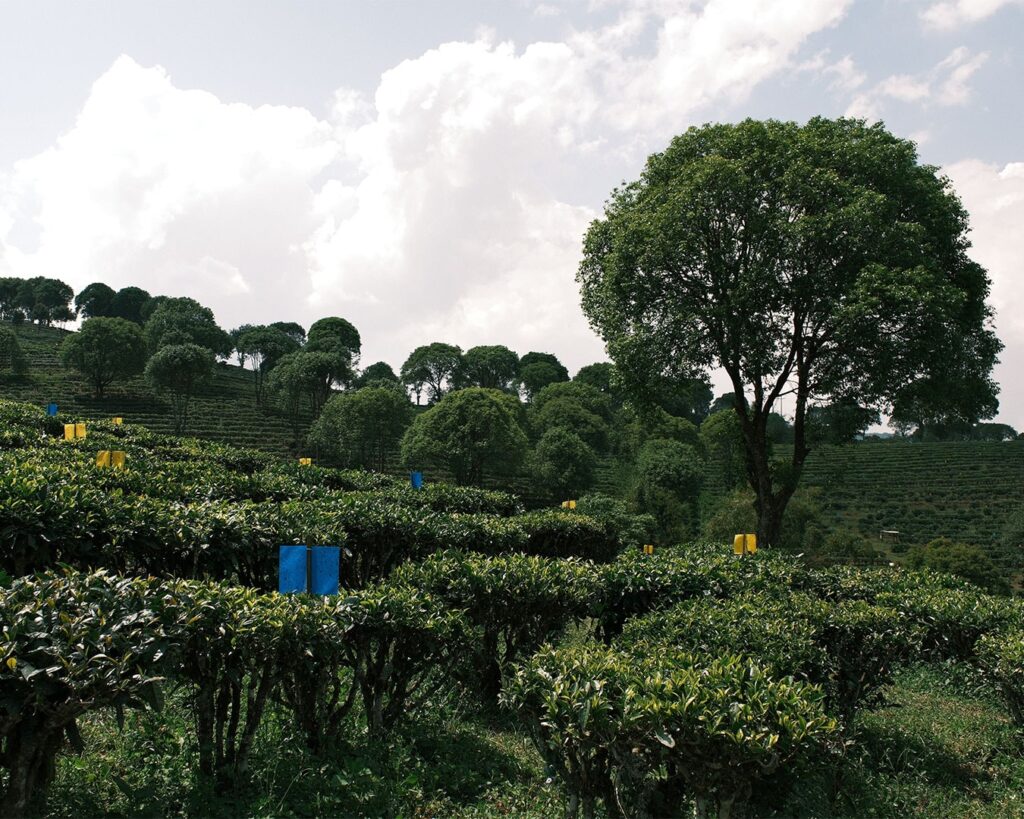
Authentic chinese tea is inseparable from its birthplace. The concept of terroir, the unique combination of soil, climate, and topography, is the first and most fundamental marker of authenticity. Every mountain and province in China imparts a distinct character to the tea produced within it, creating the rich tapestry of chinese tea types.
Yunnan Province: This is the cradle of tea, home to ancient tea trees that are sometimes centuries old. This is the only place one can find genuine pu erh tea. The region’s unique microbial environment is what allows for the complex characteristics of dark tea and post fermented tea to emerge.
Fujian Province: This coastal fujian region is a heartland of diversity. The misty, mineral-rich terroir of the Wuyi Mountains gives us legendary wuyi rock teas like Da Hong Pao. The area’s specific climate also makes it the historical origin of white tea and the perfect environment for floral oolongs like Tie Guan Yin.
Zhejiang Province: The famed West Lake area near Hangzhou is the one true home of Longjing green tea, also known as Dragon Well. The specific microclimate, with its lingering fog and gentle sunlight, creates the tea’s signature chestnut aroma and mellow, sweet finish.
Anhui Province: This region is renowned for several distinct tea varieties. Qimen county is the origin of Keemun red tea (known as black tea in the West), while the mountainous areas produce the uniquely shaped Lu’an Melon Seed tea.
Guizhou Province: While lesser-known, this province is an emerging source of high-quality other chinese teas worth discovering. Its clean environment and dedicated farmers are producing exceptional teas that carry a unique regional signature.
The distinction between tea trees and cultivated tea bushes, along with specific tea plant cultivars, means that the quality of the leaf and buds varies dramatically by region. Understanding this geography is the first step a tea master takes.
From Leaf to Cup: How Processing Steps Reveal Authenticity Across Six Basic Types
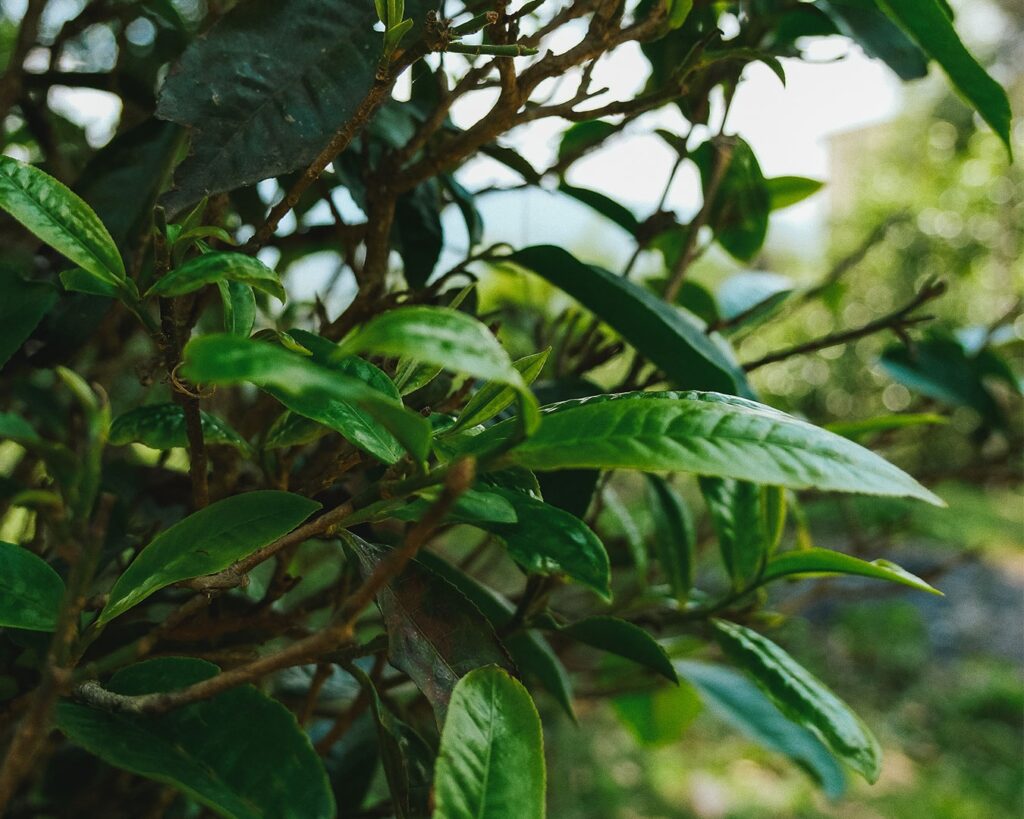
Once the leaf is plucked, its journey through a series of transformations begins. The craft of processing is the second pillar of authentication. Each of the main four basic types of chinese tea is defined by a specific method, and the authenticity of the final product is revealed in how faithfully the artisan has followed these traditional processing steps.
Green Tea:
The goal here is to halt the oxidation process almost immediately. For famous green tea like Longjing or Lu’an Melon Seed, this is done through pan-firing. Authentic green tea leaves will be vibrant, whole, and will yield a liquor with a characteristic sweet taste and refreshing quality.
White Tea:
Embodying a philosophy of minimal intervention, authentic white tea is simply withered and dried. The delicate buds are handled with immense care to prevent bruising. The resulting brew should be pale, with a subtle sweet and mellow taste.
Yellow Tea:
The rarest of the basic types, this tea’s authenticity lies in its unique process of “sealed yellowing.” This specialized, slow oxidation gives it a signature mellow taste that is distinct from green tea.
Oolong Tea:
This is the realm of masterful complexity. Partial oxidation requires immense skill. Authentic oolongs like Tie Guan Yin and Da Hong Pao will offer a long lasting flavor that evolves over many infusions, revealing layers of aroma and sweetness.
The Rich History of Authentication: Wisdom from Tang, Song, and Ming Dynasties
The methods for identifying authentic tea are not new; they are part of a rich history encoded in the craft itself. Tea masters from the Tang Dynasty, Song Dynasty, and Ming Dynasty developed sophisticated techniques for authentication that are still used today. When tea was presented to the emperor as tribute tea, it had to meet incredibly high benchmarks of quality. These were not arbitrary standards, but a refined understanding of what made a tea exceptional.
This wisdom is passed down through generations. Traditional processing steps, for example, often involve meticulous, time-consuming handwork that modern shortcuts simply cannot replicate. An experienced tea master can see authenticity in the way a leaf is rolled or fired. They recognise the standards for proper buds selection, knowing that the finest teas are often made from the first tender shoots of spring.
This cultural knowledge is the soul of authentication. The masters of wuyi rock teas, for instance, belong to lineages that have been crafting tea on the Wuyi Mountain for centuries. They can identify a genuine rock tea by its “yan yun” or rock charm, a mineral-like resonance that can only come from that specific terroir and craft. For them, authentication is not a checklist; it is an instinct honed by tradition.
The Art of Tasting: Authenticating Through the Senses
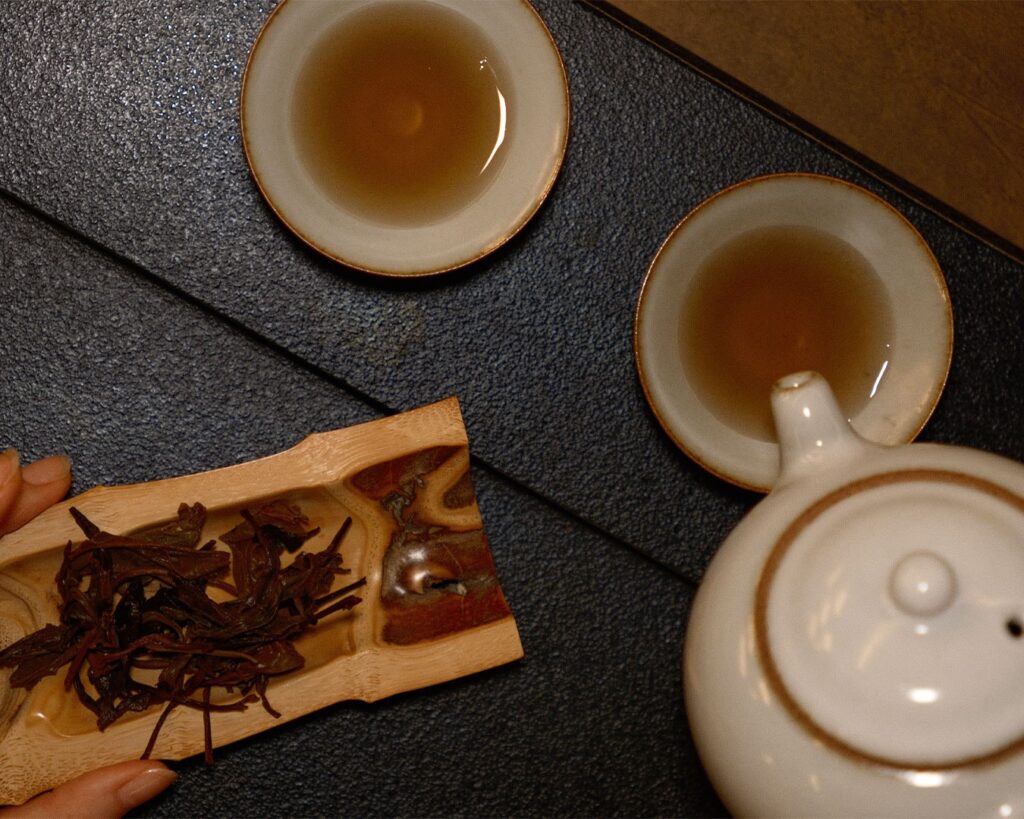
Ultimately, the most profound authentication of chinese tea from china happens not on paper, but on the palate. The final test of any authentic loose leaf tea is a sensory experience that engages the entire being.
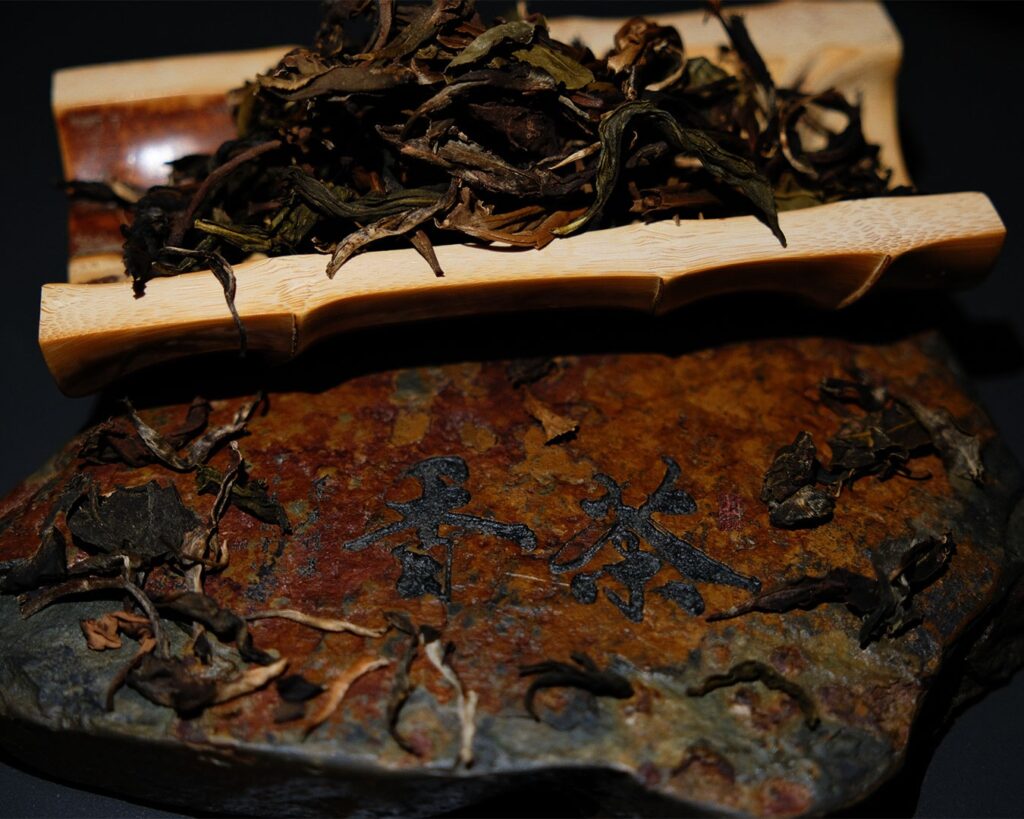
First, visually assess the dry loose leaf tea. High-quality loose tea will have whole, intact tea leaves with a vibrant and consistent appearance. For instance, premium green tea leaves exhibit a bright, lively color rather than a dull, faded one.
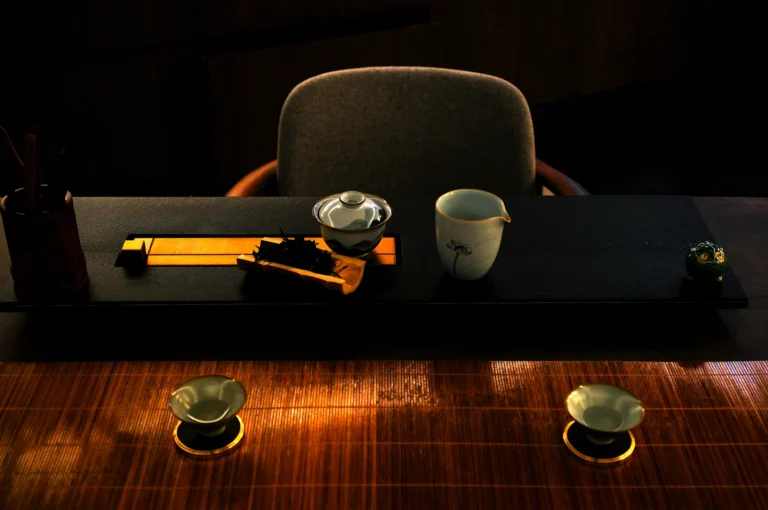
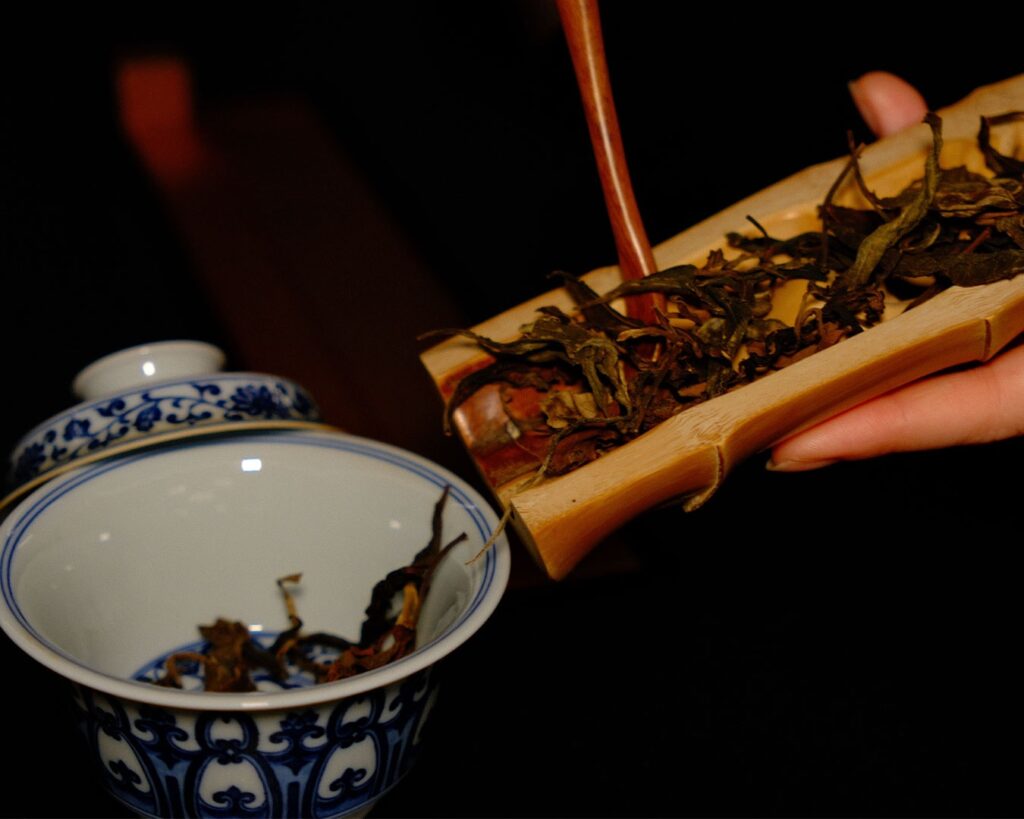
Next, observe the preparation. When brewed, an authentic tea produces a clear, luminous liquor in the cup. Cloudy or murky tea often indicates poor processing or low-grade material. Traditional drink tea practices, such as using a gaiwan, allow you to watch the tea leaves unfurl, revealing their integrity.
Then comes the taste. Authentic chinese tea almost always offers a noticeable sweet taste or a pleasant, lingering aftertaste (hui gan). It may develop a deep mellow taste that coats the tongue. This sweet and mellow taste balance is a hallmark of quality. Additionally, it should have a refreshing quality that cleanses the palate. The long lasting flavor is another key indicator; a great tea resonates long after drinking.
Finally, consider the aroma and body. Each authentic tea variety has a signature fragrance and a specific weight in the mouth. Recognizing these nuances is a skill developed over time. In a modern context, where many products claim tea-related weight loss benefits, sensory authentication remains the only way to ensure you are consuming genuine, high-quality chinese tea types.
Conclusion
To identify authentic chinese tea from china is to engage in a holistic act of discernment. It requires a deep understanding of the unique terroir, an appreciation for the artisan’s meticulous craft, and a refined sensory connection to the loose leaf tea itself. This journey moves from the vastness of the land, its mountains, provinces, and climate, to the intimacy of a single cup brewed with care.
Tea masters recognize that true authentication means grasping what ‘cha’ signifies beyond mere translation, embracing cultural authenticity markers rooted in centuries of tradition and the rich history of chinese tea types. This includes recognizing the subtle differences among popular chinese teas such as pu’er tea, oolong tea, and green tea, each reflecting their unique origin and processing.
We invite you to experience this art of discernment firsthand in our sanctuary. Let us guide you through the nuances of authentic tea, where every sip tells a story of origin, craft, and profound beauty, revealing the soul of the camellia plant and the legacy of tea masters who preserve these traditions.