Green tea is defined less by what is added to it, and more by what is carefully preserved.
All true tea comes from the same plant, Camellia sinensis. Whether tea leaves become green tea, oolong tea, or black tea depends largely on how they are processed after harvest. For green tea, the objective is clear: oxidation is stopped early so the leaf retains its natural plant compounds.
These preserved compounds, particularly green tea catechins such as EGCG, are widely studied for their antioxidant properties and are central to the health benefits green tea is known for today.
Green Tea and Processing: One Plant, Different Results
Green tea, white tea, oolong tea, and black tea all originate from the same tea plants. The difference lies in how much oxidation is allowed to occur.
Green tea undergoes minimal oxidation. As a result, higher levels of tea polyphenols and green tea catechins remain intact compared to black tea, which is fully oxidised. These differences in processing explain why green tea varies depending on harvest timing, processing speed, and heat application.
Each of these factors influences both flavour and antioxidant properties.
Drinking Green Tea Starts at Harvest

Once tea leaves are picked, enzymatic oxidation begins almost immediately. If not controlled, this process alters the chemical structure of the leaf and reduces catechin levels.
High-quality green tea leaves are typically processed within hours of harvest. Early spring leaves, often referred to as the first flush, tend to contain higher concentrations of beneficial plant compounds such as EGCG and gallic acid.
This careful handling at the earliest stage is one reason well-sourced green tea shows clearer flavour and stronger green tea benefits than mass-produced alternatives. For those interested in how this translates into daily habits, our guide on drinking green tea for long-term health benefits explores what consistent consumption looks like in practice.
Health Benefits: Why Heat Matters in Green Tea
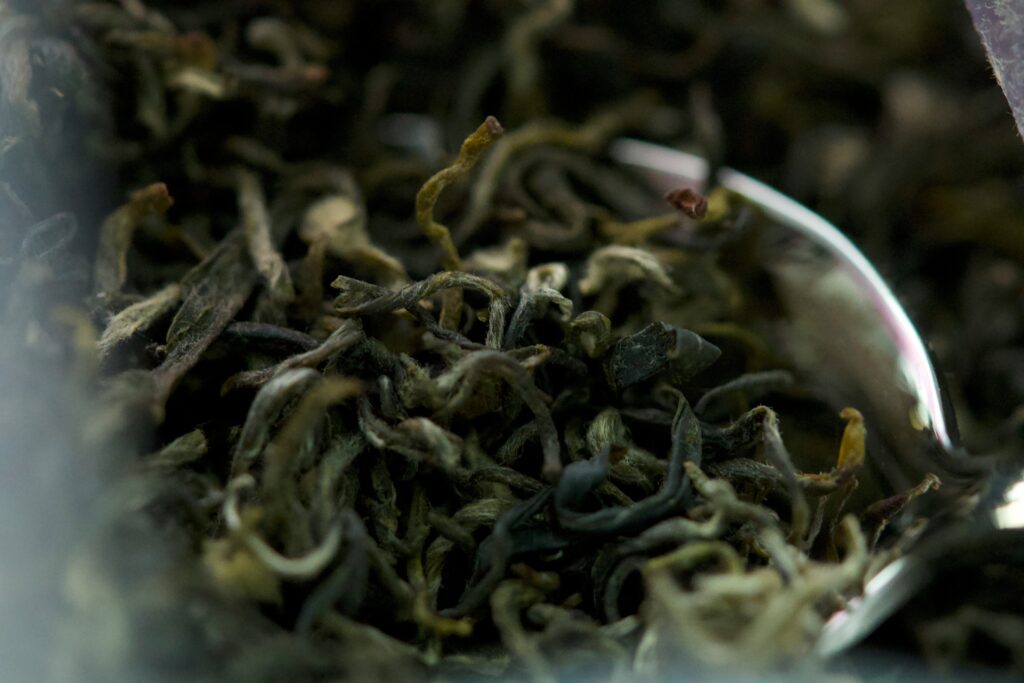
The most important step in green tea processing is heat treatment, commonly known as kill-green. This step deactivates the enzymes responsible for oxidation.
There are two primary methods:
Pan-firing, commonly used in China, where tea leaves are heated in woks. This approach often produces mild roasted notes and a rounder mouthfeel.
Steaming, commonly used in Japan, where leaves are briefly exposed to steam. This results in a brighter green colour and a more vegetal profile.
Both methods preserve green tea catechins effectively. The main difference lies in flavour, not in the presence of health benefits.
Green Tea Catechins and Health Outcomes
Many of the health benefits of green tea are linked to its catechin content. Clinical research suggests these plant compounds may support cardiovascular health, blood vessels, brain health, and immune system function.
Green tea may help regulate blood sugar and blood pressure when consumed regularly as part of a balanced lifestyle. Observational studies have also associated green tea consumption with a reduced risk of heart disease, cardiovascular disease, and certain cancers, including breast cancer and prostate cancer.
Research into green tea’s role in cancer prevention and cancer therapy is ongoing. Laboratory and some clinical studies suggest EGCG may inhibit tumour growth, influence cell signalling pathways, and potentially support existing treatments. However, green tea catechins have low oral bioavailability, and evidence in humans remains mixed. Green tea should not be viewed as a treatment for cancer or other diseases.
Importantly, green tea benefits appear most consistent when green tea is consumed as tea, rather than as green tea extract or dietary supplements, where very high doses may increase risk and interact with medications.
Drinking Tea: Shape, Drying, and Brewing
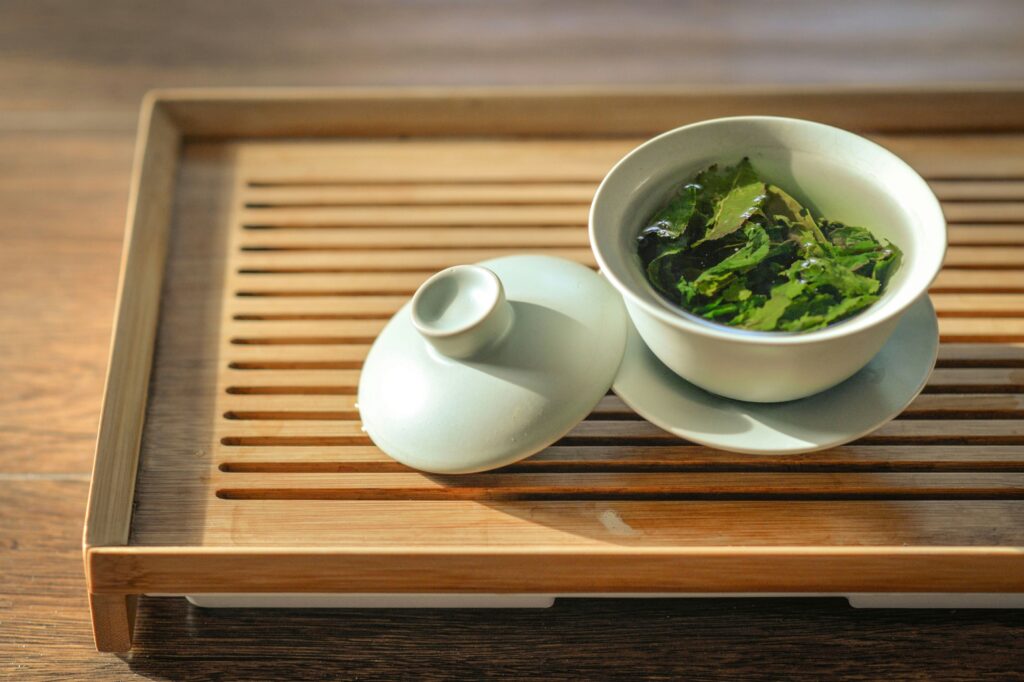
After heat treatment, tea leaves are shaped and dried. This affects how compounds are released during brewing.
Tightly rolled tea leaves release more gradually
Flat or twisted leaves infuse more quickly
Proper drying reduces moisture without damaging beneficial properties. Well-processed green tea can be brewed for multiple infusions, allowing several cups of green tea from the same leaves.
This gradual release is one reason drinking green tea feels different from consuming concentrated extracts.
Green Tea Benefits: How Much Green Tea Is Reasonable?
How much green tea is appropriate depends on individual tolerance.
For healthy adults, research commonly associates three to five cups of green tea per day with many health benefits. Some people drink less than one cup, while others comfortably consume four or more cups spread across the day.
Very high tea intake such as eight cups may not be suitable for everyone, particularly those sensitive to caffeine content or concerned about iron absorption. Green tea can reduce iron absorption when consumed with meals. Drinking green tea between meals may help minimise this effect.
Adding lemon juice may increase vitamin C availability, while milk may reduce antioxidant activity. Moderation and consistency matter more than volume.
Green Tea vs Black Tea: Different Strengths
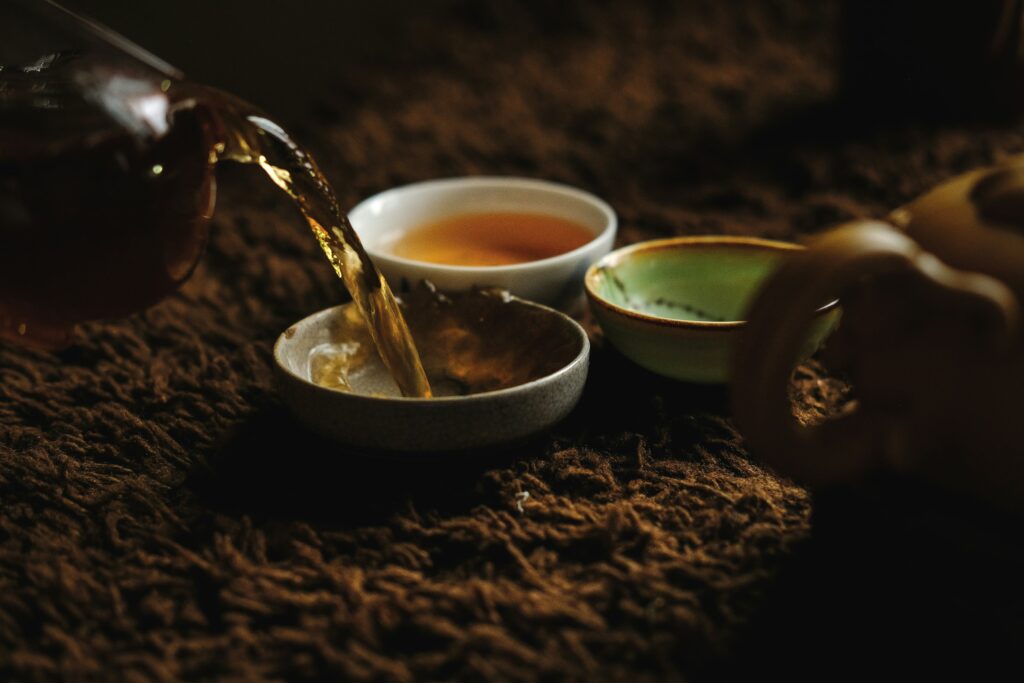
Black tea contains compounds formed during oxidation, while green tea’s beneficial effects are linked to what remains unchanged. Both can be part of a healthy habit, supporting wellness in different ways.
Choosing green tea is often a preference for preservation rather than transformation.
Brain Health and Long-Term Tea Intake
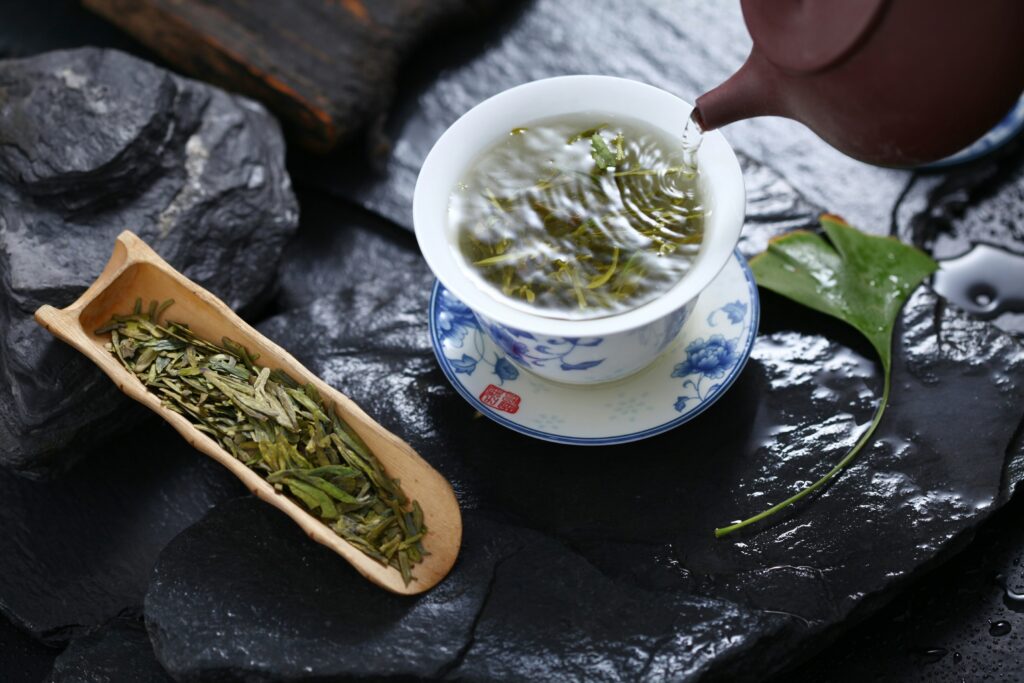
Several observational studies and randomized controlled trials have examined green tea intake in relation to brain health and cognitive decline. While findings vary, research suggests regular tea consumption may be associated with a lower risk of cognitive decline, particularly among middle-aged and older adults.
From a public health perspective, green tea is best understood as supportive rather than curative.
Conclusion
The health benefits of green tea are closely tied to how the leaf is handled after harvest. Minimal oxidation, careful heat application, and proper drying help preserve catechins, antioxidants, and flavour.
Drinking green tea is not about intensity or quantity, but consistency. A few cups consumed regularly form a healthier habit than chasing high doses.
At Tea Room by Ki-setsu, we serve green tea prepared with the same attention: careful sourcing, proper processing, and calm guidance. If you are new to tea, we are happy to guide you through it.
This article is for general informational purposes only and does not constitute medical advice. For personalised guidance, please consult a qualified healthcare professional.