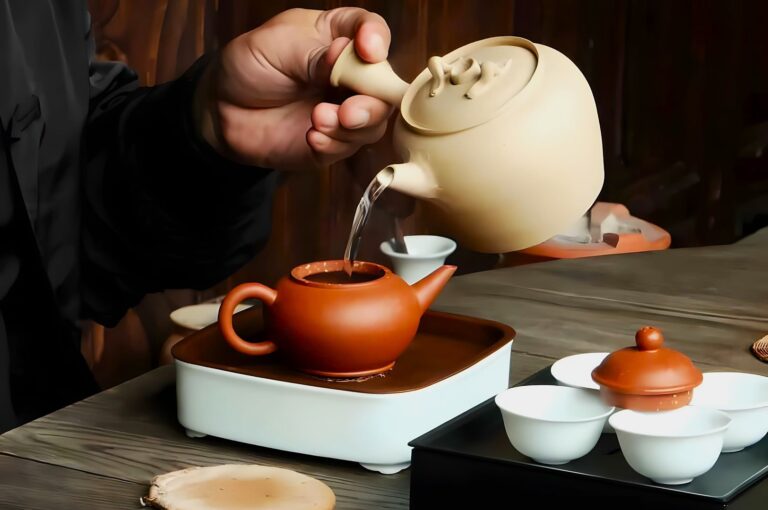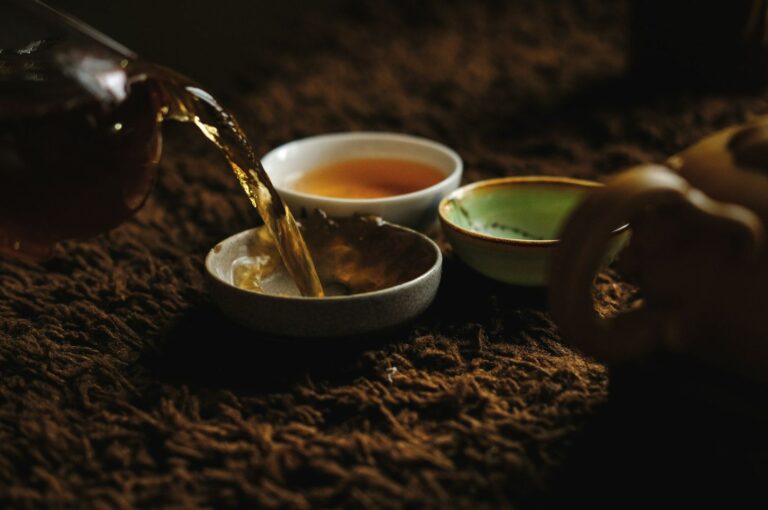
The Art of 養壺 (Yǎng Hú): Partnership, Not Possession
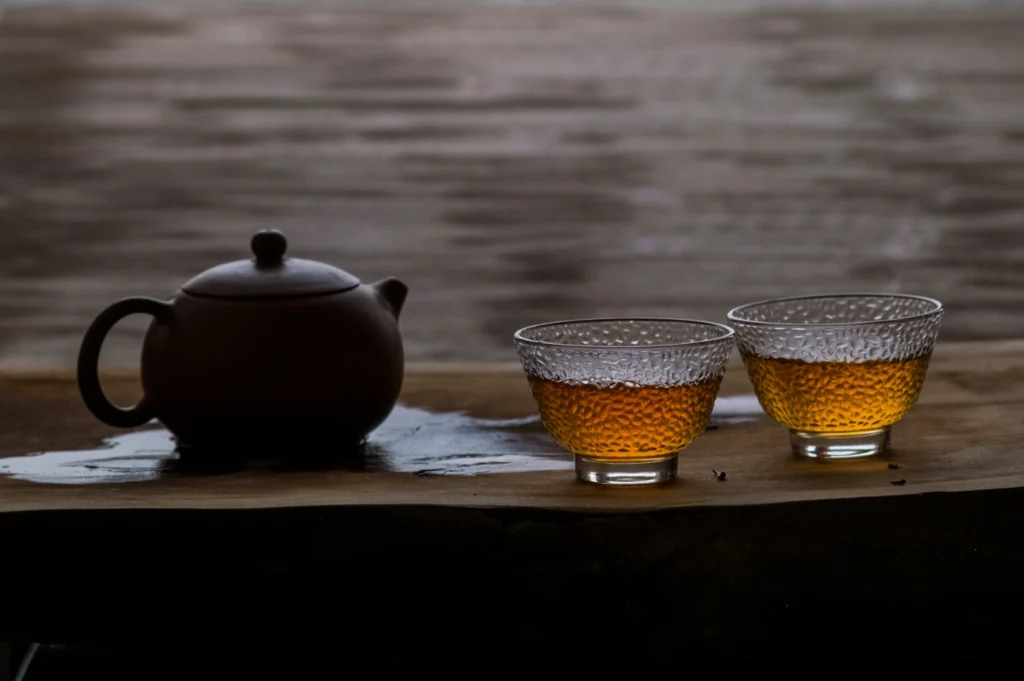
In the quiet depths of Chinese tea culture, a profound philosophical distinction exists: one does not simply own a yixing clay teapot; one raises it. This practice, known as 養壺 (yǎng hú), elevates the daily act of brewing tea into a meditative ritual where patience gradually transforms raw potential into exquisite beauty. When a new zi sha vessel first arrives in your hands, it is functionally complete but spiritually unfinished. It is a blank, matte canvas of earth, waiting for the breath of the leaves and the warmth of the water.
Through devoted, mindful use, it evolves from a mere tool into an irreplaceable companion. This partnership requires an intimate understanding that we are not masters of the clay, but custodians of its journey. As the vessel shapes the character and flavour of the liquor, our attentive care shapes the soul of the pot, cultivating a silent dialogue that deepens with every pour. Much like a prized gaiwan or a trusted brand of tea leaves, the yixing teapot becomes a signature part of your tea ritual, reflecting your personal taste and dedication.
For those who wish to understand the clay’s origin and mineral character more deeply, our zisha teapot Singapore complete guide to authentic Yixing clay explores the traditions, classifications, and craftsmanship behind each vessel.
Before the First Pour: Preparing Your New Yixing Zisha Teapot
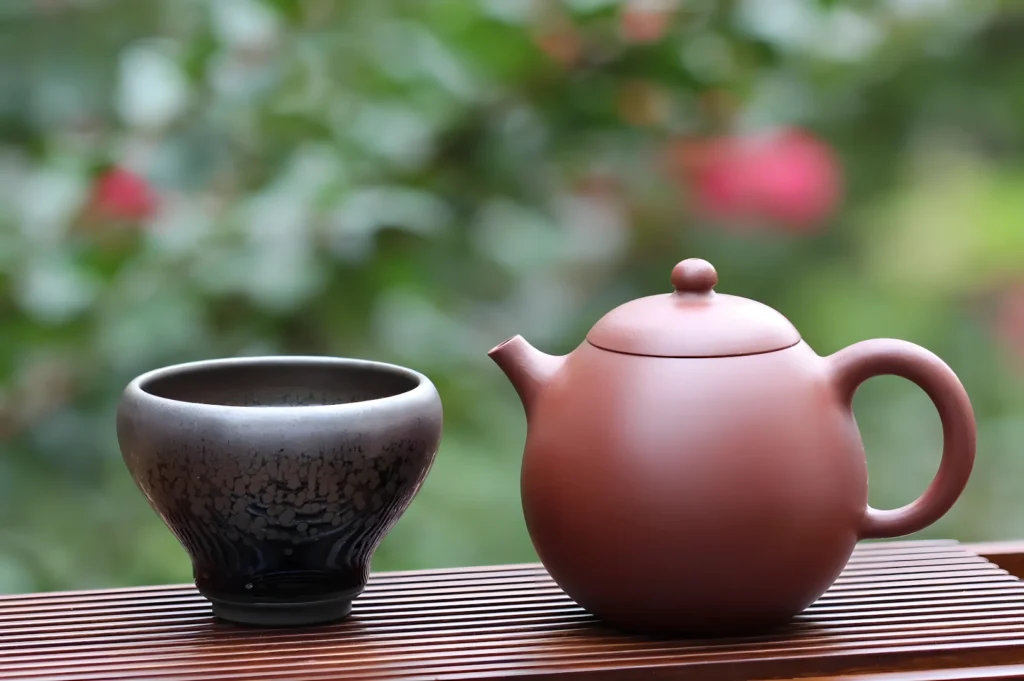
Raising a yixing zisha teapot begins with proper preparation to remove kiln dust and earthy residues. Start by gently rinsing the pot with warm water: never use cold water on a hot pot or boiling water on a cold one to avoid cracking the delicate clay.
Next, place the teapot and lid separately in a clean pan lined with a soft cloth to prevent chipping. Fill the pan with fresh cold water, fully submerging the teapot, and slowly bring it to a gentle simmer for about thirty minutes. This second step helps open the porous yixing clay, readying it to absorb the flavors of tea brewed inside.
After simmering, let the pot cool naturally without forcing it. Finally, soak the cooled teapot overnight in a strong brew of your chosen tea leaves to begin seasoning and removing any earthy smell. Remember, never use soap, detergents, or scrubbing brushes on your yixing clay teapot, as these can harm the porous surface and affect the aroma and flavor of future brews.
The First Hundred Brews: Building Your Yixing Teapot’s Foundation
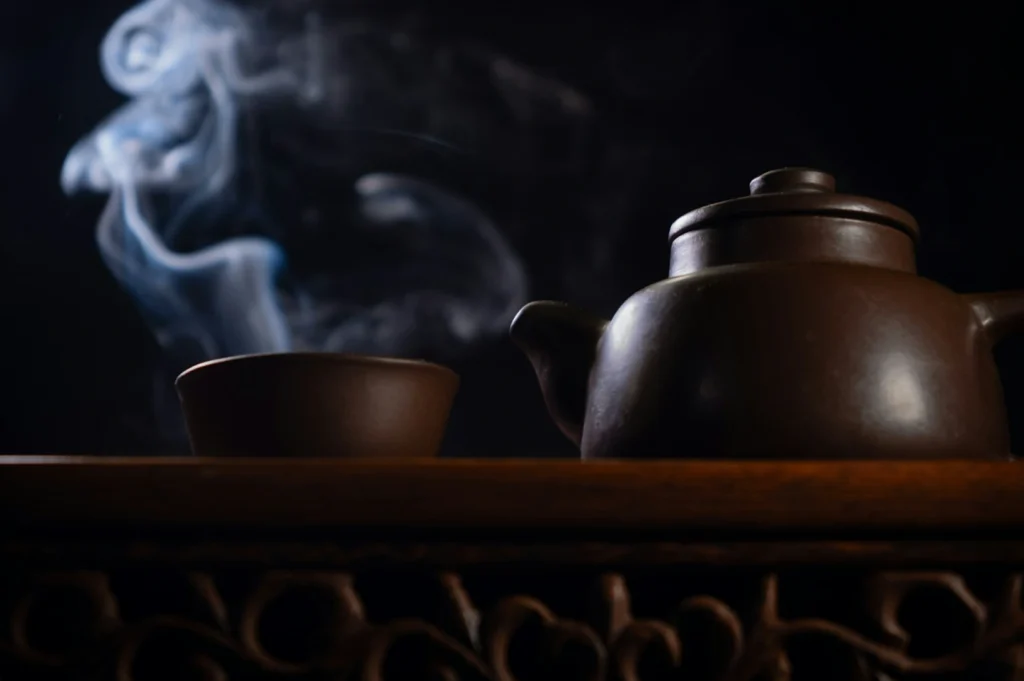
The foundation of a remarkable yixing zisha teapot is built over its first hundred uses. During the initial two weeks, brew only one type of tea daily. The hot tea liquor permeates the porous clay, allowing the rich tea oils to absorb and establish the pot’s character. The clay drinks in the essence of the tea leaves with every steeping.
From the third to sixth weeks, a soft sheen appears as tea oils saturate the surface, making the teapot feel smoother and warmer in your hands. By the seventh to twelfth weeks, the flavor deepens, harsh edges soften, and the pot actively enhances the taste of your brew. Each genuine yixing clay teapot is a great investment, awaiting the dedication of its keeper to reveal its full benefit.
Daily Care Rituals: How to Take Care After Every Session
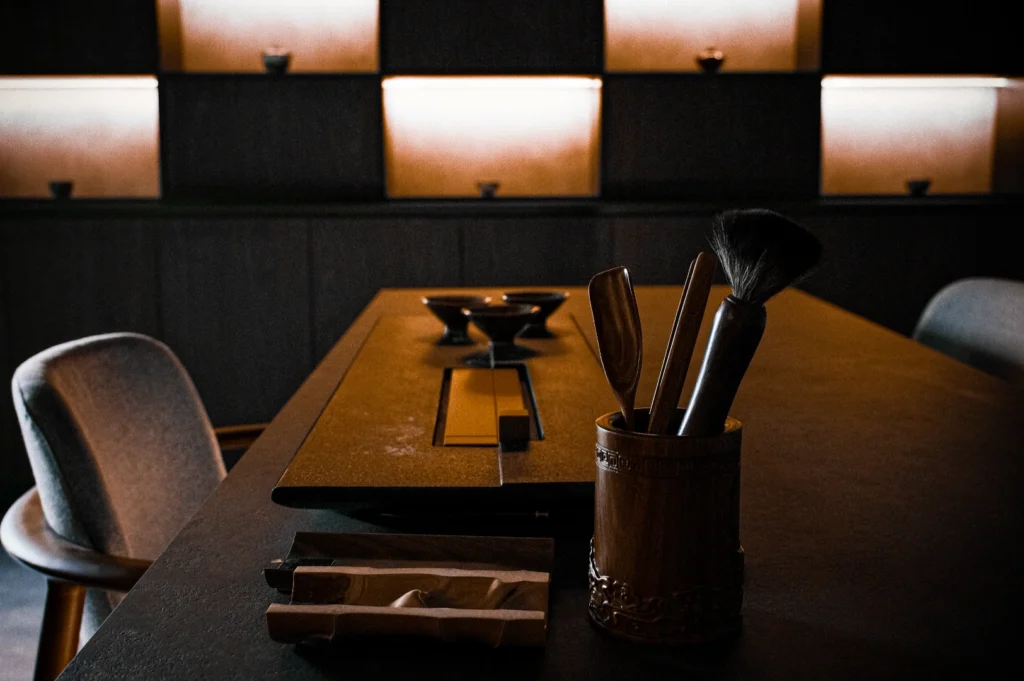
A comprehensive zisha teapot care guide is rooted not in tedious chores, but in mindful daily habits. Just as essential as maintenance is a deeper awareness of how clay responds to different leaves; particularly when reflecting on how to choose the best zisha teapot for oolong based on clay and roast level. The conclusion of brewing tea marks the beginning of the vessel’s resting phase, which requires just as much presence as the preparation itself.
First, always remove the spent tea leaves while the pot is still warm. Leaving damp foliage inside overnight invites stagnation and spoils the seasoned memory. Next, thoroughly rinse both the interior and exterior of the vessel with hot water that matches your brewing temperature. This washes away loose particles while keeping the clay’s pores gently open.
Once rinsed, allow the pot to dry naturally. It is imperative to leave the lid off and separate from the body; storing a damp teapot with its lid closed traps moisture. While the clay is still warm and steaming, gently wipe the exterior with a clean, dedicated soft cloth. This gentle friction helps to distribute the residual oils evenly across the surface. Finally, ensure the vessel air-dries completely before returning it to its designated shelf. At Tea Room by Ki-setsu, we understand that caring for teaware is inseparable from caring for oneself.
Building the Patina: Years of Tea Memory
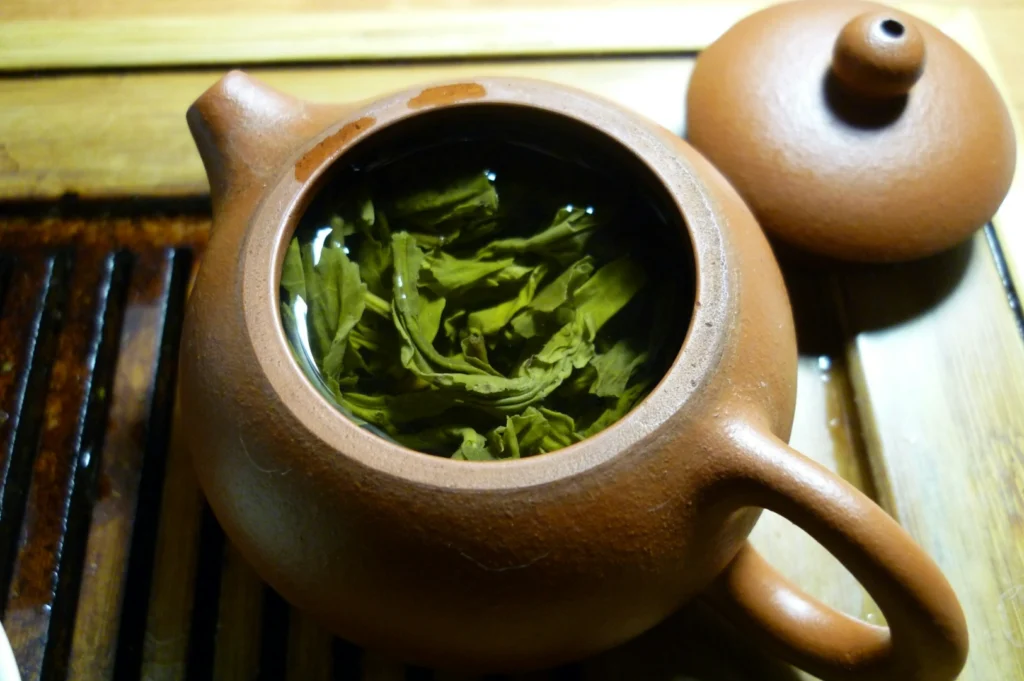
The true reward of raising a teapot is measured in years, not weeks. Between the first and third years, the minerals in the zisha clay interact with accumulated tea oils, creating a deep, glowing lustre. By the fifth to tenth year, this patina becomes smooth and mirror-like, bearing the memory of countless mindful touches. After a decade, the teapot becomes a treasured heirloom, capable of turning plain hot water into a fragrant echo of past brews. In our Singapore tea sanctuary, we’ve seen teapots transform into glossy treasures, testifying to the beauty of sustained devotion.
Common Mistakes That Ruin Zi Sha Teapots
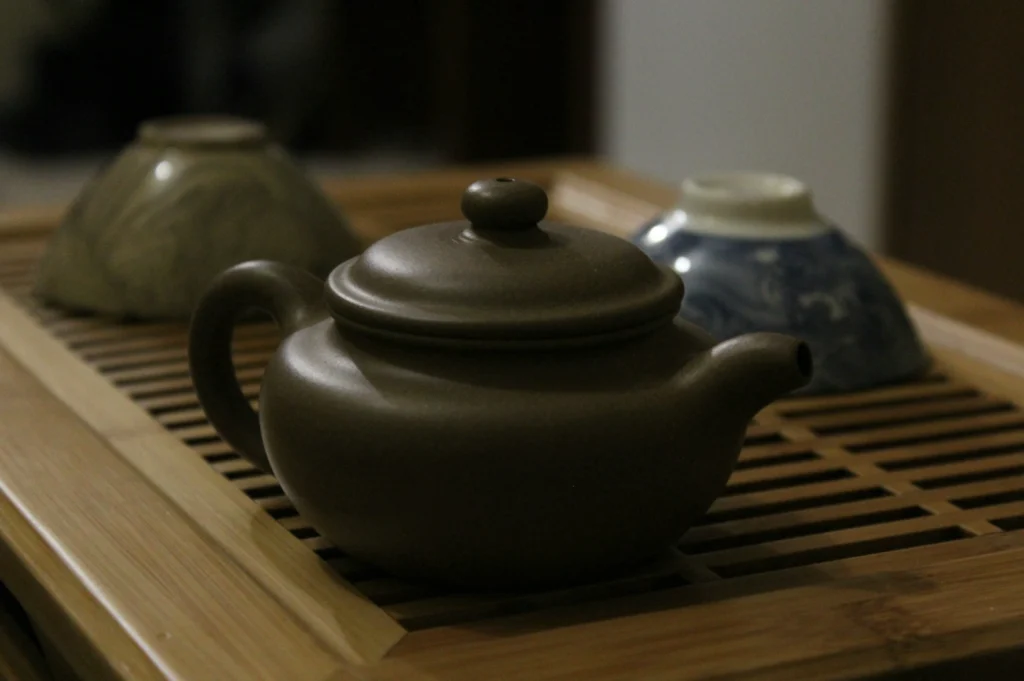
Understanding how to properly season and care for your zisha teapot also means knowing what can cause irreversible damage. Keep in mind the following common mistakes to protect your valuable vessel:
Using Soap or Chemical Cleaners: The porous clay absorbs these harsh substances immediately, permanently affecting the flavor of every future brew.
Mixing Different Tea Types: Dedicate your teapot to one tea category (such as roasted oolong or earthy pu erh) to preserve the pot’s seasoned memory and maintain clarity in flavor. Avoid brewing delicate green or robust black teas in the same pot.
Storing the Teapot While Damp: Moisture trapped inside invites mold growth within the microscopic pores of the clay.
Subjecting the Pot to Temperature Shocks: Rapid temperature changes cause the clay to expand and crack, damaging your teapot.
Brewing Artificially Scented Teas: These can embed unnatural odors deeply into the pot’s walls, interfering with the natural aroma of your tea.
Aggressive Scrubbing or Soaking Old Tea Liquor: Avoid harsh cleaning methods or leaving old tea soaking for days, as this can harm the clay and disrupt the seasoning process.
By avoiding these errors, you ensure that your yixing zisha teapot remains a great investment, enhancing the flavor and aroma of your tea with every use.
When to Begin a Second Teapot
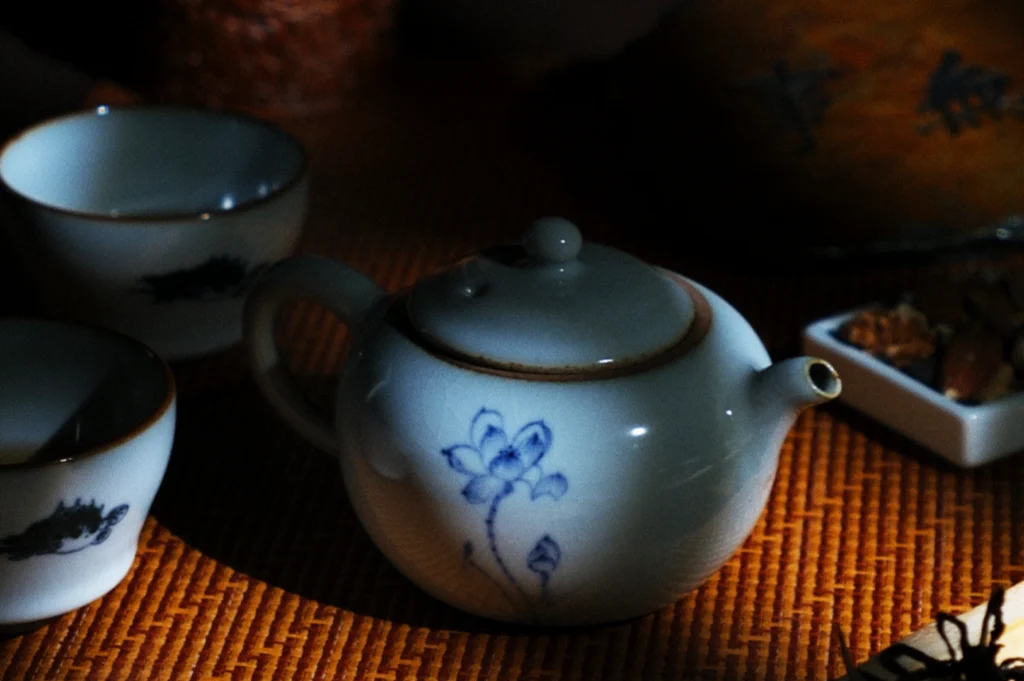
The desire to expand your collection is a natural progression in the tea practitioner’s journey, yet it should be approached with deliberate intention. A second vessel is typically welcomed only after a minimum of six months of regular, focused use with your first pot. When your daily routine to drink tea has become a steadfast anchor, and you find a genuine curiosity blossoming to discover how different clay types might interact with various tea categories, you are ready to broaden your practice.
At Tea Room by Ki-setsu, we’ve curated a collection where each teawares represent deliberate choice. This isn’t accumulation: it’s cultivation of a deeper relationship with tea. Adding a new pot is not about discarding the old, but about creating space to explore a new dialogue between earth and leaf. For example, you might use one teapot exclusively for oolong and another for pu-erh, allowing you to repeat the ritual with different flavors and fully appreciate how each pot enhances the tea experience.
Caring for a Yixing Clay Teapot: A Practice in Patience and Proper Maintenance
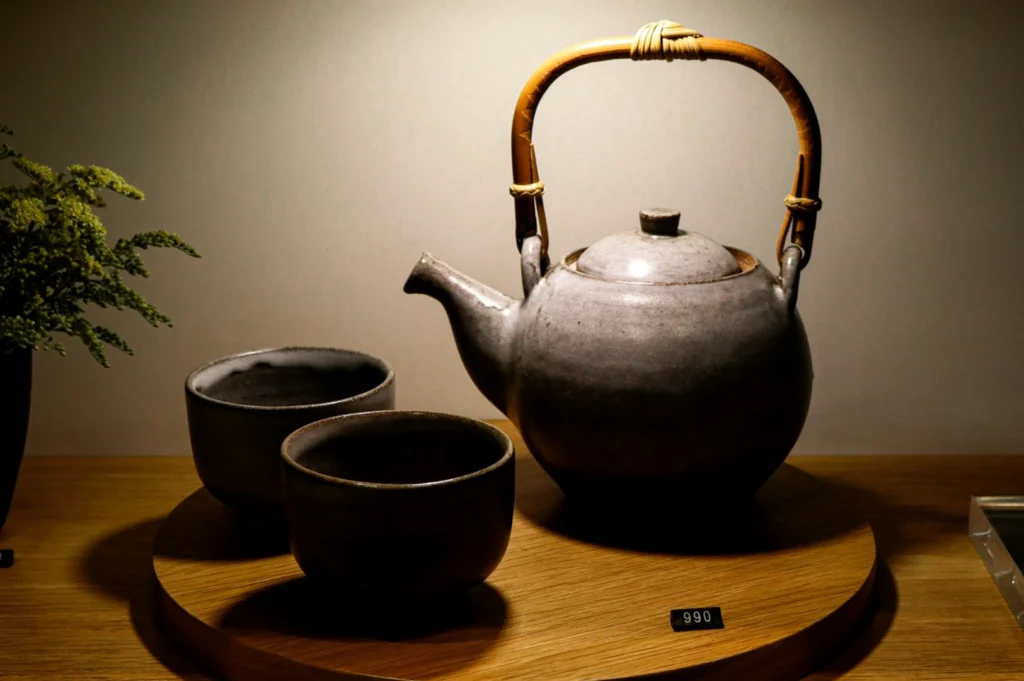
The art of raising a zi sha teapot is, ultimately, a masterclass in patience and attentive care. In an era that constantly demands immediacy, this mindful practice gently reminds us that the most meaningful transformations simply cannot be rushed. The porous yixing clay teapot demands our time, our attention, and our respect, rewarding us with a beauty and unique flavor that deepen with regular use and age. Properly maintaining your yixing zisha teapot involves gentle cleaning with warm water and a soft cloth or brush, never using soap or detergents, to preserve the delicate earthy smell and avoid mold development.
In our exclusive Chinese tea sanctuary in Singapore, we honour this ancient wisdom: knowing that true luxury isn’t convenience, but depth. It is the quiet privilege of watching earth and water, guided by human hands and curious fingers, slowly become something extraordinary. Over time, with every tea brewed, your zisha teapot will develop a shiny patina that reflects its history and the flavors it has absorbed, enhancing each subsequent steep. This ritual of care and respect ensures your yixing clay teapot remains a treasured companion in your daily tea ceremonies, elevating the experience of brewing tea to an art form.