Authentic chinese tea speaks in quiet ways. It shows itself in colour before it offers taste. It lifts through aroma before it lands on the tongue. And if you stay with it infusion after infusion, you’ll begin to realise you’re not just drinking tea. You’re learning a living language shaped by china, by weather, by hands, by the long patience of tea trees and the tea plant itself, what many quietly understand as the deeper meaning of chinese tea.
At Tea Room by Ki-Setsu, we treat this as part of chinese tea culture: not a performance, not a checklist, but a calm form of literacy. A leaf is not only produced. It is written by the oxidation process, by roasting, by drying, by the way a tea bush responds to spring rain. Your role is simply to read it.
Visual Language of Chinese Tea – What the Leaves Reveal
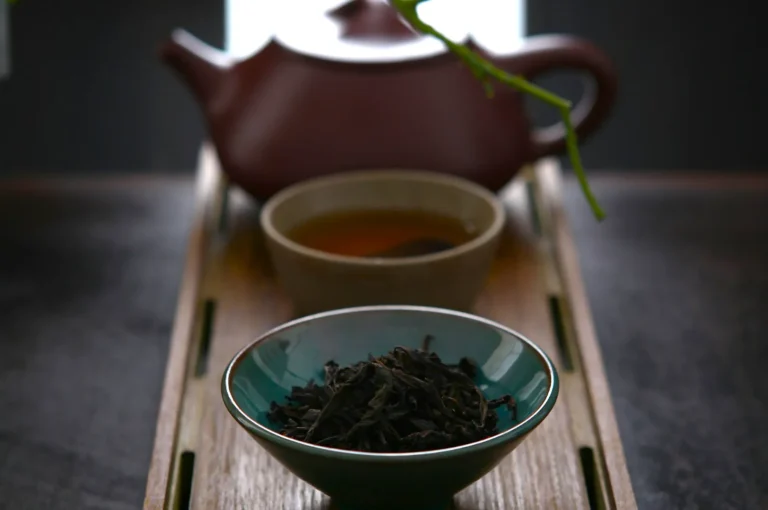
Before the first drop of boiling water is poured, the poetry begins. Observing the dry tea leaves is the first step in understanding their story. Their shape, colour, and texture are a form of visual storytelling, offering clues about their origin and production. Premium teas often feature whole leaves and delicate, silvery buds, a sign of careful hand-picking and expert craftsmanship. A broken leaf, on the other hand, suggests a more commercial production.
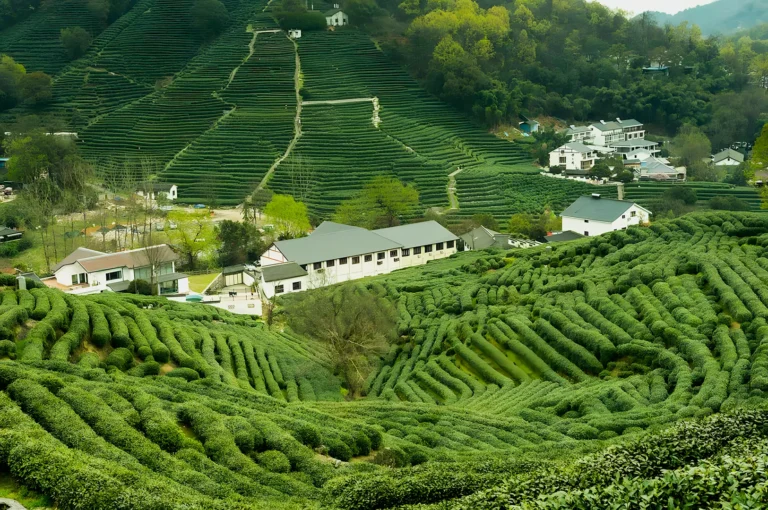
The colour variations from the vibrant green of a spring harvest to the deep, dark lustre of an aged leaf, reveal the secrets of the oxidation process. A bright yellow hue might indicate a rare and complex processing method, while a lighter tone suggests minimal intervention. Take oolong leaves as an example; these tightly rolled pellets unfurl in the water, revealing a complex story of bruising, roasting, and shaping. The deep green edges and lighter centre tell a tale of partial oxidation, a dance between freshness and depth. You can almost read the geography in the leaves, imagining the ancient tea trees of Yunnan Province or the misty slopes of the Wuyi Mountains.
Aromatic Vocabulary of Chinese Tea – The Scent Before the Sip
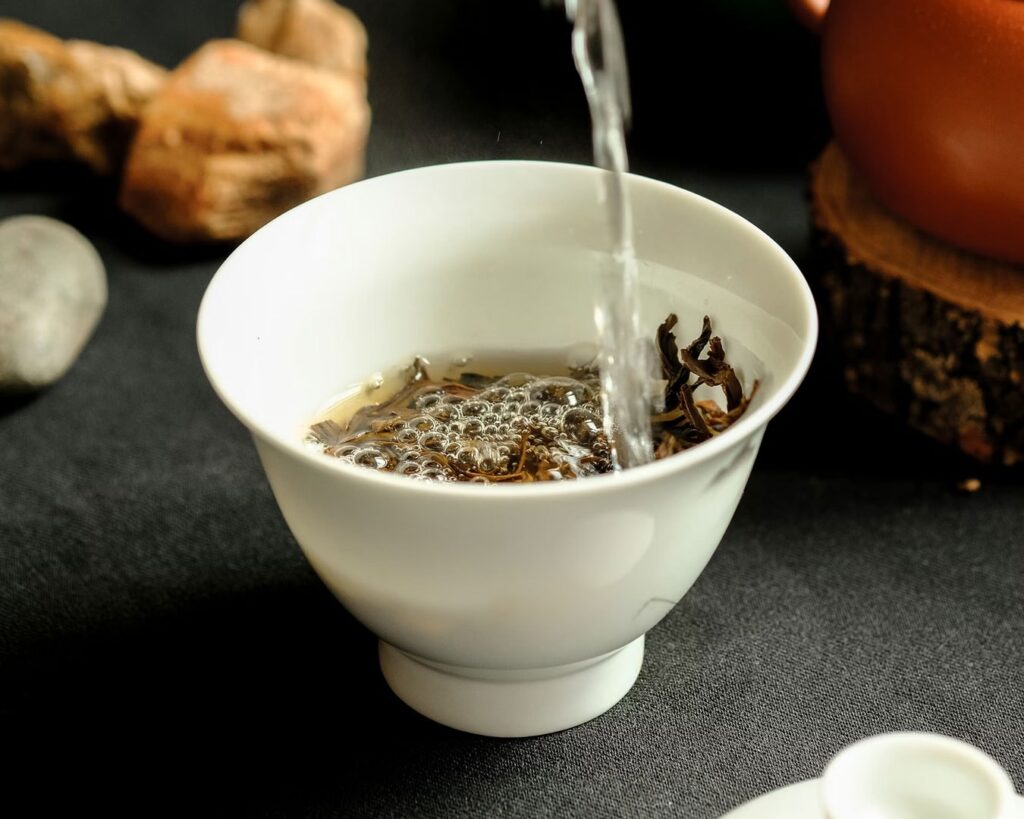
As the hot water awakens the leaves, the next stanza of the poem is released: aroma. The scent of a chinese tea introduces its character long before the first taste. A delicate tea might offer soft, floral notes reminiscent of jasmine or osmanthus, while an aged variety speaks in a deeper, more earthy vocabulary.
Understanding these aromatic layers is key. A sweet and rich profile can hint at a later harvest or a specific cultivar of the tea plant. The refreshing quality of a lightly oxidised tea, like a fresh green tea, can evoke the crispness of spring rain. In contrast, roasted and scented teas represent a form of intentional aromatic artistry, where a tea master has deliberately shaped the tea’s voice. As an example, the deep, forest-floor fragrance of a post fermented tea like pu’er tea tells a story of time and transformation, while the heady perfume of a high-grade Tie Guan Yin speaks of mountain mists and blooming orchards.
Taste Grammar – The Poetry of Flavour
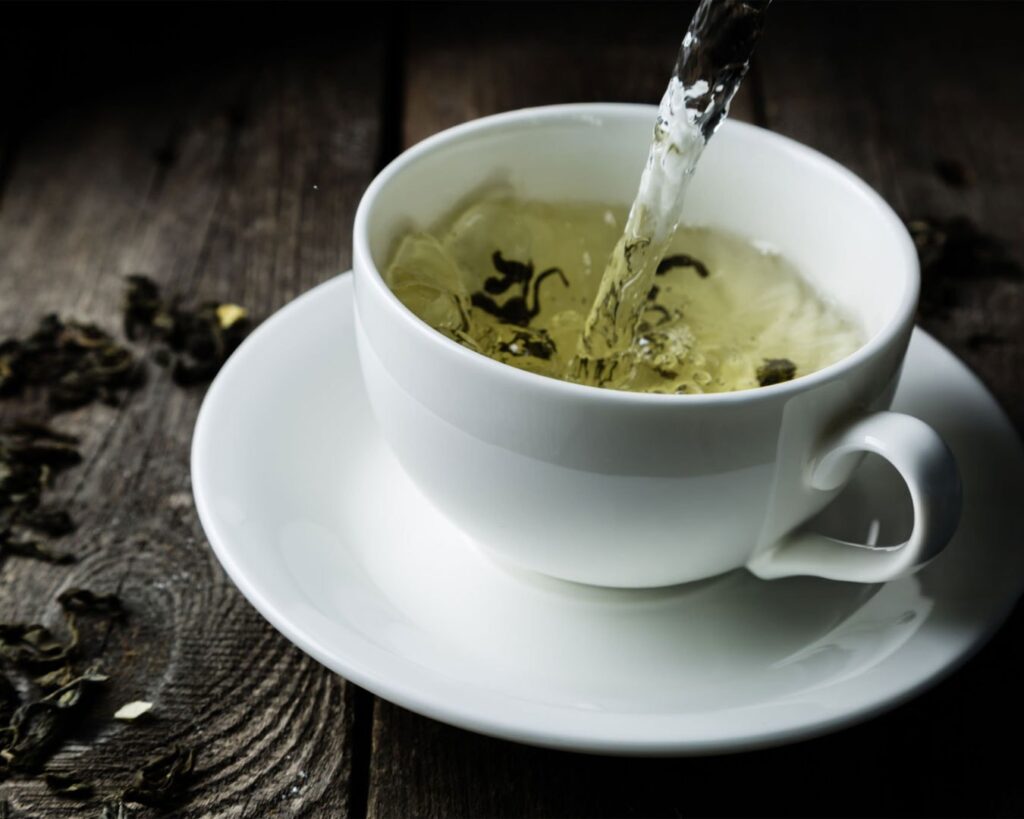
Finally, the tea’s complete expression is found in its taste. This is where the grammar of flavour comes together to create a cohesive poem on the palate. The experience can be delicate and fleeting or bold and warming. The body of the tea (its weight and texture in the mouth) is a crucial element of this expression.
Light-bodied teas, such as green tea, white tea, and yellow tea, often have a crisp, clean character. They feel light and ethereal, their flavours dancing on the tongue. In contrast, full-bodied teas like red tea (known as black tea in the West), roasted oolong tea, and aged pu’er tea have a thicker, richer presence. They coat the mouth with complex notes of fruit, wood, or spice.
The way the tea is brewed significantly affects this flavour expression. Famous examples of chinese tea like Da Hong Pao (Big Red Robe) reveal different facets with each infusion, starting with a robust, rocky minerality and softening into a lingering sweetness. A fine Dragon Well tea offers notes of toasted chestnut, while a smoky Lapsang Souchong tells a dramatic story of pine-fire drying.
The Six Dialects – Main Categories of Chinese Tea
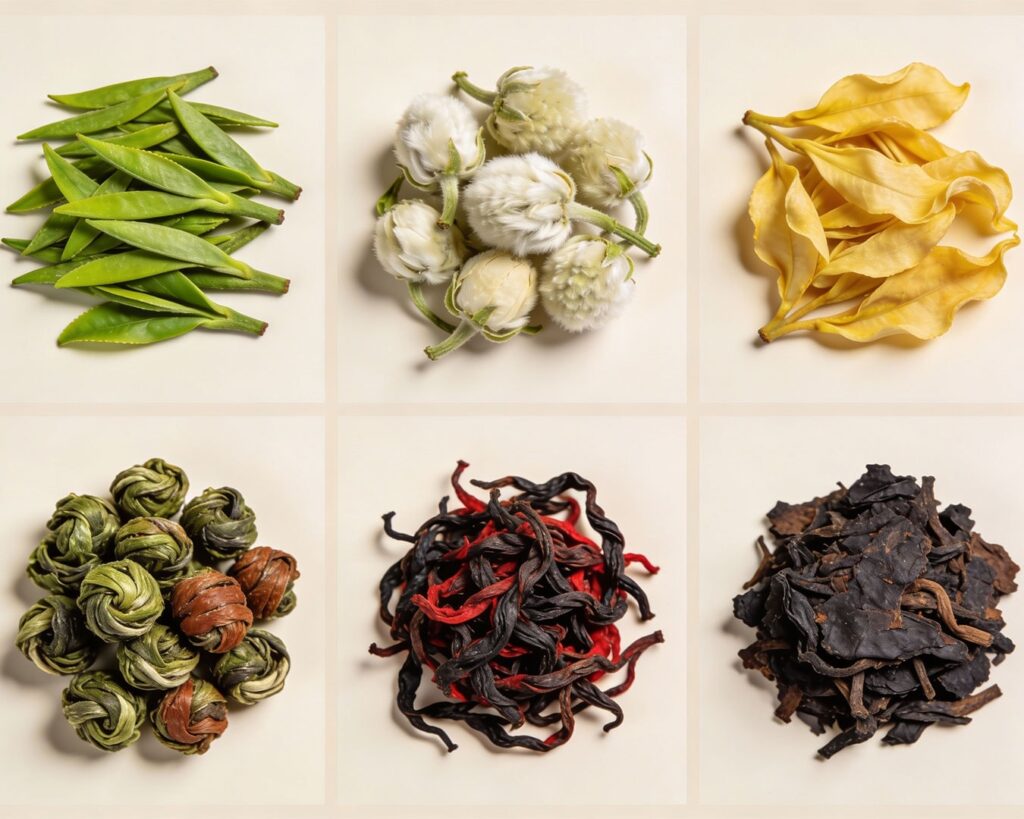
Within the broader language of Chinese tea, there are six main categories, each representing a distinct “dialect” with its own unique vocabulary and grammar. These different types of tea are defined by their processing methods, particularly the degree of oxidation.
Green Tea:
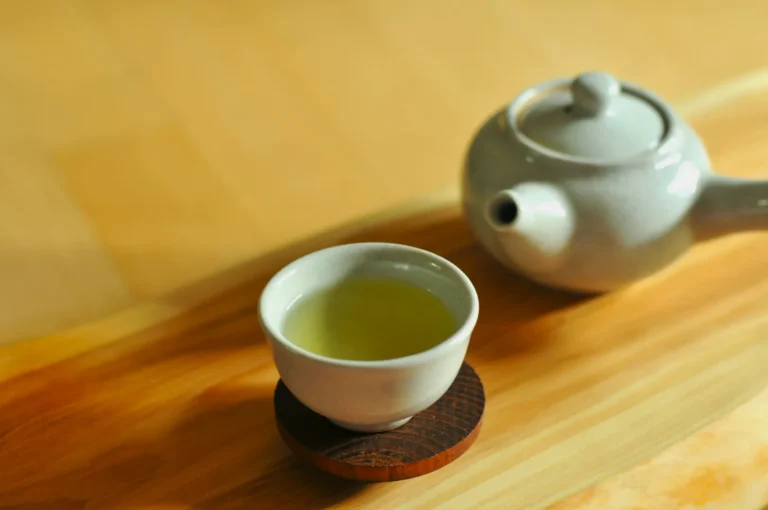
This is the most direct expression of the tea plant. The leaves are heated shortly after harvesting to prevent oxidation, preserving their fresh, vibrant character. This process results in a tea that is bright, grassy, and full of life.
White Tea:
Made from young buds and leaves that are simply withered and dried, white tea is the most minimally processed. It speaks in subtle whispers of sweetness, with delicate floral notes and a soft, gentle body.
Yellow Tea:
A rare and refined dialect, yellow tea undergoes a unique slow-oxidation step called “sealed yellowing.” This gives the tea a mellow, smooth character and a distinctive sweet taste, often compared to fresh rice.
Oolong Tea:
This is the language of balance. Oolong tea is partially oxidised, sitting somewhere between green and red teas. This category is incredibly diverse, from the floral, fragrant Tie Guan Yin to the dark, roasted Da Hong Pao (Big Red Robe).
Red/Black Tea:
Fully oxidised, red tea (or black tea) has a bold, warming voice. Its flavours are rich and robust, often with notes of malt, honey, or fruit.
Post-fermented Tea (Pu’er):
This is the only category of Chinese tea that involves microbial fermentation. Pu’er tea is a living, evolving narrative, with flavours that deepen and change over years. A young, raw pu’er can be astringent and powerful, while an aged one becomes smooth, earthy, and profound.
Cultural Context – Tea as Living Tradition
The language of chinese tea is deeply embedded in Chinese culture, where ritual meets daily life. Historically, the finest teas were presented as tribute tea to the emperor, a symbol of respect and imperial appreciation. This elevated the act of tea drinking into a mindful practice, not mere consumption.
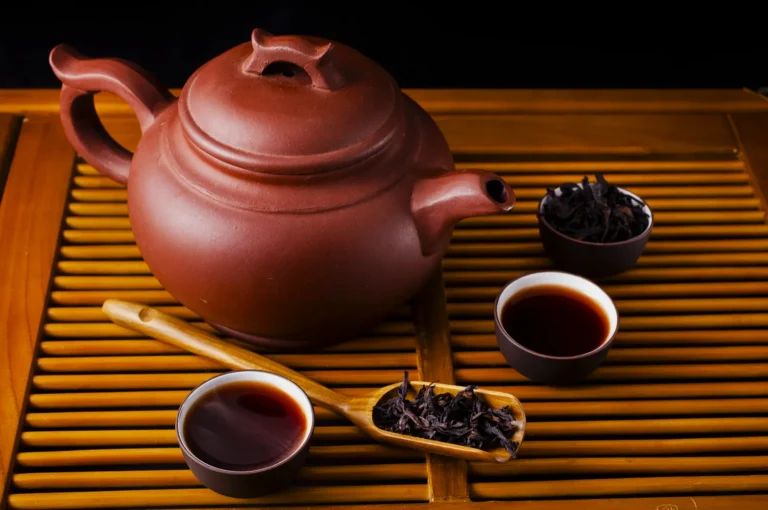
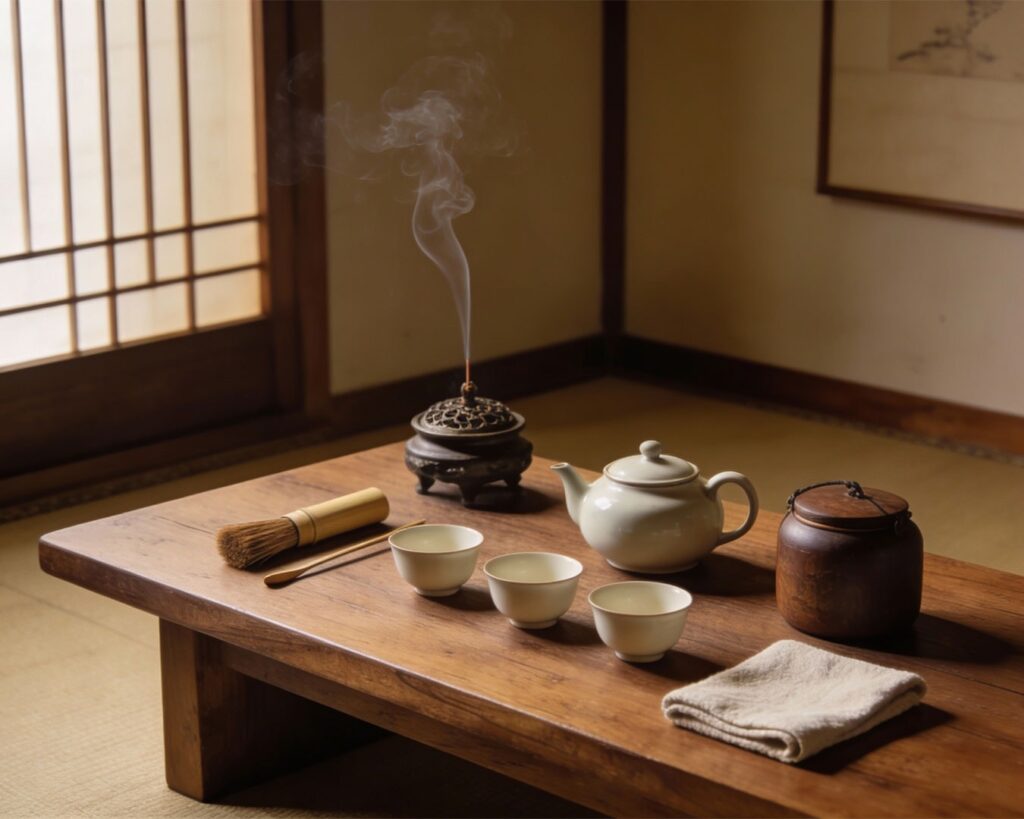
The art of teaware (from the fine porcelain cup to the elegant wooden table) creates the stage for this ceremony. The way you serve and receive tea becomes a non-verbal conversation, a gesture of hospitality and connection. At Tea Room by Ki-Setsu, we are dedicated to preserving this authentic chinese tea culture in Singapore, creating a sanctuary where this living tradition can be experienced and understood.
Becoming Fluent in Tea
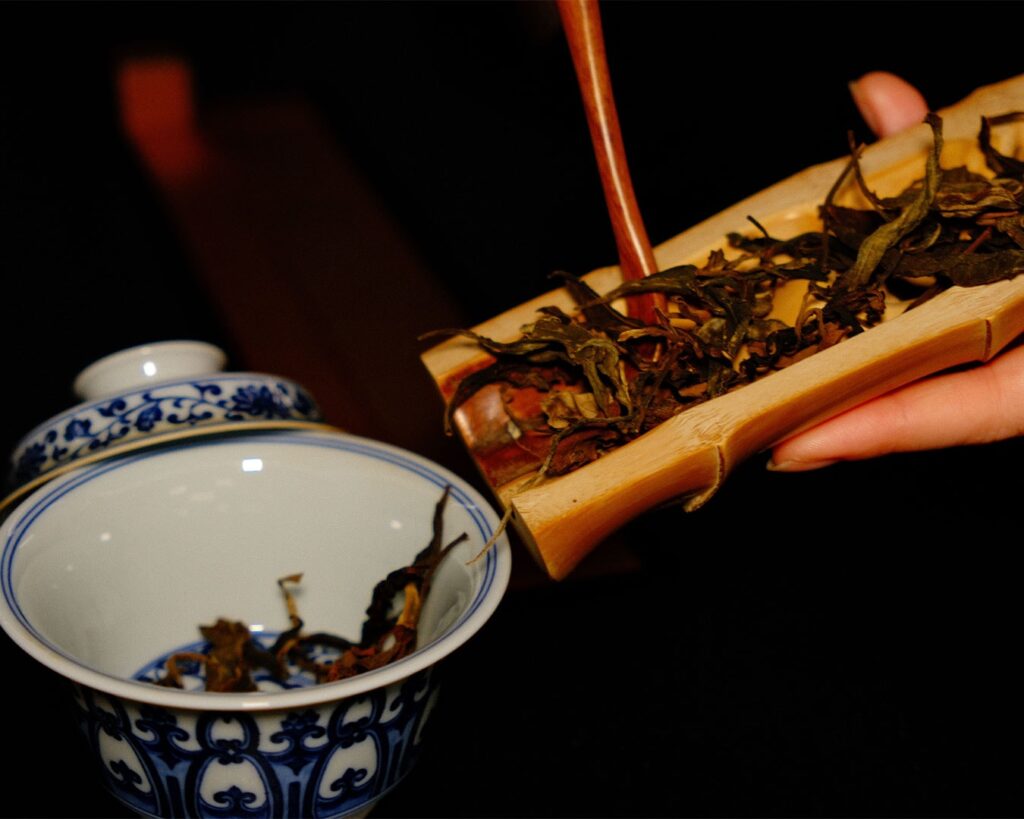
Becoming fluent in the language of chinese tea is a journey of sensory development. It begins with observation, tasting, and reflection. We encourage you to start with one beverage variety and build your understanding over time. A drink consumed mindfully becomes a teacher, revealing its secrets with each session.
At Tea Room by Ki-Setsu, we create an immersive learning environment where you can explore this language firsthand. We guide you through the nuances of different tea leaves, helping you to identify the subtle notes that make each one unique. As you taste and compare, you will soon find that you have discovered a tea “dialect” that resonates deeply with you. This personal connection is the true beauty of the chinese tea experience.
Conclusion
Chinese tea is more than a beverage; it is a living language that connects us to tradition, nature, and the present moment. It offers a rich tapestry of stories told through colour, aroma, and taste. Learning to read this poetry of the leaf is a deeply rewarding practice that enriches daily life and fosters a profound sense of mindfulness.
If you’d like to explore this language with guidance, we welcome you to Tea Room by Ki-Setsu. We host by reservation only, in small sessions, so each pour can be unhurried and each leaf can be heard. Learn more about us here: https://tearoom.com.sg/