The Art of Tea Wisdom: Knowing When to Sip and When to Pause
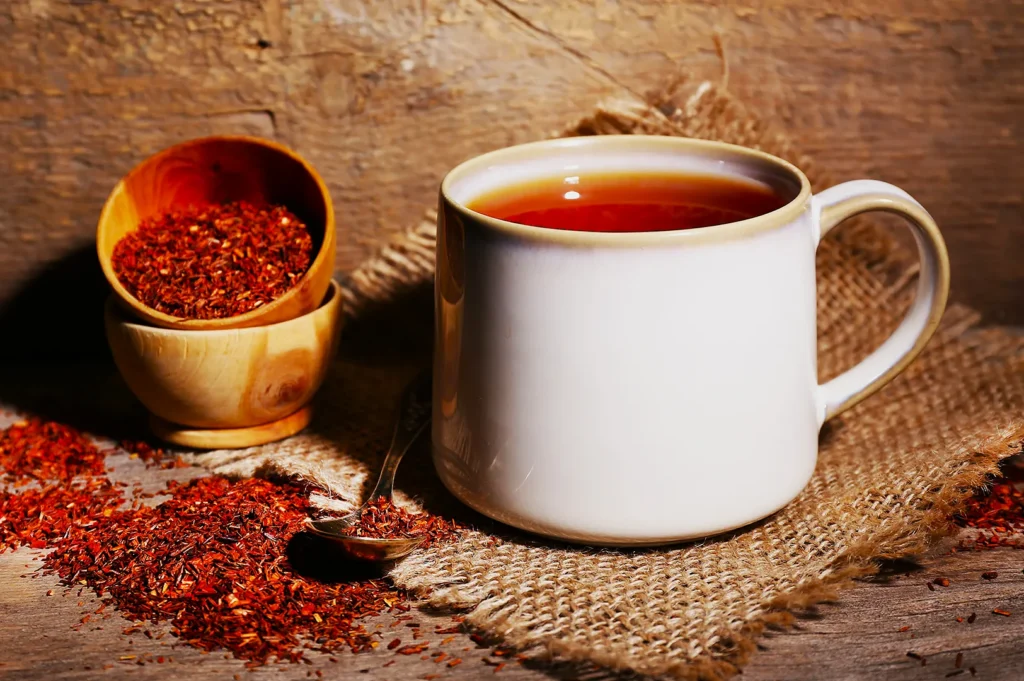
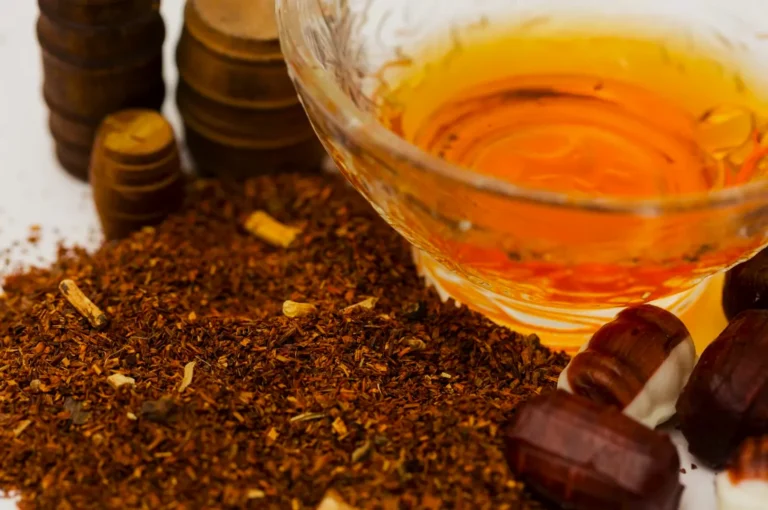
True tea mastery lies not only in knowing the optimal brewing temperature, but in profoundly understanding a leaf’s unique character. In Chinese tea culture, tea masters spend lifetimes studying each variety’s distinct nature, carefully discerning both its restorative gifts and its proper, balanced use. This elegant philosophy extends beautifully to our appreciation of the shrub called aspalathus linearis, a botanical treasure known globally as rooibos tea. Hailing exclusively from the rugged, sun-drenched landscapes of South Africa, this caffeine free herbal tea has captured the attention of wellness-focused connoisseurs worldwide.
Rooibos tea benefits are widely recognized, with many enjoying its positive effects on sleep, skin health, cardiovascular wellness, and its antioxidant properties. Its popularity is supported by both traditional uses and scientific studies, making it a favored choice for those seeking natural wellness solutions.
Yet, even the gentlest of botanicals deserve an informed, respectful approach to consumption. By exploring potential rooibos tea side effects with nuance and care, we elevate our daily practice from a simple habit to an art form. Drinking rooibos tea becomes not just a comforting ritual, but an exercise in mindful wellness that deeply honours the plant’s true essence. Understanding these boundaries ensures our tea journey remains both safe and deeply enriching.
Those curious about the cultural roots of this remarkable infusion may explore the cultural origins and philosophy behind rooibos tea, where its South African red bush heritage meets Eastern contemplative practice.
The Safety Profile: Why Rooibos is Generally Well-Tolerated
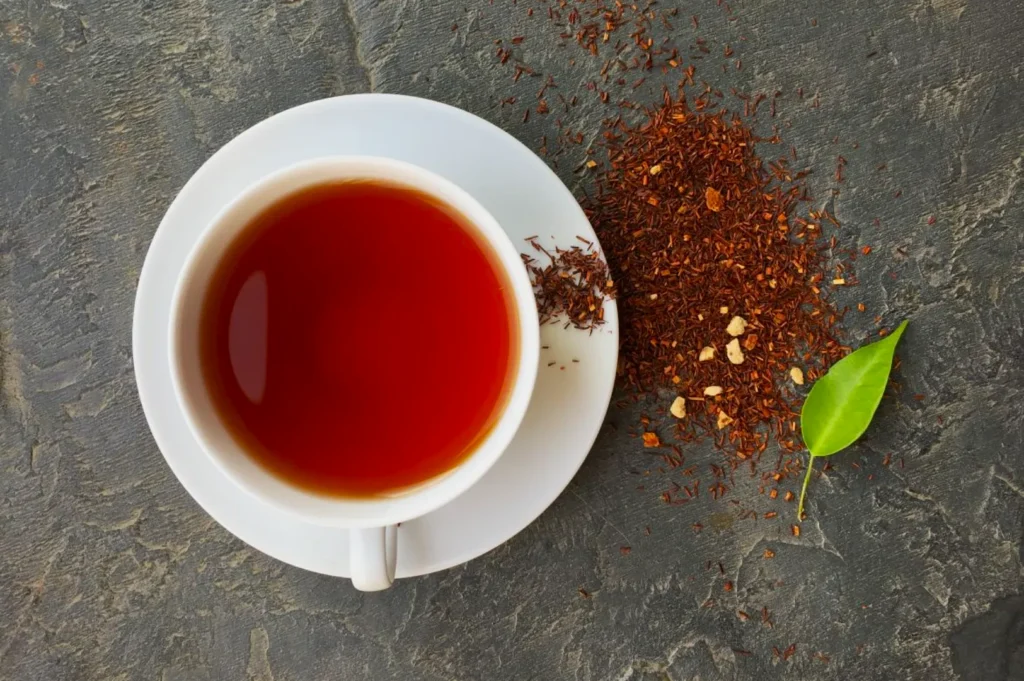
When exploring the character of any new infusion, establishing a baseline of safety is absolutely essential for a tranquil mind. Extensive research suggests that the current body of evidence from healthy volunteers actively supports the safety of this remarkable plant. For most people, incorporating rooibos tea daily into their wellness routine presents a wonderful, deeply nourishing habit without adverse effects. It is widely regarded as a good alternative for those who find themselves sensitive to the stimulating, sometimes jarring effects of black or green tea.
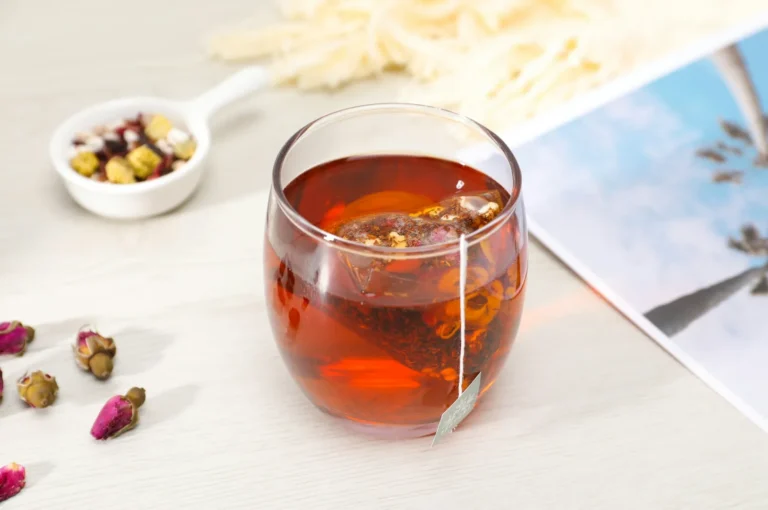
As a naturally caffeine free beverage, it offers a soothing warmth without the sharp physiological peaks and valleys often associated with traditional caffeinated brews. Whether you are seeking a comforting late-evening ritual or a gentle daytime companion, this caffeine free alternative provides immense satisfaction. Ultimately, the comforting truth remains that making rooibos tea safe for daily consumption is well-documented for the general population. Comparing it favourably against the robust stimulation of green tea and black tea, we can fully appreciate its gentle, grounding nature.
Rare Considerations: Hormonal Effects and Estrogenic Activity
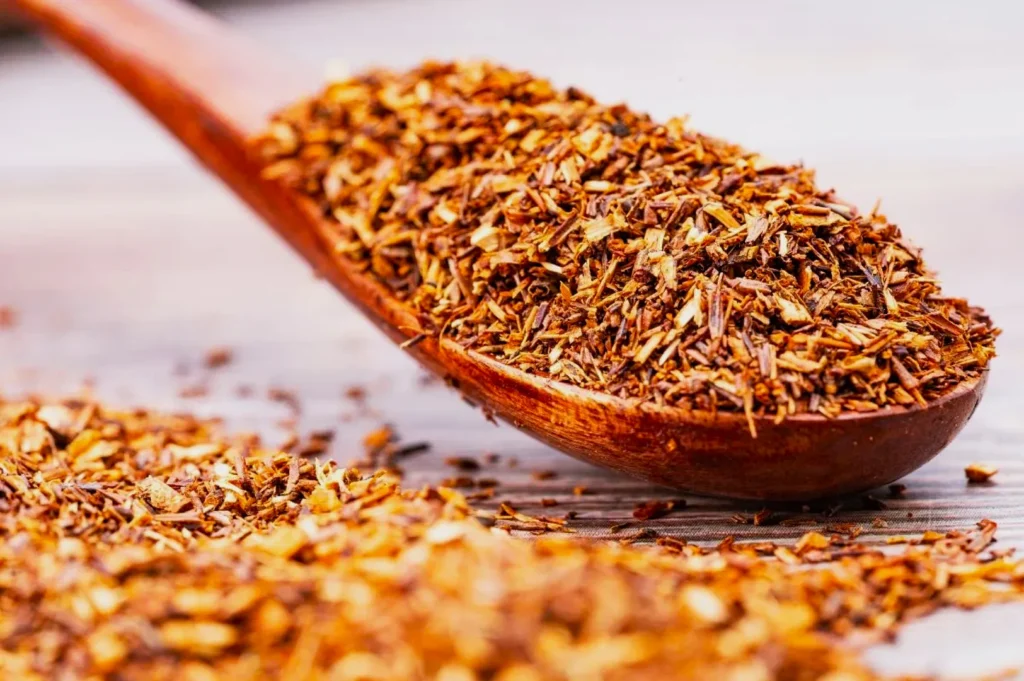
Rooibos tea contains plant compounds with mild estrogenic activity, which may influence hormone-sensitive conditions. Animal studies have demonstrated hormonal effects at high doses, but further research is necessary to fully understand the implications for humans. Individuals with hormone-sensitive health conditions, such as certain cancers or endocrine disorders, should consult a healthcare professional before regularly consuming rooibos tea. Despite these rare considerations, the overall rooibos tea benefits remain significant and outweigh potential risks for most people.
Liver Health: Understanding the Rare Case Studies
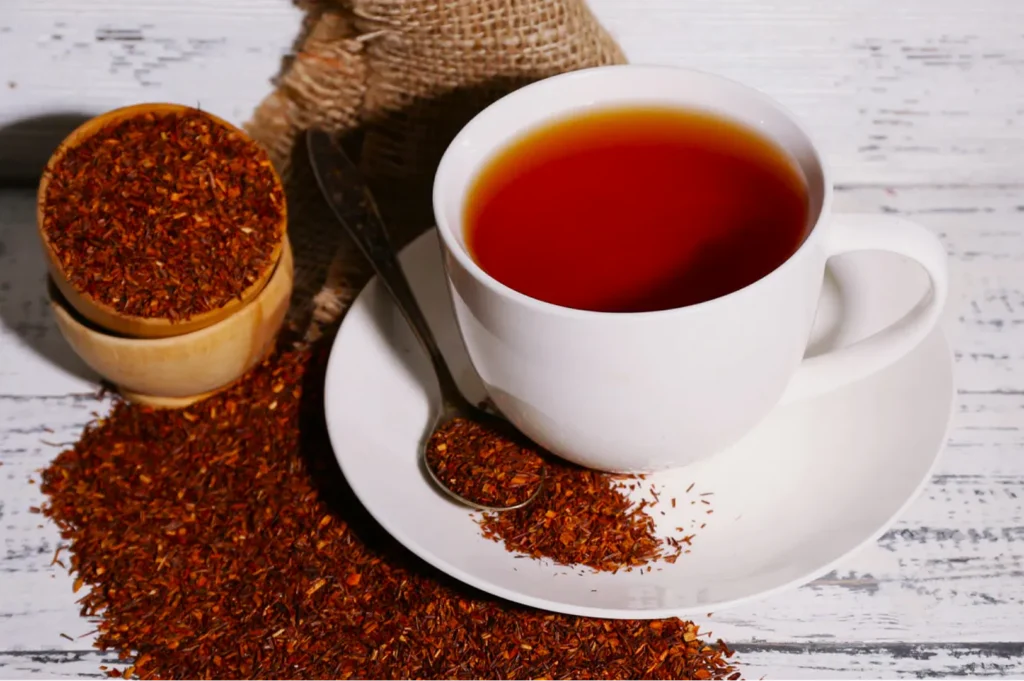
A refined, mindful tea practice requires looking honestly at isolated medical reports without giving way to undue alarm or fear-mongering. While this botanical is deeply rich in antioxidants and widely celebrated for its myriad health benefits, there have been extremely rare cases of elevated liver enzyme levels reported in medical literature. It is crucial to note that these isolated incidents are almost exclusively linked to highly concentrated rooibos tea extract supplementation, rather than the traditional steep. Drinking rooibos as a whole-leaf infusion presents a profoundly different, much safer biochemical interaction than taking rooibos in heavily processed forms.
Careful analysis of biochemical parameters in peer-reviewed literature such as Journal of Agricultural and Food Chemistry (J Agric Food Chem) highlights the vital importance of dosage and preparation. When prepared mindfully as a gentle, hot water infusion, the risk of liver toxicity is considered minimal to non-existent for the average enthusiast. This clear distinction between traditional brewing and modern supplementation underscores the enduring wisdom of enjoying botanicals in their most natural, unadulterated state.
Drug Interactions: What Tea Drinkers Should Know
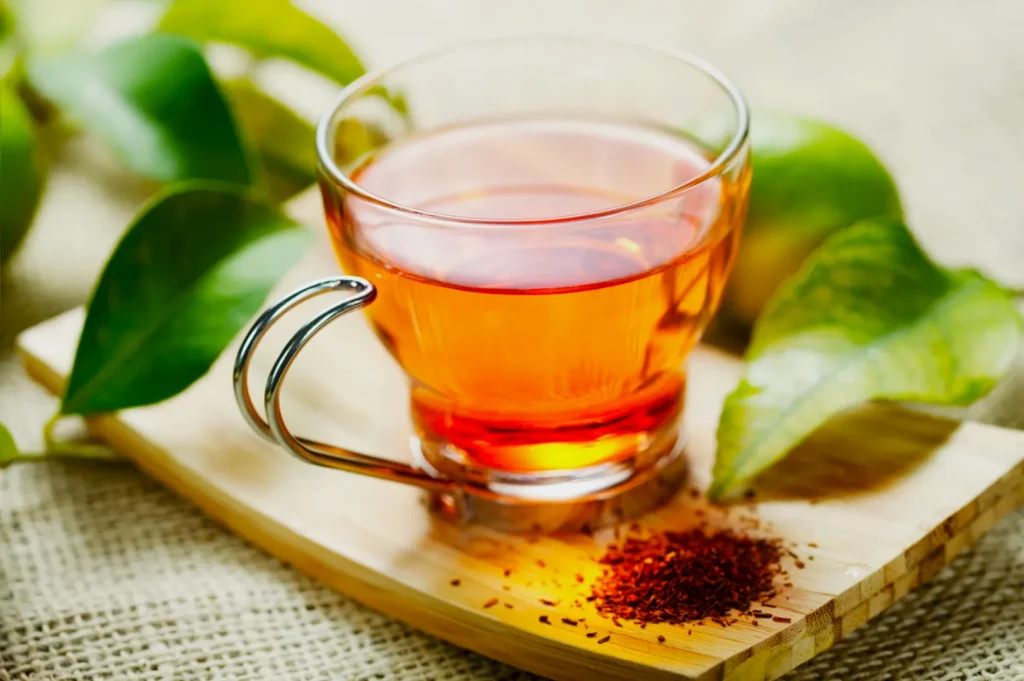
Nature’s remedies can interact with modern medicine, and rooibos tea is no exception. Its compounds may affect angiotensin converting enzyme activity, potentially influencing blood vessels and cardiovascular function, especially with ACE inhibitors prescribed for high blood pressure and heart health.
Rooibos may also interact with liver-metabolized medications like Atorvastatin (Lipitor) and various blood pressure drugs, altering their processing, efficacy, and side effects.
Additionally, rooibos can subtly affect medications managing blood sugar and cholesterol levels. If managing chronic conditions, consult a healthcare professional before changing your beverage routine. Like green and black teas, rooibos may have medication interactions; mindful consumption supports effective blood pressure and blood sugar management.
Allergic Reactions: Identifying Sensitivities
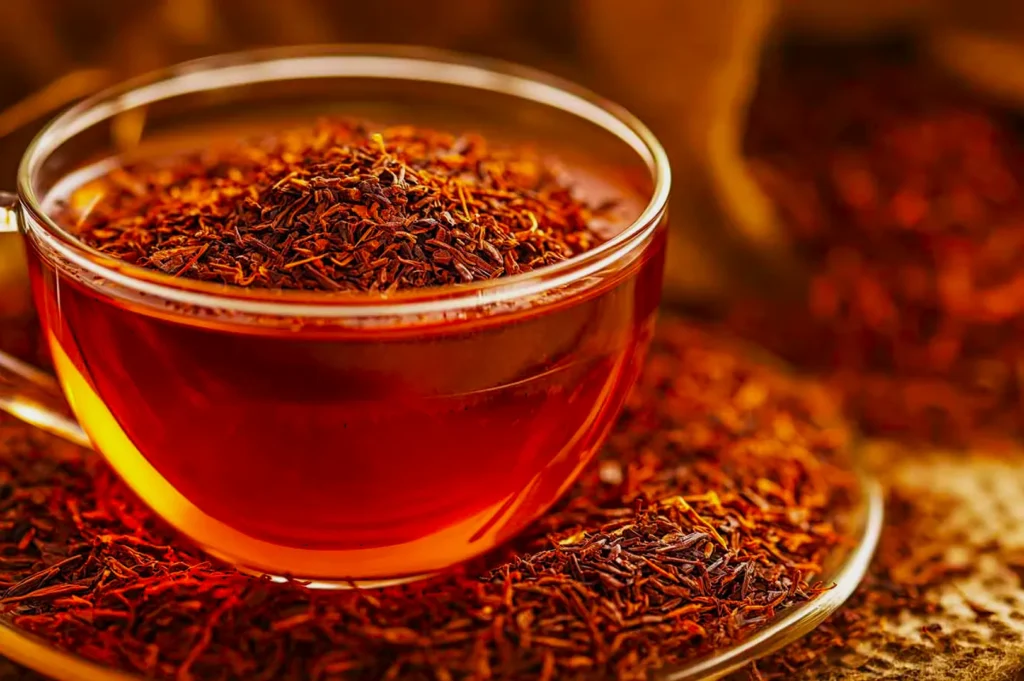
Though exceptionally gentle and soothing by nature, no botanical is entirely immune to the possibility of provoking an allergic response. In extremely rare cases, individuals may experience mild allergic reactions when exploring this particular herbal tea. Symptoms might manifest as a subtle skin rash or mild respiratory irritation, akin to the sensitivities sometimes triggered by other common culinary herbs.
Interestingly, the specific processing and preparation method may subtly alter the allergenic profile of the final cup. Fermented rooibos, often referred to as red rooibos due to its beautifully oxidised, fermented leaves, presents a slightly different chemical structure than the unoxidised green rooibos. Being mindful of these subtle bodily responses is a core component of an authentic, observant tea practice. Cultivating self-awareness allows us to enjoy our daily infusions with confidence, grace, and an attunement to our body’s unique needs.
Excess Consumption: When Too Much of a Good Thing Isn’t Balanced
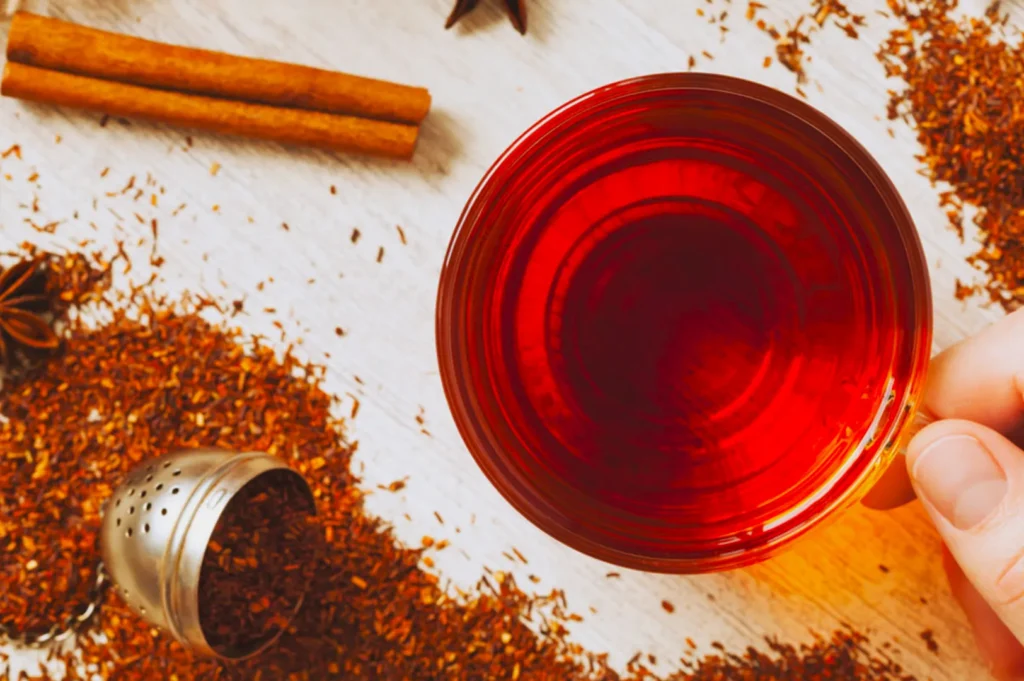
In the ancient philosophy of traditional Chinese tea culture, harmony is always found in moderation, and excess inevitably disrupts the body’s natural equilibrium. Even though this beautiful beverage is delightfully caffeine free, excessive consumption can occasionally lead to systemic unease, with some sensitive individuals reporting heart palpitations. The profound benefits of rooibos tea, including its calorie free nature and its abundance of health promoting antioxidants, are absolutely best realised through balanced enjoyment.
Chief among these restorative compounds is the unique antioxidant aspalathin, which offers tremendous cellular support when consumed thoughtfully. However, as certain studies observing pharmacological effects on the rat brain have demonstrated, even the most beneficial botanical compounds possess dose-dependent properties. Pushing the boundaries of the physiological effects of rooibos through overconsumption simply detracts from its naturally restorative character. A truly elevated tea practice respects the fine line between therapeutic nourishment and unnecessary excess.
Who Should Exercise Caution When Drinking Rooibos Tea?
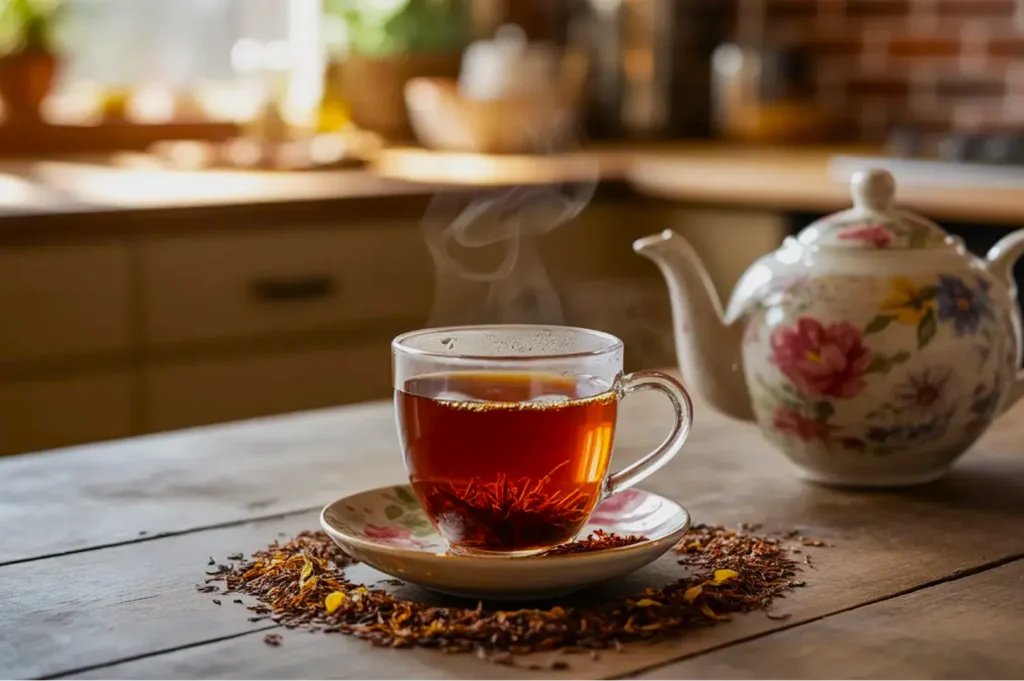
A refined understanding of botanicals requires acknowledging that what heals one constitution may gently challenge another. Special populations, including pregnant or nursing women, and those actively managing cardiovascular disease or heart disease, must approach all herbal supplements with gentle caution. Because this infusion can influence nitric oxide production and subsequently affect blood pressure, those on specific cardiovascular medications should remain acutely observant.
Furthermore, individuals aiming to maintain lower blood sugar levels should balance the potential health benefits with their unique risks. Research from Public Health Nutrition emphasise the pressing need for personalised care. While rooibos tea supports heart health for most, a healthcare provider’s guidance is essential in complex cases. This careful, individualised approach perfectly mirrors the ancient Eastern wisdom of prescribing tea according to one’s precise internal climate.
Conclusion: Informed Enjoyment is Mindful Enjoyment
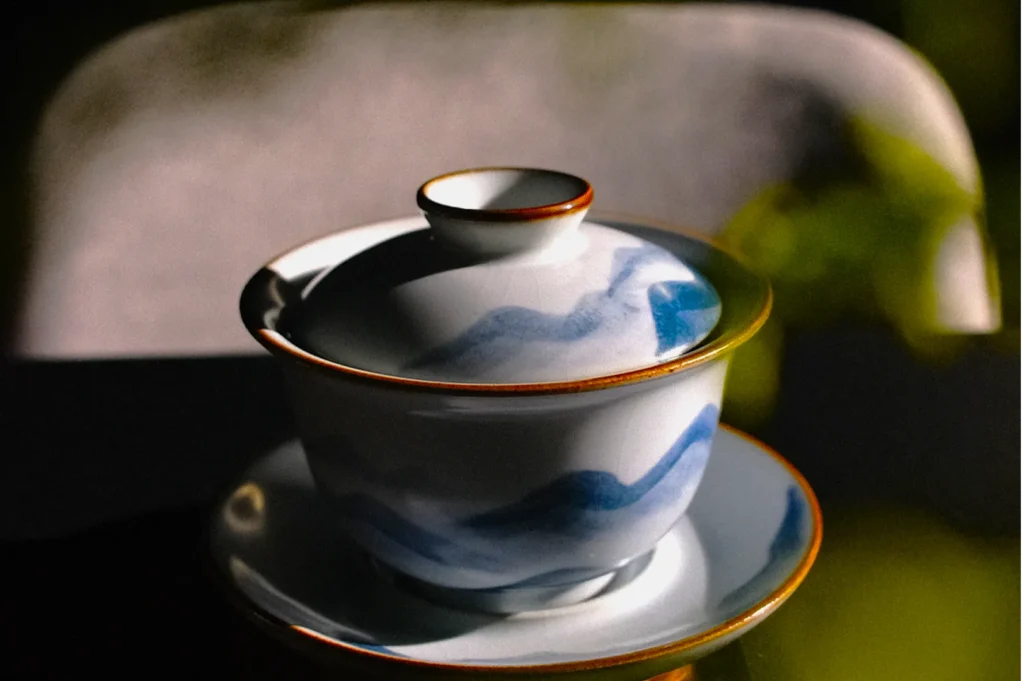
Ultimately, thoughtfully navigating rooibos tea side effects reveals a highly comforting truth: for most individuals, this soothing cup offers far more profound benefits than risks. Understanding a botanical’s inherent limitations does not diminish its value; rather, it deepens our appreciation for its complex, natural character. Drinking rooibos tea daily provides exceptional antioxidants and robust support for heart health and overall wellness, all without the stimulating presence of caffeine.
As a caffeine free herbal tea rich in health promoting antioxidants like aspalathin and quercetin, the benefits of this tea may extend to supporting healthy blood sugar levels and cardiovascular function. However, if you have a specific health condition or are taking certain medications such as ACE inhibitors, blood pressure drugs, or cholesterol medications, consulting a healthcare professional before consuming rooibos tea regularly is essential.
At Tea Room by Ki-setsu, we deeply honour this informed, respectful approach across all tea traditions, from our cherished Chinese classics to the sun-drenched harvests of South Africa. We warmly invite you to explore our carefully curated, mindful tea experiences, where ancient wisdom elegantly meets modern wellness. For a broader exploration of this magnificent botanical, we encourage you to read our comprehensive guide on the rooibos tradition. Let every mindful sip you take be a testament to balance, knowledge, and the enduring art of tea.