Water sustains life, but tea elevates it. As the second most consumed beverage worldwide, the benefits of tea stand as a testament not to marketing, but to millennia of human instinct and ritual. For centuries, poets and scholars have praised the Camellia sinensis plant for its ability to clarify the mind and fortify the body, laying the foundation for traditions that shape daily tea drinking around the globe. Today, we stand at an intersection where ancient wisdom meets scientific validation; a bridge where randomized controlled trials meet the intimacy of pouring a fresh cup of tea.
This article seeks to bridge heritage with evidence, where scientific trials meet the quiet wisdom of brewing a cup of tea. We aim to honor both the legacy of tea and the research that illuminates its benefits. At Tea Room by Ki-Setsu, we believe each cup of tea contains centuries of inquiry, an invitation to embrace both the ritual and the science that underpins tea’s role in our lives.
The Tea Molecular Symphony Within Camellia Sinensis Plant
The benefits of tea lie deep within the chemical composition of Camellia sinensis, the very plant that has sustained humanity for centuries. Whether you consume tea as green tea, black tea, or oolong tea, each infusion releases a symphony of compounds, carefully layered by nature and refined by craftsmanship. Green tea contains catechins, especially epigallocatechin gallate (EGCG), which interact with L-theanine and caffeine to create a harmonious blend of beneficial properties.
The oxidation process plays a defining role in tea’s characteristics and health effects. Green tea, with its minimal oxidation, preserves antioxidants and a fresh, light taste. Oolong tea, experiencing partial oxidation, balances polyphenols, creating a more complex aroma and flavor. Black tea, fully oxidized, transforms green tea’s catechins into theaflavins and thearubigins, both rich in antioxidants. This oxidation process doesn’t degrade the leaf; rather, it enhances its complexity, making every cup of tea good for unique health benefits.
Tea and Heart Health: A Quiet Guardian for the Cardiovascular System

Among the most established health benefits of tea is its impact on heart health. Peer-reviewed studies highlight the link between regular tea drinking—particularly green and black tea—and a lower risk of cardiovascular diseases. Research indicates that drinking four or more cups of tea daily can significantly improve heart health, offering measurable reductions in blood pressure and improved circulation.
Tea catechins, like those found in green tea, support vascular health by enhancing the elasticity of blood vessels. Regular tea drinkers see a reduction in the risk of heart disease over time. Tea doesn’t just nourish the body in the short term; it cultivates steady resilience in the face of cardiovascular stress. At Tea Room by Ki-Setsu, we often reflect on how each cup becomes a partner in long-term health, nurturing the heart with each infusion.
Tea as a Support for Metabolism and Weight Management
The conversation around metabolism and tea benefits is rich with nuance. Clinical trials on green tea consumption and weight management point to a supportive role rather than a transformative one. Green tea polyphenol and caffeine work in synergy, gently boosting fat oxidation and basal metabolism.
This effect, though modest in any single encounter, becomes meaningful through regular tea consumption, especially when drinking green tea daily. Studies reveal that these compounds may foster more stable blood sugar by improving insulin sensitivity and moderating glucose rises. Rather than championing tea as a miracle for weight loss, science suggests it acts as a patient ally, a metabolic supporter woven thoughtfully into one’s tea intake.
While green tea supplementation exists, research continues to favor the wisdom of freshly brewed tea made from real tea leaves for maximum health benefits. Moderate tea consumption, balanced within a mindful lifestyle, provides a steady foundation for metabolic health and graceful weight management.
The Mindful Effects of Drinking Tea on Cognitive Function

Among the most beloved health benefits of tea is its ability to enhance cognitive function. Green and black teas, in particular, contain a unique blend of L-theanine and moderate caffeine that promotes alertness without the jitteriness typically associated with coffee. This synergy provides focus and clarity, boosting accuracy and speed in cognitive tasks without inducing anxiety.
Studies reveal that tea drinkers, especially those who drink green tea, show improved cognitive performance, including better accuracy and quicker reactions. For older adults, regular tea consumption has been linked to slower cognitive decline and a reduced risk of Alzheimer’s disease. Tea’s catechins—antioxidants that protect the brain—offer a gentle, natural form of neuroprotection, making every cup a form of mindful support for brain health.
At Tea Room by Ki-Setsu, we often find that the ritual of brewing tea complements its cognitive benefits. The mindful act of preparing the leaves, respecting the water temperature, and savoring the infusion brings the drinker into a deeper state of presence, which may enhance the tea’s effects on the mind.
Cancer Prevention and Chronic Disease Management: Tea’s Protective Rolef Tea
The potential health benefits of tea reach across the broad landscapes of cancer prevention and modulation of chronic diseases. The evidence is intriguing though not absolute; studies suggest that those with higher tea intake may experience a reduced risk of certain cancers, but results vary due to genetics, diet, and environment.
Green tea catechins, especially EGCG, have demonstrated the capacity to inhibit cancer cell growth in laboratory settings and to support apoptosis. However, translating these results directly to human populations is complex. Health benefits of tea for other chronic ailments, such as type 2 diabetes and inflammatory diseases, continue to emerge from research, often showing lower risk among regular tea drinkers who consume three to five cups of green tea daily.
This section demonstrates Tea Room by Ki-setsu’s commitment to truth over hype; the same integrity that guides tea selection. While the effects of tea support resilience and preventative wellness, it is thoughtful moderation and ongoing research that best guide our understanding of tea’s promise.
The Importance of Proper Tea Preparation: Unlocking Full Benefits
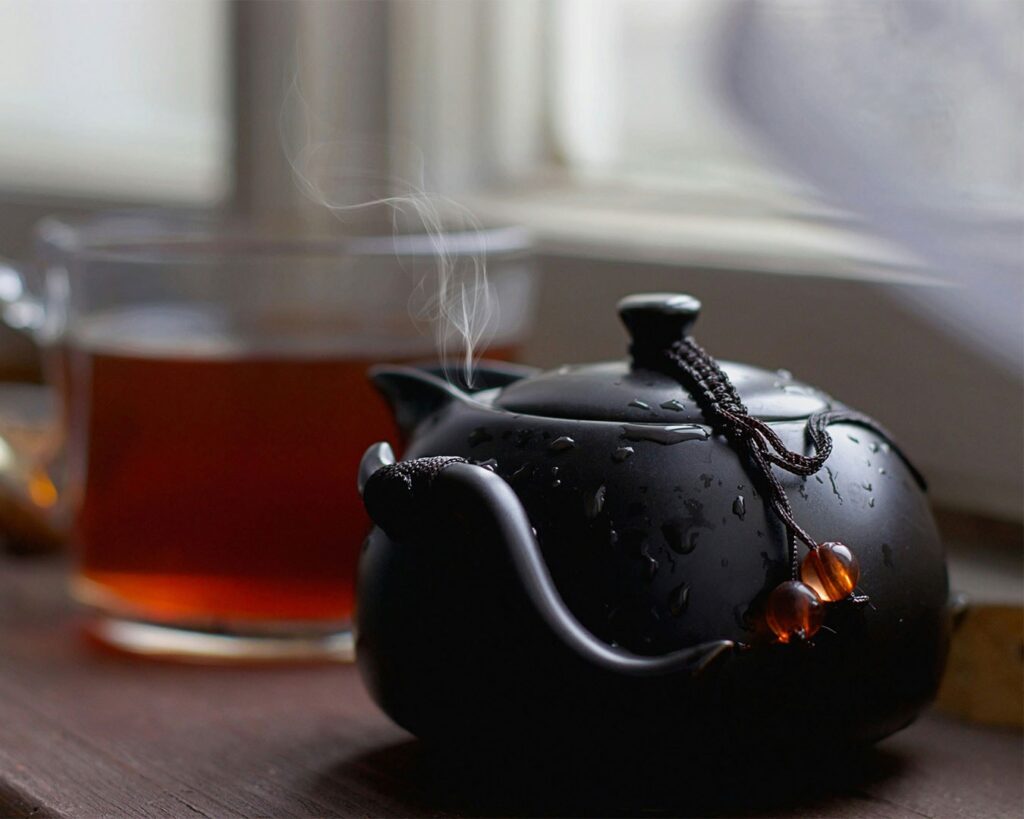
Not all tea is created equal, and neither is all tea preparation. Herbal teas, while soothing, lack the key compounds found in true tea from Camellia sinensis. For the full spectrum of health benefits, the tea must come from the right leaves, and it must be brewed with care.
Preparation is essential to unlocking the full potential of the tea leaf. Steaming or steeping with attention to temperature and time ensures that the beneficial compounds remain intact. Studies suggest that three to five cups of green tea daily yield the most health benefits, though individual preferences and tolerances vary. To experience the true potential of tea, one must respect the process—using fresh leaves, high-quality water, and precise timing to preserve the integrity of the brew.
Caffeine and Moderation: Finding the Balance
Even ancient practices acknowledge the modern need for moderation. Tea contains caffeine, though generally less than coffee, and caffeine content varies by tea types and preparation methods. For most people, regular tea drinking brings numerous health benefits, but too much caffeine—especially from green tea or black tea—can lead to irritation, insomnia, or unwanted cardiovascular responses such as increased heart rate or elevated blood pressure.
Attuned to these boundaries, individuals sensitive to caffeine should monitor their overall daily caffeine intake, considering all sources including coffee consumption and medications. Recognizing the distinction between herbal tea and true tea from the Camellia sinensis plant is crucial for making informed choices about tea consumption and its potential health effects. In wellness, as in ritual, balance unlocks the deepest value of tea benefits. Consult a healthcare provider for personalized guidance, and let the wisdom of moderation shape your tea journey to support overall health.
Conclusion: The Lasting Benefits of Tea as a Daily Ritual
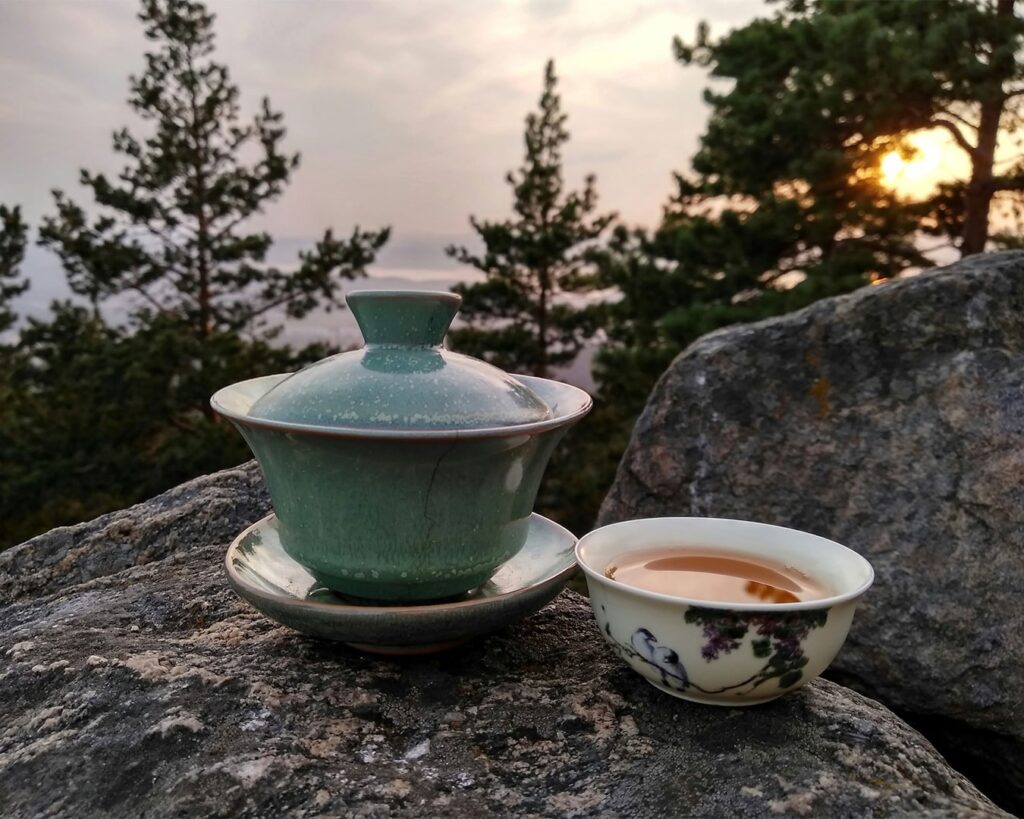
Tea’s benefits are confirmed not only by scientific research but also by centuries of tradition. It is a beverage that nourishes the body, calms the mind, and offers a restorative pause in the rhythm of daily life. From heart health to cognitive function, metabolism to cancer prevention, tea supports a wide range of health benefits, and tea may also contribute to overall well-being in ways we are still discovering. With various types of tea available, each offering unique compounds and effects, there is a tea for every preference and purpose.
At Tea Room by Ki-Setsu, we invite you to experience this ancient beverage in its most authentic form. Our curated collection of fine teas and handcrafted teapots offers a gateway to understanding the true benefits of tea; benefits that go beyond the drink itself and into the heart of Chinese tea culture. Reserve your private tea session today, and explore the world of tea in a space where tradition meets mindful practice.