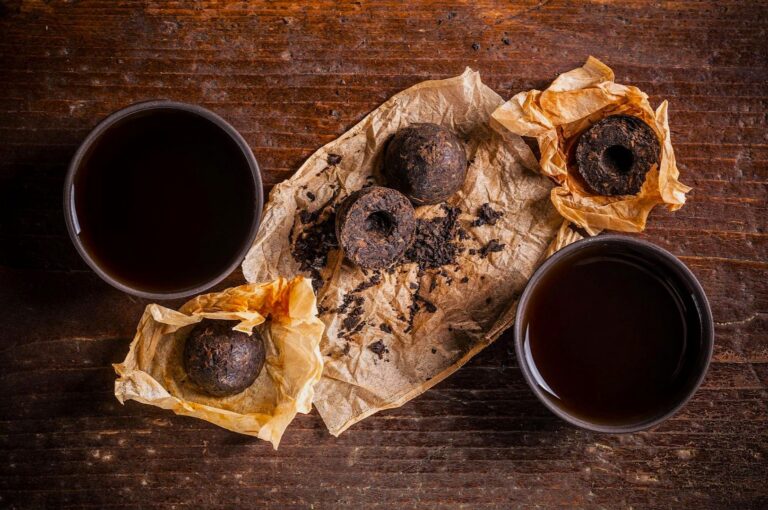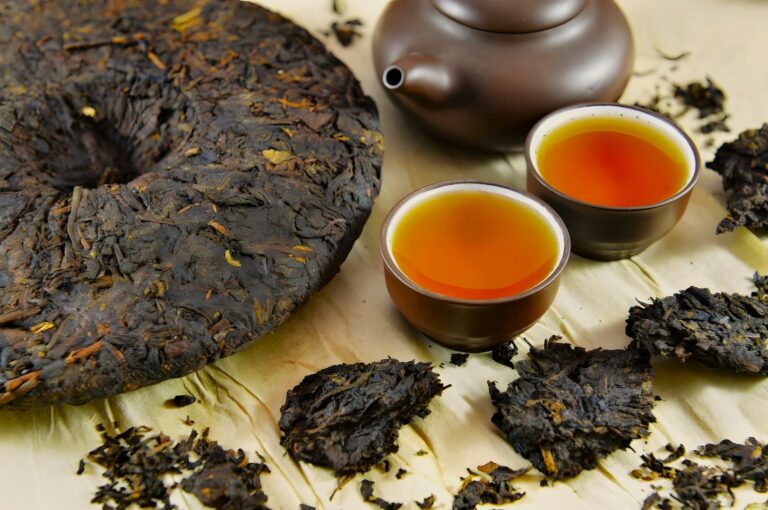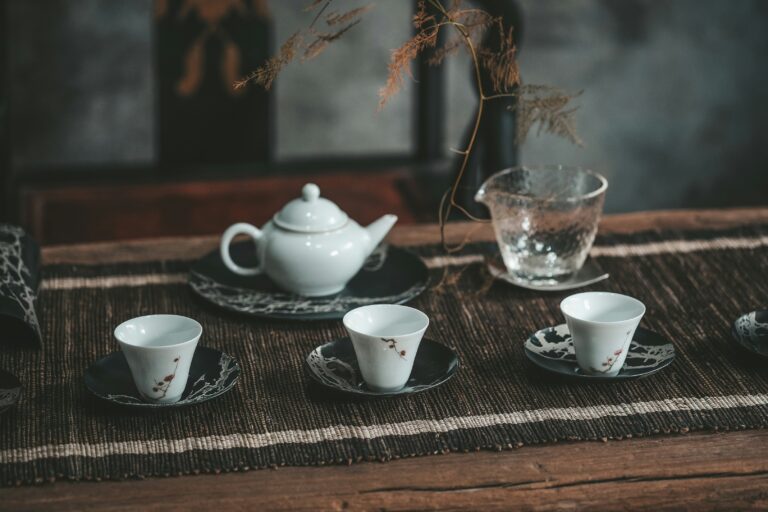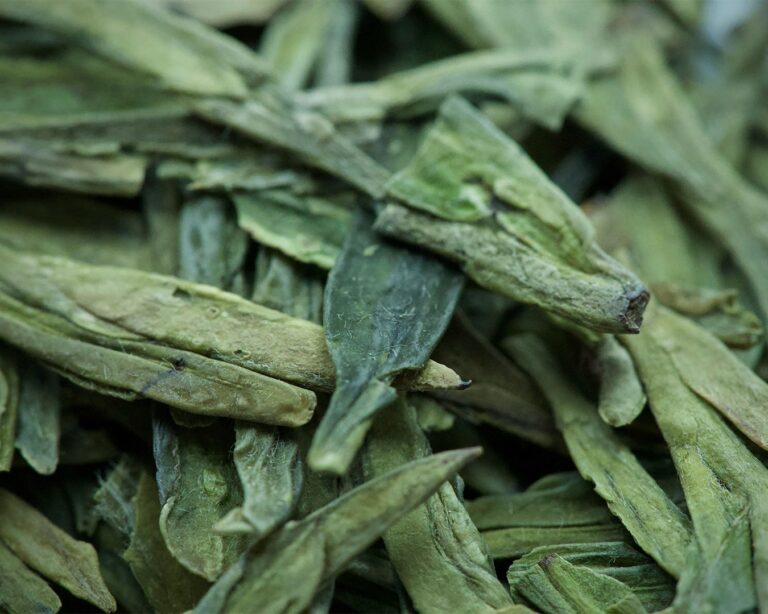
There is a single syllable that traveled from ancient China to the world, transforming cultures along the way. Overland via the Silk Road, it became chai in India, Russia, and Persia; by sea, it evolved into te in Fujian, thé in France, and tea in England. Yet, the original essence of Chinese cha (茶) remains fundamentally untranslatable.
The history of cha is deeply tied to the basic elements of Chinese culture: nature, philosophy, and ritual. More than a beverage, cha is a philosophy, a ritual, and a bridge between nature and humanity. Understanding Chinese cha means entering a world of stillness, where pouring hot water over tea leaves becomes a gateway to the sublime.
Explore the broader world of Chinese tea for beginners on our guide here.
Part 1: Etymology & The Power of One Chinese Character
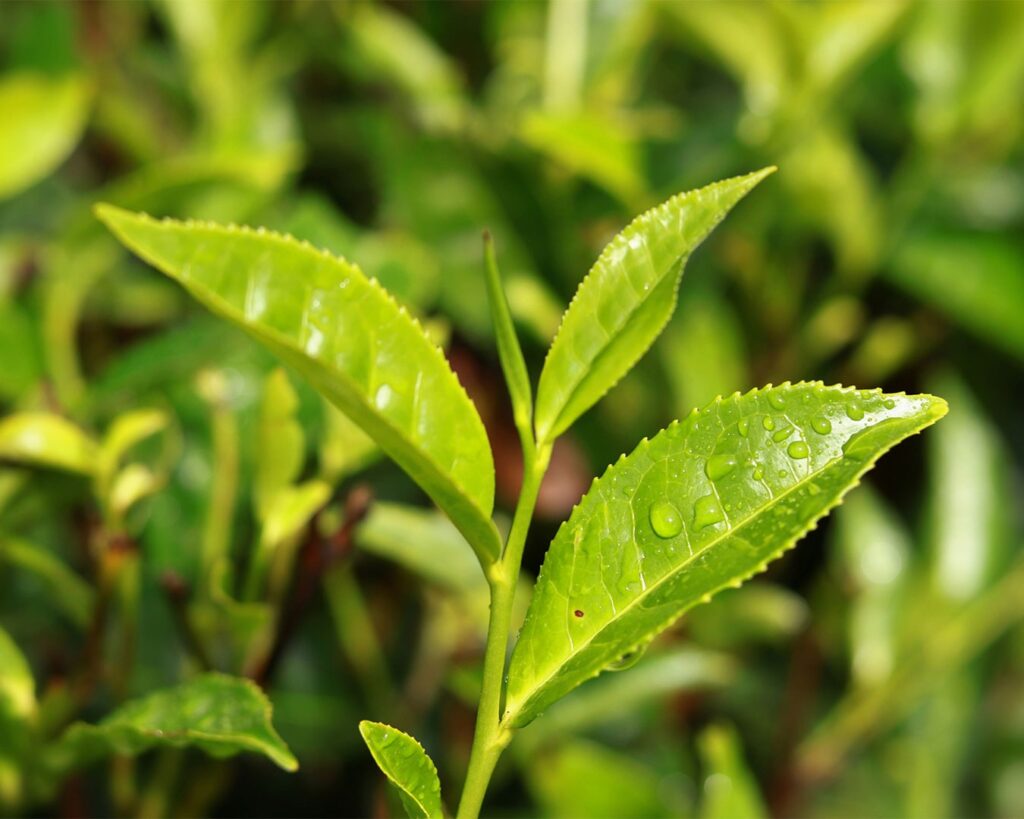
Language is the repository of culture and nowhere is this clearer than in the Chinese character for tea. To the uninitiated, it is a series of strokes; to those learning Chinese, it is a map of the universe.
Tea 茶 – Deconstructing the Character
The character 茶 (chá) is a visual poem composed of three elements: the radical 艹 (grass or tea plant) at the top, 人 (person) in the middle, and 木 (wood or tree) at the base. Together, they symbolize the connection of humans between nature’s canopy and roots, highlighting that tea is more than a drink—it’s a bridge between humanity and the natural world.
From Min Nan to Mandarin – Regional Pronunciations
The Western word “tea” originates from the Min Nan dialect’s “te,” spoken in Fujian province’s coastal ports. Dutch traders exported it as “thee,” spreading it through Europe as tea, thé, and thee. Meanwhile, the overland Silk Road carried the Mandarin and Cantonese pronunciation chá, which evolved into chai in India, Russia, and the Middle East. Thus, global terms for tea reflect trade routes: sea (“te”) or land (“cha”), all rooted in the same Chinese character.
The Journey Along Trade Routes
As Chinese cha moved along the trade routes, it adapted to local palates. In India, it became a spiced, milky decoction; in Britain, a sweet, afternoon indulgence. While these variations created beautiful new traditions, something of the original essence was often lost in translation. The Chinese tea culture (focused on the pure taste of the leaf, the clarity of the liquor, and the meditative act of brewing) was often replaced by the addition of milk, sugar, and spices. In gaining global popularity, cha sacrificed some of its spiritual silence for social noise.
Part 2: Cha as Philosophy, Not Commodity
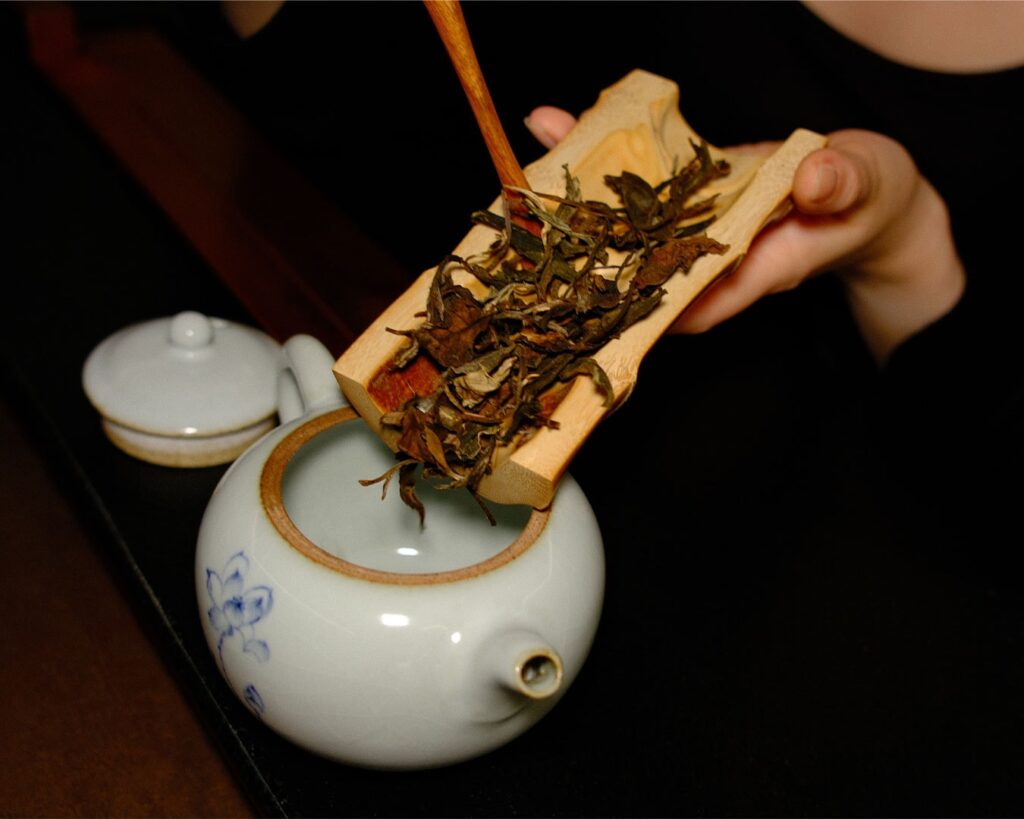
To treat Chinese cha merely as a commodity is to miss its heart. Long before it was an industry, it was an art form, a spiritual practice, and a medicine for the soul.
Tang Dynasty Origins – When Tea Became Art
The transformation of tea from a medicinal soup to a cultural aesthetic began in earnest during the Tang Dynasty. It was Lu Yu, the Sage of Tea, who penned the Cha Jing (The Classic of Tea); the first book written specifically about tea. Lu Yu codified tea making into a ritual, detailing everything from the quality of water to the material of the bowls.
Under the Tang, tea production flourished, but more importantly, the attitude toward tea shifted. It became a mirror for the self. The tea industry was not just about commerce; it was about cultivating a refined lifestyle. The preparation of tea became a discipline, demanding focus, purity, and respect; values that remain central to authentic Chinese tea culture today.
The Spiritual Dimension
In the sanctuary of Tea Room by Ki-Setsu, we often speak of cha as a form of meditation. Unlike the quick jolt of coffee or the casual nature of British tea, Chinese cha demands presence. It asks you to slow down.
The ritual requires attention to the smallest details: the sound of boiling water, the visual dance of the tea leaves unfurling, and the rising mist of fragrance. This is not just about quenching thirst; it is about awakening the senses. The aroma that fills the room is considered as vital as the taste itself, carrying the spirit of the mountains where the tea plant grew.
Essence Over Consumption
The Western approach often asks for “more” = larger mugs, stronger flavors. The philosophy of Chinese cha asks for “deep.” We use small teapots and tiny cups not to limit consumption, but to focus it. By brewing the same leaves multiple times, we enter a relationship with the tea.
The first infusion offers the fragrance; the second, the taste; the third, the deep emotion. With each steep, the leaf reveals a different layer of its personality. This practice prioritizes essence over volume. It is about savoring the hot water’s transformation into liquid gold, understanding that the value lies in the rest between sips as much as the drink itself.
Part 3: The Material Culture of Cha
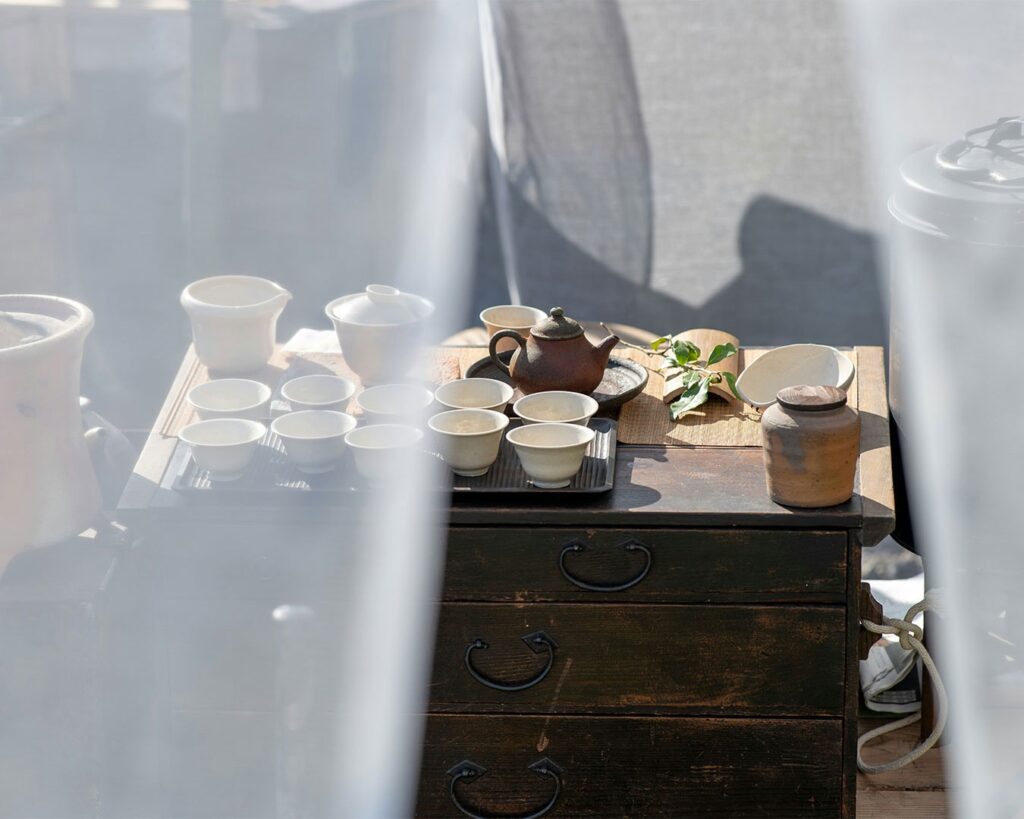
The philosophy of cha is given physical form through its material culture. The objects used in making tea are not mere tools; they are sacred vessels that shape the experience.
Sacred Objects – Beyond the Brew
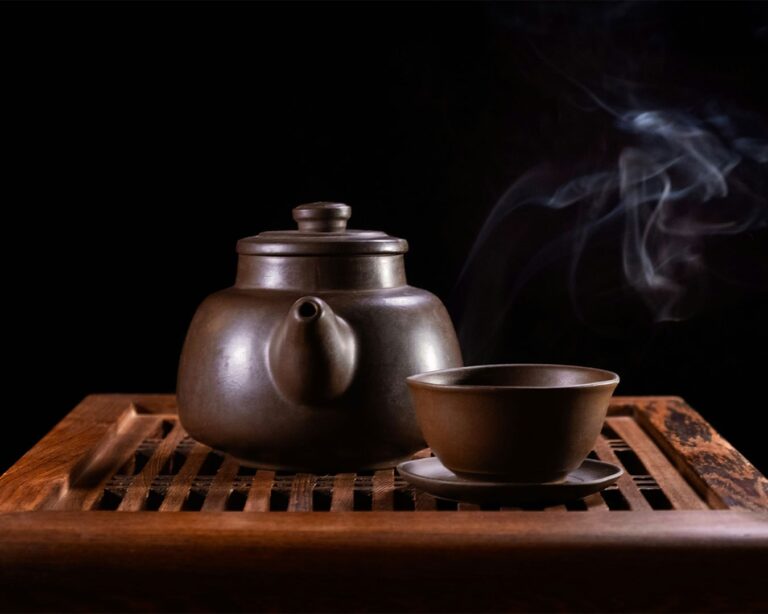
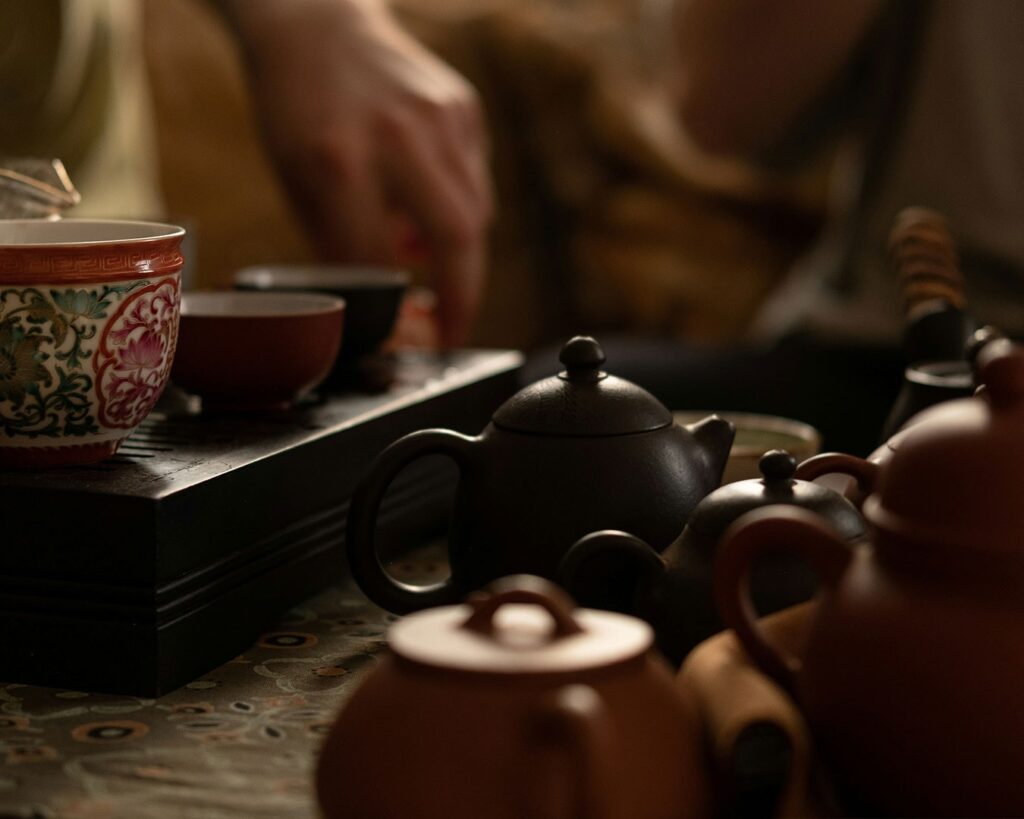
The Yixing teapot, crafted from the unique purple clay of Jiangsu known as Zisha (紫砂), is the crown jewel of this material culture. Unlike glazed porcelain, this clay breathes. It absorbs the oils and essence of the tea over years, eventually becoming part of the tea itself. A well-seasoned pot can scent boiling water without a single leaf inside.
Every element (the lid that creates a seal, the kettle that pours with a precise arc, the cup that cools the liquid) serves a purpose. The temperature of the water is adjusted with reverence: cooler for delicate green tea, boiling for robust red tea or Pu’er. These materials are chosen to honor the wood and fire elements that created the tea.
The Ceremony of Making Tea
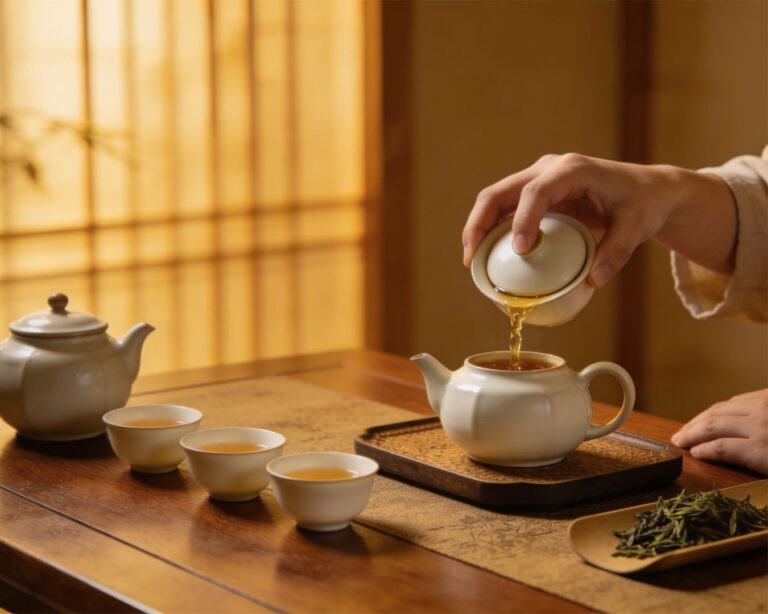
Gongfu cha, often translated as “making tea with skill,” is the pinnacle of this practice. It is a choreography of hands and water. The pot is warmed, the leaves are rinsed, and the hot water is poured from a height to stimulate the aroma.
The serving method creates meaning: pouring into a fairness pitcher ensures every guest receives the same strength of brew, symbolizing equality. The silence during the pouring, the pause while the leaves steep, and the rest between rounds create a “space” where the mind can settle. It is in this space that the true meaning of Chinese cha resides.
Tea Shops as Cultural Spaces
Historically, tea shops in China were communal hubs, places where news was exchanged and business deals struck. However, they also evolved into spaces of retreat. In modern Singapore, this evolution continues. We have moved from loud, bustling houses to intimate sanctuaries. These spaces are designed to protect the drinker from the outside world, creating a cocoon where drinking tea becomes a respite from the speed of modern life.
Part 4: From China to Singapore: Evolution of Chinese Tea Without Loss
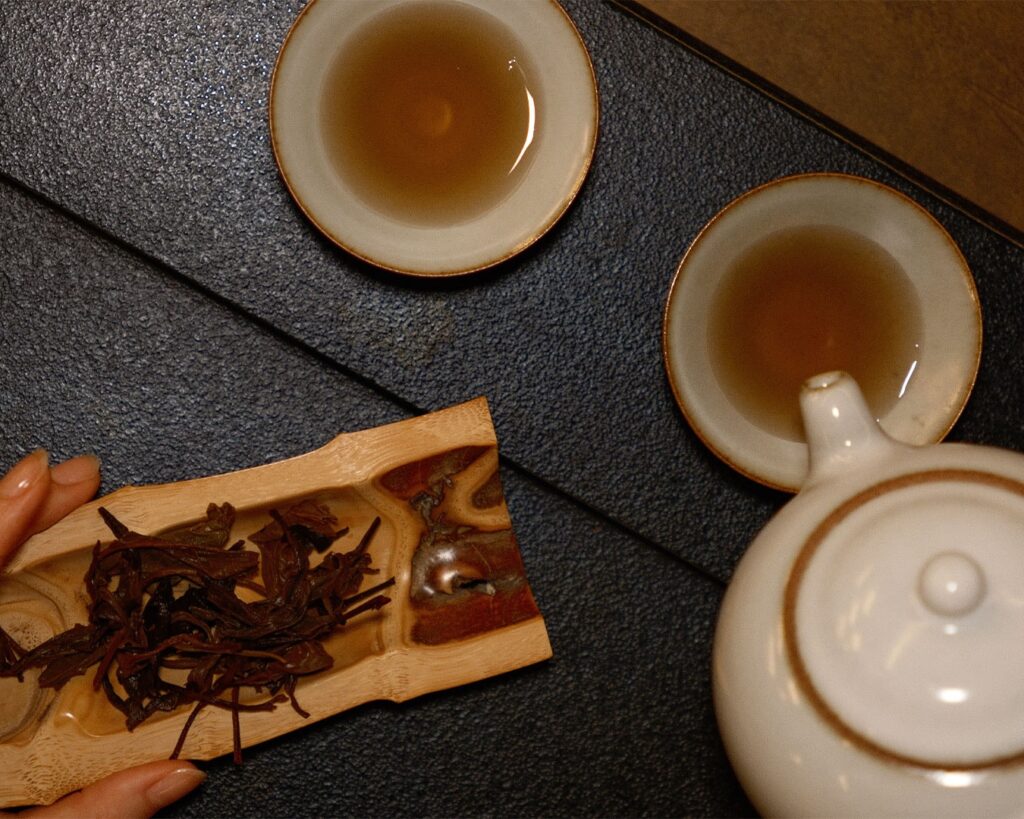
The migration of the Chinese diaspora to Southeast Asia brought the seeds of cha culture to new soil. In Singapore, this tradition has not only survived but evolved, maintaining its core integrity.
How Cha Culture Traveled South
When immigrants from Fujian province and Guangdong arrived in the Nanyang region, they brought their teaware and their leaves. Chinese cha became a link to the homeland. While the climate was tropical and the water different, the ritual remained.
Today, Singapore plays a critical role in keeping authentic cha culture alive. It acts as a curator, preserving traditional methods while embracing the most popular types of tea: from Tieguanyin to aged Pu’er. The appreciation here is deep, with collectors seeking out antique Yixing teapots and rare cakes of tea with the fervor of art historians.
Modern Interpretation at Tea Room by Ki-Setsu
At Tea Room by Ki-Setsu, we honor this lineage while serving a contemporary context. We have created a sanctuary where the ancient practice of Chinese cha feels not like a museum exhibit, but a living, breathing experience.
We strip away the intimidation often associated with traditional ceremonies, focusing instead on the sensory beauty of the leaf. Here, making tea is an act of hospitality and art. We invite guests to leave their phones and worries at the door, stepping into a space where the only timeline that matters is the unfolding of the tea leaves.
Part 5: Why “Cha” Remains Untranslatable
We translate “cha” as “tea,” but in doing so, we strip it of its dimension. “Tea” is a noun; Chinese cha is a world.
What Gets Lost in “Tea”
In the Western notion, tea is often a flavored water, a beverage to wash down food or warm cold hands. It is functional. The Eastern concept of cha, however, is existential. It is closer to the concept of “Way” or “Dao.”
When we reduce it to a drink, we lose the ritual, the philosophy, and the reverence. We lose the connection between the person, the tree, and the earth. Most of the cha experience exists beyond language: it is found in the warmth of the cup, the texture of the liquor, and the silence shared between friends. It is a vocabulary of the senses that English cannot fully capture.
Experiencing the Untranslatable
You cannot learn Chinese cha by reading about it; you must taste it. You must feel the weight of the clay in your hand and smell the orchid notes rising from the lid of the gaiwan. It is a form of knowledge that enters through the body, not the mind.
We extend an invitation to experience this untranslatable depth. Come to Tea Room by Ki-Setsu to taste what words cannot capture. Let us pour you a cup, and in that silence, you will find the definition of cha.
Conclusion: An Invitation to Experience Authentic Chinese Cha
One word. One tree. One tradition. Chinese cha is widely misunderstood as merely a beverage, yet it remains deeply transformative for those willing to engage with it. The character 茶 is a gateway to an entire philosophy of living: one that values connection, nature, and the present moment.
Some things in this world cannot be called or described: only experienced. The fragrance of a high-mountain oolong, the stillness of a poured cup, the warmth of shared silence, these are the truths of cha.
To discover the profound depth behind this single syllable, we invite you to Tea Room by Ki-Setsu. Book a private tea session with us, and let the tea speak for itself.