Some teas become famous because they travel well.
Others become famous because they are rare enough to be spoken of in lowered voices.
Longjing became famous for another reason. It entered the Chinese imagination so completely that it came to stand for a whole idea of refinement: spring gathered early, leaf shaped by hand, water poured with care, and a cup whose beauty lies in restraint rather than force. In that sense, Dragon Well did not simply become well known. It became emblematic.
At Tea Room by Ki-setsu, we often find that guests arrive already carrying the name. They may know Longjing as Dragon Well, or as the green tea most often spoken of first when Chinese tea is mentioned. Yet the question beneath that familiarity is usually quieter and more interesting: why this tea, among so many others, came to represent so much. To understand that, one has to follow Longjing not only through taste, but through place, poetry, empire, labour, and memory.
The Name Before the Legend
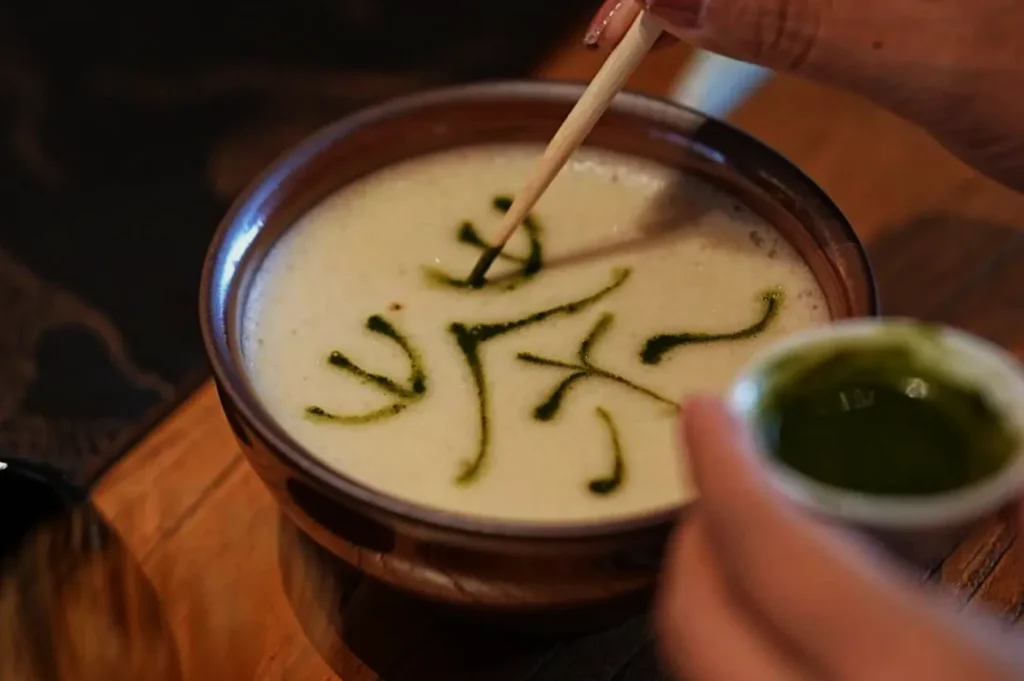
Longjing is most often translated as Dragon Well.
The name itself links the tea to a place before it links it to a product. In Hangzhou, the village and the well were already known long before the tea became a national symbol. Like many old Chinese place names, it gathered legend around it. Stories formed around the well, the surrounding hills, and the atmosphere of mist and rain that made the landscape feel quietly charged.
But tea does not become enduringly famous on legend alone.
The place mattered because it offered conditions that made a certain kind of green tea possible. The soils, the climate, the coolness of spring, the labour of careful harvest, and later the craft of wok-firing all worked together. What began as regional distinction slowly became cultural recognition. The name remained rooted in geography, but the reputation expanded far beyond it.
Why Hangzhou Matters
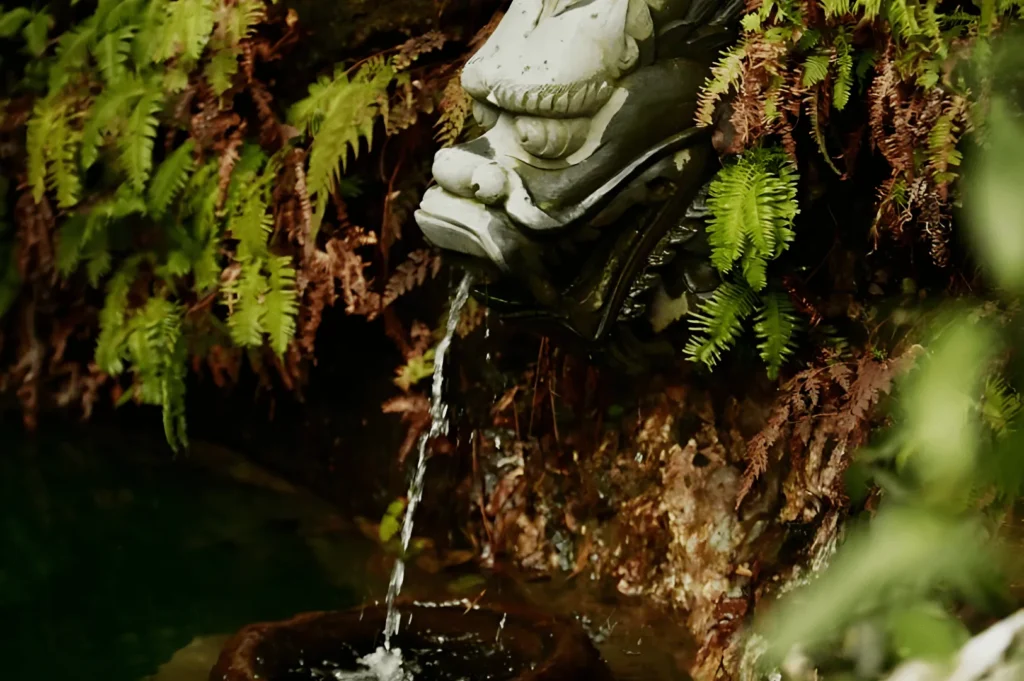
To understand Longjing’s rise, one must understand Hangzhou.
Hangzhou has long been associated with cultivated beauty in Chinese culture. West Lake, in particular, occupies a rare place in the literary and visual imagination. It was admired not only for scenery, but for the kind of life it seemed to encourage: measured, reflective, and aesthetically alert. Tea belonged naturally in that world.
This matters because fame in tea is not created by flavour alone. It is shaped by setting. A tea associated with one of China’s most admired landscapes was always going to carry more than agricultural value. It carried atmosphere. It became part of what the place meant.
By the time Longjing was firmly established, Hangzhou was already a city where poetry, scholarship, travel, and courtly attention intersected. Dragon Well entered that stream and remained there.
From Local Tea to Cultural Symbol
Many excellent teas remain local for a long time. Longjing did not remain local.
Part of its rise came from timing. Chinese tea culture had already passed through several eras of transformation. Methods of preparation had changed. Loose leaf appreciation was taking firmer shape. Ideas of elegance had become more closely tied to materials, process, and the ability to recognise nuance.
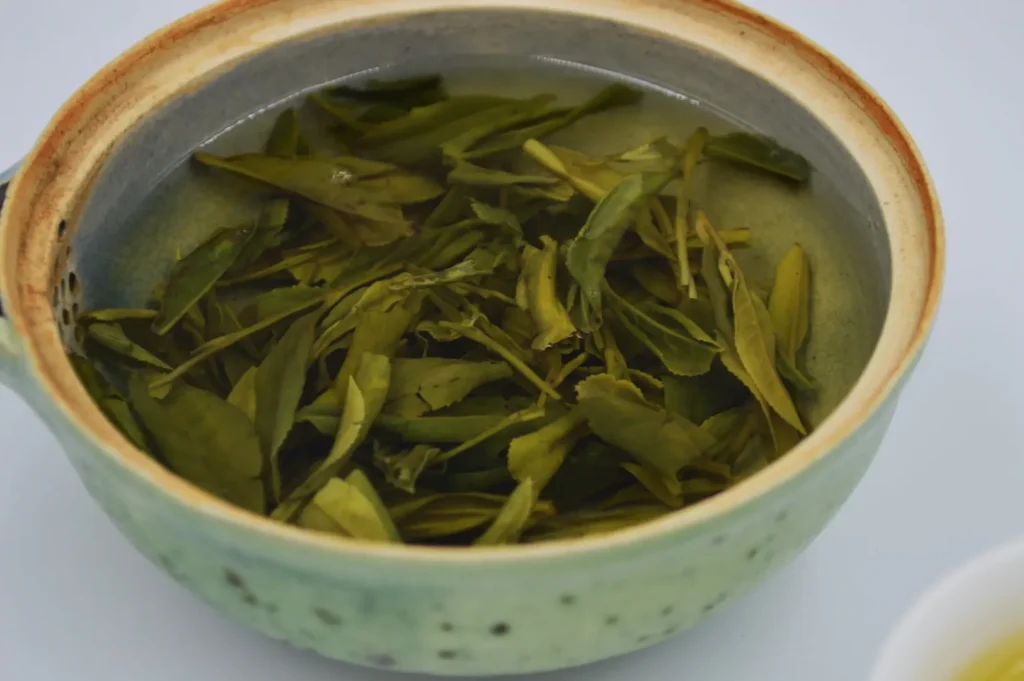
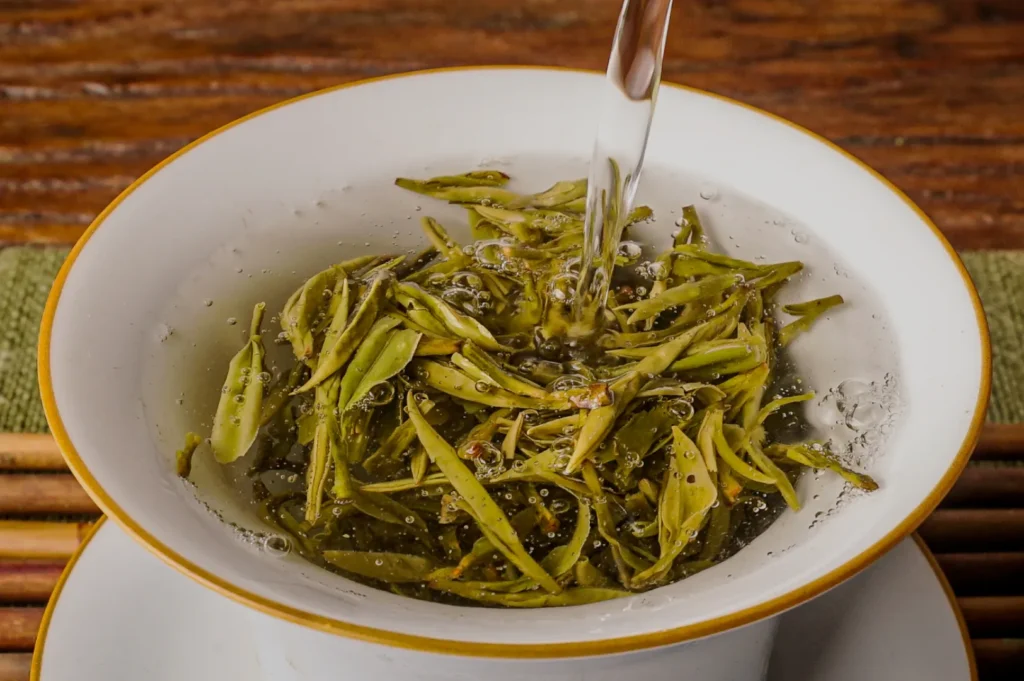
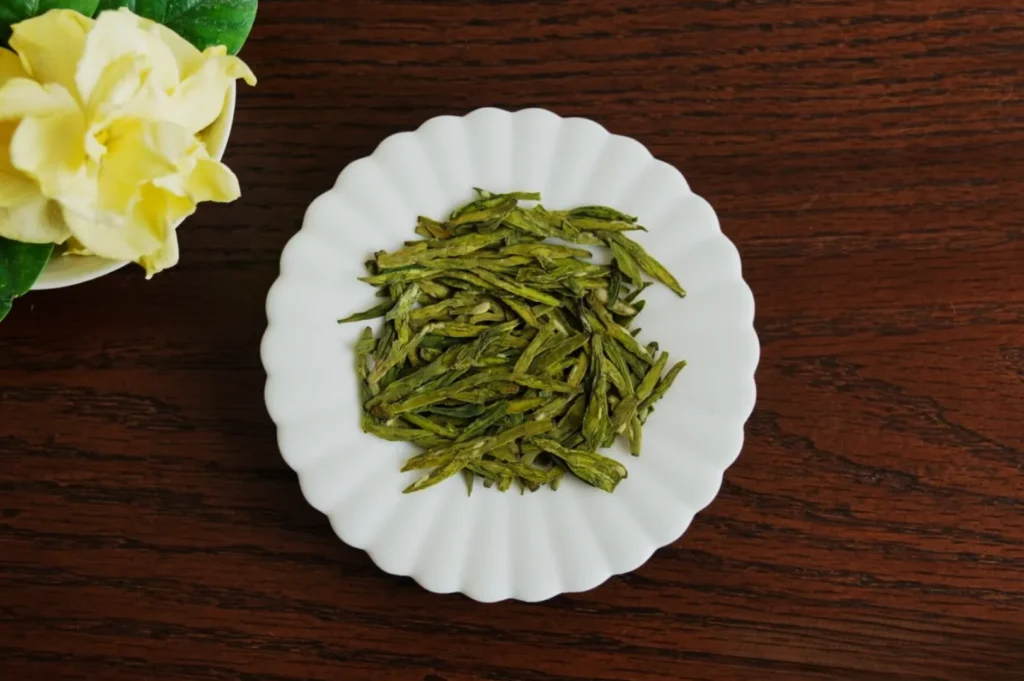
Longjing answered that cultural moment unusually well. It was visually distinctive. The flat leaves were recognisable. The liquor was clear and understated. The tea rewarded skill both in making and in drinking. It looked refined, but it was not ornamental. It tasted gentle, but not simple.
This combination gave it reach. A tea that can be admired by scholars, officials, and ordinary drinkers alike begins to move differently through history.
The Imperial Turn
If place and culture prepared Longjing for fame, imperial recognition accelerated it.
The story most often repeated is the one involving the Qianlong Emperor, who is said to have visited the Longjing area and developed a deep appreciation for the tea. Whether repeated with full historical precision or with the softness of legend, the cultural effect is unmistakable. Once a tea enters the orbit of imperial notice, its meaning changes. It is no longer simply regional. It becomes aspirational.
This did not create Longjing’s quality, but it changed the scale of its recognition.
A tea associated with imperial favour acquires a kind of permanence in the cultural imagination. People begin to speak of it with greater seriousness. Its origin becomes more carefully guarded. Its craft becomes more closely observed. Prestige accumulates around the leaf, and prestige has a way of shaping the future as much as it records the past.
At Tea Room by Ki-setsu, we think it is important to hold this lightly. The imperial story matters, but not because it flatters the tea. It matters because it shows how thoroughly Dragon Well came to represent refinement in Chinese life.
Craft as Reputation
Longjing did not become famous only because people spoke about it. It became famous because the tea itself justified repeated attention.
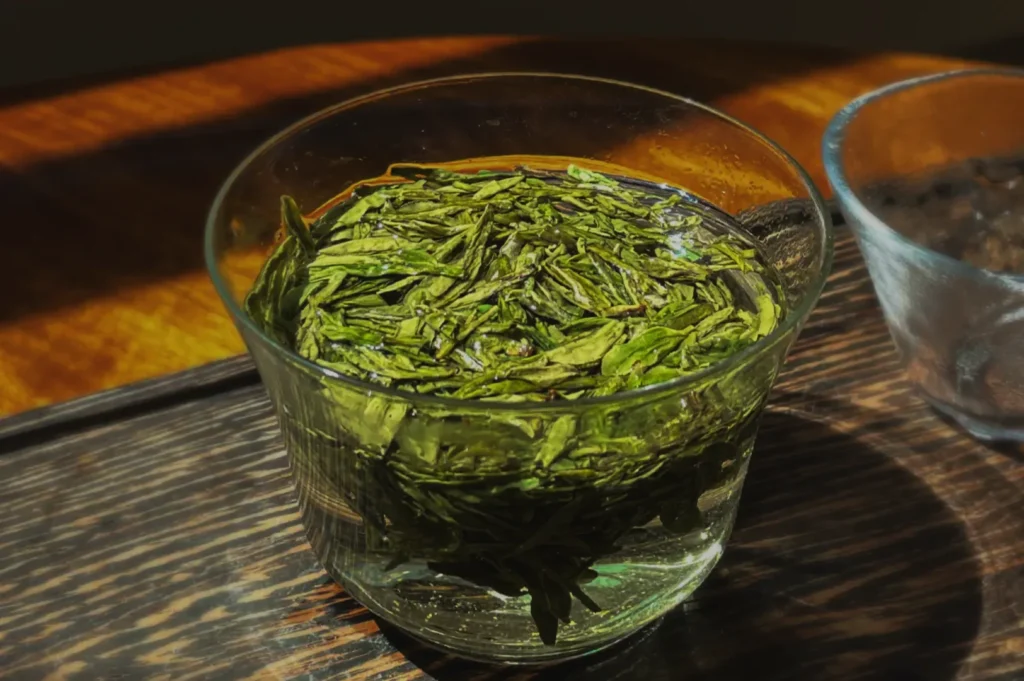
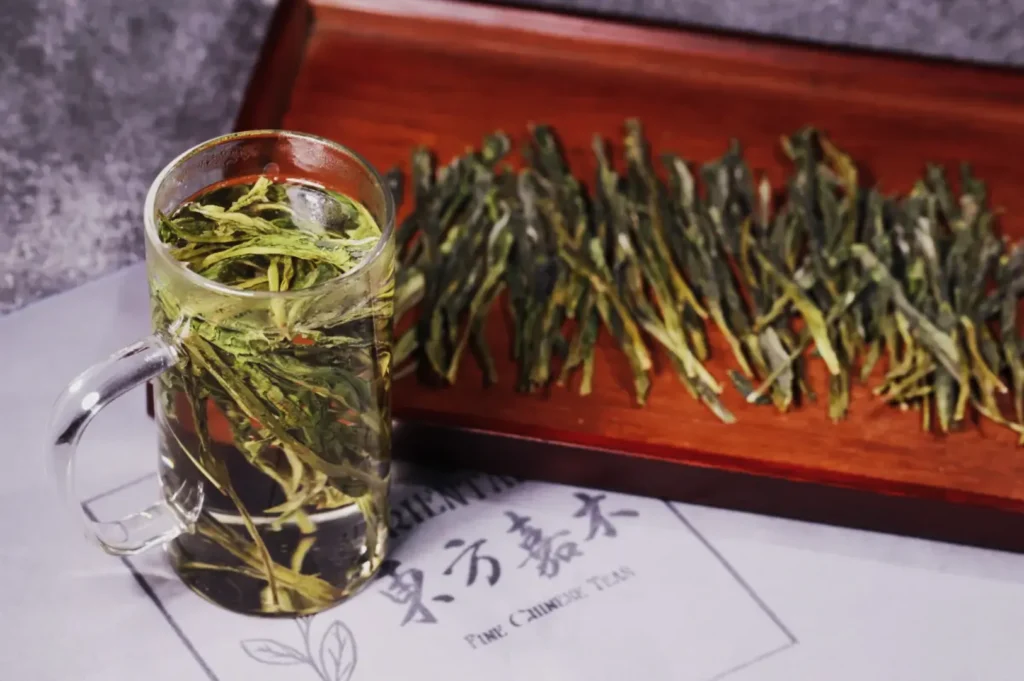
Its method of production gave it an identity unlike many other green teas. The leaves are pan-fired and shaped by hand, not rolled into strands or left in looser form. This shaping is not decorative. It is part of the tea’s character. The familiar flat leaf, the warm chestnut note, the balance between freshness and fired sweetness all emerge through labour that is both physical and precise.
A tea that requires this kind of making naturally invites admiration.
The skill behind Longjing became part of its reputation. This is one reason the tea remained significant even as China’s tea world grew more diverse and complex. Dragon Well continued to signal a union of leaf and hand. It was not merely grown. It was finished through craft.
A Tea for Scholars, Not Spectacle
There are teas that win devotion through force. Longjing did not need to.
Part of its prestige lies in the opposite quality. It does not shout. Its beauty is often most apparent to those willing to notice what is small: the chestnut warmth, the pale clarity of the liquor, the finish that remains after the cup seems already gone. This made it especially suited to literati culture, where refinement was often associated with subtle recognition rather than immediate display.
In this sense, Longjing became famous not only because emperors endorsed it, but because quieter minds kept returning to it.
A tea that belongs equally to poetic attention and daily ritual has unusual durability. It does not become obsolete when taste changes around it. It simply waits for each generation to rediscover why calm things matter.
Why So Many Green Teas Never Became Longjing
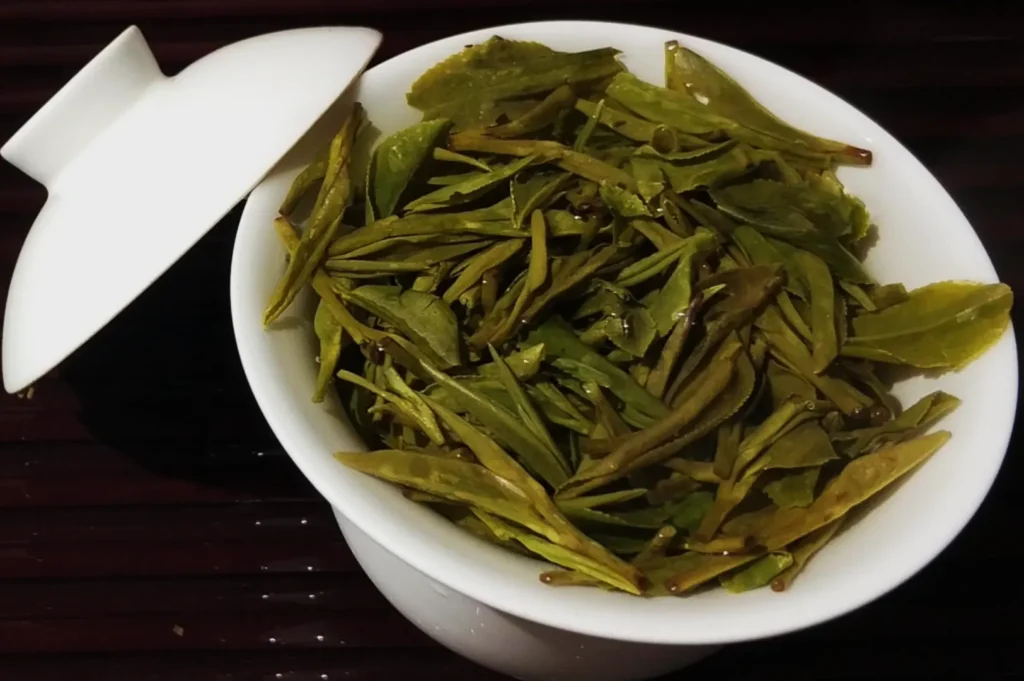
China has no shortage of extraordinary green teas. So why did Longjing become the one most widely recognised?
Part of the answer lies in coherence. Longjing has a strong and stable identity. The name, the shape, the place, the production method, and the cultural associations all reinforce each other. It is easier for a tea to become iconic when every part of its image points in the same direction.
Another reason is accessibility without plainness. Longjing is nuanced, but not obscure. A first-time drinker can enjoy it, while a more experienced drinker can continue to find structure and detail within it. That range matters. A tea that only specialists can admire rarely becomes a cultural symbol. A tea that welcomes without becoming simplistic has a much better chance.
Modern Fame and Market Pressure
Longjing’s fame has not been uncomplicated.
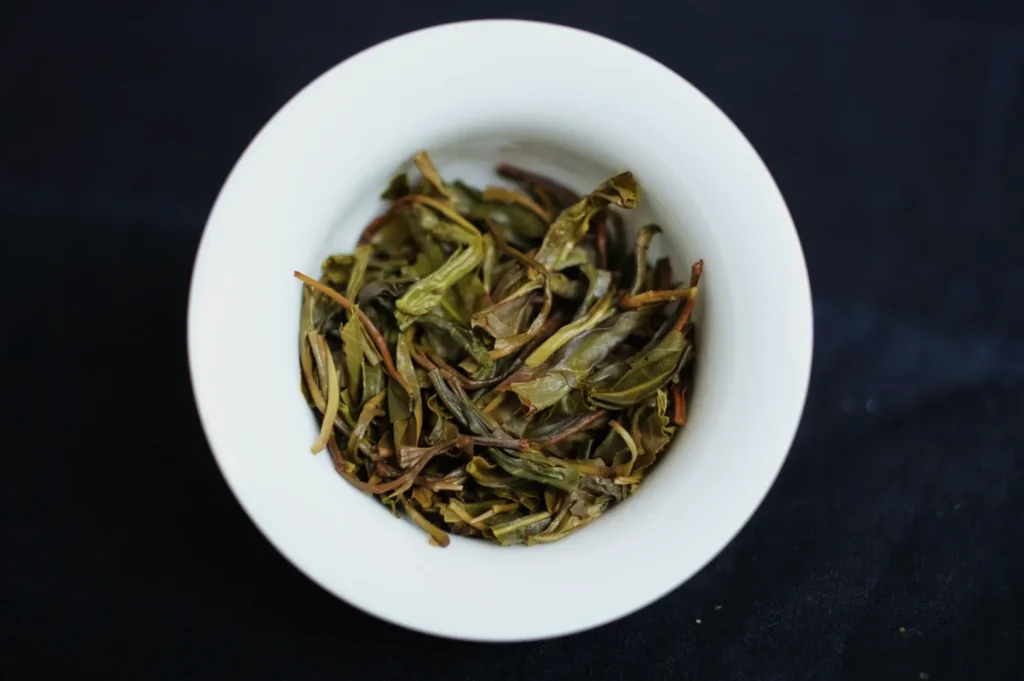
Once a tea becomes famous, imitation follows. Prestige attracts broader use of the name, wider interpretation of what counts as “authentic,” and the market pressure that comes whenever demand exceeds what a small region can realistically produce. This has shaped modern Dragon Well in obvious ways.
Yet the survival of the tea’s reputation despite all this says something important.
People still seek Longjing because the original standard remains persuasive. The tea’s ideal form, however difficult to preserve in full, continues to make sense. A true Dragon Well cup still feels unmistakably itself. It still offers warmth without heaviness, refinement without fragility, and a spring character that has not become generic.
For readers who want a fuller look at origin, buying, and what makes the tea so distinctive in the present, this Dragon Well imperial legacy overview offers a deeper continuation of this story.
Why It Still Matters
Longjing’s history matters because it explains more than fame.
It explains why a tea can carry place so clearly. Why craft can become reputation. Why quietness can endure as a value even across centuries of change. It also reminds us that the most famous tea is not always the loudest or the most dramatic. Sometimes the tea that lasts is the one that remains composed under attention.
At Tea Room by Ki-setsu, this is part of why Longjing continues to feel relevant in Singapore. In a city of speed, brightness, and decision, Dragon Well offers another mode of refinement. It asks very little from the drinker except enough stillness to receive it properly.
That may be why it became famous in the first place.
Not because it demanded to be noticed.
Because once noticed, it was difficult to forget.