Longjing is not a tea that explains itself quickly.
It can seem simple at first glance. Flat leaves. Pale liquor. A warmth that stays close to the cup rather than announcing itself across the room. Yet this is precisely why Dragon Well changes so much according to where, and how, it is served. In a hurried setting, it can appear merely pleasant. In a quieter room, under steadier hands, it begins to reveal its real structure: chestnut warmth, spring clarity, soft sweetness, and a finish that lingers longer than its colour suggests.
This is why longjing tea tasting Singapore searches often lead to a deeper question. Not just where to drink Longjing, but where to understand it properly.
At Tea Room by Ki-setsu, we find that some teas need privacy in order to become fully legible. Longjing is one of them. Its beauty is not loud enough to survive distraction well. It asks for pacing, temperature control, and a host who knows when to speak and when to let the leaf do the work.
For readers seeking wider background before the tasting itself, our guide to Longjing tea in Singapore offers the broader context. This article stays with the experience of the room, and why it matters so much.
A Delicate Tea Needs the Right Kind of Silence
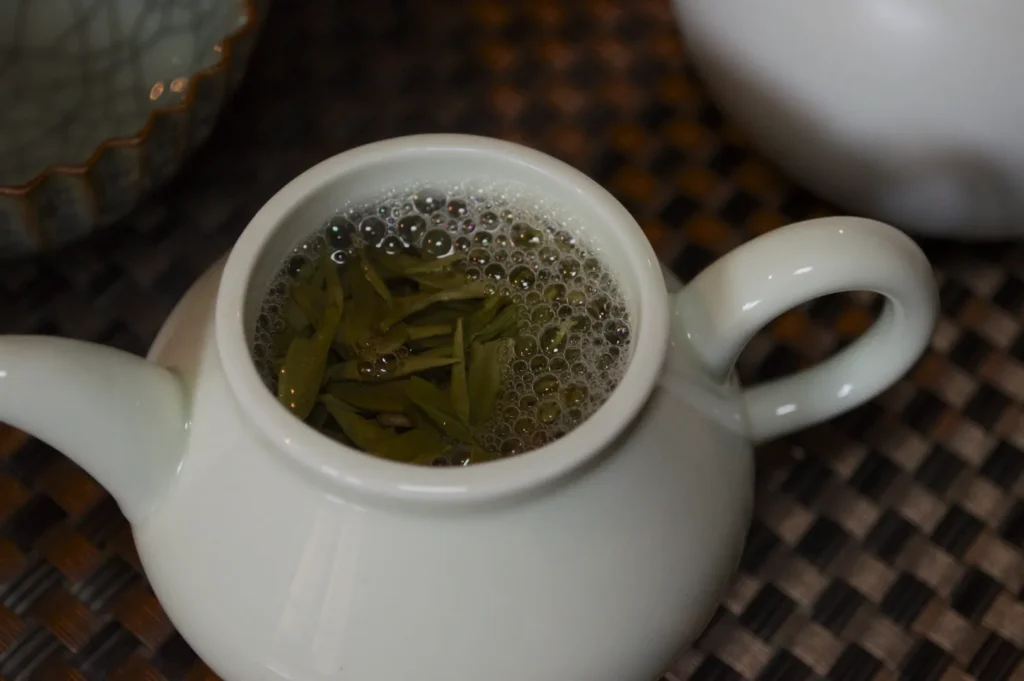
Some teas can push through noise.
A bold roasted oolong may still feel commanding in a crowded setting. A darker tea can survive a busier table and retain some of its centre. Longjing is more vulnerable, but also more rewarding. Its notes sit closer to the body. You do not “catch” them in the dramatic sense. You meet them gradually.
This is where a private tea tasting Singapore setting changes the tea itself, or at least your ability to perceive it. In a calmer room, the first aroma rising from the warmed glass or gaiwan becomes more distinct. The water temperature can be held within a narrower, more forgiving range. The host can pour with precision rather than speed. Even your own breathing slows, and the tea benefits from that.
Longjing rewards calm because calm is part of how it is heard.
The Pace Changes the Cup
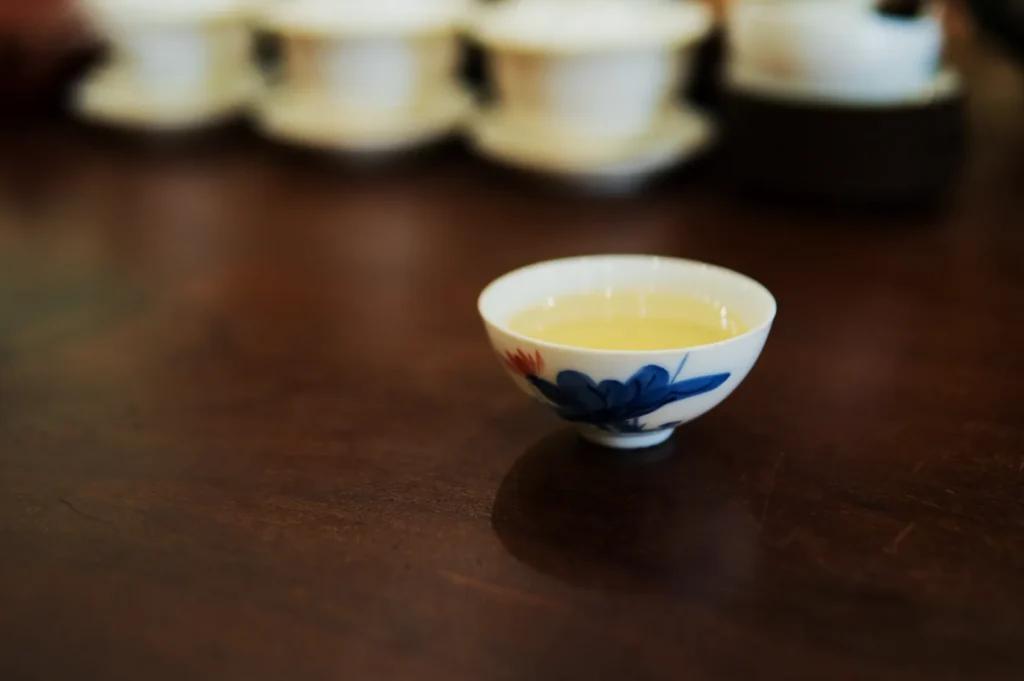
Longjing is often damaged by haste rather than by obvious mishandling.
When poured too quickly, or judged too early, it may seem thin. When brewed too aggressively, it can lose the grace that makes it memorable. In a guided tea tasting Singapore experience, the pace becomes part of the service. The leaf is allowed to open at its own speed. The drinker is not pushed toward instant conclusions.
This matters because Dragon Well often unfolds across small shifts:
- a greener freshness in the first infusion
- a chestnut warmth gathering more fully in the second
- a softer sweetness settling into the finish by the third
In an ordinary setting, these changes may barely register. In a private room, they become the evening.
Guidance Without Pressure
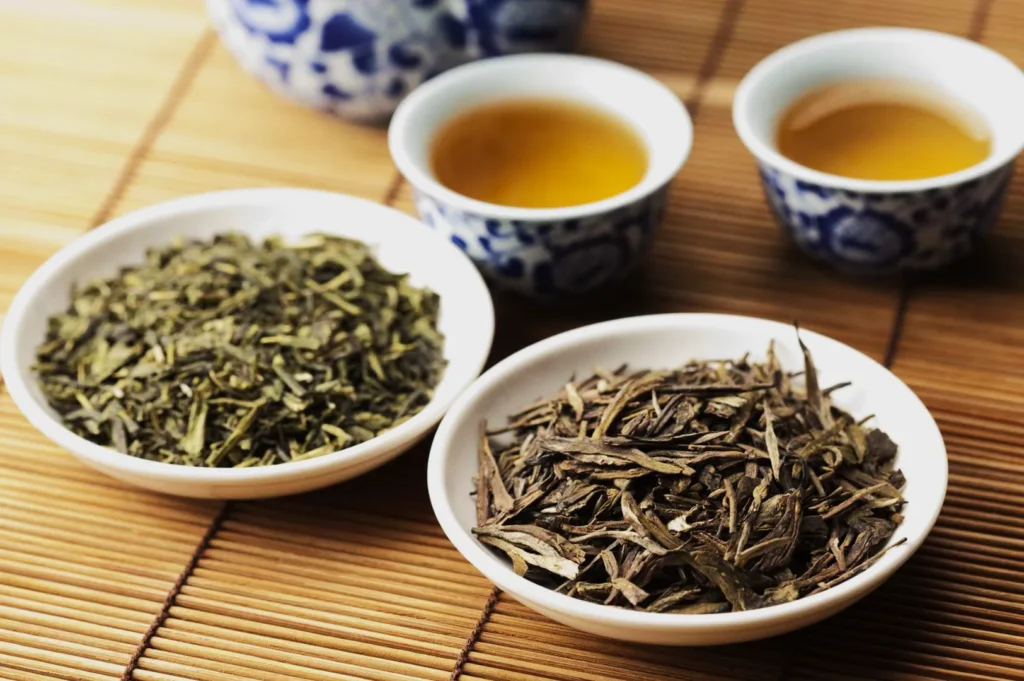
A good host does not lecture Longjing into significance.
They create the conditions in which the tea can become clear. This is especially important for those new to green tea, who may not know whether they are “supposed” to be noticing something more. In truth, Longjing becomes easiest to understand when the guest is not under pressure to understand it immediately.
Guided hospitality helps in several quiet ways:
- the host chooses the right vessel for the tea
- the water is adjusted to the tenderness of the leaf
- the pouring rhythm protects sweetness rather than forcing intensity
- the guest is given just enough context, not too much
This is what makes a dragon well tea tasting feel different when it is done properly. The leaf is not being displayed. It is being interpreted with restraint.
Why Glassware and Vessel Choice Matter More in a Tasting Room
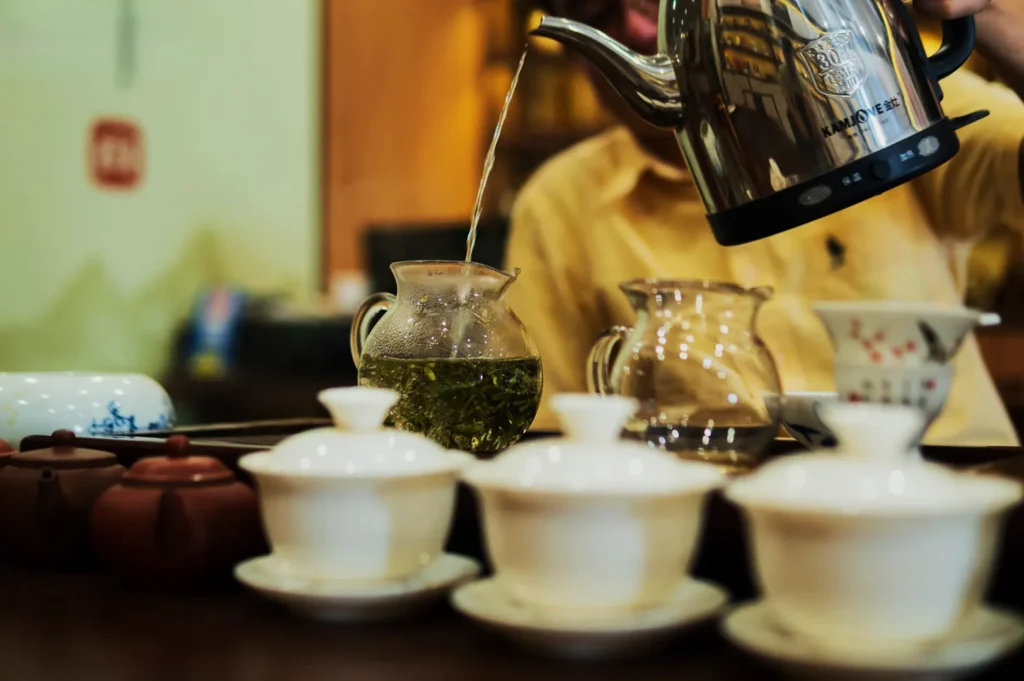
Longjing is unusually sensitive to how it is seen.
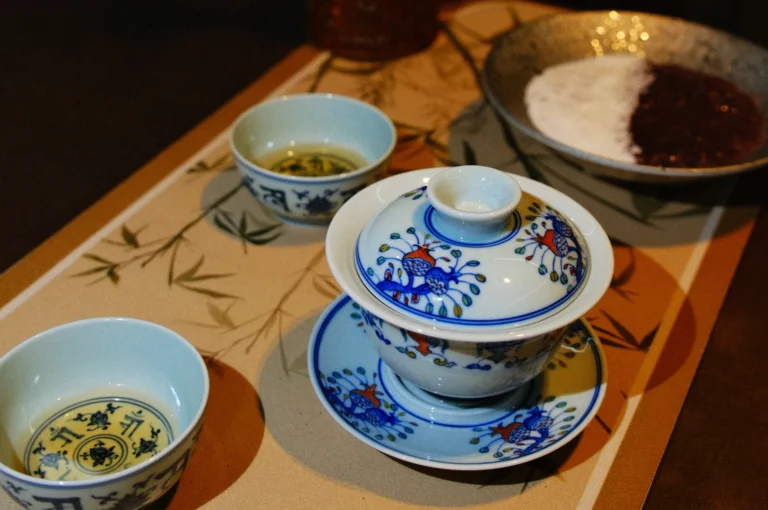
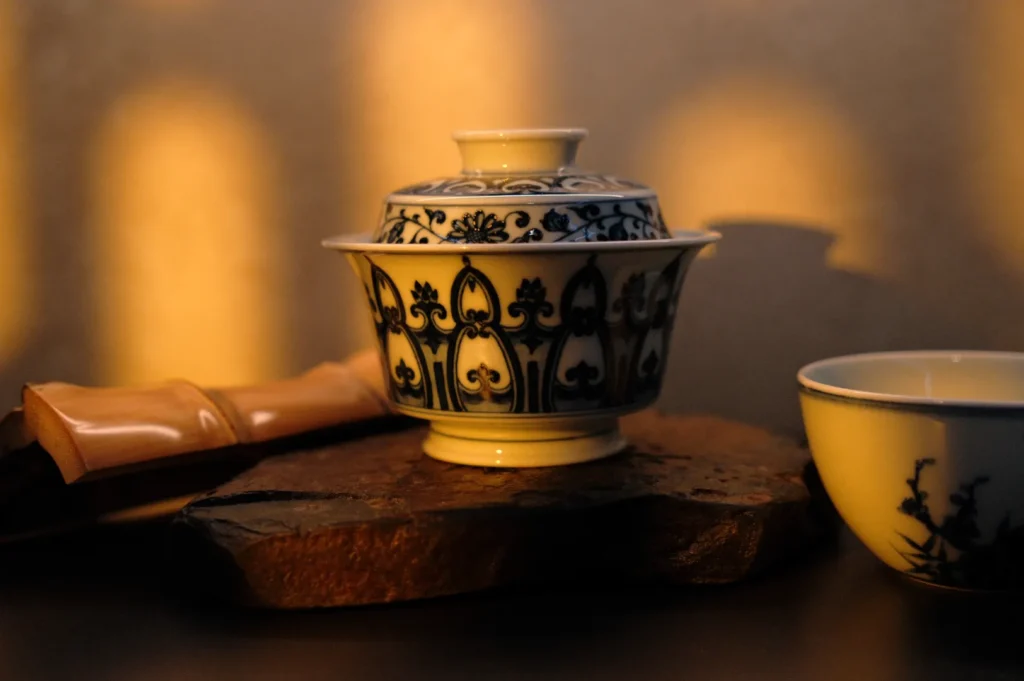
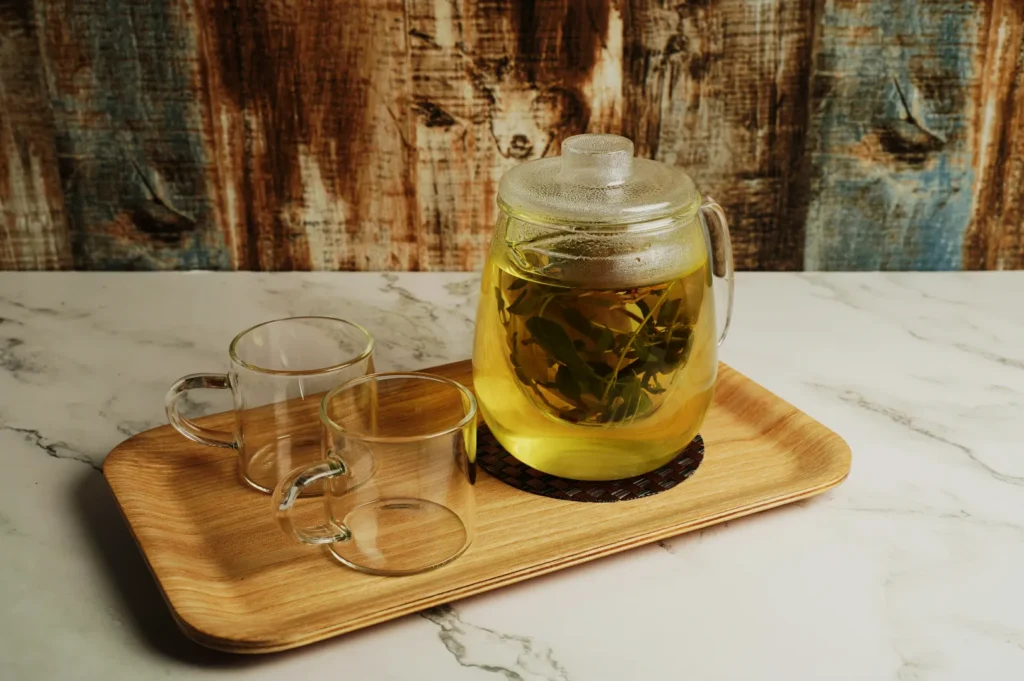
A clear glass can reveal the dance of the leaf, the slight variations in the liquor, and the visual calm that is part of the tea’s appeal. Porcelain can sharpen the aroma and hold the heat differently. Each choice changes not only the tea, but the guest’s relationship to it.
In a private setting, this choice is intentional. The host can decide whether the tea should be introduced through visual elegance, aromatic concentration, or tactile warmth. That is difficult to do well in a busier environment where tea is only one part of the room.
At Tea Room by Ki-setsu, we think Longjing deserves this level of care because so much of its identity is built on nuance. The vessel is not decoration. It is part of the translation.
Longjing and the Luxury of Limited Attention
Luxury is often misunderstood as excess.
In tea, it is more often about protected conditions. A private tasting room offers a kind of exclusivity that is not centred on spectacle, but on undivided attention. The host can follow the tea. The guest can follow the cup. Nothing is rushing them toward the next distraction.
This is one reason a Chinese tea experience Singapore drinkers remember is rarely the loudest one. The most memorable moments are usually smaller:
- the scent rising unexpectedly from the warmed leaf
- the first clear sign of chestnut in the cup
- the realisation that the tea has become sweeter, not stronger
- the pause before the next pour, when the room is quiet enough to notice what remains
That pause is part of the value.
Why Longjing Feels More Personal in a Private Session
Longjing has a way of becoming intimate very quickly.
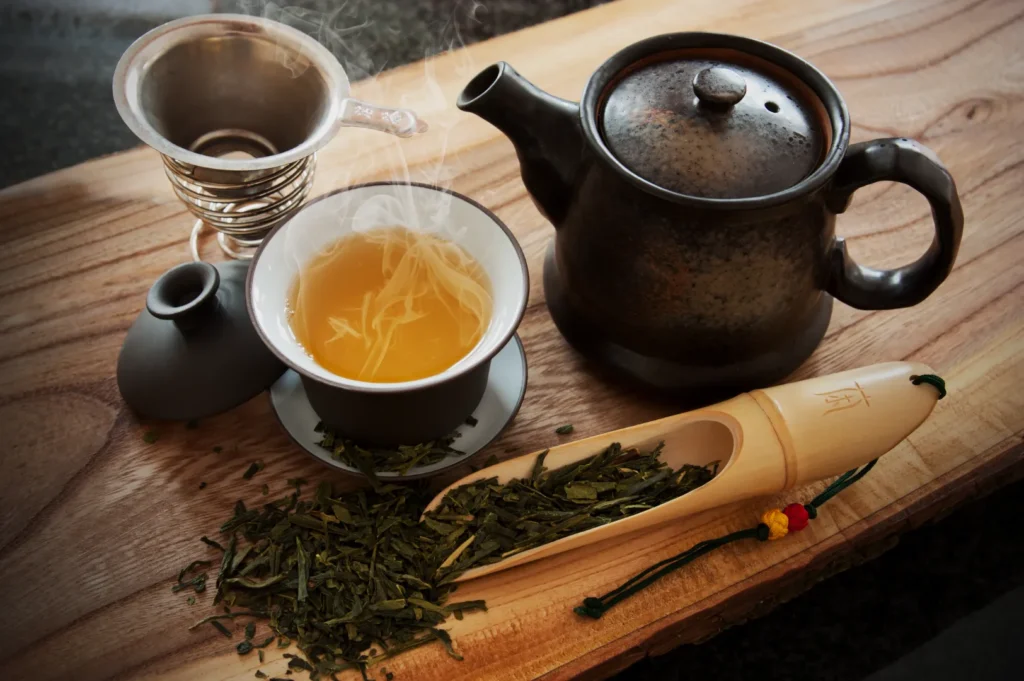
Perhaps it is because the tea is modest in scale. Perhaps it is because it asks the drinker to lean in rather than wait to be impressed. Either way, a guided tea tasting Singapore experience with Longjing often feels less like sampling and more like being introduced properly.
This is especially true for first-time drinkers who may have only known green tea in generic or hurried forms. In a private tasting room, Dragon Well can finally appear as itself: not just “green tea,” but a cultivated spring expression with warmth, freshness, and a distinctly Chinese sense of elegance.
A Different Kind of Knowledge
There are facts one can learn about Longjing.
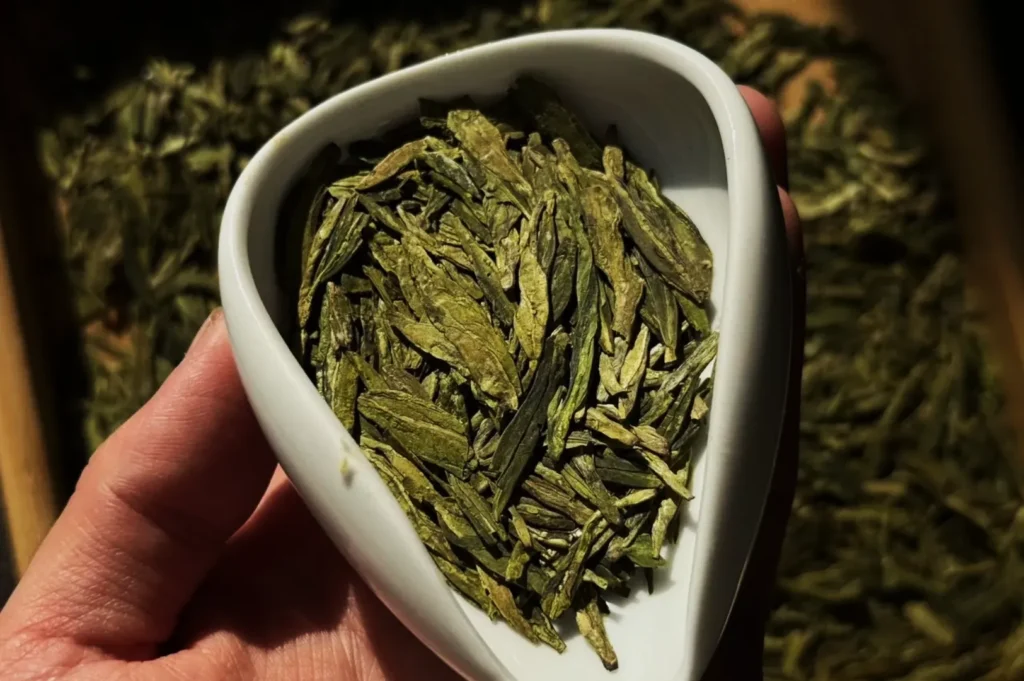
You can study harvest timing, origin, firing method, and grade. All of these matter. But the most useful kind of knowledge often arrives through atmosphere. The right room teaches in a way that language alone cannot. You begin to understand why subtle tea needs subtle hosting. Why the chestnut note feels softer in one pour and fuller in the next. Why silence can sharpen flavour.
This is not because silence is mystical. It is because it removes friction.
At Tea Room by Ki-setsu, we see this often. Guests who feel uncertain in louder, more performative settings often relax into Longjing once the room stops demanding anything from them. The tea becomes less intimidating. The palate becomes more honest. That is when preference emerges.
The Room Is Part of the Tea
Longjing is made in the leaf, but completed in the room.
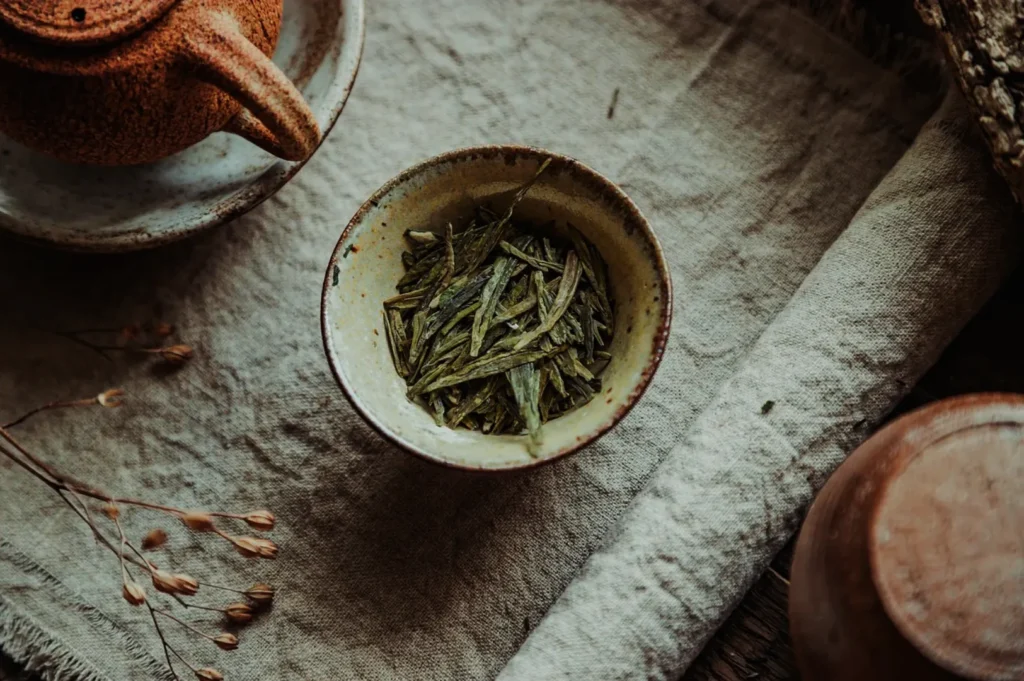
That may sound poetic, but it is also practical. The setting affects the way the tea is poured, smelled, received, and remembered. This is why a tea tasting room is not merely a backdrop. It is part of the method.
If Dragon Well has long been associated with refinement, then refinement must include the conditions in which it is served. A rushed cup of Longjing may still be pleasant. A private, guided session lets it become articulate.
That difference is not small.