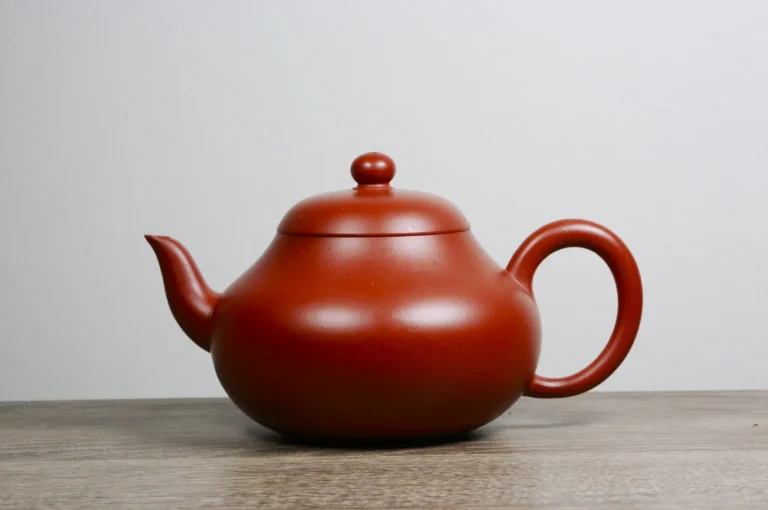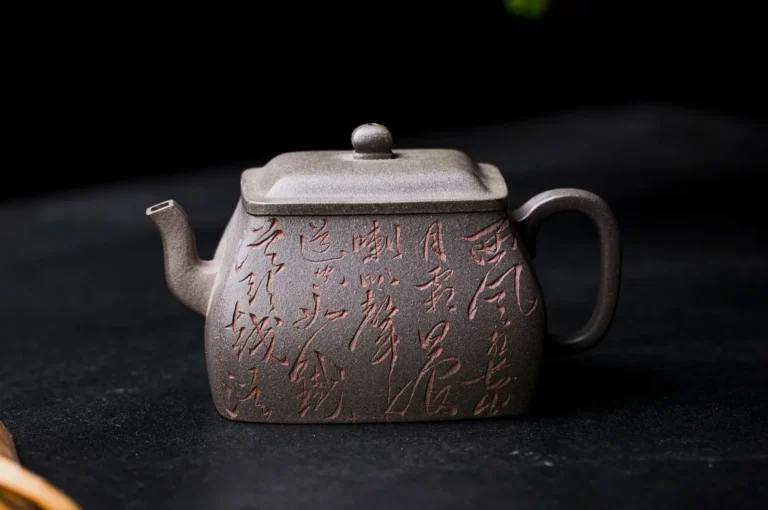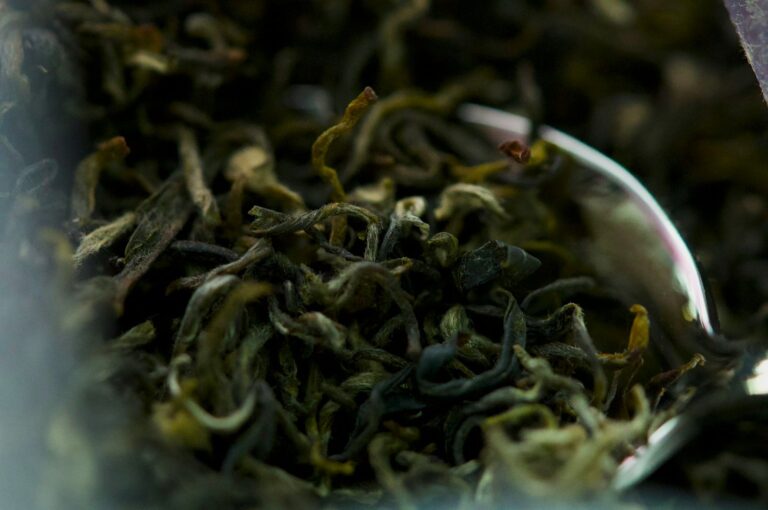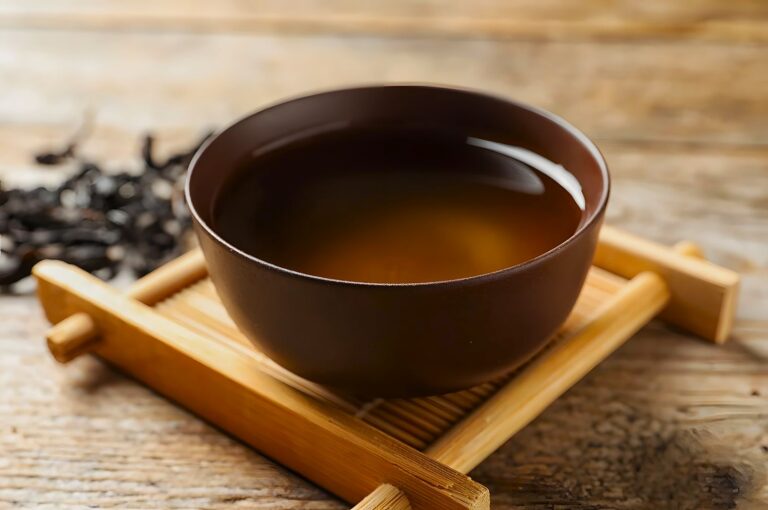

The first time you hold an authentic Yixing Zisha teapot, something shifts. It is not merely its weight, though it feels substantial and balanced in your hands. It is the texture; a smooth, almost skin-like surface that seems to radiate a gentle warmth. The colour, a deep, earthy brown, holds subtle variations that speak of its fiery birth in the rich clay soils of China. This small vessel, a masterpiece of craftsmanship and art, carries within its quiet form centuries of Chinese tradition and a profound connection to the earth.
As you trace the seamless fit of the lid and admire its simple yet elegant beauty, you are holding more than just a teapot. You are holding a story. It is a story of minerality, patience, and purpose. This understanding raises a contemplative question that many people who love tea ask: what makes a genuine Yixing teapot worth the investment of time and resources? The answer lies in the unique qualities of the zisha teapot itself: its special clay, exceptional craftsmanship, and the way it enhances every cup of tea brewed within its walls.
What Makes Zisha Teapot Singapore’s Most Sought-After Tea Ware
The Unique Properties of Purple Sand
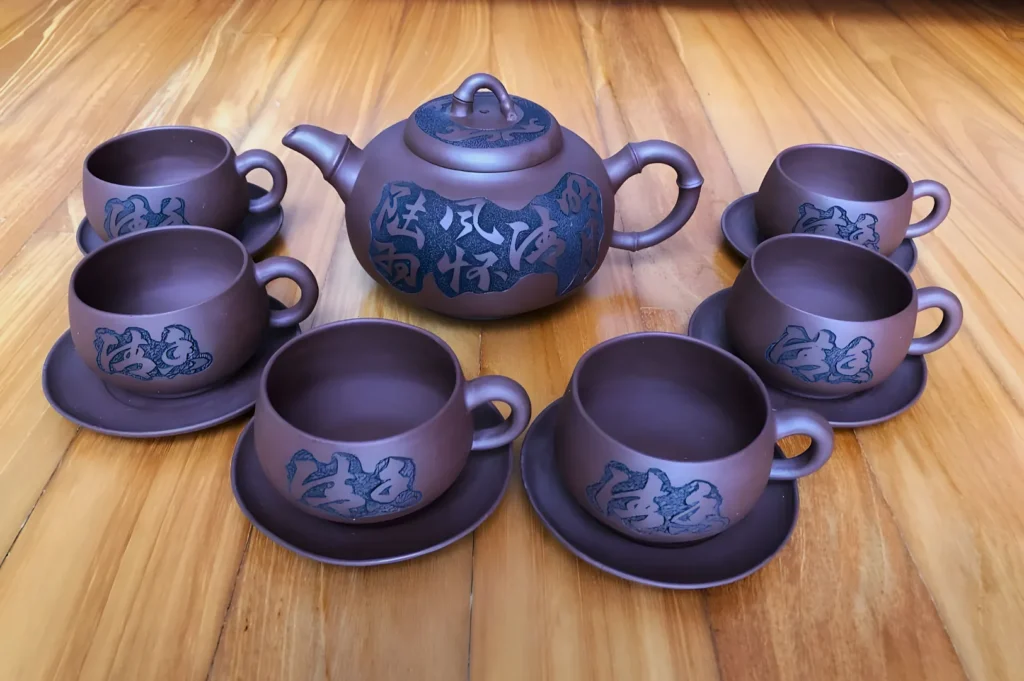
Zisha, the term for the prized purple sand clay from Yixing, China, possesses a unique double-pore structure. This allows the pot to breathe, absorbing the oils and aromas of the tea brewed within it over time. This porosity not only helps to filter impurities from the water but also allows the teapot to develop a “memory” of the teas it has held. With each use, the clay becomes seasoned, enriching the flavour of your brew and creating a vessel that is uniquely yours. It’s a beautiful, symbiotic relationship between object and ritual.
Why Tea Enthusiasts in Singapore Choose Zisha
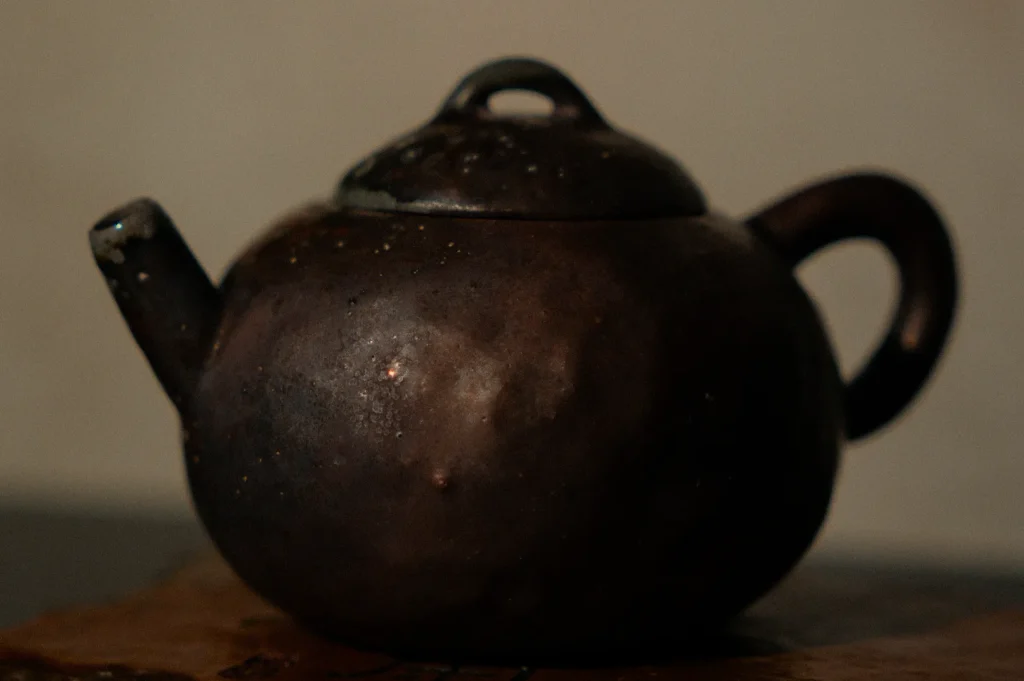
We have observed a growing appreciation for the Yixing Zisha tradition among discerning tea drinkers in Singapore. This is driven by an understanding that both the clay and the artisans who shape it are becoming increasingly scarce. The time-intensive production, from mining the raw ore to the final firing, means that a genuine Zisha teapot cannot be mass-produced. For serious enthusiasts, to own a Zisha pot is to own a piece of functional art. At Tea Room by Ki-setsu, we see it as our responsibility to curate and authenticate these special pieces, making them accessible to those who value this living heritage.
Understanding Yixing Teapot Clay Types: Zi Ni, Duan Ni, and Beyond
The world of Yixing clay is diverse, with each variety offering a different character to enhance your tea. Understanding these types is the first step in selecting the perfect teapot for your personal practice. We typically focus on three main categories.
Zi Ni (Purple Clay)
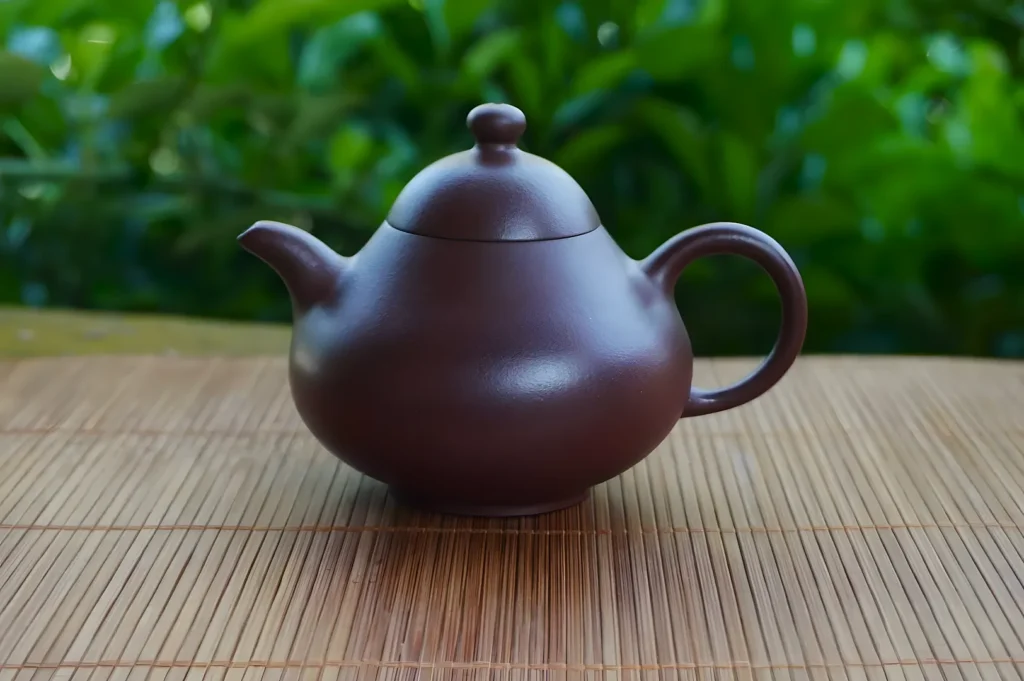
Zi Ni is the most versatile and classic of the Yixing clays. Its rich, purple-brown colour deepens with age, and its medium porosity provides exceptional heat retention. This makes it an ideal choice for robust, high-aroma teas like aged Pu-erh and darker oolong tea. When you brew with a Zi Ni pot, the clay rounds out any sharp edges in the tea brewed, adding a layer of smoothness and depth to the sensory experience.
Duan Ni (Yellow Clay)
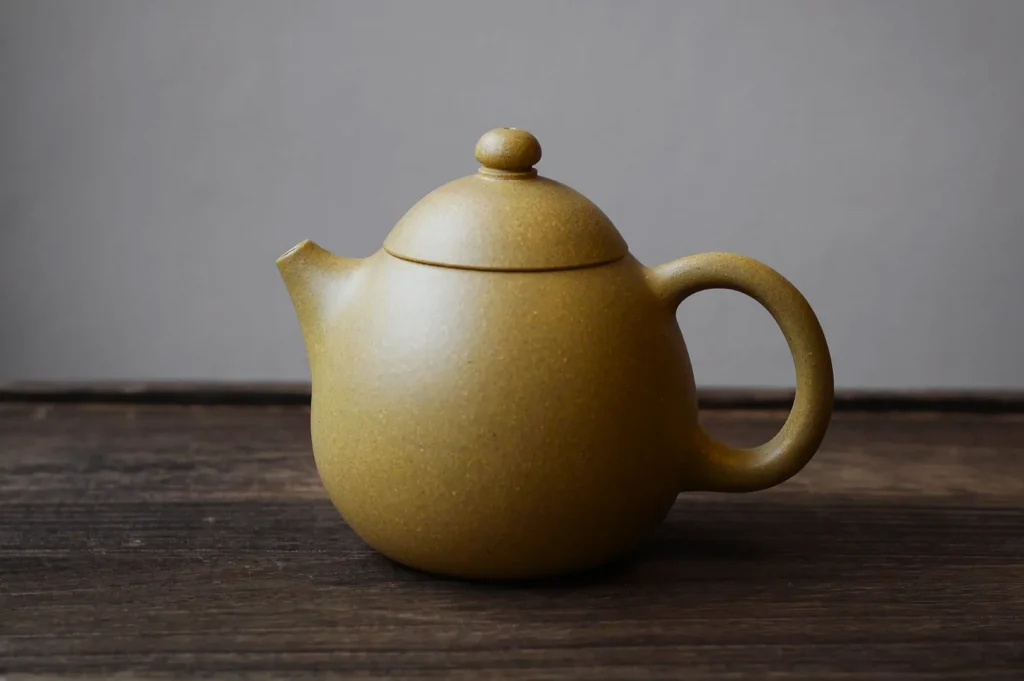
Duan Ni is a lighter-coloured clay, ranging from beige to a soft yellow. It has a slightly higher porosity and lower density than Zi Ni, which means it breathes more freely and does not retain heat as intensely. This makes it the perfect vessel for more delicate teas, such as white tea, green tea, and lightly oxidised oolong. A Duan Ni pot preserves the fresh, floral notes of these teas without overwhelming them, allowing their subtle complexities to shine.
Zhuni (Red Clay)

Zhuni is the rarest and often most prized of the clays. It has a fine, dense structure that requires a higher firing temperature, resulting in a brilliant red hue and superior heat retention. This intense heat-holding ability makes Zhuni pots exceptional for brewing high-fragrance teas, particularly greener styles of oolong tea and aged white tea. The pot seems to amplify the tea’s aromatic oils, creating a truly unforgettable flavour profile. Our stock of these is often limited due to their rarity.
How to Recognize Authentic Yixing Zisha Teapot in Singapore’s Market
The Challenge of Authentication
Navigating the market for a Zisha teapot in Singapore can be a challenge. The popularity of these pots has led to a great many imitations, ranging from machine-made lookalikes to pots made from inferior clay. To buy a genuine Yixing Zisha teapot requires a discerning eye and a trusted source. It’s important to choose a seller who can provide provenance and stands behind their product.
Physical Indicators
An authentic pot has several physical tells. It should feel balanced in the hand, neither too light nor excessively heavy for its size. The texture of unglazed Yixing clay is slightly sandy, never glossy or slick like a glazed ceramic. A high, clear ring when you tap the lid against the body is often a good sign. The lid fit should be precise, with minimal wobbling. Look inside the pot; you may see faint horizontal lines from the shaping process, a mark of true craftsmanship you won’t find in a moulded imitation.
Price Reality
The reality is that a genuine, handmade Yixing Zisha teapot is not cheap. The price reflects the rarity of the clay, the skill of the artist, and the many hours of labour involved. Be wary of pots marketed as authentic Yixing for very low prices. At Tea Room by Ki-setsu, we ensure every pot in our collection is verified for authenticity, sourcing directly from artisans we know and trust. We want our clients to have confidence in what they choose.
First Use and Seasoning Your Zisha Pot
Preparing Your New Teapot
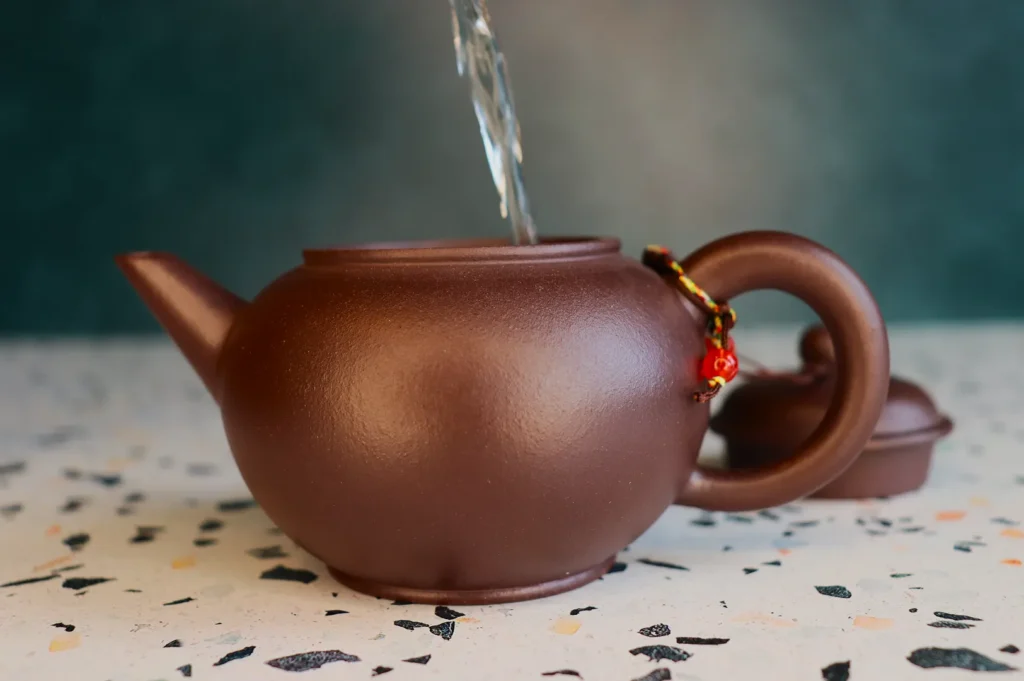
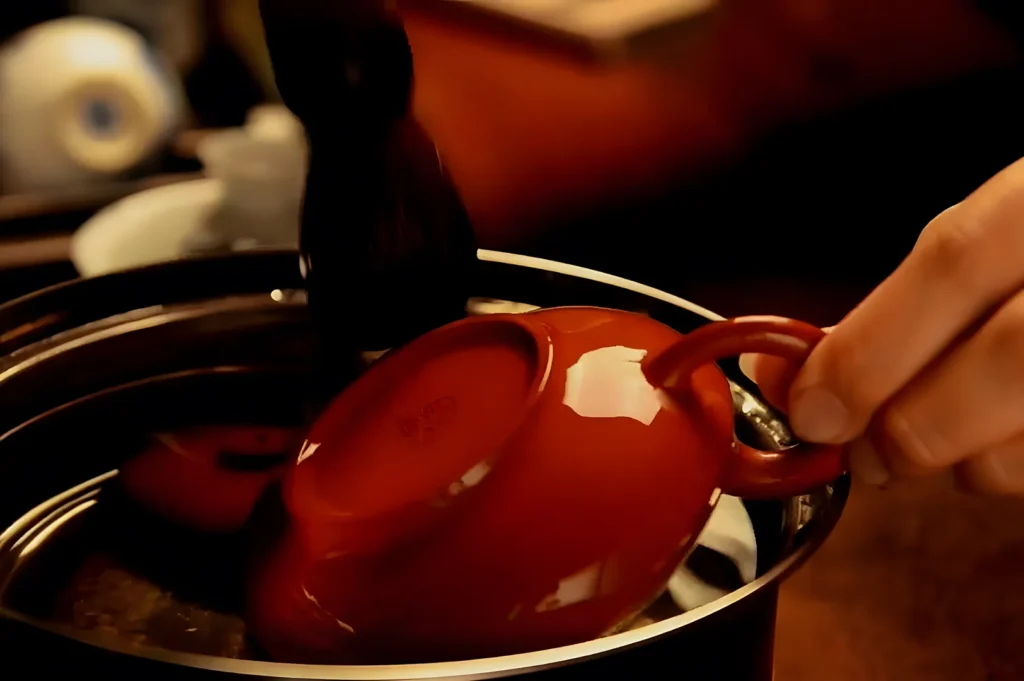
The first use of your Zisha pot is an important ritual that prepares it for a lifetime of service. We recommend a simple but essential process. First, rinse the teapot inside and out with room-temperature water to remove any dust. Then, place it in a clean pot, submerge it in purified water, and slowly bring it to a gentle simmer. After about 30 minutes, turn off the heat and let it cool naturally. Finally, prepare a strong batch of the tea you intend to dedicate to the pot and let the teapot soak in this brew overnight.
One Tea, One Pot Philosophy
The porous nature of Zisha clay means it absorbs the oils of the tea you brew. This is why we, and many tea lovers, adhere to the “one tea, one pot” philosophy. Dedicating your teapot to a single type of tea (e.g., one pot for raw Pu-erh, another for roasted oolong tea) allows it to build a “memory.” Over time, this seasoning will enhance the flavour and aroma of your brews. With years of use, the pot develops a beautiful, lustrous patina—a visual record of the many wonderful tea sessions you have shared.
Caring for Your Zisha Teapot
Daily Care
Caring for your Yixing teapot is a meditative practice in itself. After each session, promptly empty the used leaves. Rinse the pot thoroughly with boiling water only; never use soap or detergents, as they will be absorbed by the clay and ruin the flavour of your tea. Use a soft cloth to gently wipe the exterior, and let the pot air dry completely with the lid ajar to prevent mildew.
What Never to Do
To ensure your Zisha teapot lasts a lifetime, there are a few things to avoid. Never put it in a dishwasher or microwave. Avoid aggressive scrubbing, especially on the inside, as this can damage the seasoned surface you have worked so hard to build. Do not mix different types of tea in a seasoned pot. Finally, avoid thermal shock by always rinsing the pot with warm water before filling it with boiling water. This simple act of care will protect your investment.
Closing: Where Clay Meets Ceremony in Singapore

We return to the image of clay resting in your hands. In a fast-paced city like Singapore, choosing to use a Zisha teapot is a quiet rebellion. It is a decision to slow down, to engage your senses, and to honour the traditions of craftsmanship and art. The right perfect teapot becomes a focal point for ceremony, transforming a simple act into a meaningful ritual. Each tea pot carries a lot of history and a bit of the artisan’s soul, wrapped in a special design that is both functional and decorative.
We invite you to visit us at Tea Room by Ki-setsu, to explore the range of authentic Yixing Zisha we have carefully curated. Our packaging ensures your treasured zisha pot arrives safely, ready to enhance your tea experience. Some purchases we make. Others choose us. The right zisha pot, like the right tea, is both; a meeting of readiness and recognition.
If you’d like to pay us a visit, submit a contact form on our website: https://tearoom.com.sg/#contact-us.