At the heart of every traditional union lies the chinese wedding tea ceremony, a profound ritual that transcends the mere sharing of a beverage. This beautiful practice is a cornerstone of chinese culture, acting as a bridge that unites not just two individuals, but entirely separate lineages. As an ancient tradition, the tea ceremony serves as the most poignant moment of the celebration, where reverence is tangibly poured and gracefully received. For family members, it is a time of deep emotional resonance, symbolising acceptance, gratitude, and the seamless blending of heritage.
We invite you to explore the depths of this beautiful rite, discovering how the simple act of pouring tea holds centuries of meaning, respect, and familial love.
Historical Origins of the Chinese Wedding Tea Ceremony
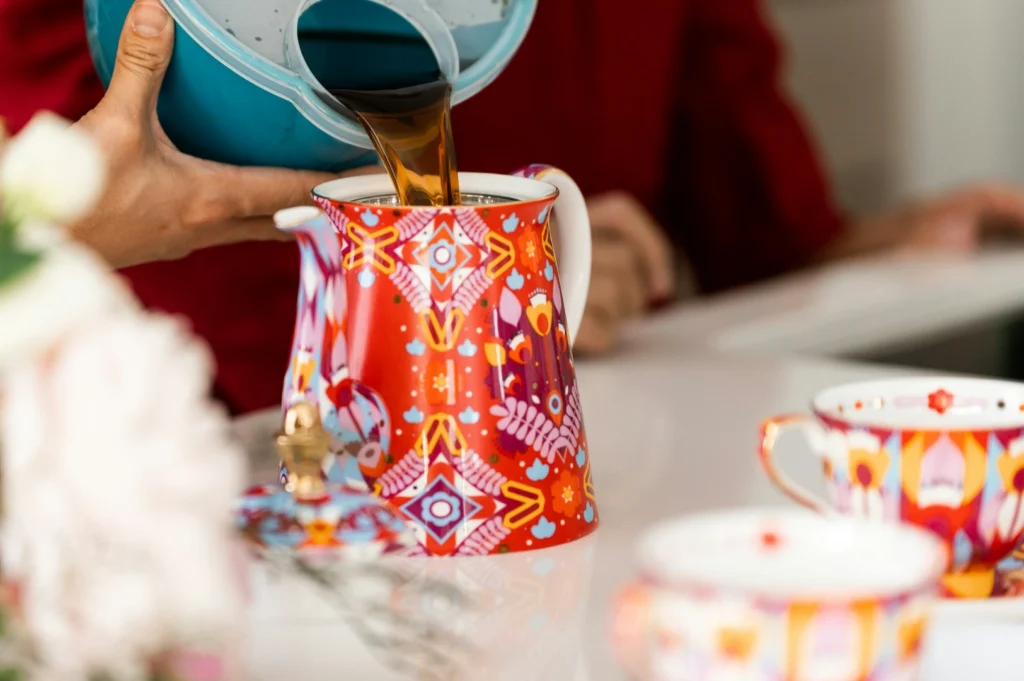
The ritual of the chinese wedding tea ceremony dates back to the Tang dynasty, when tea appreciation became an esteemed art form deeply embedded in chinese tea culture. Buddhist monks played a pivotal role in promoting tea cultivation and integrating tea into spiritual and familial rites. Lu Yu, revered as the ‘Sage of Tea’, authored The Classic of Tea, the first comprehensive treatise on tea, which laid the foundation for tea’s role in formal occasions and tea consumption rituals.
Tea houses emerged as important social centers for betrothals and family celebrations, reflecting the growing significance of tea in uniting families. The tea plant’s steadfast nature symbolized a woman’s loyalty and commitment to her new family. The tradition of preparing powdered tea with a bamboo whisk exemplifies the mindfulness and respect inherent in these ceremonies. Today, the chinese wedding tea ceremony continues to thrive, preserving these values in both casual and formal settings across the bride’s family and groom’s family alike.
Cultural Significance and Values
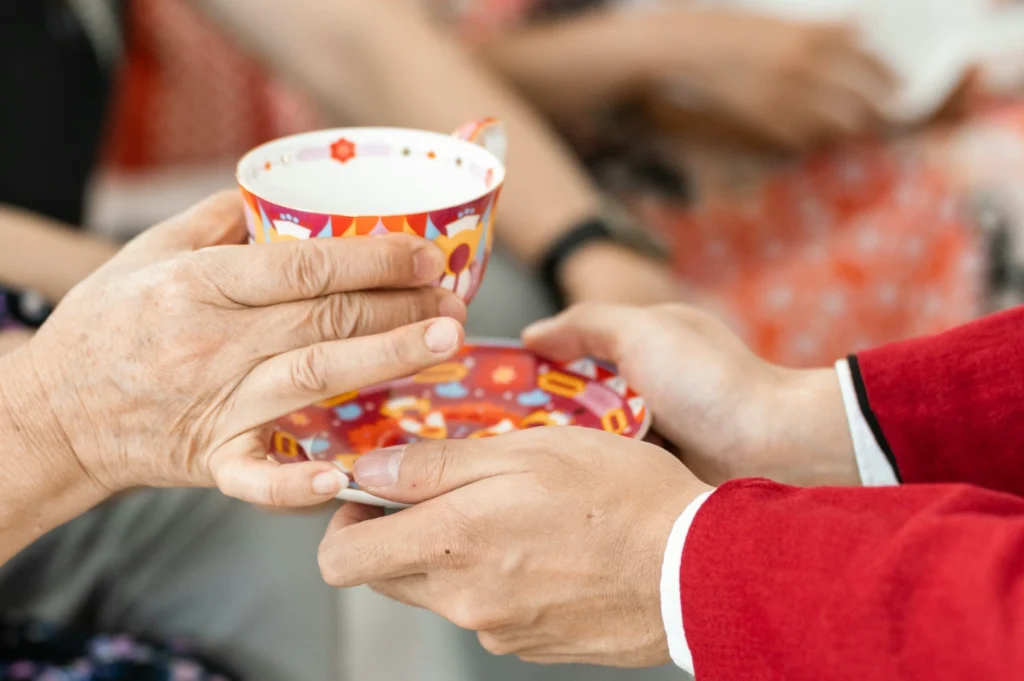
Offering tea expresses filial piety and respect rooted in Confucian cultural values. Kneeling before elders acknowledges their sacrifices. The couple serves tea to both families, symbolizing unification. Serving senior relatives first is essential; their acceptance of tea signifies blessing and welcome.
Elders accept tea with both hands, make eye contact, and offer blessings. Couples should discuss proper Chinese honorifics beforehand to show respect.
Essential Elements for the Chinese Tea Ceremony
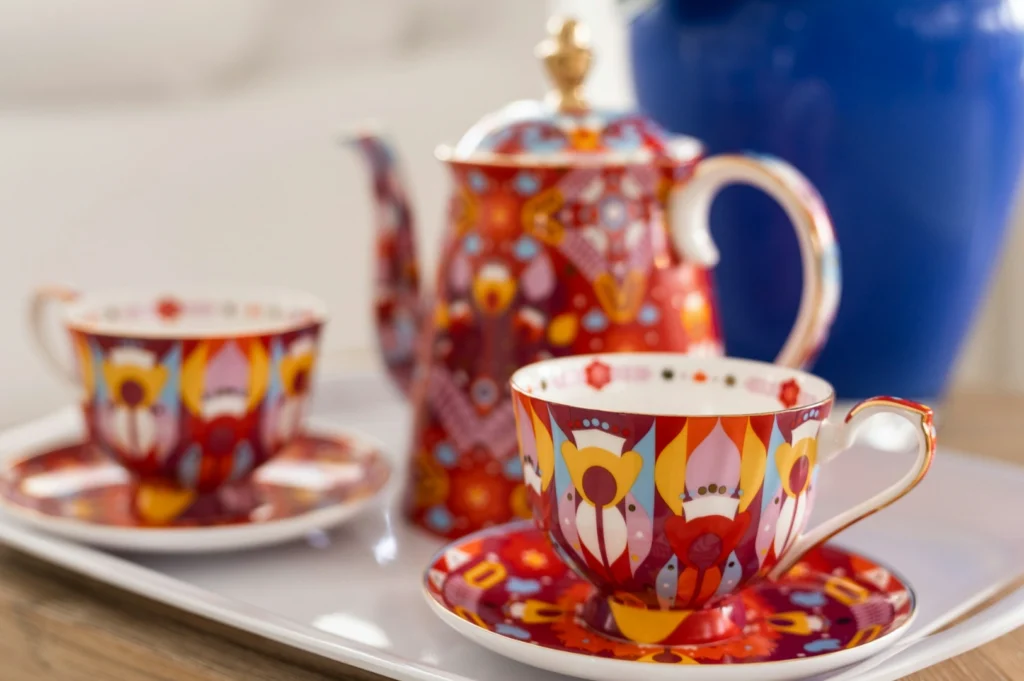
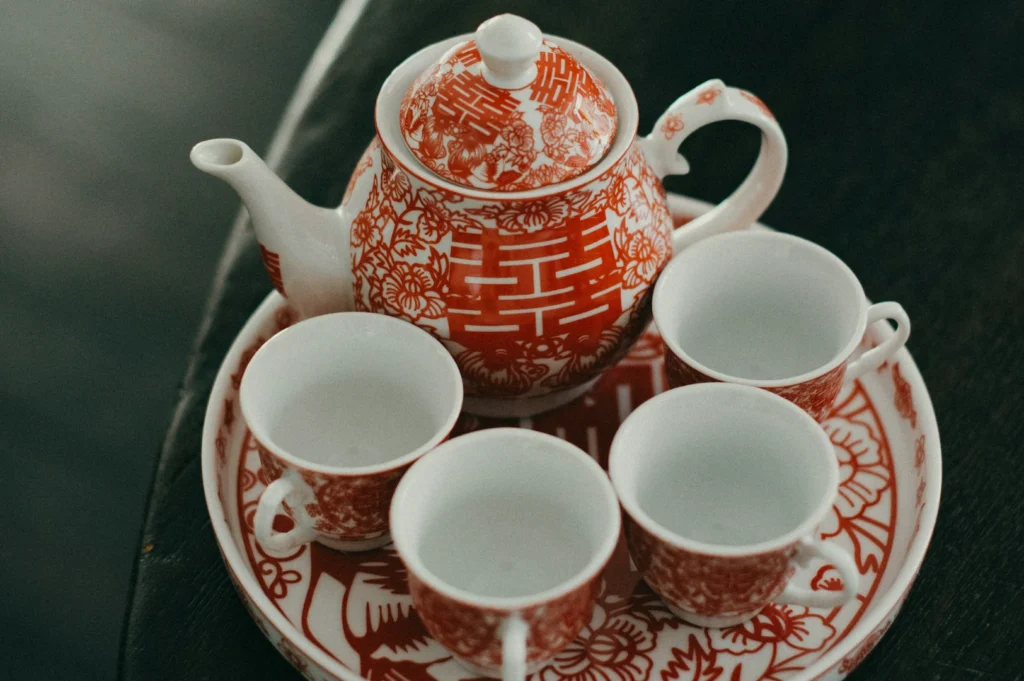
The tea sets used in the chinese wedding tea ceremony are traditionally red or gold, symbolizing good fortune and happiness, often decorated with the chinese character for double happiness (囍), dragons, and phoenixes. White tea sets or those with the character ‘longevity’ are avoided due to funeral associations in chinese culture. The ceremony space features red and gold backdrops, red lanterns, and flower arrangements to create a festive atmosphere.
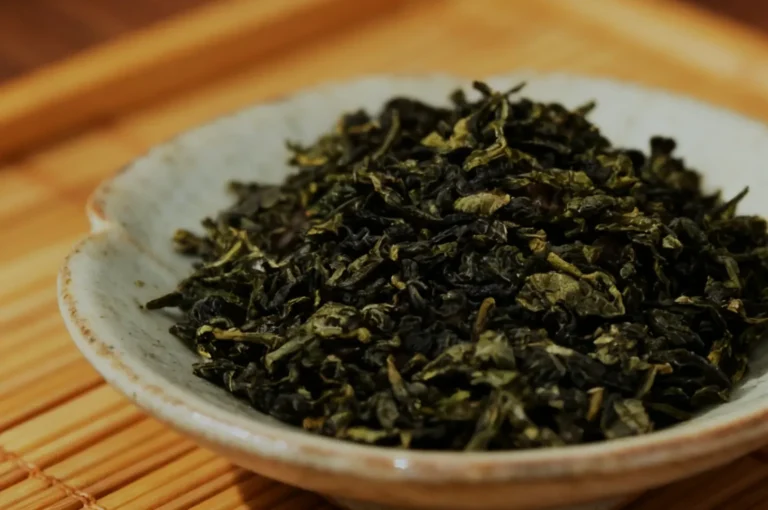
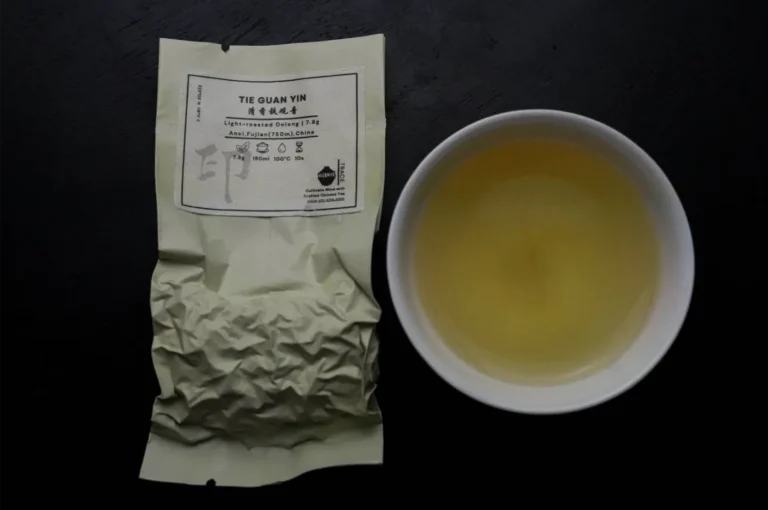
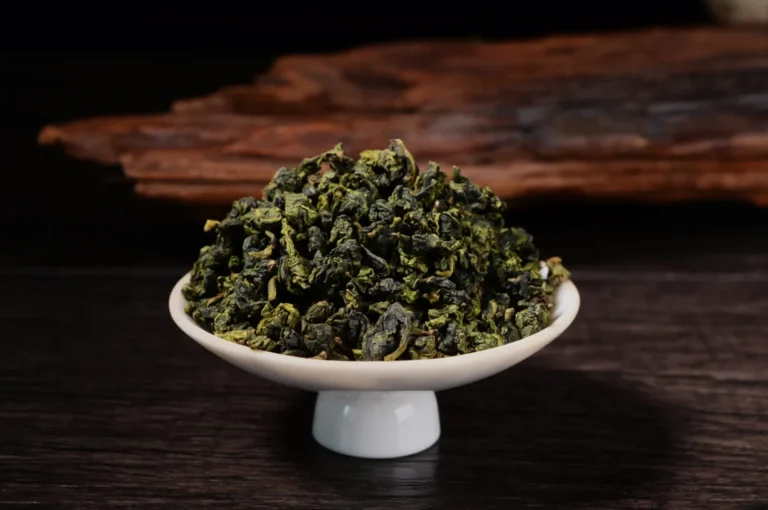
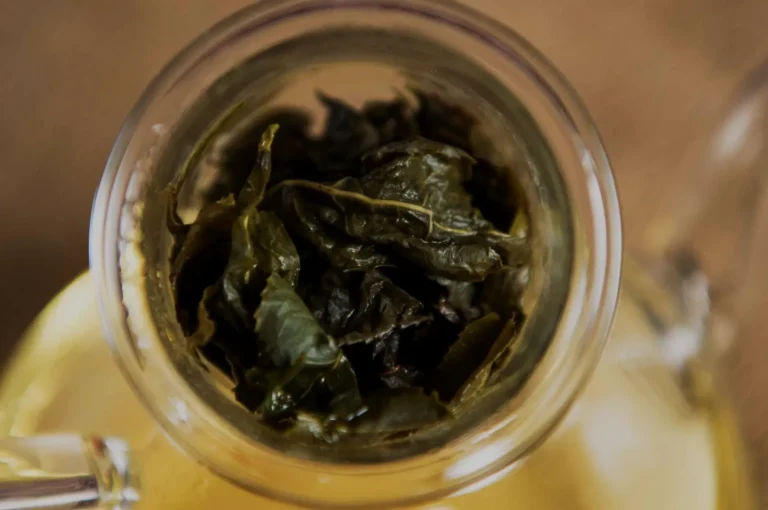
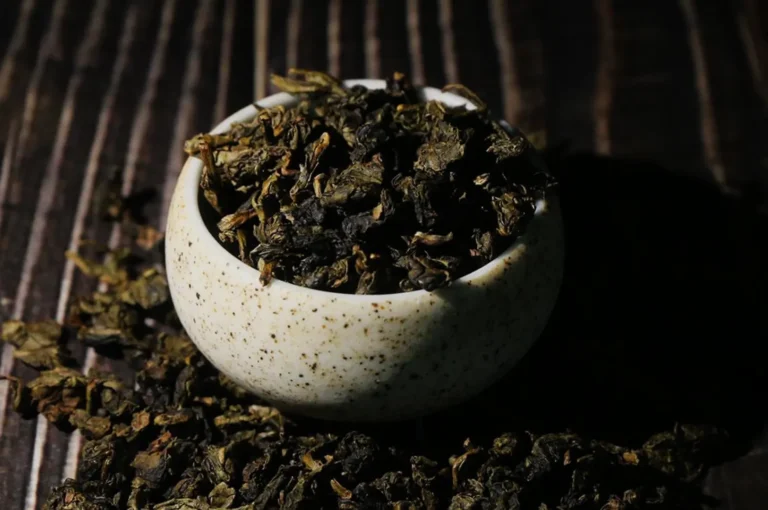
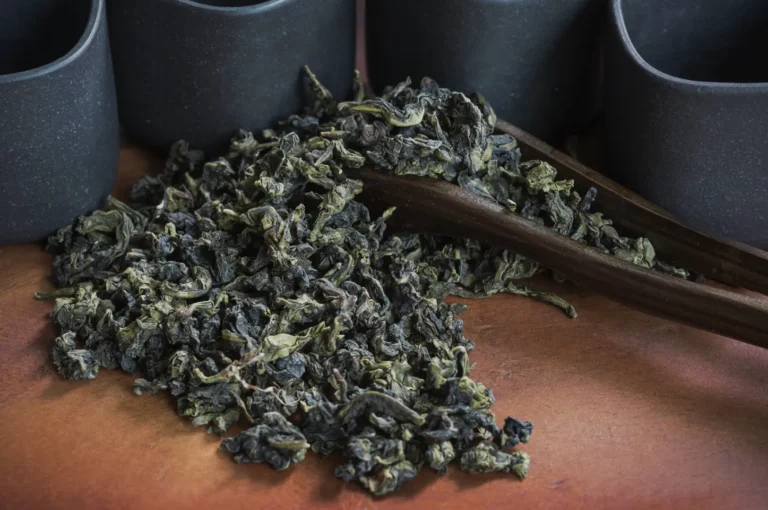
The tea served includes red tea (black tea), green tea, pu’er, tieguanyin, jasmine, and powdered tea, often sweetened with red dates, lotus seeds, and longans, symbolizing fertility and unity.
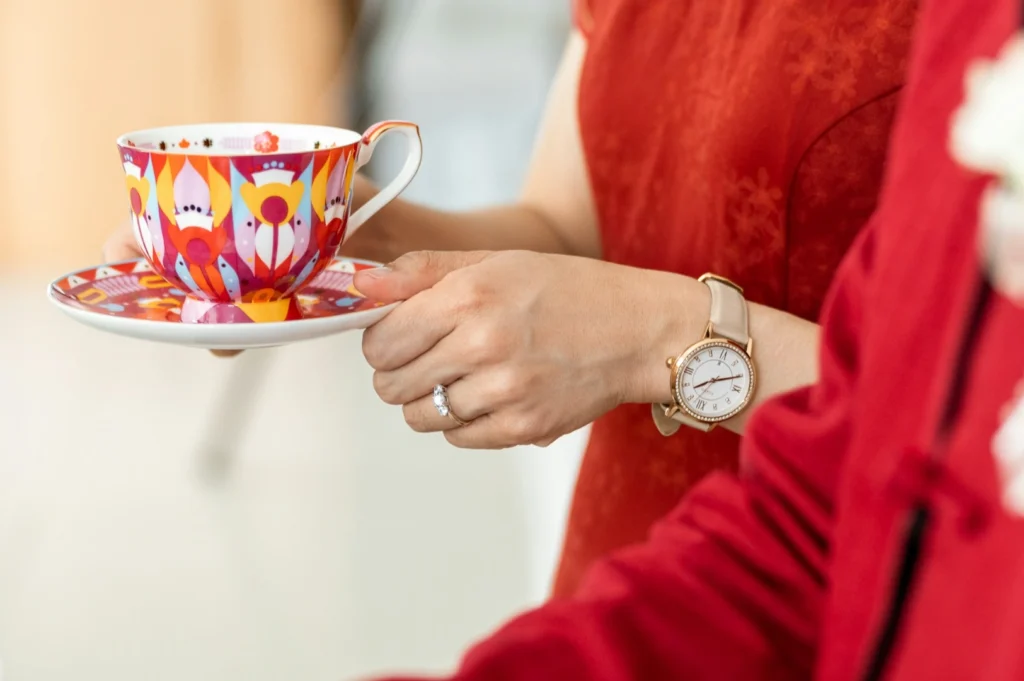
The bride wears a red satin or silk dress like a qipao or kwa with gold accents and jewelry, representing luck and wealth. The groom wears a red mandarin collar jacket or a suit with a red tie. During the ceremony, the couple kneels or bows to serve tea, showing respect. Elders, including both the bride’s grandparents and the couple’s parents, receive tea with both hands and give red envelopes or gold jewelry as blessings.
Step-by-Step Process for the Chinese Tea Ceremony
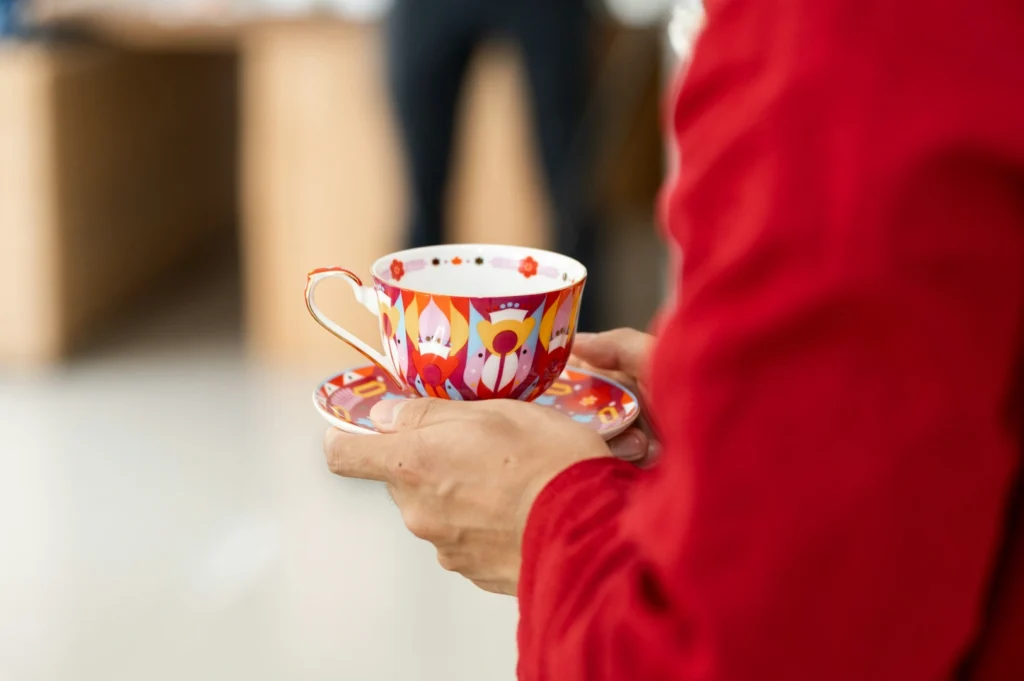
The wedding day ceremony follows a carefully planned sequence to honor tradition and show respect to family elders:
The couple begins by selecting an auspicious date and time for the ceremony.
Brewing tea requires hot water and a calm, focused approach to ensure the tea is neither too bitter nor too weak.
The serving order follows a strict hierarchy based on seniority:
First, the couple serves the groom’s parents.
Next, his grandparents.
Then, other older relatives in descending order of age.
After completing the groom’s side, the couple serves the bride’s parents and her senior family members.
The couple serves tea together, holding the small tea cups with both hands to show full respect.
The bride traditionally stands or kneels to the left of the groom during the serving.
Each elder receives the tea cup, takes a sip, and returns it.
Elders then offer verbal blessings, words of wisdom, and gifts to the couple.
Every movement (from holding the cup to bowing) is a meaningful expression of respect connecting generations.
This entire process embodies gratitude, family unity, and the joining of two families through the symbolic act of offering tea.
The Art of Tea Preparation
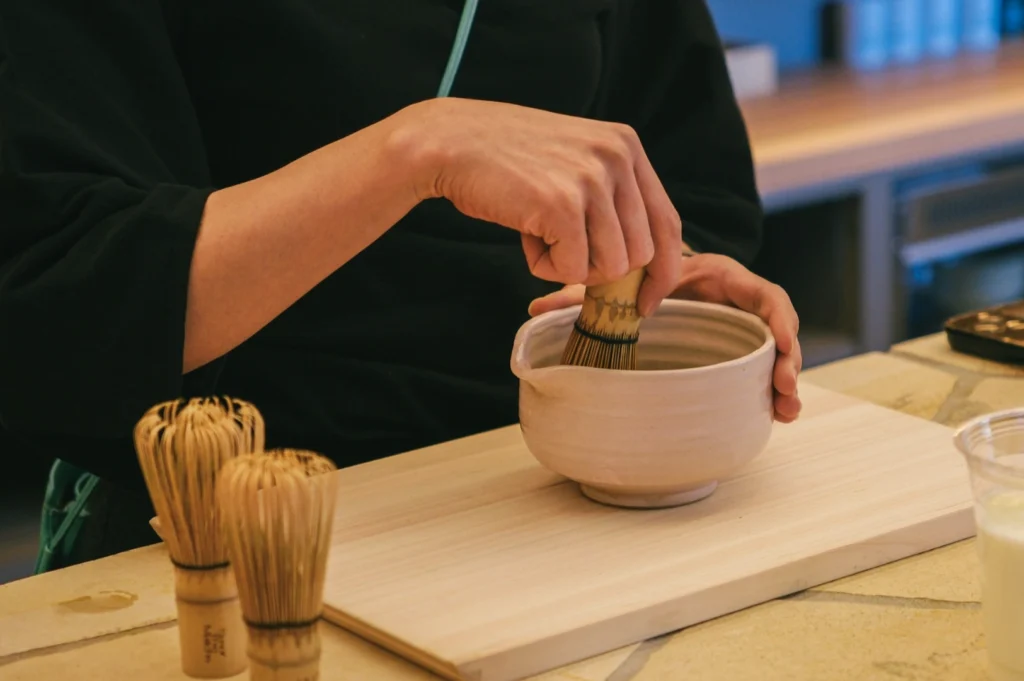
While a wedding context naturally prioritises familial connection over the intricate technicalities of a formal tea ceremony, the art of making tea remains a vital and respected component. Proper tea preparation ensures the brew is smooth, sweet, and comforting for the elders to drink. The selection of high-quality leaves pays homage to centuries of careful tea cultivation.
Though it differs from the highly choreographed, silent nature of the japanese tea ceremony, or the rigorous technical standards demonstrated by a skilled tea master in a private tasting room, the wedding ritual demands its own distinct form of grace. The mindful handling of the tea utensils and the precise temperature of the water reflect the couple’s maturity, patience, and readiness to care for their family. The tea must be steeped to absolute perfection—too bitter, and it suggests impending hardship; perfectly balanced, it promises a harmonious and sweet life ahead.
Regional Variations in Tea Customs
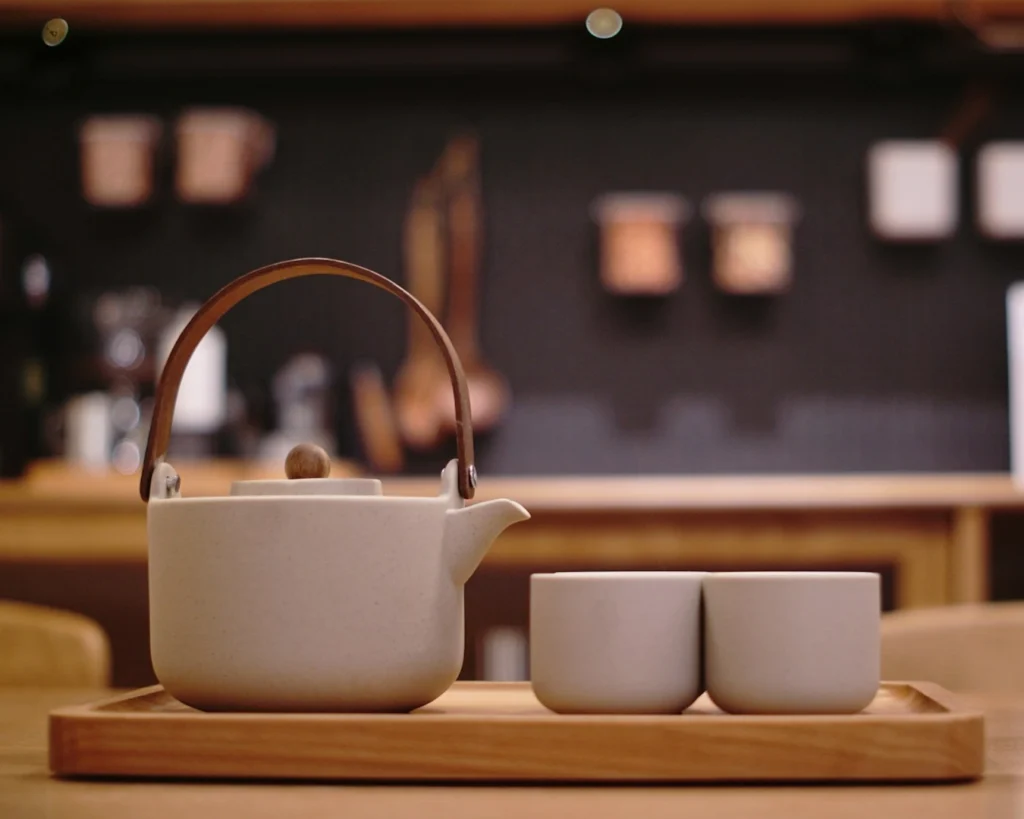
The tapestry of our heritage is vast, and the ceremony reflects beautifully diverse regional customs. In the southern regions of China, the ritual is often highly elaborate, with sweet teas taking precedence, whilst northern traditions might favour more robust, savoury infusions. Variations in tea customs are also evident in the physical setting of the ceremony.
While historically these rites might have taken place in an ancestral hall or a traditional tea house, today’s ceremonies adapt seamlessly to their environments. The journey often begins at the bride’s home, following the lively and joyful door games designed to test the groom’s sincerity and determination, before progressing to the groom’s family home. At a modern wedding venue, the ceremony might be consolidated to a single location for convenience, yet it retains its entire soul. Whether performed on a grand stage or in the quiet intimacy of a family living room, the core intention remains unchanged: a deeply respectful acknowledgement of the roots that have nurtured the couple.
Modern Adaptations of an Ancient Tradition
As our society evolves, so too do our cherished practices. Modern adaptations allow the ancient tradition to thrive beautifully within contemporary lifestyles. Today, it is incredibly common to see the bridal party and younger siblings actively assisting with the logistics, ensuring the tea stays warm in thermal flasks and the cups are swiftly cleansed between servings.
Couples must also balance the intimate nature of the ritual with the practicalities of capturing the moment, often working closely with their wedding photographer to ensure the lighting and positioning honour both the elders and the aesthetics of the day. In the sweltering summer heat or within the strict time constraints of a rented venue, the ceremony might be thoughtfully condensed. Yet, these pragmatic adjustments do not dilute the sentiment. By adapting the form while preserving the function of respect, modern couples ensure that this beautiful heritage continues to be a relevant and deeply moving part of their union.
Cross-Cultural Comparison
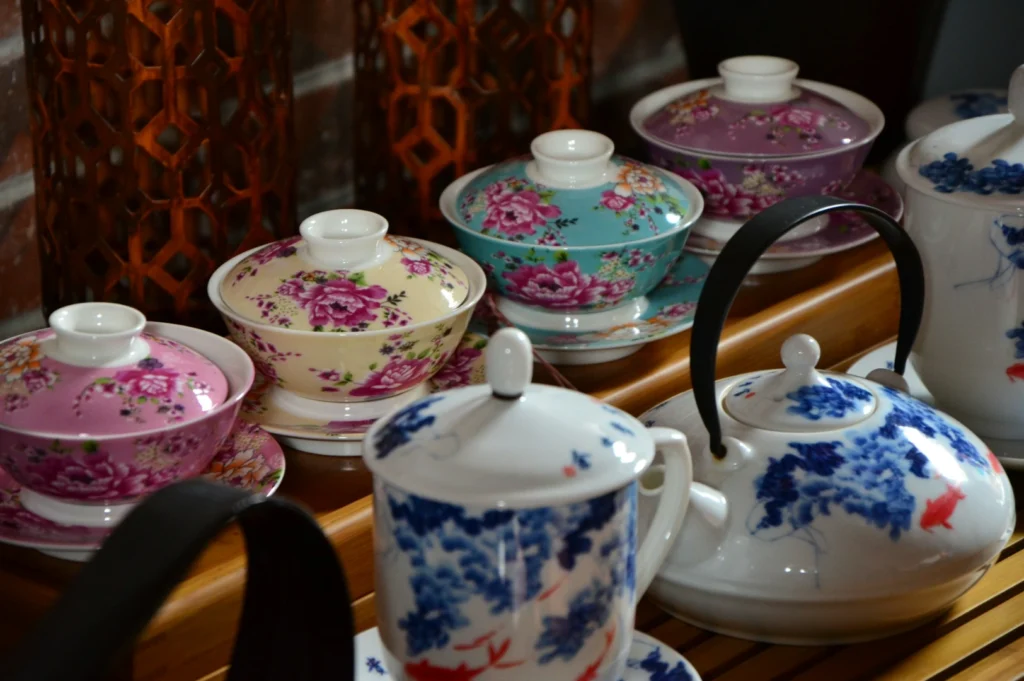
The profound influence of chinese tea culture resonates far beyond our own borders, having shaped the ceremonial practices of numerous Asian societies. The meditative precision of the japanese tea ceremony, for instance, shares historical roots with our early tea practices, though it eventually evolved to emphasise distinct Zen philosophies. Across various cultures, the incorporation of tea drinking into formal occasions remains a universal symbol of harmony, purity, and respect. It serves as a shared language of hospitality and reverence, proving that the simple act of offering a warm cup transcends geographical boundaries and linguistic differences.
Experiencing Authentic Tea Culture in Singapore
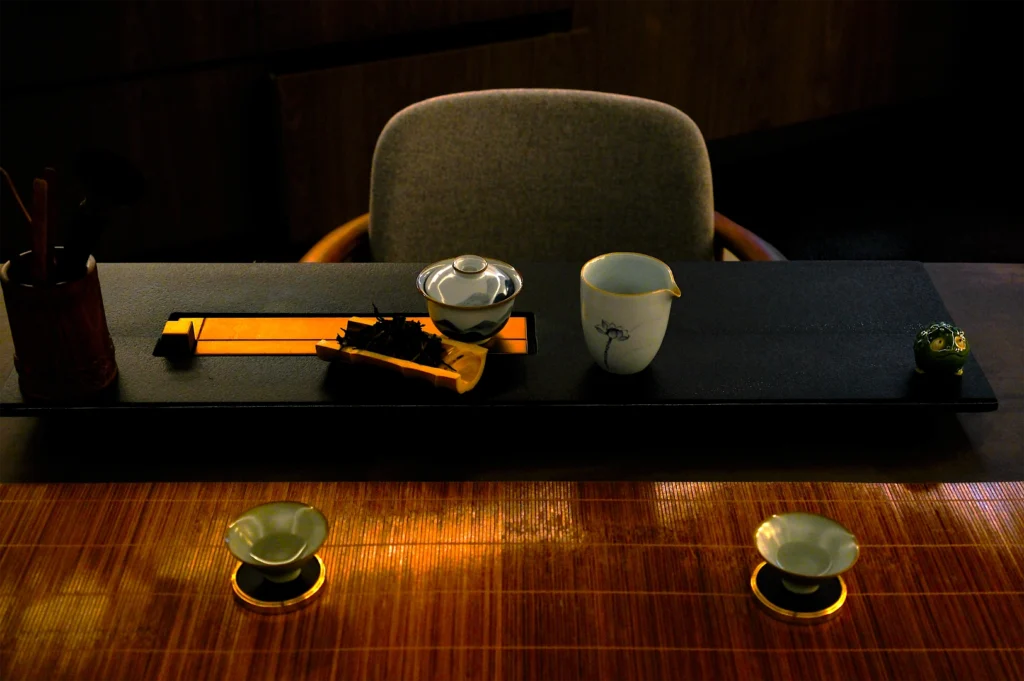
For those wishing to deepen their understanding of these profound rituals, the journey does not have to end on the wedding day. At Tea Room by Ki-setsu, we provide a tranquil sanctuary for exploring the wider world of chinese tea culture. Whether you are preparing for your own traditional chinese tea ceremony or simply wish to cultivate a more mindful lifestyle, our private sessions offer an immersive education in the art of the leaf.
Understanding the delicate nuances of chinese tea profoundly enriches your appreciation of our shared heritage. We warmly invite you to delve deeper into this elegant world by reading our comprehensive Chinese Tea Singapore: Traditional Tea Ceremony Guide, where we explore the meticulous craftsmanship, history, and philosophy behind every thoughtful pour.
Conclusion: The Heart of the Chinese Wedding Tea Ceremony
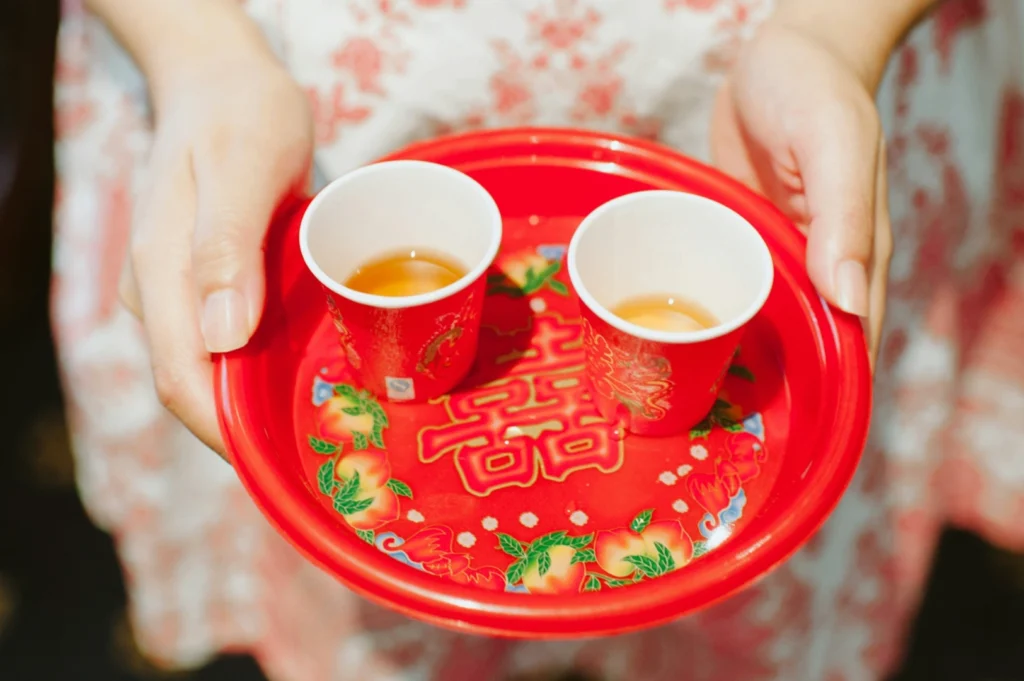
The chinese wedding tea ceremony is far more than a customary requirement; it is the poetic heartbeat of a traditional chinese wedding tradition. By partaking in this ancient ritual, the bride and groom actively honour the deep familial bonds that shape their lives and the extended family. It is a beautiful reminder that while a marriage joins two individuals, it is the coming together of entire family members and other relatives that truly creates a foundation of enduring strength.
In the gentle warmth of the cup, the fragrant aroma of the tea leaves, and the quiet bowing of heads, the exquisite grace of chinese culture and its cherished tea culture is perfectly, and eternally, preserved through the act of drinking tea. This formal tea ceremony, where the couple serve tea to their elders, embodies respect, gratitude, and the unification of two families, making it an essential part of every chinese wedding.