
It often begins with a pause.
A guest lifts the cup, inhales, takes a careful sip, and then says the word most people reach for first: “earthy.” It is not wrong. It is simply unfinished. Pu-erh can indeed feel close to the earth, but so many things can. Clean forest floor after rain. Dry bark. Old wood. A cool stone room. Even something less welcome, like damp cardboard or stale storage. The difference matters.
This is why language matters in tea.
A clearer vocabulary does not make tasting formal. It makes it more honest. It helps us recognise what is beautiful, what is simply unusual, and what may be a sign that something is off. In this guide, we want to offer a practical way into pu-erh tea taste, along with a calm tasting method you can return to at home or refine over time in a guided session.
Quick Answer: What Does Pu-erh Taste Like?
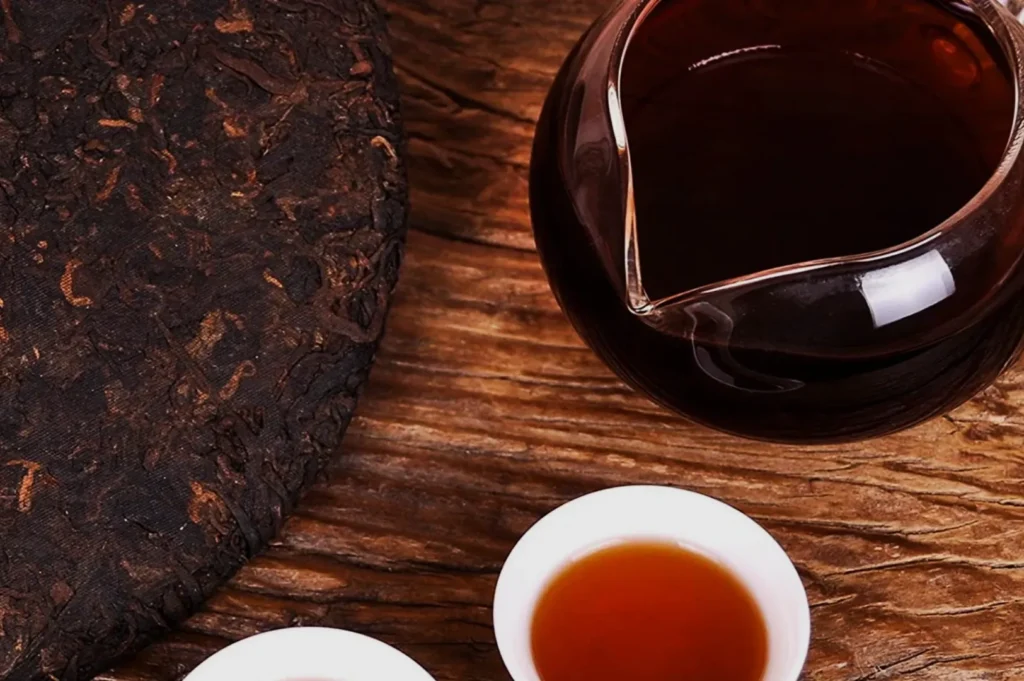
Pu-erh can taste earthy, woody, mineral, sweet, camphor-like, fruity, cocoa-toned, floral, herbal, or quietly clean, depending on whether it is sheng or shou, how it was stored, how old it is, and how it is brewed. What does pu-erh taste like? It depends, but it rarely says only one thing at a time.
Young raw pu-erh often feels brighter, more lifted, and more aromatic. Aged raw pu-erh can become deeper, cooler, and more settled. Ripe pu-erh often moves toward dark sweetness, warm grain, clean earth, and gentle richness.
What helps most is not memorising a list, but learning how to notice the tea in stages.
Pu-erh In Plain Terms
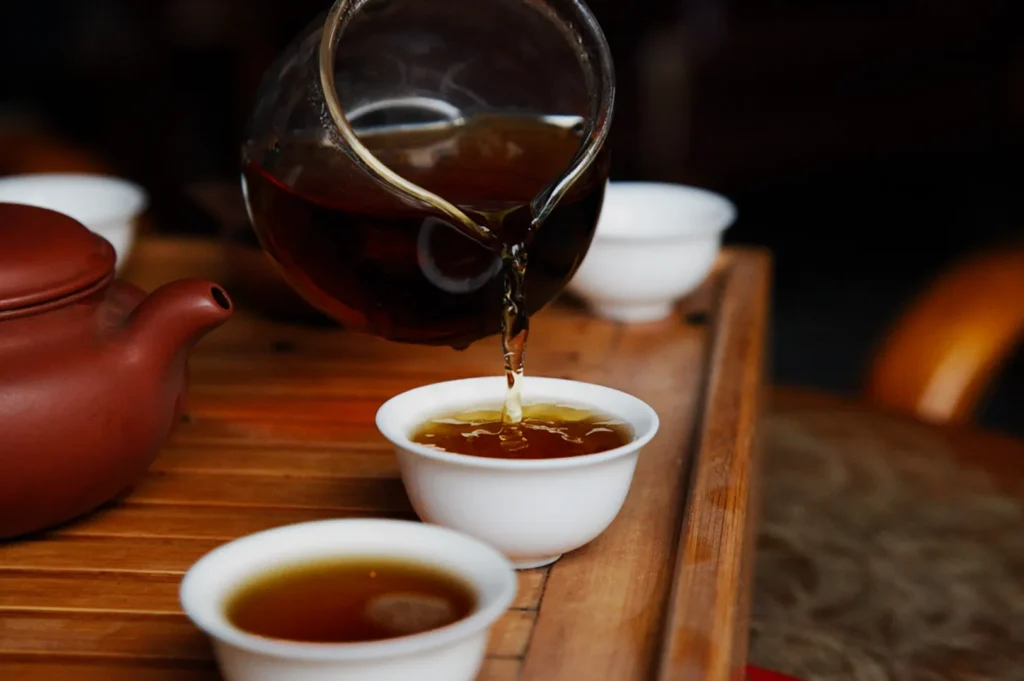
Pu-erh is a tea from Yunnan, long associated with age, storage, and gradual transformation. Unlike teas that are prized mainly for fresh harvest brightness, pu-erh is often appreciated for how it settles and changes over time. That change may happen over a few years or over decades, depending on the tea and the conditions around it.
This is part of why description can feel difficult at first. Pu-erh is rarely only floral, only woody, or only sweet. It often moves through several registers within one session. The dry leaf may suggest one thing. The warmed leaf another. The empty cup another still.
If you are new to this world, it may help first to read more about the complexity of pu-erh tea, because vocabulary becomes easier when the tea’s nature is understood in context.
A Simple Tasting Framework (So You Notice More)
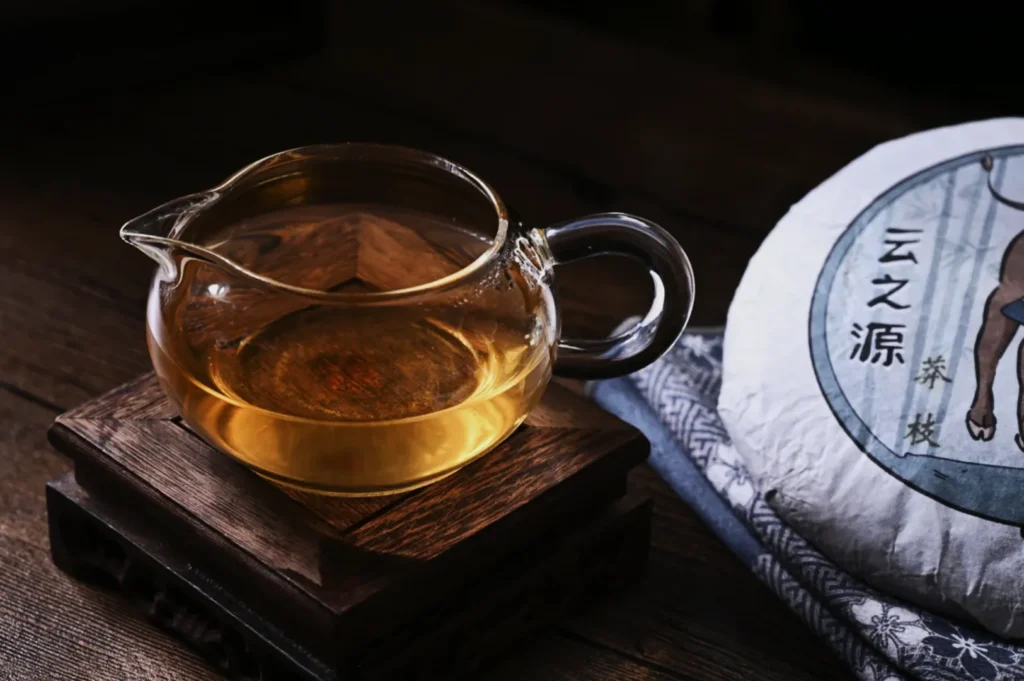
A good tasting framework slows you down without making the experience rigid.
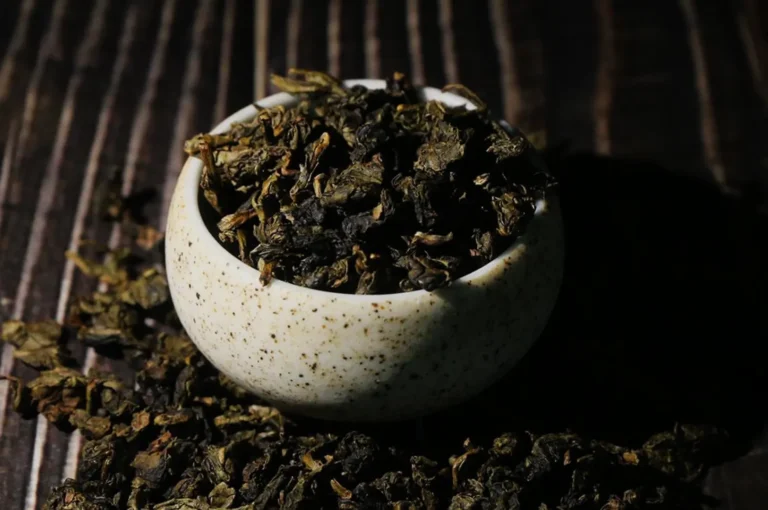
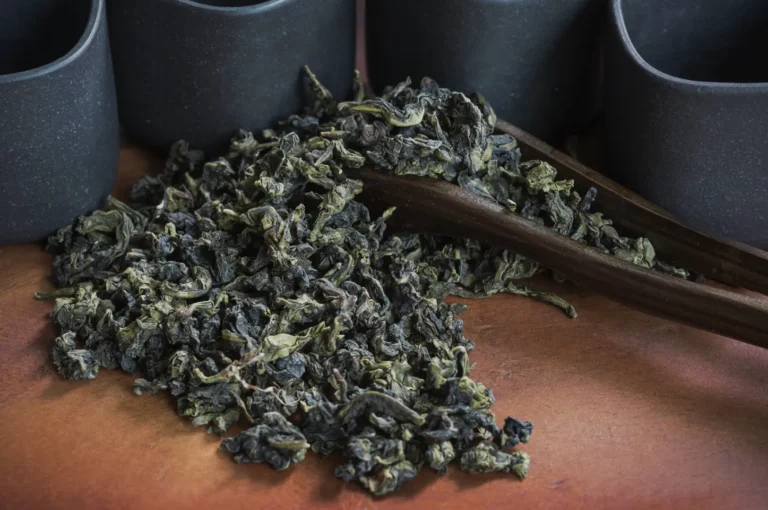
Begin with the dry leaf. Smell it before heat touches it. This often reveals storage character, age, and broad direction. Then warm the vessel, add the leaves, and inhale again. The warmed leaf usually speaks more openly.
After the rinse or first infusion, smell the wet leaf. This is often where the tea tells the truth. The liquor itself then offers another layer, sometimes lighter or clearer than the leaves suggest.
From there, pay attention to:
- Texture: thin, silky, broad, oily, dense
- Aftertaste: short, cooling, sweet, mineral, drying
- Endurance: whether the tea holds across several infusions or collapses early
We often suggest asking six quiet questions:
- What does the dry leaf smell like?
- What changes when the leaf is warmed?
- What does the wet leaf reveal?
- What does the liquor smell like?
- How does it feel in the mouth?
- What remains after swallowing?
The point is not to sound impressive. The point is to notice more.
Sheng Vs Shou: Two Taste Dialects
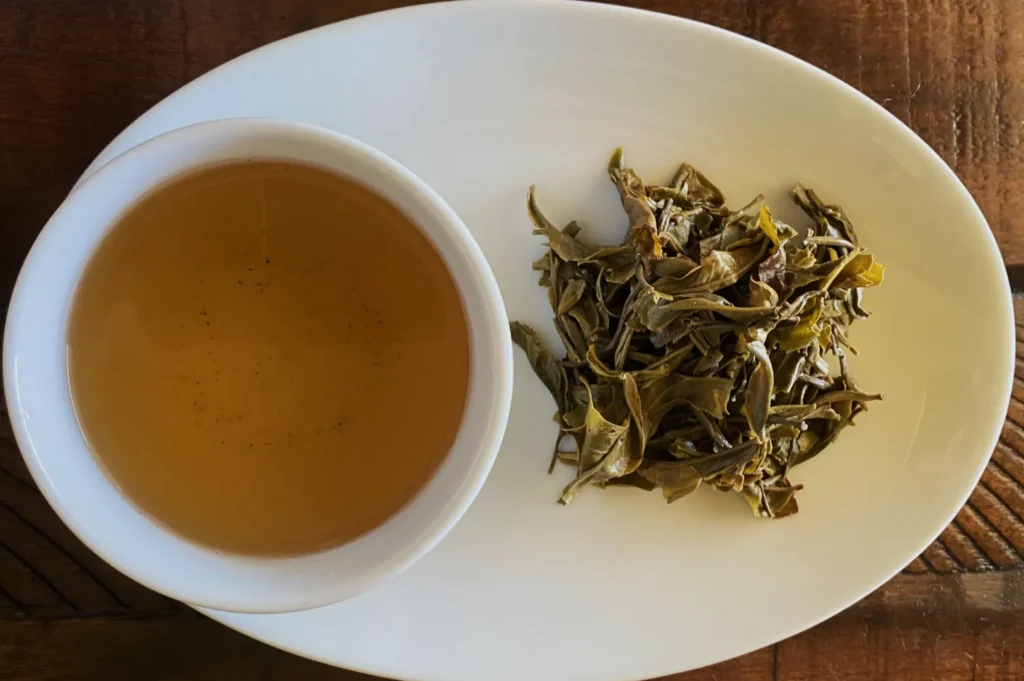
Sheng and shou are both pu-erh, but they speak differently.
Young sheng often leans toward lifted aromas, florals, herbs, stone fruit, fresh bitterness, minerality, and an active kind of energy in the cup. With age, sheng can turn cooler, deeper, woodier, more camphor-like, sometimes sweeter and more spacious.
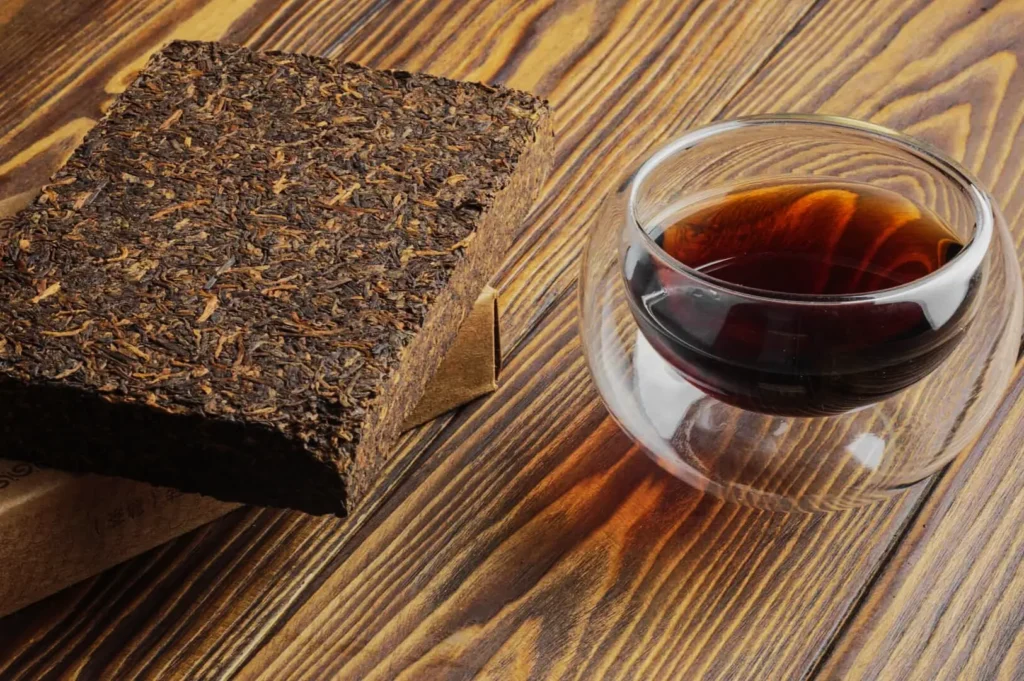
Shou tends to begin in another register. Good ripe tea may offer clean earth, damp forest floor in the best sense, date, cocoa, dark grain, walnut shell, or warm wood. It is usually rounder and less high-toned than sheng, though quality and storage make a great difference.
Neither style is superior. They simply ask for different language. If you want to explore flavour differences across sheng and shou, that comparison is worth tasting slowly rather than deciding too quickly.
Earthy, But Which Kind?
“Earthy” is often the first word people use because it feels safe. But it can point in very different directions.
Clean earthy notes may suggest:
- forest floor after rain
- dry soil
- old wood
- mushroom in a gentle, savoury sense
- dark mineral warmth
Less desirable earthy notes may suggest:
- damp cardboard
- stale cupboard
- wet basement
- old cloth
- storage that feels murky rather than alive
This is where precision becomes useful.
If You Notice X…
- Clean forest floor: often welcome, especially in good shou or aged sheng
- Dry soil or bark: can be a stable, grounding note
- Damp cardboard: often points to tired or poor storage
- Musty earth: proceed with caution and inspect the tea more closely
- Wet basement smell: not a note to romanticise
In a humid city like Singapore, this distinction matters. Tea stored near lingering kitchen moisture, stale cupboards, or closed wardrobes can take on the wrong kind of earthiness.
Woody Notes: From Fresh Timber To Old Books
Woody notes sit on a broad spectrum.
At one end, you may find fresh timber, sandalwood, split branch, or dry bamboo. These can feel elegant and clear. At the other, you may find old books, cedar chest, antique cabinet, or dry paper. These can be beautiful too, especially in aged teas, if they feel clean and integrated.
Woodiness can come from age, compression, storage, or simply the natural character of the tea. In some aged shengs, woody notes feel cool and lifted. In some shou, they feel darker, warmer, and more settled.
What matters is whether the wood note feels alive or stale. Clean wood can be part of depth. Stale wood can flatten the cup.
Camphor And Cooling Lift: What It Means
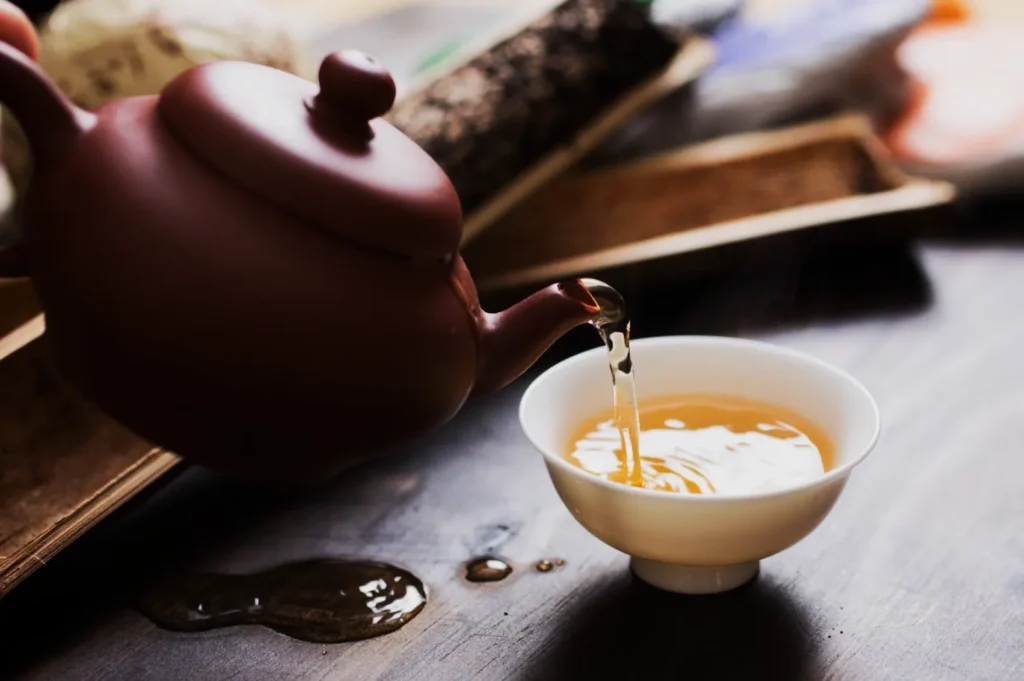
Camphor is one of those descriptors that can sound more dramatic than it feels.
In tea, camphor usually points to a cool, resinous lift that appears in the aroma, the breath, or the aftertaste. It may remind some drinkers of old Chinese medicine cabinets, cooling herbs, pine resin, or a fresh medicinal wood note. In the best cases, it is not harsh. It rises gently and clears the palate.
This note is often described in certain aged teas, especially older sheng, though not every aged tea will show it. When it appears well, it can feel elegant and expansive rather than forceful.
Fruit, Cocoa, And Warm Sweetness
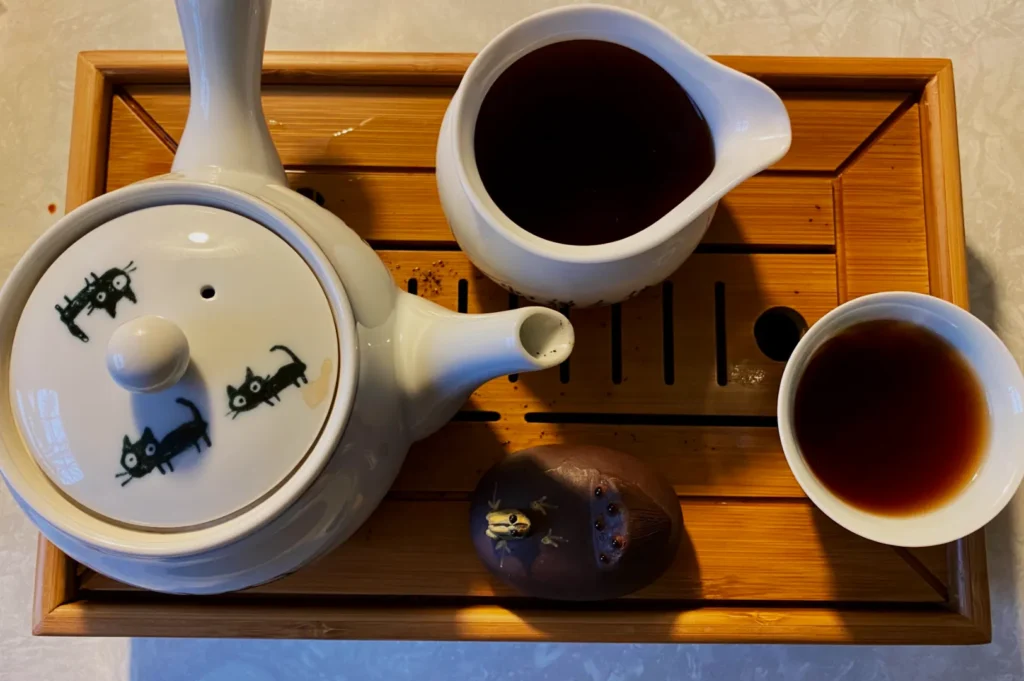
Pu-erh is not always dark and austere. It can also be generous.
Dried fruit notes are common and helpful in description. Think of:
- red date
- prune
- longan
- fig
- raisin
These notes often appear in ripe pu-erh and in some aged teas where sweetness has deepened over time.
Cocoa and roasted grain notes can also emerge, especially in well-rested shou. They may suggest:
- cocoa powder
- dark bread crust
- toasted barley
- warm grain porridge
These notes usually make the tea feel comforting rather than sharp. They broaden the cup and often soften the impression of earthiness. When drinkers say a shou feels “warming” or “deep,” this is often the direction they mean.
Texture And Aftertaste: Body, Oiliness, And Hui Gan
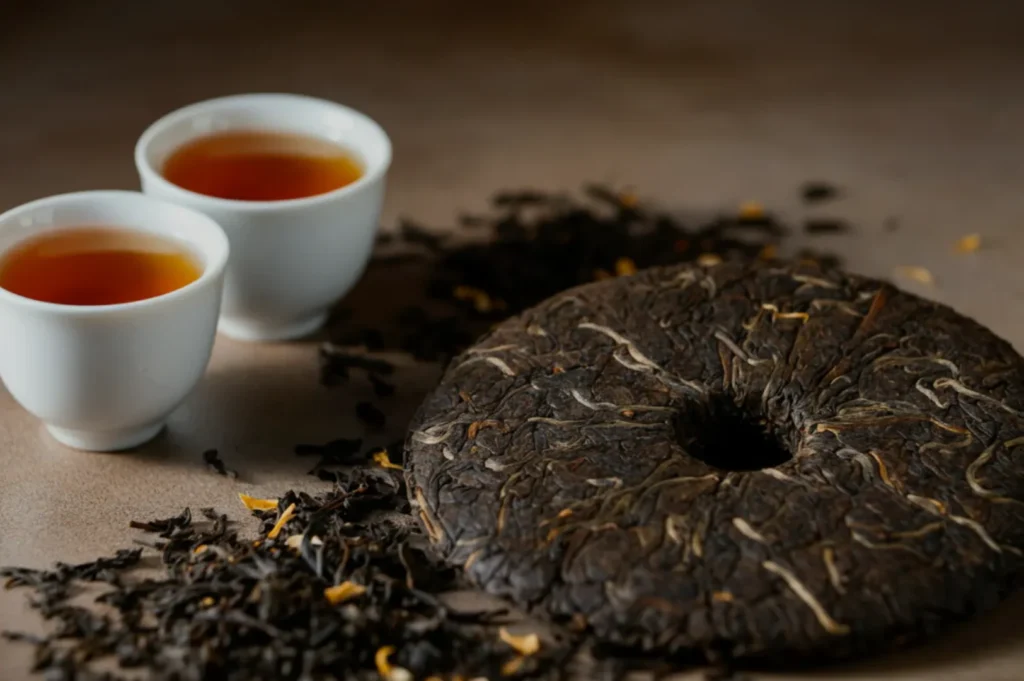
Flavour alone does not describe pu-erh fully. Texture matters just as much.
Pu-erh mouthfeel may feel:
- light and quick
- silky
- broad
- oily
- thick
- slightly drying
- clean and watery in a sweet way
A tea may also show hui gan returning sweetness, which is not immediate sweetness on the tongue, but sweetness that appears after swallowing. It may rise at the back of the throat, in the breath, or as a gentle return on the sides of the mouth.
This is one of the quiet pleasures of pu-erh. The tea continues after the sip.
Some teas also show endurance. The first infusion may be reserved, the second more open, the third more complete. That endurance is part of the experience and part of the value. A tea that keeps revealing itself is often more interesting than one that arrives loudly and then fades.
A Practical Map: Descriptor To Meaning To Adjustment
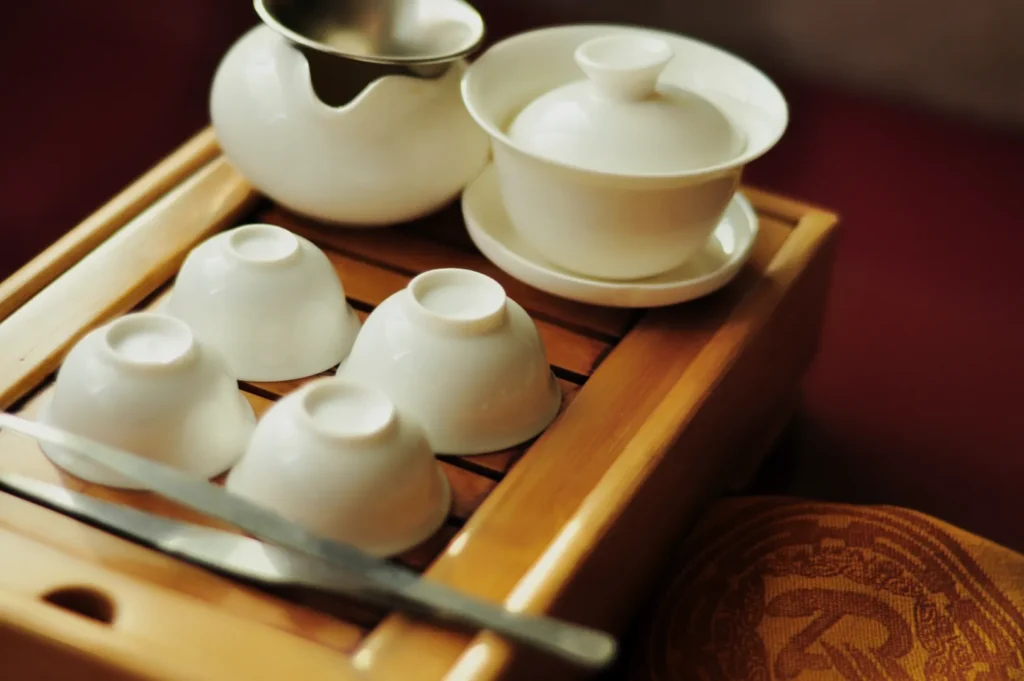
Below is a simple guide you can use in session.
| Descriptor | What It Can Mean | A Gentle Adjustment |
| Clean Earth | Good shou or aged profile | Keep brewing steady |
| Musty | Storage issue or excess humidity | Check leaf and reduce expectations |
| Fresh Wood | Younger or cleaner ageing notes | Try shorter steeps |
| Old Books | Mature storage character | Notice if it feels clean or stale |
| Camphor | Cooling aged complexity | Use a thinner cup and slower sipping |
| Dried Date | Settled sweetness in shou or aged tea | Slightly longer infusions can help |
| Cocoa | Warm roasted or dark sweet profile | Use fuller brewing to open texture |
| Floral Lift | More common in sheng | Lower temperature slightly |
| Sweet Water | Good mineral clarity and clean finish | Keep water and timing consistent |
How To Practise At Home (Or In A Guided Session)
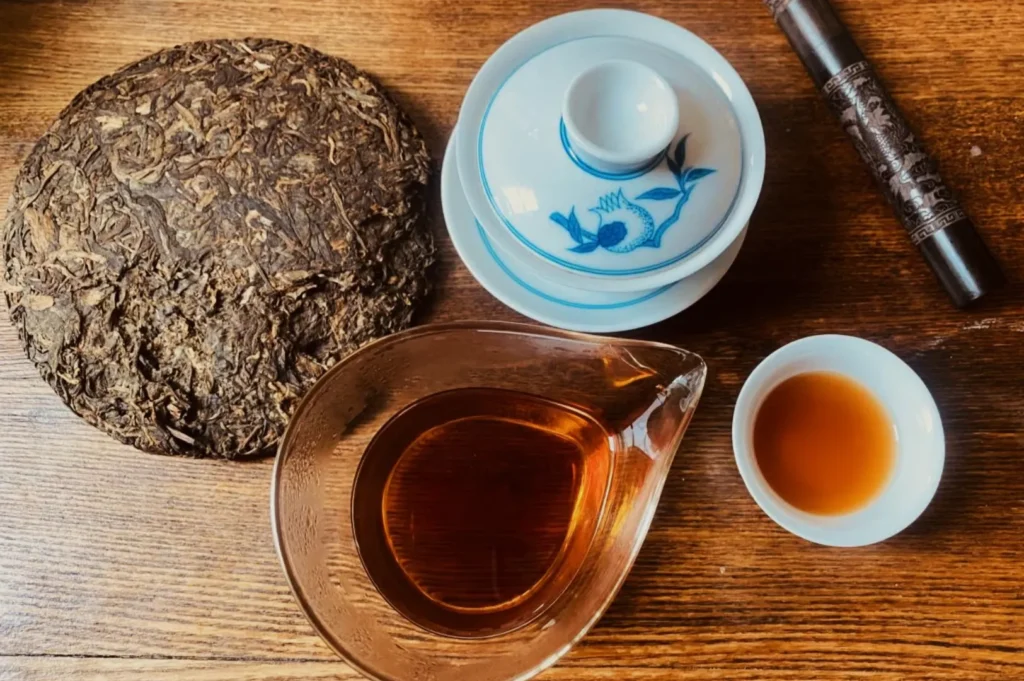
The easiest way to learn how to taste pu-erh is through consistency.
Use the same water for several sessions. In Singapore, filtered water can make a noticeable difference, especially if your tap water tastes hard or slightly chlorinated. Use similar leaf weight. Keep steep times steady. Change one thing at a time.
A simple ritual:
- choose one tea
- brew it the same way for three sessions
- write three descriptors for aroma, three for taste, and one for aftertaste
- notice what changes and what repeats
A guided tasting can shorten this learning curve. In a busy city, where time and attention are often fragmented, it helps to sit in a quieter setting and compare cups with someone who can point to the difference between clean age and stale storage, or between forest floor and damp cardboard.
A Clearer Vocabulary, A Deeper Enjoyment
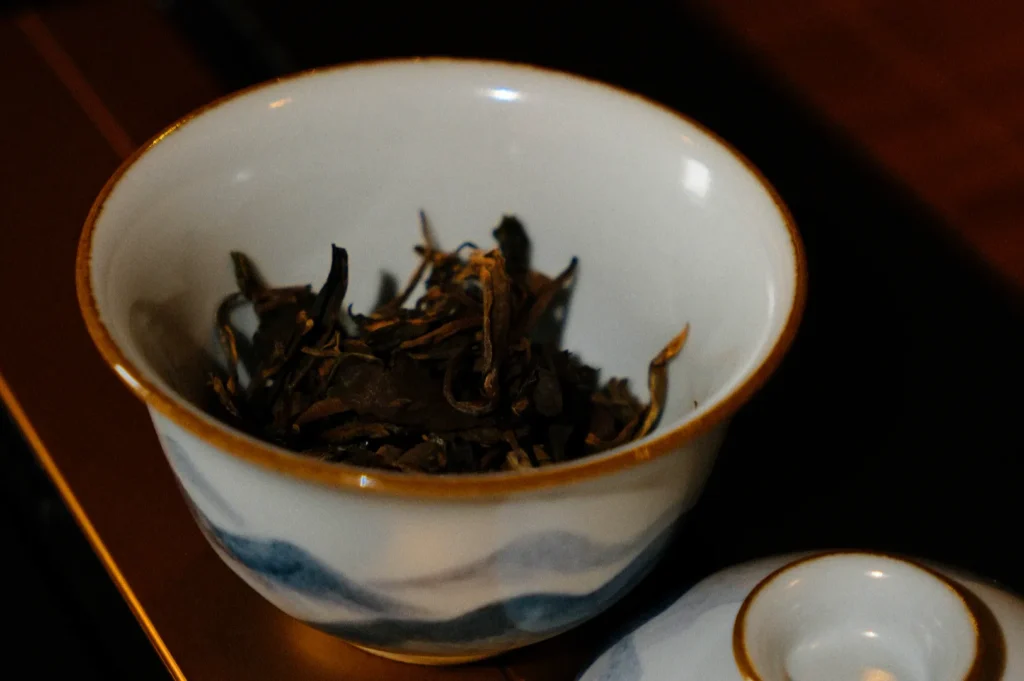
The more precisely we describe pu-erh, the more fully we can enjoy it. “Earthy” may be a beginning, but it does not need to be the end. Once you start to notice wood, camphor, mineral sweetness, cocoa, dried fruit, texture, and returning sweetness, the cup becomes more spacious.
At Tea Room by Ki-setsu, this is part of what we value in a tasting. Not performance, but clarity. Not pressure, but attention. A well-guided cup can make language feel less intimidating and far more natural, and from there, the tea begins to speak more clearly on its own.