The Japanese tea ceremony is a profound expression of Japanese culture, offering a moment of quiet reflection amidst the joyous celebration of marriage. For centuries, this traditional tea ceremony has served as a beautiful, meditative bridge connecting two families. When guests gather in Japan for a wedding, the sharing of a single bowl of tea transforms a formal event into a deeply spiritual union.
This elegant ritual, known as the chanoyu tea ceremony, focuses on presence, grace, and mindfulness. Every movement in the ceremony carries weight, honouring the transient beauty of the present moment. At Tea Room by Ki-setsu, we often reflect on how the traditional Japanese approach shares remarkable parallels with our own Chinese heritage. By comparing these two deeply rooted traditions, we gain a richer understanding of how the simple act of pouring tea has united families across Asia for generations.
Historical Origins of the Chanoyu Tea Ceremony
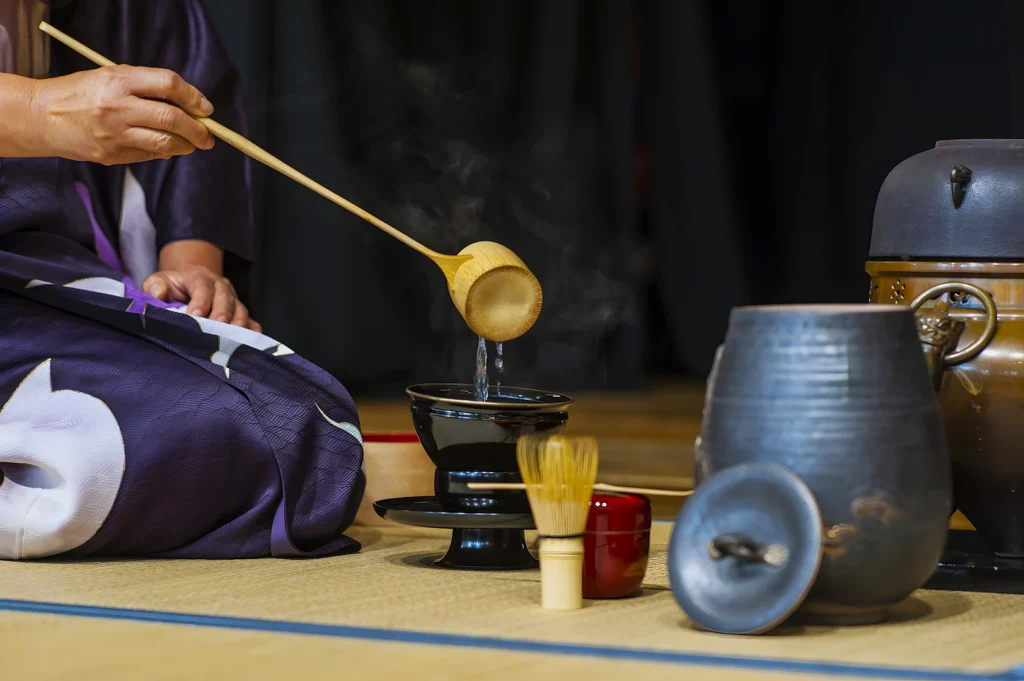
The history of the chanoyu tea ceremony is inextricably linked with the philosophy of Zen Buddhism. The practice originally evolved from the tea-drinking customs of China, which were brought to the country by travelling monks who used tea to remain awake during long meditation sessions. Over time, these practices were adapted to reflect indigenous aesthetics and spiritual values.
The ritual was formalised in the 16th century by Tea Master Sen no Rikyū, who established the core principles of harmony, respect, purity, and tranquillity. His teachings led to the development of distinct tea schools. Today, these different schools of tea, such as Urasenke and Omotesenke, continue to preserve his legacy. What was once an exclusive practice reserved for wealthy merchants and the samurai elite eventually became accessible to the general public. Now, dedicated tea practitioners across the globe study these schools of tea ceremony, keeping this ancient, mindful tradition beautifully alive in modern marital celebrations.
Cultural Significance: The Japanese Tea Ceremony
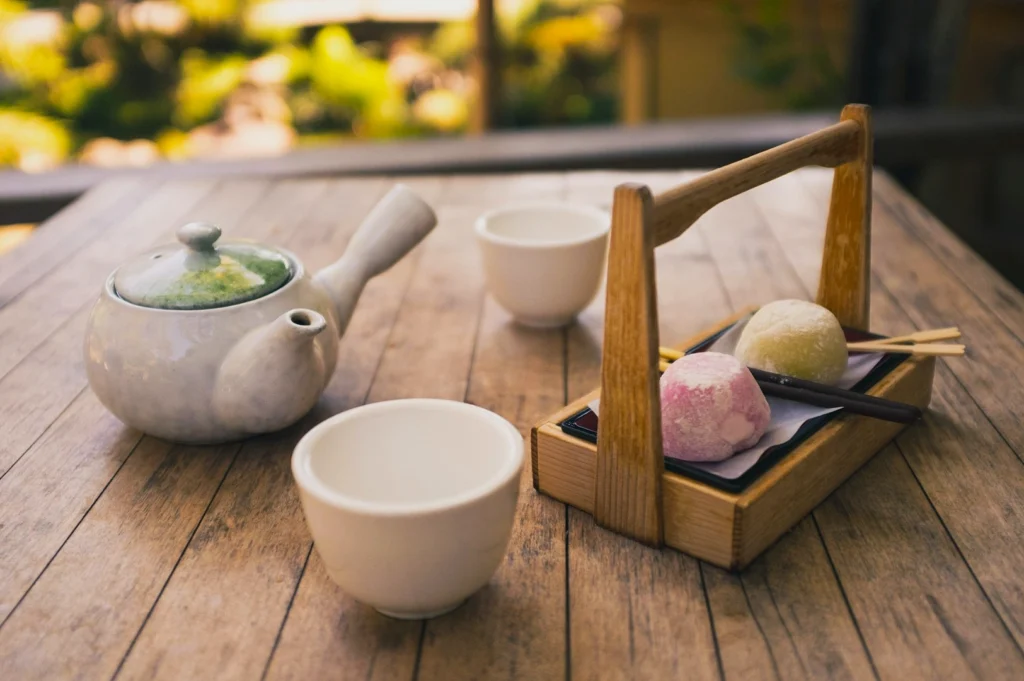
In the context of a wedding, the “way of tea” transcends its role as a mere beverage to become a highly valued art form. The traditional Japanese philosophy dictates that the ceremony is a spiritual discipline, designed to cultivate an atmosphere of profound peace and mutual respect. For the participants, it represents the forging of a new, harmonious bond between two families.
During these formal occasions, the meticulous preparation of the tea symbolises a commitment to patience and devotion: qualities essential for a lasting marriage. The quiet, focused environment strips away the noise of the outside world, allowing families to connect on a spiritual level. Within Japanese culture, the careful choreography of the ritual serves as a living metaphor for life itself: beautiful, fleeting, and deeply meaningful when shared with those we love.
Essential Elements: Tea Equipment and Preparation
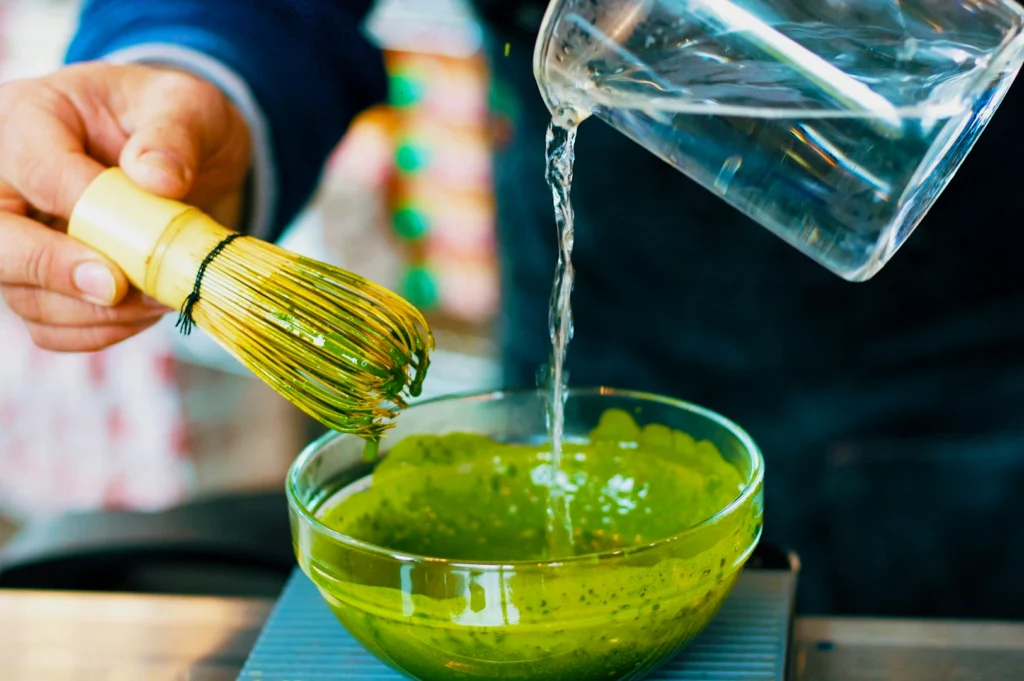
The beauty of the chanoyu tea ceremony lies in its carefully chosen tea equipment and precise preparation, reflecting core values of Japanese tea culture:
Key Tea Utensils:
Tea bowl (chawan): Central to the ceremony, often rustic and embodying the wabi-sabi aesthetic.
Bamboo whisk (chasen): Blends powdered tea and water into a smooth, frothy drink.
Wooden tea scoop (chashaku): Crafted for measuring powdered tea.
Use of Matcha Tea:
Unlike Chinese tea traditions steeping whole leaves, the Japanese tea ceremony uses matcha, finely milled powdered green tea from revered tea plantations.
Preparation Techniques:
The tea master carefully controls hot water temperature to dissolve matcha perfectly.
Depending on formality, thick tea (koicha) or thin tea (usucha) is prepared.
The tea whisk blends powdered tea and hot water into a smooth, frothy consistency within the tea bowl.
This precise use of tea utensils and preparation highlights the artistry and mindfulness central to the chanoyu tea ceremony and Japanese tea culture.
The Traditional Japanese Tea Room Setting
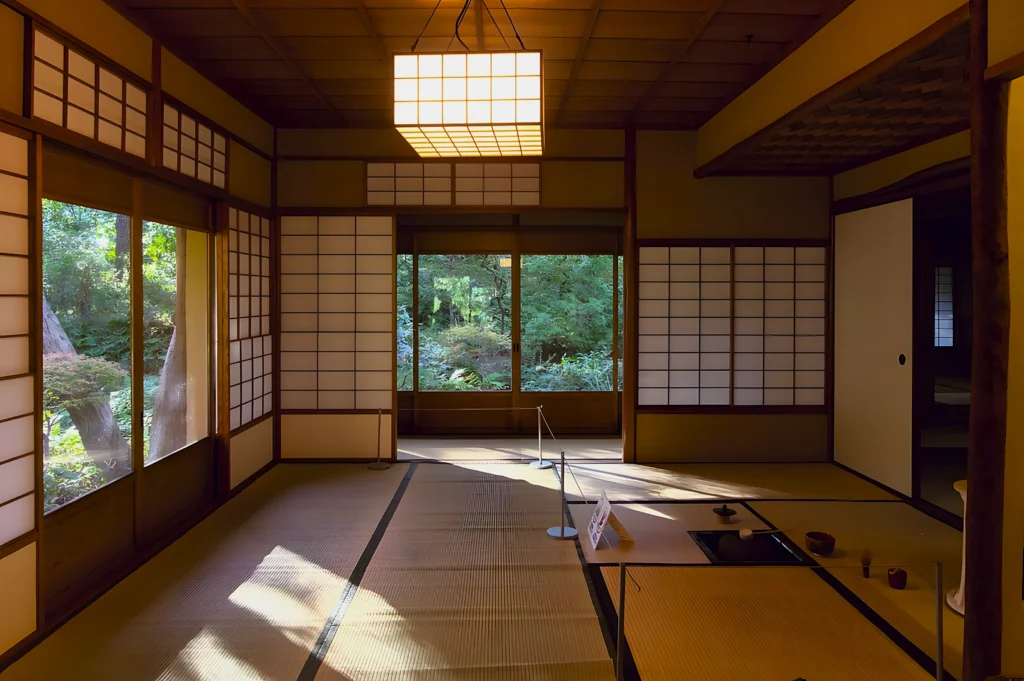
The architecture of the tea room (chashitsu) is designed to encourage humility and introspection. Guests step onto a woven tatami floor, entering a space free from worldly distractions. Before entering, participants visit a serene garden to ritually purify their hands and mouths at a stone basin (tsukubai), washing away the dust of the outside world.
While waiting for the ritual to begin, families gather in a quiet waiting room. Once inside the main chamber, their eyes are drawn to a simple, seasonal flower arrangement (ikebana) and a hanging calligraphy scroll that sets the spiritual tone for the gathering. The subtle scent of incense mingles with the warmth of a charcoal fire, which burns quietly in a hearth built directly into the floor. This setting, much like a traditional Chinese tea house, provides a sanctuary where time seems to stand beautifully still.
Step-by-Step Japanese Wedding Tea Ceremony Process
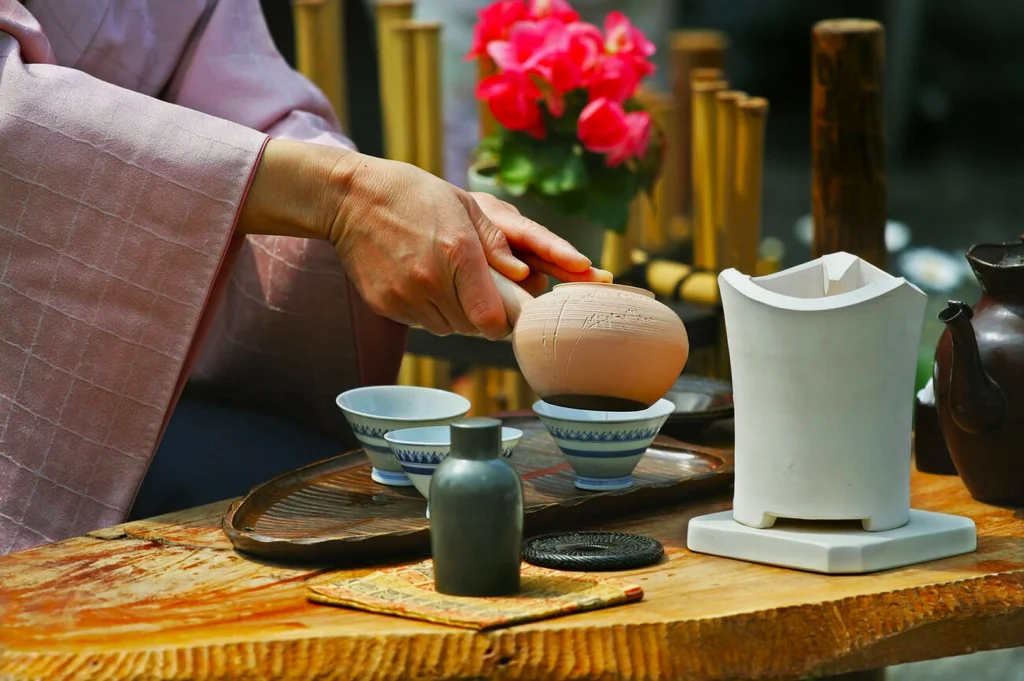
The Japanese wedding tea ceremony, or chanoyu tea ceremony, is a graceful ritual that emphasizes respect, harmony, and mindfulness. Here is the process broken down into clear steps:
Guests ritually purify themselves at a stone basin by washing their hands and rinsing their mouths, symbolically cleansing body and spirit.
They enter the tea room through a low door, prompting a physical bow of humility as they step into the sacred space.
The host and guests exchange a silent bow to acknowledge the sanctity of the moment.
The host, often a trained tea master, prepares powdered green tea (matcha) following a precise order of measured, graceful movements.
The tea is served first to the principal guest, then offered to all the other guests in a specific sequence.
When receiving the tea bowl, the guest receiving it holds the bowl with the left palm and gently rotates it with the right hand to avoid drinking from the decorative front, showing respect for the tea bowl and tea utensils.
The guest takes a few sips of the tea from the cup, wipes the rim, and passes the bowl to the next guest.
This shared act of drinking tea binds all the guests together in harmony during the tea gathering.
Throughout the ceremony, the focus remains on mindful drinking tea, appreciating the tea bowl, and honoring the traditions of the chanoyu tea ceremony.
Etiquette and Guest Behaviour in Japan Tea Ceremony
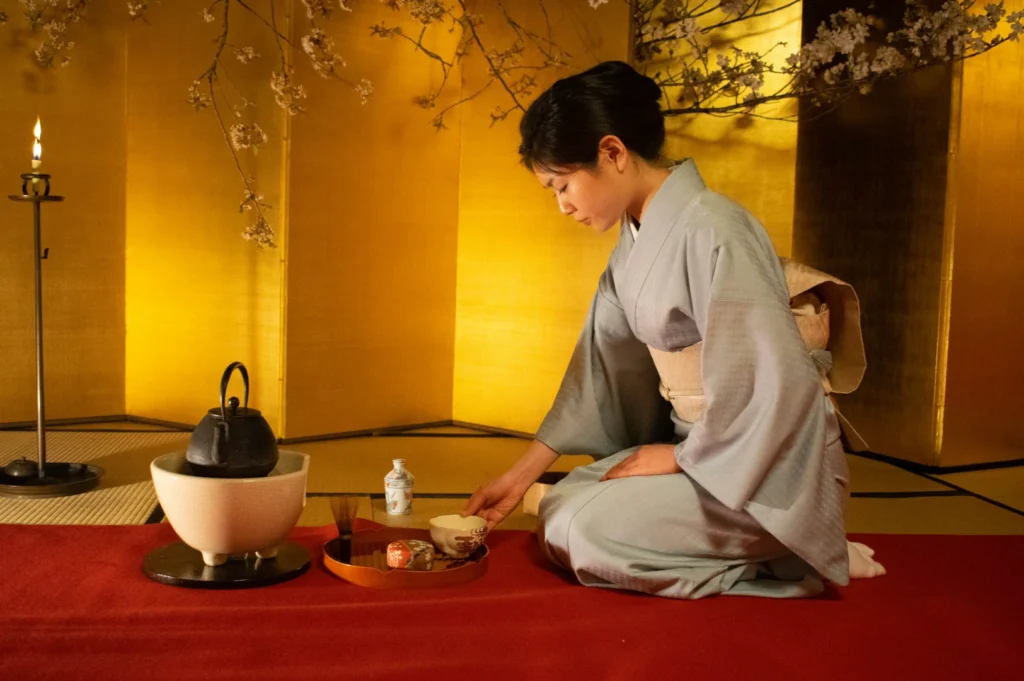
Proper conduct during a formal tea ceremony requires mindfulness and deep respect. The basic points of etiquette revolve around presence and gratitude. To preserve a pure palate, guests should avoid drinking strong beverages or eating heavily spiced foods before the event.
During the gathering, conversation is kept to a minimum, often limited to expressions of gratitude or quiet admiration for the utensils and seasonal decorations. For foreign guests, the strict protocols may seem daunting, but observing the movements of others and maintaining a respectful silence is always appreciated. The discipline expected of participants in these formal Japanese weddings contrasts with the more relaxed atmosphere of casual tea parties, ensuring the marriage is blessed with solemn dignity and grace.
Comparing the Tea Ceremony in Japan and Chinese Traditions
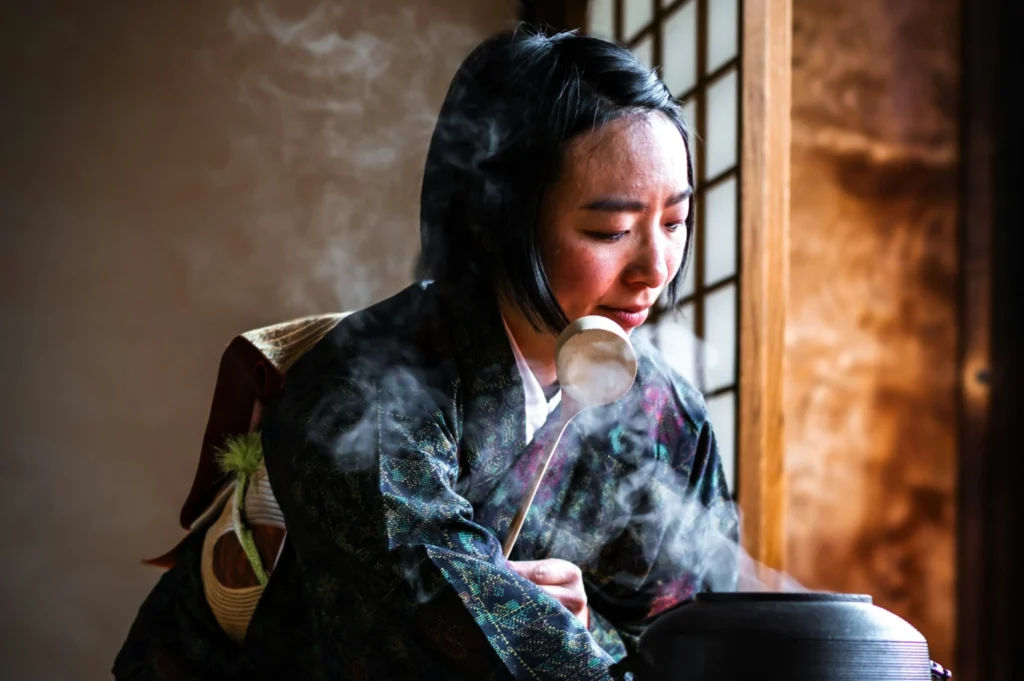
While both cultures deeply revere tea, comparing the tea ceremony in Japan with Chinese wedding customs reveals fascinating philosophical and practical differences:
Philosophical Foundations:
The Japanese ritual is rooted in Zen Buddhism, emphasizing silence, austerity, and internal reflection.
The Chinese tradition is grounded in Confucianism, focusing on familial hierarchy, filial piety, and joyous expression.
Tea Preparation:
The Japanese use powdered matcha, whisked into a smooth suspension.
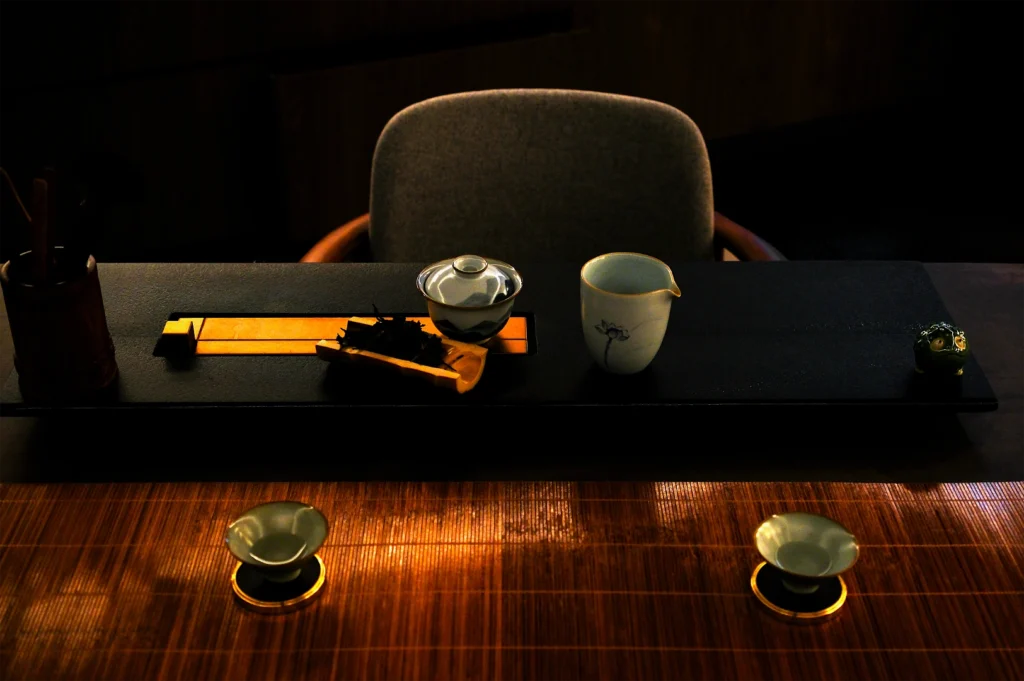
Chinese ceremonies traditionally steep whole tea leaves in small clay teapots, allowing multiple infusions of flavor.
Ceremony Setting:
Japanese ceremonies require a dedicated, austere tea room designed for mindfulness.
Chinese wedding tea ceremonies often take place in the lively center of a family home or a vibrant tea house.
Guest Participation:
Japanese formal gatherings require all guests to observe strict meditative protocols.
Chinese rituals focus on the bride and groom offering tea to their elders as a public display of respect and gratitude.
Despite these differences, both the traditional tea ceremony and the Chinese family ceremony share a beautiful, underlying purpose: honoring heritage and uniting two families in love.
Schools of Tea Ceremony and Regional Variations
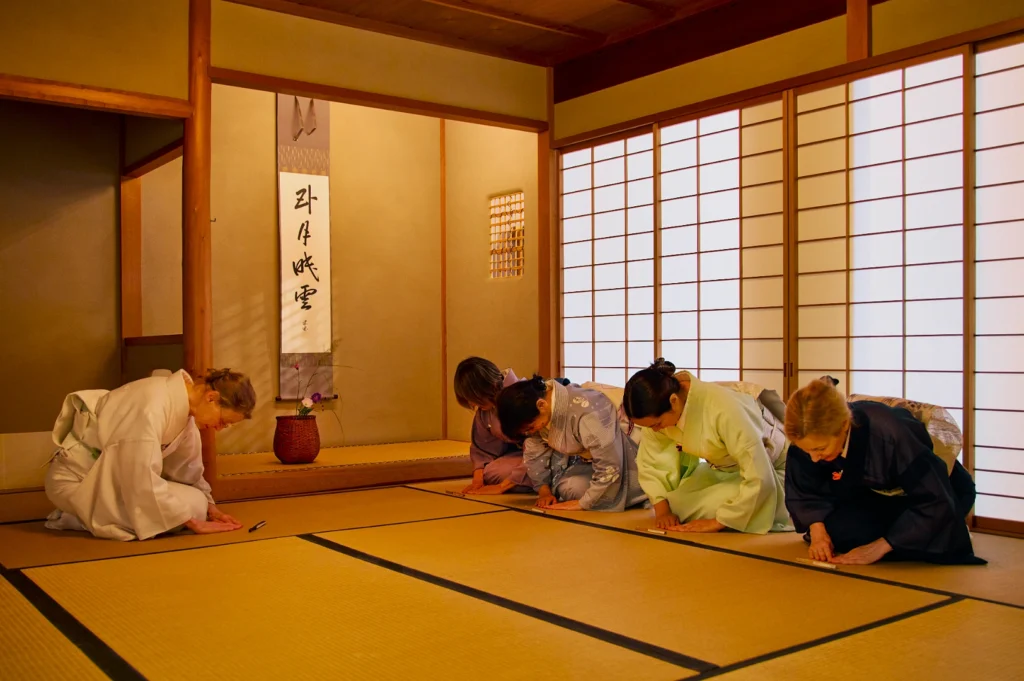
Just as China has diverse regional tea practices, Japan boasts several distinct schools of tea ceremony. The three major historical schools: Urasenke, Omotesenke, and Mushakōjisenke. Each bring slight variations to the preparation techniques, the folding of the silk purification cloth, and the preferred utensils.
These different schools of thought influence how wedding rituals are conducted across the country. In ancient capitals like Kyoto, weddings may strictly adhere to centuries-old protocols, while other regions might gently adapt the forms. However, the foundational tea schools ensure that most tea ceremonies remain anchored in the core philosophies of harmony and respect, regardless of the subtle regional shifts in execution.
Modern Adaptations of the Japanese Tea Drinking Ceremony
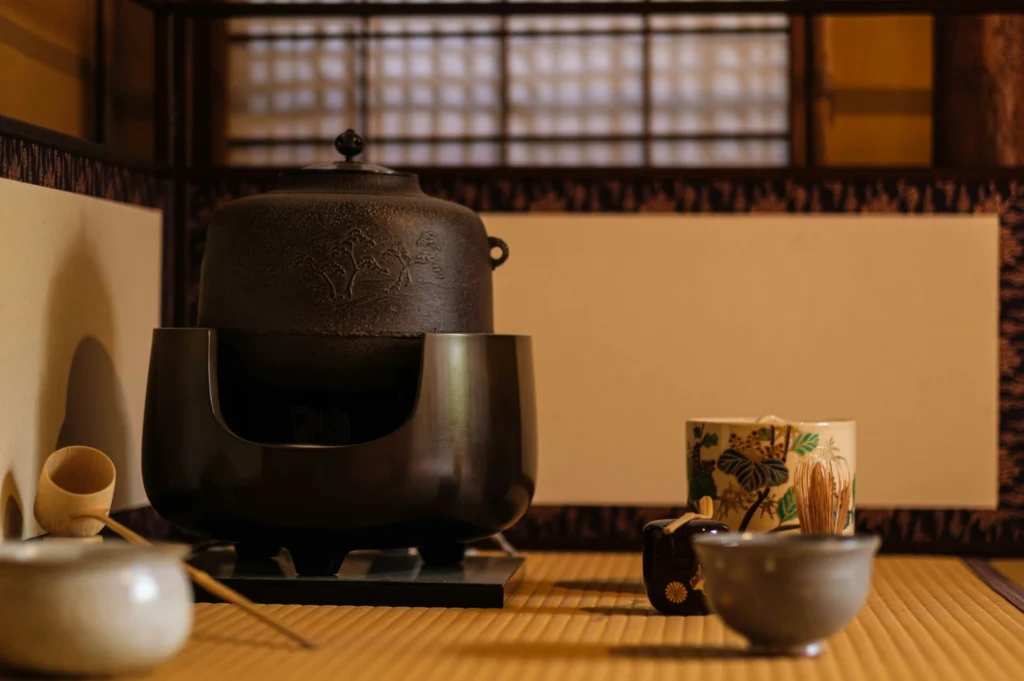
As society evolves, the Japanese tea drinking ceremony has gracefully adapted to contemporary lifestyles. While deeply traditional families still observe the complete, hours-long formal rites, modern couples often incorporate a shortened version of the ritual into their wedding day to accommodate tighter schedules and larger guest lists.
Dedicated tea practitioners continue to preserve the authentic methods, ensuring the knowledge is not lost to time. Furthermore, cultural institutions—from the Metropolitan Museum to local community centres—work to educate the general public about the ritual’s significance. This delicate balance of preservation and adaptation ensures that the ceremony remains a relevant, living art form for modern generations.
Experiencing Tea Culture in Singapore
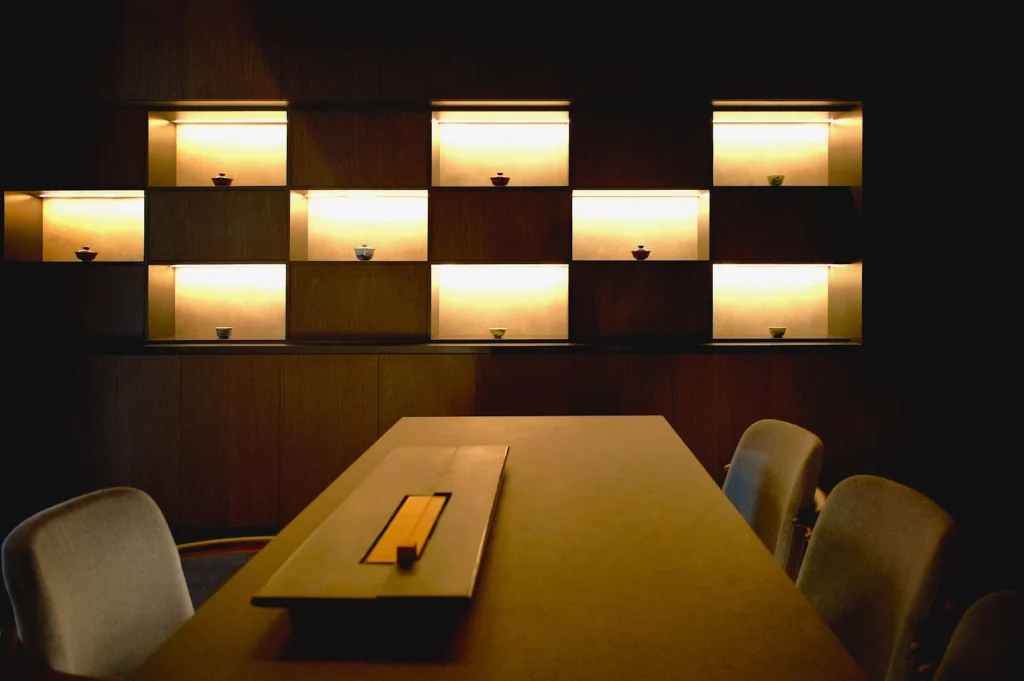
Exploring both Japanese and Chinese traditions deepens our appreciation for Asian tea culture as a whole. While the aesthetic forms differ, the intention behind every traditional tea ceremony remains universally profound. Understanding these rituals provides us with a magnificent lens through which we can view our shared human values of respect, hospitality, and connection.
For those in Singapore seeking to cultivate a deeper relationship with traditional tea arts, we invite you to visit Tea Room by Ki-setsu. As a sanctuary dedicated to authentic Chinese tea education, our tea house offers a peaceful environment to study the leaf and its history. Learning the foundations of Chinese brewing provides an excellent base for understanding all Asian tea traditions. We welcome you to explore our comprehensive Chinese Tea Singapore: Traditional Tea Ceremony Guide to begin your journey into this elegant world.
Conclusion
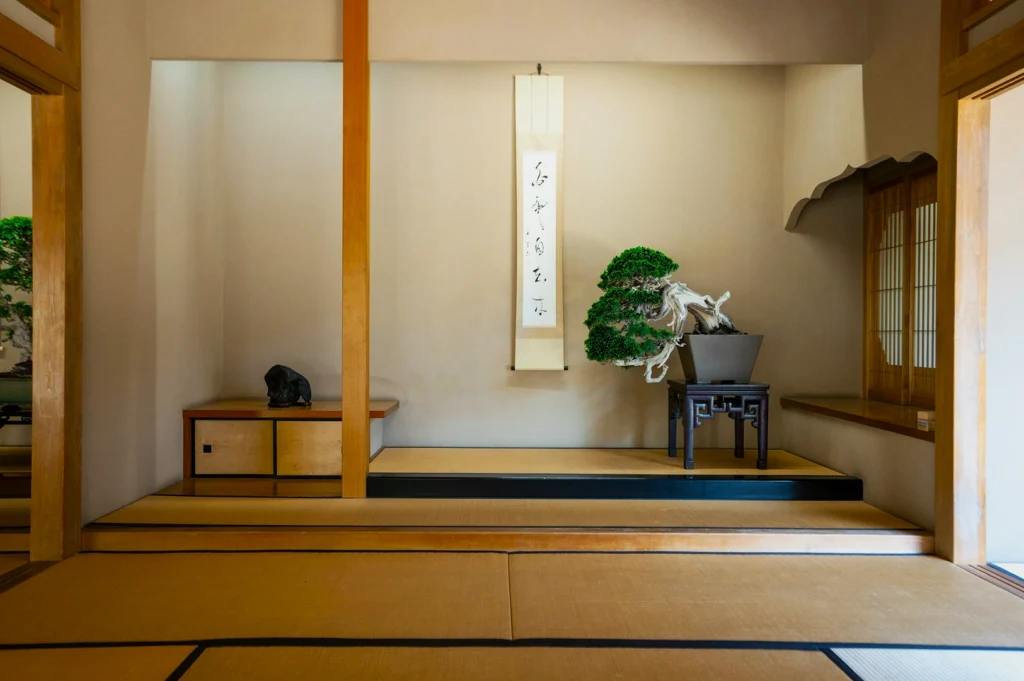
The Japanese tea ceremony remains one of the most exquisite expressions of mindfulness in the world. By examining the chanoyu tea ceremony alongside our own Chinese traditions, we uncover a shared reverence for nature, ancestry, and the quiet beauty of the present moment. Whether whisking vibrant green matcha or patiently steeping roasted oolongs, the tea ceremony serves as a timeless reminder of what matters most. It is an enduring pillar of Japanese culture and Asian heritage alike: proving that a simple bowl of tea, offered with a pure heart, has the power to unite us all.