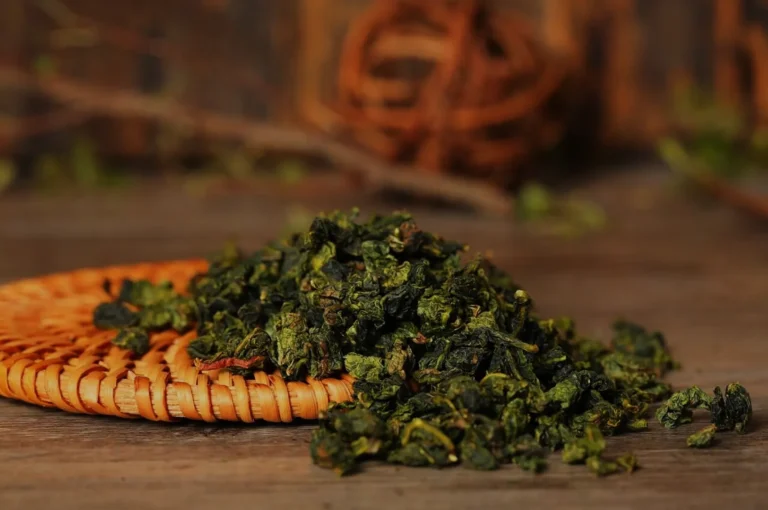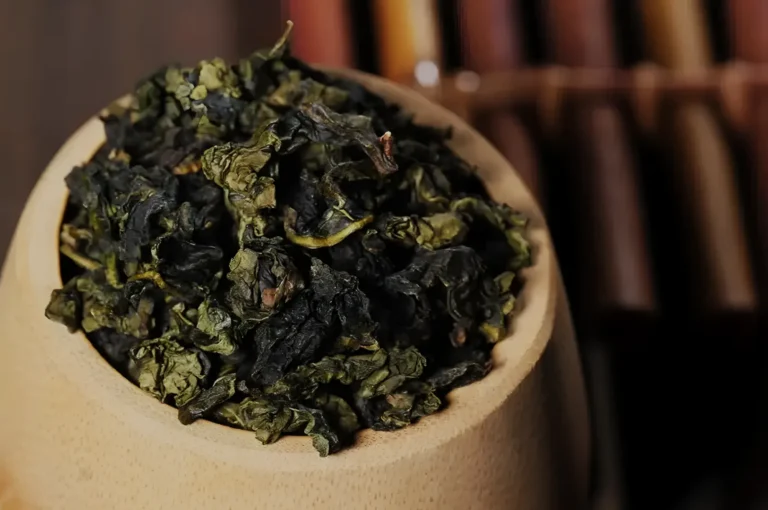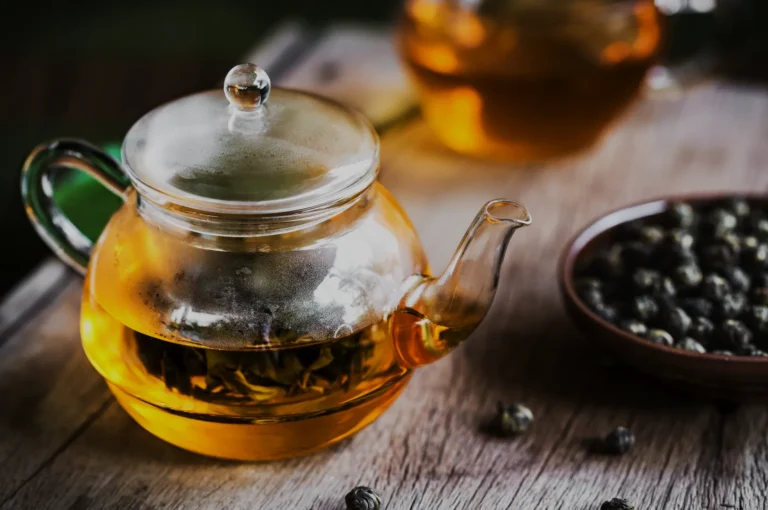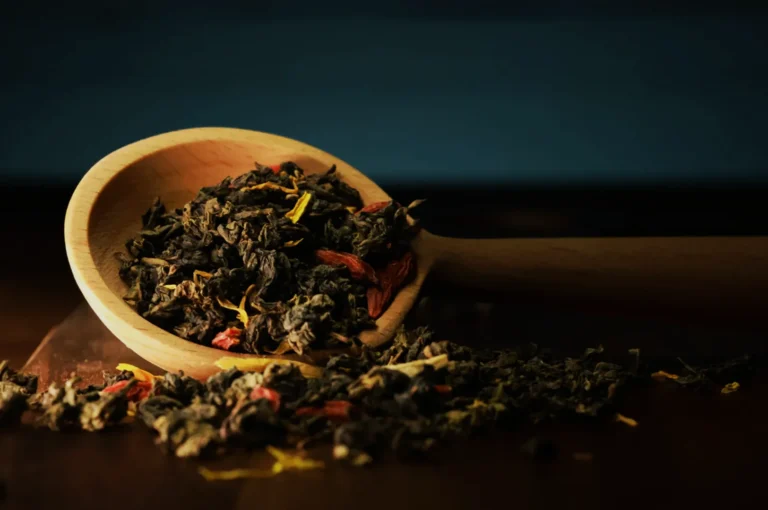
Da Hong Pao prices can seem irrational at first glance.
One tea appears modestly priced. Another, carrying the same name, costs several times more. A third is presented almost as an untouchable rarity, surrounded by language about mountain pedigree, historic bushes, and disappearing supply. For drinkers trying to buy thoughtfully, the category can feel more ceremonial than clear.
At Tea Room by Ki-setsu, we think the price of Da Hong Pao becomes easier to understand once you separate romance from actual value. For the wider cultural and historical context, our guide to Da Hong Pao and Big Red Robe tea is the right place to begin. Here, the question is more practical: what actually makes one Da Hong Pao cost more than another, and when is that higher price truly justified?
Price Does Not Begin With the Name Alone
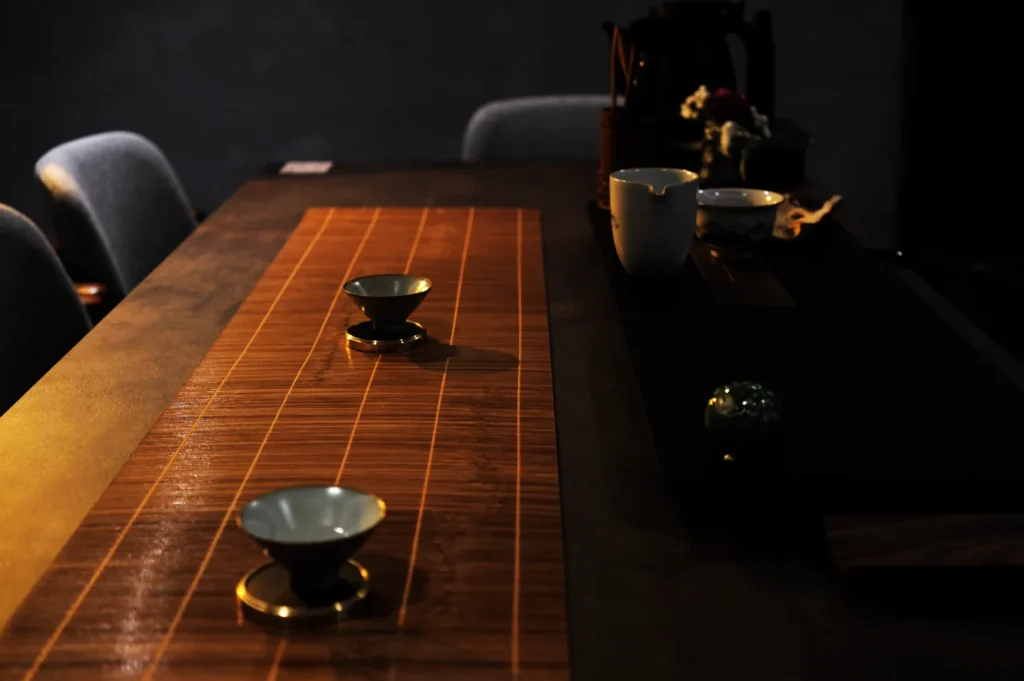
The name Da Hong Pao carries enormous weight, but the name alone does not explain the price.
Some teas are expensive because they are genuinely better made. Some are expensive because they are genuinely rarer. Others are expensive because the story around them has been arranged persuasively enough to sound rare, old, or exceptional before the cup has had any chance to speak. These are not the same things, and learning to distinguish them is one of the most useful skills a buyer can develop.
A higher price can reflect quality, rarity, craft, or provenance. It can also reflect narrative. Good buying begins when those categories are no longer confused.
At Tea Room by Ki-setsu, we find that the most convincing Da Hong Pao usually does not need to perform its value too loudly. The cup itself tends to justify the cost more calmly than the packaging does.
Origin Claims Carry Real Weight, but Not All Claims Are Equal
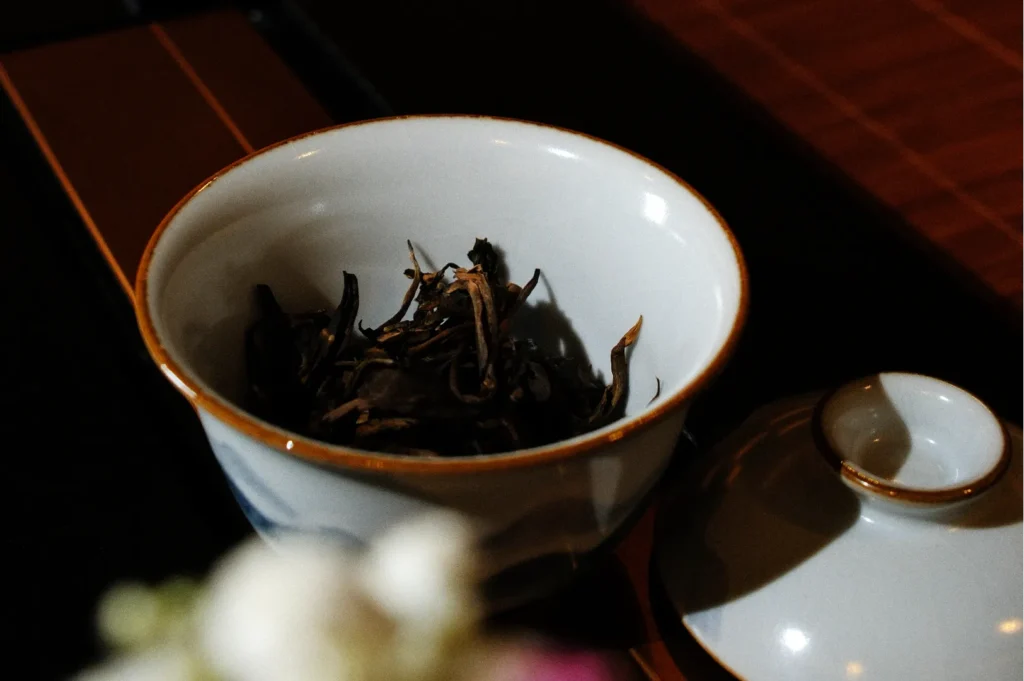
Wuyi origin matters. That much is true.
Da Hong Pao is inseparable from Wuyi rock tea culture, and teas grown or processed closer to respected yancha traditions often command higher prices for good reason. The region, terrain, craftsmanship, and processing culture all influence how the tea develops in the cup. A tea with stronger provenance often has greater structural confidence, more mineral depth, and more coherence through the finish.
But origin language can also be stretched. Not every tea presented with mountain imagery, lineage, or legendary phrasing carries the same level of traceability. Some listings rely heavily on implied authenticity while saying very little with actual precision.
A higher price may reflect better provenance. It may also reflect a story that sounds expensive.
When Da Hong Pao becomes costly, one of the first questions to ask is whether the origin claim is clear, specific, and proportionate to the price being asked.
Material Quality Changes the Cup More Than Packaging Ever Will
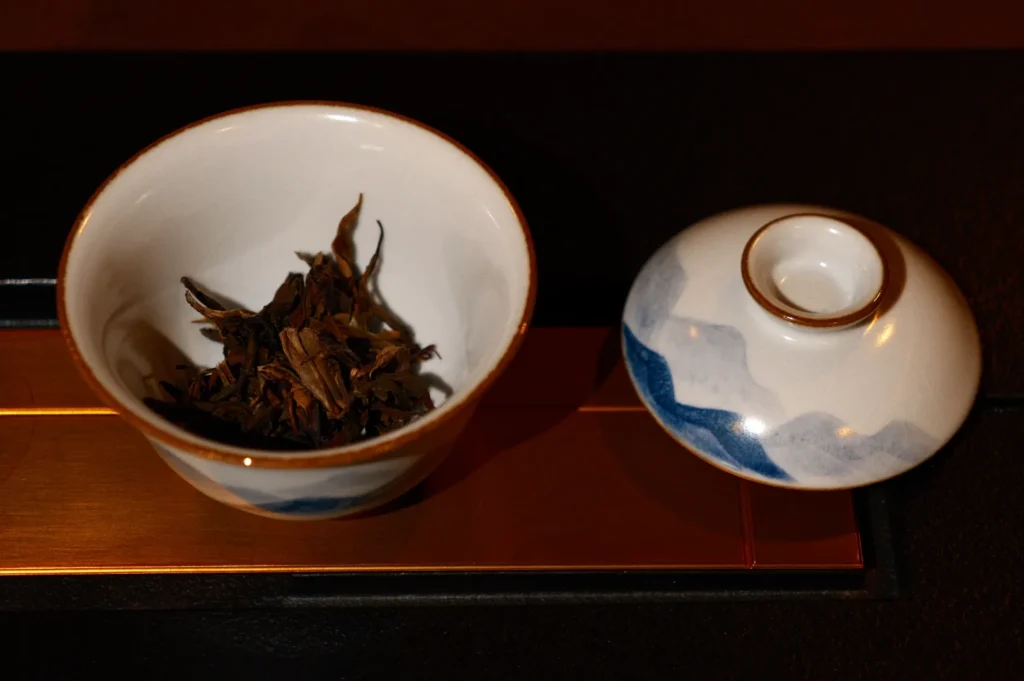
Not all source material produces the same kind of tea.
The better tea may come from stronger leaf material, more careful plucking, better plant stock, or stricter selection before the tea is ever finished. That difference is not always obvious in the dry leaf alone, but it often appears quickly in the liquor. Better material usually gives more continuity through the cup. The roast sits more naturally. The body feels more composed. The finish lingers with more confidence.
Less expensive tea can still be enjoyable. But if the body feels thin, the aroma collapses quickly, or the finish disappears before it has properly formed, the price often reflects those limitations.
At Tea Room by Ki-setsu, we think one of the quietest markers of value is whether the tea continues opening after the first impression. A stronger material often reveals itself not in louder flavour, but in greater staying power.
Craft and Roast Add Real Value
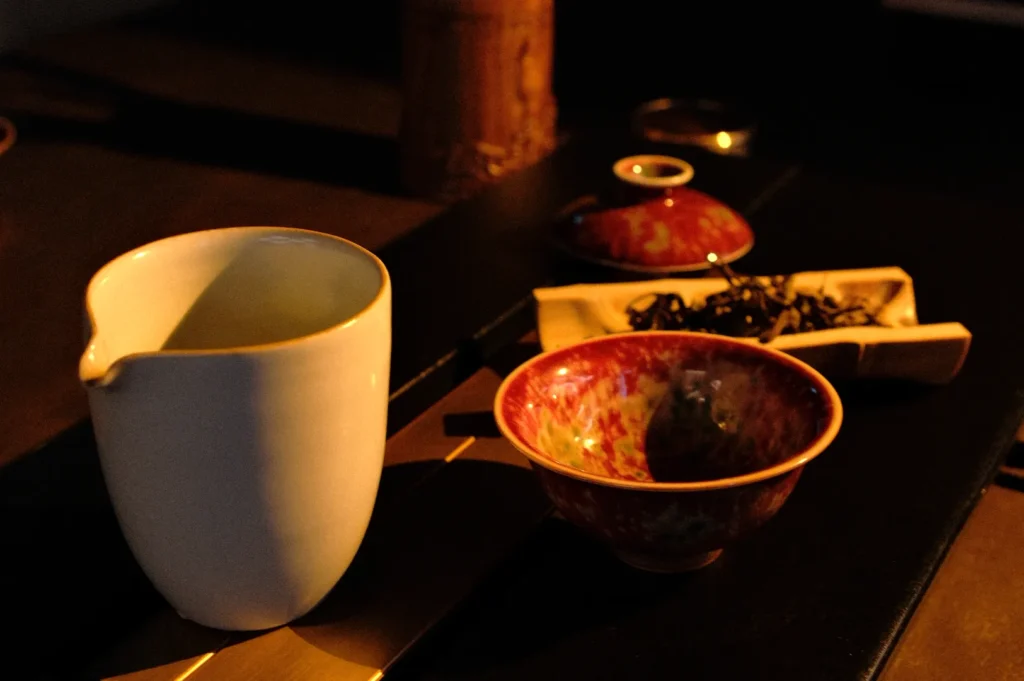
Roast is not decoration in Da Hong Pao. It is part of the tea’s identity.
A tea that has been withered, oxidised, shaped, and roasted with skill tends to feel far more integrated. The roast sits inside the tea rather than over it. The floral lift, mineral depth, warmth, and finish remain connected. This kind of craft costs more because it requires more judgment, more experience, and more restraint.
A weaker tea may lean heavily on roast to create impact. A better tea uses roast to create structure. That difference matters enormously in pricing because craftsmanship is one of the hardest things to imitate convincingly.
A more expensive Da Hong Pao should usually feel more coherent, not merely more forceful.
At Tea Room by Ki-setsu, we often think good roast behaves like architecture. It holds the tea together. If the tea smells only of fire, the roast may be doing too much and the leaf too little.
Age Can Raise Price, but Only When It Adds Something Real
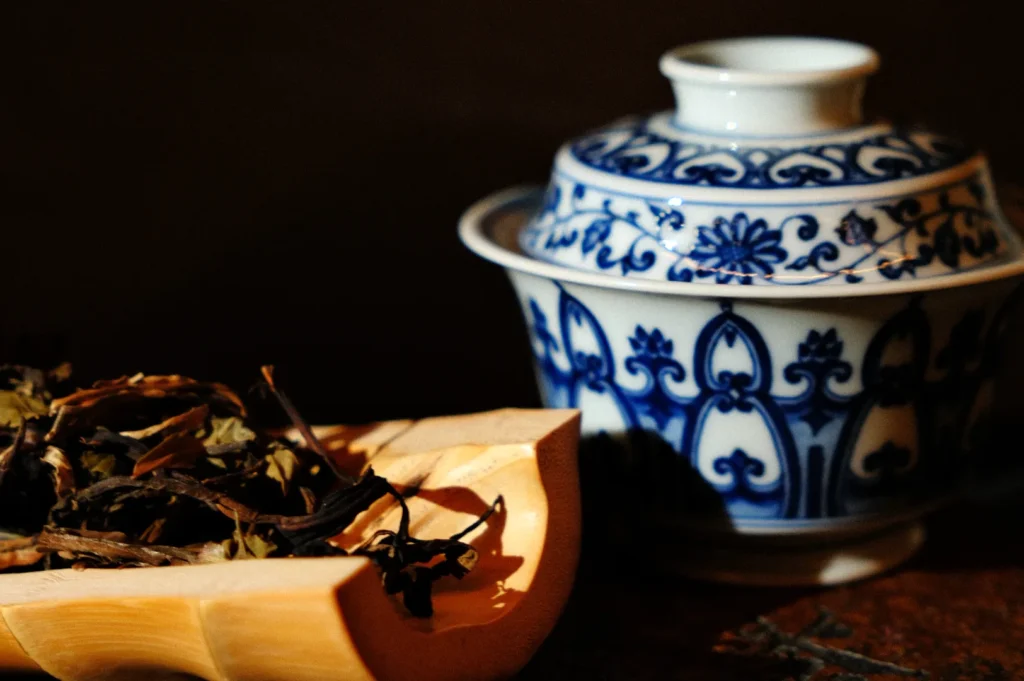
Some Da Hong Pao is sold with age as part of the appeal.
This can be meaningful. A tea that has rested well may show greater calm, softer edges, and more settled integration between roast and leaf. But age alone does not guarantee value. A tea that began without much depth does not necessarily become compelling simply because time has passed. A weak tea can grow older without growing better.
This is why age claims need to be read with care. If the tea is priced significantly higher because of age, the cup should usually show some real benefit from that maturity. Greater smoothness, more composure, a calmer and longer finish, these are the things that should justify the difference.
At Tea Room by Ki-setsu, we think it is wiser to buy for what age has done to the tea, not for the number attached to it.
Rarity Is Real, but Marketing Can Imitate It
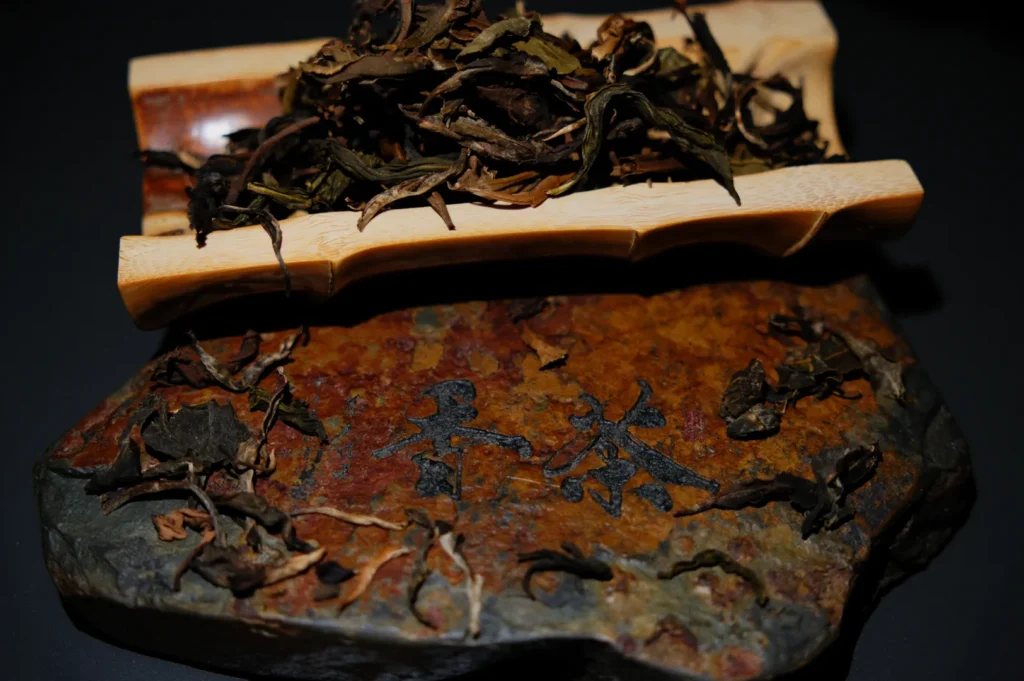
True rarity exists in tea, but so does the performance of rarity.
This is especially true with Da Hong Pao, where the legend surrounding the tea creates a natural atmosphere for exaggerated scarcity claims. Terms like limited, rare, old bush, reserve, collector’s grade, or historic style may all sound impressive, but they do not all mean the same thing. Some have substance. Some are simply part of how the tea is positioned.
Real rarity usually feels more specific. It often comes with a clearer explanation of source, season, craft, or quantity. Vague rarity, by contrast, tends to depend on mood rather than detail.
A tea can be expensive because it is genuinely scarce. It can also be expensive because scarcity has been staged around it persuasively.
Packaging Is Not the Tea
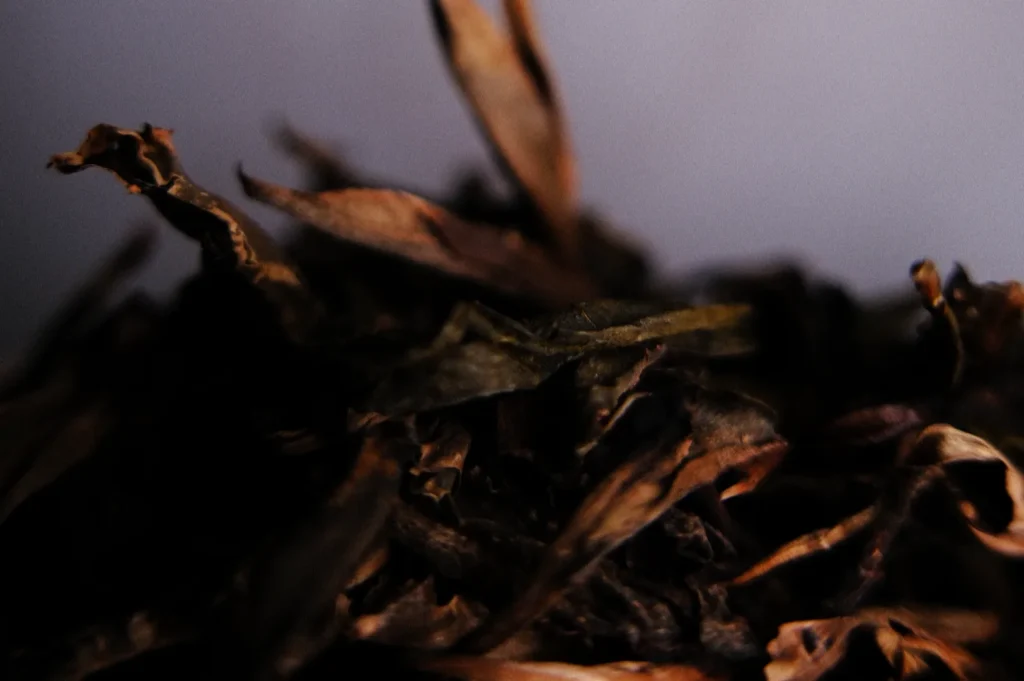
Presentation can raise the price quickly.
Decorative tins, lacquered boxes, prestige language, satin linings, certificates, and ceremonial wrapping may make a tea feel more luxurious, but they do not necessarily improve what is inside the bowl. This does not mean elegant packaging has no place. It may matter for gifting, collecting, or personal pleasure. But it should not be confused with leaf value.
At Tea Room by Ki-setsu, we think packaging is best understood as context, not evidence. The tea must still justify itself once brewed. A stronger tea rarely depends on ornament to make its point.
The best value is usually found where the price is being carried by the leaf and the craft, not by the wrapping.
What Is Actually Worth Paying More For?
A higher price makes sense when it brings something more complete into the cup.
That may mean better source material. It may mean clearer provenance. It may mean more integrated roast, more structure in the liquor, more persistence in the finish, or greater confidence that the tea was made and stored with care. These are all meaningful reasons for a Da Hong Pao to cost more.
A higher price makes less sense when the tea is relying mostly on status language, vague rarity, decorative packaging, or prestige by association. The cup should not need to borrow authority from the story around it.
At Tea Room by Ki-setsu, we often return to one quiet measure: does the extra cost create a more complete tea experience, or merely a more expensive story?
Buy for the Cup, Not the Myth Alone
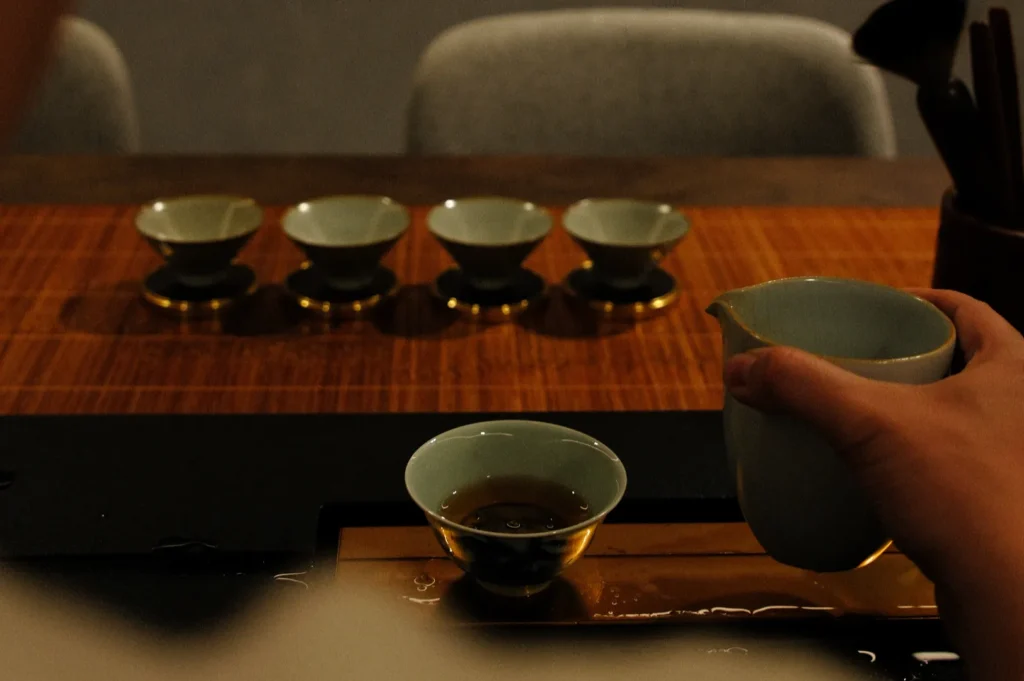
The legend of Da Hong Pao is real, but legend should not do all the work.
A thoughtful buyer does not need to reject rarity, provenance, or prestige. Those things can matter. But they matter most when the tea itself confirms them through body, aroma, integration, and finish. If the cup does not carry that weight, the price may be asking for too much faith.
The most persuasive Da Hong Pao is not the one that sounds costly. It is the one that makes the higher price feel understandable once the tea is actually in the bowl.
At Tea Room by Ki-setsu, we think this is the clearest way to buy well. Let the story invite you, but let the cup decide.