Da Hong Pao does not ask for loud food.
Its roast, mineral structure, orchid lift, and long finish can support flavour, but they do not benefit from competition. This is where many pairings go wrong. Food is chosen for richness, drama, or familiarity, and the tea is expected to survive beside it. Sometimes it does. More often, the roast becomes blunt, the floral lift disappears, and the finish shortens before the tea has had a chance to say very much at all.
At Tea Room by Ki-setsu, we think pairing Da Hong Pao well is less about richness than about proportion. The right food gives the tea room to deepen. The wrong food makes it feel either too heavy or strangely absent. For the wider cultural and flavour context, this guide offers the broader frame. Here, the question is more practical: what kinds of food allow roasted Wuyi rock tea to remain articulate at the table?
Why Da Hong Pao Pairs Best with Restraint
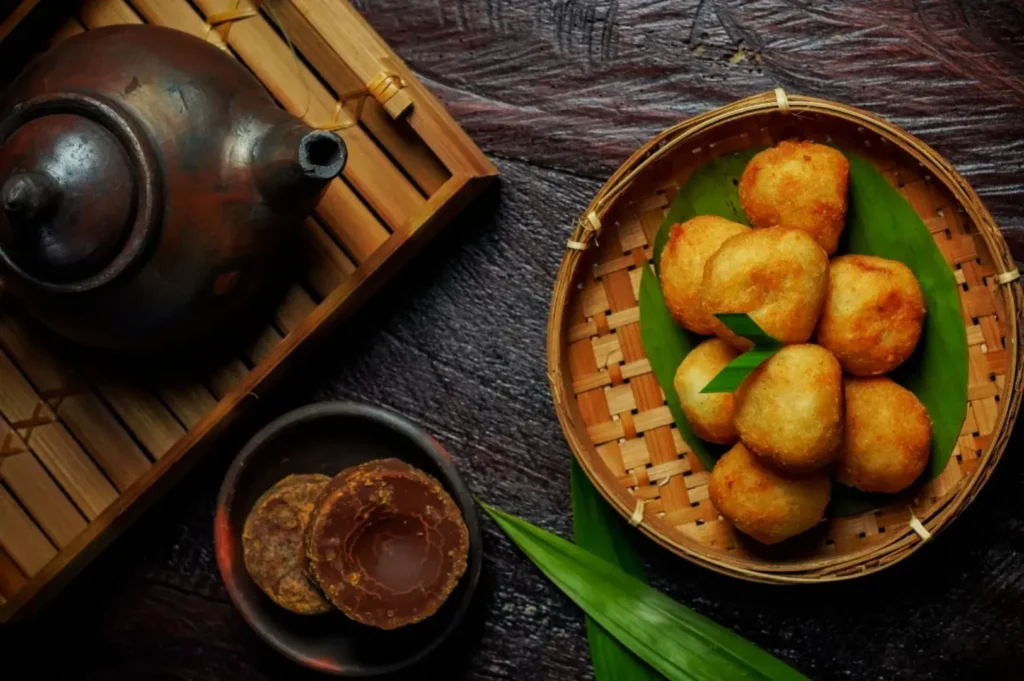
Da Hong Pao carries more internal movement than people often expect.
The opening may feel warm and roasted. The middle of the sip may show wood, mineral depth, or dry spice. The finish may return with floral lift, a cooling trace, or quiet sweetness. A pairing that is too sweet, too oily, too spicy, or too aromatic interrupts that sequence. The tea is no longer unfolding on its own terms. It is simply reacting to whatever was placed beside it.
This is why the best pairings for Da Hong Pao usually feel calm rather than dramatic. They do not try to “match intensity” in the loudest possible way. They support structure. They give contrast where needed, but never so much that the tea becomes secondary.
A good Da Hong Pao pairing does not make the table feel fuller. It makes the tea feel clearer.
Roasted Nuts and Quiet Toasted Snacks
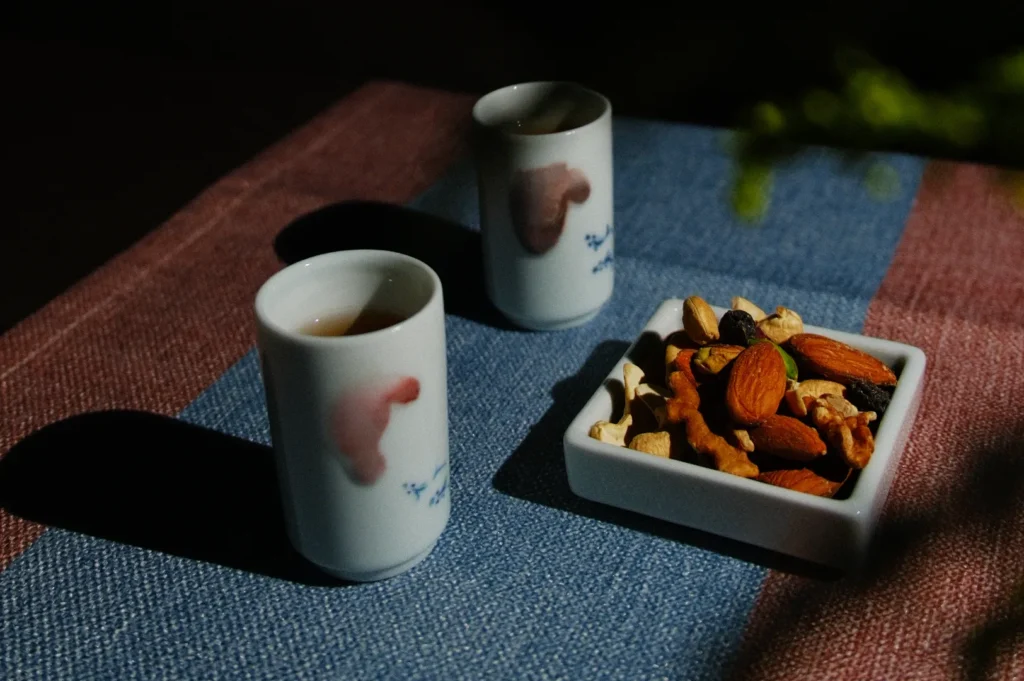
Da Hong Pao often pairs naturally with foods that carry gentle warmth.
Roasted almonds, walnuts, chestnuts, sesame biscuits, and lightly toasted crackers can work beautifully because they echo the tea’s deeper register without turning it heavy. The nutty dryness of the food often meets the tea’s roast in a way that feels coherent rather than repetitive. The tea seems more grounded beside them, and the food feels more composed in return.
This is especially true when the snack is not over-seasoned. Salt should remain modest. Sweetness should stay low. The point is not to create a dramatic contrast but to give the tea an environment in which its structure feels more legible.
At Tea Room by Ki-setsu, we often think these are some of the safest pairings because they understand what Da Hong Pao is already doing. They do not ask the tea to change personality. They simply let it settle more deeply into the palate.
Bean Sweets and Restrained Pastry
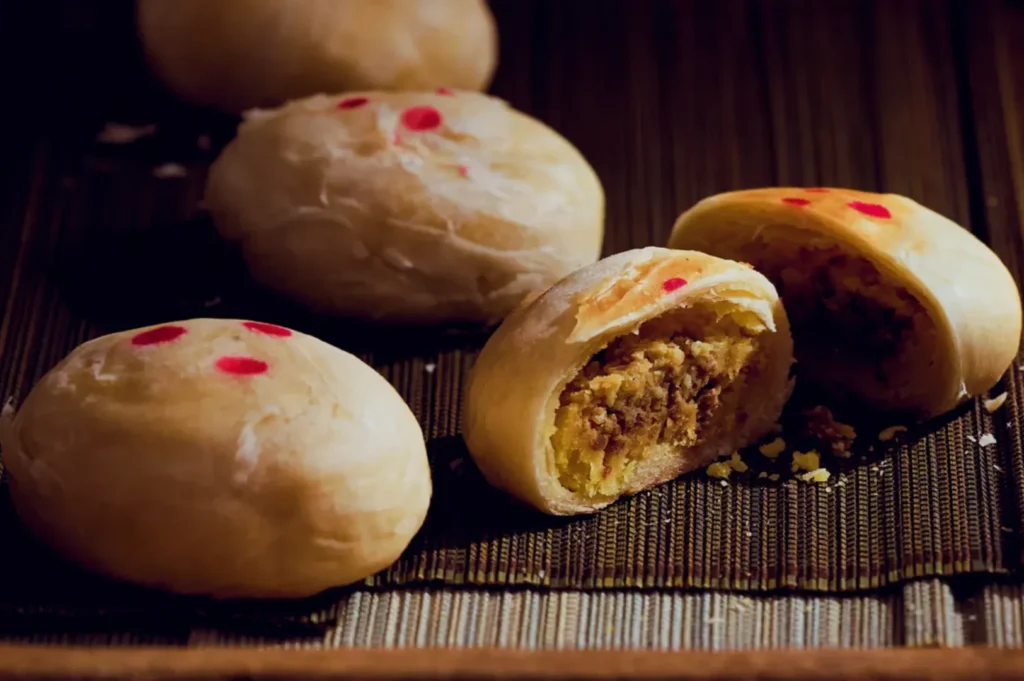
A little sweetness can work beautifully with Da Hong Pao, provided it remains measured.
Mung bean cakes, lotus paste pastries, lightly sweet red bean confections**, and quiet baked sweets often pair well because they bring softness without excess. The roast in the tea can steady the sweetness, while the sweetness can soften the tea’s drier edges. This works best when the pastry is not too buttery and the sugar level remains below the tea’s own depth.
Da Hong Pao tends not to perform well beside highly frosted cakes, glossy desserts, or anything very cold and sweet. But with bean-based sweets and modest pastries, the relationship becomes more refined. The tea does not disappear. It becomes rounder.
This is one of the pleasures of pairing roasted yancha with restrained sweets. The tea holds its ground without becoming severe.
Mushroom Pastries and Earthy Savouries
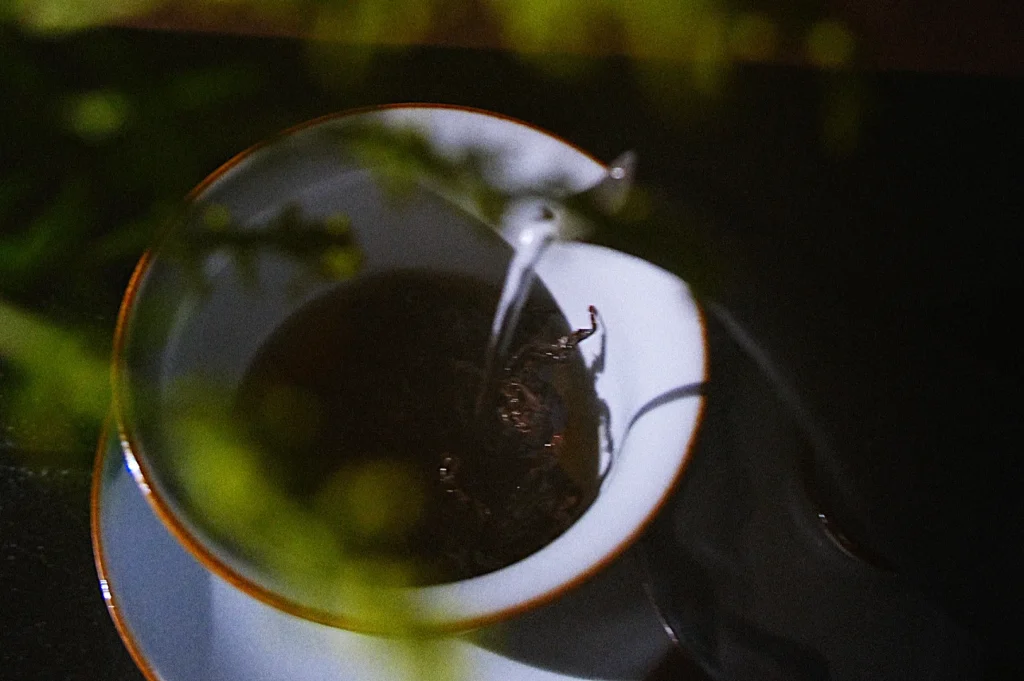
Da Hong Pao often meets earthier savouries with unusual ease.
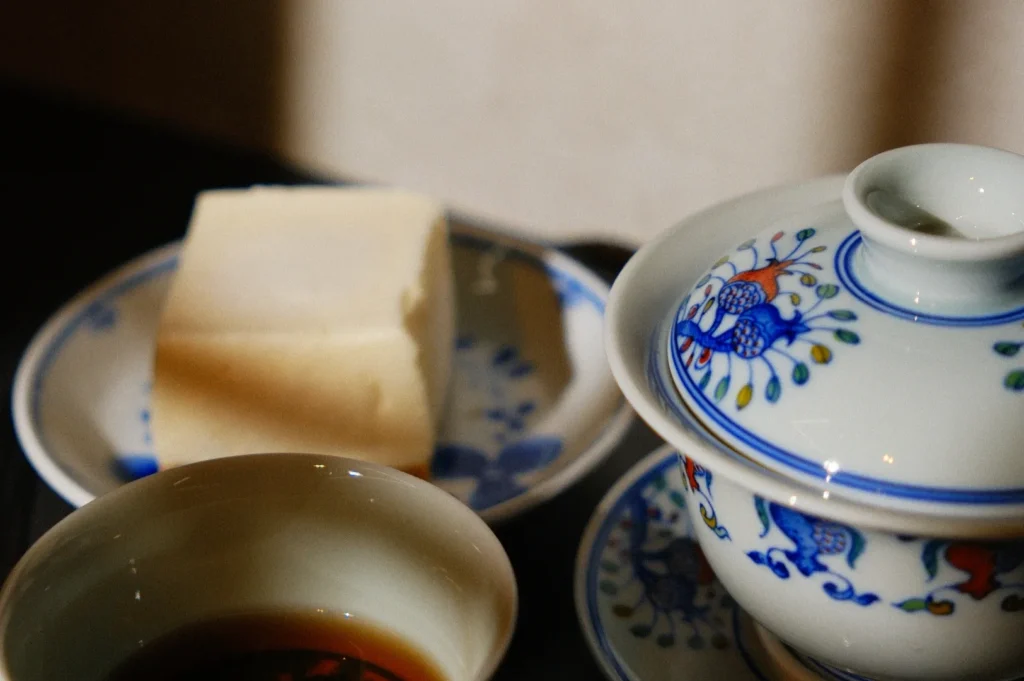
Mushroom pastries, dry vegetarian dumplings, baked tofu skin snacks, or savouries built around gentle umami can bring out the tea’s woodier and more mineral dimensions. These pairings work because the food is grounded without being aggressive. Earthiness in the food can deepen the tea’s rocky character rather than cloud it, provided the seasonings remain controlled.
This is where Da Hong Pao feels very different from greener, more floral oolongs. It can absorb a little more savoury weight and still keep its shape. But the boundary remains clear. Garlic, thick soy glaze, and oily fillings quickly make the pairing much less graceful.
At Tea Room by Ki-setsu, we think these pairings succeed when the food stays dry, quiet, and texturally modest. The tea can then move through the savoury notes rather than struggle against them.
Dim Sum That Leaves the Tea Room to Return
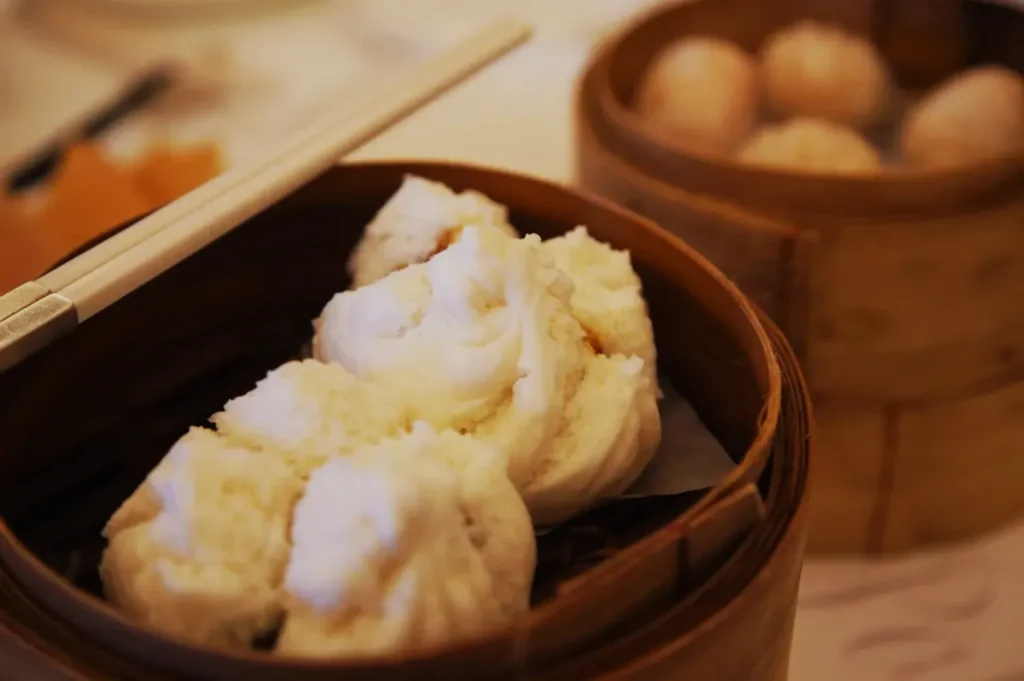
Some dim sum works well with Da Hong Pao, but not all of it.
Steamed mushroom dumplings, less-sweet baked buns, mild savoury pastries, and lightly pan-fried bites can be very pleasing because the tea has enough roast and body to steady the starch and filling. In these cases, the tea acts almost like a structural thread, pulling the table back into balance after each bite.
More delicate seafood dumplings may be better with greener or lighter teas, while very oily fried dim sum can weigh Da Hong Pao down unless the portions remain small. Sweet buns can work, but only if the sweetness stays modest enough for the tea to remain legible.
What matters most is whether the dim sum leaves the palate ready for the next infusion. If the sauce, oil, or dough lingers too heavily, the tea loses too much of its internal movement.
The best dim sum pairings with Da Hong Pao are the ones that make the next sip feel refreshed, not burdened.
Fruit, but Only the Quieter Kind
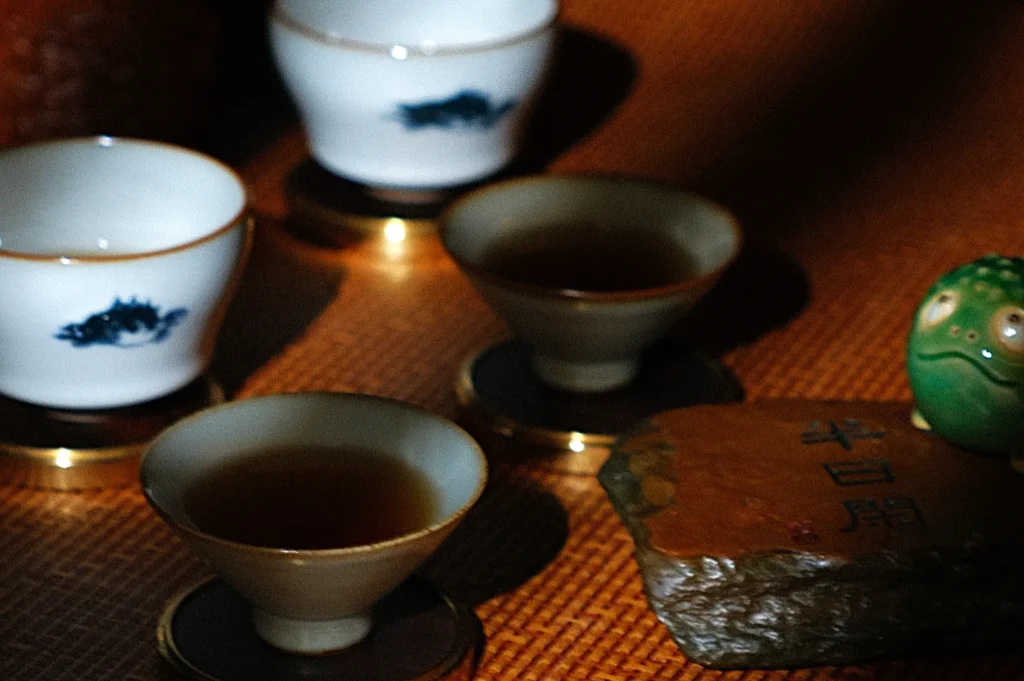
Fruit can be beautiful with Da Hong Pao, but only when chosen with real restraint.
Pear is often the safest. Mild stone fruit can also work if it is ripe without becoming perfumed. These fruits offer a little freshness and moisture without disrupting the tea’s finish too sharply. The tea remains central. The fruit acts more like light than flavour.
Highly acidic fruit is usually less successful. Citrus tends to cut too hard across the tea’s roast and mineral calm. Highly perfumed tropical fruit can dominate the nose before the tea even rises. What seemed refreshing on the plate quickly becomes disruptive in the cup.
At Tea Room by Ki-setsu, we usually look for fruit that keeps its voice low. Da Hong Pao already carries so much internal character that it does not need fruit to brighten it aggressively. It only needs a fruit that does not interrupt.
What to Avoid at the Table
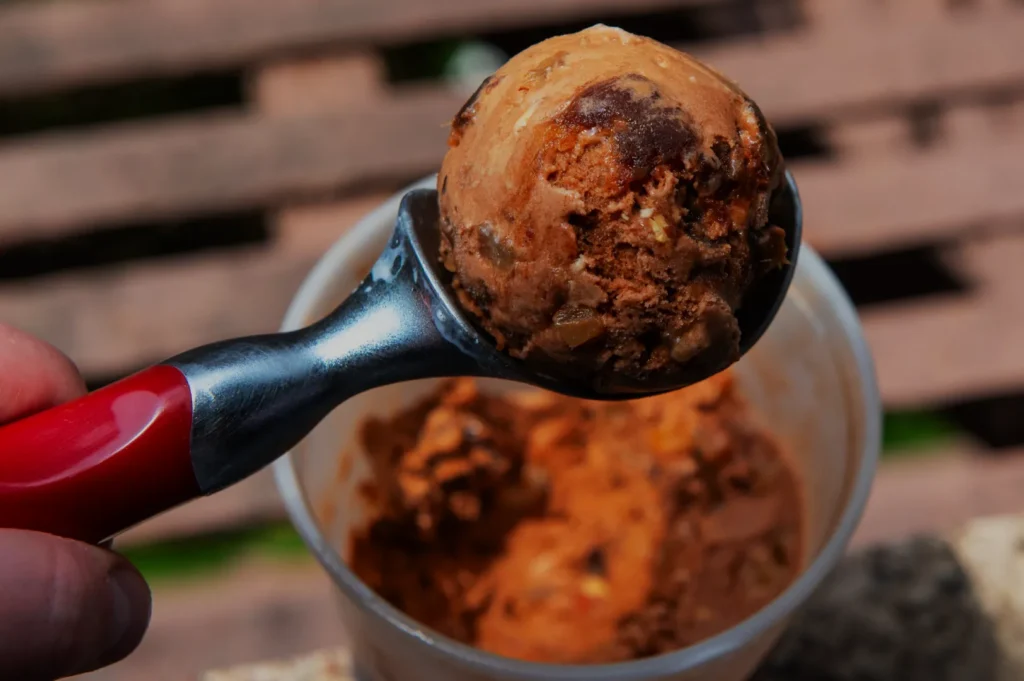
Some foods flatten Da Hong Pao almost immediately.
Heavy cream, thick cheese, strong chilli, sharp vinegar, garlic-forward savouries, intense sweets, and highly aromatic sauces tend to compete with the tea too directly. The roast becomes harsher. The floral lift vanishes. The finish shortens. In some cases, the tea begins to feel simpler than it really is because the pairing has taken away too much of its room to move.
Very cold foods can also cause trouble. Ice or chilled desserts may mute aroma and make the tea feel more rigid than it should. This is especially noticeable with a tea like Da Hong Pao, which depends on warmth and pacing to reveal its deeper character.
The foods to avoid are usually the foods that insist on being remembered more strongly than the tea.
Build the Table Around the Tea, Not the Other Way Around
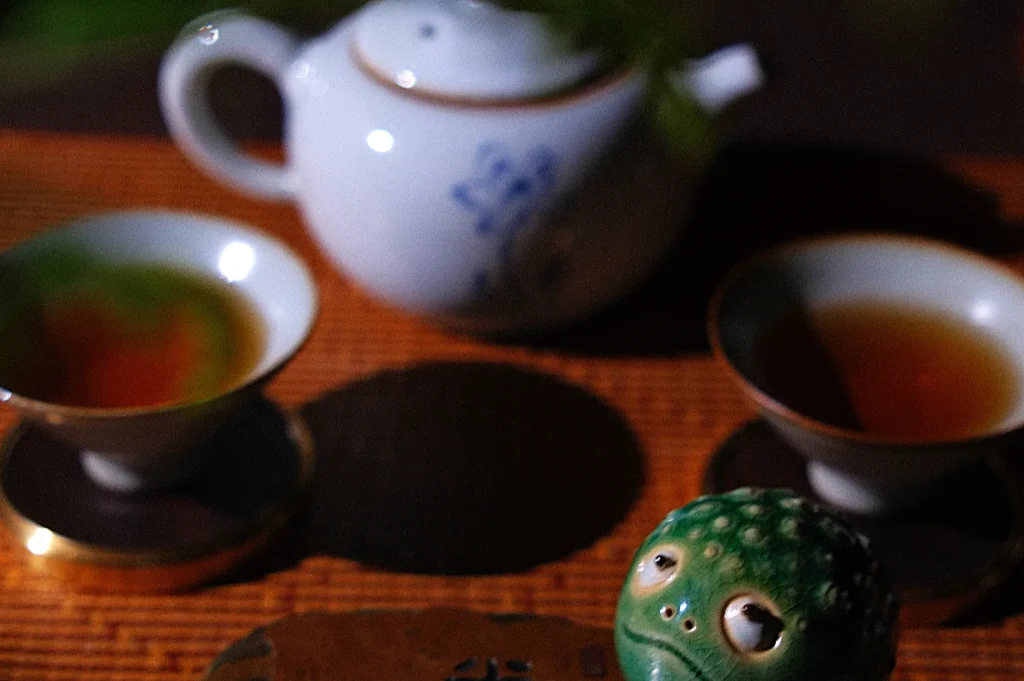
A good Da Hong Pao table is usually quieter than expected.
It does not need many items. It needs the right items. One toasted or nutty element. One restrained sweet. One mild savoury, if desired. That is often enough. The tea remains central, and the foods function more like points of balance than separate attractions competing for attention.
At Tea Room by Ki-setsu, we think the finest tea pairings are rarely the ones that feel most elaborate. They are the ones that preserve the tea’s internal life. With Da Hong Pao, that means protecting roast without making it heavier, supporting sweetness without raising it too far, and allowing the finish to remain long, mineral, and clear.
A well-paired Da Hong Pao does not become overshadowed by the table. It becomes more itself because of it.
Pair for Continuity, Not for Contrast Alone
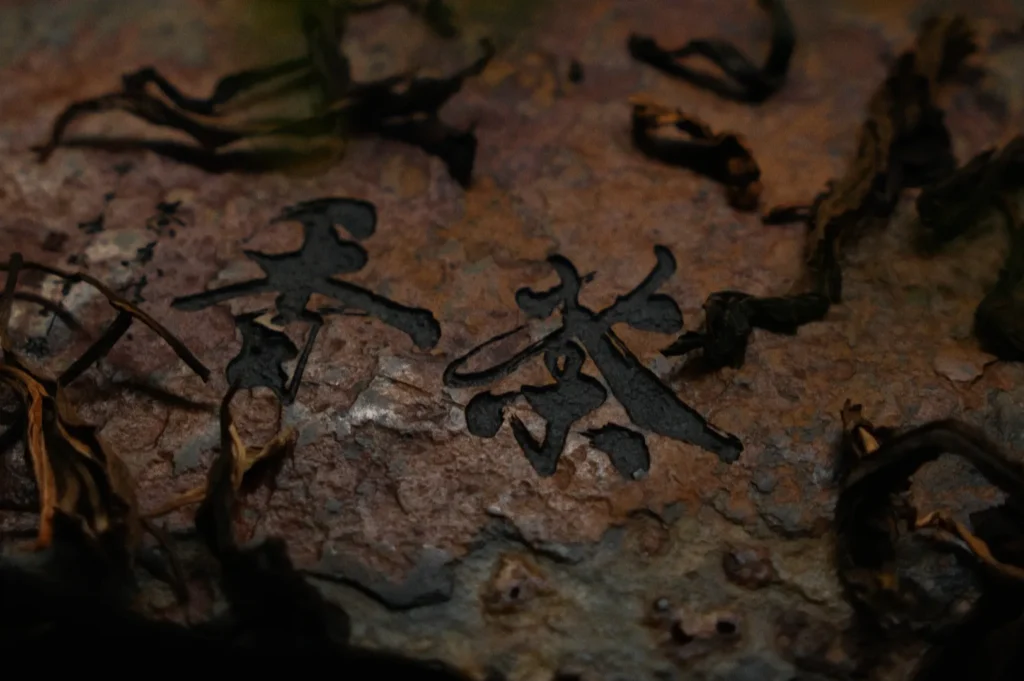
Da Hong Pao is often at its best when the food behaves with the same restraint the tea carries.
That does not mean every pairing should be soft or obvious. It means the table should understand the tea’s rhythm. Roast, mineral depth, floral lift, and return all need room. When food offers warmth, dryness, quiet sweetness, or measured savoury depth, the pairing can feel complete. When food arrives with too much force, the tea is pushed into reaction rather than expression.
At Tea Room by Ki-setsu, we return often to this simple principle: pair Da Hong Pao with foods that leave the next sip more articulate than the one before it. That is usually the clearest sign the table is working.