Tie Guan Yin tea has a name that already feels larger than the cup.
Often translated as Iron Goddess or Iron Goddess of Mercy, Tie Guan Yin is one of China’s most recognised oolong teas. It is floral, graceful, and quietly expressive in its lighter forms. In more traditional roasted styles, it can become warmer, deeper, and more grounded.
This is why Tie Guan Yin can confuse beginners. Some expect one fixed taste. Instead, they find a tea that changes by roast, origin, season, and brewing.
Tie Guan Yin tea is not simply an oolong to memorise. It is an oolong to understand slowly.
At Tea Room by Ki-setsu, our approach to chinese tea Singapore begins with this kind of attention: the leaf, the water, the vessel, and the quiet space between each infusion.
What Is Tie Guan Yin Tea?
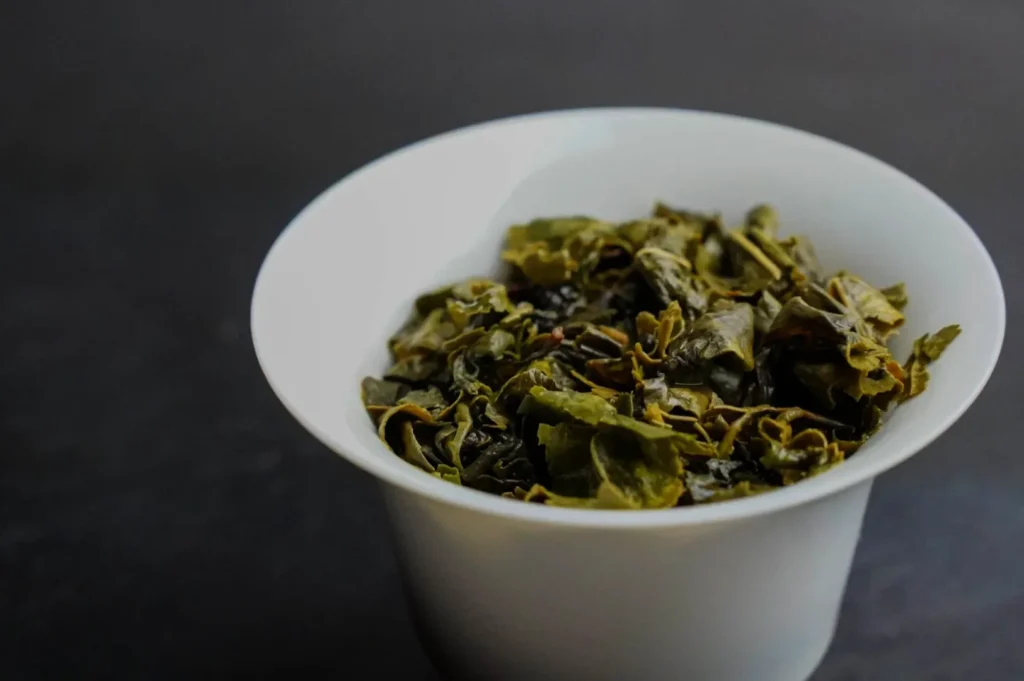
Tie Guan Yin is a Chinese oolong tea traditionally associated with Anxi County in Fujian province.
Oolong tea sits between green and black tea in terms of oxidation. Green tea is minimally oxidised. Black tea is fully oxidised. Oolong is partially oxidised, which allows the tea maker to shape aroma, body, and finish with more range.
Tie Guan Yin belongs to this expressive middle ground.
The Fujian Provincial People’s Government notes that the oolong tea processing technique for Tieguanyin is centred in Anxi County, Quanzhou, and recognised as a national-level intangible cultural heritage item in traditional craftsmanship. This matters because Tie Guan Yin is not only a tea name. It is also a craft tradition.
Why Is It Called Iron Goddess Tea?
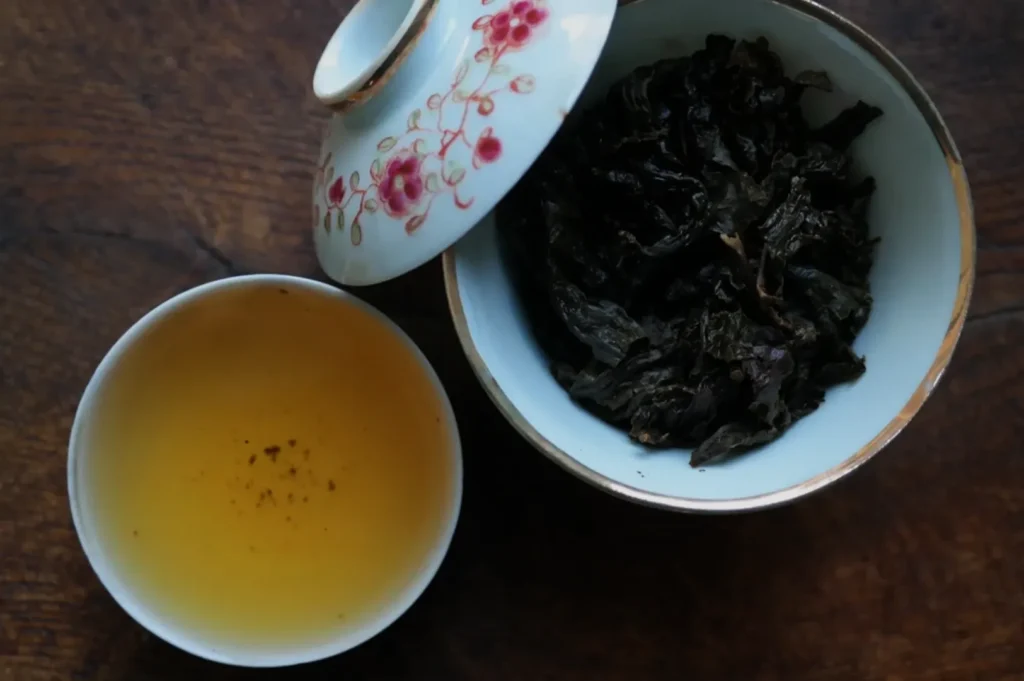
The name Tie Guan Yin is often translated as Iron Guanyin or Iron Goddess of Mercy.
“Guan Yin” refers to the bodhisattva associated with compassion. “Tie” means iron. There are several stories around the name, and not every legend should be read as literal history. Still, the name gives the tea a cultural weight that has followed it for generations.
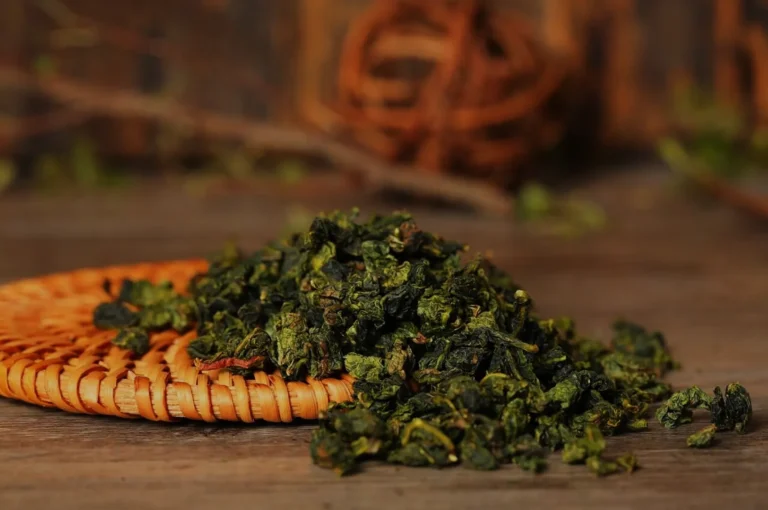
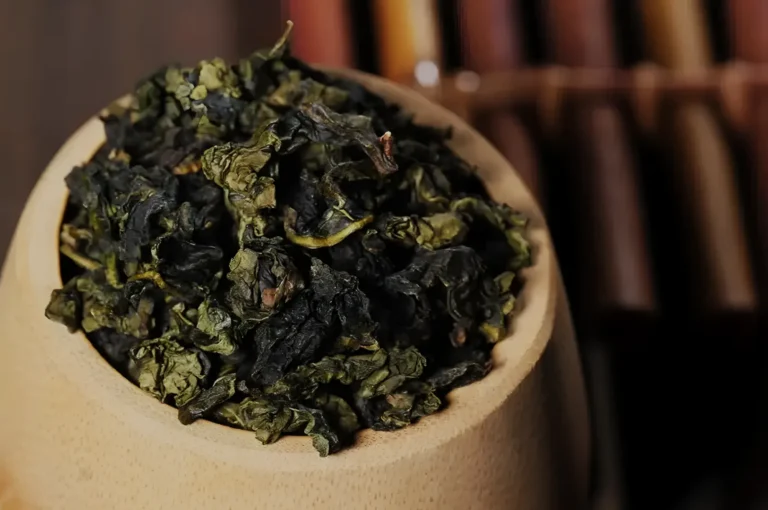
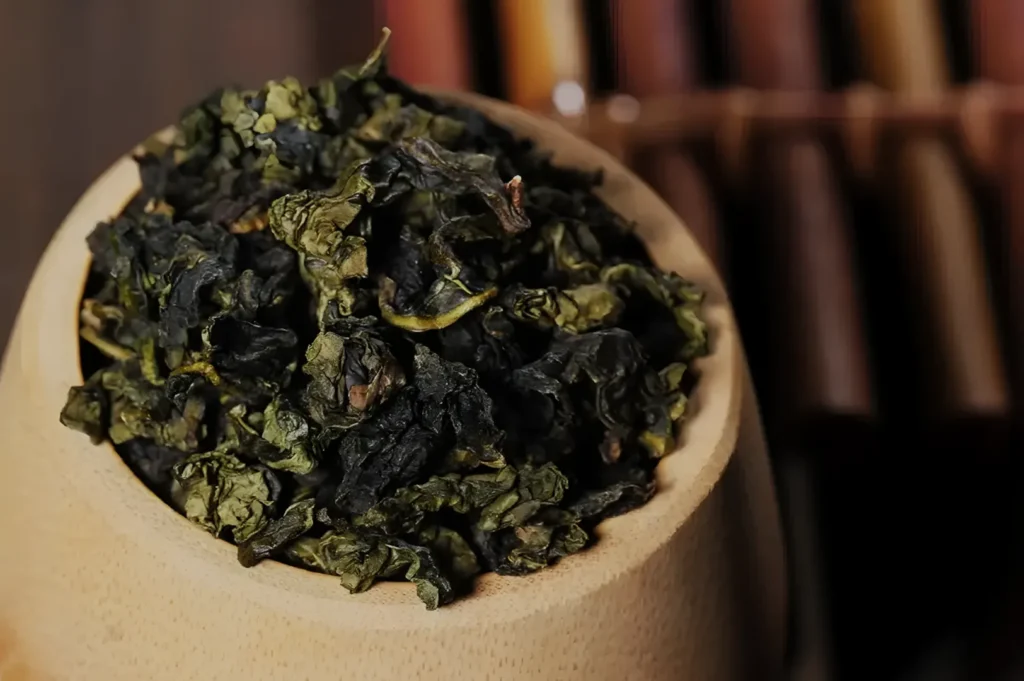
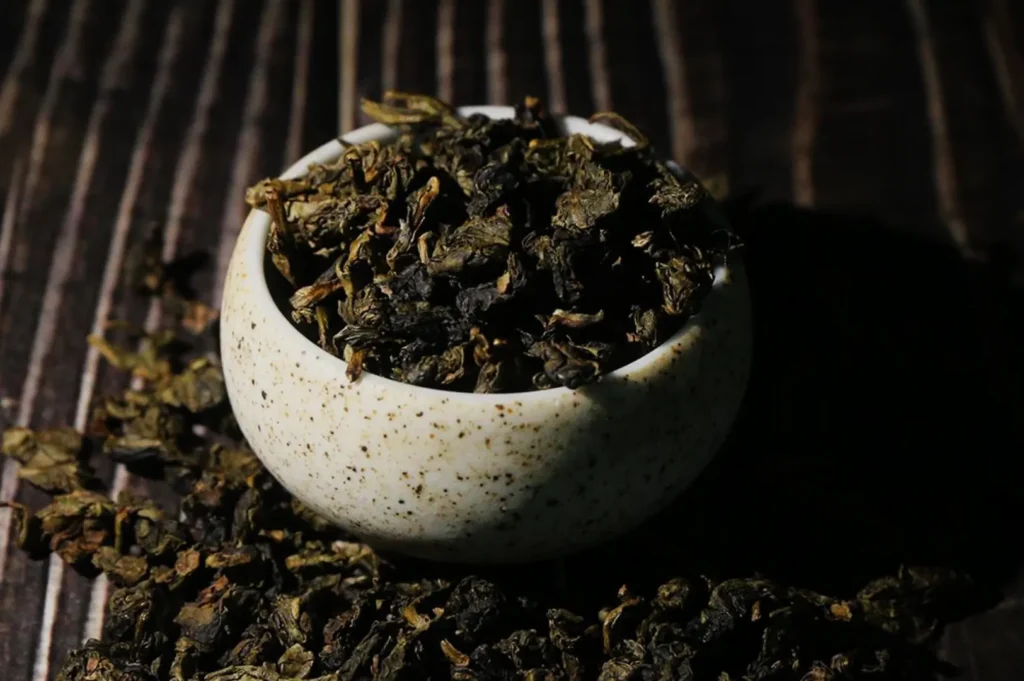
The “iron” can also suggest the leaf’s tightly rolled form, weight, and strength before it opens in water.
The name is dramatic, but the best Tie Guan Yin is often graceful rather than loud.
What Does Tie Guan Yin Taste Like?
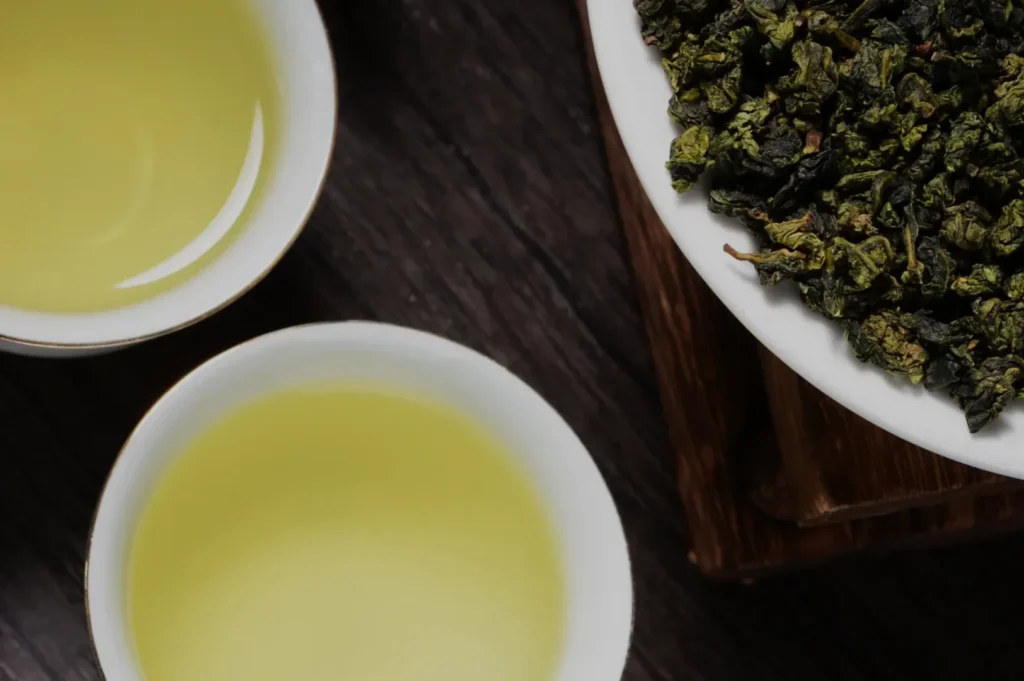
Tie Guan Yin tea can taste very different depending on style.
Modern lighter Tie Guan Yin is often floral, smooth, fresh, and gently creamy. Many drinkers describe orchid notes, soft sweetness, and a clean finish.
Traditional roasted Tie Guan Yin feels warmer. It may carry notes of toasted grain, roasted nuts, honey, dried fruit, or a deeper sweetness after swallowing.
A good Tie Guan Yin should not taste artificial. Its fragrance should feel connected to the leaf, not sprayed over it. A study on volatile compounds in Tieguanyin and other oolongs highlights how aroma differences can be studied through the tea’s natural volatile compounds. In the cup, this simply means the fragrance has chemistry, craft, and origin behind it.
Light vs Roasted Tie Guan Yin
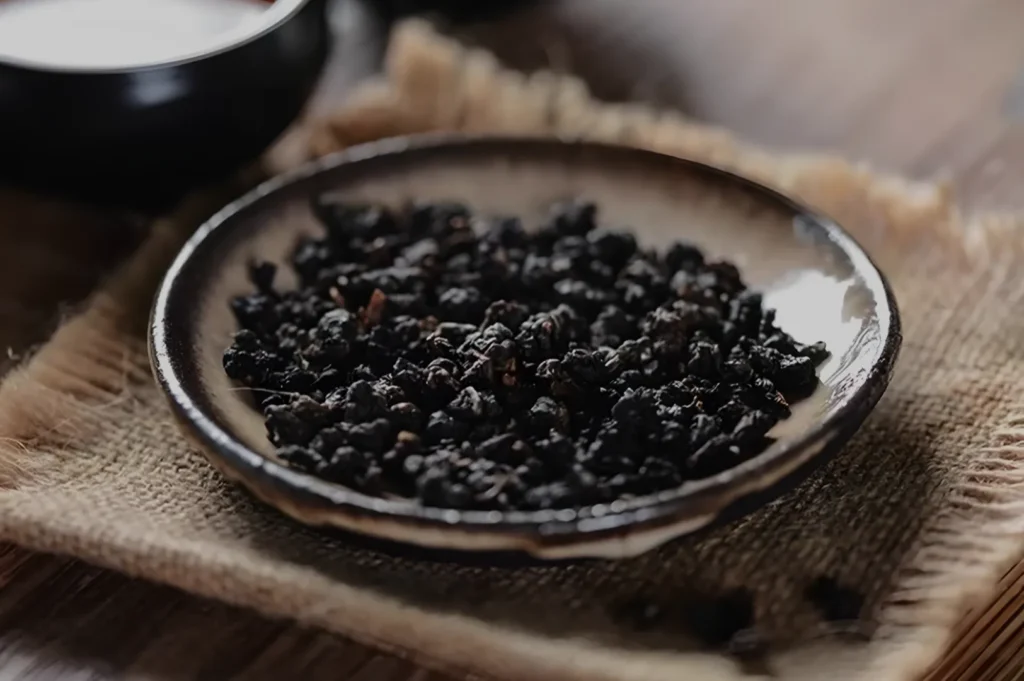
Light Tie Guan Yin is often greener, more floral, and more immediately fragrant. It suits drinkers who enjoy lift, clarity, and a softer cup.
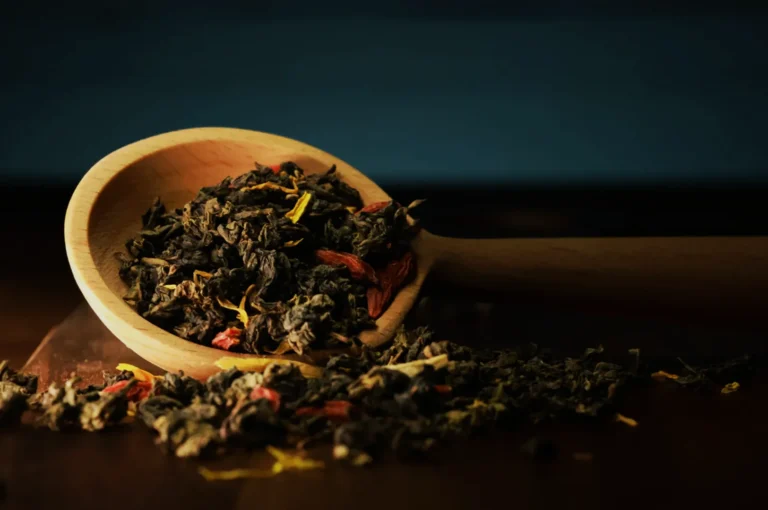
Roasted Tie Guan Yin is warmer and more structured. The roast can soften sharpness, deepen sweetness, and give the tea more body.
Research on roasting Tieguanyin oolong tea notes that roasting can weaken bitterness and astringency while enhancing sweet aftertaste. This explains why roasted Tie Guan Yin can feel more rounded when handled well.
Neither style is better. They serve different moods.
Tie Guan Yin Tea Benefits
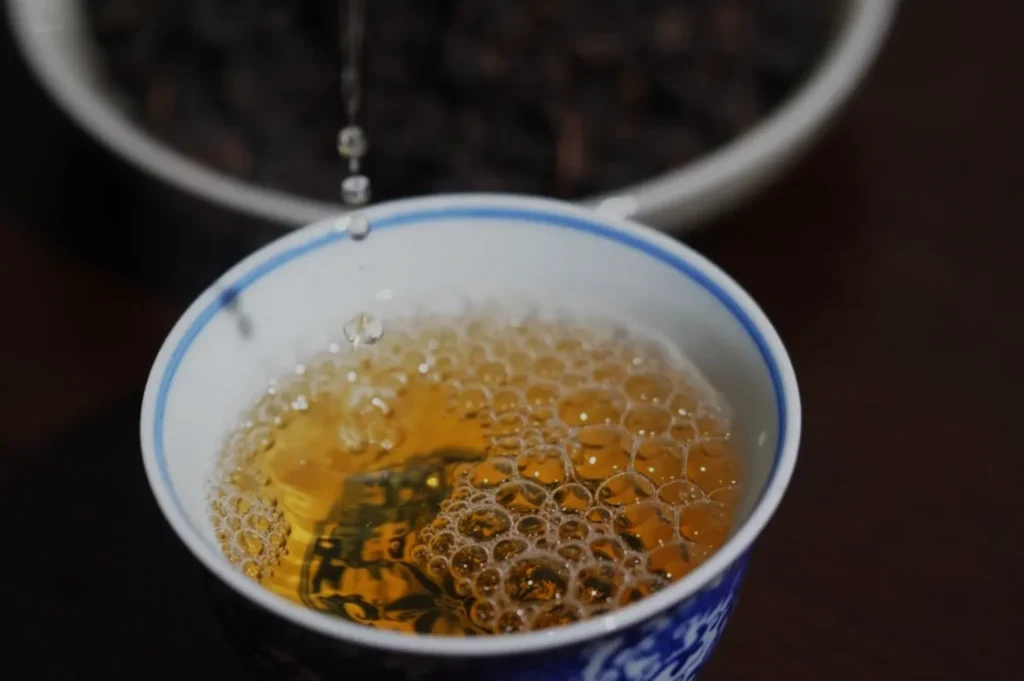
Tie Guan Yin is often discussed for wellness because it is a true tea from Camellia sinensis. It naturally contains tea polyphenols, caffeine, amino acids, and other compounds associated with tea.
A study on Anxi Tieguanyin quality detection notes that Tieguanyin contains free amino acids and tea polyphenols, both important to quality and composition.
Still, Tie Guan Yin should not be treated as medicine. It may support a calm daily ritual, provide gentle energy, and offer an unsweetened alternative to sugary drinks. But it should not be sold as a cure.
The benefit of Tie Guan Yin is not only what it contains. It is also how it asks us to slow down.
Does Tie Guan Yin Have Caffeine?
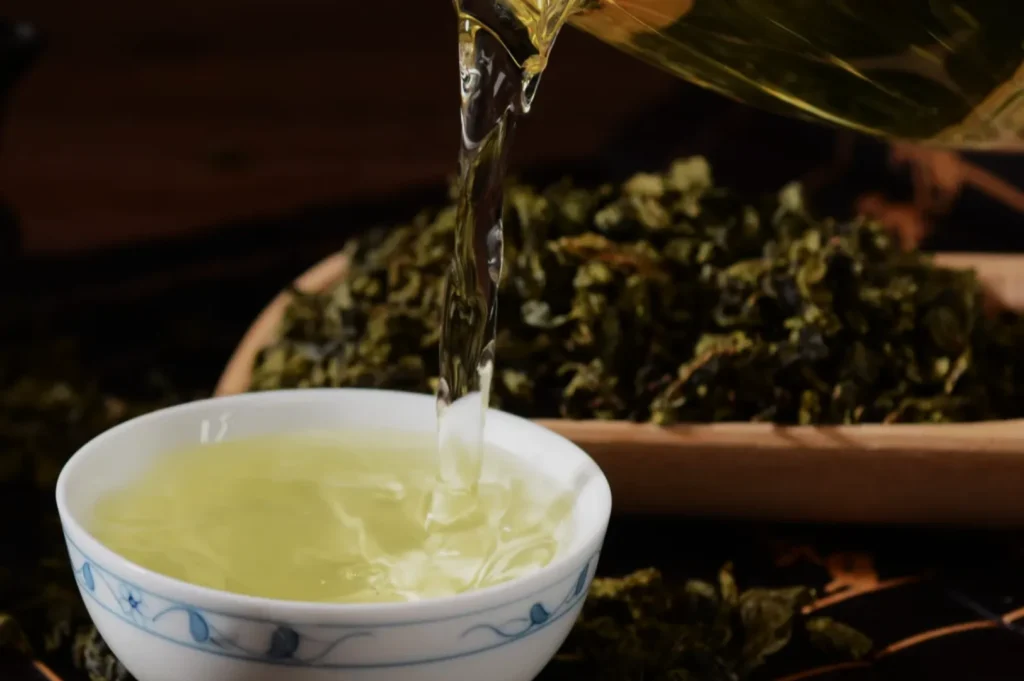
Yes. Tie Guan Yin contains caffeine.
The amount depends on the leaf, water temperature, brewing time, and how much tea is used. A light infusion may feel gentle. A strong gongfu-style session may feel more active.
If you are caffeine-sensitive, drink Tie Guan Yin earlier in the day and begin with lighter infusions.
How to Brew Tie Guan Yin Tea
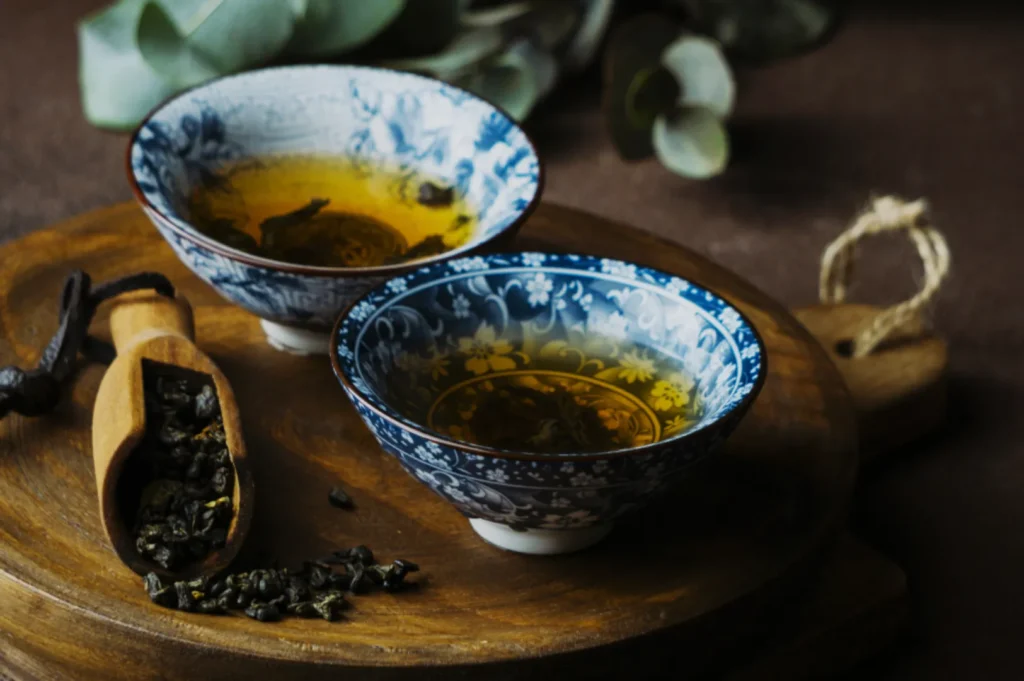
Tie Guan Yin responds beautifully to multiple infusions.
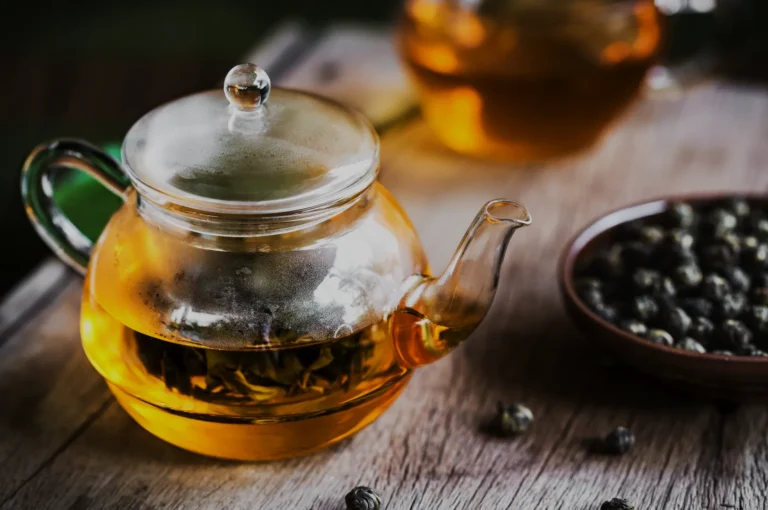
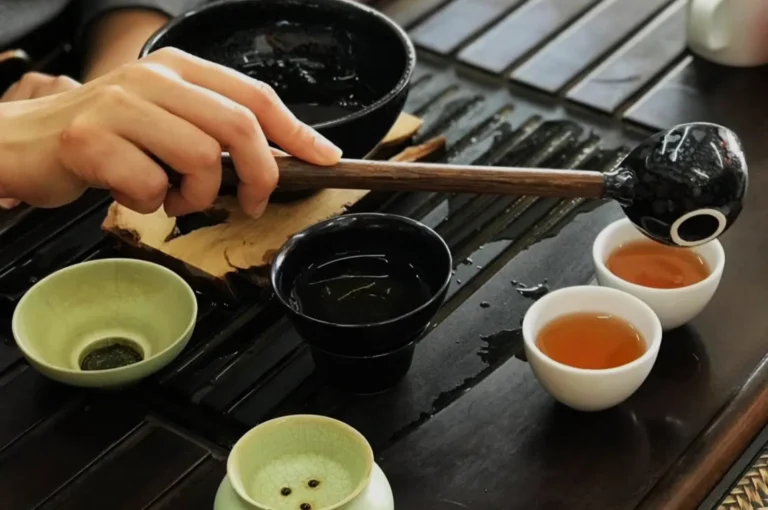
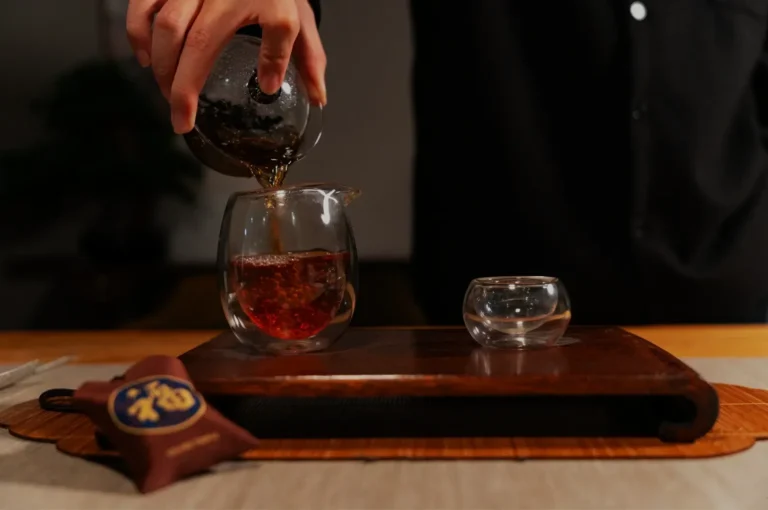
For gongfu-style brewing, use a gaiwan or small teapot. Begin with short infusions, then adjust according to taste. Lighter Tie Guan Yin usually prefers slightly gentler water, while roasted Tie Guan Yin can often handle hotter water.
Do not judge the tea by the first cup alone. The early infusion may show fragrance. The next may reveal body. Later cups may soften into sweetness.
Tie Guan Yin rewards return. The same leaves can speak differently across the session.
How to Choose Tie Guan Yin Tea
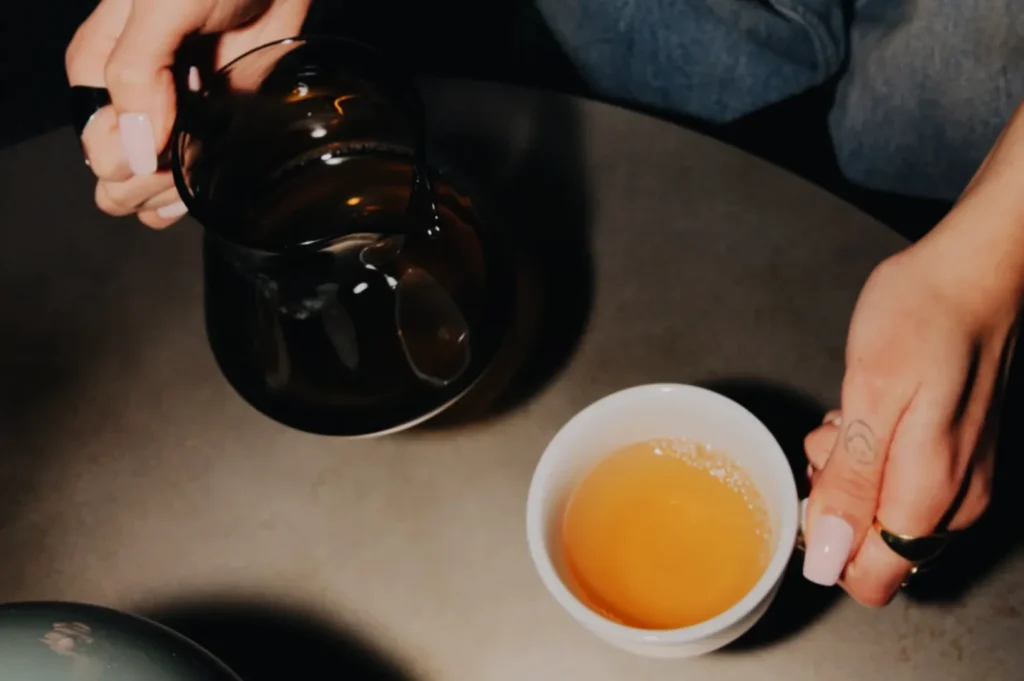
Choose light Tie Guan Yin if you want floral aroma, freshness, and a smooth texture.
Choose roasted Tie Guan Yin if you want warmth, depth, and a more grounded finish.
Beginners may enjoy tasting both styles side by side. This helps separate the tea’s identity from the style of processing.
At Tea Room by Ki-setsu, we often find that comparison makes Tie Guan Yin easier to understand. It is not one fixed personality. It is a tea with several expressions.
Final Thought
Tie Guan Yin tea is famous for a reason, but fame alone is not the point.
Its beauty lies in the way it carries both elegance and strength. It can be floral or roasted, light or warm, delicate or structured. It can welcome beginners and still reward drinkers who return to it with more experience.
For those beginning their Chinese tea journey, Tie Guan Yin offers a graceful doorway into oolong: fragrant enough to invite, layered enough to revisit, and calm enough to remain quietly memorable.