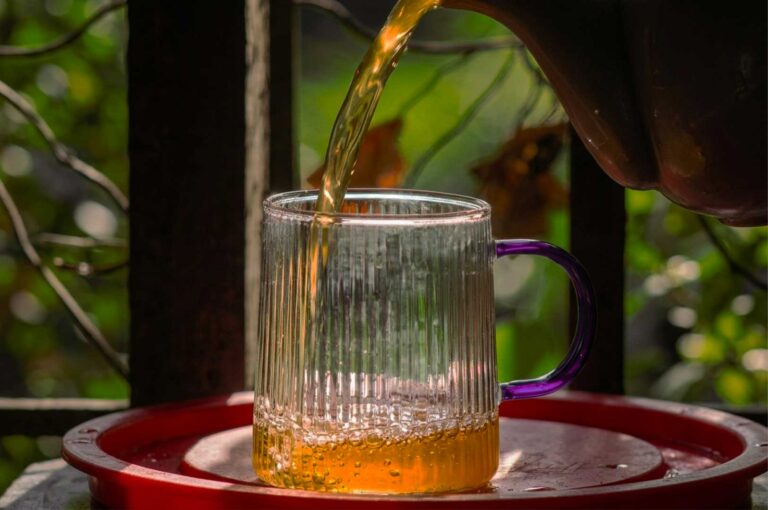
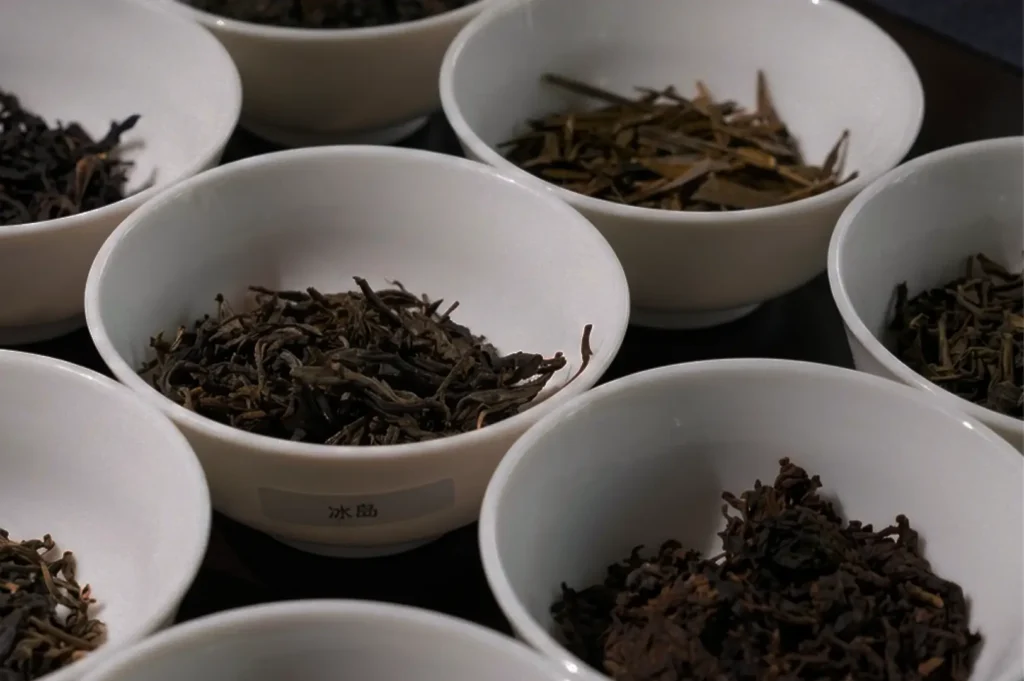
Sun drying is the part of Shai Hong that attracts attention.
Yet the process begins long before the leaves meet sunlight.
The tea must first be withered, rolled and oxidised. Each stage changes the material that eventually reaches the drying area.
A careful solar finish cannot rescue careless work earlier in production.
Our sun-dried black tea pillar explains the wider tradition. Here, we follow the production sequence.
First: Withering
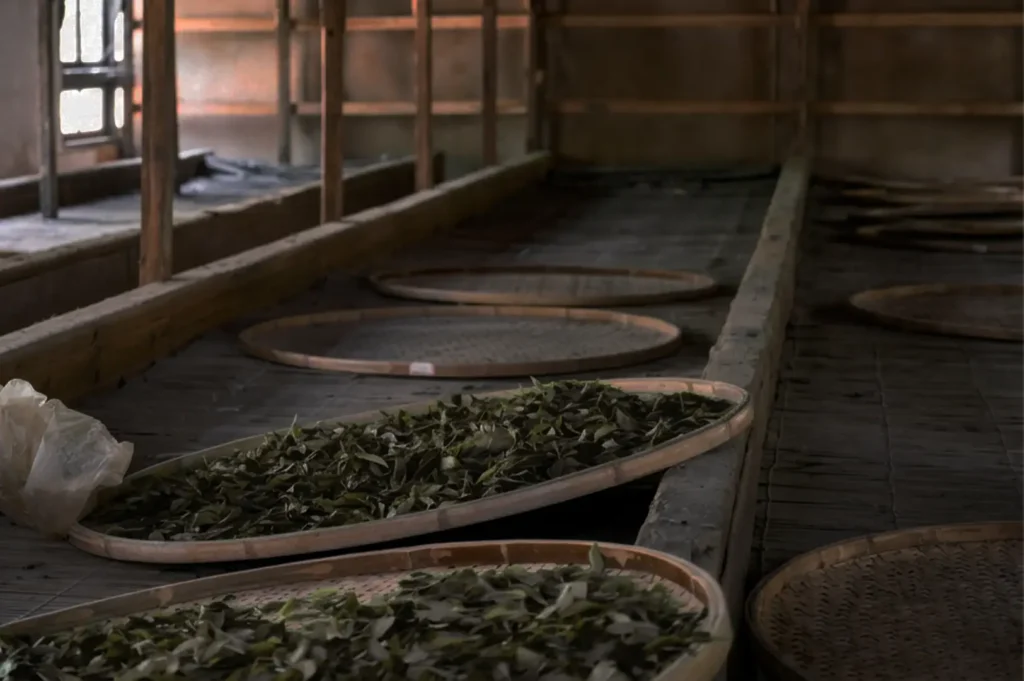
Freshly harvested tea leaves contain considerable moisture.
Withering allows some of that moisture to leave while the leaf begins to soften.
This prepares it for rolling.
The duration and conditions matter because withering influences chemical reactions and the leaf’s physical readiness for further processing.
Rolling and Oxidation
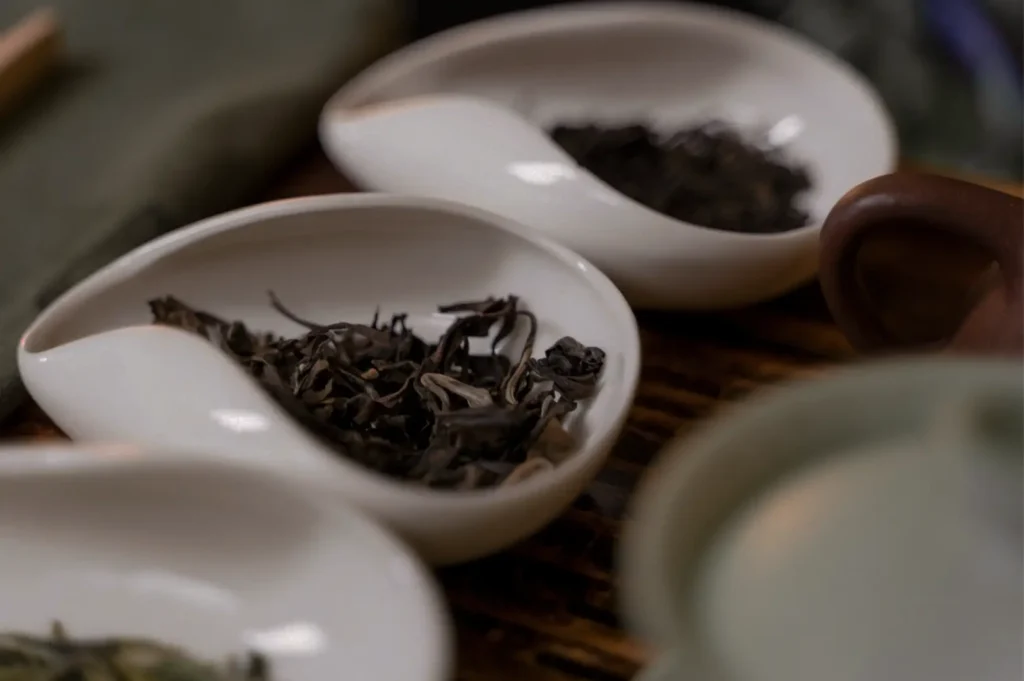
Rolling disrupts leaf cells, allowing enzymes and other compounds to interact more readily.
During controlled oxidation, the chemical profile changes, developing the colour and flavour associated with black tea.
Research on catechin conversion and theaflavin formation demonstrates how temperature, duration and processing conditions influence important compounds in oxidised tea.
Oxidation must be controlled.
Too little can leave an unsuitable balance. Too much can diminish qualities the maker intended to preserve.
The Sun-Drying Stage
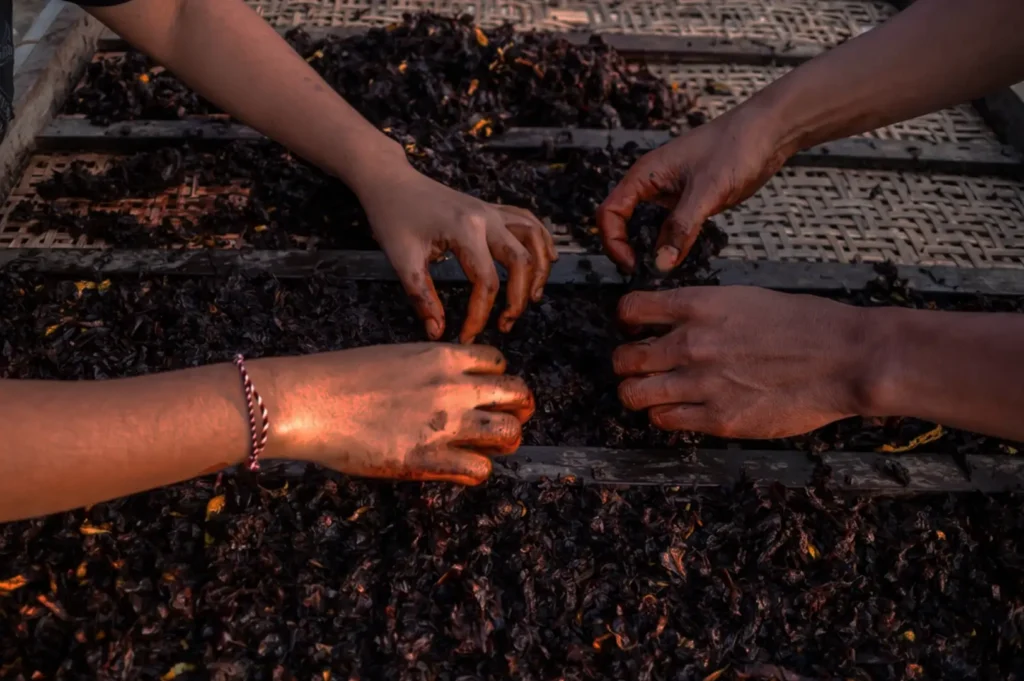
After oxidation, Shai Hong is dried using sunlight.
A scientific review published in 2026 explains that sun drying affects moisture reduction, aroma formation, lipid oxidation and other chemical processes in tea.
Unlike a tightly controlled industrial dryer, natural sunlight varies with weather, temperature, airflow and exposure.
That makes the maker’s judgement especially important.
The sun is part of the process, but it is not a substitute for the tea maker.
Why Drying Method Matters
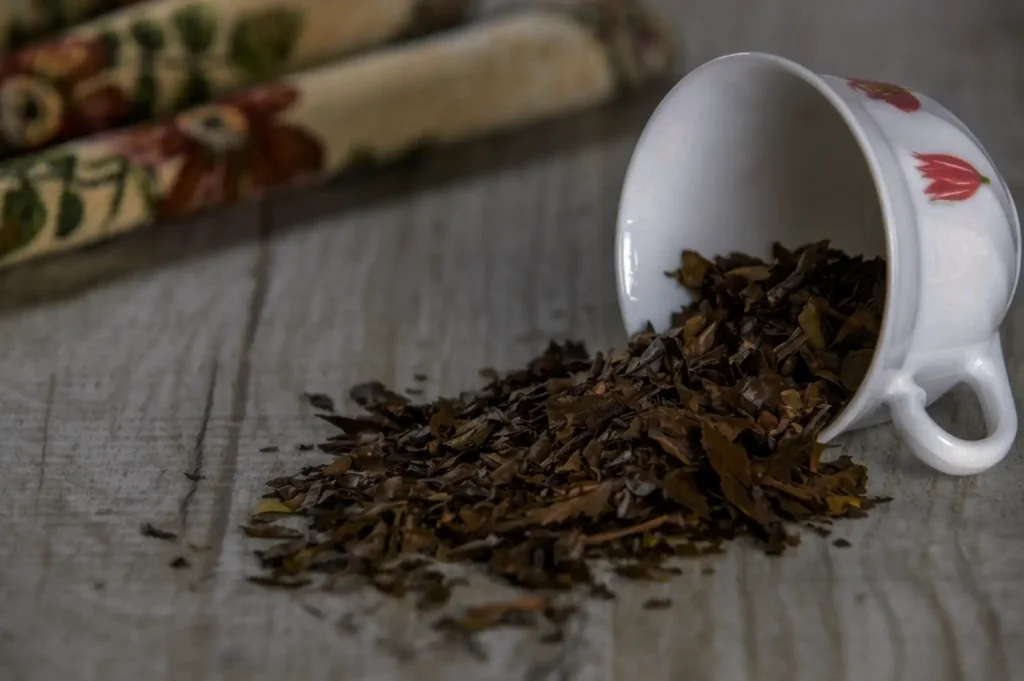
Different drying methods do not produce identical teas.
A 2024 Food Chemistry study on black tea drying temperature found that changing drying temperature substantially affected taste, colour and non-volatile metabolites.
Research on sun-dried Congou black tea has similarly found measurable changes in catechins, amino acids, carbohydrates and sensory quality.
These studies help explain why the final drying stage deserves its own attention.
Does Shai Hong Require No Heat?
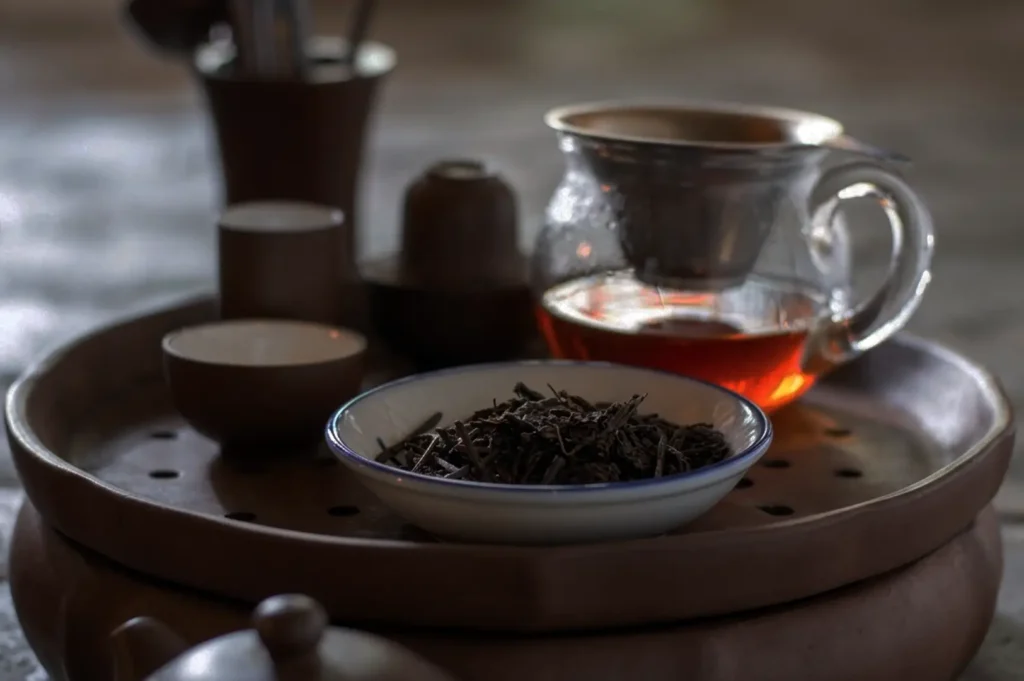
It requires no conventional high-temperature final firing in a traditional solar-dried process.
But sun drying is still a form of heat exposure.
It would be misleading to describe Shai Hong as untouched by temperature or chemical change.
Sunlight and ambient warmth influence moisture loss and reactions within the leaf.
The finished tea therefore reflects a different drying environment, not the absence of processing.
Final Thought
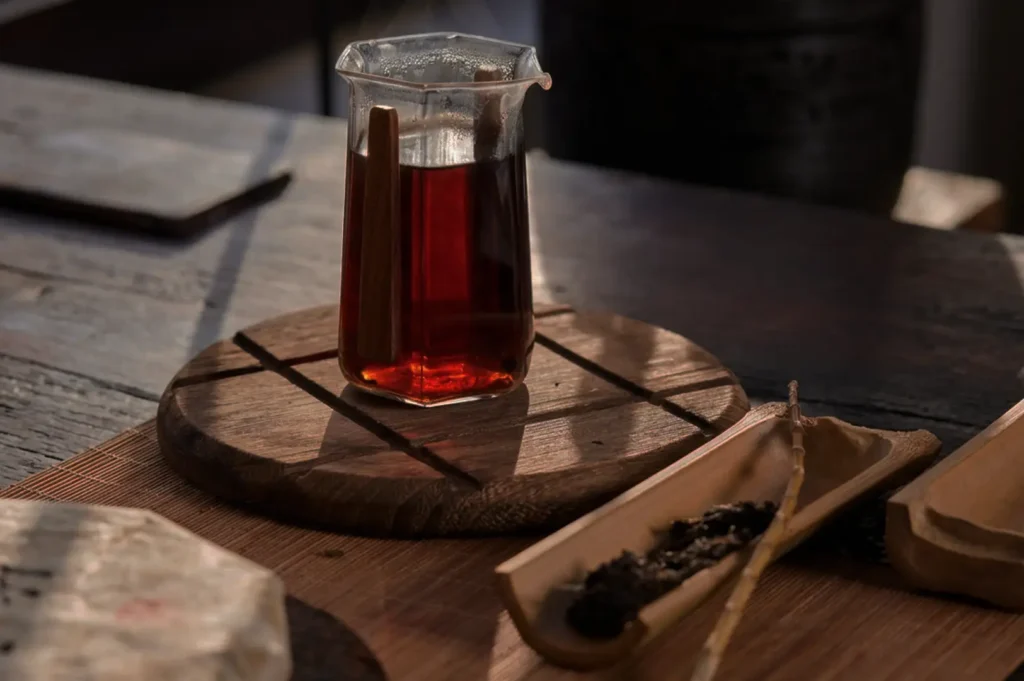
Shai Hong production is a sequence of decisions.
Withering prepares the leaf. Rolling changes its structure. Oxidation shapes its character. Sun drying completes the transformation.
At Tea Room by Ki-setsu, we value this kind of processing literacy because it brings us closer to the craft behind the rare teas we serve.
Good craftsmanship is not one remarkable technique. It is knowing how every technique affects the next.
That is the most useful way to understand Shai Hong.