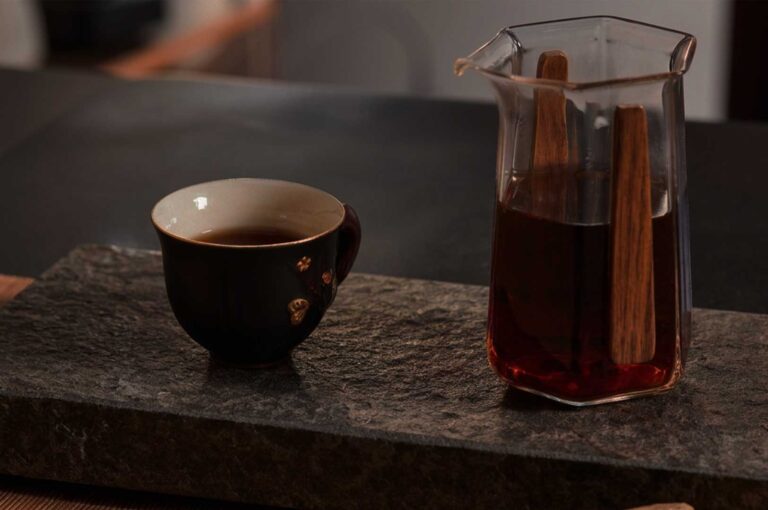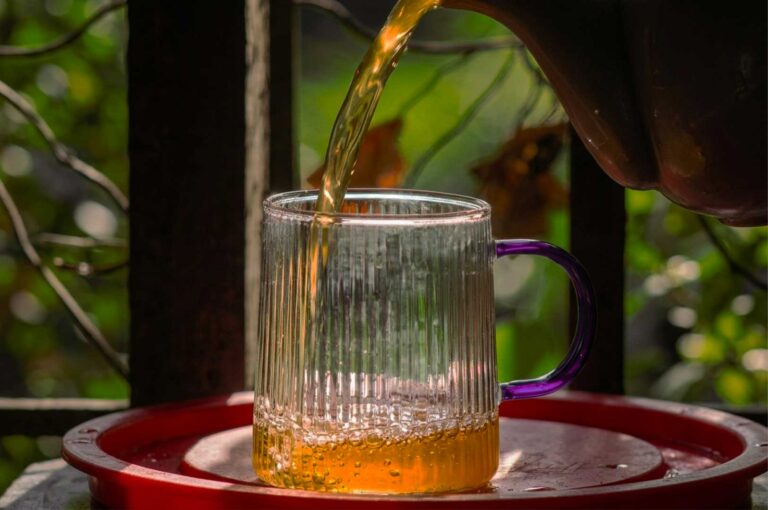
Not every black tea finishes its journey in a heated drying machine.
Some leaves are given to the sun.
Shai Hong tea, or 晒红茶, is a style of Chinese black tea closely associated with Yunnan. Its defining feature is the use of sunlight during final drying, rather than relying entirely on conventional high-temperature drying.
The difference sounds small. In tea-making, it is anything but.
Shai Hong reminds us that the final decision in processing can change the character of the entire leaf.
At Tea Room by Ki-setsu, our rare Chinese tea collection includes Shai Hong. Its place in the collection reflects a broader philosophy: premium tea deserves attention to provenance, processing and what actually reaches the cup.
What Is Shai Hong Tea?
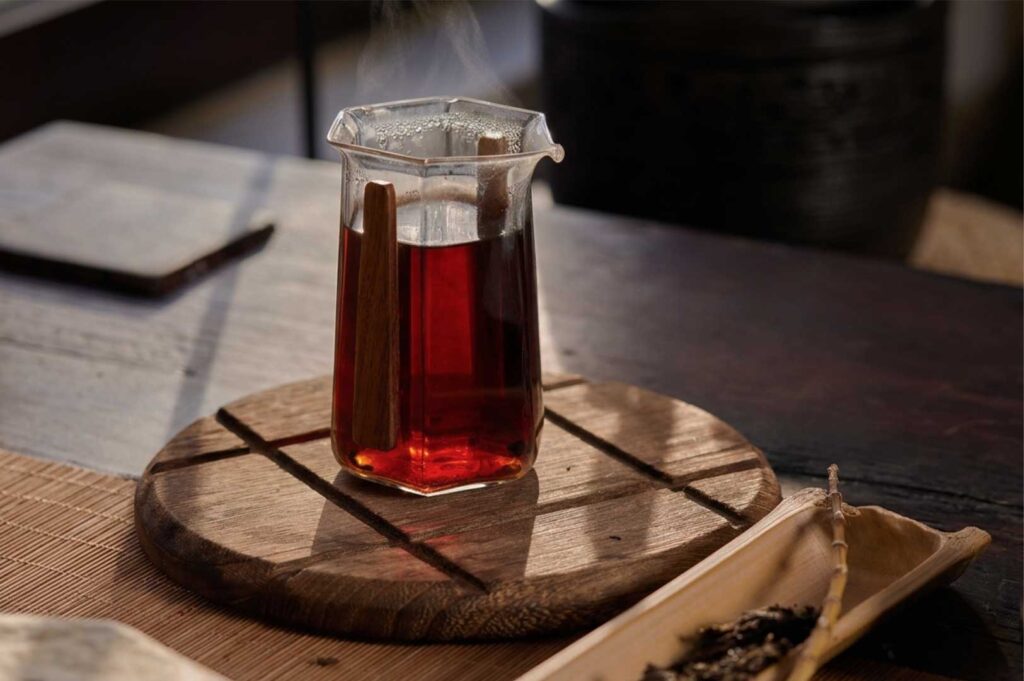
Shai Hong translates roughly to sun-dried red tea.
In Chinese tea terminology, hong cha, or red tea, is what English speakers generally call black tea.
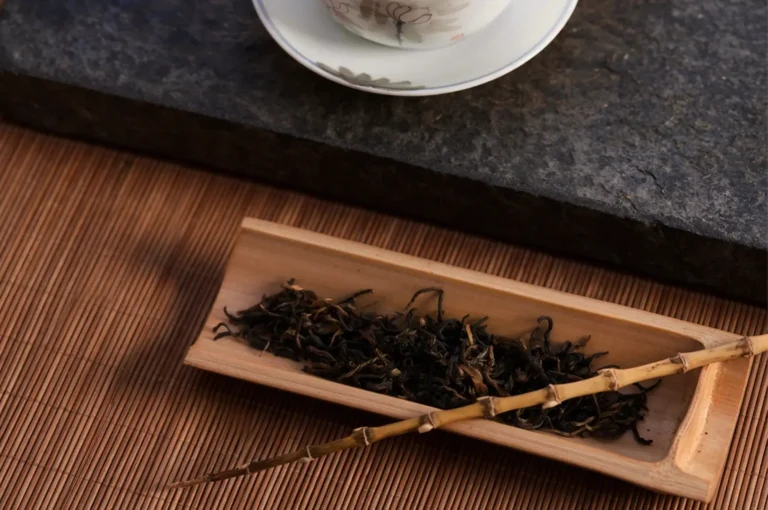
Shai Hong is made from tea leaves that undergo withering, rolling and enzymatic oxidation before being dried using sunlight.
A published Yunnan Shai Hong product standard describes production using Yunnan large-leaf tea material, including withering, rolling, oxidation, sun drying and optional compression.
The defining distinction is therefore processing, not simply the colour of the dry leaves.
Why Sun Drying Matters
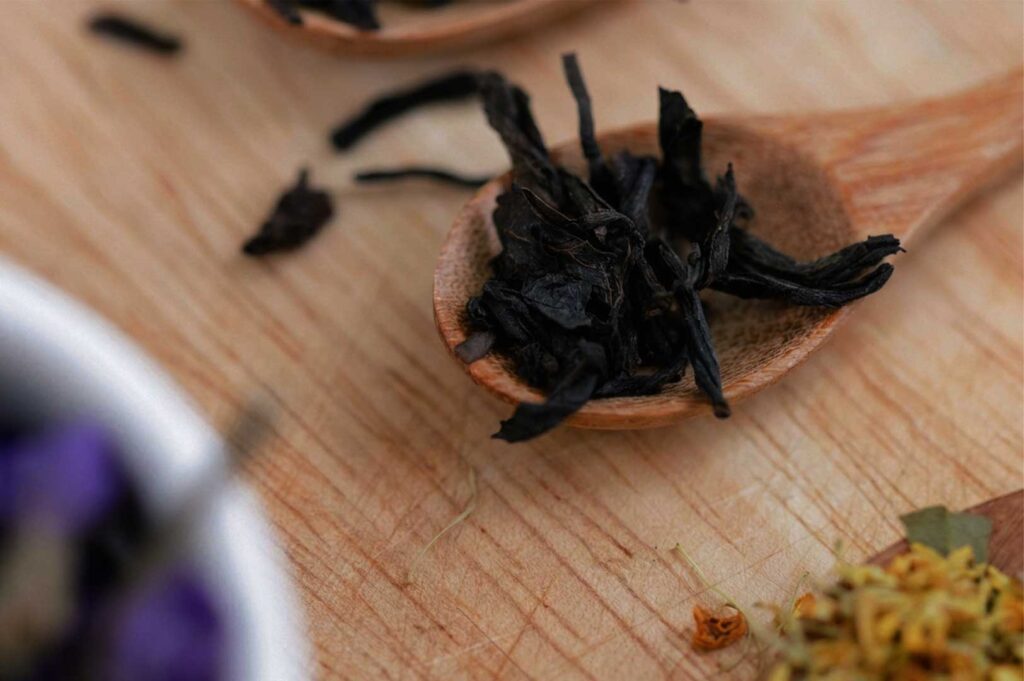
Drying removes moisture and helps stabilise tea for storage.
It also affects flavour.
A 2025 study comparing drying methods in Yunnan Congou black tea found measurable differences in liquor colour, sweetness, bitterness and chemical composition between sun drying, hot-air drying and pan firing.
Interestingly, sun drying increased bitterness in the samples studied, while hot-air drying improved sweetness and colour in that experiment. Read the drying-method comparison.
Sun drying creates difference, not an automatic guarantee of superiority.
The quality of Shai Hong still depends on leaf material, oxidation, drying conditions and the maker’s judgement.
What Does Shai Hong Taste Like?
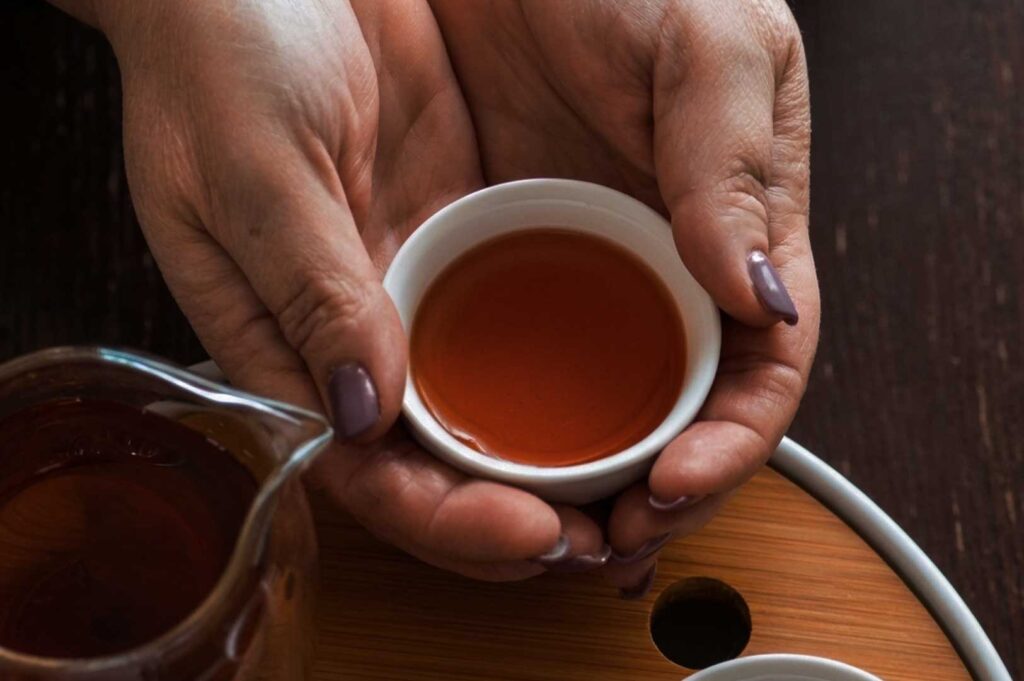
Shai Hong may offer dried-fruit sweetness, honeyed impressions, soft florals, malt or a gently woody finish.
But it would be inaccurate to promise one fixed flavour.
Different cultivars and processing conditions can produce substantially different outcomes. Some teas feel rounded and sweet; others have more briskness or astringency.
A good Shai Hong should feel balanced rather than relying on a romantic description of sunlight.
Shai Hong vs Dian Hong
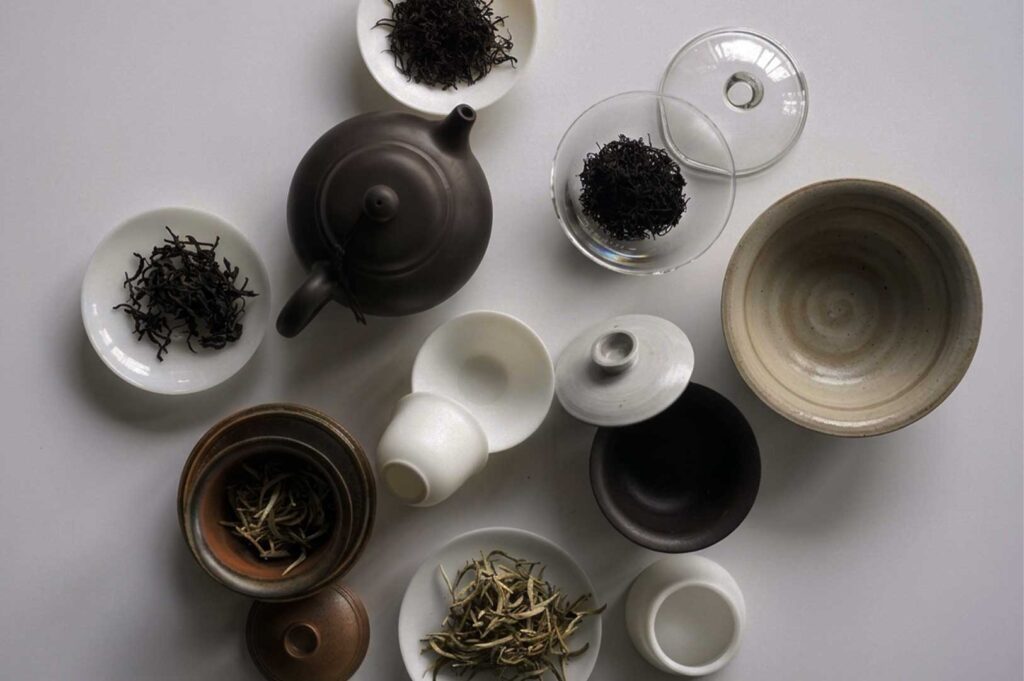
Dian Hong is the broader name associated with Yunnan black tea.
Shai Hong describes a sun-dried processing approach within the black-tea tradition.
Conventional Dian Hong often relies on controlled heated drying, while Shai Hong is distinguished by its solar finish.
The two are not necessarily opposite categories. A tea’s regional identity and its drying method describe different things.
Shai Hong vs Pu-erh
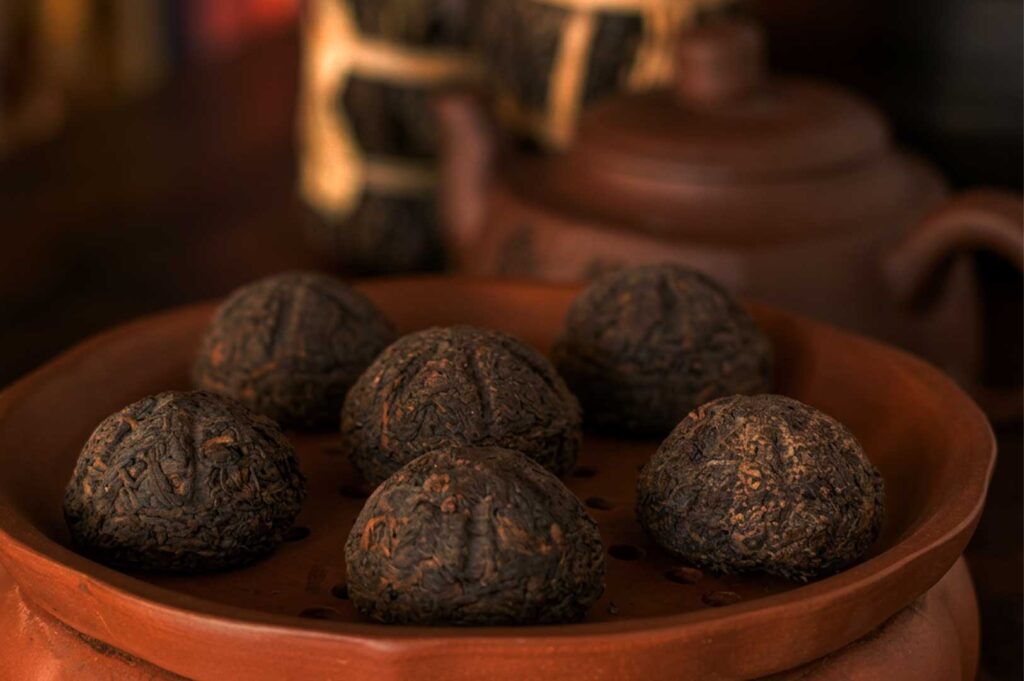
Both may originate from Yunnan.
Their processing paths are different.
Shai Hong undergoes the oxidation associated with black tea. Raw Pu-erh begins with a different primary processing method, while ripe Pu-erh undergoes microbial pile fermentation.
That difference matters when discussing flavour, classification and ageing.
Sharing a region does not make two teas the same.
How to Brew Shai Hong
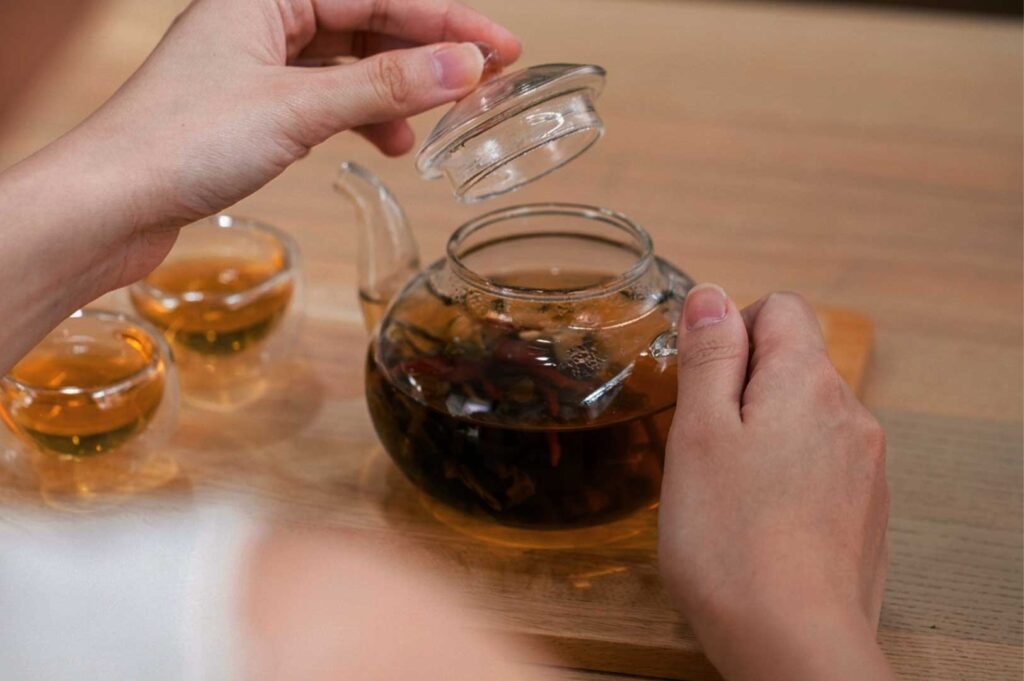
Begin with hot water around 90°C to 95°C.
For a small gaiwan, approximately 4–5 grams per 100 ml is a useful starting point. Keep early infusions short, then adjust according to strength.
For a larger cup, try 2–3 grams per 250 ml and begin with a two-minute infusion.
These are starting points rather than rules.
The first infusion may show aroma; later cups can reveal body, sweetness or a longer finish.
Can Shai Hong Age?
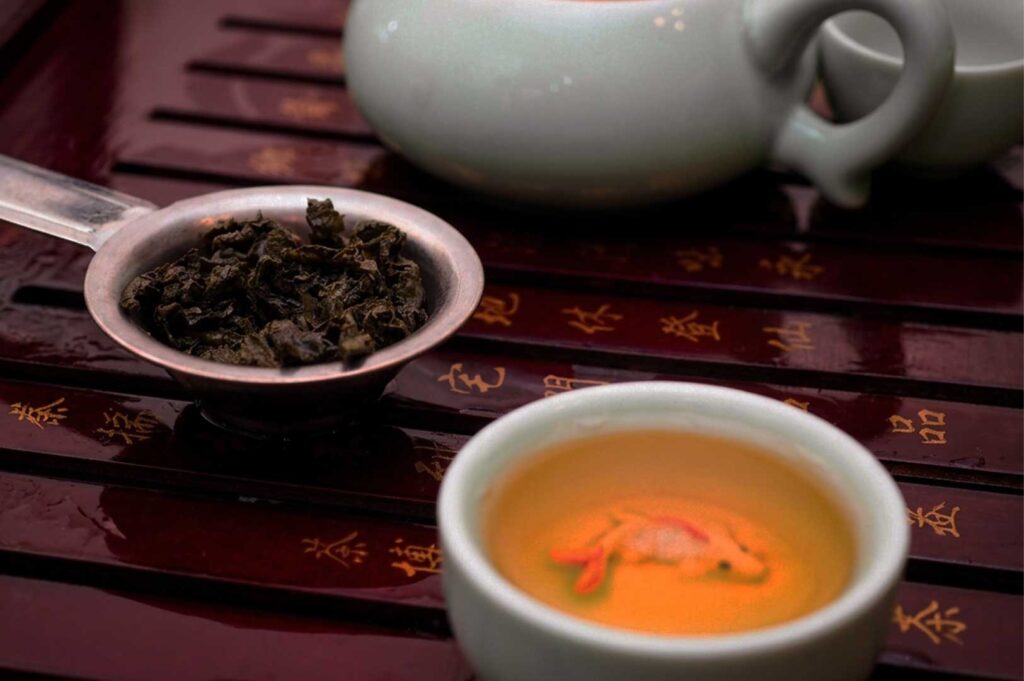
This is where restraint matters.
Some Shai Hong enthusiasts value changes in flavour during storage. However, sun drying does not guarantee indefinite improvement.
Research into the effect of storage duration on Yunnan black tea found that prolonged storage changed aroma and composition, with some desirable floral and sweet characteristics declining over time.
The study was not a universal test of Shai Hong, but it offers a useful warning.
Age can change tea. It does not automatically improve tea.
Good storage and repeated tasting matter more than optimistic labels.
How to Choose Shai Hong
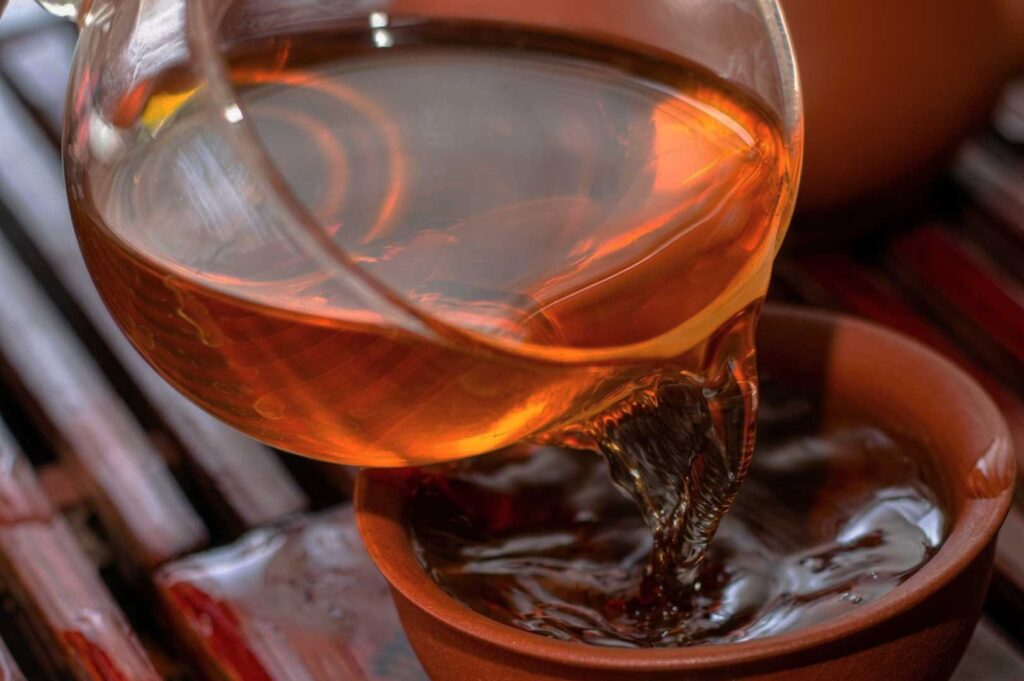
Look for clear information about origin, tea material, processing and storage.
A well-made tea should have a clean aroma, coherent body and pleasant finish. Avoid excessive sourness, damp smells or descriptions that rely entirely on claims of ancient trees.
At Tea Room by Ki-setsu, our reservation-only Chinese tea sessions approach these questions through guided appreciation. The purpose is not to make the leaf sound mysterious. It is to understand why a particular tea deserves attention.
Final Thought
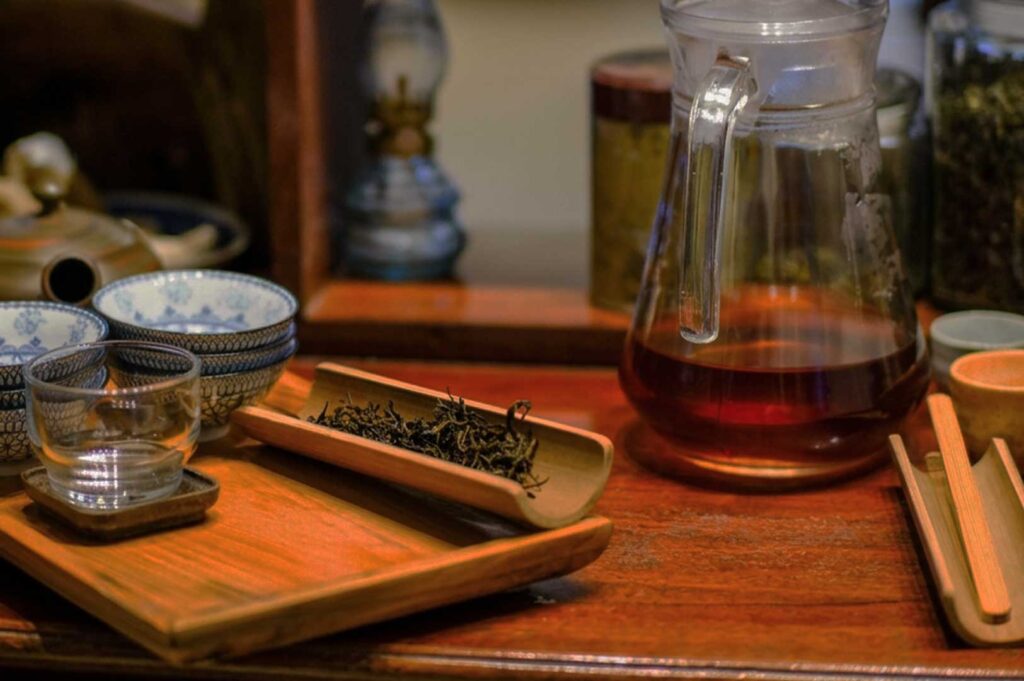
Shai Hong is not simply black tea dried outdoors.
It is an expression of how processing, climate and raw material meet.
The sun leaves its influence, but the maker remains responsible for the result.
A premium tea is never defined by one impressive detail. It is defined by how all its details come together.