Two Yunnan black teas can begin with similar leaves and end in different cups.
Sometimes, the difference lies in drying.
Shai Hong and Dian Hong are often compared as though they are two completely separate tea categories. The distinction is more interesting than that.
Dian Hong is the name widely associated with Yunnan black tea. Shai Hong identifies a sun-dried processing approach.
One tells us about the tea’s regional identity. The other tells us something specific about its making.
Our Shai Hong tea guide provides the wider context.
What Is Dian Hong?
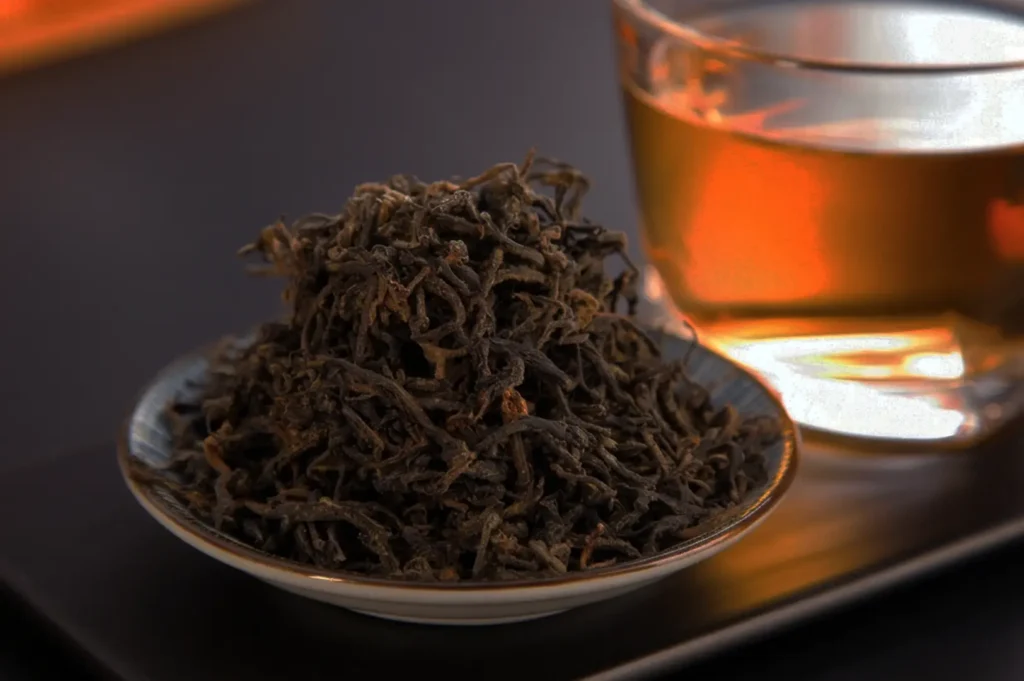
Dian is an abbreviation for Yunnan. Hong refers to red tea, or black tea in English terminology.
Dian Hong includes Yunnan black teas made from different leaf materials and processed in different ways.
Many familiar examples use heated drying methods that help establish a finished aroma and stable moisture level.
Shai Hong is associated specifically with a solar drying finish.
The terms are therefore not necessarily mutually exclusive.
Sun Drying vs Heated Drying
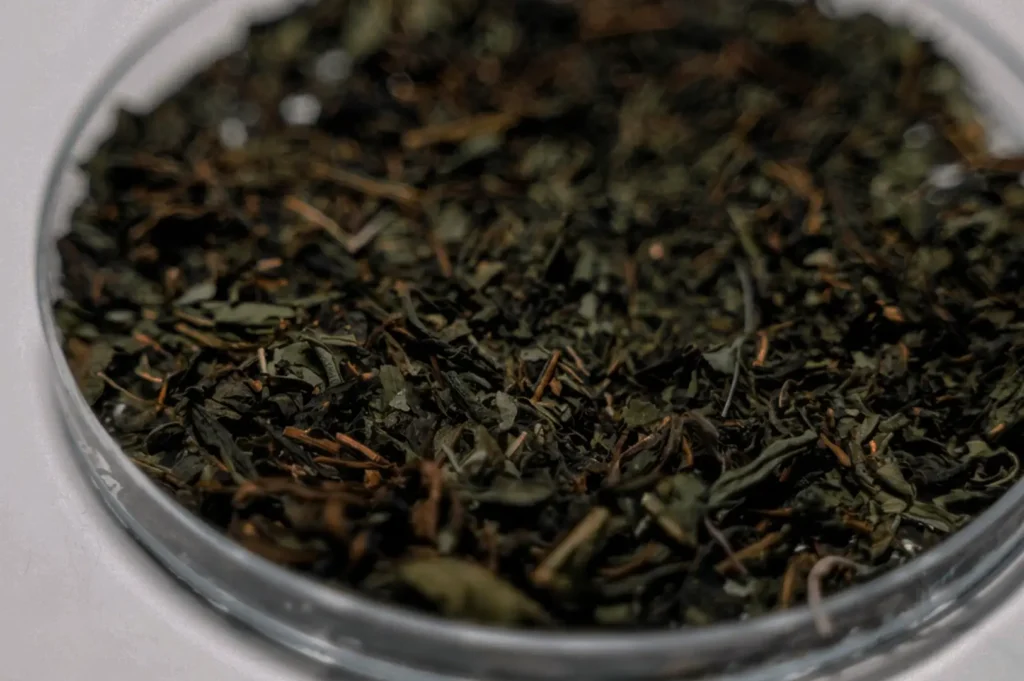
Drying affects much more than moisture.
A 2025 study on Yunnan Congou black tea drying methods compared sun drying, hot-air drying and pan firing.
The researchers found differences in liquor colour, bitterness, astringency and biochemical composition. In the studied samples, hot-air drying improved sweetness and colour, while sun drying increased bitterness.
This challenges a common marketing claim that sun-dried tea must always be sweeter.
A processing method should be evaluated by its results, not its romantic appeal.
Why Heated Drying Can Be Valuable
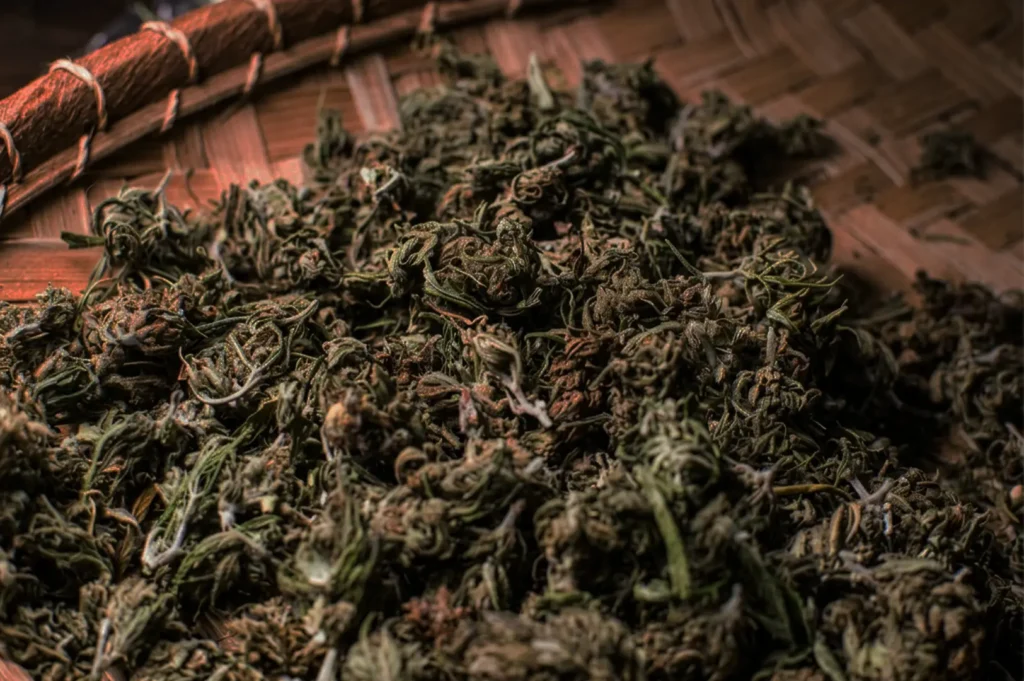
Controlled heat gives the maker greater precision over drying temperature and duration.
That can influence chemical reactions and aroma development.
Research comparing sun-dried and conventionally dried black tea provides additional context for how production decisions change biochemical composition and finished quality.
Heated drying is not a shortcut by definition.
Good black tea can come from either approach.
What Should the Drinker Notice?
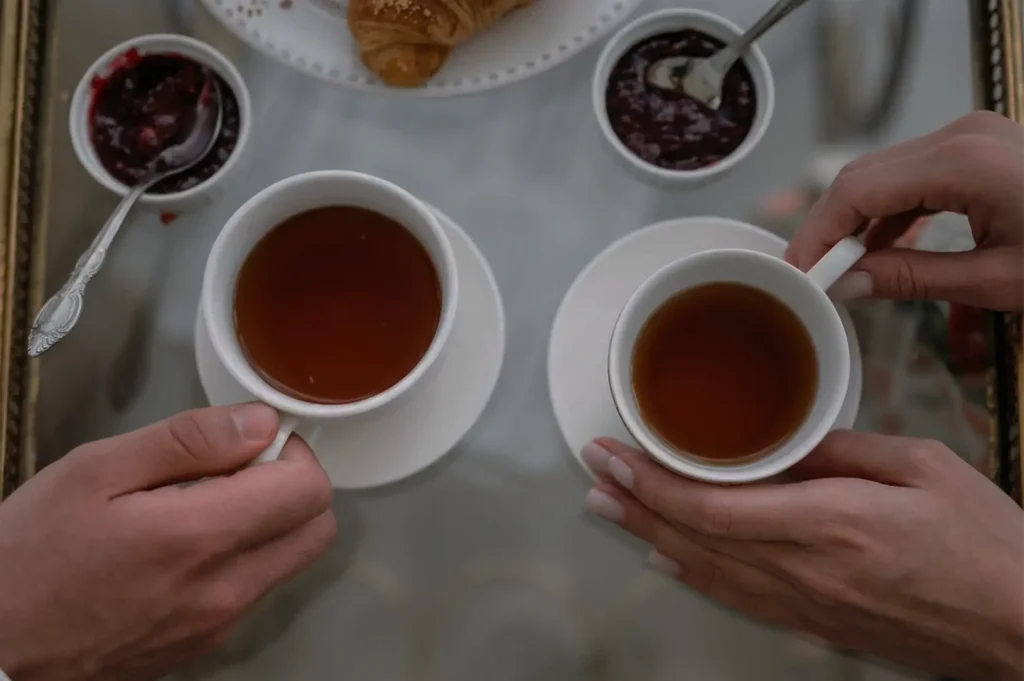
Compare the teas at similar strength.
Notice whether one feels brighter, fruitier, more malty or more astringent.
Then consider the finish.
Does the tea leave sweetness? Does dryness linger? Is the aroma clean and coherent?
A 2026 study in Food Science found that sun drying changed taste-related metabolites differently across cultivars, reinforcing why the results are not universal. Read the sun-dried Congou tea study.
Which Is Better?
Neither name settles the question.
A poorly finished Shai Hong does not become superior because sunlight was involved. A thoughtfully processed Dian Hong does not become inferior because controlled heat was used.
At Tea Room by Ki-setsu, we prefer to approach rare Chinese tea through the leaf itself, with enough time to understand how processing shapes the final cup.
Final Thought
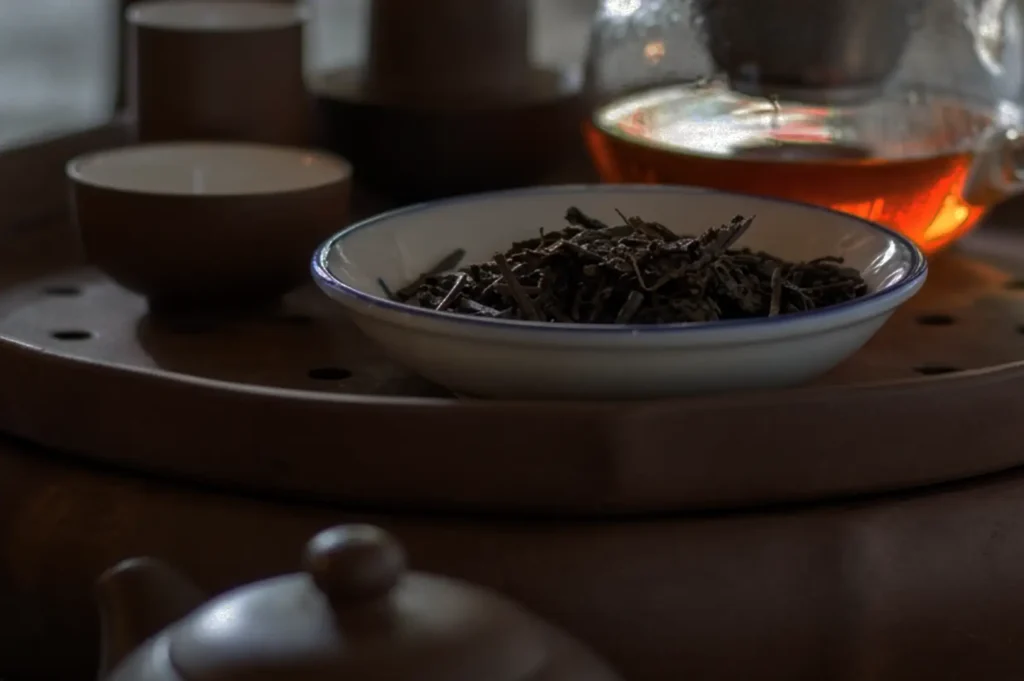
Shai Hong vs Dian Hong should not become a contest between nature and machinery.
It is a question of technique, material and the maker’s intended result.
The more useful distinction is not which drying method sounds better, but which tea was made better.