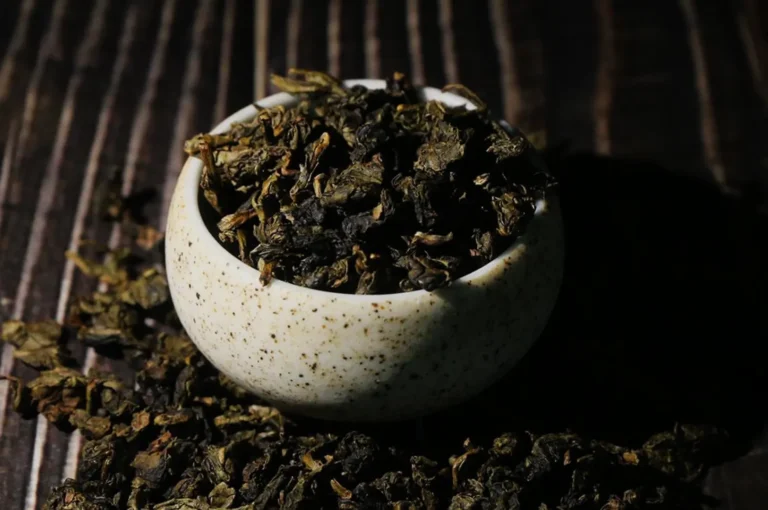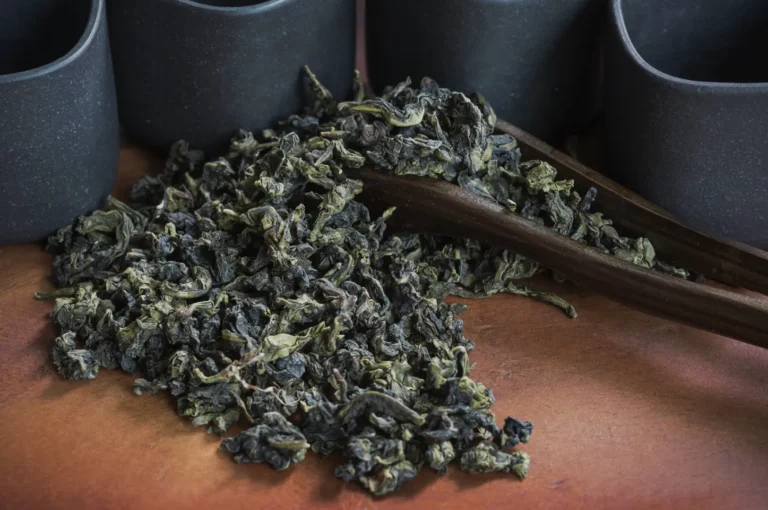
Stepping into the world of tea brewing can feel like learning a new language. Between loose leaf tea, green teas, teapots, and talk of water temperature, preparing tea especially your first cup of tea can seem much more complicated than it needs to be. You might look at tea accessories, tea scoops, or wonder whether hot water or boiling water makes the difference, and quickly feel overwhelmed. But making tea isn’t about chasing perfection. It’s about starting with the basics and building confidence.
This following guide is your first step, offering practical advice, clear tips, and a warm welcome to the art of brewing tea. Appreciating each drink of tea is an essential part of the experience, allowing you to savor the cultural and artisanal journey with every sip. Master this foundation and you’ll be ready to enjoy every cup, before venturing further into blends, herbal infusions, and traditional techniques.
Why Starting Simple is the Best Approach to Tea Brewing
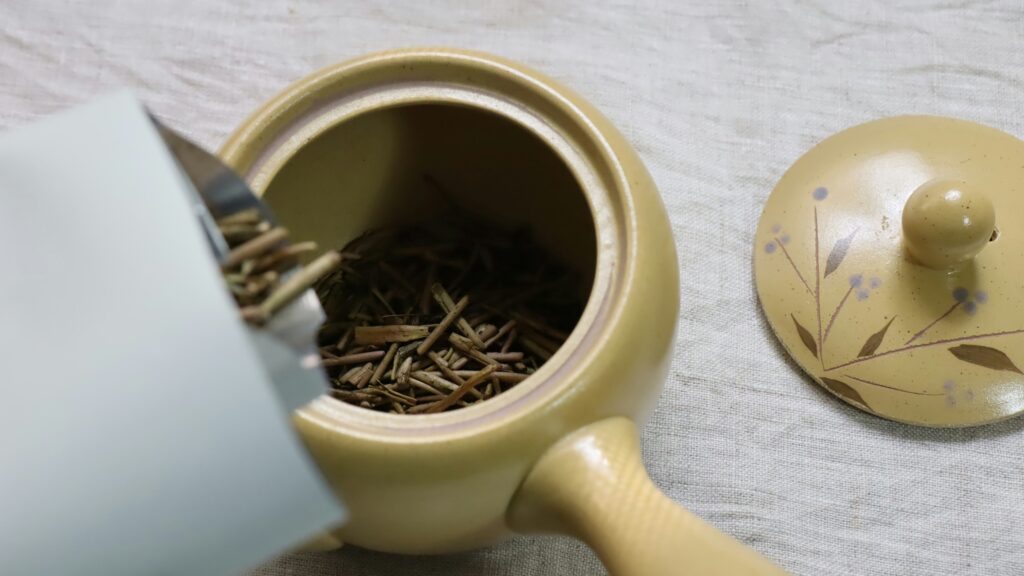
Tea brewing is about progress, not instant perfection. The best way to make a perfect cup of tea is to keep things easy as you begin.
The Learning Curve Myth – You Don’t Need to Master Everything at Once
Many believe that to enjoy green teas, oolong teas, or a perfect cup of loose leaf tea, you need a shelf full of clay teapots and technical knowledge. That’s not true! Start by understanding your tea leaves, heating water to the general rule for the type of tea, and allowing the tea to steep for the recommended time. Let curiosity, not pressure, lead you.
Building Confidence Through Success – Achievable Results Create Sustainable Habits
Nothing encourages you to continue brewing tea more than enjoying a warm, aromatic cup that turns out right. We recommend forgiving teas to start (herbal infusions or white teas) that still taste pleasant even with longer brew times or if you miss the “perfect brew.”
Your Path to Tea Mastery – Basic Brewing → Comprehensive Techniques→ Traditional Ceremonies
Begin here, learn how to brew tea and exploring different tea types, cups, blends, and brewing times. Over time, you might choose to explore clay teapots, traditional ceremonies, and advanced brewing tea methods. Remember, every tea connoisseur starts with a first sip!
Essential Equipment for Your First Tea Brewing Experience
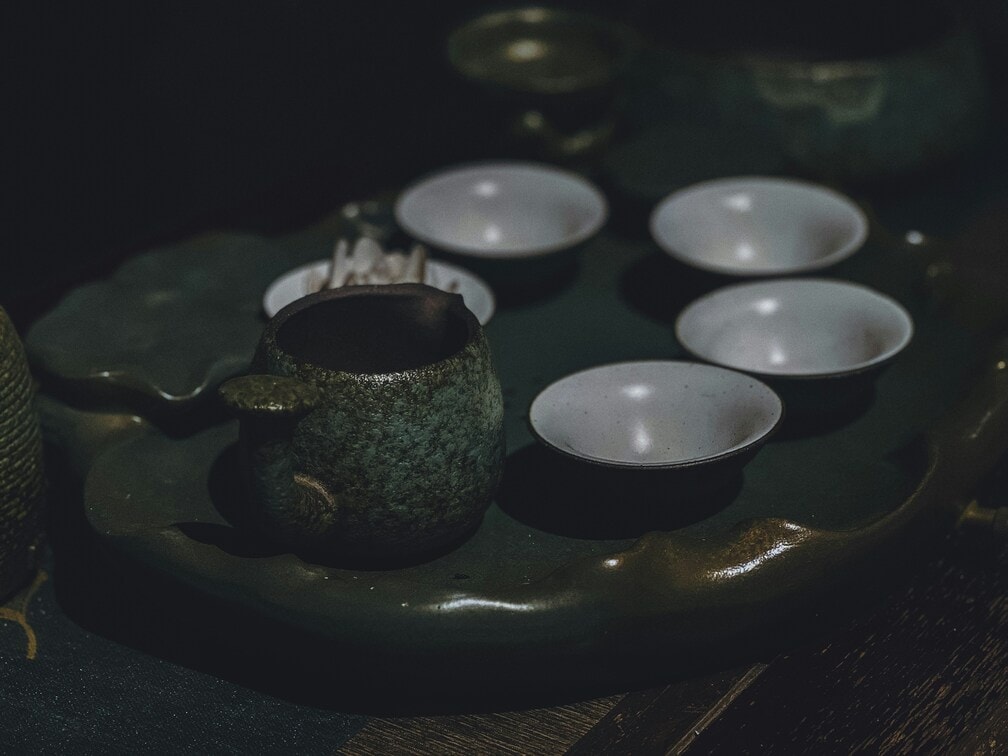
You don’t need to invest in a lot of tea accessories, large teapots, or new teacups for your first tea brewing journey. Brewing tea is easy with a few basics:
The Absolute Minimum You Need: Pot, Strainer, Kettle
- A Teapot, Large Mug, or Cup: Start with what you have. Your favourite mug works as a single cup teapot.
- Strainer: Essential for loose tea. Even a basic mesh strainer works.
- Kettle: Any electric kettle or stovetop kettle will help you boil water.
Nice-To-Have Items for Better Results
- Temperature-Controlled Electric Kettle: Makes hitting the correct temperature for green tea, white tea, or black tea easy.
- Timer: Even your phone timer is good for tracking infusion time.
- Measuring Spoon or Tea Scoops: For consistent servings (1 teaspoon per cup is the general rule).
Where to Source Equipment
Tea accessories can be found in supermarkets or online. Choose practical over fancy. At Tea Room by Ki-setsu, we often encourage beginners to start with basic, reliable tools before upgrading to limited edition traditional tea wares once personal preferences develop.
Choosing Your First Tea: Where Beginners Should Start
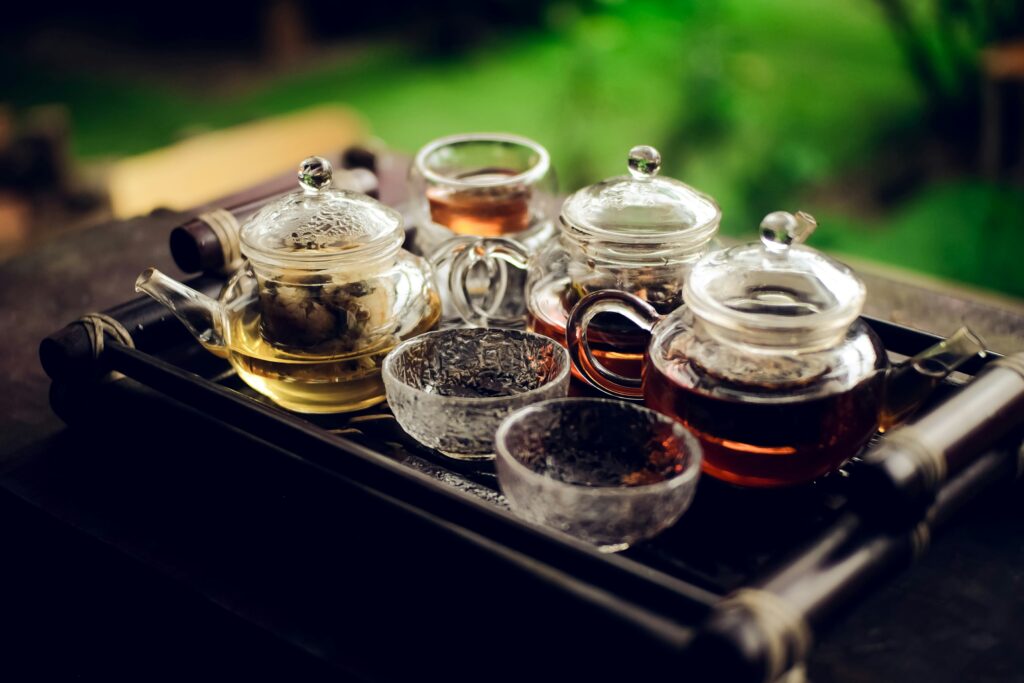
Best Teas for First-Time Brewers – Forgiving Loose Leaf Tea Varieties
Loose leaf tea varieties like white teas and herbal infusions (herbal teas) many of which are made from flowers that contribute to their unique flavors and aromas offer a smooth, sweet taste, require less precision with water temperature, and are hard to overbrew. Both camomile and rooibos are reliable first choices.
Teas to Avoid as a Beginner
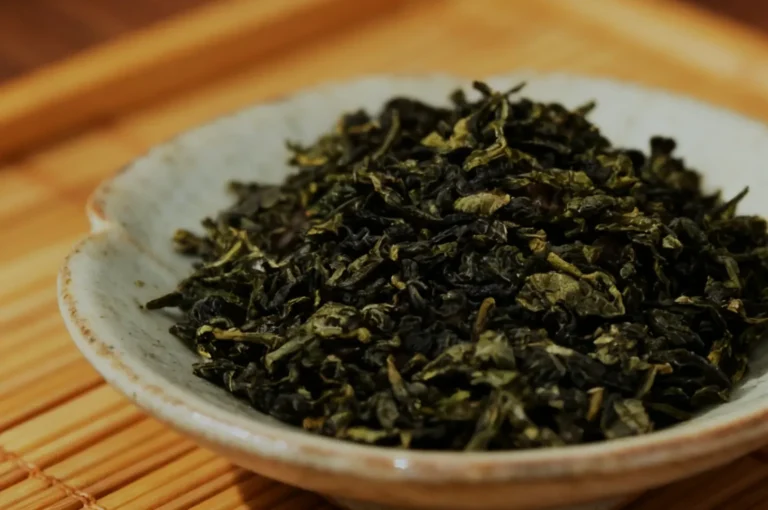
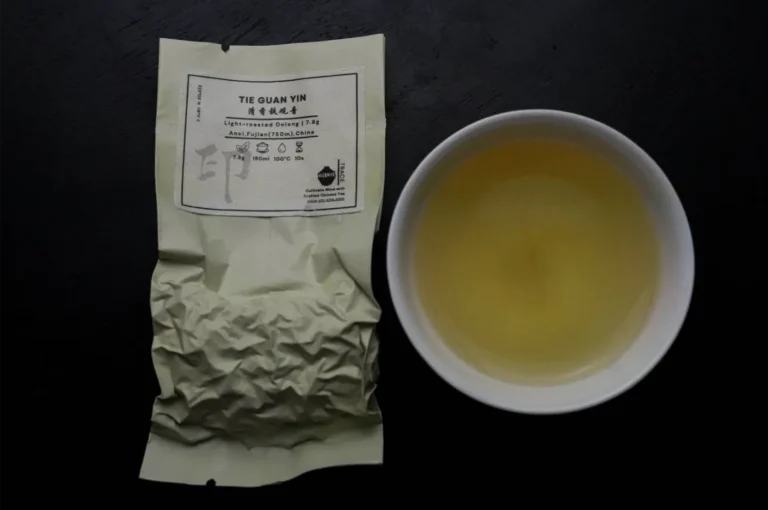
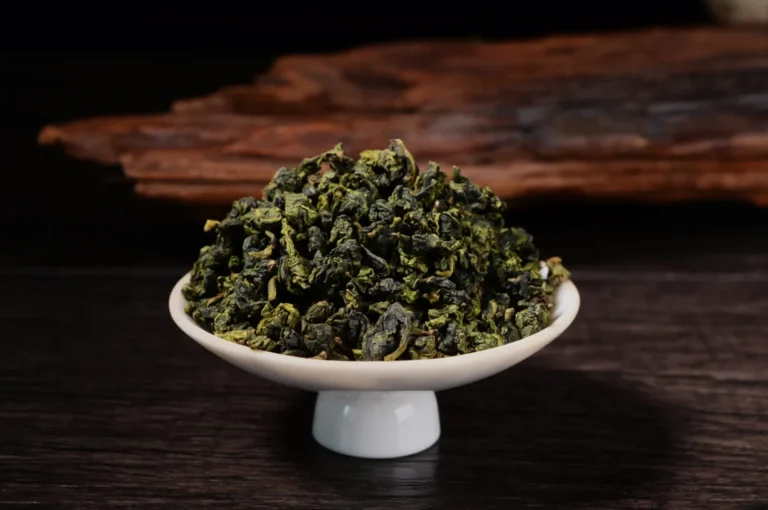
Delicate green teas or complex oolong teas are less forgiving. Their flavour can turn bitter with even slightly too-hot water or missed brew times. Save yellow tea, red tea (often meaning classic Chinese black tea), and other more complex blends for when you’re more confident.
How to Brew Herbal Tea: The Perfect Starting Point
- Chamomile: floral and calming, 5–7 min, boiling water.
- Peppermint: cool and minty, 5–10 min, boiling.
- Rooibos: smooth and sweet, 5–7 min, boiling.
- Ginger: spicy warmth, 10–15 min, boiling.
Some herbal teas and blends, such as chai, include spices for added warmth and complexity.
Herbal infusions are nearly impossible to ruin and don’t get bitter with long brew times.
Quality Matters Even for Beginners
Notice aroma and colour. Good tea leaves and loose tea should smell fresh and feel “alive.” Stale or flavorless tea often comes from poor packaging or old stock. Fresh water and quality leaves are your best friends. At Tea Room by Ki-setsu, we source high-quality blends to help beginners fall in love from the start.
How to Brew Your First Cup of Tea: Step-by-Step For The Perfect Brew
Step 1 – Gather and Prepare
- Mug or teapot, strainer, kettle, measuring spoon.
- One teaspoon of loose leaf per 8 fl oz (about 250ml) cup.
- Fill kettle with filtered water.
Step 2 – Heat Your Water
Use hot water. For black teas or herbal infusions, wait for a full boil. For green tea or white teas, allow the boiled water to cool for a minute or two.
Step 3 – Warm Your Vessel
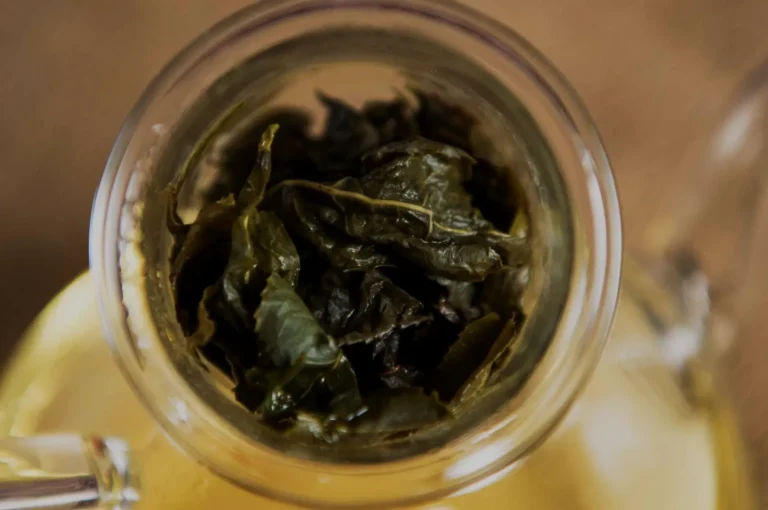
Pour a little hot water into your cup or pot, swirl, then discard. This warms the vessel and maintains correct temperature during steeping.
Step 4 – Add Tea & Pour Water
- Add the measured loose tea or tea bags to your pot or cup.
- Pour hot water over the tea leaves.
Step 5 – Steep and Set a Timer
- Herbal Infusion: 5–7 minutes
- Black Tea: 3–4 minutes
- White Tea: 3–4 minutes
- Green Tea: 2–3 minutes
Step 6 – Remove Tea Leaves
Pour through strainer into your favourite mug or single cup. If using teabags, simply lift out. For a large teapot, serve immediately to avoid overbrewing.
Step 7 – Taste, Adjust, and Enjoy
Sip slowly. Adjust next time using more or less leaf, a different brew time, or by changing water temperature. Find the flavour that is perfect for you.
Once you’re comfortable, our Complete Guide to Brewing Tea will help you with advanced techniques.
Building Confidence in Tea Making: What Success Looks Like
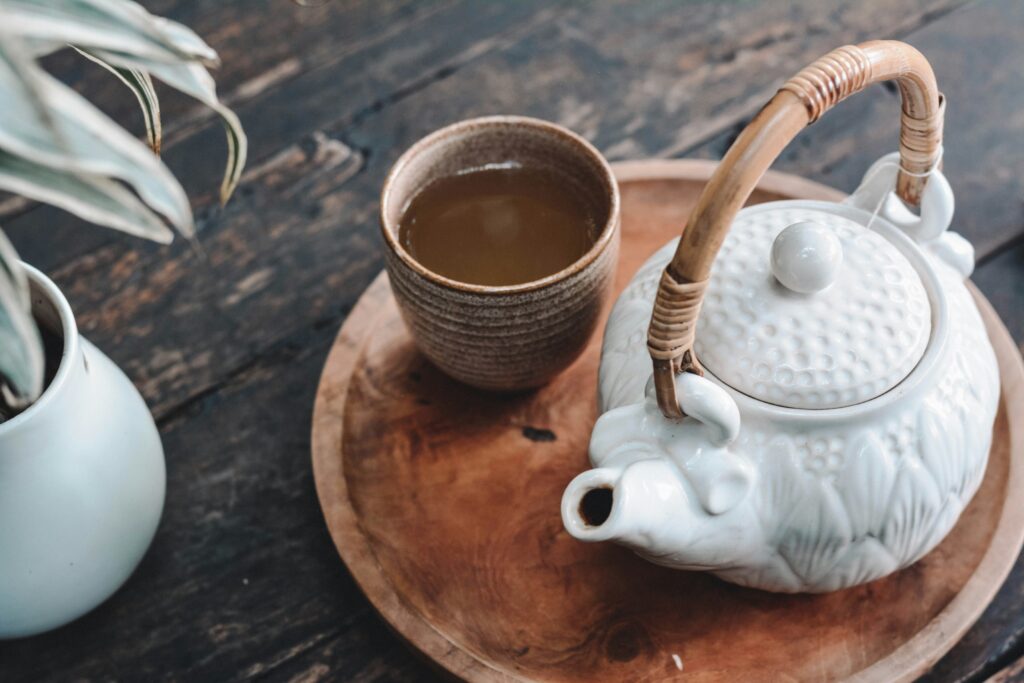
Signs Your Cup of Tea is on Track
Aromatic, clear, and pleasing to sip. Hot or warm is up to you; you can even enjoy iced tea by pouring brewed tea over ice. For a perfect cup, look for balance—not too bitter, not too watery.
Embracing Normal Beginner Challenges
Many brewed teas won’t be perfect at first. You might use too much leaf or forget about the timer. That’s part of learning and makes every finished brewing experience a chance to improve.
Trusting Your Palate
If you love how your tea tastes, that’s a success, even if you stray from “recommended times” or add milk. Brewing tea is all about discovering your own favourite cup.
Beginner Tea Brewing Troubleshooting
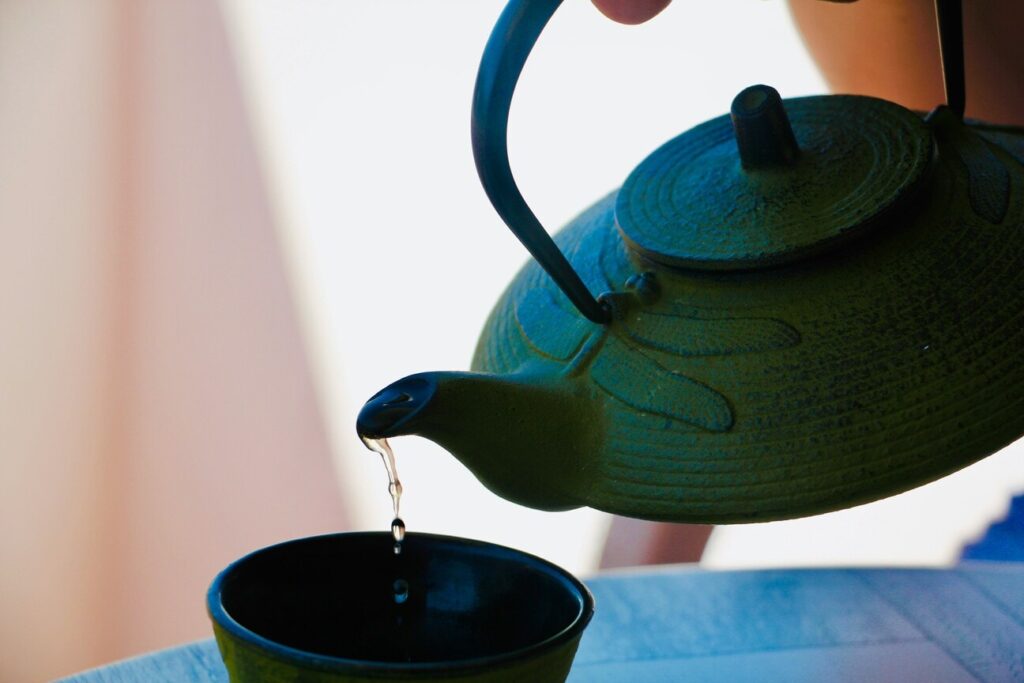
Too Weak? Try an extra teaspoon of leaf, longer brew, or hotter water.
Too Strong/Bitter? Reduce leaf, use slightly cooler water or shorten brew time—for green teas especially.
No Flavour? Check tea packaging date or switch to filtered water.
Not Sensing Aromas/Flavours? Practice develops your ability to notice subtle notes.
For more, see our guide on Common Tea Making Mistakes and How to Avoid Them.
When You’re Ready: Next Steps in Your Tea Journey
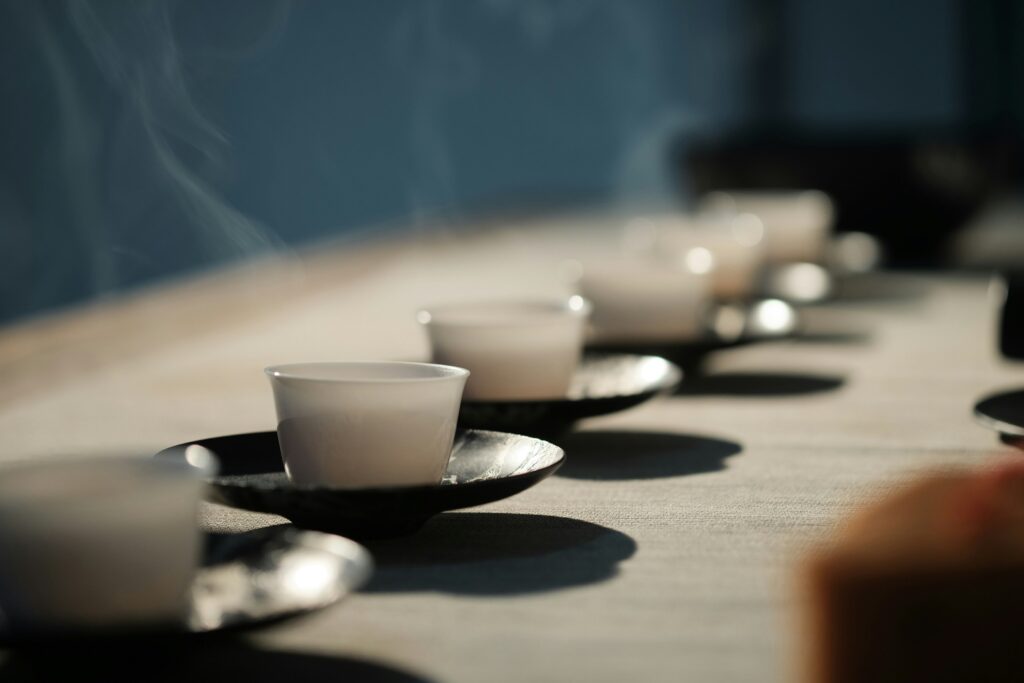
When basic brewing feels natural, try new teas or methods!
Exploring More Tea Varieties
Expand your tea journey by venturing into a wider range of tea types, including green teas, black teas, yellow tea, and oolong teas. Each offers unique flavors and brewing requirements to discover. You can also experiment with iced tea and herbal blends using simple tools like a mason jar, perfect for refreshing, cold infusions during warmer days.
Learning Precision Techniques
Delve deeper into the art of tea brewing with our Complete Guide to Brewing Tea, which provides detailed information on optimal water temperature, advanced tea accessories, and the use of traditional clay teapots. Mastering these precision techniques will elevate your brewing skills and enhance the flavor and aroma of every cup.
Experiencing Expert-Brewed Tea at Tea Room by Ki-setsu
Tea Room by Ki-setsu warmly invites you to experience expertly brewed teas and learn firsthand from our knowledgeable specialists. This inspiring opportunity allows you to see how personal preference beautifully intersects with time-honored traditions, helping you refine your palate and deepen your appreciation for tea.
Conclusion
Congratulations for brewing your first cup of tea! With each cup, whether you’re making hot tea, iced tea, or brewing herbal infusions, your confidence grows. Every sip is a step on your journey, warming, aromatic, and a true reflection of your personal taste. Trust that even the simplest cup can offer great flavour. As you explore blends, teapot styles, and the joy of tea accessories, remember: every tea expert started just like you. If you wish to discover more, Tea Room by Ki-setsu is here to help deepen your tea experience and introduce you to new worlds of taste and tradition. Happy brewing!