Imagine a tea kept perfectly clean, dry, and steady over time. The leaves rest quietly, slowly transforming as the seasons pass. When we speak of ageing white tea, we are simply describing the natural, unhurried evolution of the leaf’s internal chemistry.
In this guide, we explore what you can realistically expect to change in your cup over one, three, and five years, alongside the subtle shifts that may not occur at all. For deeper context on how to protect your leaves, read How to Store White Tea: Containers, Humidity, Light, and Odour Control.
Before you begin, it helps to remember one guiding principle. The results of ageing will always vary depending on the starting leaf, the artisan’s craft, and the exact conditions of your storage.
White Tea Ageing Basics (So The Timeline Makes Sense)
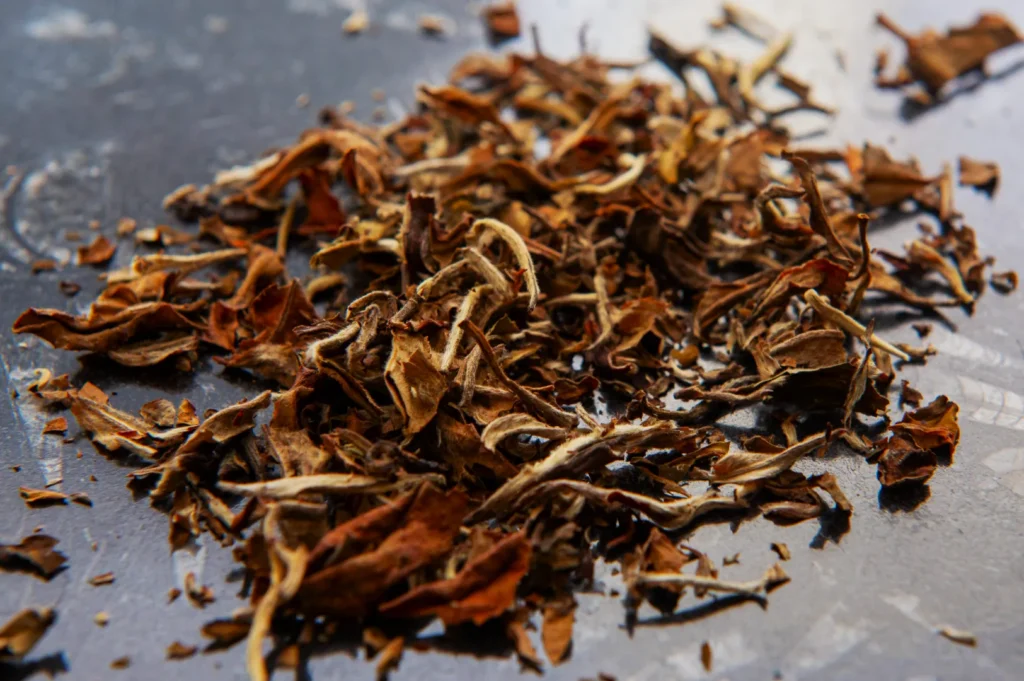
To understand why white tea transforms, we must look at how it is made. White tea processing relies purely on gentle withering and careful drying, with absolutely minimal handling by the maker. Because the leaf is not heavily roasted or rolled, its cellular structure remains largely intact, allowing it to continue breathing and evolving long after the harvest.
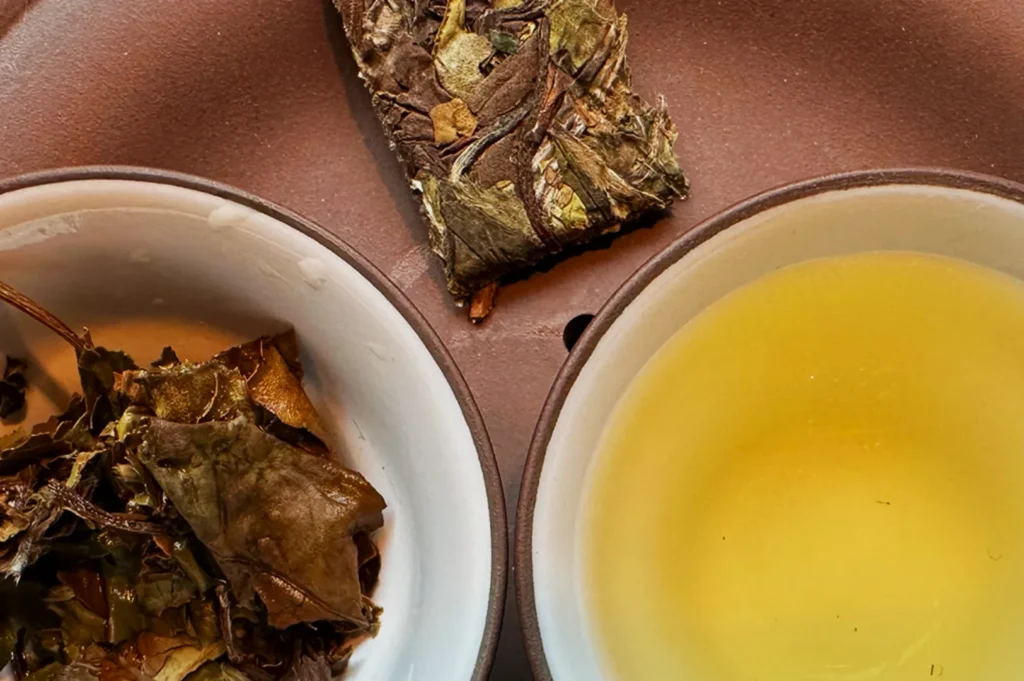
When we compare fresh vs aged white tea, we are tracking subtle shifts across four areas: the aroma, the shape of the sweetness, the texture, and the lingering finish. Time gently rounds off the sharp, bright edges of a fresh leaf, replacing them with deeper, warmer tones.
However, beautiful results require a stable environment. Cleanliness and steady conditions matter far more than mystique when you age white tea at home.
The Starting Material Matters: What Ages Well (Without Absolutes)
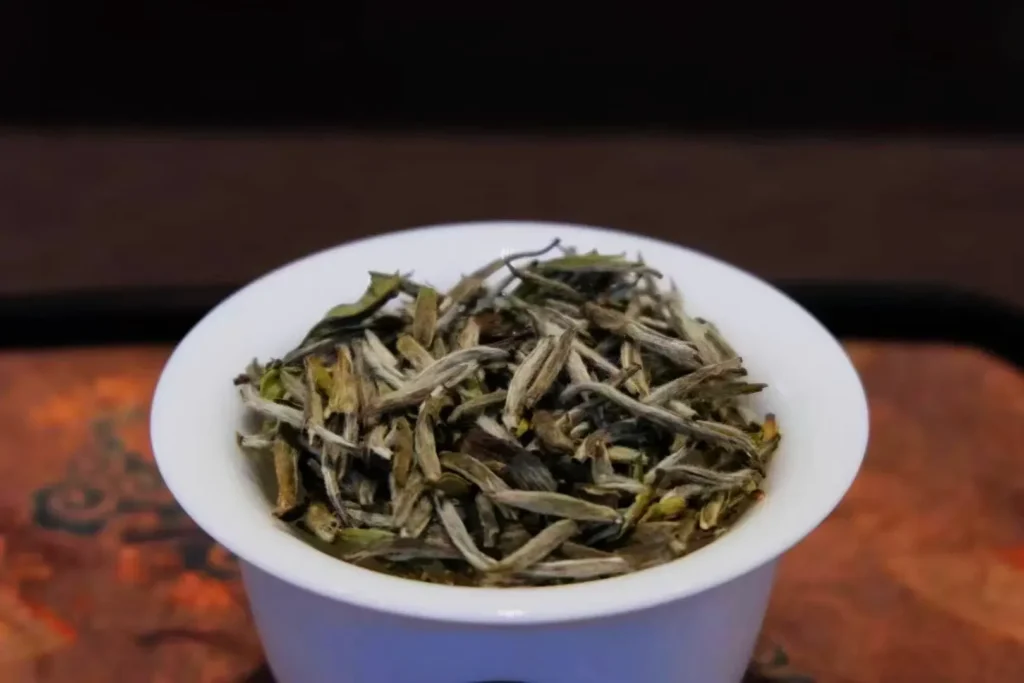
Type And Leaf Material
Not every white tea responds to time in the same way. Silver Needle, crafted entirely from spring buds, offers exceptionally delicate aromatics. Ageing this tea can sometimes mute its beautiful floral lift, transforming it into a soft, syrupy brew that lacks its original crispness. White Peony presents a wonderful balance of buds and leaves, often developing a gentle, comforting warmth over time. Meanwhile, Shou Mei ageing is widely celebrated. Because it is leaf-forward, it holds deep, robust sugars that make it the most forgiving and rewarding candidate for the cellar.
Freshness And Storage History
You cannot “age out” poor storage. If a tea has already absorbed off-odours or moisture before it reaches you, time will only amplify those flaws. When buying tea to keep, seek out leaves with a clean, clear fragrance.
Loose Leaf Vs Cakes
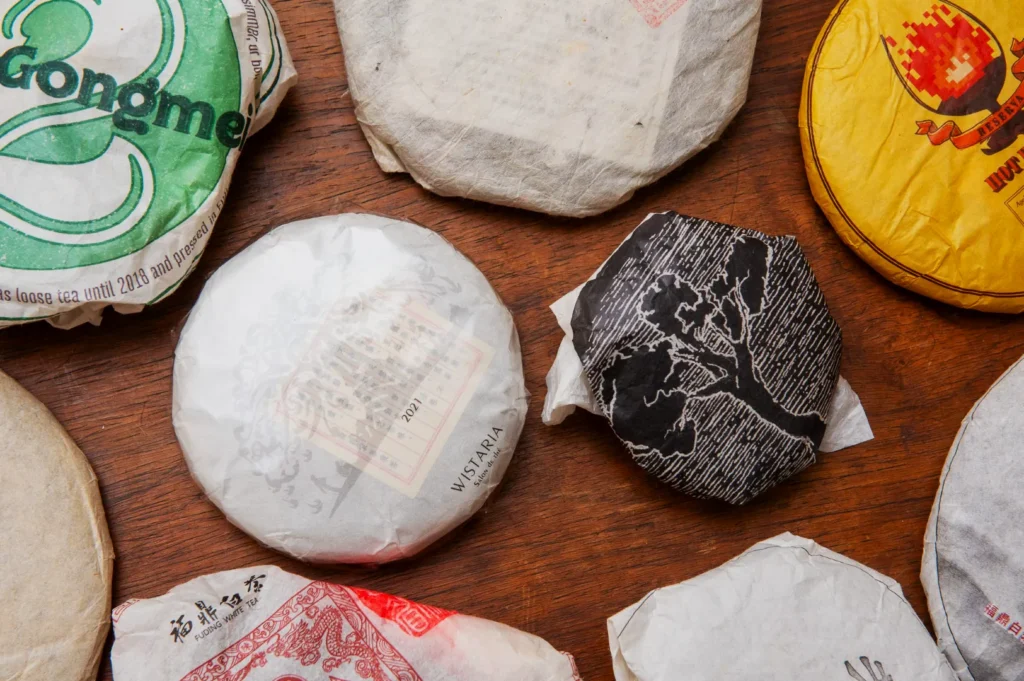
White tea is sold both loose and pressed into cakes. Loose leaf ages slightly faster due to greater air exposure, but it takes up significant space. Pressed cakes offer wonderful convenience for long-term keeping, and the tightly packed leaves often develop a profound, unified sweetness as they rest together.
The 1-Year Mark: What Many Drinkers Notice
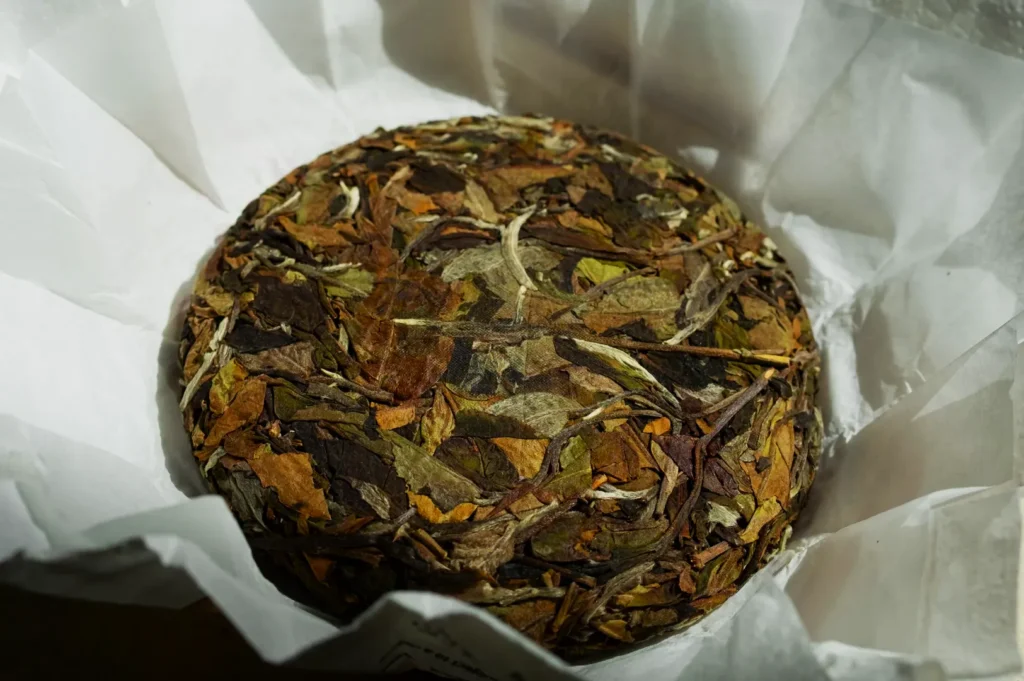
After a single year of rest, the most volatile top notes begin to settle.
The aroma shifts away from high, piercing florals toward the comforting scent of soft hay, light honey, and dried meadow. On the palate, the sweetness becomes rounder and the sharp, grassy edges completely soften. You will often notice that the texture feels a little more cushioning and relaxed in the mouth.
However, this stage can sometimes bring mild disappointment. You might notice less “sparkle” or crisp vibrancy, particularly in bud-heavy teas, as they enter a quiet transitional phase.
To confirm these subtle changes, brew your tea simply. Use water around 90°C and steep for a modest duration, avoiding overly precise measurements to let the general character shine.
The 3-Year Mark: When Warmth Often Arrives
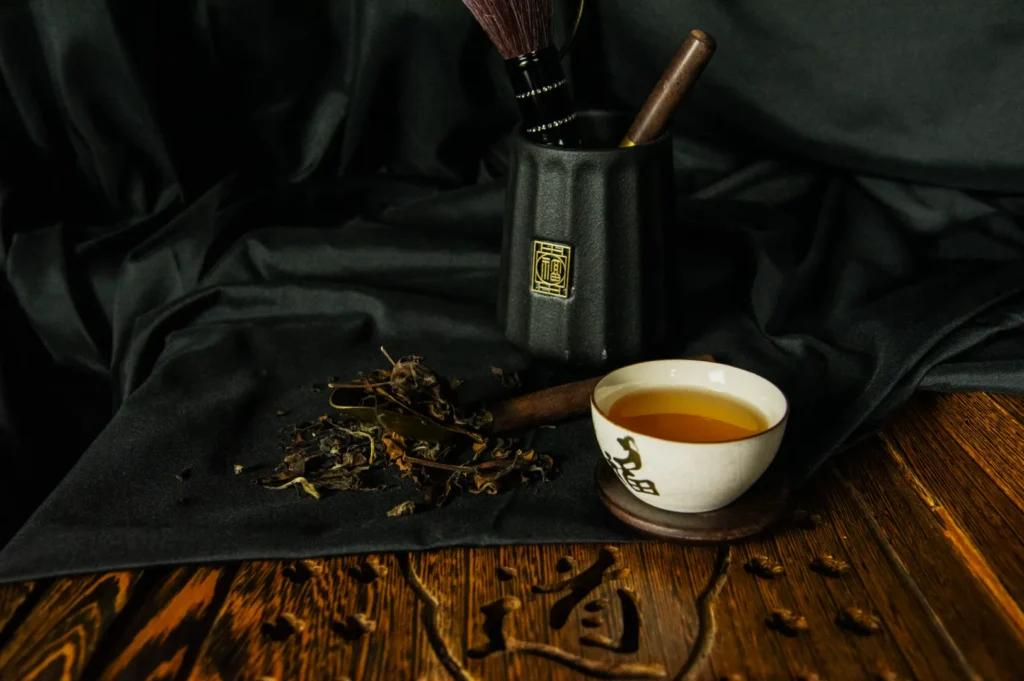
By the third year, white tea ageing begins to show its true direction.
The most common shift is the arrival of a beautiful honeyed depth, often accompanied by gentle dried-fruit impressions like soft apricot or date. The finish typically transforms as well, offering a longer returning sweetness and a much calmer, warmer perfume in the throat.
These developments show most clearly in your later infusions, in the lingering aftertaste, and in the scent of your empty, cooling cup.
This is also the stage where flaws reveal themselves. Watch carefully for any signs of mustiness, dullness, or a flat sourness, which clearly indicate that your storage environment has been too damp.
The 5-Year Mark: Depth, Comfort, And A Clearer Verdict
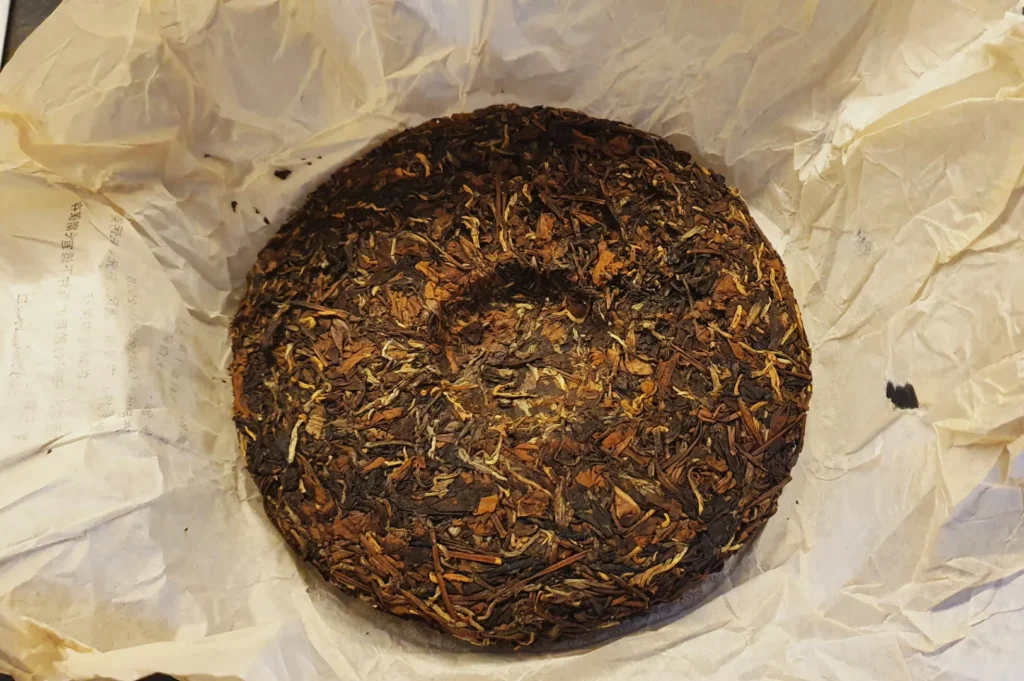
At five years, a well-stored white tea reaches a stage of profound comfort.
The warmth deepens significantly. The roundness coats the palate, and the crisp nectar of youth is fully replaced by a darker, more medicinal sweetness.
Conversely, if the environment was unstable, things can certainly go wrong. A flat aroma, distinct cupboard odours, or unpleasant damp notes mean the tea has degraded rather than matured.
It is vital to clarify that “older” is not automatically “better”. When a tea reaches a profile that brings you joy, that is exactly when you should stop ageing it and start drinking it.
Storage For Ageing At Home (Practical, Non-Technical)
The Three Priorities
Successful white tea storage for ageing relies entirely on three strict priorities.
- Clean: The area must be a completely odour-free zone.
- Dry: You must avoid all sources of humidity and steam.
- Stable: Protect the leaves from direct sunlight, heat, and sharp temperature swings.
Containers And Set-Ups (Real Homes)
In a small apartment, a dedicated, opaque ceramic jar kept on a low, cool bookshelf works perfectly. If you live in a highly humid climate, sealing your tea inside thick, foil-lined mylar bags provides an excellent barrier against moisture. For a collection of a few cakes, storing them together inside a clean, unscented cardboard box allows them to share their aroma while buffering against minor temperature shifts.
What Not To Do
Never store tea in the kitchen, near an incense room, or inside a scented cupboard. Furthermore, we strongly advise against “experimenting” with damp conditions to speed up the process, as this almost always introduces mould and ruins the leaf.
Tasting The Changes: A Simple Home Ageing Flight Method
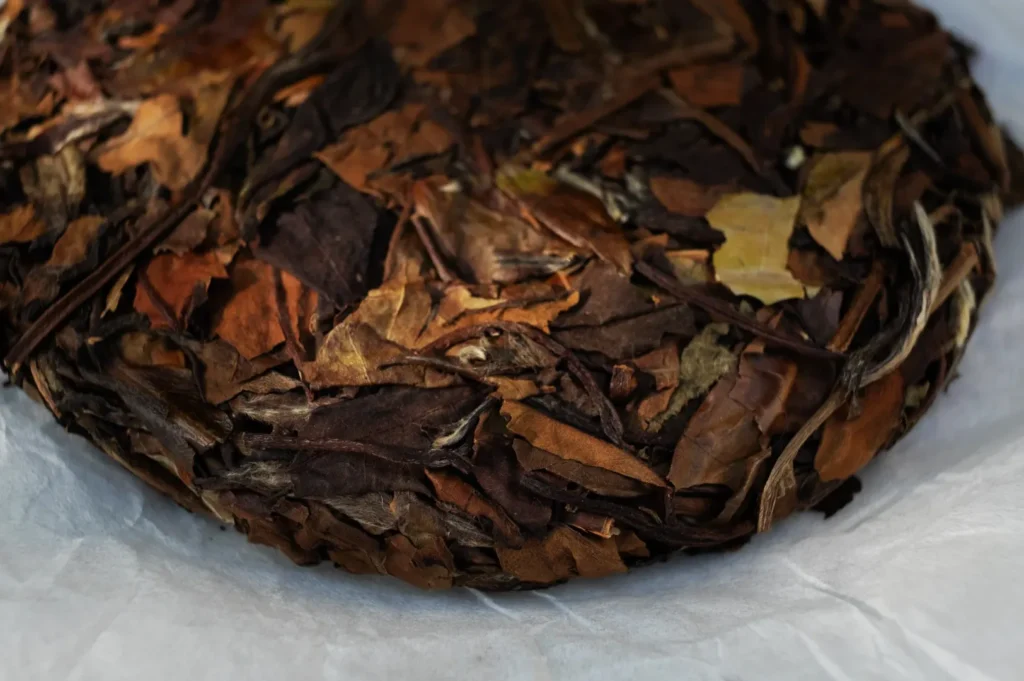
The most enjoyable way to understand ageing white tea is to taste the timeline yourself.
To compare fairly, you must keep your variables identical. Use the same water, the same type of brewing vessel, and the exact same leaf-to-water ratio for every cup.
Set up a simple three-cup flight:
- A fresh baseline tea from the current year.
- A tea from the one to three-year mark.
- A tea from the five-year mark.
Use this four-line note template to capture your quiet observations:
- Aroma:
- Flavour:
- Texture:
- Finish:
Common Misconceptions (And The Calm Reality)
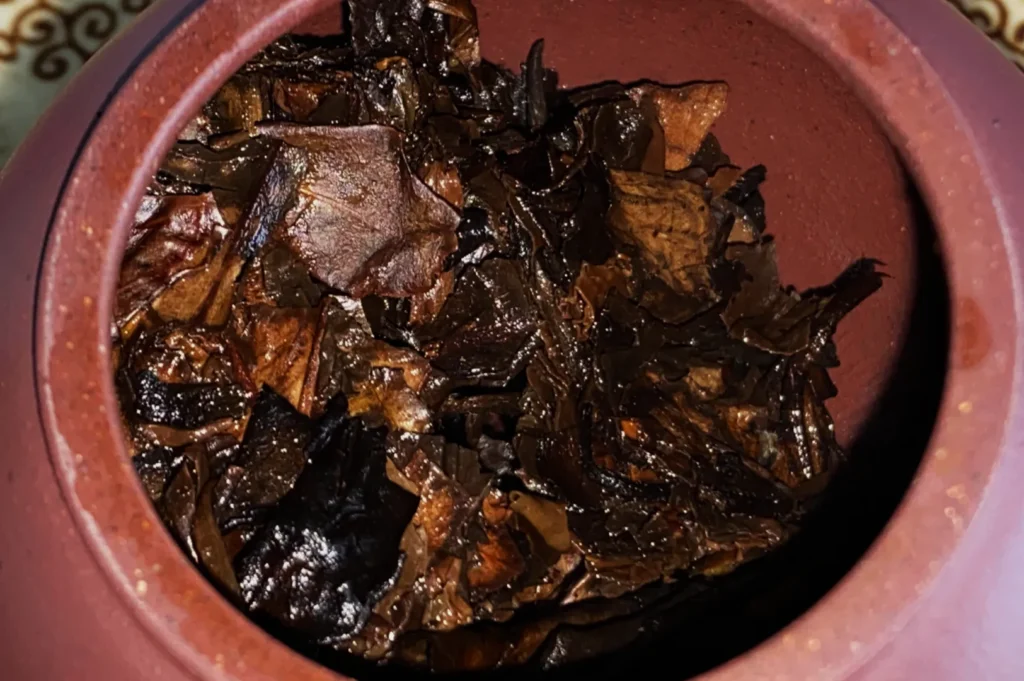
The world of aged tea is full of romantic myths. Let us address them calmly.
Many believe that “ageing equals better”. In reality, time only enhances a tea that was beautifully crafted to begin with. It is also a myth that “any white tea can be aged the same way”. A delicate Silver Needle requires a different expectation than a robust Shou Mei cake.
Perhaps the most dangerous misconception is that “musty equals a ‘stored’ character”. A well-aged tea should always smell clean and comforting, never damp or reminiscent of a wet basement. Finally, you do not need a special room or expensive equipment to age tea. A quiet, stable cupboard is usually more than enough.
Closing: Taste Time In The Cup
Ageing white tea at home is a gentle exercise in patience. At one year, the leaf softens. At three years, deep warmth arrives. At five years, you are rewarded with profound, rounded comfort.
The truest way to understand this journey is to experience it on your own palate. If you would like to explore the quiet elegance of tea, we warmly invite you to join us for a private tea session at Tea Room by Ki-setsu, where we can share these unhurried moments together.