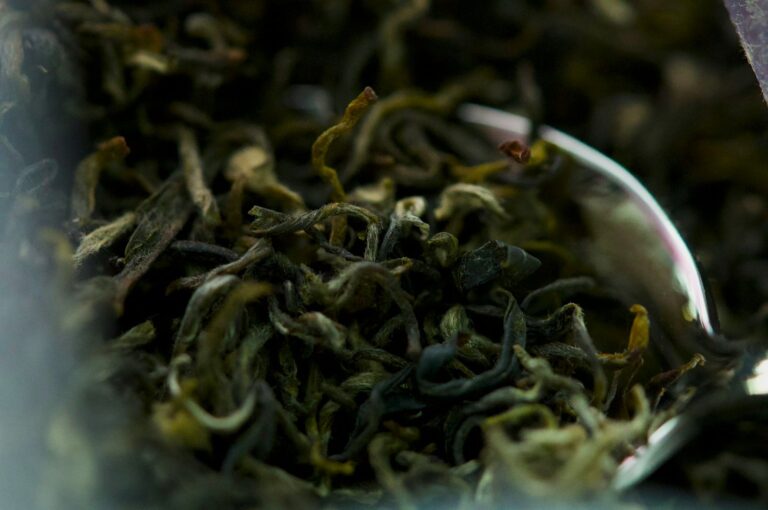
The simple act of drinking tea is cherished worldwide, but within Chinese tea culture, it transcends mere refreshment. Drinking Chinese tea becomes a practice of presence—a ritual that nurtures both mind and body, revealing some of the most profound Chinese tea benefits known for promoting balance and clarity. While many discussions focus on the health benefits and presumed health benefits for the body, the true depth of its impact lies in the profound connection it fosters between mental, emotional, and physical well-being.
Traditional tea ceremonies, celebrated throughout Chinese culture since the Tang Dynasty, highlight this mind-body link and offer a powerful antidote to the pressures of modern life. Each average cup invites a moment of stillness and introspection. Notably, tea contains a unique combination of compounds that contribute to these benefits, and numerous studies have demonstrated statistically significant effects on both mental and physical health through regular tea consumption.
Understanding the Mind-Body Connection in Chinese Tea Tradition
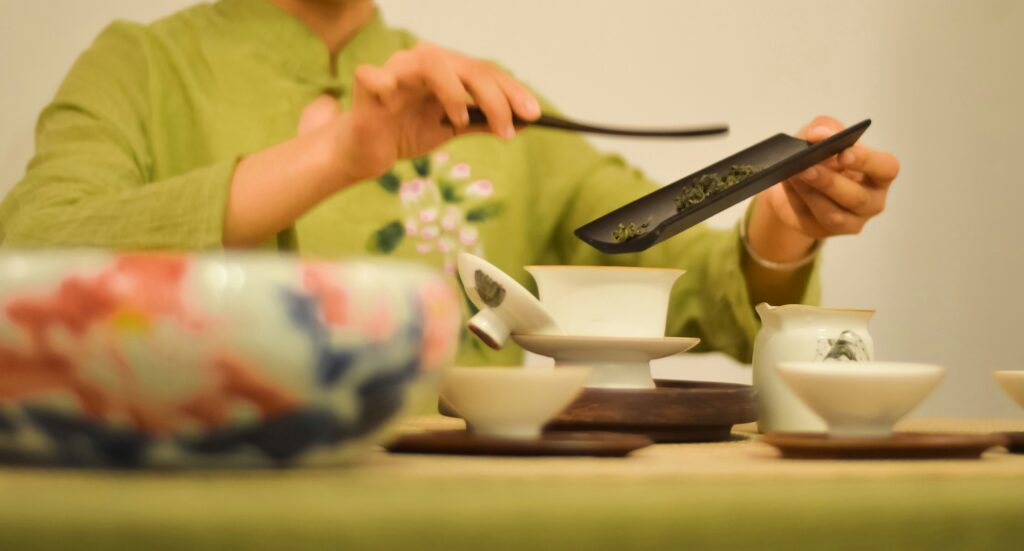
Historically, Chinese tea culture evolved alongside philosophies like Taoism and Zen Buddhism, which emphasise harmony and mindfulness. Tea has long been intertwined with traditional Chinese medicine as both a healthier beverage and a tool for meditation—a way to quiet the mind while supporting human health. This ancient wisdom, treating mental and physical health as interconnected, is now being validated by modern science and further research.
Scientific studies on regular tea consumption, including green tea, black tea, and oolong tea, confirm the psychological and health benefits that practitioners recognized for centuries. Tea polyphenols, antioxidant properties, and natural amino acid content found in green tea leaves and other types of tea all contribute to this effect. In a bustling metropolis like Singapore, tea drinking as a mindful, restorative practice is gaining popularity, and non tea drinkers are discovering the value of the traditional tea experience. More people are adopting tea rituals to achieve better work-life balance, showing that this tradition is more relevant than ever.
Is Chinese Tea Good for You? The Science of Tea and Mental Wellbeing

The question “Is Chinese tea good for you?” yields a resounding yes—especially concerning mental wellbeing. All true tea varieties, including green tea, black tea, white tea, and oolong tea, come from the Camellia sinensis plant and contain a unique combination of compounds that directly influence neurological health.
L-theanine, a calming amino acid abundant in green and black tea leaves, works synergistically with the caffeine content. This duo creates a state of calm alertness known to boost brain power without the overstimulation linked to too much caffeine or excessive caffeine intake. Additionally, some premium tea varieties, like rare oolong teas and special green teas, are rich in GABA (Gamma-aminobutyric acid), a neurotransmitter that’s beneficial for reducing anxiety and improving sleep quality. Aromatic compounds released during the oxidation process or short fermentation process—such as floral terpenes in oolong—can positively impact mood and reduce inflammation. At Tea Room by Ki-setsu, the curated menu includes rare Chinese teas selected not only for their distinctive taste, but also for their beneficial effects on mood and wellbeing.
The Ceremony of Presence: Psychological Benefits of Chinese Tea Rituals
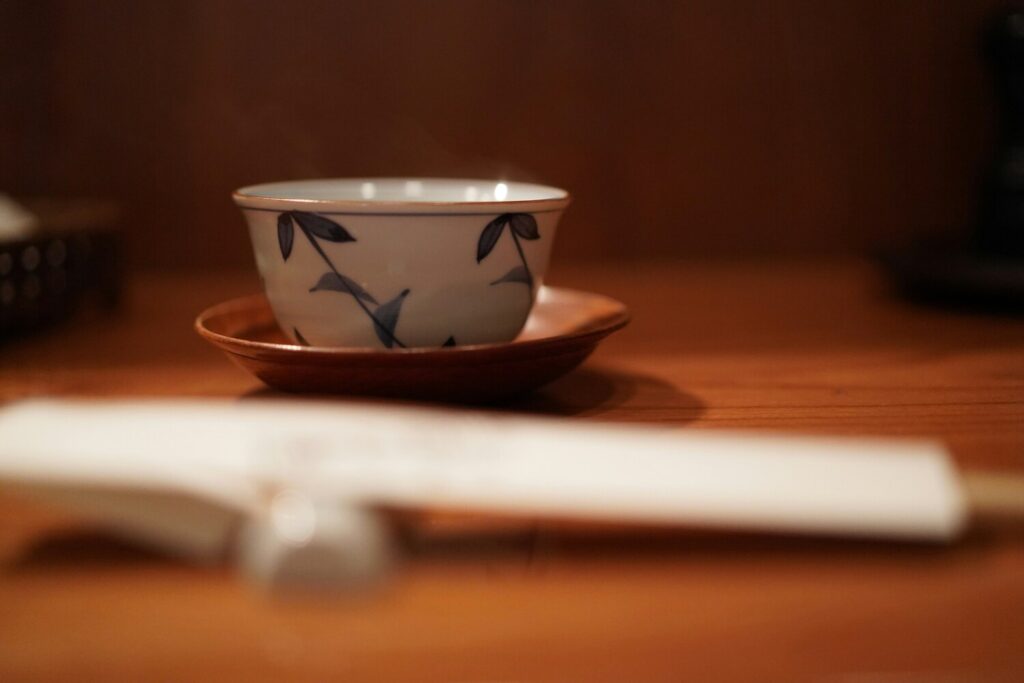
Traditional brewing techniques in Chinese tea culture, especially those used for oolong tea and green tea, foster mindfulness by encouraging careful attention at each step: warming the teaware, rinsing tea leaves, pouring hot water, and adjusting brewing time. This ritualized tea intake allows the mind to slow down, absorb the subtle aroma, observe the unique process of tea leaves unfurling, and delight in the rich flavour profile with every sip.
Tea appreciation serves as a meditative anchor, becoming particularly meaningful within Singapore’s urban lifestyle. The consistent, gentle actions and sensory immersion—feeling the warmth of cups of tea, watching the dark color of black tea or the luminous hue of white tea—create a purposeful pause from digital distractions and daily stress. Such rituals support a holistic sense of peace, which is highly sought after today and exemplify some of the profound benefits of Chinese tea.
Benefits of Chinese Tea for Stress Management in Modern Life

The modern workplace, often associated with high blood pressure, elevated blood sugar, and persistent stress, finds relief in the simple act of drinking Chinese tea. Taking short breaks for tea drinking—whether you choose oolong tea, green tea, or black tea—serves as a powerful method for workplace stress reduction and body weight management.
The structured preparation—measuring tea leaves, using hot water at the ideal boiling temperature, timing the brew—interrupts cycles of stressful thoughts and provides an oasis of calm. Many Singapore professionals have adopted these tea rituals, not just as a dietary supplement but as an essential stress management tool, making regular tea consumption a daily habit for body weight reduction, improved mental focus, and reduced risk of cardiovascular diseases such as coronary artery disease.
Focus and Clarity: Chinese Tea’s Cognitive Benefits
Among the many health benefits of Chinese tea are its cognitive effects. The combined presence of L-theanine and caffeine helps to boost brain power and support cognitive performance while avoiding the jittery side effects often seen with coffee or energy drinks. The antioxidant properties and tea catechins found in green and black tea are linked to better cognitive function and a lower risk of cognitive impairment over an extended period. Improved blood vessels elasticity, better lipid metabolism, and reduced plasma cholesterol levels from regular tea intake may also support brain health.
Engaging in a traditional tea experience in Singapore offers a practical way to explore these benefits. Specialty tea houses like Tea Room by Ki-setsu provide focused tastings across a range of premium tea varieties—letting visitors learn how different teas, such as oolong or green tea, support clarity and mental acuity.
Building Community Through Tea: The Social Benefits of Chinese Tea Culture
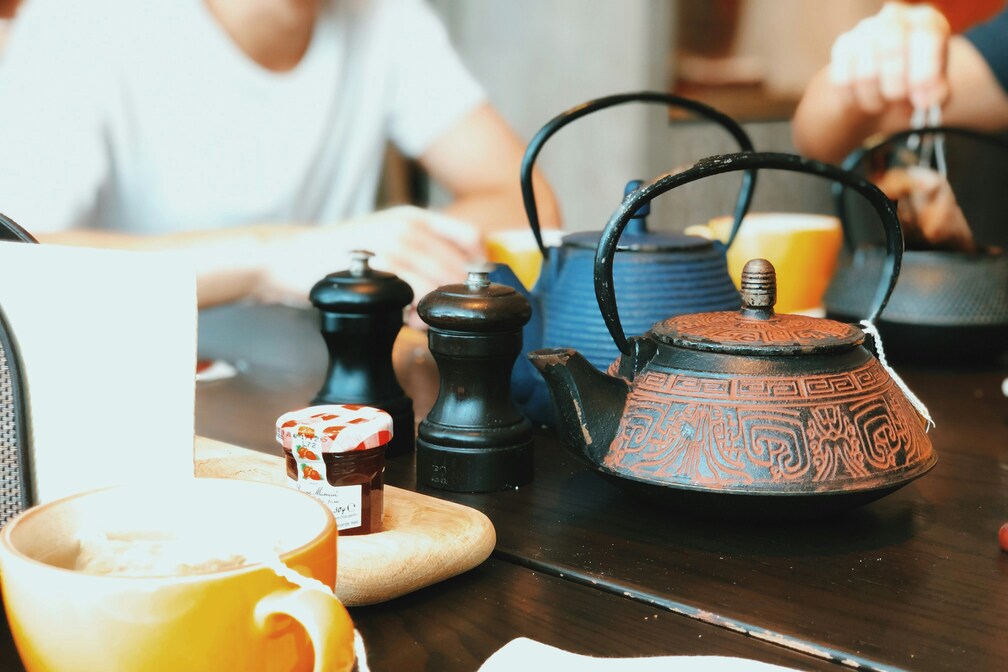
The social dimension of drinking Chinese tea is central to its enduring appeal. Historically, the tea ceremony brought friends, family, and even strangers together across Chinese culture, building informal support networks that nurture psychological well-being. Sharing black tea, oolong tea, or white tea in a group setting offers an opportunity to pause, converse, and strengthen relationships.
In modern Singapore, cross-cultural tea gatherings have become a popular way to connect with others over a shared healthier beverage. The evolving menu of premium tea varieties at community events or specialty tea shops encourages guests to linger, engage in meaningful conversation, and enjoy the subtle benefits of tea drinking together, reinforcing the many health benefits of Chinese tea.
Practical Applications: Incorporating Chinese Tea into Daily Mental Wellness
You don’t need to be a tea master or practitioner of traditional Chinese medicine to harness the many health benefits of tea. Practical strategies for integrating regular tea consumption into daily routines include:
- Create a Tea Space: Set aside a part of your home for tea ceremonies. Equip it with teaware and a curated selection of green tea leaves, oolong, and black tea for different moods.
- Choose Teas for Your Needs: For morning energy and weight loss, green tea or high catechin black tea may be ideal. For creative thinking or a need to reduce inflammation, oolong tea rich in polyphenols or certain white teas can be beneficial. Consider balancing your caffeine content, especially if you are sensitive to iron absorption or blood sugar levels.
- Deepen Your Journey: Check out specialty tea shops, attend workshops, and read up on both the beneficial and presumed health benefits—as well as potential side effects such as the impact on blood pressure or sleep quality from too much caffeine. Tea Room by Ki-setsu provides a welcoming environment to support deeper tea appreciation and to discover rare Chinese teas with proven and presumed health benefits.
The beneficial effects of Chinese tea, including body fat reduction, cancer prevention, and dental health, extend far beyond physical wellness. With every brew—whether using green and black tea or white tea leaves—a more holistic equilibrium between body and mind is achieved.
Embracing the Holistic Benefits of Chinese Tea
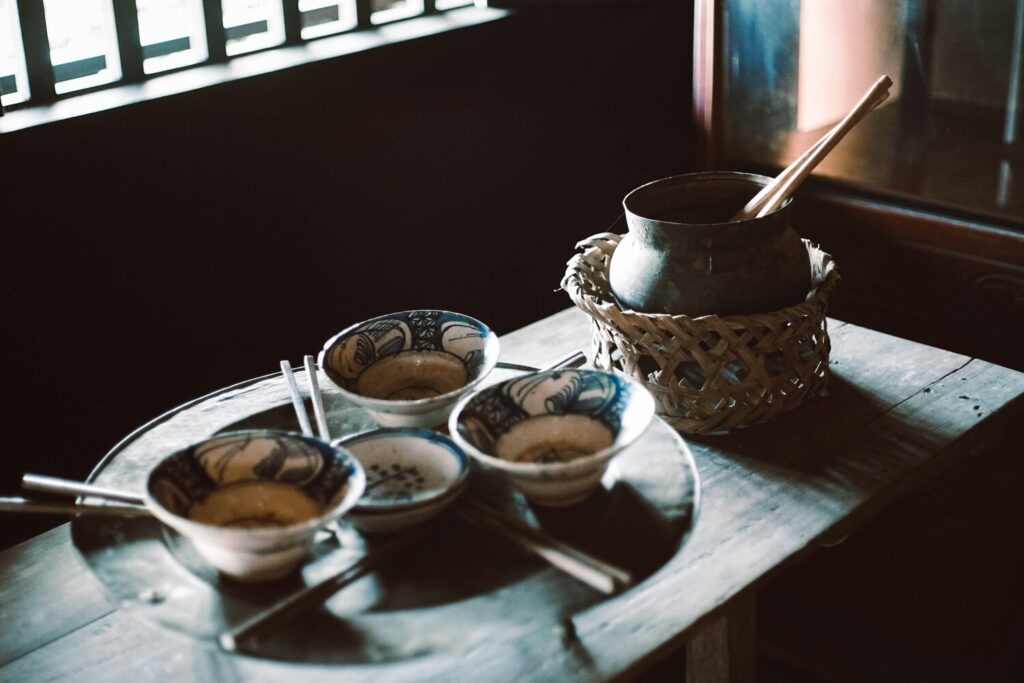
In summary, the benefits of Chinese tea extend well beyond a simple beverage. Rooted in centuries of tradition and enriched by modern scientific insights, drinking Chinese tea offers a unique blend of mental, emotional, and physical wellness. Whether it’s the calming effects of L-theanine, the antioxidant power of tea polyphenols, or the mindful presence cultivated through tea rituals, Chinese tea culture invites us to slow down and reconnect with ourselves and others.
Incorporating regular tea consumption into your daily routine can support stress management, enhance cognitive function, promote body weight reduction, and contribute to cardiovascular health. With its diverse varieties—from green tea and black tea to oolong and white tea—there is a perfect cup for every preference and health goal. As more people discover these many health benefits, the timeless tradition of Chinese tea continues to thrive as a source of balance and wellbeing in our modern lives.
So, take a moment to enjoy your next cup of tea mindfully, savoring not just the flavour but also the rich cultural heritage and holistic health benefits it brings.