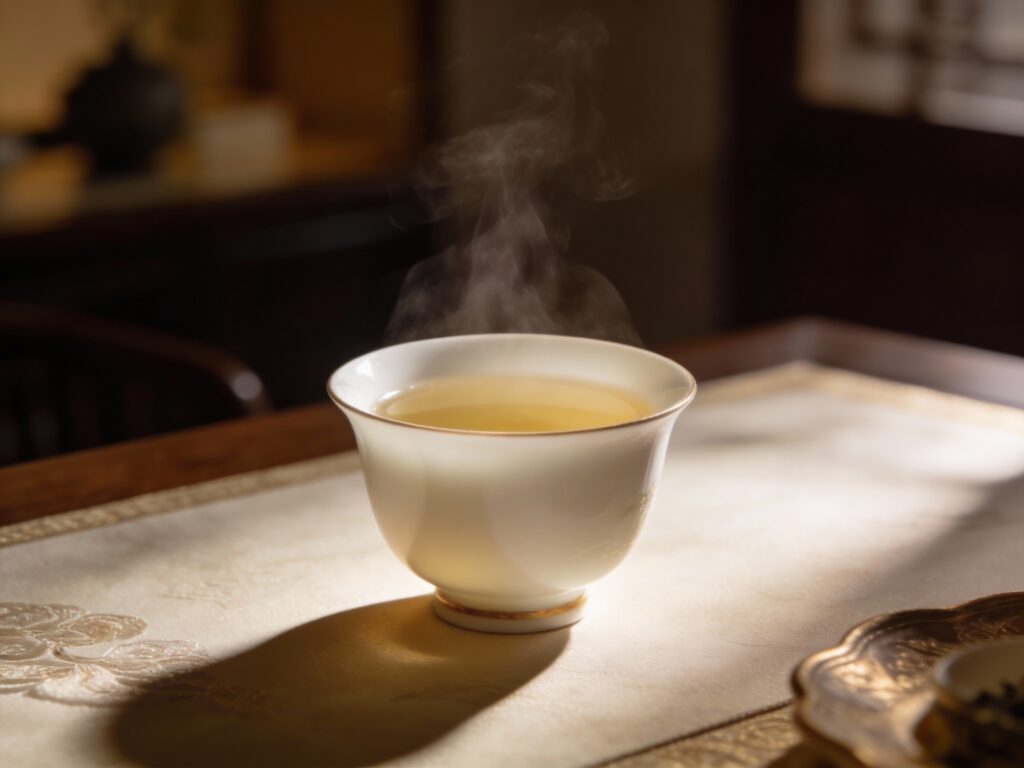
If you are looking for a beverage that offers a wealth of health benefits without the intense buzz of coffee, you have likely wondered about white tea. Does it offer a gentle lift, or is it completely caffeine-free? The answer lies in a pleasant middle ground. White tea provides a mild dose of caffeine perfectly balanced with compounds that promote calm focus, making it an ideal choice for health-conscious individuals. This guide will explore the practical health implications of its unique profile. By the end, you will understand exactly how much caffeine is in white tea, how it affects your body, and the comprehensive health benefits that make it so remarkable. This is not a guide on tea production, but a practical look at the wellness in your cup.
Does White Tea Have Caffeine? The Complete Answer
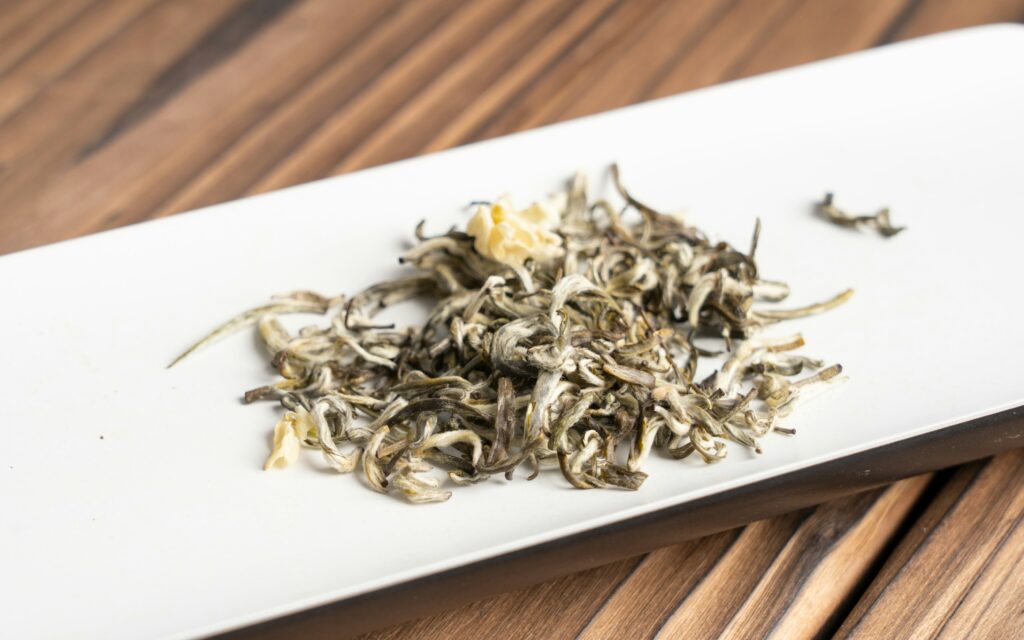
Yes, white tea does contain caffeine. As it comes from the Camellia sinensis plant, all true white teas have some level of caffeine. White tea is one of the five true teas derived from Camellia sinensis, which distinguishes it from herbal teas (also known as tisanes) that are naturally caffeine-free and not made from the tea plant. However, the amount is typically lower than that of other teas, making it a popular choice for those looking to reduce their stimulant intake.
There are different types of tea, and each type has varying caffeine content, which will be explored in more detail later.
Yes, But How Much? Caffeine Content Breakdown
A standard 8oz (240ml) cup of white tea typically contains 15-30mg of caffeine. White tea caffeine content can vary depending on the specific variety, such as white peony or silver needle, as well as the brewing method used.
This is significantly lower than black tea, which has around 40-70mg, and coffee, which can pack 95mg or more per cup. The amount of caffeine tea contains depends on the type of tea and how it is prepared. This gentle caffeine level provides a mild boost without the overwhelming effects of stronger beverages.
Why White Tea Has Lower Caffeine Than Other Teas
The lower caffeine profile of white tea is due to its delicate and minimally processed nature. As the least processed of all tea types, its leaves are simply withered and dried. This minimalist approach helps preserve its delicate nature and results in a different caffeine extraction compared to teas that are rolled, bruised, or oxidised.
Furthermore, many premium white teas are made from very young leaves and the youngest, unopened buds of the tea plant. These buds and leaves have a unique chemical composition, including a different caffeine profile than mature leaves. For more detail on production, you can explore a comprehensive guide to brewing white tea.
The type of tea, including the specific variety and plant part used, also influences the caffeine content.
Factors That Affect Caffeine Levels in Your Cup
The exact amount of caffeine in your cup is not set in stone. It can be influenced by several factors:
- Brewing time: A longer brewing time draws out more caffeine, while a shorter brewing time can help reduce caffeine extraction.
- Water temperature: Using hot water (but not boiling) is important, as it efficiently extracts caffeine without damaging the delicate flavors of white tea.
- Tea quality and origin: Different tea plant varieties and growing regions produce leaves with varying caffeine levels. Loose leaf tea may also offer a different caffeine profile compared to tea bags.
- Amount of tea used: Using more tea leaves per cup will increase the caffeine concentration.
Caffeine in White Tea vs. Other Beverages: A Detailed Comparison
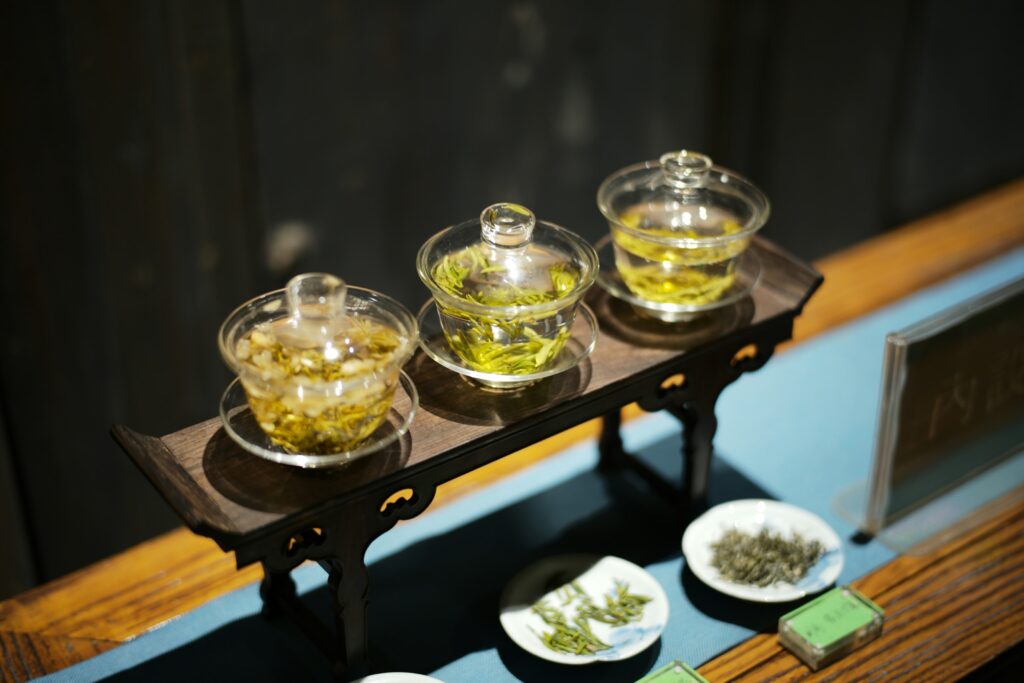
Seeing the numbers side-by-side truly highlights white tea’s position as a low-caffeine option. Comparing the caffeine content across different types of teas and other beverages helps to emphasize white tea’s unique characteristics.
White Tea vs. Green Tea Caffeine Content
White tea (15-30mg) generally has less caffeine than green teas (25-50mg), which can vary widely in caffeine content. Decaffeinated options exist for both, with decaf white tea typically lower in caffeine than most green teas, making it a great choice for those sensitive to caffeine.
White Tea vs. Black Tea Caffeine Content
The difference here is significant. With black tea containing 40-70mg of caffeine, it can have more than double the amount found in white tea, offering a much more robust energy lift.
White Tea vs. Coffee Caffeine Levels
There is a vast difference between white tea and coffee. A standard cup of coffee starts at 95mg and can go much higher, containing potentially ten times the caffeine of a cup of white tea. This explains why coffee can cause jitters while white tea provides a calmer energy.
White Tea vs. Matcha and Oolong
Matcha is a powerhouse, as you consume the whole leaf, while oolong sits between green and black tea. This table offers a clear overview for an 8oz (240ml) serving.
Beverage | Average Caffeine Content (mg) |
|---|---|
White Tea | 15-30 mg |
Green Tea | 25-50 mg |
Oolong Tea | 30-60 mg |
Black Tea | 40-70 mg |
Matcha | 60-80 mg |
Brewed Coffee | 95-200 mg |
How Caffeine in White Tea Affects Your Body
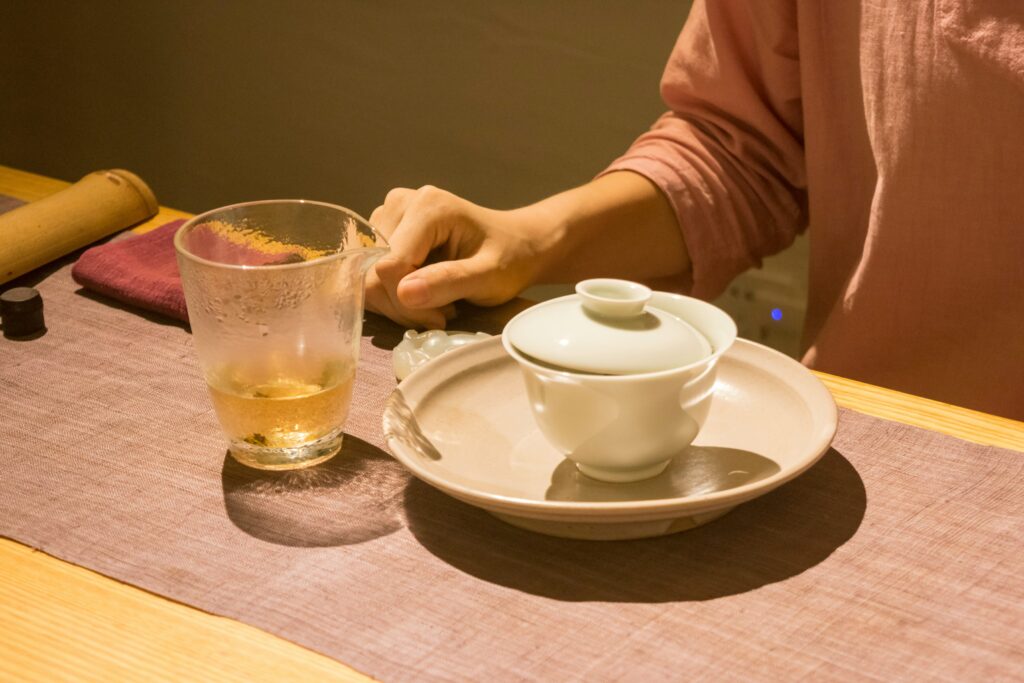
The experience of drinking white tea is unique, thanks to the synergy of its natural compounds. People who regularly drink tea, including white tea, often report a smoother, more sustained energy compared to other caffeinated beverages. It provides a much smoother, more sustained energy than other caffeinated drinks.
Gentle Energy Without the Jitters
White tea is rich in an amino acid called L-theanine, which is known for promoting a sense of calm and mental focus. When paired with a low dose of caffeine, it creates a desirable state of calm alertness. This synergy provides a gentle lift in energy without the anxiety or jitters that can come from coffee’s powerful crash.
Slower Caffeine Release = Sustained Focus
The compounds in white tea lead to a slower absorption of caffeine into the bloodstream. Instead of a sudden jolt, you experience a sustained release of energy that can aid productivity and concentration for several hours. This makes it an excellent choice for work or study.
Best Times to Drink White Tea Based on Caffeine Content
- Morning: A gentle way to awaken your senses without an aggressive shock to the system.
- Afternoon: Ideal for overcoming a midday slump while ensuring it won’t disrupt your sleep later.
- Evening: A possibility for many, especially with shorter steep times, depending on personal tolerance.
White Tea Health Benefits: Beyond Just Low Caffeine
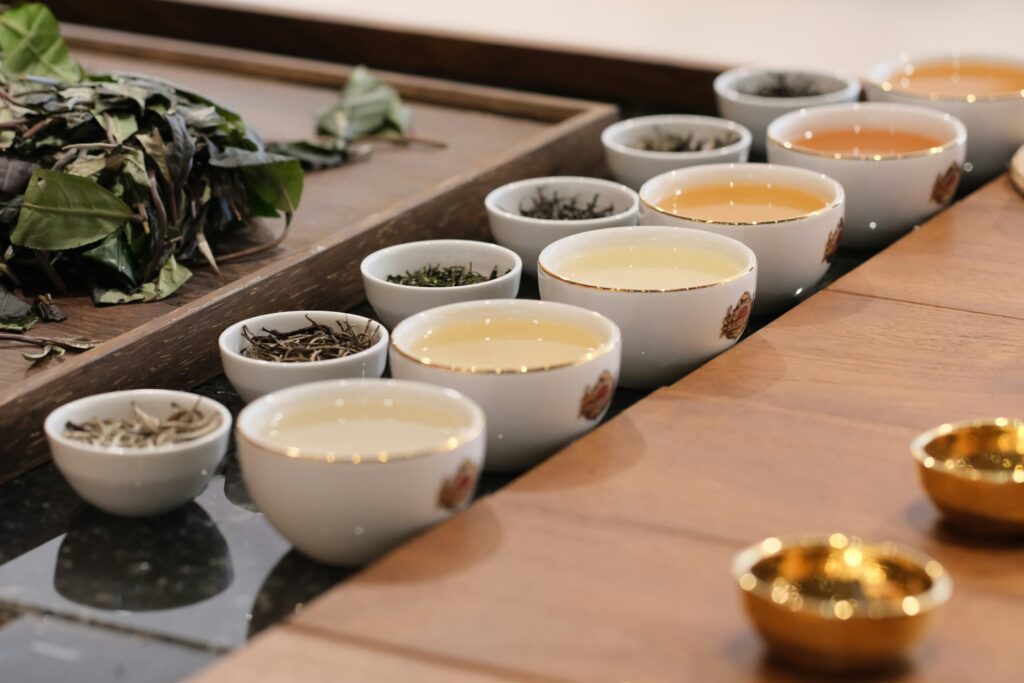
White tea’s minimal processing preserves beneficial compounds like antioxidants and polyphenols, which help reduce the risk of chronic diseases such as heart disease and stroke. Its polyphenols effectively fight free radicals linked to cell damage, aging, and chronic health conditions.
Highest Antioxidant Content Among All Teas
As the least processed tea, white tea retains high levels of antioxidants, including EGCG and catechins, protecting the body from oxidative stress caused by free radicals. Several test tube studies confirm its potent antioxidant effects.
Anti-Aging and Skin Health Benefits
EGCG in white tea supports skin health by protecting against internal aging caused by free radicals and enzymes, and external aging from environmental factors like UV radiation and pollution. White tea polyphenols shield human skin cells from oxidative stress and inflammation, preserving collagen and elastin for a youthful appearance.
Cardiovascular Health Support
White tea’s rich polyphenols support cardiovascular health by aiding blood pressure regulation and cholesterol management, lowering heart disease risk.
Weight Management and Metabolism Boost
White tea may aid weight management by increasing metabolism and promoting fat oxidation. Its compounds help prevent new fat cells and stimulate breakdown of existing fat cells. Studies on white tea extract show effects on fat metabolism, though more research is needed on long-term weight loss.
Caffeine-Free Alternatives: When White Tea Still Has Too Much Caffeine
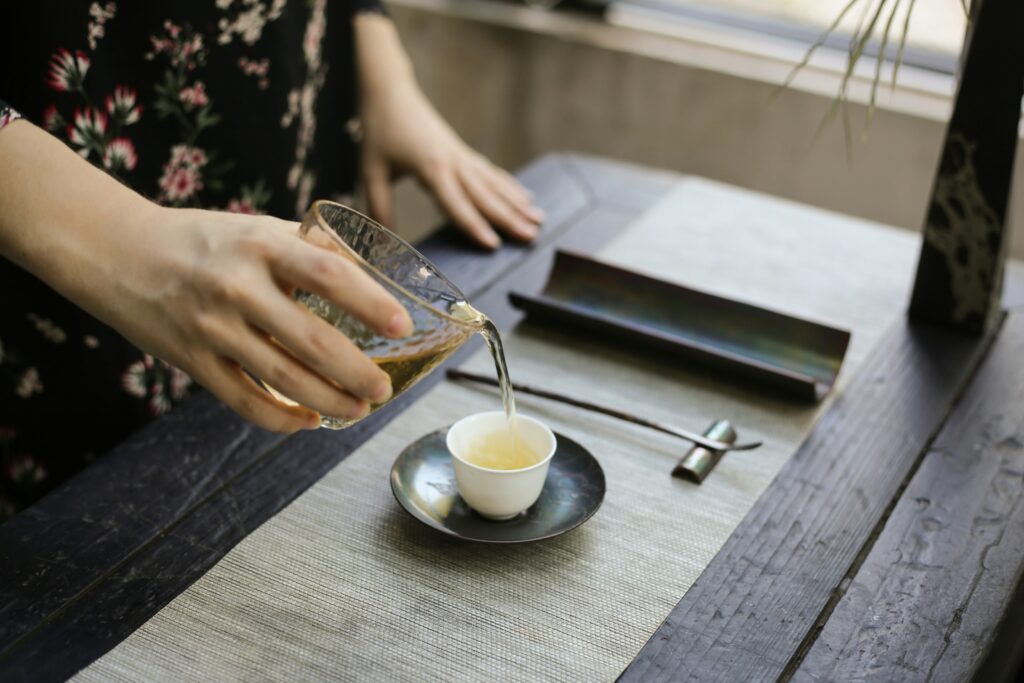
For those who need to avoid caffeine completely, there are wonderful herbal teas, also known as tisanes. These are naturally caffeine-free and distinct from true teas made from the Camellia sinensis plant.
Decaffeinated White Tea Options
Decaffeinated white tea is an option, often made using a natural CO2 process. Compared to decaffeinated green teas, decaf white tea generally contains less caffeine. While this method is gentle, a small amount of caffeine (2-5mg) may remain, and there can be a slight reduction in the most delicate antioxidant compounds.
Herbal Alternatives with Similar Benefits
Rooibos: Naturally caffeine-free, this South African herb is packed with antioxidants and offers a sweet, earthy flavour.
Chamomile: Famous for its calming properties, this floral infusion is perfect for winding down with zero caffeine.
Hibiscus: This tart, vibrant herbal tea is rich in antioxidants and known to support cardiovascular health.
Choosing Quality White Tea for Best Health Benefits and Caffeine Balance
The quality of your tea directly impacts its flavour, caffeine content, and health properties. There are several types of white tea, such as Silver Needle, White Peony, Ceylon White, African White, Darjeeling White, Long Life Eyebrow, and Tribute Eyebrow, each with unique qualities and caffeine profiles. Choosing loose leaf tea is often recommended, as it is considered higher quality and more beneficial than tea bags.
Why Tea Quality Impacts Both Caffeine and Health Benefits
Origin, processing methods, and freshness are critical. Premium white teas from renowned Chinese regions use young tea buds and leaves, affecting caffeine content and flavor—Silver Needle is made solely from buds, while White Peony blends buds and leaves. Organic farming helps ensure chemical-free leaves.
Our experience sourcing authentic white teas from renowned Chinese tea regions has shown us that origin and processing quality directly affect both the caffeine profile and therapeutic properties.
Silver Needle vs. White Peony: Caffeine and Benefit Differences
When you explore different white tea varieties, you will notice subtle differences.
Silver Needle: Made only from pure, unopened buds (specifically, one bud per stem) this tea has the highest concentration of antioxidants and often a slightly higher caffeine level due to the abundance of young buds.
White Peony: Also known as white peony tea or Bai Mudan, it is a blend of buds and young leaves. This composition gives it a more robust flavour and a slightly lower caffeine content compared to Silver Needle, while still offering high quality at a more affordable price.
At Tea Room Ki-setsu, we curate premium Silver Needle and White Peony varieties. Through our reservation-only tea experiences, guests can discover firsthand how these varieties differ in their caffeine content and health-supporting properties.
Where to Source Premium White Tea
Look for reputable suppliers who are transparent about their sourcing. Quality indicators include whole, unbroken leaves with a silvery down and a fresh, sweet aroma. Tea Room by Ki-setsu sources teas from ancient tea trees untouched by modern hands in Bulang Mountain and Yiwu, China. For everyday enjoyment, white tea can also be found at your local grocery store, making it accessible and convenient to purchase.
Conclusion
White tea offers a unique and powerful combination of low caffeine and exceptional health benefits. With just 15-30mg of caffeine per cup, it provides a gentle, sustained energy boost without the jitters, making it ideal for caffeine-sensitive individuals and anyone seeking a calmer alternative to coffee. Its high antioxidant content further solidifies its status as a premier wellness beverage. Remember that quality and brewing method are key to unlocking its full potential. By experimenting with different steeping times and temperatures, you can find the perfect balance that suits your taste and lifestyle.
Incorporating this remarkable tea into your daily wellness routine is a simple, enjoyable step towards better health. For those interested in experiencing expertly prepared white tea and learning traditional brewing techniques, Tea Room by Ki-setsu offers intimate, reservation-only experiences that deepen understanding of this remarkable tea.