The world of tea is woven with subtle distinctions that quietly shape the experience in your cup. When exploring the delicate elegance of white tea, geography plays a profound role in guiding the final flavour. Understanding the two primary Fujian white tea regions allows you to appreciate how climate and local tradition shape the leaves before they ever reach your teapot.
In practical terms, a tea region influences the leaf material, the subtle craft choices made by artisans, and the ultimate direction the cup will take on your palate. Whether a tea leans toward airy brightness or comforting warmth is often a reflection of its birthplace.
In this guide, we will compare the coastal slopes of Fuding with the inland mountains of Zhenghe. You will learn how to recognise the broad differences between these revered areas, how to choose a tea that perfectly suits your palate and brewing style, and how to read labels without placing absolute trust in marketing alone.
For a broader look at this delicate category, we invite you to explore our guide on understanding white tea.
A Simple Map In Words: Where Fuding And Zhenghe Sit In Fujian
To understand these two expressions, it helps to visualise their place in the landscape. Fuding sits in the northeastern part of Fujian province, resting gently against the coast. The maritime influence here provides abundant rainfall, rolling sea fog, and moderate temperature swings that bathe the tea plants in soft, diffuse light.
Further inland and to the northwest lies Zhenghe. Shielded from the immediate coast, this mountainous region experiences more pronounced temperature shifts between day and night, alongside deeper forest coverage. This inland environment asks the tea plants to grow slightly slower, often yielding a distinct, grounded character.
However, we must always add a clear guardrail to these geographical notes. Microclimates exist within every mountain, and natural variation from one garden to the next is entirely normal. Regional traits are helpful guides rather than rigid rules.
What Makes A Tea “From Here”? Region Vs Cultivar Vs Craft
When you savour a beautiful cup of Fujian white tea, you are experiencing the intersection of three fundamental drivers: the region, the cultivar, and the craft.
The region provides the soil, the rainfall, and the altitude. The cultivar refers to the specific variety of the tea plant, such as Fuding Da Bai or Zhenghe Da Bai, each holding its own genetic predispositions. The craft encompasses the human element, specifically how the maker manages the withering and drying phases.
Because these three elements blend together, reading labels can sometimes be confusing. Often, “Fuding white tea” is used in marketing as a shorthand for a bright, bud-forward style rather than a strict guarantee of origin. A responsible takeaway is to view the region as one valuable cue among many. It sets the stage, but the true identity of the tea is confirmed only when you taste it.
Fuding: The Classic “Bright, Bud-Forward” Impression
What Fuding Is Known For
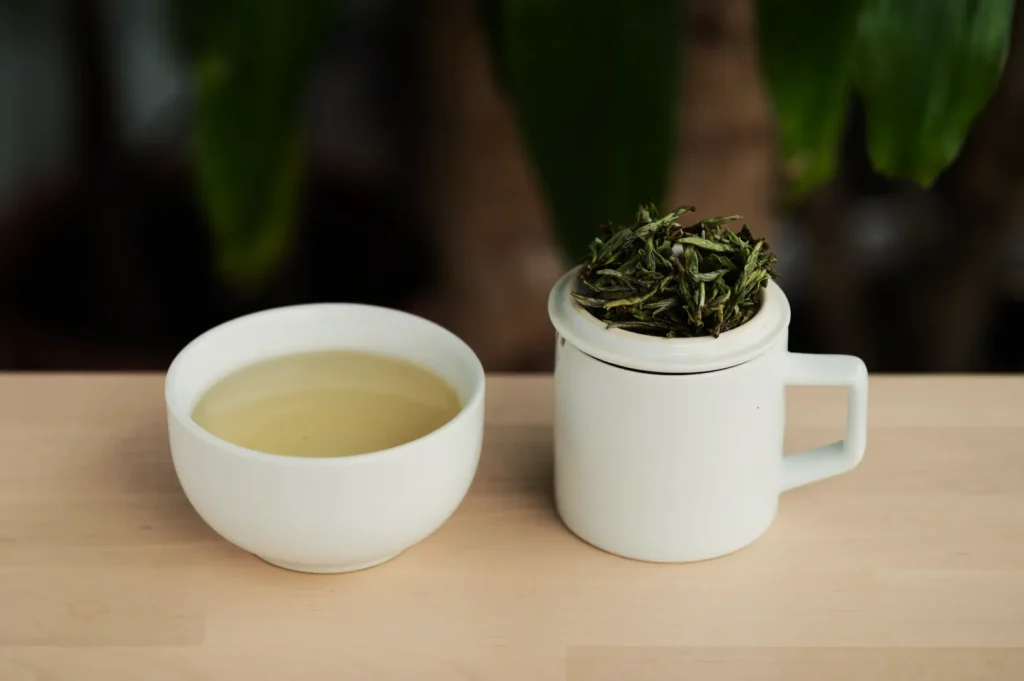
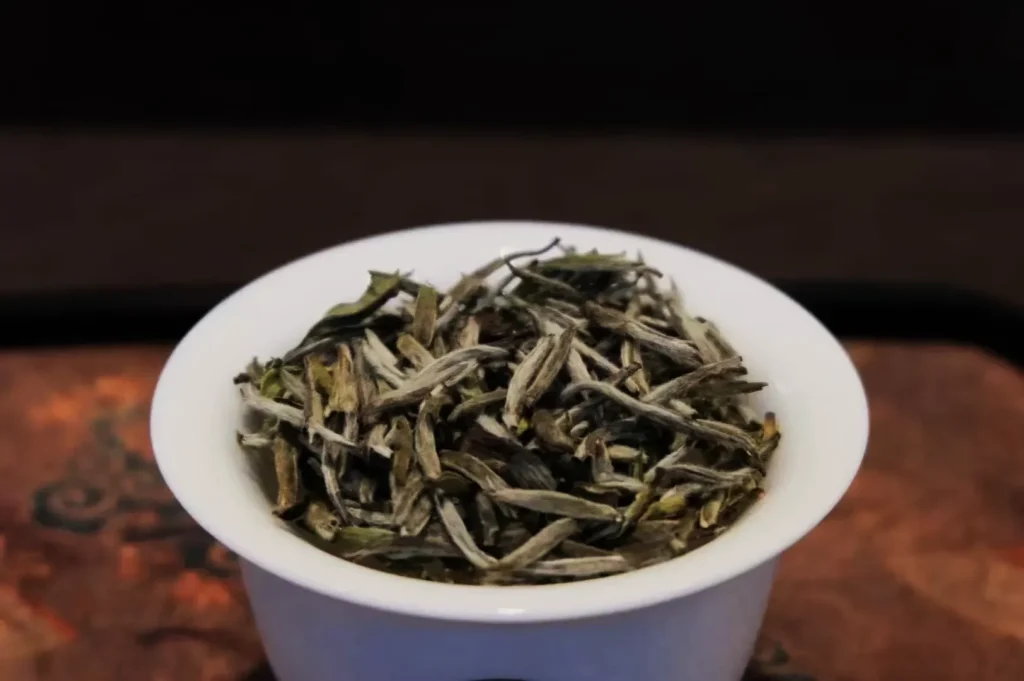
Fuding is widely celebrated for bud-forward picking standards that lend an airy, lifted cup. This is especially true in Silver Needle and bud-heavy White Peony. It carries a reputation for clarity and fragrance, and many drinkers notice notes that feel light, floral, and remarkably clean rather than dark or heavy. This aromatic finesse shows best when brewed with restraint, rewarding shorter steeps and attentive pouring. Because of its high aroma and a crisper sweetness, the Fuding style often reads as beautifully bright on the palate.
Typical Cup Profile
- Aroma: Spring blossom-air, meadow honey, fresh hay, and sometimes a cucumber or melon-like freshness.
- Flavour: Light nectar sweetness, gentle fruit skin, and a clean mineral line. Bitterness is usually low but can appear if the leaves are over-steeped.
- Texture: Fine and silky rather than thick. It presents more lift than weight.
- Finish: Returning sweetness accompanied by a lingering perfume in the empty cup.
- Liquor look: Pale gold to light apricot, often clear and highly luminous.
Best Suited For
This style is ideal for drinkers who prefer fragrance, delicacy, and precision over depth and warmth. It’s the perfect companion for quiet mornings or gentle moments when you desire a focused, unhurried cup. Fuding teas excel in gongfu brewing, where small, intricate differences can be tasted across multiple infusions. The bud-heavy styles are wonderful for those who enjoy subtlety and don’t mind brewing with deliberate care.
Brewing Tendencies
Fuding white tea often shines with slightly cooler water and shorter early steeps. Bud-heavy lots can taste flat when brewed too cool, but they can taste rough or drying when brewed too hot for too long. This style tends to reward a gentle start with lower temperatures and shorter first steeps, followed by a gradual increase in heat or time in later rounds. A best practice in gongfu brewing is to pour out fully each infusion so the delicate leaves do not continue brewing in the residual water.
Zhenghe: The “Rounder, Warmer, Leaf-Comfort” Impression
What Zhenghe Is Known For
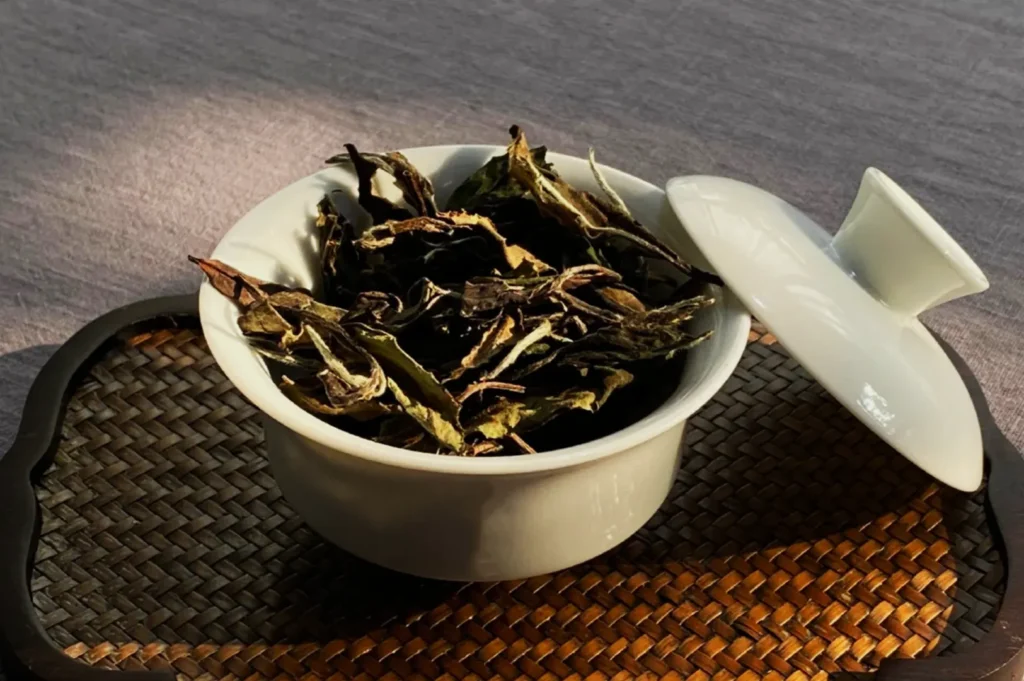
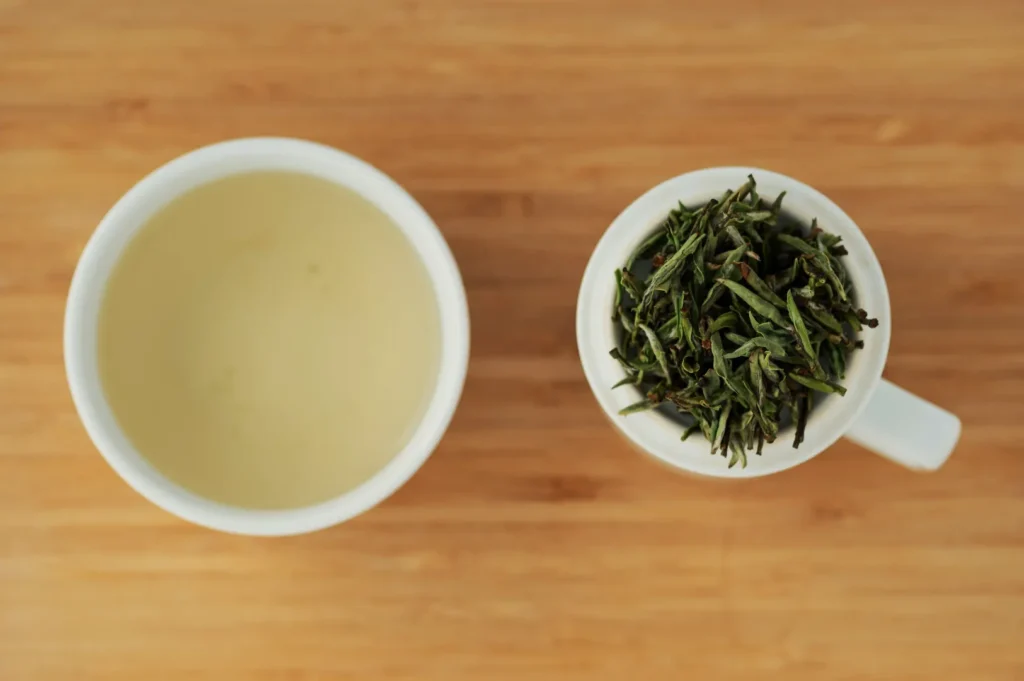
Zhenghe white tea offers a beautiful leaf-comfort expression that many drinkers experience as rounder, softer, and warmer in tone. In this style, body and depth can be more noticeable than high floral lift. It is often well-suited to leaf-forward white teas like White Peony and Shou Mei, where the cup can feel more grounded and substantial. This regional accent reads as gentle warmth rather than sharp brightness.
Typical Cup Profile
- Aroma: Warm honey, dried meadow, soft floral tones, and sometimes gentle grain or dried fruit impressions.
- Flavour: Round sweetness, mellow fruit, and a calmer profile with far less emphasis on sharp brightness.
- Texture: Fuller and more cushioning. The mouthfeel can feel steady, thick, and deeply comforting.
- Finish: Warm, lingering sweetness with a slower, deeper aftertaste.
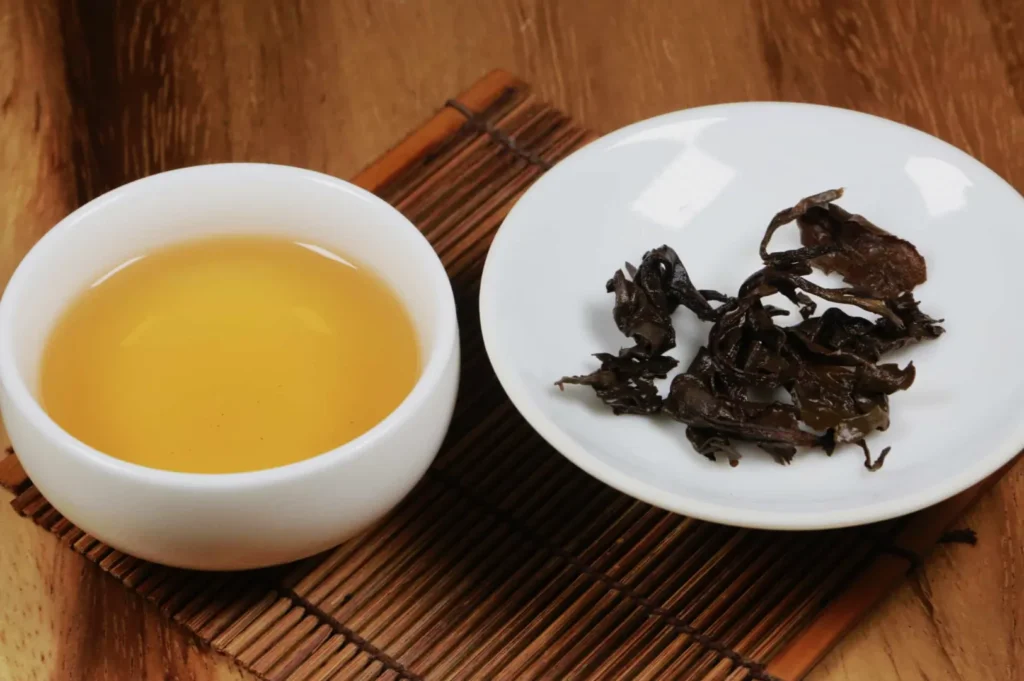
- Liquor look: Often a slightly deeper gold, especially with leaf-forward or lightly aged material.
Best Suited For
Zhenghe teas are ideal for those who prefer roundness, warmth, and comfort over a perfumed aroma. They’re perfect for quiet afternoons, slow settings, and pair well with food. This style responds well to western brewing, creating a consistent and easy pot. Leaf-forward styles suit drinkers who want a white tea with more presence and structure.
Brewing Tendencies
This region is often more forgiving with hotter water and longer steeps, especially in Shou Mei grades. However, the cup can become dull if the leaf dose is too low. Increase your leaf-to-water ratio before pushing the steep time too far. Zhenghe tea tends to reward a slightly warmer baseline temperature and longer later infusions, allowing the deep sweetness and warmth to fully develop.
Fuding Vs Zhenghe By Tea Type: Silver Needle, White Peony, Shou Mei
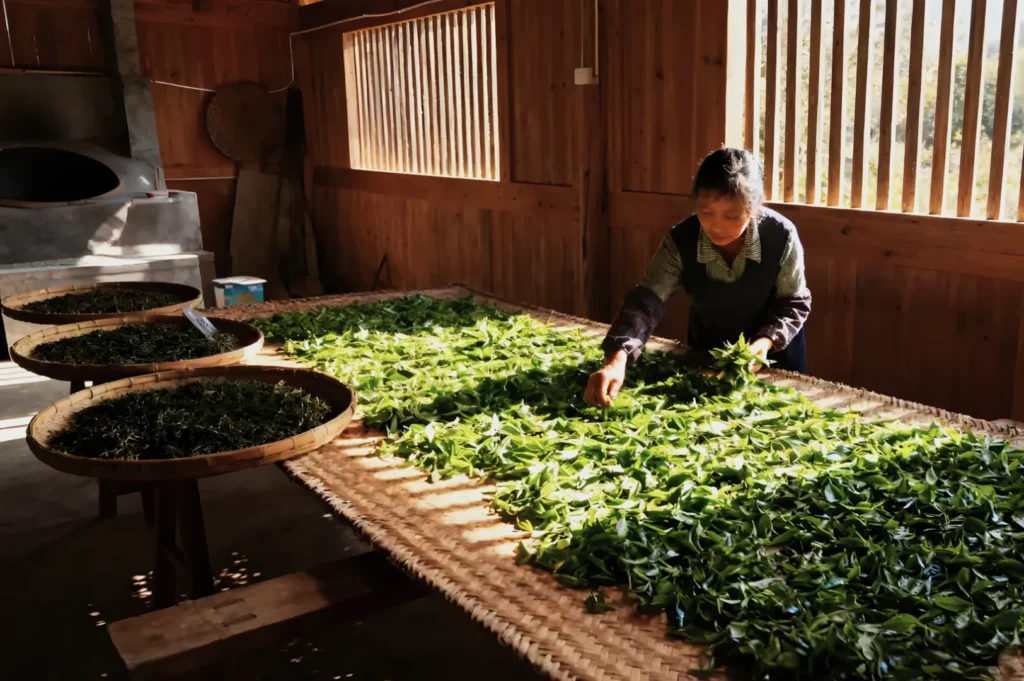
It is important to remember that the same type name can express differently depending on the plucking standard, the cultivar, the season, and the craftsmanship. Treat the region as a helpful cue, then confirm it with the leaf look, the aroma, and how the tea brews.
Silver Needle (Bud-Only)
- Fuding-leaning impression: Often shows higher, more lifted aromatics and a very clear, pale brew. The sweetness can feel like pure nectar and fresh spring air.
- Zhenghe-leaning impression: Can feel a touch rounder and warmer, with more emphasis on gentle body rather than soaring top notes.
- Practical brewing note: Start gentler (around 85 to 90°C), use short early steeps, and increase gradually. Bud-only tea generally dislikes long, hot steeps.
White Peony (Buds And Leaves)
- Fuding-leaning impression: Brighter and more aromatic, with clearer floral lift and a crisper sweetness on the palate.
- Zhenghe-leaning impression: Rounder and softer, presenting a more cushioning mouthfeel and a comforting, warmer honey tone.
- Practical brewing note: White Peony is the most flexible style. Brew between 88 and 93°C and adjust mainly by your leaf-to-water ratio. It suits both gongfu and western methods beautifully.
Shou Mei (Leaf-Forward)
- Fuding-leaning impression: Can still feel relatively clean and clear, presenting brighter top-notes hovering above the deeper leaf sweetness.
- Zhenghe-leaning impression: Often reads as deeper and more comforting, suiting longer steeps and larger pots.
- Practical brewing note: Shou Mei usually welcomes water between 92 and 95°C alongside slightly longer steeps, especially in later rounds. If the brew turns woody, shorten your time before lowering the temperature.
How To Choose: A Practical Decision Guide
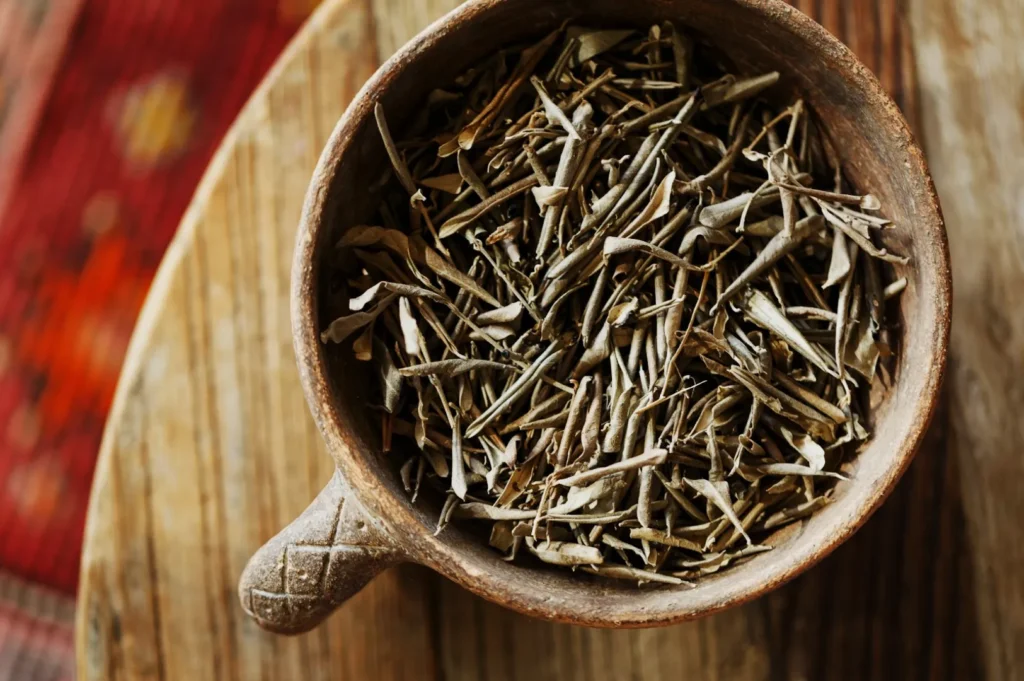
Navigating the subtle differences between Fujian white tea regions ultimately comes down to your personal lifestyle and sensory preferences.
- Choose by taste preference.
If you favour delicate, high-toned florals and crisp nectar, lean toward Fuding styles. If you seek deep, honeyed warmth and a comforting mouthfeel, explore Zhenghe. - Choose by occasion.
Fuding Silver Needle provides wonderful focus for a quiet, contemplative morning. A leaf-heavy Zhenghe Shou Mei offers steady, forgiving warmth for a relaxed, reading-filled afternoon. - Choose by budget without making absolute price promises.
Pure spring buds will always command a higher premium due to the labour required to harvest them, regardless of the region. - Choose by brewing style.
If you love the precise ritual of gongfu brewing, bud-forward teas will reward your attention. If you prefer the convenience of western or grandpa brewing, leaf-forward teas will handle the extended steeping gracefully. - Choose by ageing interest.
Both regions age beautifully, but storage realism is crucial. Ensure you can provide a dry, clean, and odour-free environment to allow the tea to slowly transform.
Brewing Notes: Bringing Out Fuding Or Zhenghe Character
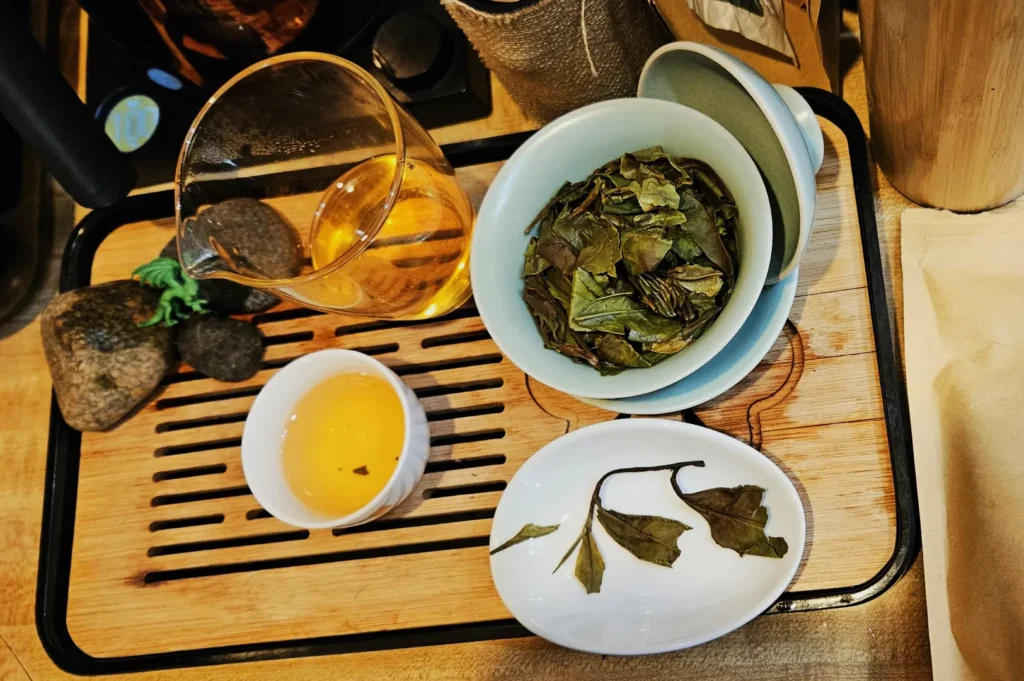
When brewing, you can adjust your parameters to match two distinct moods. For an aromatic and lifted mood, use cooler water (around 85°C), a lighter leaf ratio, and short steeps. This highlights the delicate springtime notes of Fuding teas. For a deeper and rounder mood, use slightly warmer water (around 90 to 95°C), a generous leaf ratio, and slightly longer steeps to coax out the honeyed depth of Zhenghe teas.
Water quality is paramount. Always use soft, filtered water, as heavy minerals will instantly flatten the delicate aromatics of any white tea.
As a quick troubleshooting cue: if your tea tastes thin, increase your leaf dose before increasing the time. If it tastes rough or drying, lower your water temperature and pour out faster.
Taste The Regions Side By Side
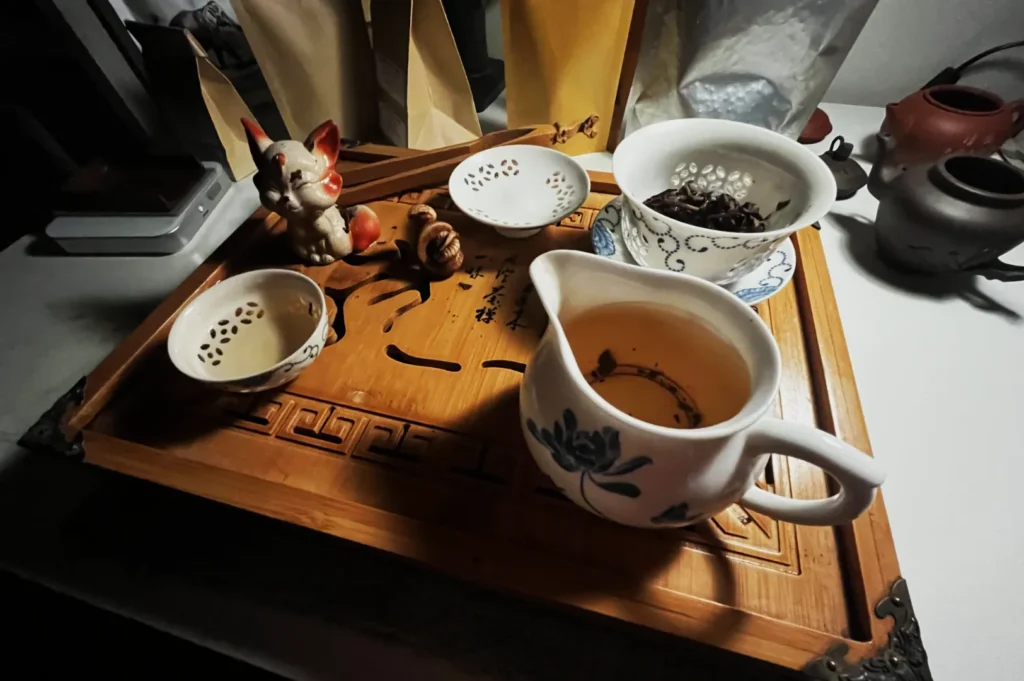
The true beauty of tea lies in the tasting, where the subtle differences between coastal fog and inland mountain air finally reveal themselves in your cup. We warmly invite you to book a private tea session with us to taste true white tea expressions side by side.
To explore our sanctuary and reserve your quiet moment, please visit https://tearoom.com.sg/.