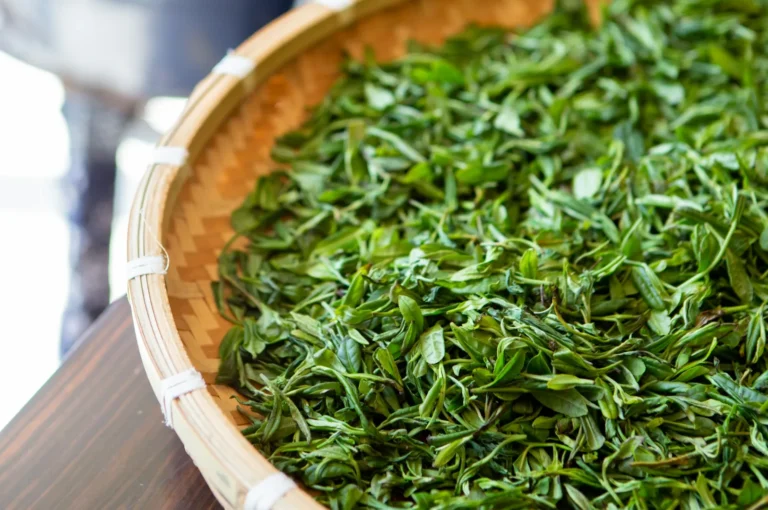
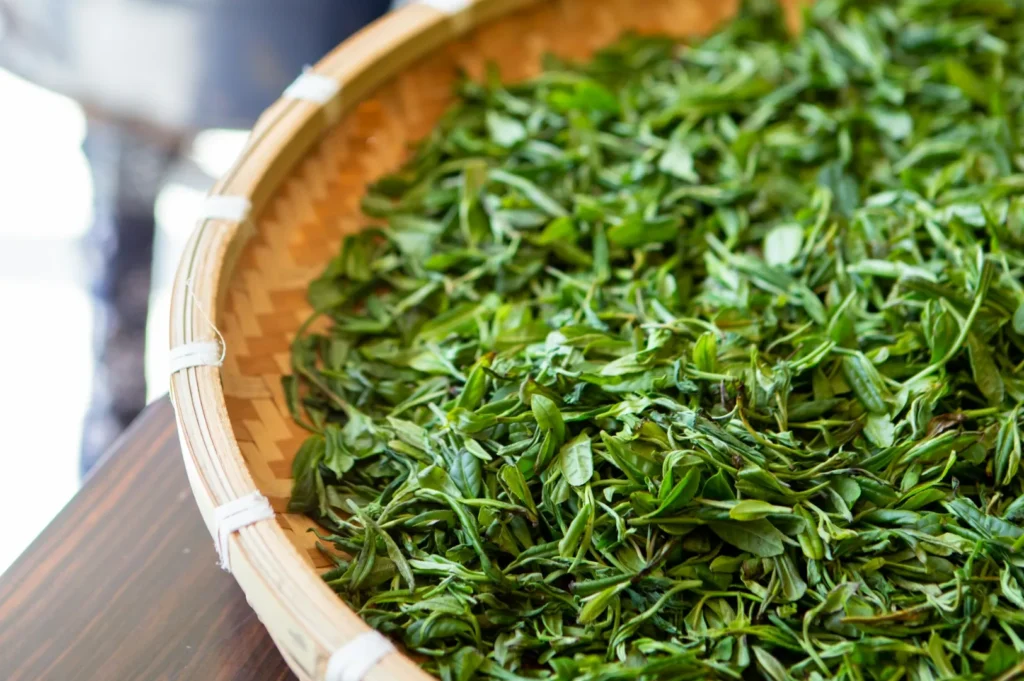
Imagine a morning in early spring, where the mist still clings to the mountainside and the air carries a crisp, waking chill. In this fleeting window, tender green tea leaves are carefully plucked at dawn, still holding the dew of a new season. This is the ephemeral beauty of the first harvest, a moment that captures nature at its most vibrant and fresh. Unlike the deep, roasted patience of an oolong or the aged wisdom of pu-erh, green tea demands immediate attention, proper care, and mindful enjoyment to reveal its full potential.
In Singapore’s tropical climate, appreciating this delicate green tea leaves becomes both a challenge and an invitation. For those who love to drink green tea, it’s important to start with quality leaves and understand what makes exceptional green tea worth seeking. We are encouraged to recognize true quality when we find it and to follow simple tips to preserve its freshness and flavor.
For tea lovers who prefer refreshing clarity over robust depth, the journey is one of nuance and discovery. It is an exploration for those who find beauty in what is fleeting rather than enduring, treating every cup as a celebration of the present day, a moment to relax and enjoy natural goodness. When brewing, remember to wait the right amount of time to unlock the tea’s delicate sweetness and aroma, ensuring each sip is truly loved.
Why Loose Leaf Green Tea Demands More: The Delicate Nature of Minimal Processing
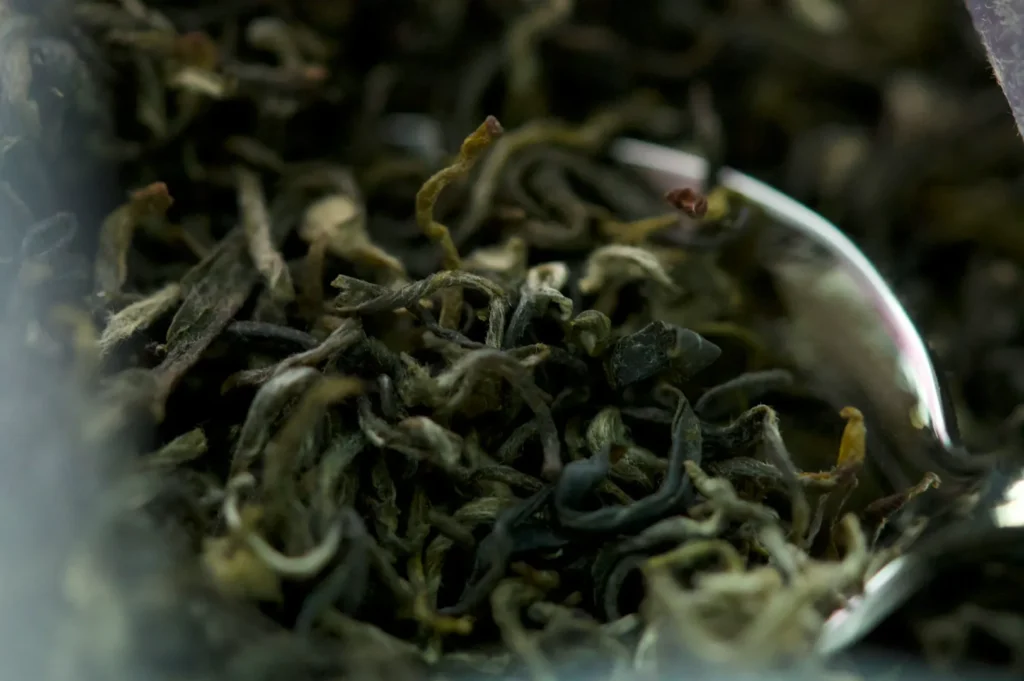
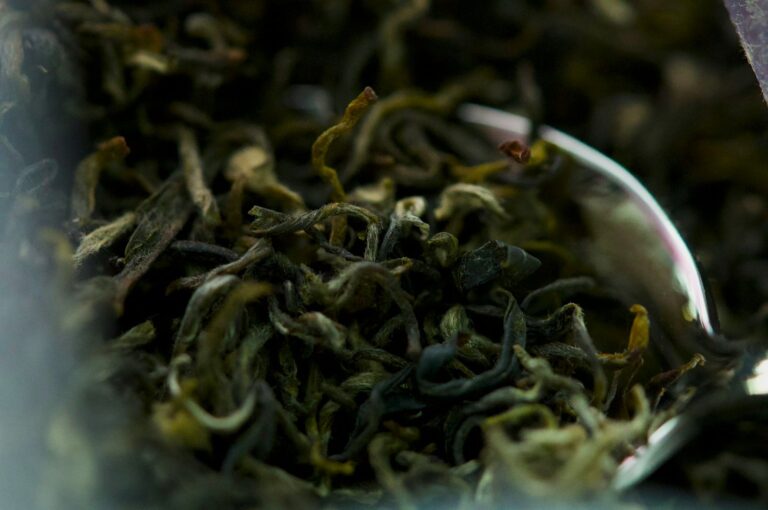
Green tea is the least processed tea type, where tea leaves are quickly heated by steaming or pan-firing to stop oxidation. This preserves the chlorophyll, natural goodness, and vibrant green color. This delicate process reveals the tea’s true character but makes it vulnerable to time and environment.
Freshness is crucial for green tea. Weeks after harvest, aroma fades, sweetness dulls, and flatness sets in. The spring harvest is prized for its high nutrients, catechins, l-theanine, and amino acids that create umami richness and elegant sweetness without bitterness.
In Singapore’s heat and humidity, proper storage is essential. Vacuum-sealed packaging and climate-controlled environments preserve the integrity of green tea leaves. While health benefits like antioxidants and focus enhancement attract many, true appreciation goes beyond wellness. Taste for wonder and discover the verdant world in each infusion.
Chinese and Japanese Green Tea Type: A World of Flavors For Tea Lovers
Green tea offers a wide range of flavors shaped by two main processing methods: the pan-fired Chinese style and the steamed Japanese style. Each creates a unique taste experience for tea lovers.
Diving Into the World of Chinese Green Tea
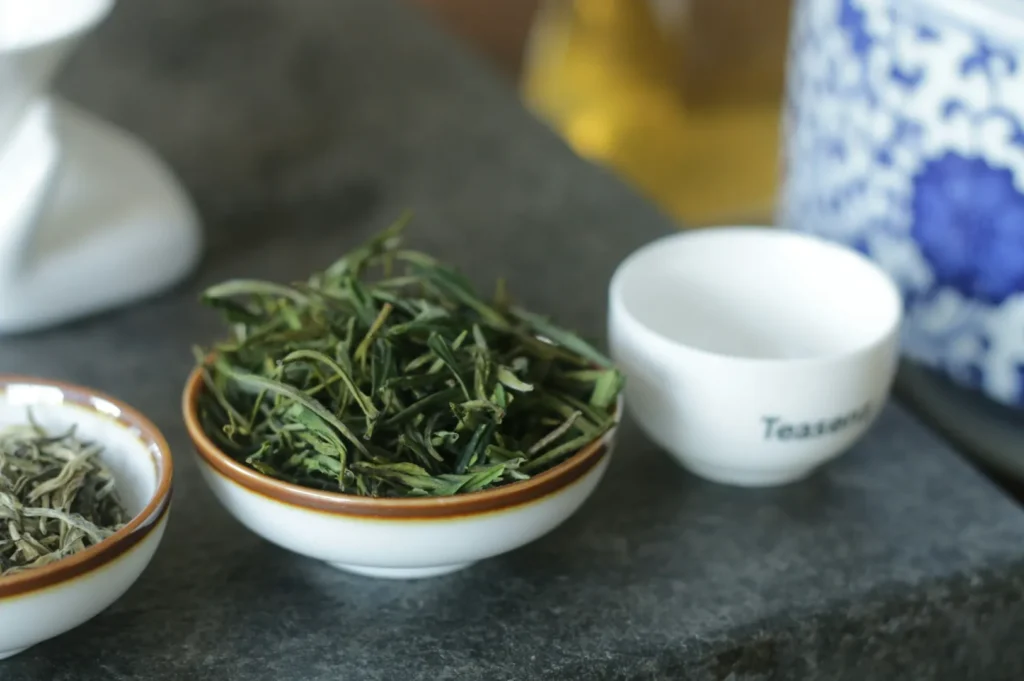
Chinese green teas like Longjing (Dragon Well) from Hangzhou are hand-processed in heated woks, producing flat, sword-shaped leaves with a smooth texture and chestnut sweetness. Properly brewed, Longjing is rich and silky, with hints of fresh vegetables and toasted grains, free from astringency. Sichuan variations offer a bolder flavor and stronger body.
Bi Luo Chun from Jiangsu features delicate spiral leaves covered in fine white hairs, picked early in spring. It has a floral aroma reminiscent of orchids and fruit blossoms, with a sweet, refreshing taste. This tender tea requires careful brewing to avoid bitterness, rewarding with elegant complexity.
Huang Shan Mao Feng from Anhui grows in misty mountains, offering subtle sophistication. Its orchid fragrance and sweet aftertaste, sometimes with a smoky whisper, suit those who prefer gentle, refined flavors.
A Different Perspective In Japanese Green Tea
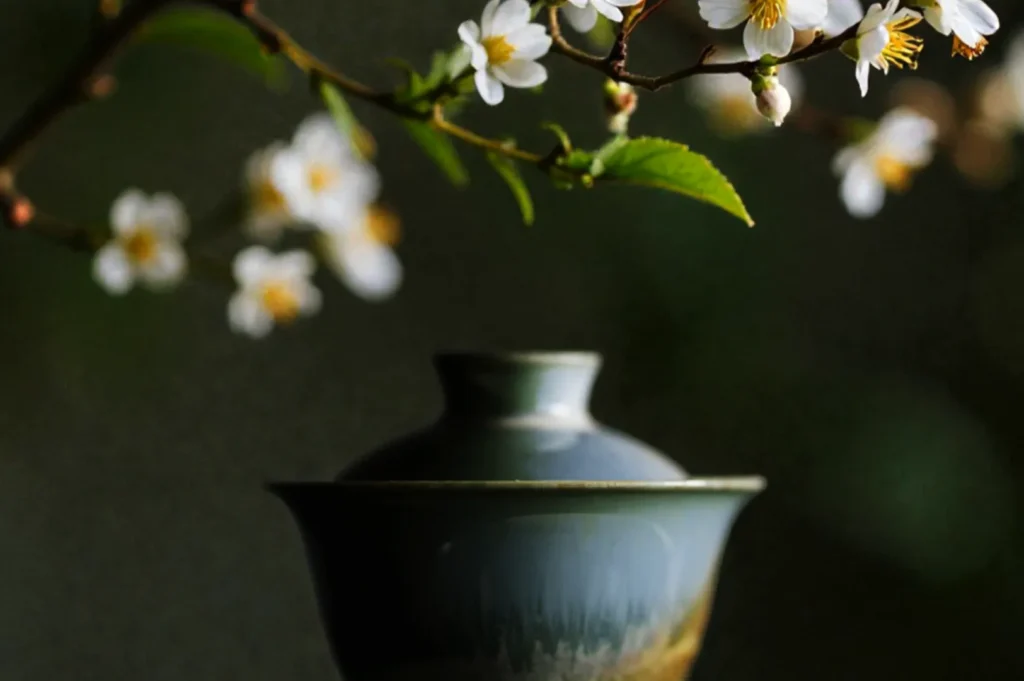
In Japan, Sencha is the most popular green tea, steamed to preserve bright green color and a grassy-sweet, umami-rich flavor. Steaming retains high levels of catechins and nutrients. Higher-grade Sencha is sweeter and less astringent, providing a refreshing alternative to Chinese styles.
Matcha, a powdered green tea, is unique as the entire leaf is consumed, offering a creamy texture and full nutrient profile. It requires special preparation but delivers a rich, complex flavor.
At Tea Room by Ki-setsu, we carefully select these varieties from artisan producers who prioritize freshness and quality. Whether you seek the toasted warmth of Chinese teas or the vibrant depth of Japanese greens, our collection invites you to explore the rich world of green tea leaves Singapore has to offer.
The Art of Brewing Green Tea: Temperature, Time, and Transformation
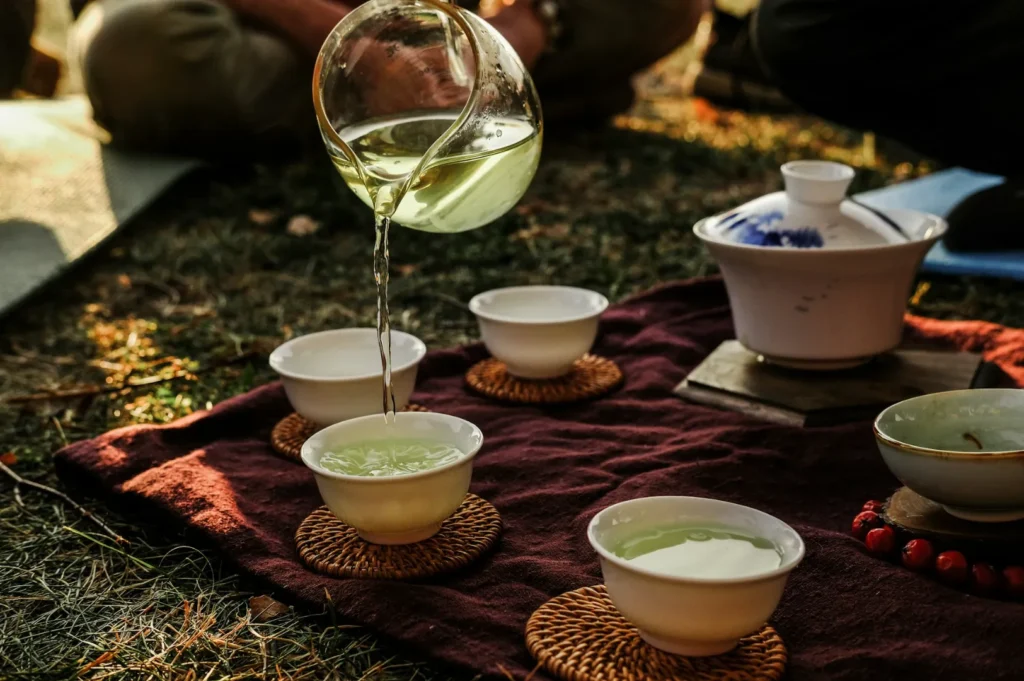
Brewing green tea is where the dry leaves awaken into a vibrant cup. Temperature is key: boiling water damages delicate compounds, causing bitterness and astringency. For high-grade green teas, use water between 70°C and 75°C. More robust types like Sencha do well with slightly warmer water, around 75°C to 80°C. If you lack a temperature-controlled kettle, add some room-temperature water to hot water to reach the right temperature.
Steeping time matters too. The first brew should last only one to two minutes to preserve sweetness and avoid bitterness. Later infusions can be a bit longer, adding about 30 seconds each time. Typically, green tea offers two to three good infusions, each with its own unique flavor.
Choosing the right teaware enhances the experience. Clear glass lets you watch the leaves unfurl, while a Chinese gaiwan suits multiple quick infusions. A Japanese kyusu is perfect for fine Sencha needles. Each vessel offers a different way to enjoy the tea’s transformation.
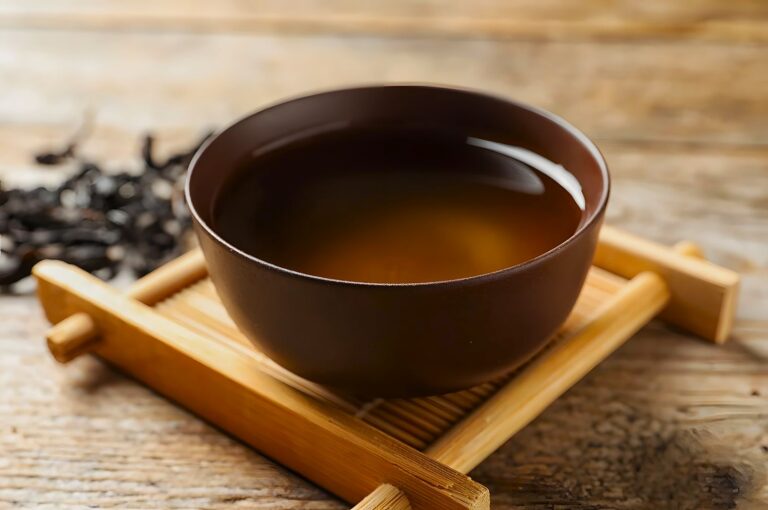
Common mistakes include using too much leaf or skipping a quick rinse, which can result in a bitter cup. Properly brewed green tea reveals sweetness, freshness, and delicate complexity. Notice the vegetal aroma rising with the steam and the color shifting from pale jade to deep green. Brewing green tea well is an art of attention and presence—qualities that turn each cup into a moment of mindful enjoyment.
Sourcing and Storing Green Tea Leaves Singapore: Preserving Quality
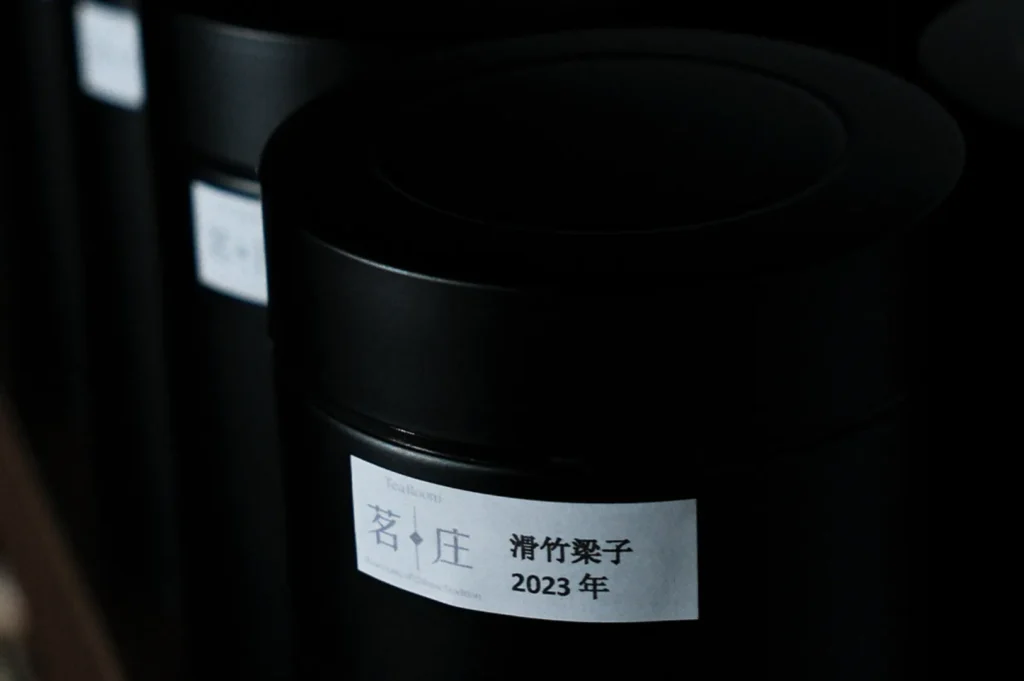
Finding exceptional green tea leaves in Singapore requires attention to freshness and proper care. Look for packaging that indicates the spring harvest, prized for its vibrant flavor and nutrients. Vacuum-sealed or nitrogen-flushed containers signal that the tea has been well preserved.
In Singapore’s tropical climate, storage is key. Once opened, transfer tea leaves to an airtight container kept in a cool, dark place away from moisture, heat, light, and strong odors. Some collectors refrigerate unopened packages to maintain freshness but must avoid condensation. We recommend consuming green tea within six to twelve months of harvest to enjoy its peak quality, as green tea is best fresh and not meant to age.
Not all retailers maintain these standards. Choose sellers with knowledgeable staff who understand origin, processing, and preparation, treating tea as an art rather than a commodity. These are places where tea lovers gather to share and explore.
At Tea Room by Ki-setsu, we source green tea leaves Singapore from small-batch producers we personally visited. Our collection is stored in climate-controlled environments and shared in private sessions that honor the tea’s delicate nature. We offer more than tea for sale—we invite you to experience green tea at its finest.
For more on selecting quality tea leaves in Singapore, visit our detailed guide: Tea Leaf Singapore: A Contemplative Guide to Choosing Quality.
Embracing Impermanence: The Zen of Green Tea
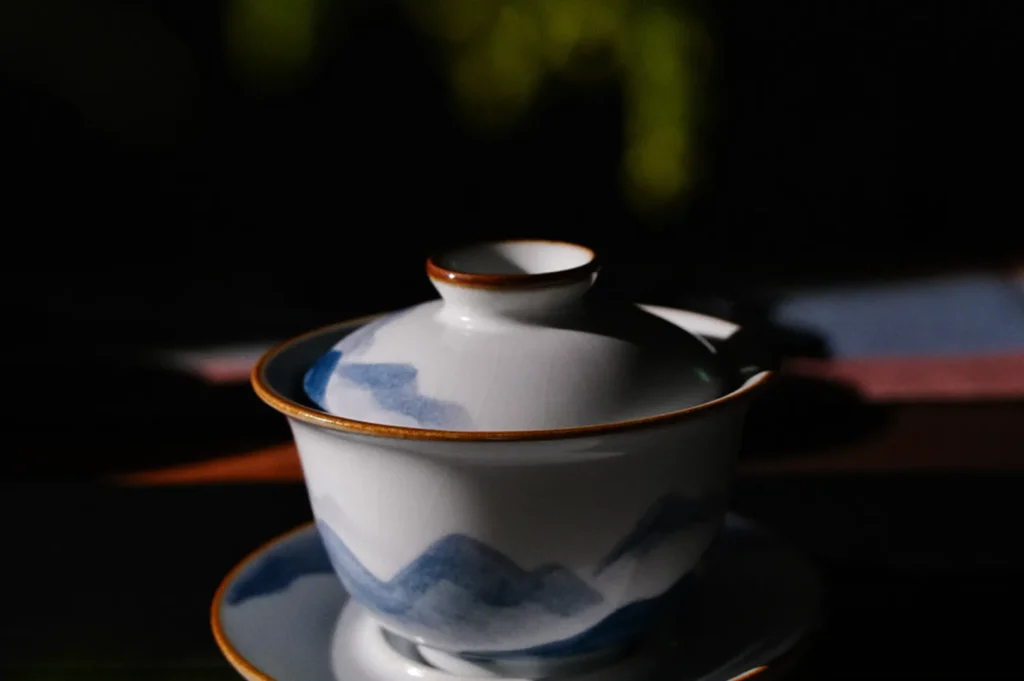
Green tea leaves Singapore embody a gentle meditation on impermanence and presence. Unlike teas that improve with age, high quality green tea invites us to appreciate the fleeting moment—its delicate aroma, subtle flavour, and natural goodness meant to be enjoyed fresh. Each cup is a celebration of now, a mindful pause to savour sweetness, umami, and refreshing notes that cannot be preserved indefinitely.
Whether you opt for steamed green tea or pan-fired Chinese varieties, the ritual of brewing and sipping offers unparalleled relaxation and focus. Tea lovers in Singapore can shop online or in-store to find carefully crafted selections that match their taste and caffeine preferences, enhancing both wellness and enjoyment.
At Tea Room by Ki-setsu, we provide a curated range of premium loose leaf tea in Singapore, emphasizing freshness, delicate processing, and thoughtful sourcing. Our space is designed for tea lovers to explore the art of green tea, where every sip reveals the rich complexity and tender strength of this treasured tea type. Choosing quality green tea means choosing to slow down, to match your moment with a cup of natural goodness, and to embrace the Zen of tea with every infusion.