To speak of tea consumption is to speak of a practice that unfolds across three distinct yet interconnected dimensions. For the uninitiated, it may seem a simple act of hydration, but for those who engage in regular tea drinking, the experience is far richer. The difference between non tea drinkers and regular practitioners lies in the appreciation of this complexity. Drinking Chinese tea from the Camellia sinensis plant is not merely a beverage choice; it is a holistic wellness ritual rooted in the long-studied benefits for daily physical and mental well-being.
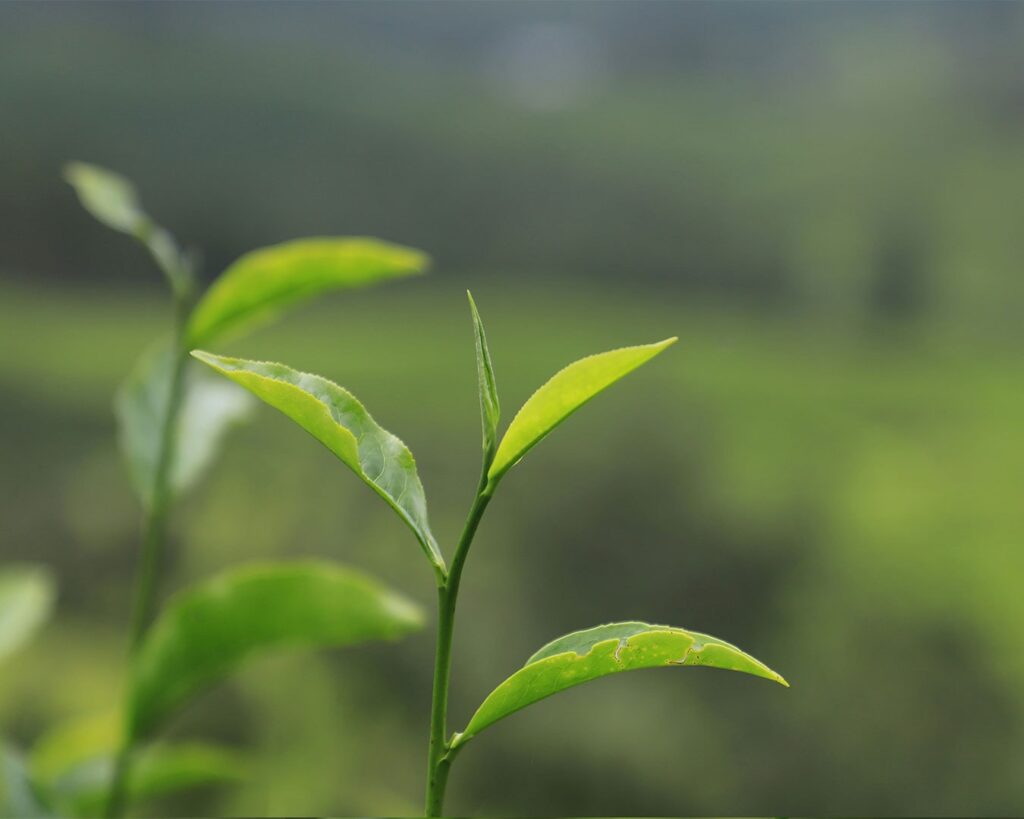
The journey of a single leaf from Southern China to a cup in our sanctuary reveals three truths. First, there is the truth of the body, understood through the language of science and measurable health benefits. Second, the truth of the mind, a realm of cognitive clarity and calm focus. Finally, there is the truth of the spirit, an intangible dimension of mindfulness, connection, and ritual. These are the profound benefits of tea, a complete practice contained within one leaf.
The Physical Benefits of Drinking Tea
The most tangible benefits of Chinese tea are those written in the language of human physiology. Modern science has begun to validate what traditional Chinese medicine has known for centuries: the compounds within tea leaves offer powerful support for the body’s intricate systems. Regular tea consumption is a quiet investment in long-term physical resilience.
The evidence for cardiovascular health is particularly robust. Population studies consistently suggest that individuals who engage in daily tea consumption have a lower risk of developing heart disease and other cardiovascular diseases. The powerful tea catechins and other polyphenols found in green tea and black tea appear to support healthy blood pressure levels and improve the function of blood vessels, fostering a more resilient cardiovascular system.
Beyond the heart, tea offers compelling benefits for weight management. While not a panacea for weight loss, the catechins in oolong tea and green tea have been shown to modestly support metabolic function. Regular consumption may aid the body in maintaining a healthy weight by enhancing fat oxidation and improving energy expenditure. This metabolic support extends to blood sugar regulation, where tea has been shown to help moderate glucose response after meals, contributing to a reduced risk of chronic diseases like type 2 diabetes.
While no single food can guarantee cancer prevention, some research suggests a correlation between high tea intake and a reduced risk for certain cancers, including esophageal cancer. These findings, though not conclusive, point to the protective potential of tea’s antioxidant properties. Furthermore, tea contains compounds that support digestive wellness and gut health. Emerging studies also indicate that long-term consumption of oolong tea and black tea may be associated with better bone density in older adults. It is important to note that these health effects vary based on the individual, the type of tea, and overall lifestyle factors.
The Mental and Cognitive Benefits

The benefits of tea extend from the body to the mind, offering a unique form of cognitive enhancement. The tea leaves of the Camellia sinensis plant produce a remarkable synergy of compounds that boost brain power without the agitation often associated with other caffeinated beverages. This is the second truth of the leaf: its ability to sharpen and soothe the mind in equal measure.
The key to this effect lies in the interplay between caffeine content and a rare amino acid called L-theanine. While caffeine levels vary—green tea generally has less caffeine than black tea—the presence of L-theanine modulates the stimulant effect. It promotes the production of alpha brainwaves, which are associated with a state of “calm alertness.” This means that even with a moderate caffeine intake, one can experience heightened focus and mental clarity without feeling overstimulated. For those sensitive to too much caffeine, this balance makes tea a superior choice for sustained cognitive performance.
This unique chemical profile offers a form of neuroprotection. Regular tea drinking may enhance brain power over the long term, with some studies suggesting it can help slow age-related cognitive decline. From the first cup to four cups daily, optimal daily consumption appears to support functions like memory, attention, and executive processing. When compared to coffee, which provides a more pronounced but often shorter-lived burst of energy, the sustained and calm focus from tea offers a different, more meditative form of mental support.
Of course, timing is crucial for protecting sleep quality. Limiting daily intake, especially of higher-caffeine teas, to the morning and early afternoon allows one to enjoy the cognitive health benefits without interfering with restorative rest.
The Spiritual and Emotional Benefits of Drinking Chinese Tea
The third truth of the leaf is perhaps the most profound and the most difficult to measure. The spiritual and emotional benefits of tea are rooted in the ritual itself, an ancient practice that offers a potent antidote to the rush of modern life. This dimension of tea drinking is central to Chinese culture, where the act of preparing and serving tea is a form of mindfulness.
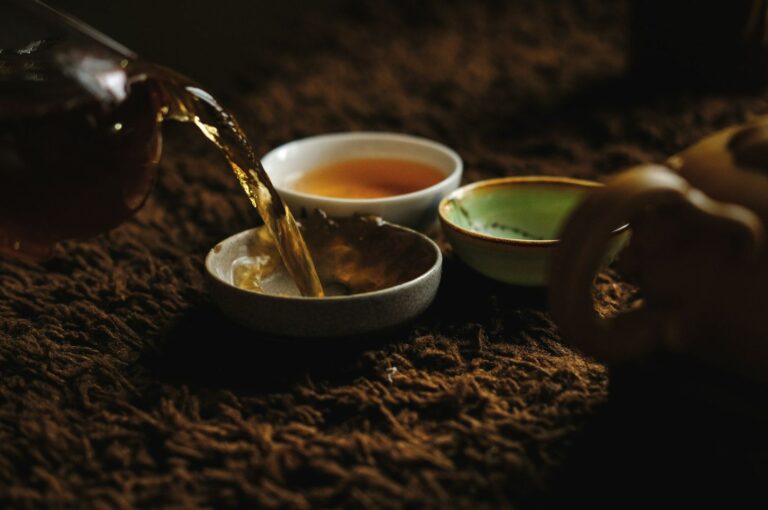
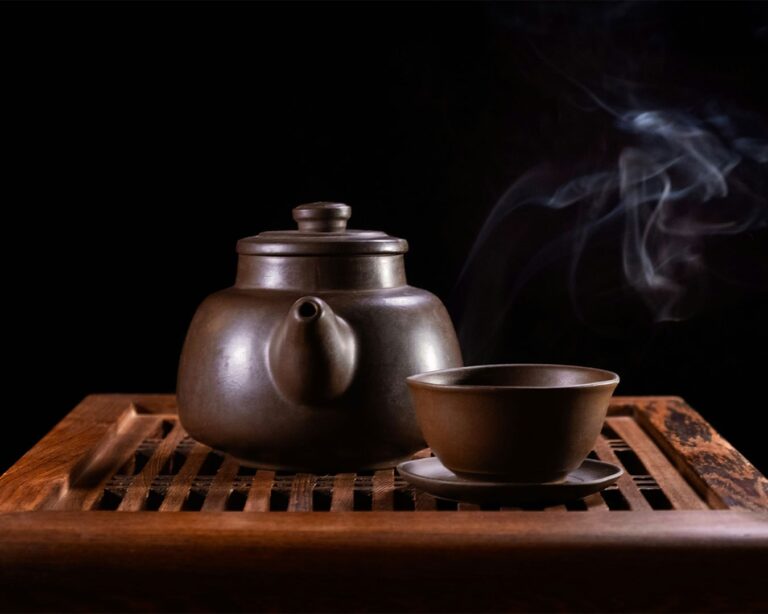
The ceremony of making tea (observing the oxidation process reflected in the colour of the liquor, watching the tea leaves unfurl, and inhaling the rising steam) is a practice in sensory awakening. Each step invites a state of presence, turning a simple cup of tea into a mindful moment. This ritual offers emotional renewal and what could be considered true anti aging benefits: the preservation of a calm and centred spirit. The psychological benefits of this daily pause are immeasurable.
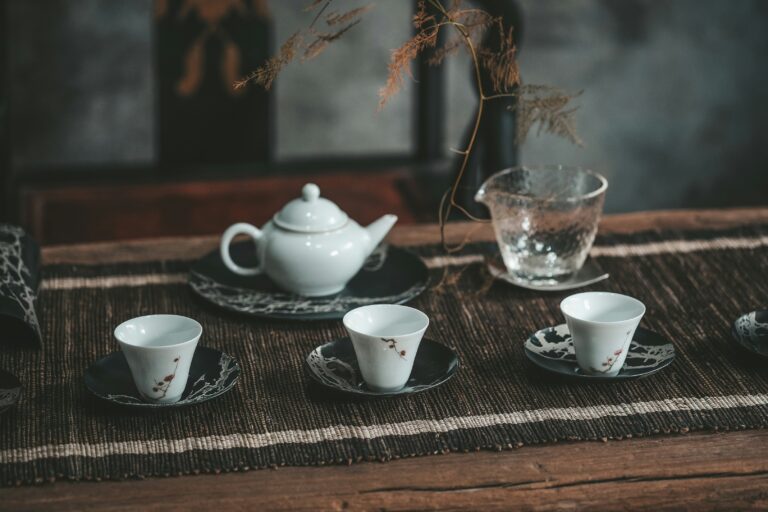
This practice also fosters community and connection. From the scholarly gatherings of ancient Southern China to the quiet camaraderie of a modern tea house, sharing tea has always been an act of hospitality and fellowship. It slows time, creating a space for genuine conversation and shared experience. The aesthetic appreciation of the tea ware, the liquor, and the leaves themselves connects us to a lineage of artisans and connoisseurs. These are the benefits of drinking tea that transcend what a randomized controlled trial can quantify; they are the benefits felt in the soul.
Choosing Your Tea for Holistic Benefits
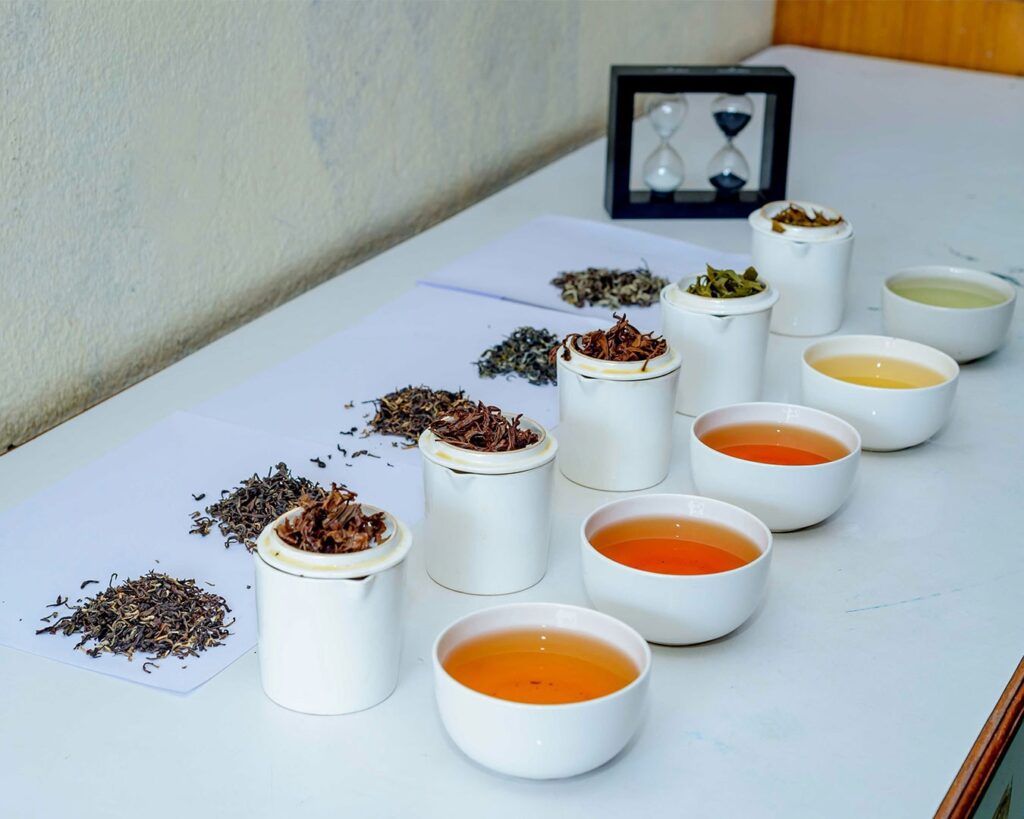
Selecting the right Chinese tea is about aligning its specific properties with your personal wellness goals. Each variety offers a unique balance of physical, mental, and spiritual benefits.
Green Tea:
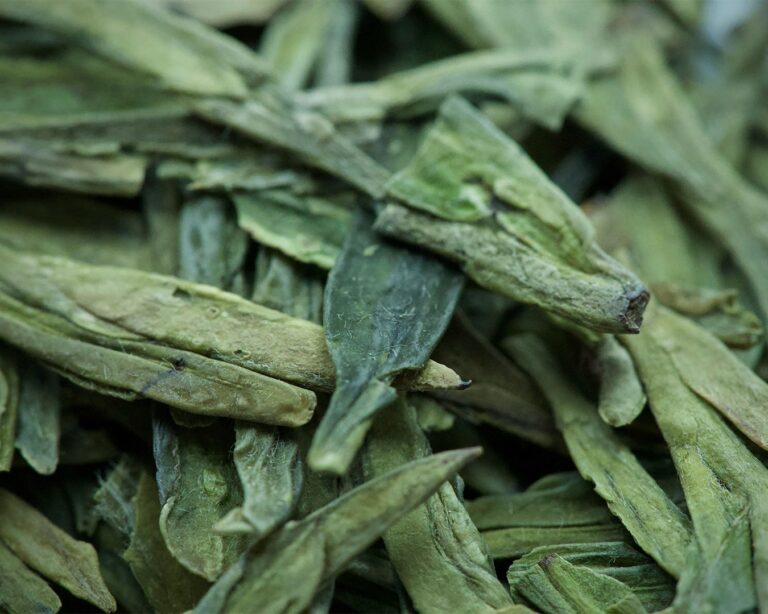
Celebrated for its high antioxidant properties and relatively lower caffeine content, green tea is ideal for daily consumption. It provides robust support for metabolism and cardiovascular health while offering a gentle cognitive lift.
Black Tea:
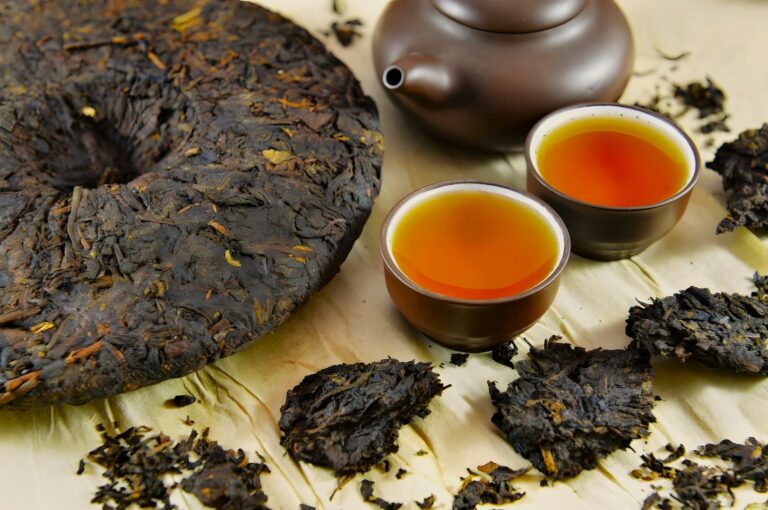
The fully oxidised black tea leaves produce compounds that are particularly supportive of blood vessels. Some research suggests a link between black tea consumption and heart attack prevention, making it a powerful choice for cardiovascular health.
Oolong Tea:
Striking a balance between green and black, oolong tea offers comprehensive benefits. It is often chosen for weight management support and its positive effects on cardiovascular health.
White Tea:
Undergoing minimal processing, white tea is delicate in flavour and rich in antioxidants. It offers subtle health benefits and is perfect for quiet, contemplative moments.
Herbal infusions such as chamomile or ginger offer their own therapeutic properties but are not derived from the Camellia Sinensis plant. While these herbal teas provide comfort and healing for specific ailments, they do not offer the same broad spectrum of benefits as true tea. When incorporating tea into your daily routine, it is essential to balance caffeine intake, listen to your body, and adjust as necessary.
Integrating Tea Benefits into Daily Life

Incorporating the holistic benefits of tea into your daily routine is a gentle art. It involves selecting the right tea for the right time of day to harmonise with your body’s natural rhythms.
For a morning ritual, consider a robust black tea or a vibrant oolong tea. Their higher caffeine levels can provide a clear, focused energy to begin your day, offering sustained health benefits of tea without the sharp peak and crash of other stimulants.
In the afternoon, a cup of green tea can help you navigate the midday slump. Its balanced caffeine and L-theanine content supports cognitive function and provides a steady stream of energy, allowing you to remain productive and calm.
As evening approaches, transitioning to teas with less caffeine is wise. A delicate white tea or a second or third infusion of a quality oolong can offer the comfort and ritual of tea without disrupting sleep. Creating a personal ritual whether it is a moment of quiet solitude in the morning or a shared pot with family in the evening, is key to unlocking the full spectrum of benefits from regular tea consumption.
Conclusion: Appreciating the Health Benefits of Tea

The health benefits of drinking Chinese tea are profound, extending far beyond what any single study or article can capture. From cardiovascular health to cognitive function, from weight management to emotional clarity, tea offers a wealth of wellness advantages. By honoring the physical, mental, and spiritual dimensions of tea drinking, we align ourselves with a practice that nurtures the body, soothes the mind, and connects us to centuries of tradition.
At Tea Room by Ki-Setsu, we invite you to experience the full range of tea’s benefits in an environment that honors the ritual of tea drinking. Every cup tells a story, and with each sip, you engage in a journey of health and mindfulness. Join us, and discover the holistic power of tea.