There is a quiet temptation with tea.
Once we learn that a tea is good for us, we begin asking how much we should drink. How many cups. How many grams. How many sessions. As if wellness can be measured only by volume.
Longjing tea, also known as Dragon Well tea, is often loved for its smoothness, gentle fragrance, and composed green character. It can sit beautifully in a daily rhythm. But the better question is not how much Longjing tea we can drink.
The better question is how to drink it well.
For most people, Longjing tea is best approached as a steady daily ritual, not something to maximise.
For readers who want a broader foundation, we have written about the daily wellness benefits of Long Jing tea. This article focuses on quantity, timing, comfort, and how to make Dragon Well tea part of the day without forcing it.
Is It Okay to Drink Longjing Tea Every Day?
For many people, yes. Longjing tea can be enjoyed daily as part of a balanced lifestyle.
It is a green tea made from Camellia sinensis, which means it naturally contains caffeine, catechins, and other tea compounds. It is not an herbal infusion, and it is not caffeine-free.
That matters because daily drinking should still be thoughtful.
A daily cup of Longjing can feel clear, gentle, and refreshing. Several strong cups late in the day may feel less gentle, especially for those sensitive to caffeine.
Daily tea should support the body, not compete with it.
How Many Cups of Longjing Tea a Day Is Reasonable?
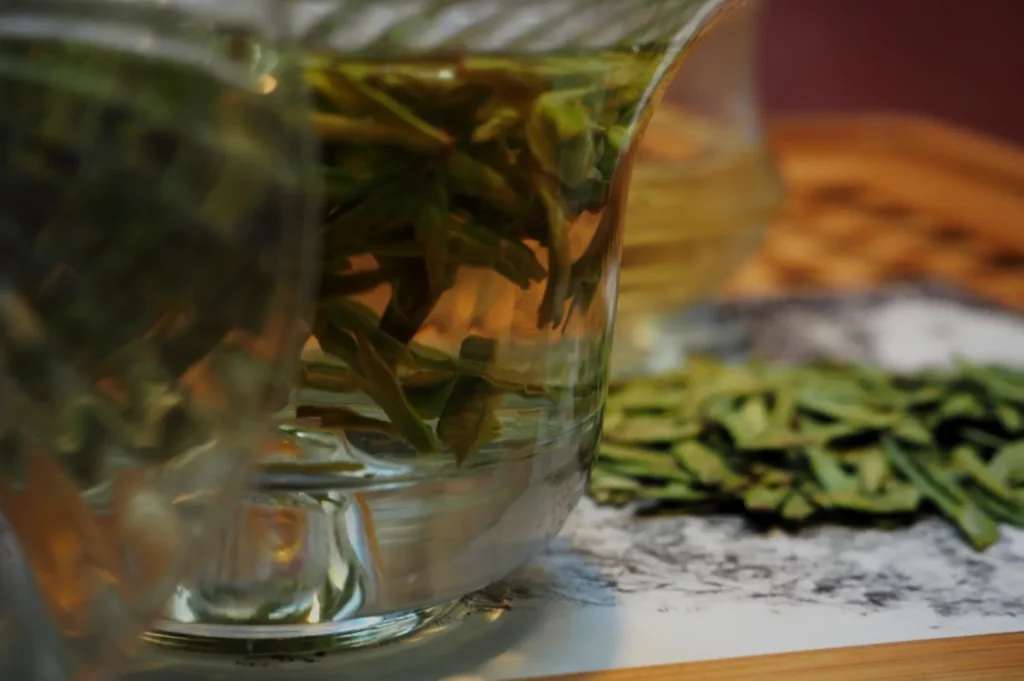
A calm starting point is one to three cups a day.
This is not a strict rule. It depends on how strong the tea is, how much leaf is used, how long it is steeped, and how your body responds to caffeine.
One cup may be enough for someone who drinks tea for quiet focus.
Two cups may suit someone who wants Longjing in the morning and again after lunch.
Three cups may be comfortable for regular tea drinkers who tolerate caffeine well and brew the tea gently.
Beyond that, it becomes more personal. Some experienced tea drinkers may enjoy more, especially across multiple light infusions. Others may feel restless after less.
The number matters less than the response.
Caffeine Still Counts
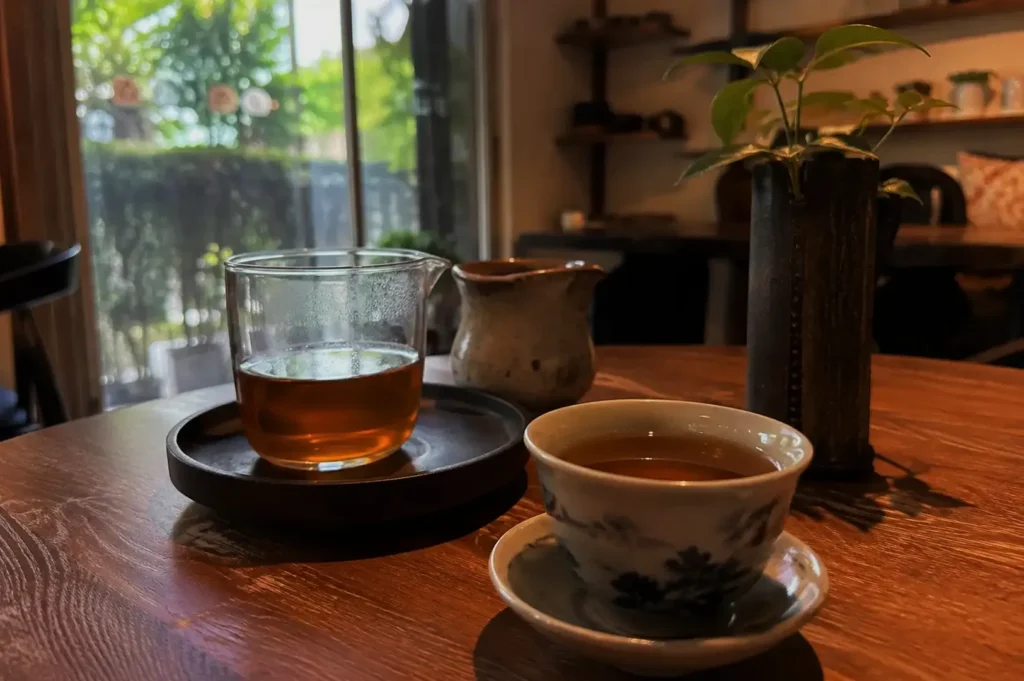
Longjing tea contains caffeine. It may feel softer than coffee, but it should still be counted as part of your daily intake.
The European Food Safety Authority has reviewed caffeine safety across dietary sources, including adults, pregnant and lactating women, and other groups. Its guidance is useful because caffeine does not come only from tea. It may also come from coffee, chocolate, soft drinks, energy drinks, and some supplements.
If you drink Longjing tea alongside coffee, matcha, or other caffeinated drinks, the total matters.
The Better Health Channel also notes that caffeine stimulates the brain and nervous system, and that it is found in coffee, tea, soft drinks, energy drinks, and chocolate.
This is why “just tea” is not always a complete answer.
Longjing may be gentle, but it still belongs to the larger rhythm of your caffeine day.
Best Times to Drink Longjing Tea
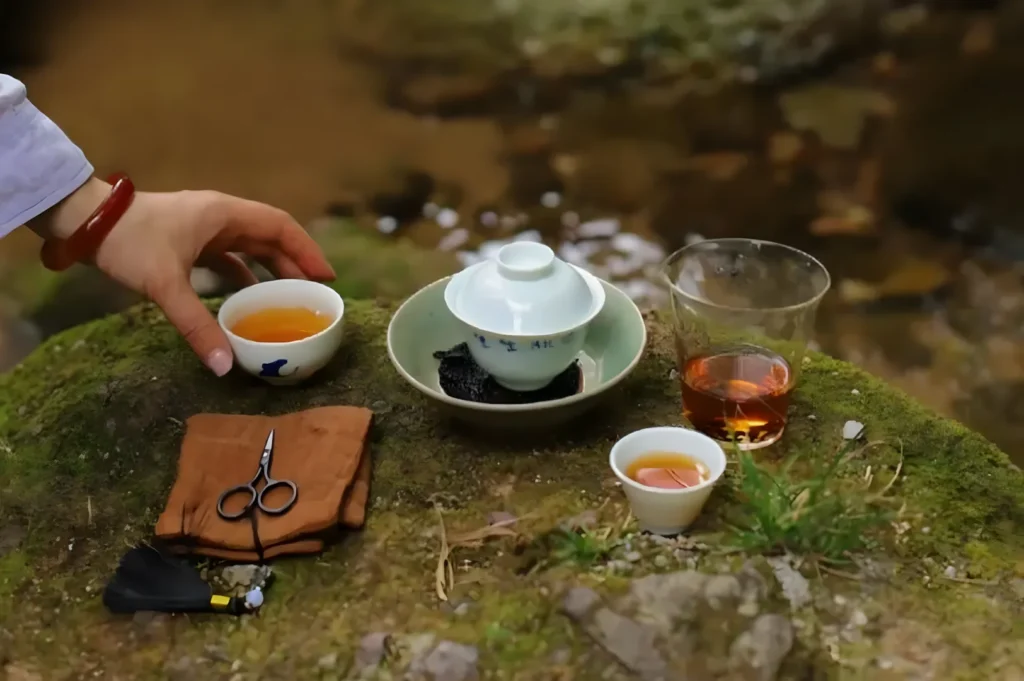
Longjing is often most comfortable in the morning or early afternoon.
Morning gives the tea a clean place to sit. The palate is more open, and the mind has not yet become crowded. A light cup can feel steady without the force of coffee.
After lunch is another good time. Longjing’s freshness can help reset the palate, especially after a heavier meal. Its smoothness makes it suitable for a slower return to work or conversation.
Late evening is more personal. Some drinkers can enjoy green tea at night without trouble. Others may notice lighter sleep, restlessness, or delayed tiredness.
If sleep is important to you, keep Longjing earlier in the day.
Should You Drink Longjing Before or After Food?
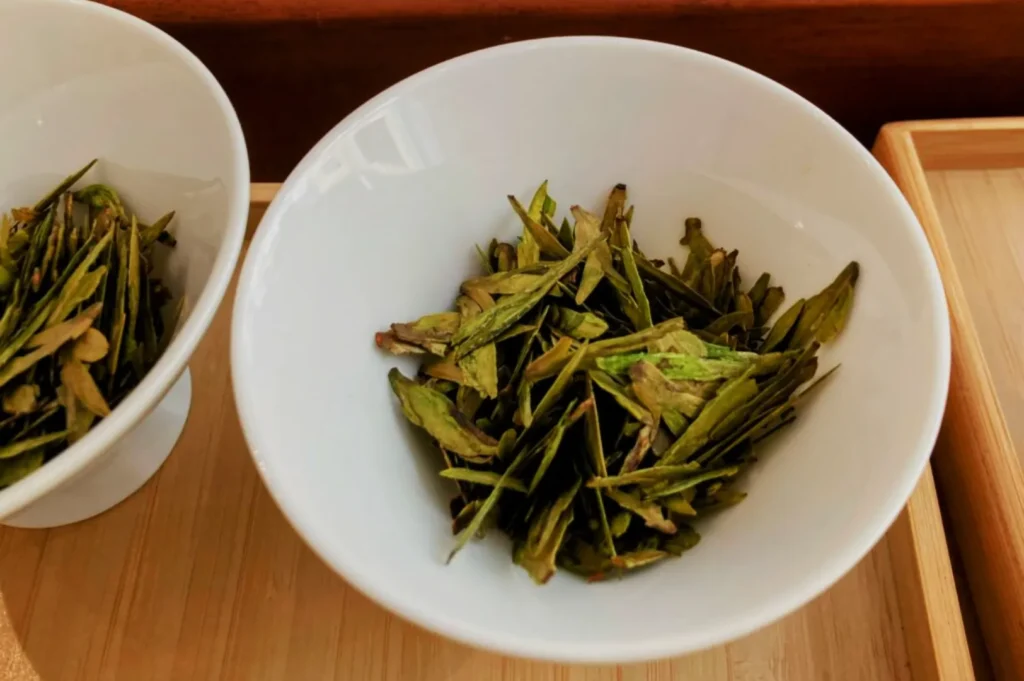
This depends on the drinker.
Some people enjoy green tea before food and feel perfectly fine. Others may experience slight nausea, acidity, or stomach unease when drinking tea on an empty stomach.
If Longjing feels uncomfortable before breakfast, do not force the ritual. Drink it after a small meal instead.
At Tea Room by Ki-setsu, we often encourage guests to observe how tea feels in the body, not only how it tastes in the mouth. Tea appreciation is not separate from comfort.
A beautiful cup should not leave the body unsettled.
How to Build a Daily Longjing Ritual
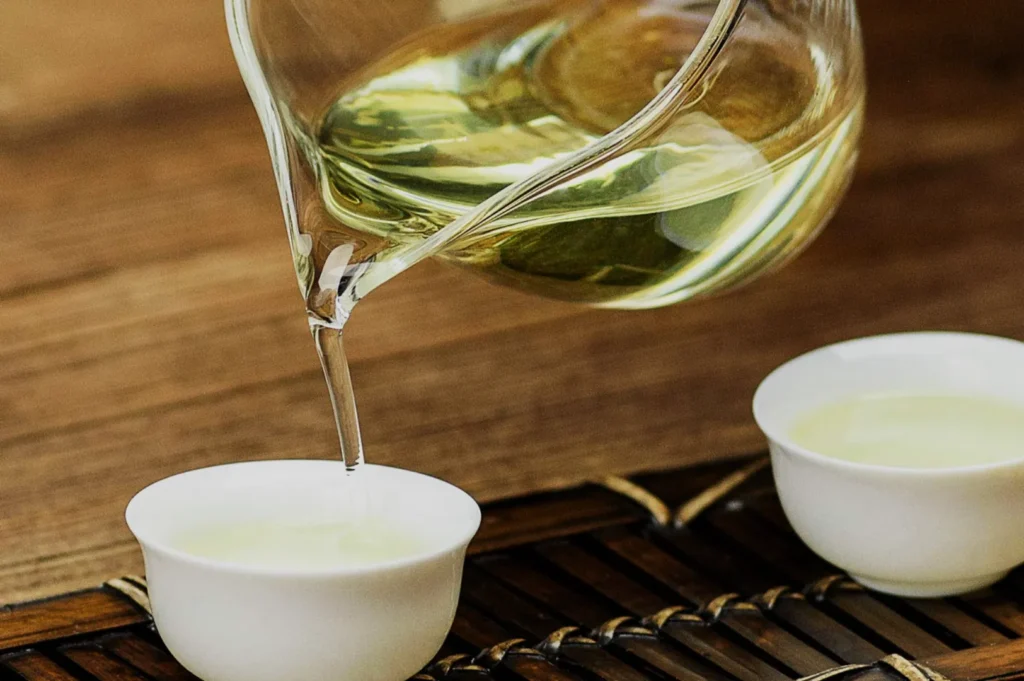
A daily Longjing ritual does not need to be elaborate.
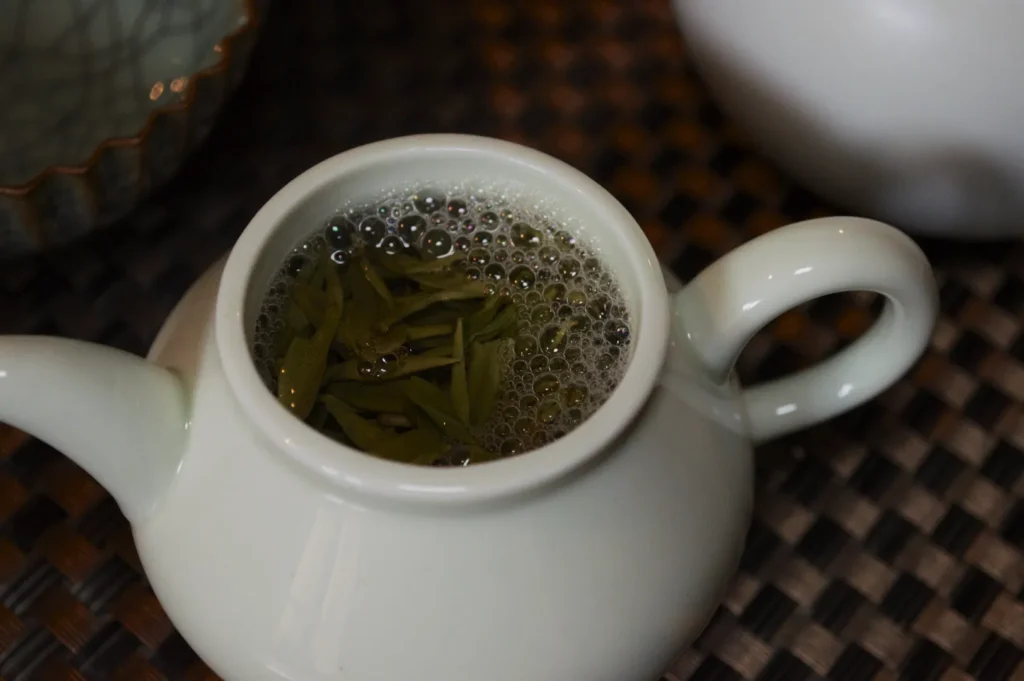
Begin with one quiet session. Use good water, a clean vessel, and enough time to notice the tea. Drink without rushing. Let the first cup introduce the leaf, then allow the next infusion to show whether the tea has more to say.
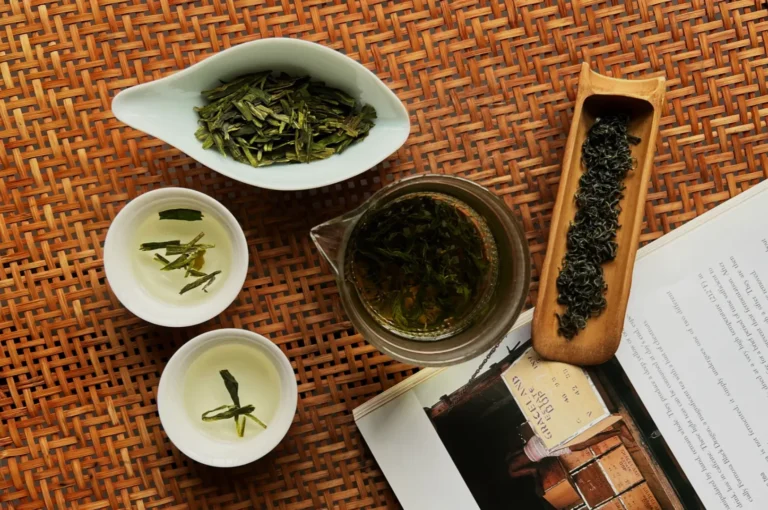
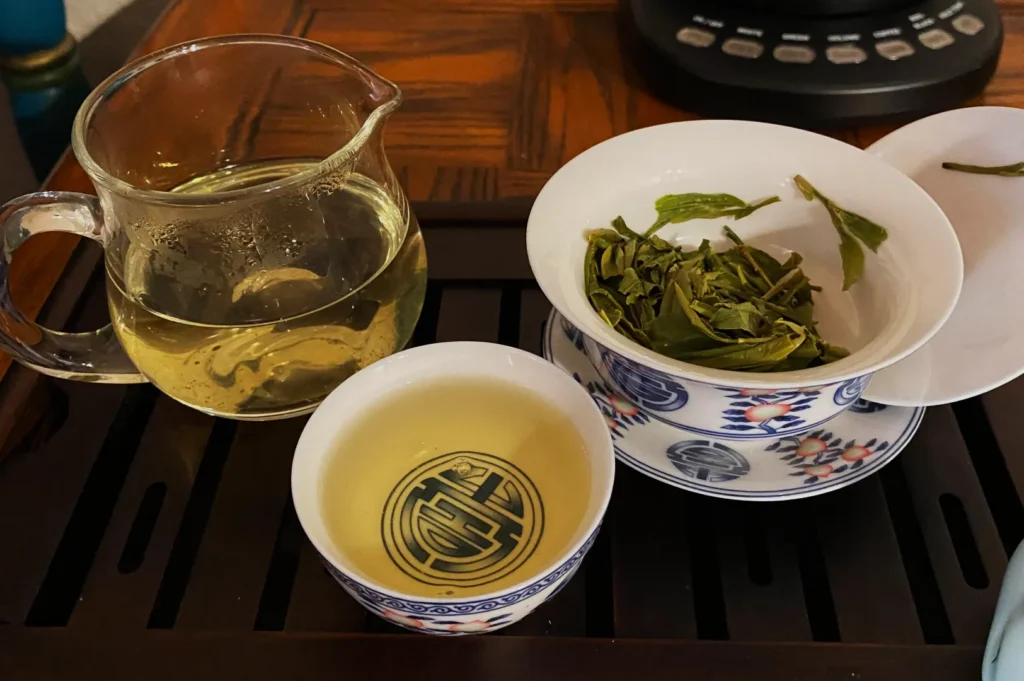
You do not need to turn every day into ceremony. Some days, Longjing may be brewed simply in a glass. Other days, it may be prepared more carefully in a gaiwan.
Both can be honest.
The ritual is not in the performance. It is in the attention.
What If You Drink Too Much?
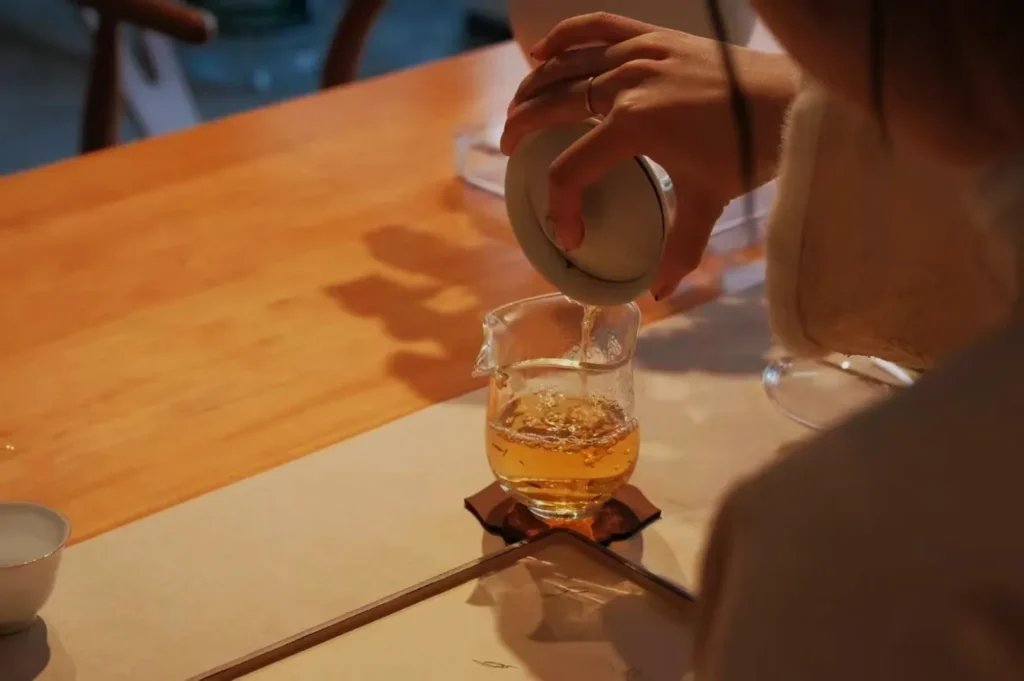
Too much Longjing may not feel dramatic at first. It may simply feel like the body has lost its quiet.
Possible signs include restlessness, difficulty sleeping, stomach discomfort, headache, shakiness, or a faster heartbeat. These are often linked to caffeine sensitivity or overconsumption.
If this happens, reduce the amount. Drink lighter infusions. Keep tea earlier in the day. Give the body space.
The goal is not to prove tolerance. The goal is to keep tea as a source of clarity.
Longjing Tea and Wellness Expectations
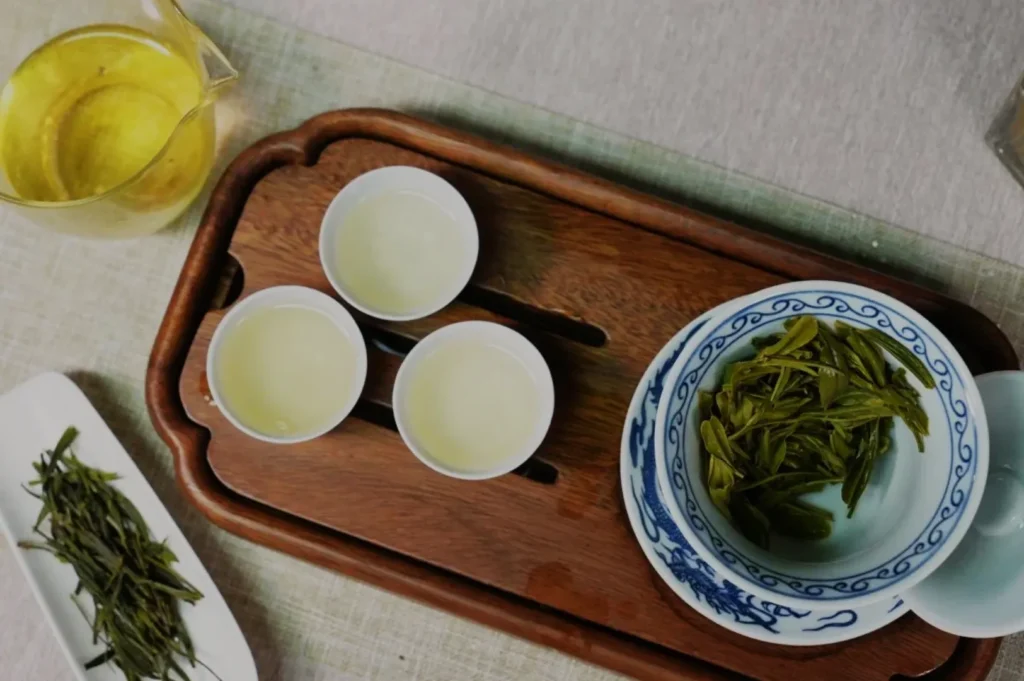
It is easy to expect too much from tea.
Green tea is often discussed for its antioxidants and wellness properties. The Cleveland Clinic describes green tea as light in taste and caffeine while being associated with several health benefits.
That context is useful, but Longjing should not be treated like a cure.
Tea works best as part of a wider pattern: enough sleep, balanced meals, movement, rest, and attention. Longjing can support that pattern. It cannot replace it.
This is why moderation matters. The quiet value of tea is not found in drinking more and more. It is found in returning to the cup with steadiness.
Final Thought
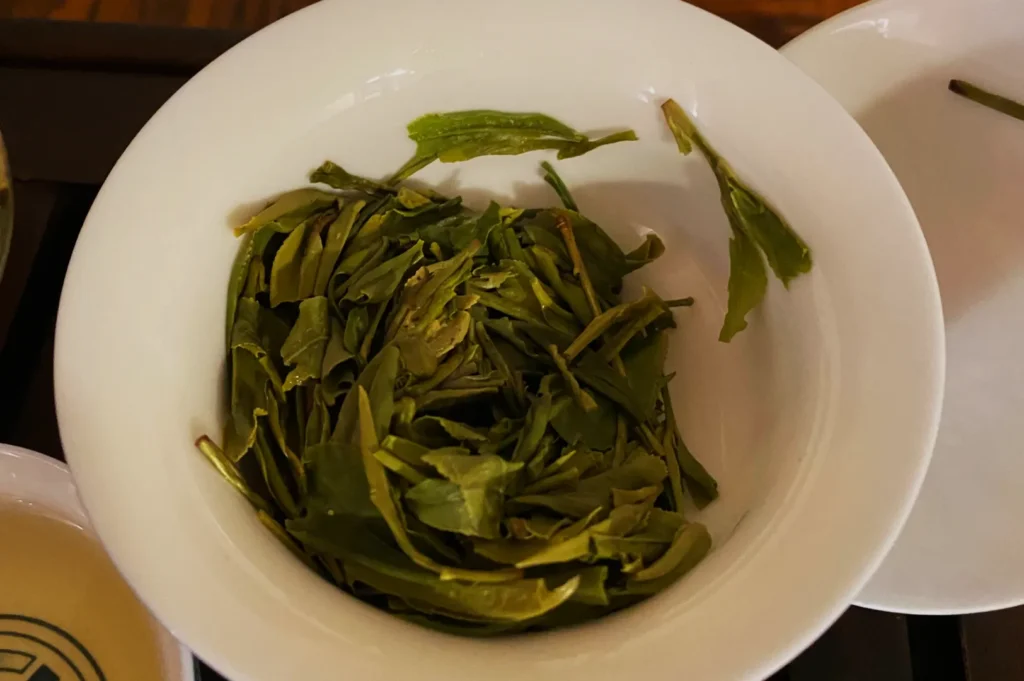
So, how much Longjing tea should you drink a day?
For many people, one to three cups is a thoughtful place to begin. More may suit some drinkers. Less may suit others. The answer should be guided by caffeine tolerance, timing, digestion, sleep, and personal rhythm.
Longjing is not a tea that asks to be forced.
It asks to be noticed.
The right amount of Longjing tea is the amount that leaves you clearer, calmer, and still comfortable in your body.
For those beginning a daily Chinese tea ritual, Dragon Well tea offers a gentle path: not excess, not urgency, but a composed return to attention.