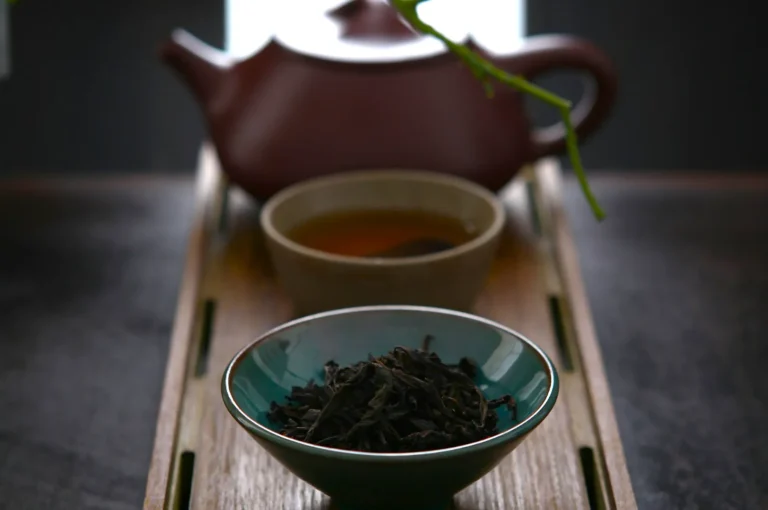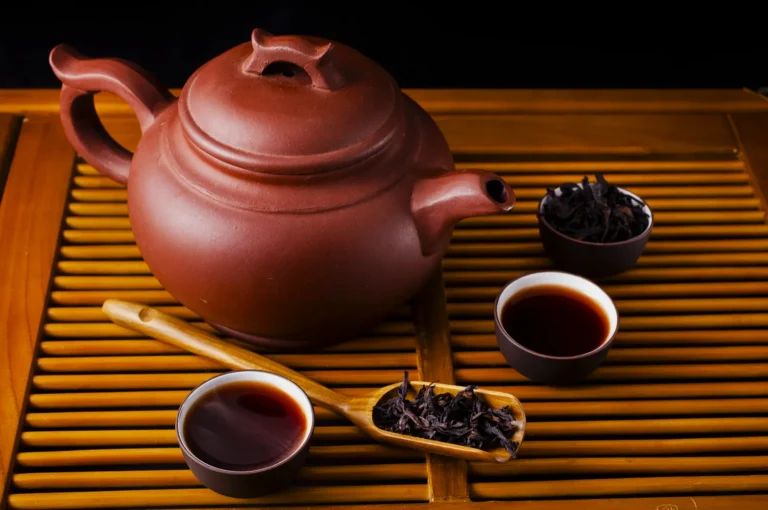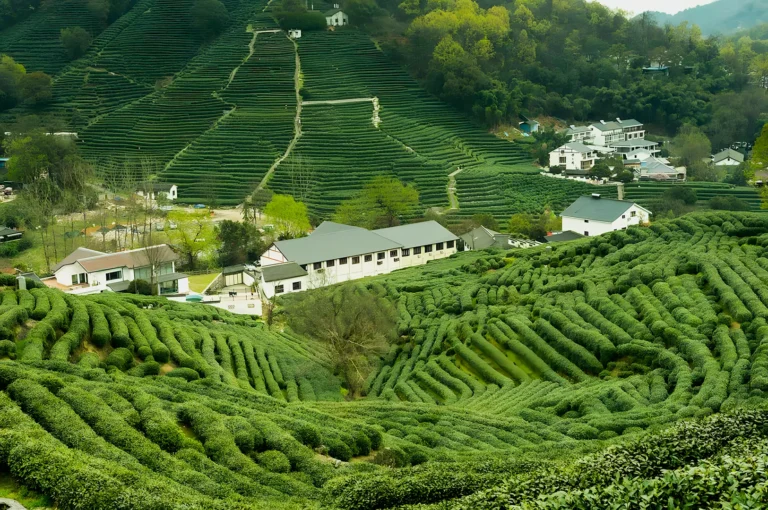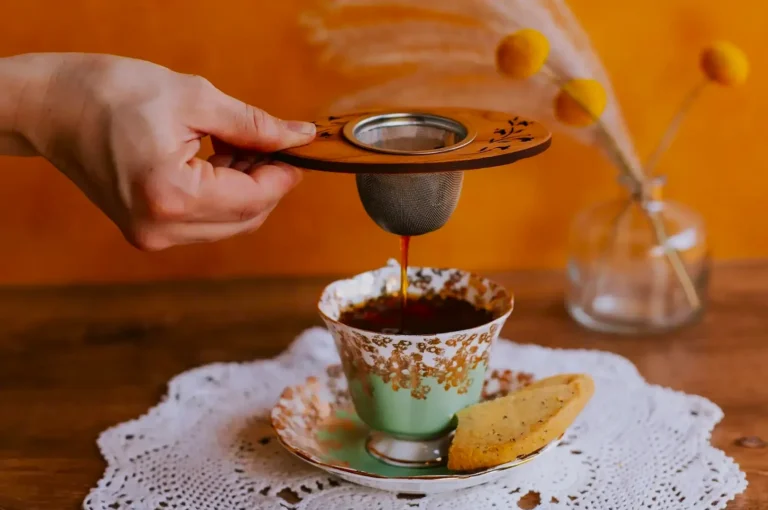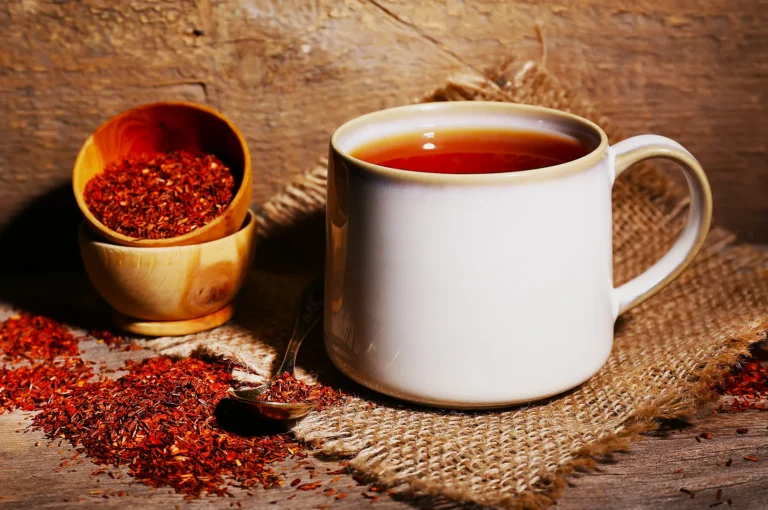
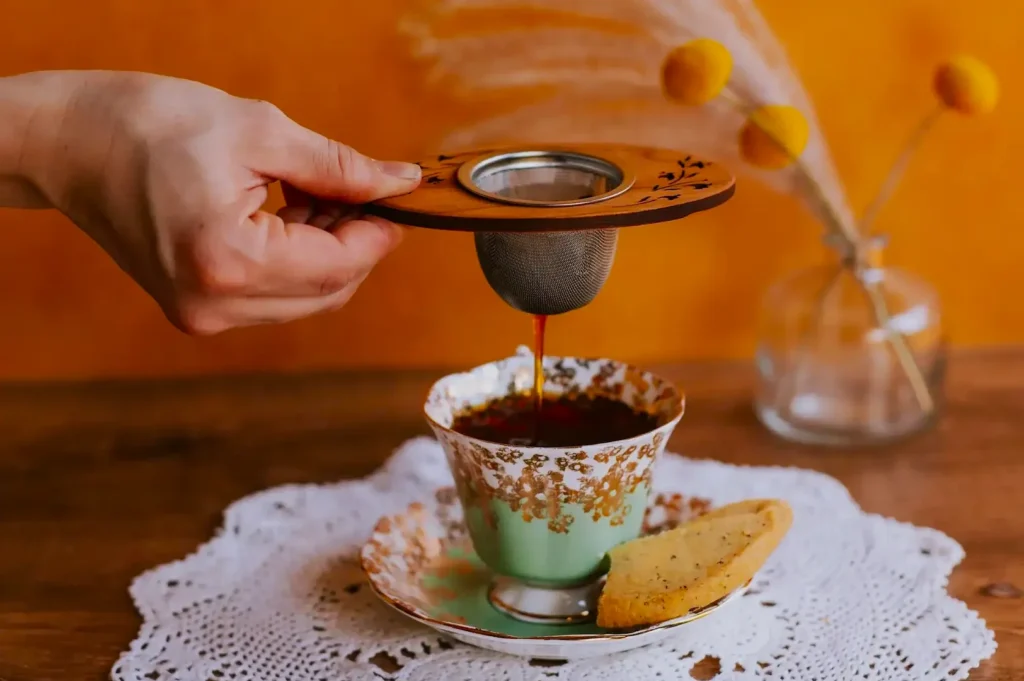
A tea master approaches the brewing table, their movements measured and serene. In their hands are not the celebrated leaves of an ancient Chinese oolong, but a fine measure of South African red tea, known as rooibos. Grown exclusively in the rugged Cederberg Mountains of South Africa’s Western Cape, this red bush tea—sometimes called ‘red tea’ or ‘red bush tea’ due to its distinctive reddish-brown color—is harvested from the Aspalathus linearis shrub and is treated with the same reverence and meticulous attention to detail. Rooibos makes every brewing moment special, honoring the leaf’s journey from the rugged Cederberg mountains to your cup.
Learning how to brew rooibos tea with the same intention as a premium Chinese tea elevates the experience from a simple preparation to an art form. By applying the mindful principles of gongfu cha, we can unlock the deepest flavors and health benefits of this remarkable plant. This is not just about making a beverage; it is about engaging in a craft that celebrates the unique flavor and character of rooibos, a naturally caffeine-free herbal tea from South Africa.
Those who wish to understand this journey more deeply may explore the cultural and philosophical roots of rooibos tea, where South African red bush tradition meets Eastern contemplative practice.
Selecting Quality Organic Rooibos: What to Look For
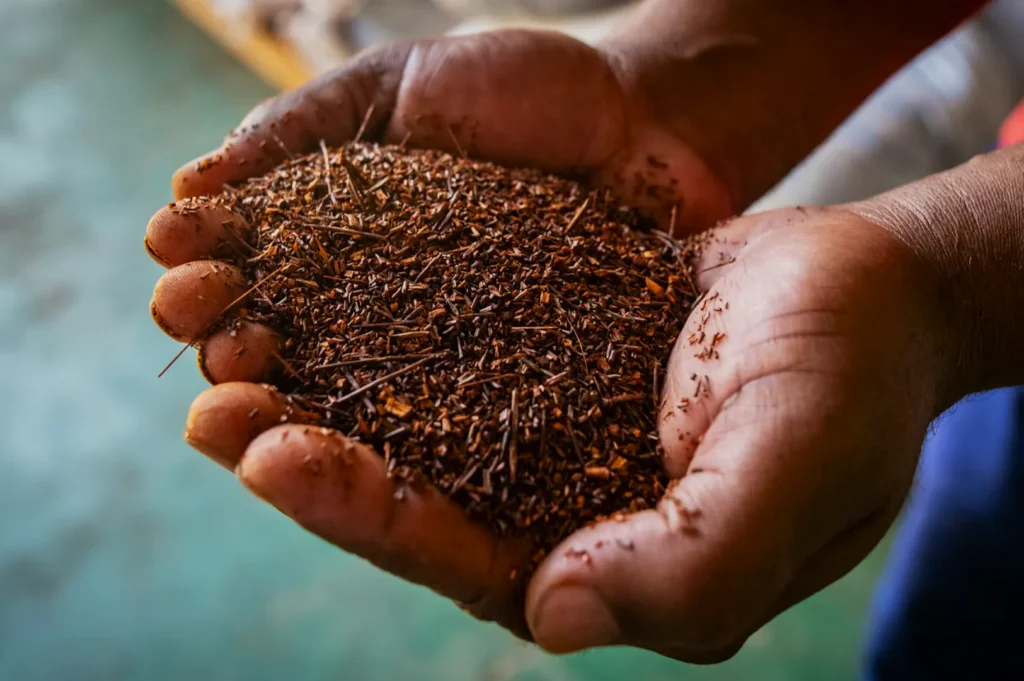
The quest for the perfect cup begins with the selection of the leaves. For the best way to prepare rooibos, seek out a premium organic rooibos from its exclusive home in South Africa’s Western Cape. The plant, Aspalathus linearis, offers two distinct expressions based on its processing. The traditional red rooibos is fermented, allowing oxidation to develop a deep, rich flavour. Its counterpart, green rooibos, is unoxidized, preserving a more delicate, fresh character.
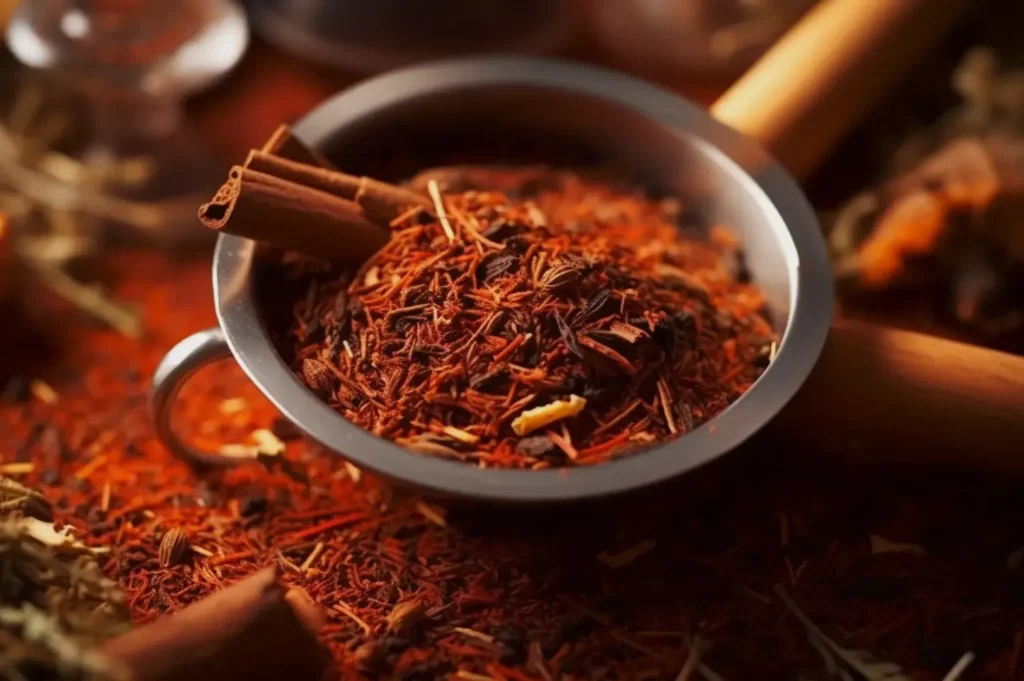
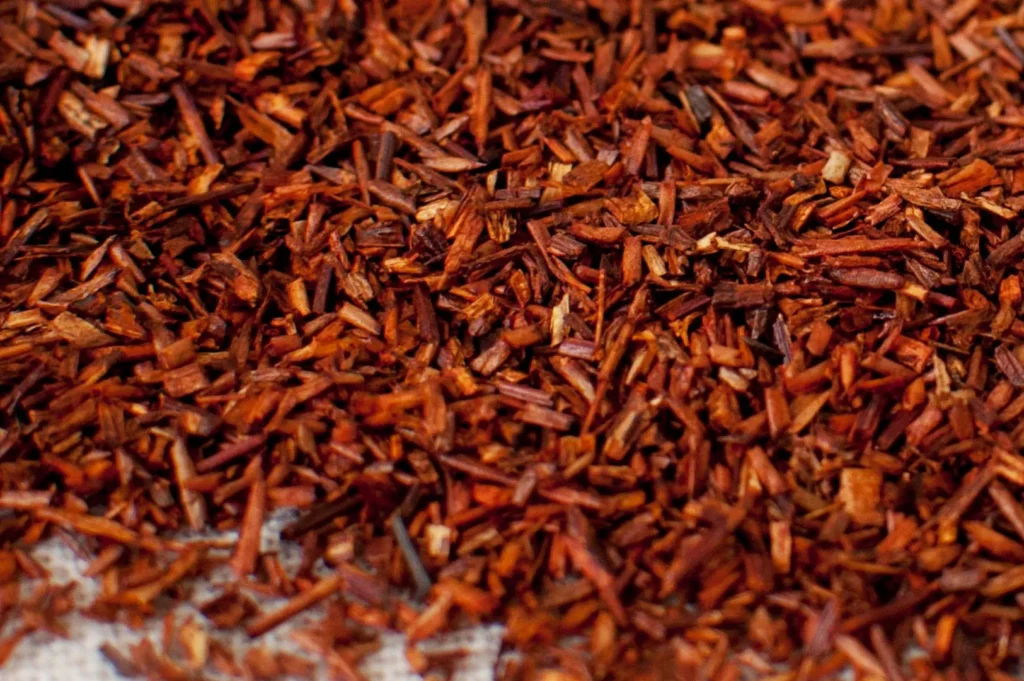
Visually, high-quality leaves should be vibrant in colour and uniform in their fine, needle-like shape. A fresh floral aroma with distinct notes of honey and vanilla is a key indicator of quality. Both red and green varieties are rich in antioxidants, naturally sweet, low in tannins, and completely caffeine-free. Choosing organic ensures that the brew you prepare is pure, clean, and true to its origins.
Water Quality and Temperature: The Foundation
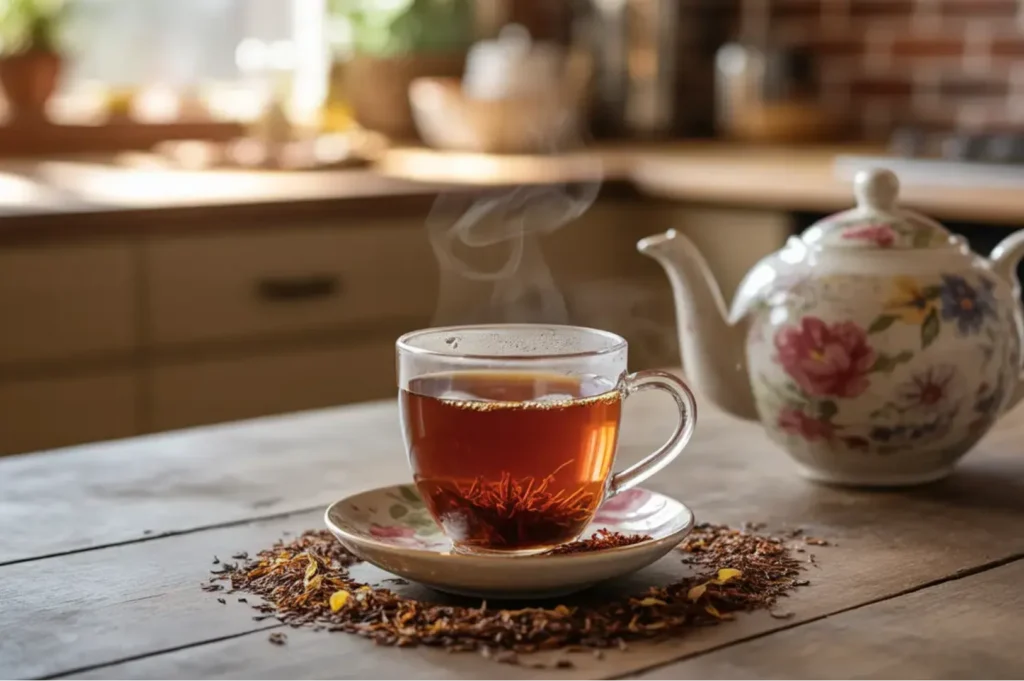
In any tea ceremony, water is considered the mother of the brew. The quality of your water will profoundly affect the final taste of your rooibos infusion. We recommend using filtered or fresh spring water, as its neutral profile allows the tea’s subtle flavours to emerge without interference from chlorine or excess minerals.
One of the most forgiving qualities of rooibos is its resilience to heat. Unlike a delicate green tea that can turn bitter if scalded, rooibos welcomes freshly boiled water. Boiling water (at or near 100°C) is ideal for extracting the full flavor and antioxidant benefits of rooibos tea, but for optimal results, use water just below boiling, around 90-95°C, to avoid over-extraction and bitterness. Its naturally low tannins mean you can brew it with water at a full boil without fear of creating any bitterness. For optimal flavor extraction, use about 2 teaspoons of rooibos per cup. In fact, using hot, boiled water is the best way to awaken the full spectrum of its flavour compounds and unlock its many health benefits.
Choosing Your Vessel: Teapots, Gaiwans, and Cups for Rooibos
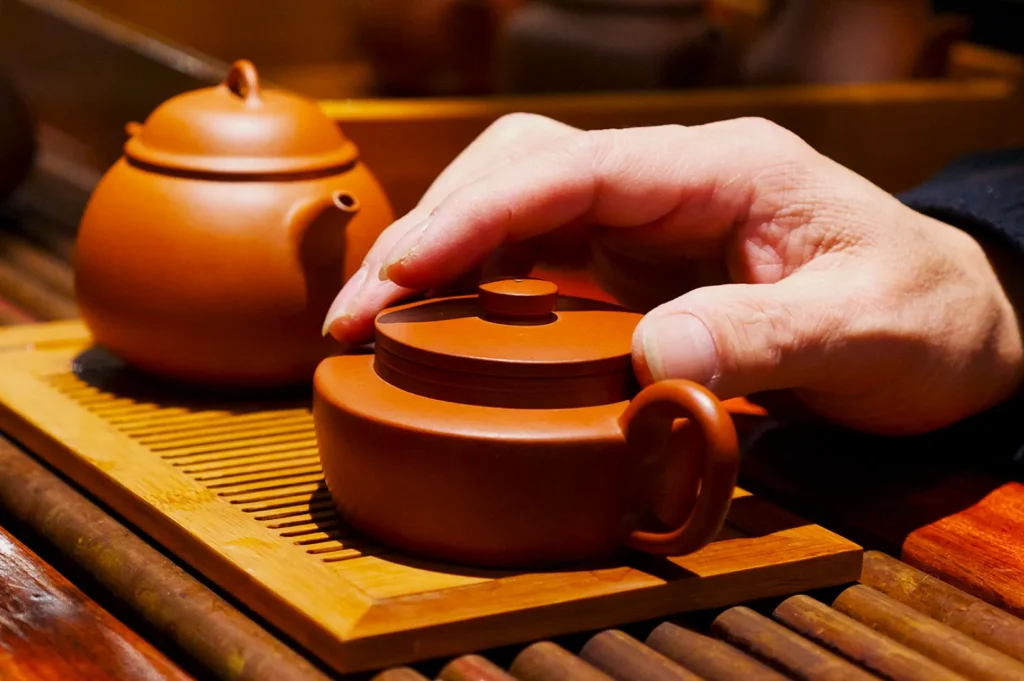
Applying the principles of Chinese teaware philosophy can greatly enhance your experience when you brew rooibos tea. A porous Yixing clay teapot, traditionally used for oolongs and pu-erhs, can absorb the tea’s oils over time, enhancing its naturally sweet and smooth body with each subsequent brew.
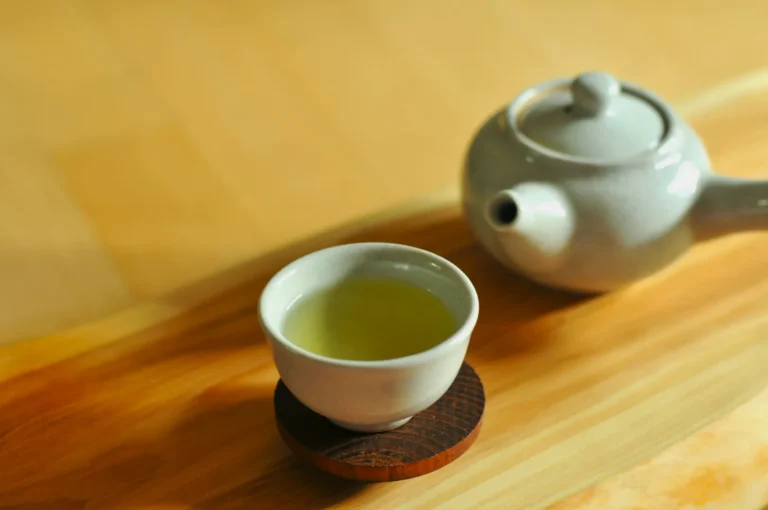
A porcelain gaiwan offers a different advantage, allowing for precise control and a clear observation of the infusion’s rich reddish colour. For those who appreciate visual beauty, a glass teapot is a wonderful choice, as it showcases the dramatic colour transformation as the leaves release their essence into the water. Rooibos is also exceptionally gentle on vessels and does not stain easily. Whether you plan to drink it hot or iced, selecting a cup with a wide mouth will help you appreciate the full, warm aroma of your delicious brew.
The First Steep: Awakening the Leaves
The first infusion is a ritual of awakening. It is the moment the dry leaves meet hot water and begin to share their story. For a robust cup, we recommend a generous steep time: 5-7 minutes for red rooibos and a slightly shorter 3-5 minutes for the more delicate green rooibos. An extended steeping time only enriches the flavour without introducing any bitterness.
As the infusion progresses, take a moment to engage your senses. Notice the warm aroma that fills the air—a complex bouquet of honey, vanilla, and gentle spice. When you take the first sip, you will discover a naturally sweet and smooth taste that requires no sugar or other sweetener. With every sip, you are not just enjoying a flavorful drink; you are also consuming a wealth of beneficial antioxidants, enzymes, and nutrients released into the water.
Multiple Infusions: Exploring Rooibos’s Depth
One of the central tenets of the gongfu cha craft is the practice of multiple infusions. This technique, typically applied to Chinese teas, works beautifully with high-quality organic rooibos. A single measure of leaves can yield 3-4 delicious infusions, each with a subtly different character.
The first brew is often bold, sweet, and robust. The second may reveal more delicate floral notes and a softer body. The third infusion can be exceptionally gentle and mineral-forward, a quiet whisper of the plant’s earthy origins. Unlike black tea or green tea, which can become astringent with repeated steeping, rooibos remains smooth and beneficial throughout. As a naturally caffeine-free herbal tea, it allows you to explore this depth at any time of day.
Traditional vs. Green Rooibos: Brewing Differences
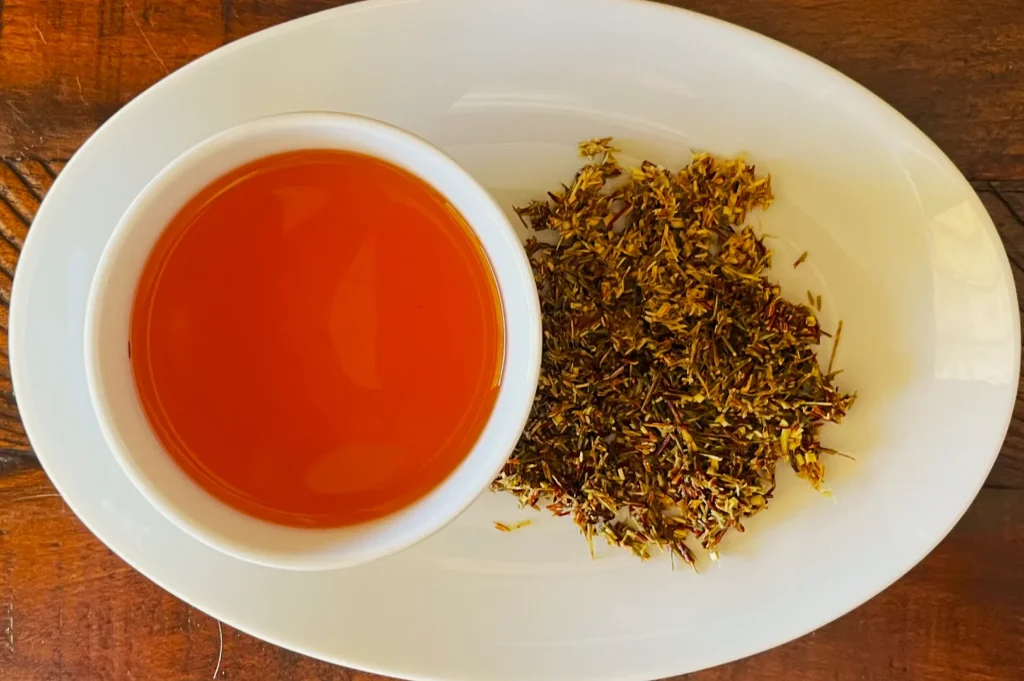
Understanding the differences between red and green rooibos allows you to tailor your brewing method for the perfect cup. Traditional red rooibos, being fully fermented, has a richer, fuller body and a naturally sweet flavour with notes of caramel and vanilla. It is exceptionally forgiving and can be enjoyed hot or as a refreshing iced tea, pairing well with a splash of milk or a slice of lemon.
Green rooibos is unoxidized, resulting in a paler infusion with a more herbaceous, grassy taste, much like a fine green tea. It benefits from slightly shorter steep times to preserve its delicate profile. It contains even higher levels of antioxidants than its red counterpart and makes a beautiful cold brew, especially when infused with fresh mint and served over ice. Both are completely caffeine-free, low in tannins, and rich in health benefits.
Creative Preparations: Cold Brew, Blends, and Experiments

While a pure, unadorned brew is a beautiful way to appreciate rooibos, its gentle flavour profile makes it an ideal canvas for creative preparations. A cold brew, made by steeping leaves in cold water overnight, results in a naturally sweet, incredibly smooth drink perfect for a warm day. For a comforting treat, a rooibos latte made with steamed milk and a touch of honey is a delicious alternative to coffee.
You can also create your own blended infusions by adding herbs like mint or lemongrass, or warm spices such as cinnamon and ginger. A sliver of vanilla bean enhances its inherent sweetness. As an iced tea, it is wonderful with a squeeze of fresh lemon. The naturally caffeine-free nature of rooibos means you can experiment with these flavorful combinations without concern, making it a versatile staple for any tea lover in the world.
Storing Rooibos: Preserving Character and Freshness
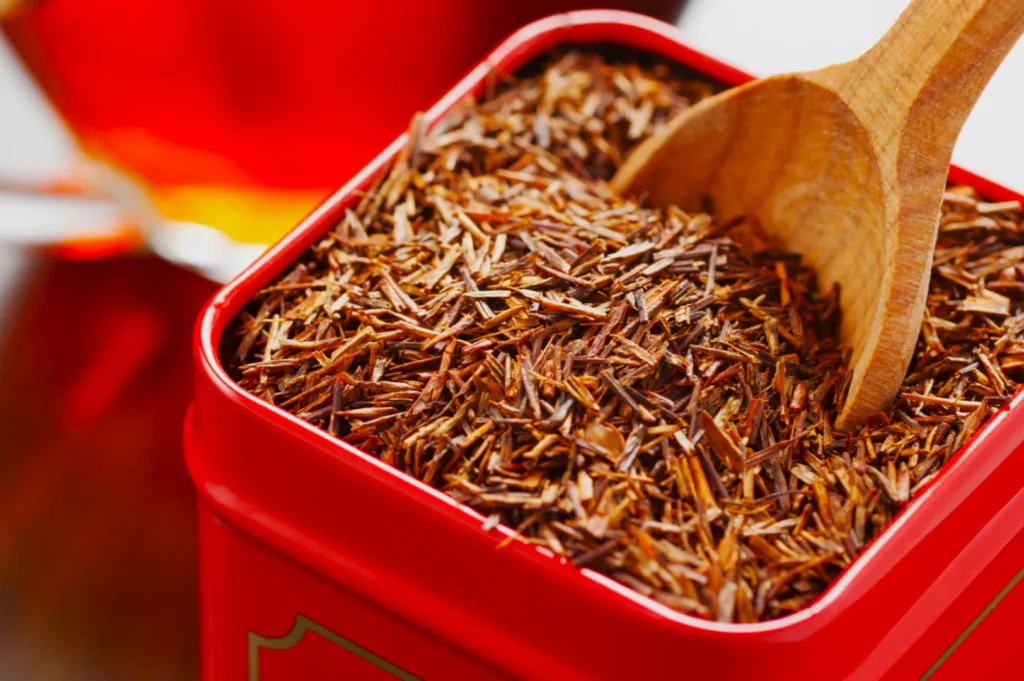
To ensure that every cup of rooibos you brew is as fresh and beneficial as possible, proper storage is essential. We can apply the same principles used for storing fine Chinese tea. Keep your rooibos leaves in an airtight container, protected from light, moisture, and strong aromas. It is wise to store it away from coffee and potent spices to prevent its delicate aroma from being compromised.
For optimal freshness and to retain its valuable health benefits, including antioxidants and other nutrients, it is best to have your red rooibos consumed within 18-24 months of purchase. The more delicate green rooibos is best enjoyed within 12 months. While the leaves will remain naturally caffeine-free, their flavorful character is at its peak when fresh. Stale tea will lack the vibrant taste and aroma that make it so special.
Conclusion: Honoring the Leaf
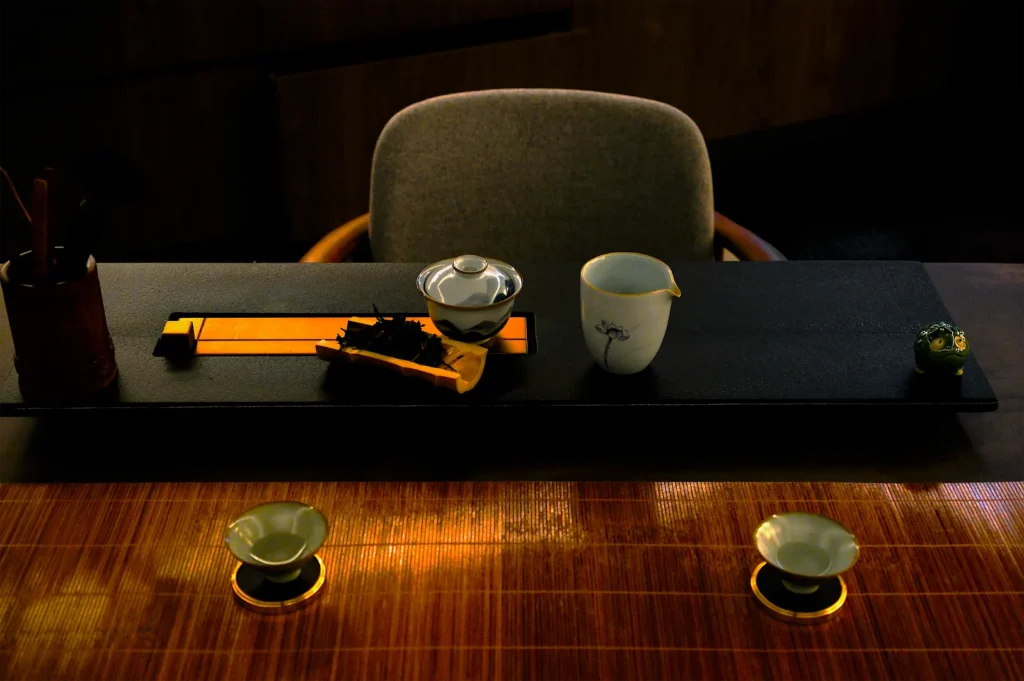
To learn how to brew rooibos tea with care is to transform a simple act into a form of meditation. From its home in the Cederberg mountains to your teapot, each step of its journey deserves our mindful attention. The best way to prepare rooibos is with intention: select quality organic leaves, use pure, freshly boiled water, choose your vessel with purpose, and steep with patience.
Whether you prefer red or green, hot or iced, pure or with a splash of milk and honey, the perfect cup of rooibos awaits those who approach the craft with respect. In spaces like Tea Room by Ki-setsu, where tea mastery honors traditions from across the world with equal reverence, South African rooibos is prepared with the same meticulous attention as ancient Chinese classics: a reminder that true craft transcends borders, and every leaf, when treated with respect, reveals its deepest character.