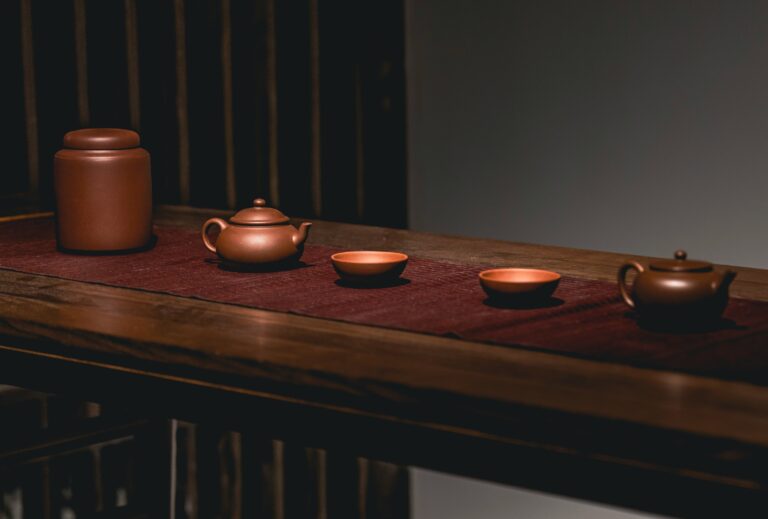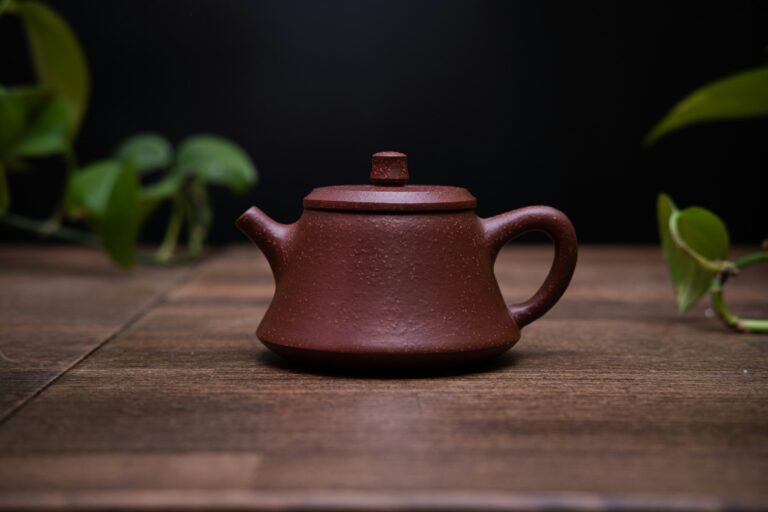
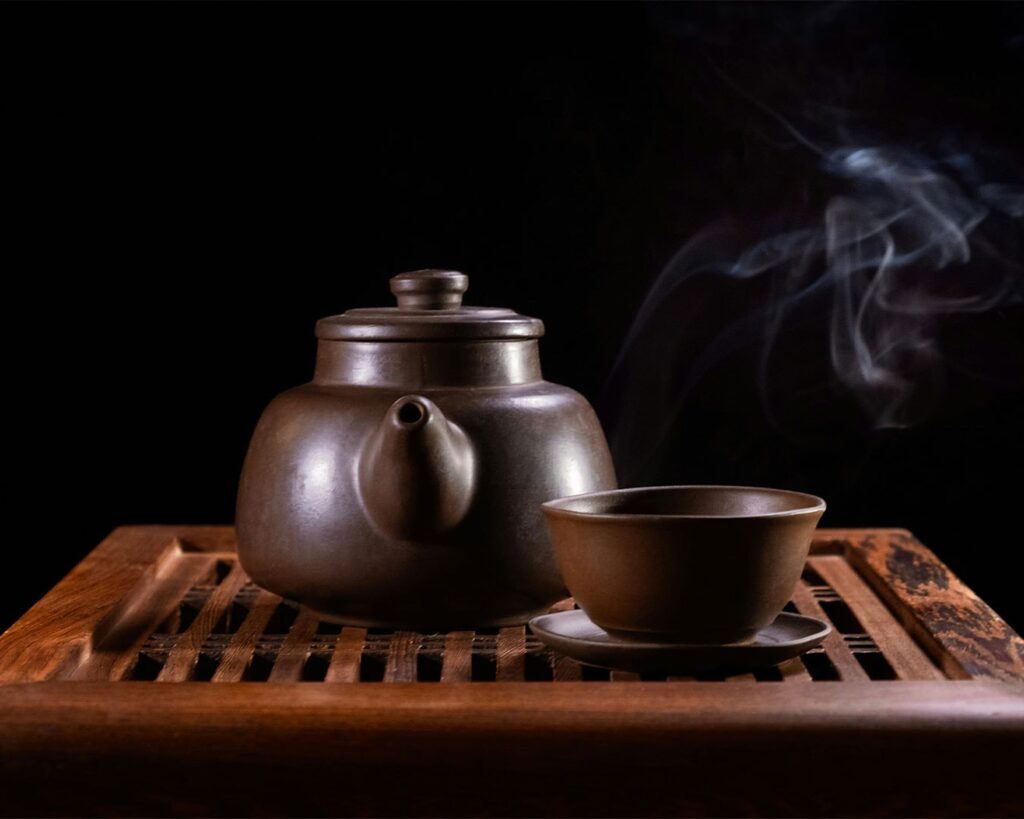
In the world of Chinese tea, few teapots evoke as much reverence and respect as the Yixing teapot. With its roots deep in the rich history of Chinese tea culture, this porous clay vessel is more than just a container for tea, it’s a living piece of tradition. Each Yixing clay teapot, crafted from the earth of Yixing in Jiangsu province, tells a story that spans centuries. As the gong fu cha ritual unfolds, the Yixing teapot becomes more than a tool, it transforms into a cherished companion, enhancing the flavour and aroma of every tea leaves brew.
At Tea Room by Ki-Setsu, we honour the ancient art of making tea and the quiet ritual of serving tea with a focus on the care and love that a Yixing teapot deserves. Proper care of this unique piece of teaware is not just maintenance, it is an art. By tending to your Yixing teapot with intention, you not only preserve its beauty but cultivate the harmony between the vessel and the tea it helps create.
Understanding Yixing Clay’s Special Properties
What makes an Yixing teapot so special lies in the unique properties of Yixing clay. This natural clay is known for its porous nature, allowing air to permeate while holding water, a quality that profoundly influences the tea brewed within. The Yixing teapot is a living, breathing vessel, absorbing the oils from tea leaves over time, seasoning itself and contributing to the flavour of each subsequent brew.
When you use your Yixing teapot consistently, the pot begins to develop a subtle patina, a rich sheen formed by the bond between the porous clay and the tea leaves. This patina is not just an aesthetic change but a mark of history and character, a visual record of your journey through tea.
Preparing Your Yixing Teapot: The Initial Seasoning Ritual
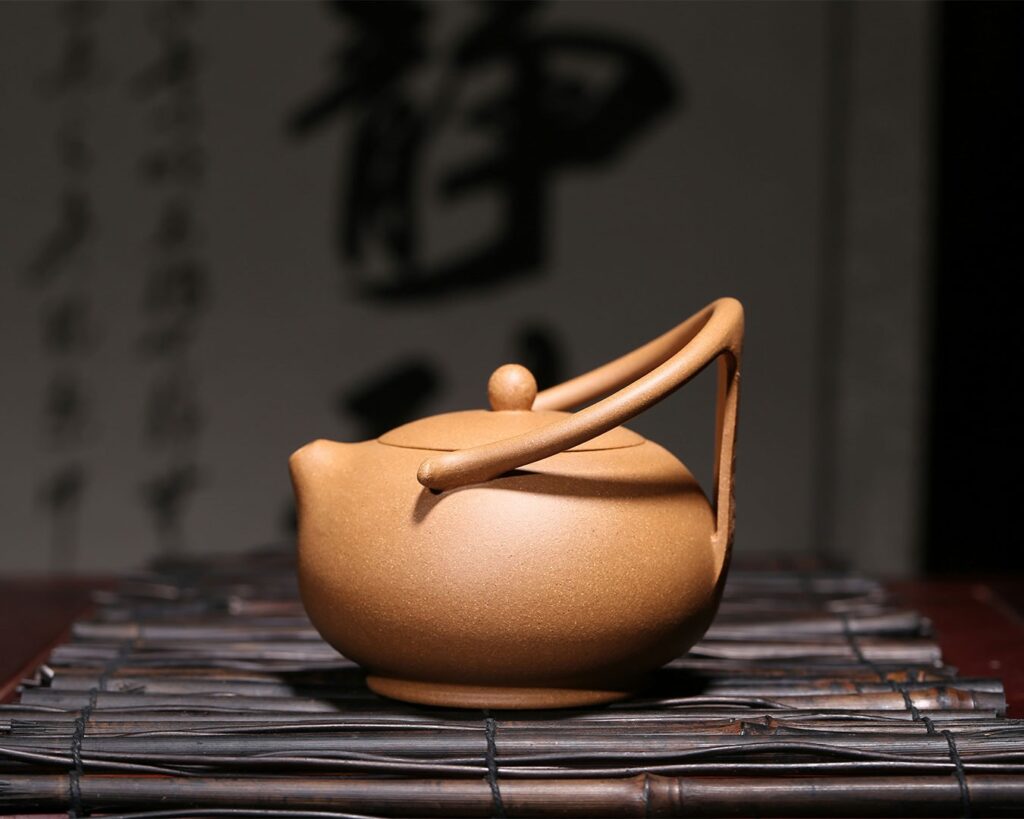
Before using your new Yixing teapot, it requires an important ritual: seasoning. This first step ensures that the porous clay is ready to receive the tea’s oils, enabling the teapot to perform at its best. Start by rinsing the teapot with boiling water, both inside and out, to remove any dust or debris from the firing process.
Next, perform its first brewing with a strong, aromatic tea, such as pu erh or a dark oolong tea. Steep the tea inside the Yixing teapot for several hours, or even overnight, allowing the tea leaves to bond with the pot’s surface. This process, known as “blooming,” begins the gradual development of your teapot’s character and flavour profile.
Daily Care After Gong Fu Cha Sessions
The discipline of Chinese teapot care is most evident in the moments immediately following a Gong Fu Cha session. Once the last of the tea is poured, the ritual of cleaning should begin without delay.
First, gently remove all the brewed tea leaves from the pot, using a small wooden or bamboo scoop. Never leave spent leaves sitting inside, as this can lead to mould. Next, rinse the interior thoroughly with hot water, swirling it to dislodge any remaining particles before pouring it out.
For the exterior, use a dedicated soft cloth, never your fingers, which can transfer oils, to gently wipe and polish the surface. This action, repeated over time, is what builds the coveted patina. Finally, and most critically, the teapot must air dry completely. Place it on a ventilated surface with the lid set slightly ajar to allow for optimal airflow, preventing any moisture from being trapped inside.
The Beauty of the Patina: A Living Legacy
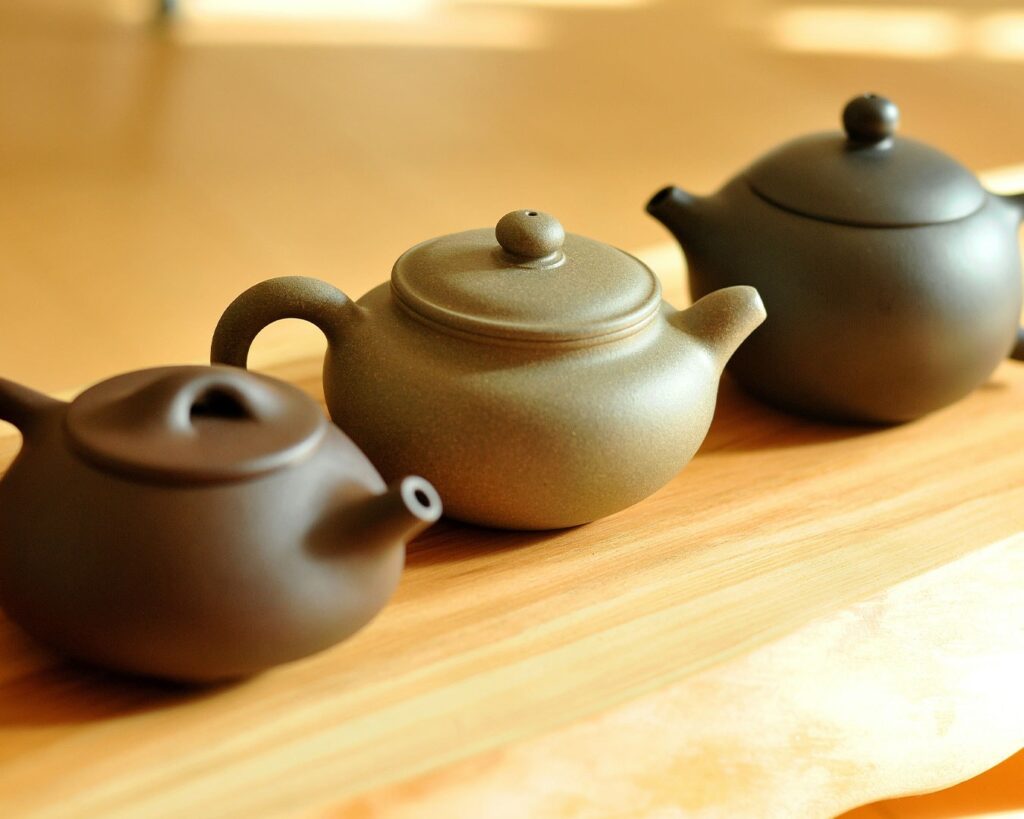
The lustrous sheen that develops on a well-loved Yixing teapot is its most prized attribute. This patina is not a sign of dirt but a mark of history, a visible record of countless sessions of serving tea. It is created by the accumulation of tea oils on the surface, which are then polished into the clay by the gentle buffing with a soft cloth after each use.
This process is an art form where a stain becomes character. We learn to treat the Yixing pot as a precious, living vessel, celebrating its gradual evolution. The development of a deep, even patina signifies more than just aesthetic beauty; it represents a maturation of the pot’s ability to enhance taste, aroma, and flavour. With constant use, the pot begins to give back, rounding out the edges of a tea and adding a subtle complexity. This beautiful transformation is a core tenet of Chinese tea culture.
The Dedicated Pot Philosophy
To preserve the integrity of each tea’s flavour profile, traditional Gong Fu Cha practice advocates for a dedicated pot philosophy: one pot for one type of tea. Because the porous clay absorbs the oils and aromas of the leaves, using a single pot for multiple tea types would result in a muddled, confused taste.
This is especially important with strong tea varieties. A dark oolong or a rich, earthy Pu Erh will leave a powerful signature on the clay. Its special relationship with the porous clay is symbiotic; the pot enhances the tea, and the tea seasons the pot. Similarly, highly aromatic teas would impart their floral notes onto the vessel. Dedicating each pot to a specific leaf is an art of discipline, ensuring that a delicate green tea never carries the ghost of a roasted oolong. This is a level of precision that inert materials like porcelain or glass do not require.
Storage Between Uses
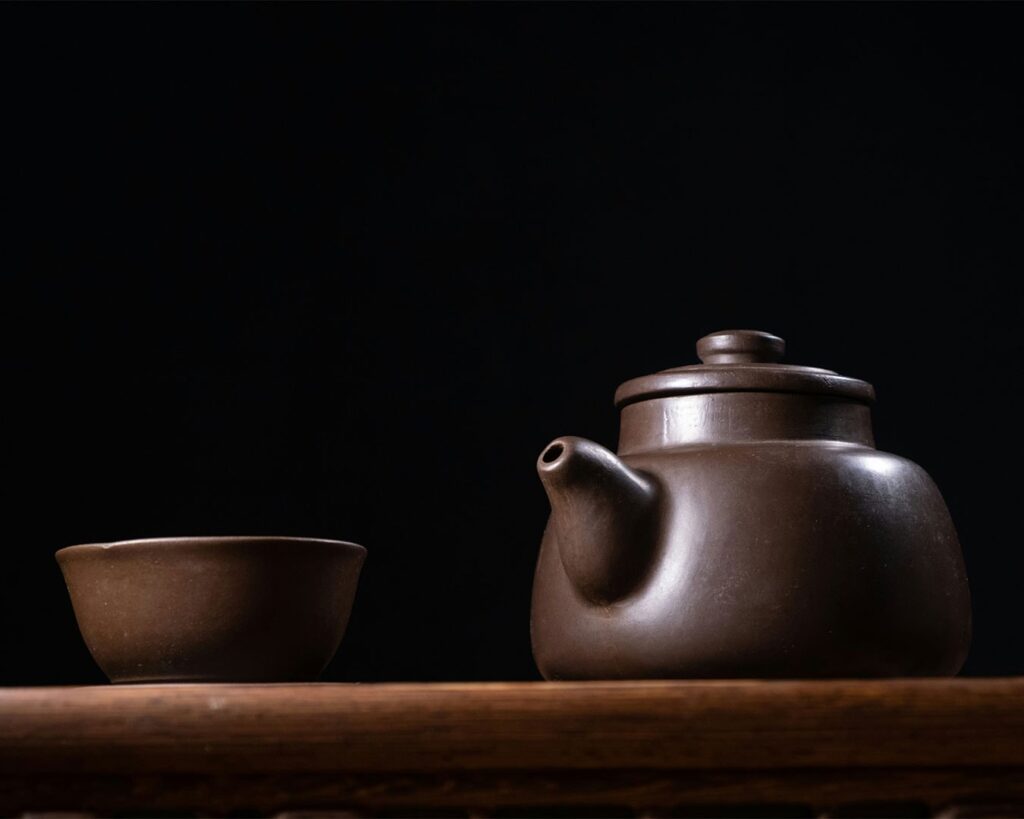
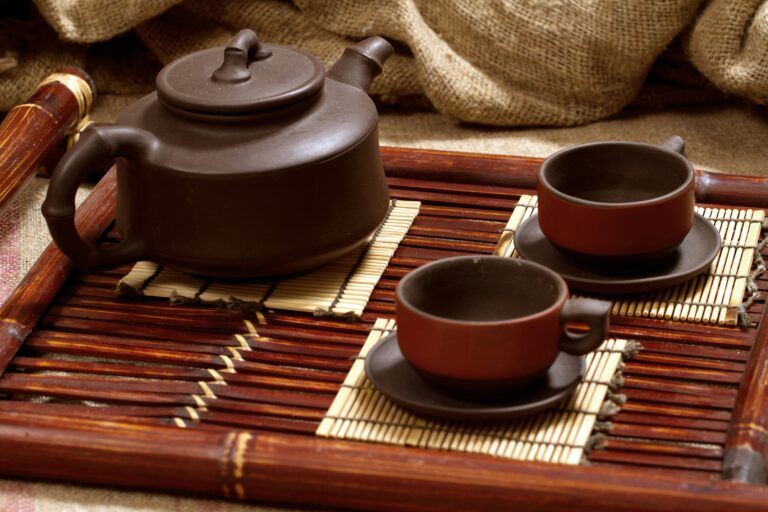
Proper storage of your Yixing teapot is just as important as its use. After each gong fu cha session, store your teapot in a ventilated area where it can breathe freely. Bamboo mats or a slatted surface provide the best conditions for air circulation around the teapot.
Never store your Yixing teapot in a damp cloth or towel, as this traps moisture against the porous clay and can lead to mold or degradation. In Singapore’s humid climate, it’s particularly crucial to allow your Yixing teapot to dry fully before putting it away.
Comparing with Other Materials
Understanding Yixing clay is clarified by comparing it to other materials in a tea set. A Chinese teacup made of thin porcelain will cool the tea quickly and present its true colour and aroma without alteration as explored in our guide, while glass tea cups are wonderful for morning sessions when you want to visually enjoy the unfolding of the leaves and the developing colour of the liquor.
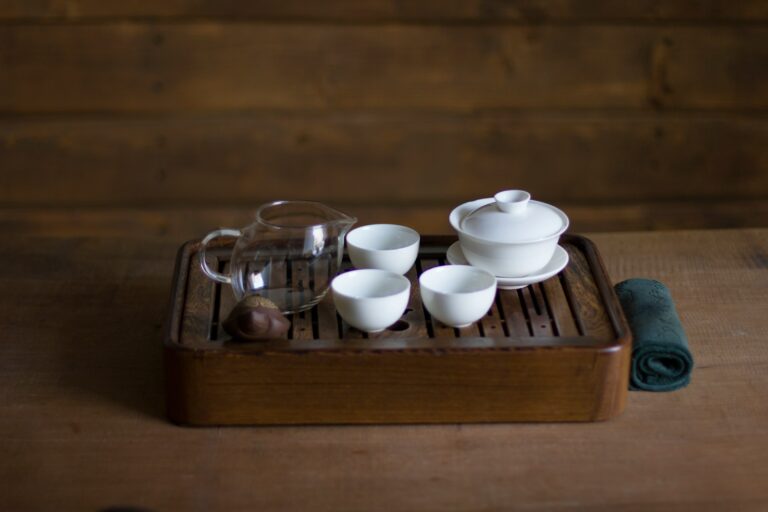
A lidded bowl, or gaiwan, typically made of porcelain or china, offers a different style of brewing that allows for rapid infusions and a clear assessment of the tea’s profile. When a tea set includes multiple materials, their care must be coordinated. While a porcelain gaiwan can be washed with mild soap and warm water, this method must never be applied to its porous clay counterpart.
Common Mistakes & How to Avoid Them
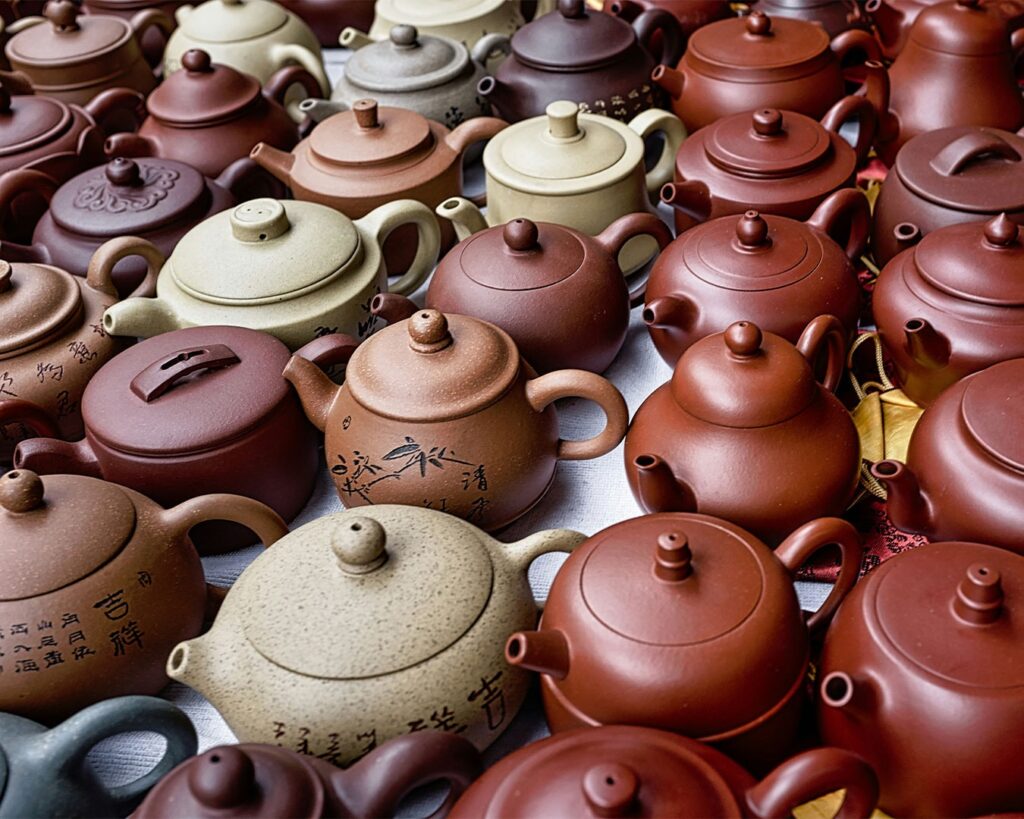
The path to a beautifully seasoned Yixing teapot is paved with gentle consistency. Several common mistakes can unfortunately harm the porous clay.
Never use soap, as it will be absorbed by the porous clay, leaving behind residues that taint the flavour of your tea.
Equally damaging is not allowing the pot to air dry sufficiently. Never leave it with the lid on tight, as trapped moisture can lead to mold.
Oils from your fingers can interfere with the development of the patina, so always use a soft cloth when cleaning.
While a paste of baking soda can be used for deep cleaning in emergencies, frequent use can be too abrasive for the porous surfaces.
Restoring Your Yixing Teapot
Should your Yixing teapot develop mould or stubborn stains, a gentle restoration is possible. A prolonged boiling in clean water can help reset the pot, after which it will need to be re-seasoned. A quality Yixing vessel only improves with age, and its beauty is found in the signs of constant use, the rich patina, the smooth feel.
Small chips on the lid or spout are often seen as marks of a well-loved pot and do not hinder its function. Larger cracks may require professional restoration. Remember that bamboo and wood accessories within your tea ceremony setup also require taking care to ensure their longevity. A well-tended pot is a precious heirloom, a testament to a life enriched by tea.
Behind the Scenes at Tea Room by Ki-setsu
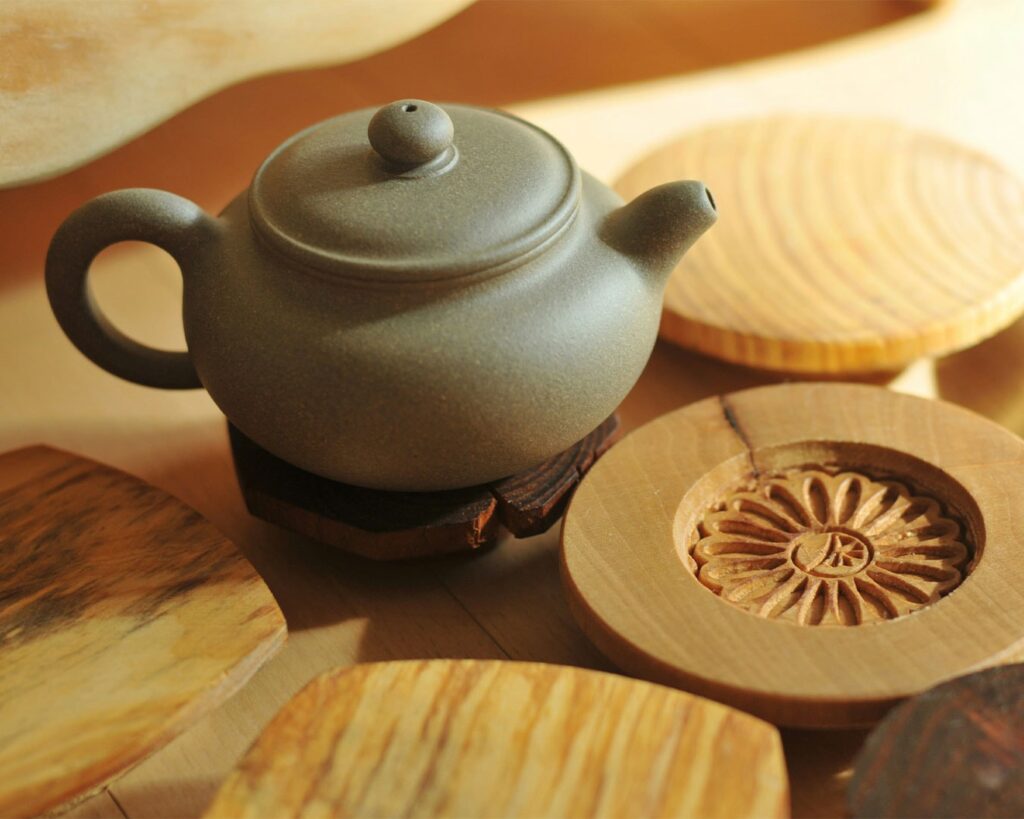
At Tea Room by Ki-setsu, our curated tea set selection includes authentic Yixing clay teapots that feel comfortable in friends’ hands. Our commitment to quality teaware honours the art and tradition of Chinese tea culture. We offer guidance for those beginning their journey with the art of selecting and caring for a traditional Chinese teapot, from serving tea to the intricate art of making tea in the Gong Fu Cha style, ensuring every vessel is tended to with the respect it deserves.
We invite you to explore our offerings and experience the deep connection between tea and teapot at Tea Room by Ki-Setsu. Let us help you create a lasting relationship with your Yixing teapot, where each brew is a step towards cultivating harmony, flavour, and tradition.