Da Hong Pao is sturdier than greener teas, but it is not indestructible.
That distinction matters even more in Singapore. A roasted Wuyi tea may seem resilient because of its deeper profile and stronger structure, yet poor storage can quietly flatten what makes it compelling. Roast softens. Aroma loses shape. The tea begins to feel dull rather than settled. In a climate defined by year-round heat and humidity, that change can happen faster than many drinkers expect. Singapore’s own climate profile makes clear just how consistently humid the environment is, and tea responds to that environment even when the cupboard looks perfectly ordinary.
At Tea Room by Ki-setsu, we think storing Da Hong Pao well is less about elaborate systems than about protecting the tea from a few quiet forms of damage. For the wider cultural and tasting context, our Da Hong Pao tea guide for Singapore readers offers the broader introduction. Here, the focus is practical: how to keep roast, aroma, and depth intact in a place where the air is rarely neutral.
Why Da Hong Pao Still Needs Care
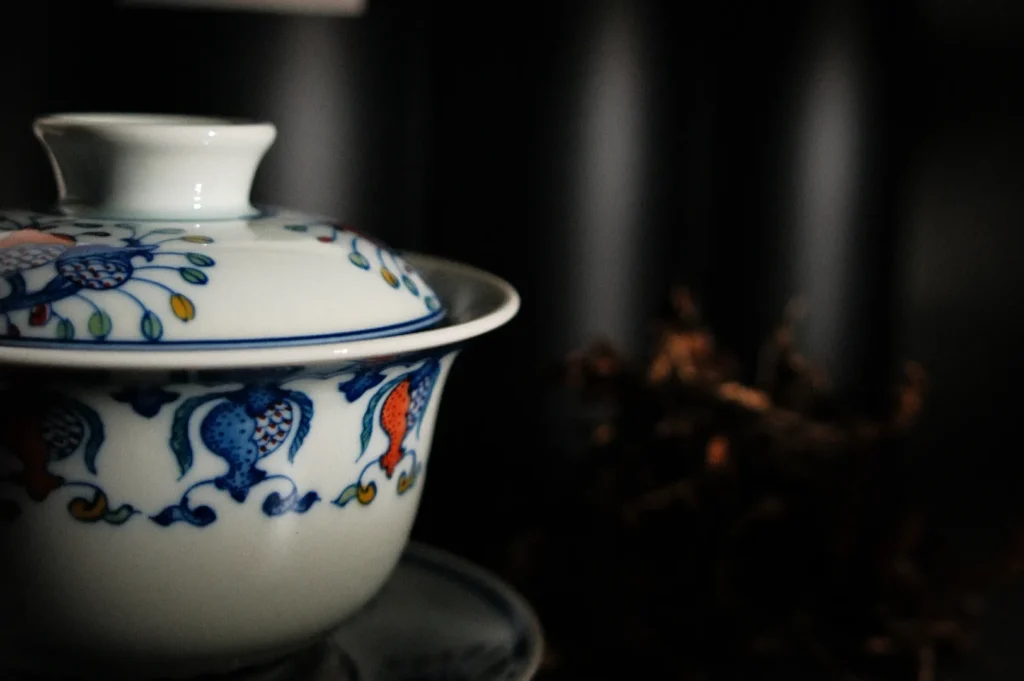
Da Hong Pao belongs to the broader family of Wuyi tea, and like many yancha, it carries a carefully built balance of oxidation, roast, mineral structure, and aftertaste. That balance gives the tea a certain resilience, but it does not make the leaf immune to storage problems.
A roasted tea often gives the illusion of durability because its opening profile is warmer and less fragile than greener teas. But storage damage does not always announce itself dramatically. Sometimes the tea still smells roasted, yet the roast has become hollow. Sometimes the liquor still looks proper, yet the finish has shortened and the aroma has lost its lift. Sometimes the tea simply feels less composed than it used to.
Storage rarely ruins Da Hong Pao all at once. More often, it slowly removes the things that made the tea persuasive in the first place.
Humidity Is the First Threat
Humidity is the most obvious challenge in Singapore, but not all moisture damage looks dramatic.
Tea does not need to become visibly damp for storage to begin going wrong. Repeated exposure to humid air can soften the edges of a roasted tea and make the leaf feel tired. The roast may lose definition. The mineral structure may seem blurred. The tea may no longer open with the same steadiness it once had. In some cases, poor humidity control can also encourage stale or musty notes that were never part of the tea to begin with.
This is why a stable container matters so much. A tea tin, double-lidded caddy, or properly sealed pouch can protect the leaf from repeated contact with humid air. The goal is not to vacuum the tea into silence. It is to keep the environment around it from changing too often.
At Tea Room by Ki-setsu, we often remind guests that humidity does not only threaten freshness. It threatens structure. Da Hong Pao should feel settled, not softened by the room around it.
Odour Is the Second Threat, and Often the Quieter One
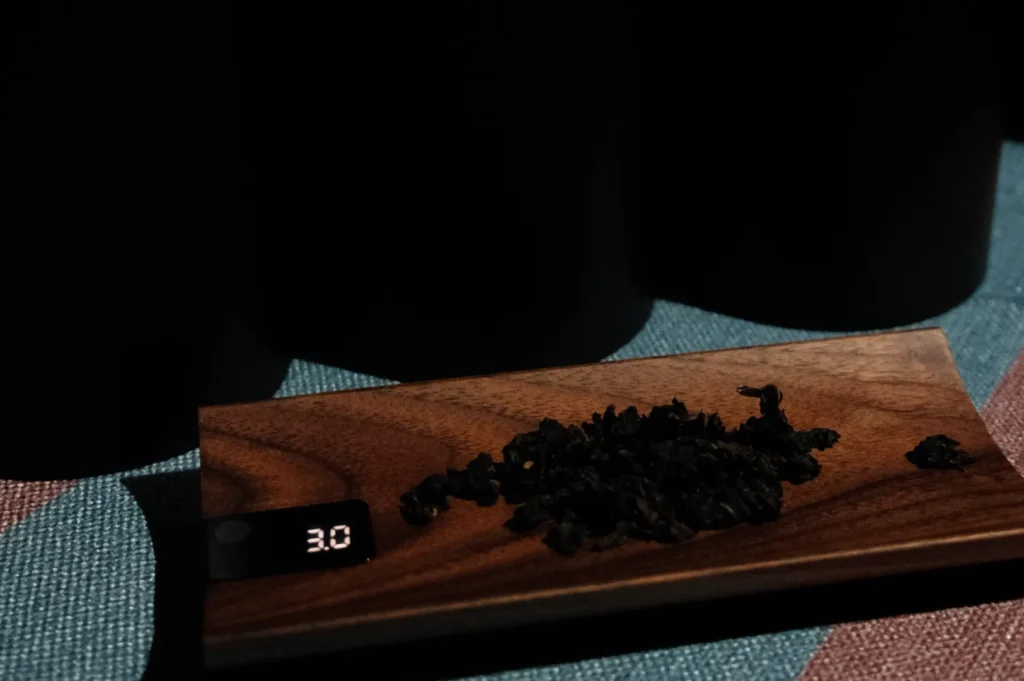
Odour damage is one of the least dramatic but most common storage problems.
Roasted tea absorbs its surroundings more easily than many people realise. Kitchens are the obvious danger, but they are not the only one. Incense, perfume, room fragrance, timber cabinets, detergent, and even new packaging materials can all leave traces in the leaf. These traces may not fully replace the tea’s natural aroma, but they can distort it enough to make the cup feel less clean and less convincing.
This matters especially with Da Hong Pao because the tea’s roast can make it seem more tolerant than it really is. A floral green tea may obviously suffer from perfume. A roasted yancha may simply become harder to read. The drinker senses something is off, but the cause seems difficult to identify.
At Tea Room by Ki-setsu, we think odour control is often more important than people first assume. A tea that smells only slightly altered in the tin may taste significantly less articulate once brewed.
Light and Heat Quietly Accelerate Decline
Tea does not need direct sunlight to degrade. Repeated warmth and exposure to light can be enough.
Storage near windows, on open shelves, or beside warm appliances slowly erodes the tea’s stability. Heat pushes the leaf toward fatigue. Light can flatten aromatic nuance. The tea may not seem damaged in an obvious way, but over time it begins to lose precision. This is especially disappointing with Da Hong Pao because much of its beauty lies in the balance between warmth, lift, and mineral calm. When that balance slips, the tea may still be drinkable, but it is no longer itself.
General references on tea production are useful here because they remind us how carefully tea character is built in the first place. Once so much craft has gone into oxidation, shaping, and roast, careless exposure after purchase becomes an unnecessary loss.
A good tea should not be asked to survive a poor environment simply because it was made well.
The Best Containers for Da Hong Pao in Singapore
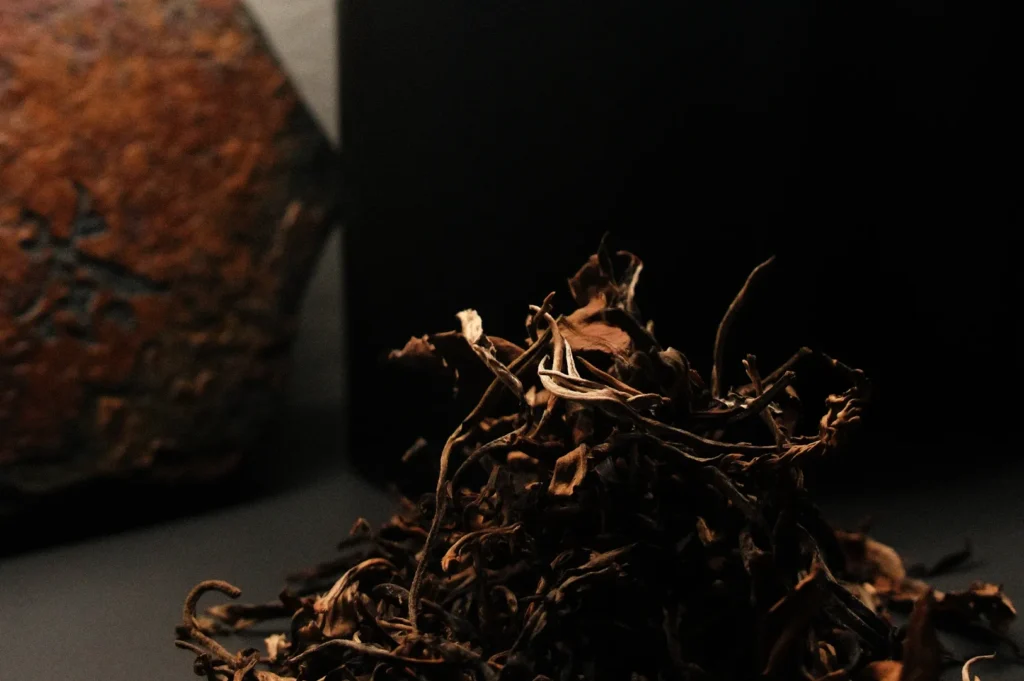
In most homes, the best storage is also the simplest.
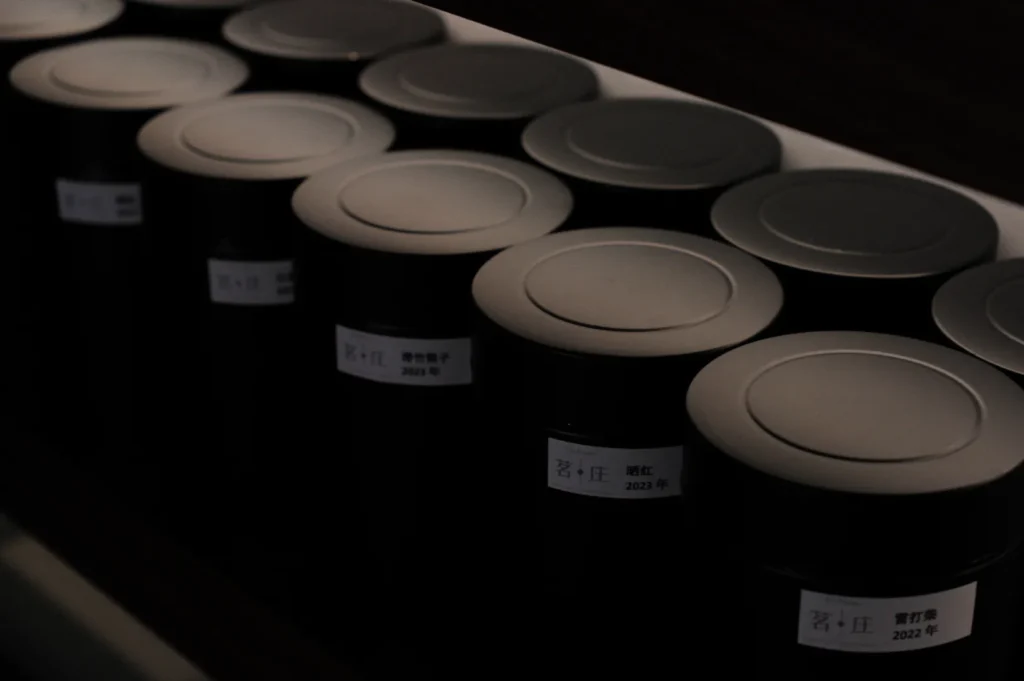
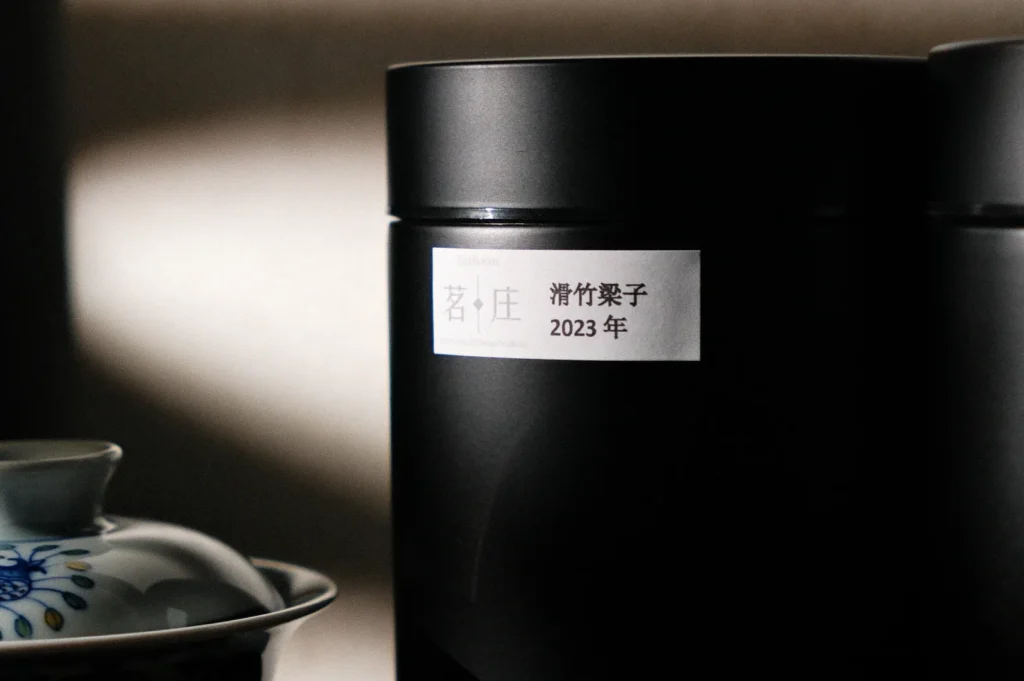
A well-sealed tin is usually the most reliable option. It protects against humidity, limits odour intrusion, and reduces light exposure. If the original packaging is high quality and resealable, it may be enough for short-term use, but once opened repeatedly in a humid room, many pouches become less reassuring than they first seem.
If you buy Da Hong Pao in larger quantity, divide it into smaller units rather than opening the same large container over and over. This reduces repeated exposure. It also means the tea you are not actively drinking remains stable for longer.
At Tea Room by Ki-setsu, we usually advise against decorative but poorly sealed containers. Beautiful storage that leaks air or absorbs odour is not actually good storage. The best container is the one that leaves the tea forgotten until you open it, and unchanged when you do.
Where You Keep It Matters as Much as What You Keep It In
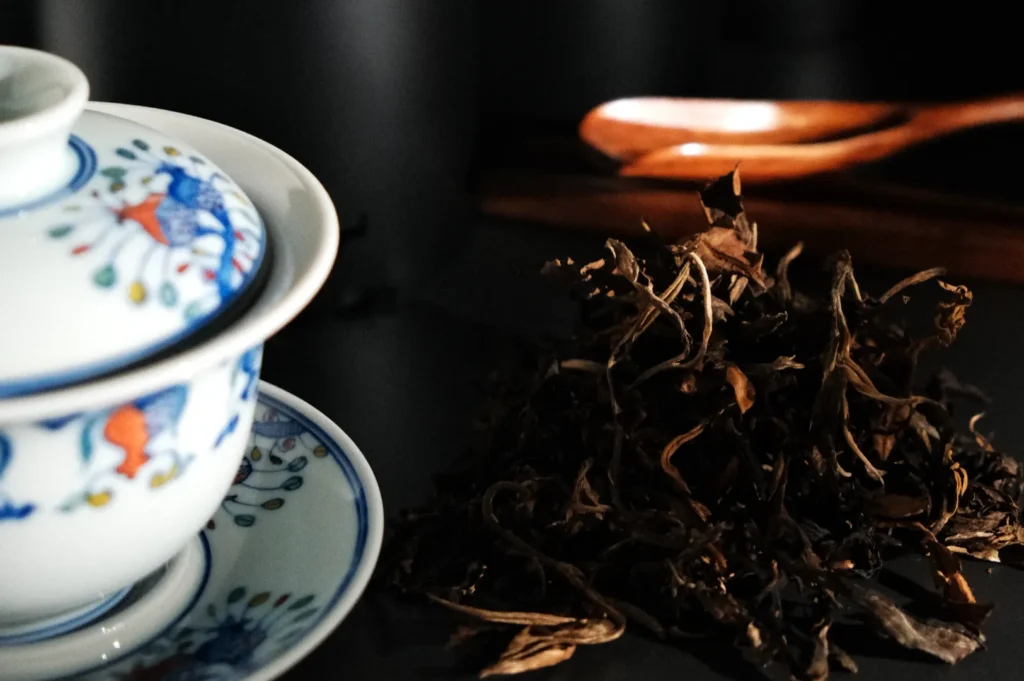
A tea tin on the wrong shelf is still on the wrong shelf.
Avoid storing Da Hong Pao near spices, coffee, cooking oils, incense, or scented candles. Avoid warm cabinets near ovens or sunlit walls. Avoid damp pantry corners that trap air without real protection. A cool, dark, odour-neutral cabinet is usually ideal, provided it does not carry its own strong wood or detergent smell.
In Singapore, this often means choosing the most boring place in the home rather than the most elegant one. The tea does not need ceremony while it is resting. It needs stability.
At Tea Room by Ki-setsu, we often find that when a drinker says a tea has “changed,” the answer is often not the tea itself but the space around it.
How to Know Storage Has Started Going Wrong
Storage damage is rarely theatrical at first.
The tea may still brew. The roast may still appear. But something feels less joined. The aroma is flatter. The liquor is less vivid. The finish falls away sooner than it used to. The tea no longer carries the same internal architecture. In more advanced cases, the leaf may begin to smell stale, papery, woody in the wrong way, or gently musty.
This is why it helps to know the tea well when you first open it. If you understand its original shape, you can recognise when that shape has faded. Da Hong Pao should not merely taste roasted. It should feel composed. Once that composure disappears, storage is often part of the reason.
A tired Da Hong Pao is not always ruined. But it is often no longer giving you what you paid for.
A Practical Storage Routine That Works
If you want a simple routine, keep it this calm.
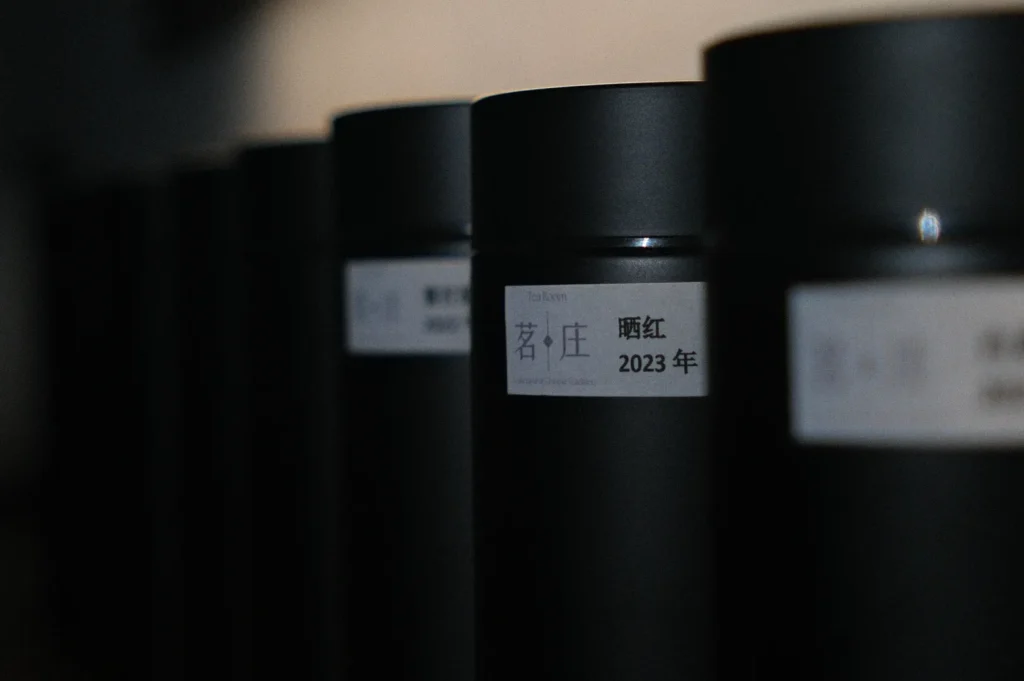
Buy only what you can store confidently. Move the tea into a well-sealed, odour-neutral container if the original packaging feels temporary. Keep that container in a dark cupboard away from heat, spice, and household scent. Open it only when needed, and if you buy more than one batch, label the date so older tea is not left forgotten.
This is enough for most drinkers. You do not need a laboratory. You need consistency.
At Tea Room by Ki-setsu, we think the point of storage is not preservation for its own sake. It is respect for the tea’s earned balance. Da Hong Pao has already been shaped through craft and roast. Good storage simply allows that work to remain visible in the cup.
Keep the Tea Settled So the Cup Can Stay Alive
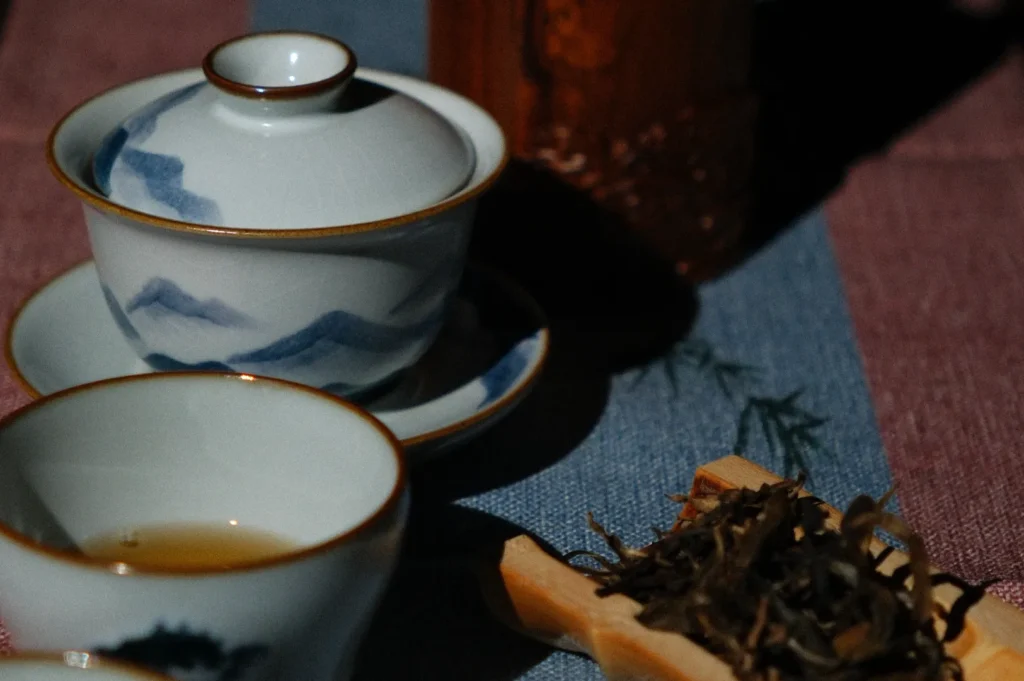
Da Hong Pao does not ask for complicated care, but it does ask for attentive care.
In Singapore, humidity, odour, light, and heat all work quietly against the leaf. A good container, a stable cupboard, and fewer unnecessary openings are often enough to protect what matters most. Roast should stay integrated. Aroma should remain clean. The tea should still return with depth and structure when you brew it.
At Tea Room by Ki-setsu, we believe good storage is one of the quietest forms of tea appreciation. It is what allows the leaf you bought with care to remain worth returning to.
Suggested URL Slug: /how-to-store-da-hong-pao-in-singapore/