Da Hong Pao is easy to admire and harder to judge.
Its name carries so much prestige that many drinkers assume the label itself guarantees quality. It does not. Some teas are sold on reputation alone. Others are described with enough mountain language, rarity claims, and ceremonial presentation to sound exceptional before the leaves have even touched water. This is why learning how to tell if Da Hong Pao is good matters. The question is not whether the tea is famous. The question is whether the leaf, liquor, aroma, and finish show real composure.
At Tea Room by Ki-setsu, we think quality becomes easier to recognise once you stop chasing drama and begin noticing coherence. For the broader cultural and historical foundation, read our Big Red Robe tea overview. Here, the focus is more practical: what good Da Hong Pao actually looks, smells, and feels like in the cup.
The Dry Leaf Should Look Intentional
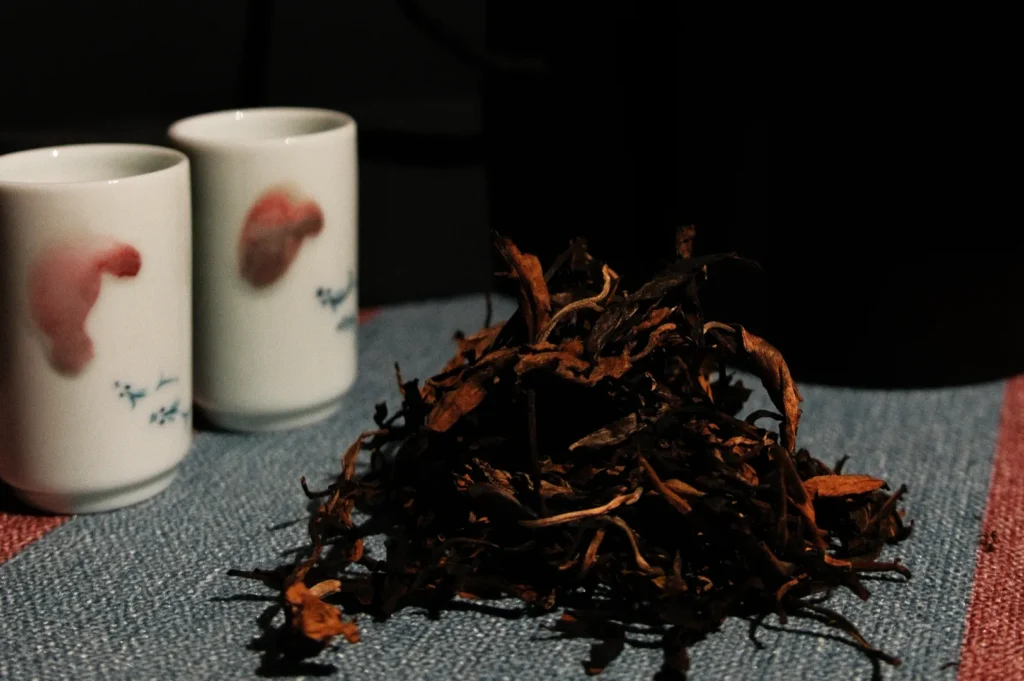
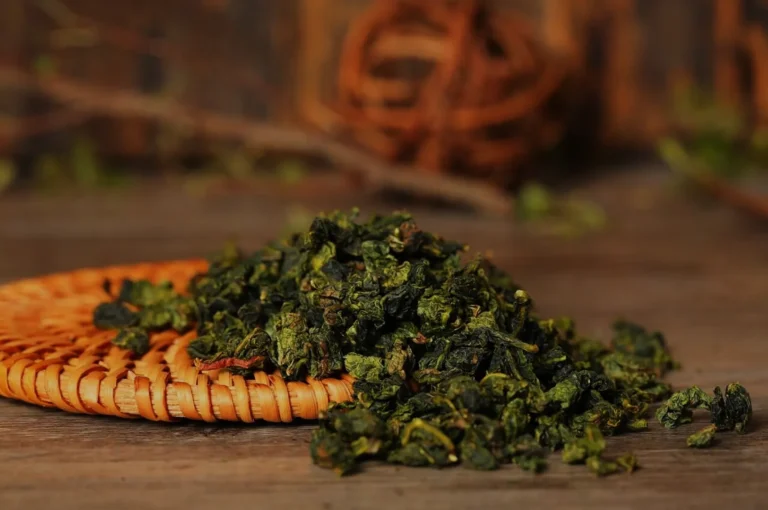
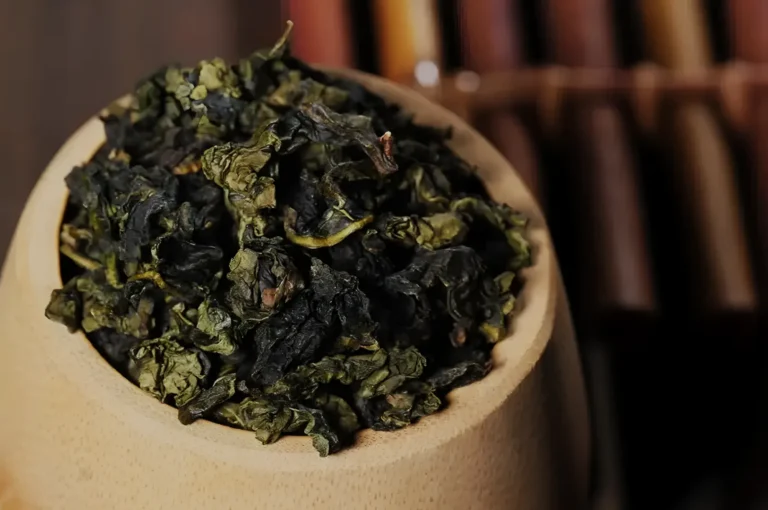
Da Hong Pao leaf should feel crafted rather than careless.
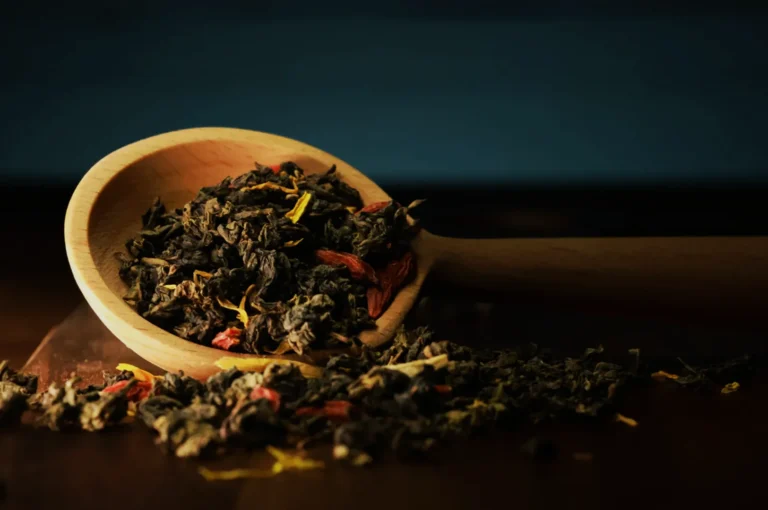
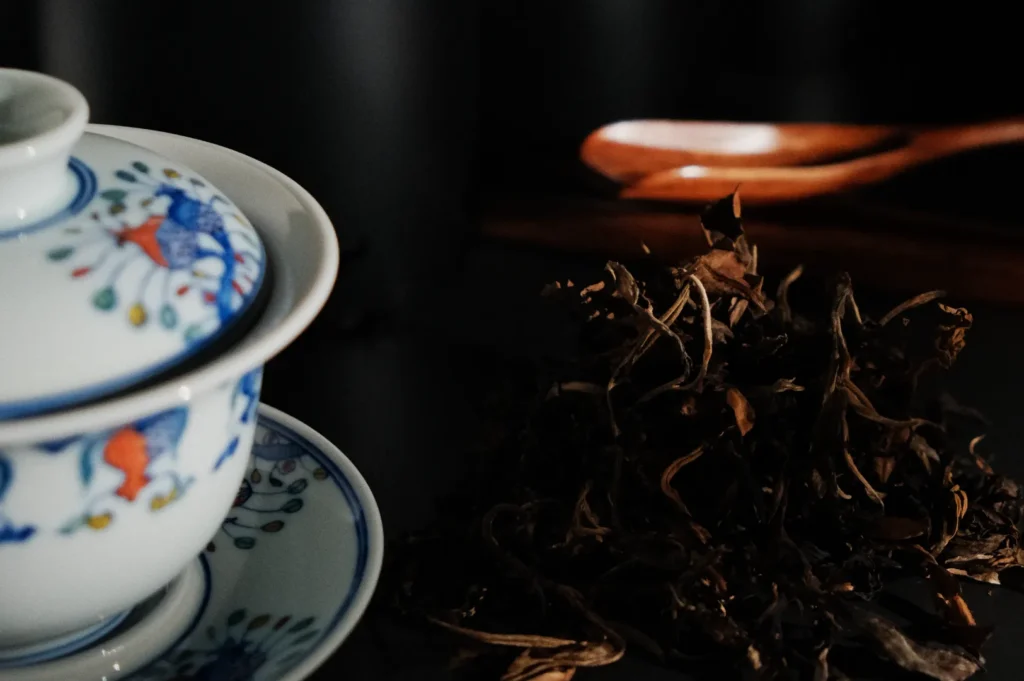
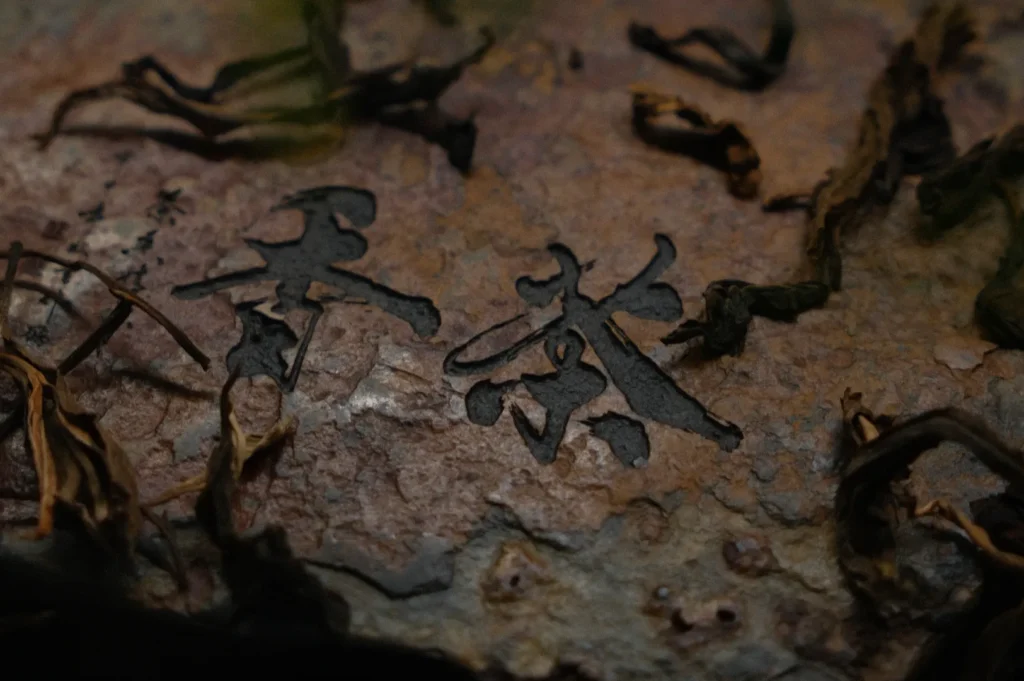
The leaves are often dark, twisted, and somewhat rope-like, but they should not look dusty, exhausted, or broken beyond reason. Variation is natural in a roasted oolong, yet a better tea usually shows a sense of consistency. The leaves should suggest that the tea was handled with attention rather than pushed through processing too quickly.
Appearance alone does not prove quality, but it rarely means nothing. If the dry leaf looks fragmented, dull, or strangely uneven in a way that suggests weak handling rather than natural character, the cup often confirms that first impression later. A more refined tea usually begins with leaves that hold themselves together visually.
At Tea Room by Ki-setsu, we also look for a certain quiet confidence in the dry leaf. The tea does not need to appear dramatic. It only needs to look settled, deliberate, and alive.
The Roast Should Feel Integrated, Not Pasted On
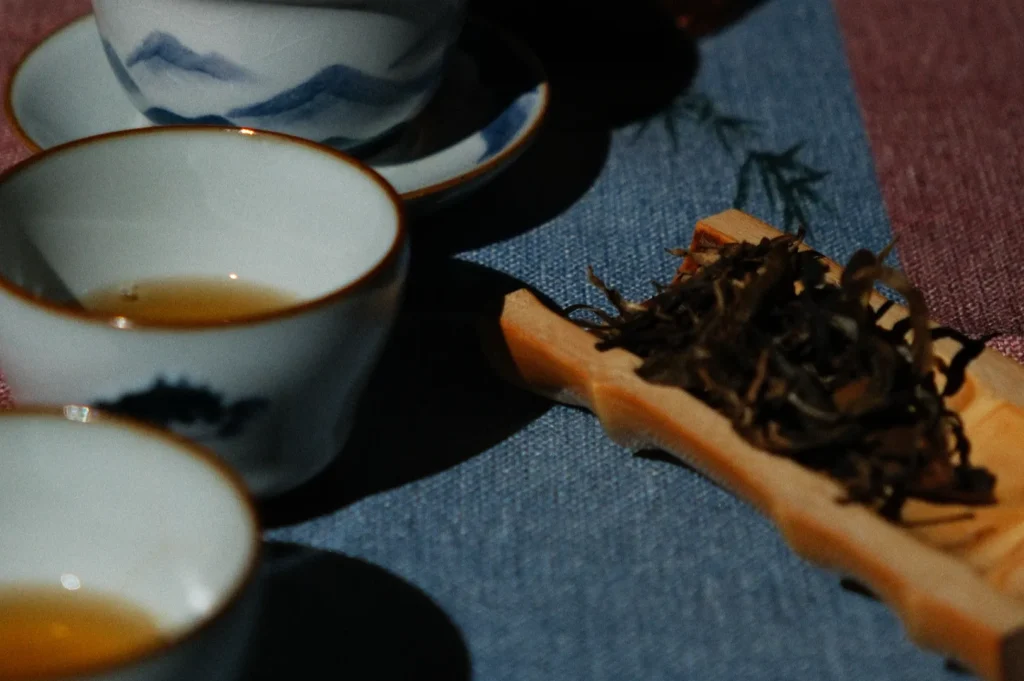
Roast is one of the first things drinkers notice, but not all roast is quality.
A good Da Hong Pao may smell warm, woody, toasty, or gently charred, but the roast should feel woven into the tea. It should not sit on top like a smoky layer that overwhelms everything else. Integrated roast gives the tea structure. Superficial roast often hides weakness.
This is one of the most important distinctions to make. Some teas present a forceful roast that seems impressive at first, but once brewed, very little remains beneath it. Other teas carry warmth and depth, yet still leave room for mineral clarity, floral lift, and aftertaste. The latter is usually the better sign.
At Tea Room by Ki-setsu, we think the roast in a strong Da Hong Pao should feel architectural. It should hold the tea together rather than cover it. If the tea smells only of fire, the complexity has already narrowed too much.
The Liquor Should Have Clarity and Presence
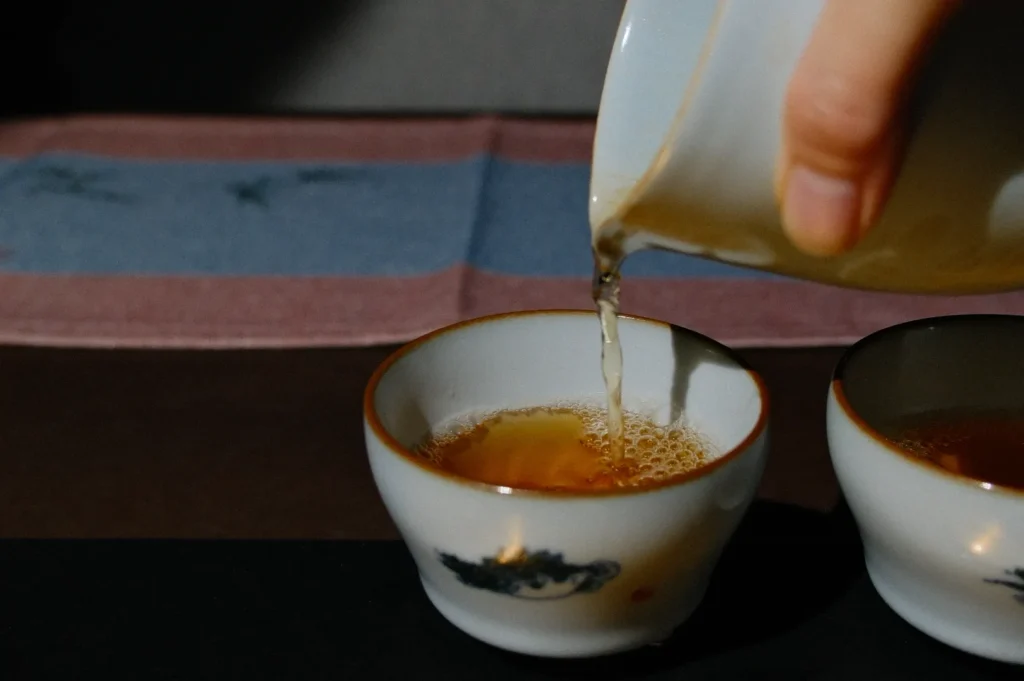
Once brewed, the liquor tells you a great deal.
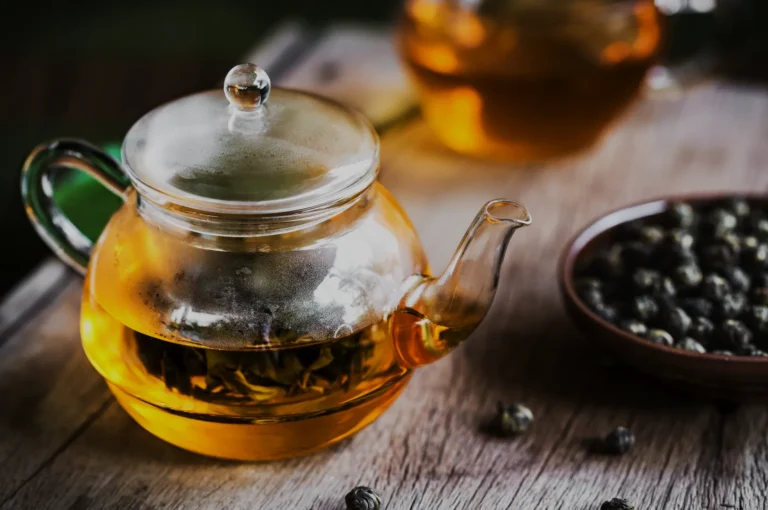
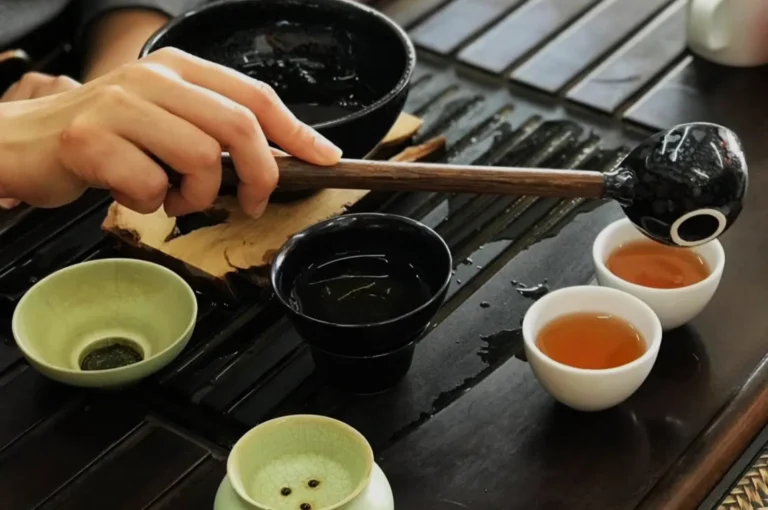
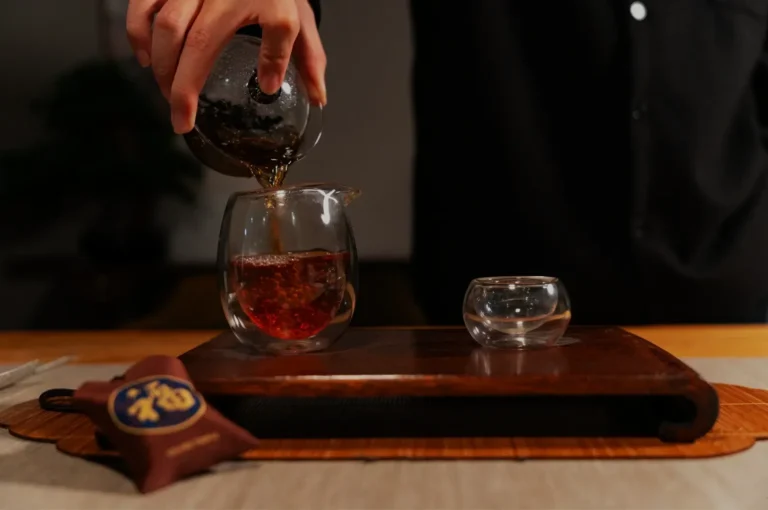
A good Da Hong Pao often carries a warm amber to reddish-brown tone, depending on roast and brew strength, but colour alone is not the point. The liquor should look clear and alive rather than cloudy, heavy, or visually tired. It should have presence without muddiness.
This matters because visual clarity often mirrors structural clarity. A tea that looks composed in the bowl frequently tastes composed in the mouth. If the liquor appears dull, murky, or oddly flat, the tea may lack precision even if the aroma seems persuasive in the opening moments.
The body of the liquor also matters. A good Da Hong Pao should not look watery unless brewed deliberately light. Even then, it should still feel purposeful. Better tea usually shows a kind of inner steadiness in the bowl before it ever reaches the palate.
Aroma Should Continue Opening
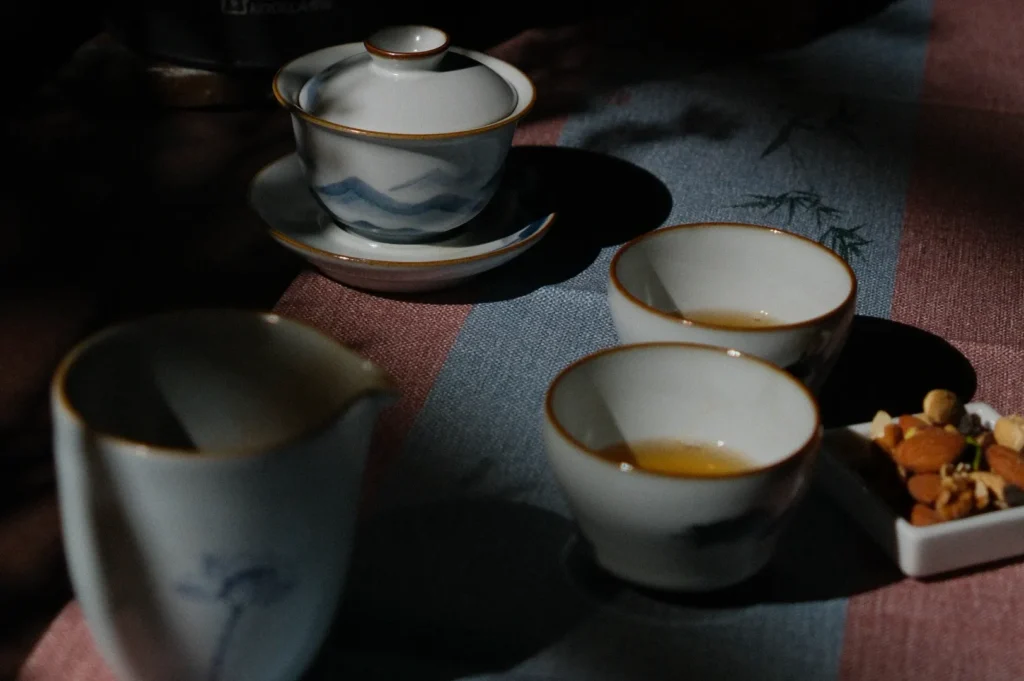
Good Da Hong Pao rarely stops at one note.
The dry leaf may suggest roast and wood. The warmed leaf may open into floral lift, grain, spice, or mineral coolness. The wet leaf may shift again. Better tea tends to deepen rather than collapse as it opens. Each stage should prepare the next.
This is one of the clearest ways to separate a merely decent tea from a more serious one. A simpler tea may still be enjoyable, but if the first smell gives you everything and the later stages add nothing, the tea may be less interesting than its name suggests. A stronger tea keeps moving. It may become softer, more floral, more mineral, or more quietly sweet as the session continues.
At Tea Room by Ki-setsu, we often trust teas that unfold. A tea that keeps opening usually carries more than one layer of attention in its making.
Texture Reveals Seriousness
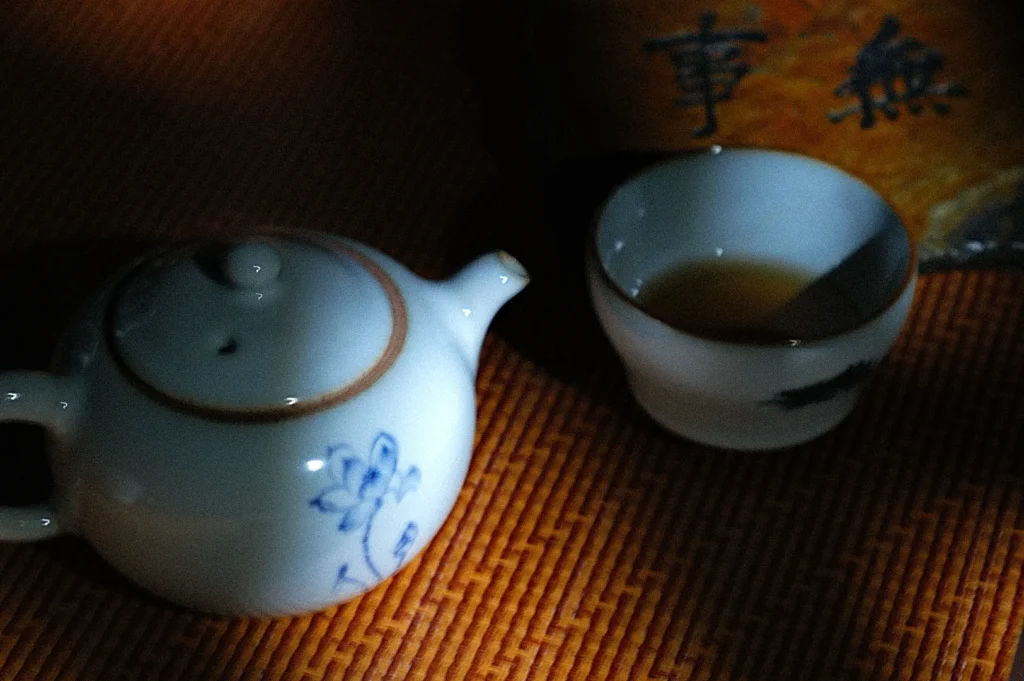
Quality in Da Hong Pao is not only about flavour. It is also about how the liquor settles in the mouth.
A better tea often has enough body to feel continuous and composed. It should not be thin in a way that disconnects the flavour, nor heavy in a way that turns the roast crude. The texture should support the tea’s architecture. It should carry the notes forward rather than drop them abruptly.
This is where many teas reveal their limits. A Da Hong Pao may smell impressive, yet feel hollow once sipped. Another may seem modest in aroma at first, then become persuasive because the liquor has real shape. Texture is often where seriousness announces itself most quietly.
At Tea Room by Ki-setsu, we pay close attention here because body and structure often say more than prestige language ever can. A convincing Da Hong Pao should feel gathered, not scattered.
The Aftertaste Should Outlast the Performance
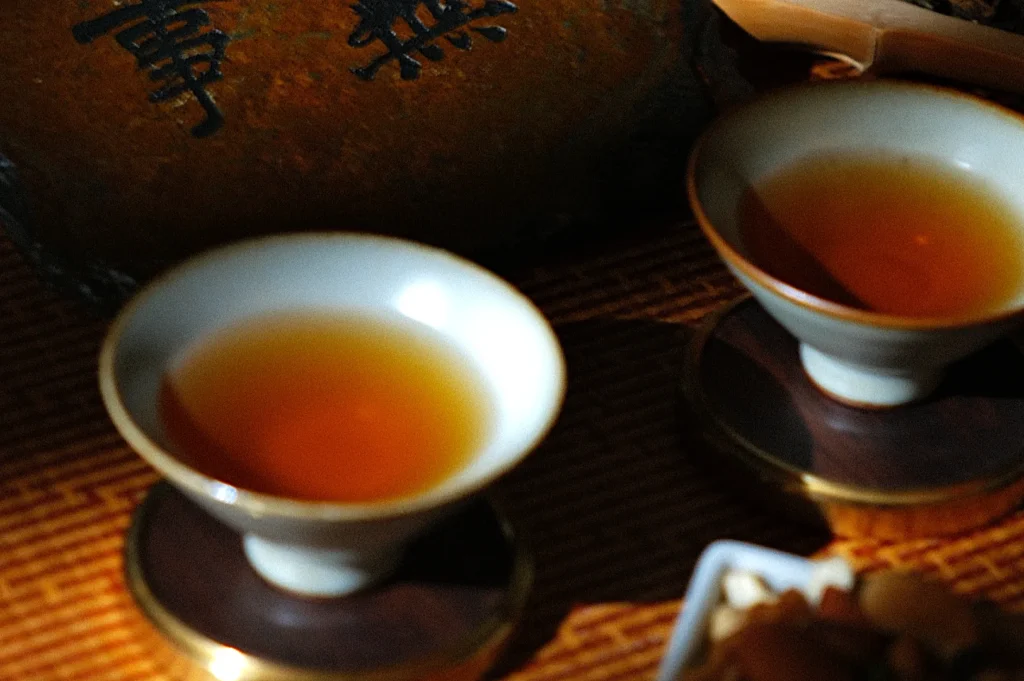
The finish is where quality either proves itself or disappears.
A good Da Hong Pao should leave more than warmth alone. It may return with mineral clarity, a soft sweetness, a slight cooling sensation, or renewed floral lift. What matters is that the tea remains present after swallowing. It should continue rather than collapse.
A weaker tea may open dramatically and then end abruptly. A better tea may seem more restrained in the beginning and then grow stronger in memory. This is often the difference between performance and quality. One impresses quickly. The other stays.
At Tea Room by Ki-setsu, we think aftertaste is one of the most trustworthy measures because it is difficult to fake. Roast can create an opening impression. Packaging can create expectation. The finish has no interest in either. It tells you whether the tea actually has depth.
If the cup ends too soon, the tea has not fully earned its name.
Watch for Balance, Not Excess
Many drinkers assume that stronger is better. In Da Hong Pao, this is rarely true.
The better tea is not always the darkest, smokiest, or most forceful. It is often the one in which the parts hold together. Dry leaf, roast, liquor, aroma, texture, and finish should all feel connected. If one element dominates too heavily, the tea may be less complete than it first appears.
This is why balance matters so much. A tea can be bold and still feel composed. It can be floral and still feel grounded. It can be roasted and still leave room for air. Those tensions are part of what make Da Hong Pao distinctive when it is well made.
How to Judge More Calmly
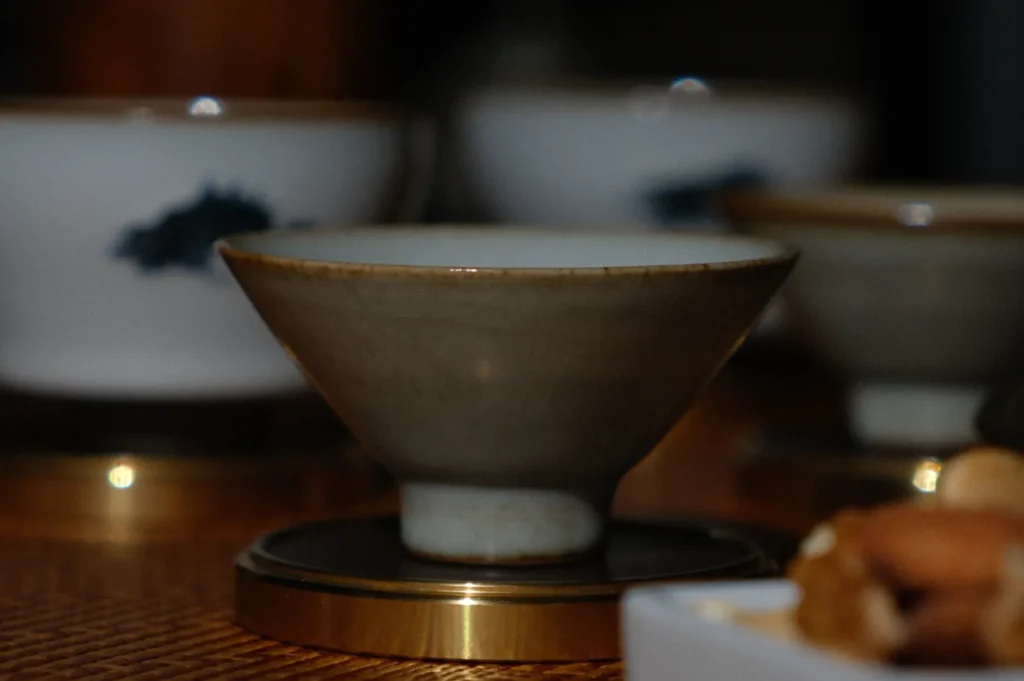
If you want to assess Da Hong Pao more clearly, avoid deciding too quickly.
Smell the dry leaf first. Then warm the vessel and notice the shift. Watch the liquor before tasting. Sip for structure before you sip for flavour notes. Let the finish arrive before you decide what the tea is trying to say. Good Da Hong Pao often reveals itself in sequence, not all at once.
At Tea Room by Ki-setsu, we think the most useful question is simple: does each stage support the next? Does the leaf prepare the aroma? Does the aroma prepare the liquor? Does the liquor prepare the finish? When the answer is yes, the tea usually carries real quality.