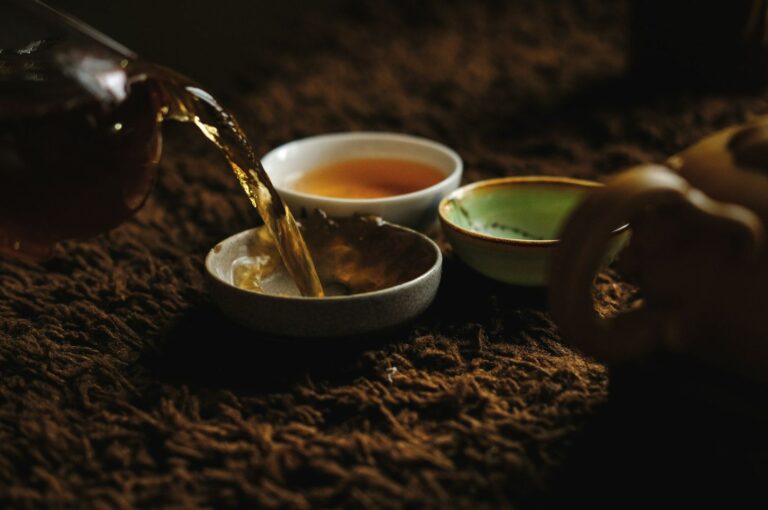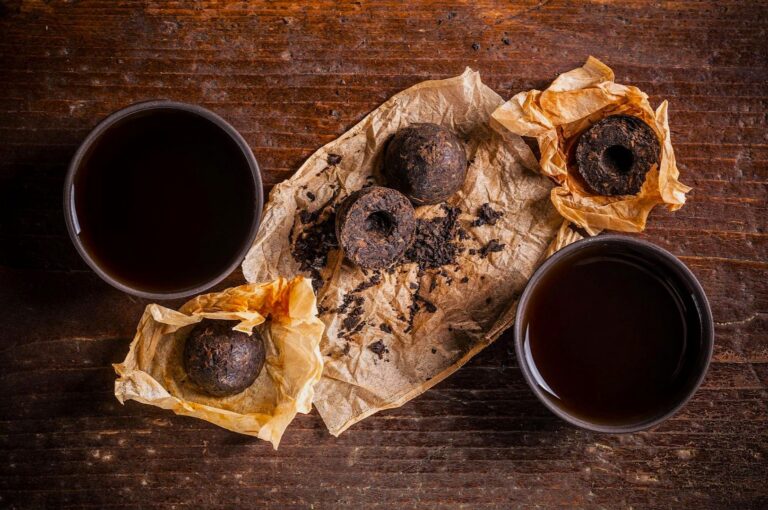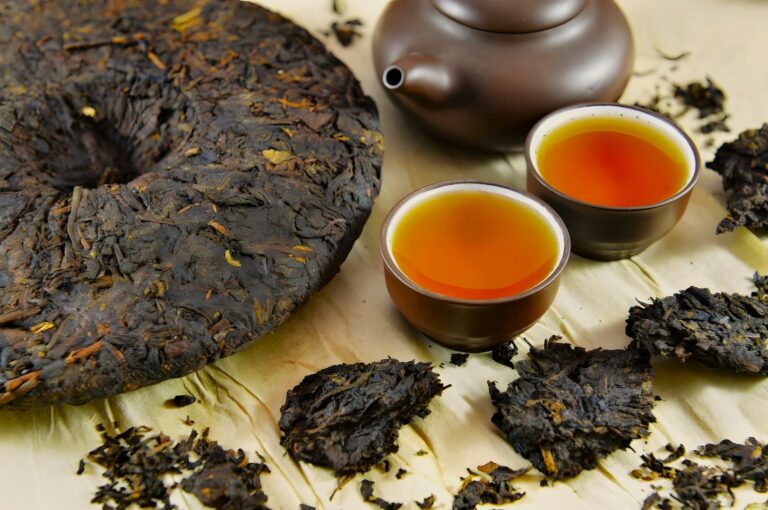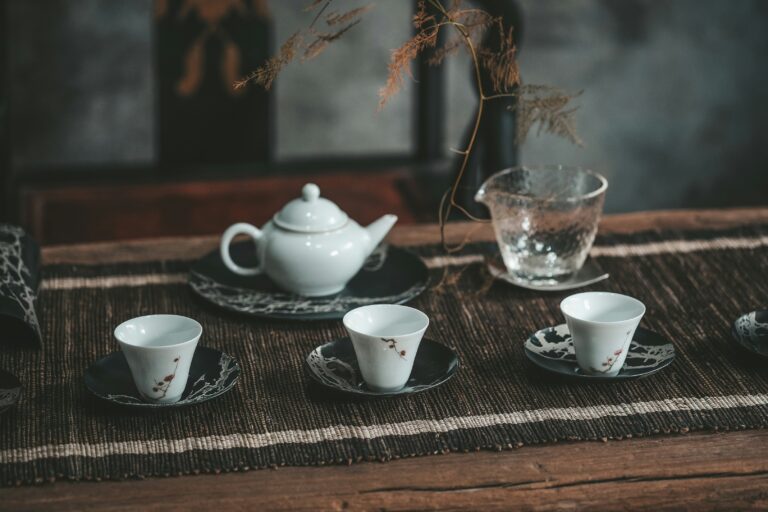
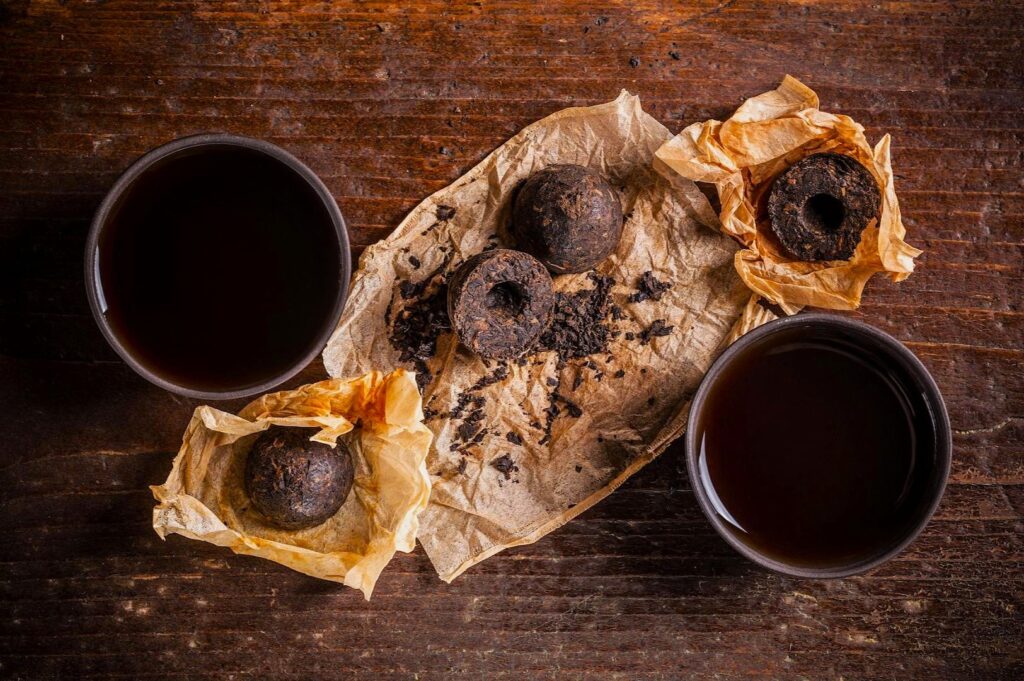
Imagine two cakes of Pu-erh sitting side by side on a polished counter. To the untrained eye, they are identical; wrapped in textured paper, pressed into similar discs, and labelled with promising calligraphy. Yet, when the water touches the leaf, the illusion shatters. One unfolds with the profound, earthy resonance of ancient roots; the other dissolves into a flat, muddy disappointment. This is the reality of the modern marketplace. In a city saturated with beautiful packaging, the label is often the least reliable indicator of quality.
For the discerning drinker, navigating Singapore’s luxury tea landscape requires more than just reading; it demands a sensory awakening. The true markers of authentic premium tea are not found in marketing copy but in the leaf itself. We invite you to look closer, past the velvet boxes and gold lettering, to discover the quiet, undeniable language of authenticity used by traditional Chinese tea masters for centuries.
Understanding What “Premium” Truly Means in Chinese Tea
In the world of mass commerce, “premium” is a buzzword; in Chinese tea culture, it is a strict convergence of geography, timing, and skill. True quality begins with specific provenance; not just “China,” but named mountains and specific elevations where the mist clings to the trees. It is found in the harvest timing, often limited to a fleeting window of days in early spring when the youngest buds possess their highest potential energy.
But nature is only the first step. The soul of premium tea lies in expert craftsmanship; the hands that shape the leaf without breaking its spirit. Whether it is a minimally processed white tea preserving the sun’s warmth or a complex oolong requiring days of sleepless monitoring, the processing must honor the terroir. Industrial, mass-produced tea may achieve consistency, but it sacrifices the nuance of the land. Authentic high quality tea commands its price because it captures a specific moment in nature, translated through human skill into an experience of best qualities. It offers a spectrum of colour, aroma, and texture that machinery simply cannot replicate.
For deeper exploration of what elevates tea to premium status, our comprehensive guide on premium tea examines the philosophy behind exceptional tea.
The Five Sensory Authentication Tests for Tea Appreciation
To move from a casual drinker to a true connoisseur, one must engage the senses in a deliberate order. Authentication is not a single act but a sequence of observations that reveal the tea’s true character.
1. Visual Inspection: The Integrity of the Leaf
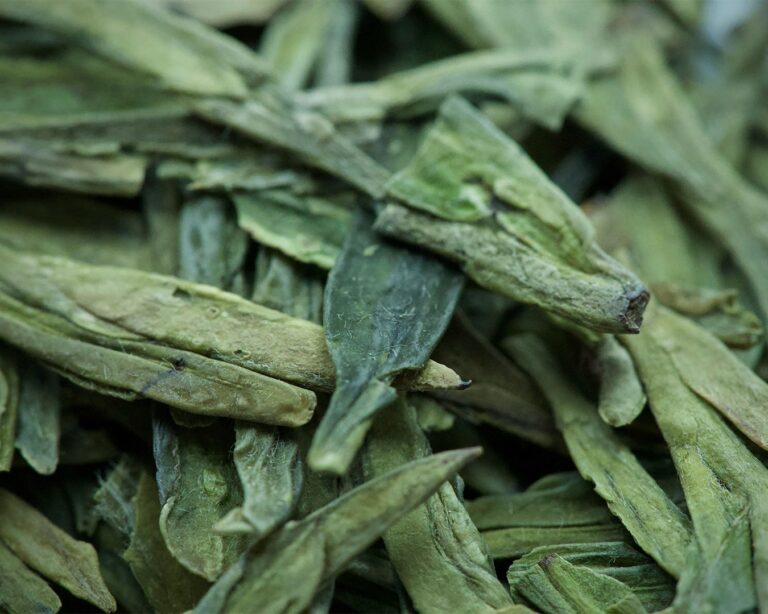
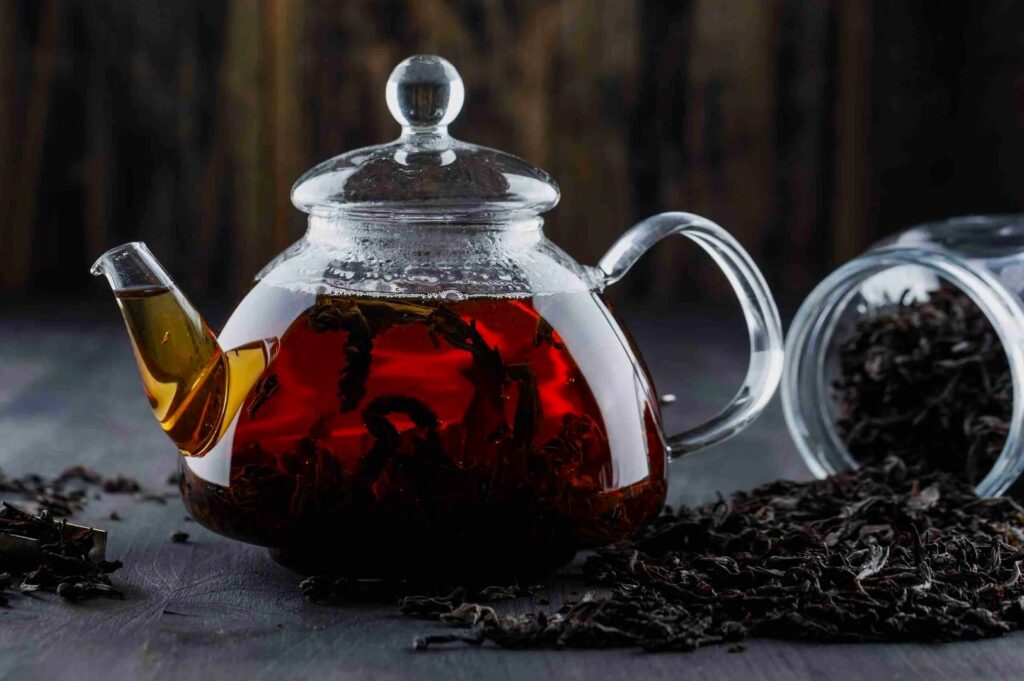
Before the water boils, observe the dry tea leaves. Authentic premium tea exhibits structural integrity. You are looking for whole leaves or buds, uniform in size and shape. Avoid teas that appear dusty or consist of broken shards, often a sign of machine-cutting. The colour should be vibrant and natural—a fresh green, a glossy black, or a silvery white; rather than dull or grey.
2. Aromatic Complexity: The Breath of the Tea
Place the dry leaves in a warmed vessel and inhale. This is the “dry fragrance.” Authentic tea offers a layered scent; a mix of notes that might range from floral and delicate to earthy and roasted. Look for hints of honey, stone fruit, or orchids. Be wary of aromas that are overly loud or perfumed, which often mask low-quality leaves with artificial enhancement.
3. Liquor Clarity: The Window into Quality
When you brew the tea, observe the liquor. Whether it is light and pale or deep and dark, the liquid should be brilliant. Premium tea produces a liquor that is bright and vibrant, never cloudy or muddy. This clarity indicates that the tea was processed and stored correctly, preserving its essential oils without degradation.
4. Taste Architecture: Complexity over Intensity
The taste of premium tea is never one-dimensional. It possesses an architecture; a beginning, a middle, and an end. As you sip, look for complex layers. A fine oolong might start with a creamy texture, evolve into a floral bouquet, and finish with a mineral resonance. Crucially, look for hui gan, the returning sweetness that rises in the throat after swallowing. A defining mark of premium processing is a smooth mouthfeel that coats the mouth without astringency.
5. Leaf Resilience: The Stamina of the Brew
Finally, test the tea’s endurance. Low-quality tea gives up all its flavour in the first cup. Authentic tea is patient. It should sustain multiple infusions, with each brew revealing distinct nuances. Inspect the spent leaf (the ye di); it should be soft, flexible, and return to its original living shape, a testament to its nature.
Origin Authentication for Green Tea, Oolong Tea, White Tea, and Black Tea
Geography is flavour. To authenticate origin, one must understand the terroir signature of specific regions. For example, tea from Bulang Mountain is prized for its aggressive, masculine energy; an earthy depth that transforms rapidly into a sweet aftertaste. In contrast, tea from Yiwu is known for its “soft power,” possessing a gentle, viscous water quality that belies its enduring strength.
Understanding the difference between wild arbor (Gushu) and plantation tea (Taidi) is vital. Wild arbor trees, with their deep root systems, produce a rich and mineral-heavy brew that plantation bushes cannot mimic. When exploring the vast range of different types; from green tea to white tea and black tea; nomenclature matters. Authentic tea lovers know that “black tea” in the West is Hong Cha (Red Tea) in China, referring to fully oxidised leaves.
Be skeptical of generic origin stories. A label reading merely “Fujian Oolong” tells you very little; a label specifying “Zheng Yan Rou Gui from Wuyi Mountains” makes a claim that can be verified by your palate. Red flags include vague terminology or stories that focus on mythology rather than the specific cultivation environment. Authentic tea speaks of its soil, not just its legend.
The Documentation Trail – Transparency for Tea Enthusiasts
In the luxury market, transparency is the currency of trust. Authentic suppliers do not hide behind mystique; they provide a clear trail. When you are ready to purchase, look for documentation packed with details. This should include the specific harvest location, the harvest date (crucial for green tea freshness), and the cultivar.
For tea enthusiasts, understanding the lot number matters. It tells you when the youngest buds were picked; was it Pre-Qingming (early spring) or a summer harvest? The supplier should be transparent about the processing method, explaining whether the leaf was processed using traditional charcoal roasting or modern electric ovens.
A premium tea seller in Singapore should know the names of their farmers. They should be able to answer questions about the weather during the harvest year and the specific craftsmanship employed. Before you click to open a new window to check out, or before a rare batch in your cart sold out, ensure the provenance is indisputable.
Price as an Indicator (Not a Guarantee) of High Quality Tea
There is an inescapable economics to expert craftsmanship. When a tea master hand-fires leaves for 14 hours, or when pickers scale ancient trees to harvest singular buds, the cost reflects that labor. Authentic premium tea cannot be cheap because it is the result of finite resources and infinite patience.
However, a high price tag is not a guarantee of quality. The market is rife with inflated prices for mediocre leaf packaged in expensive boxes. This is why tea appreciation is an intellectual pursuit as well as a sensory one. You are paying for the art of cultivation and the preservation of tradition.
Understanding fair pricing means recognizing the value of limited harvests. True connoisseurs do not chase the most expensive tea for status; they savour the tea that offers the most profound connection to its source. They understand that in every moment of drinking, they are consuming a piece of history and geography that can never be precisely repeated.
Where Singapore’s Tea Connoisseurs Find Authenticity – A Curated Collection
Serious collectors in Singapore have moved away from mass retail. They seek a curated collection where every tea has earned its place through rigorous selection. They look for specialists who travel to the source, forging deep friendships with farmers across the world of tea.
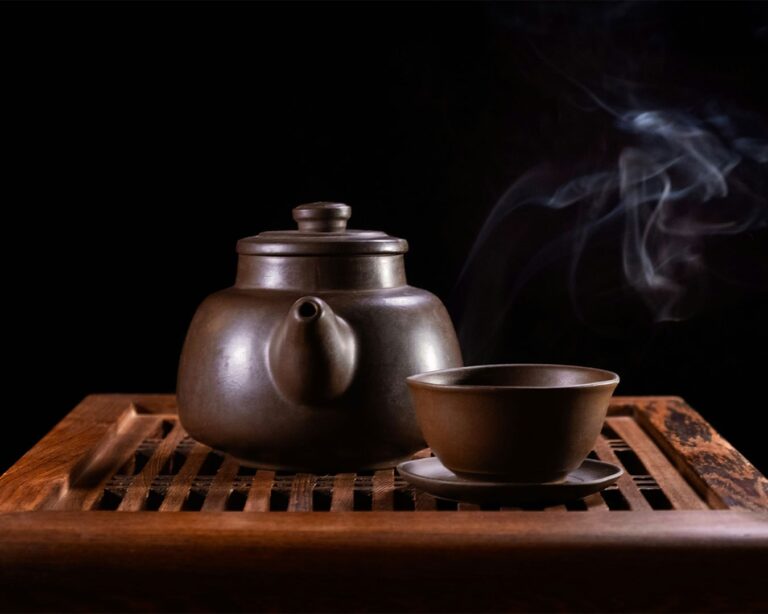
In these circles, education is as valuable as the leaf itself. It is about learning to use traditional teapots to coax out the flavours, refining the palate to detect subtle hints of orchid or camphor, and understanding tea as both a beverage and food for the spirit. Private tea sanctuaries offer a distinct advantage: the ability to authenticate through experience. In these intimate spaces, you can smell, sip, and discuss the tea with friends, validating its quality before committing to a purchase.
At Tea Room by Ki-setsu, every premium tea arrives with its story intact: from Bulang mountains to your cup, with transparency that honors both origin and drinker.
Conclusion
Identifying authentic premium tea is the first step in a lifelong journey. It is a skill that moves from the head to the heart, becoming intuitive with practice. By engaging your senses, demanding transparency, and respecting the origin, you reclaim the power to define quality for yourself.
The label is merely an introduction; the truth is always in the cup.
We invite you to step into our sanctuary and experience the clarity of authenticated tea; where culture and craftsmanship meet in every pour.