Jasmine smells gentle.
Caffeine does not care.
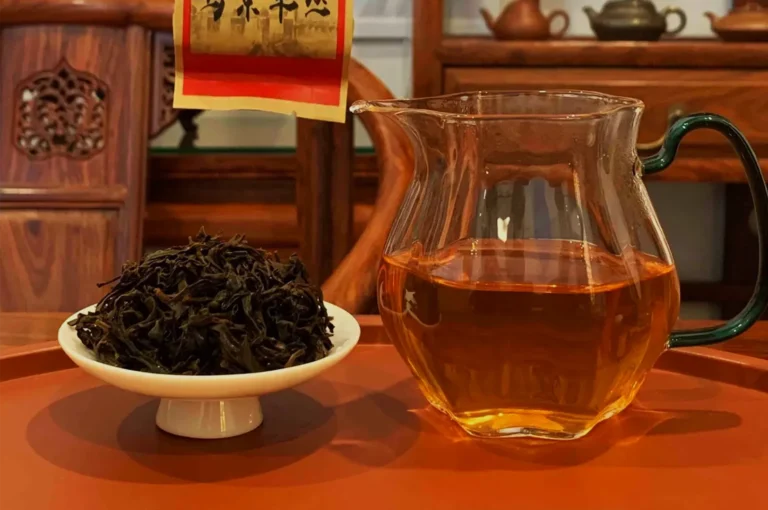
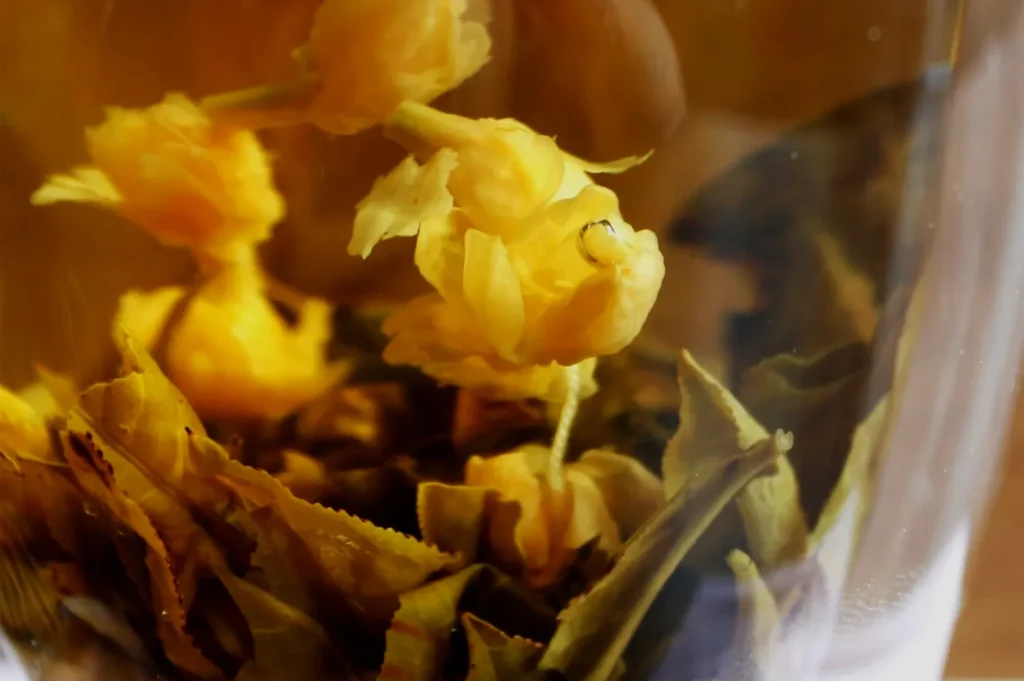
If jasmine flowers are used to scent real tea leaves, the finished cup generally contains caffeine because the tea base came from Camellia sinensis.
Floral does not mean caffeine-free.
Our jasmine tea guide for daily drinking covers the wider tea. Here, we stay with caffeine and timing.
Where the Caffeine Comes From
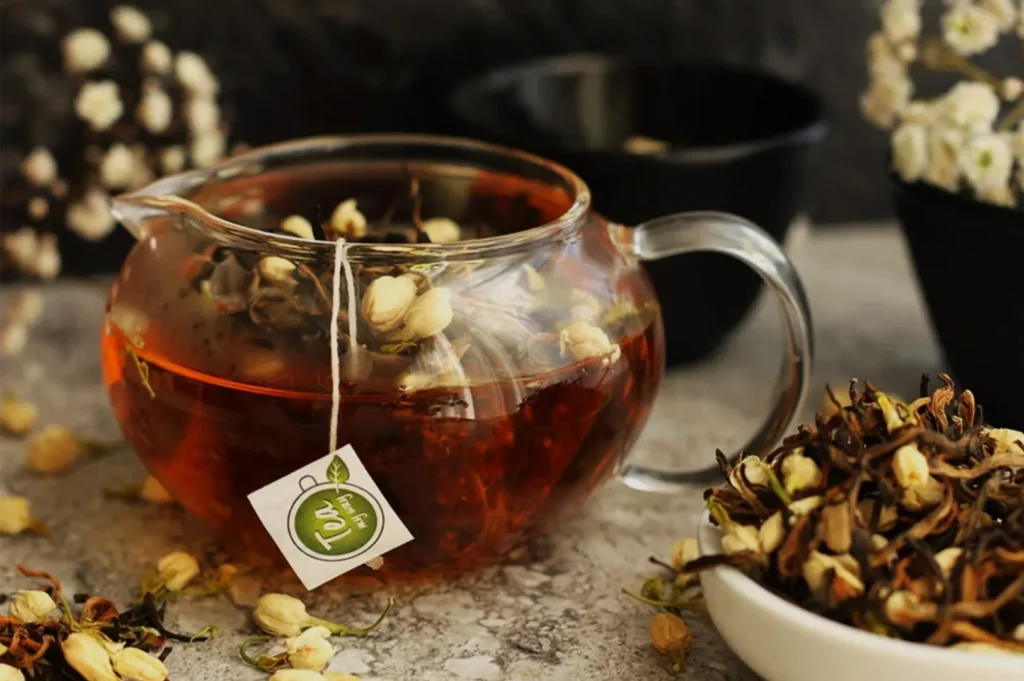
The caffeine is mainly associated with the tea base, not the jasmine aroma.
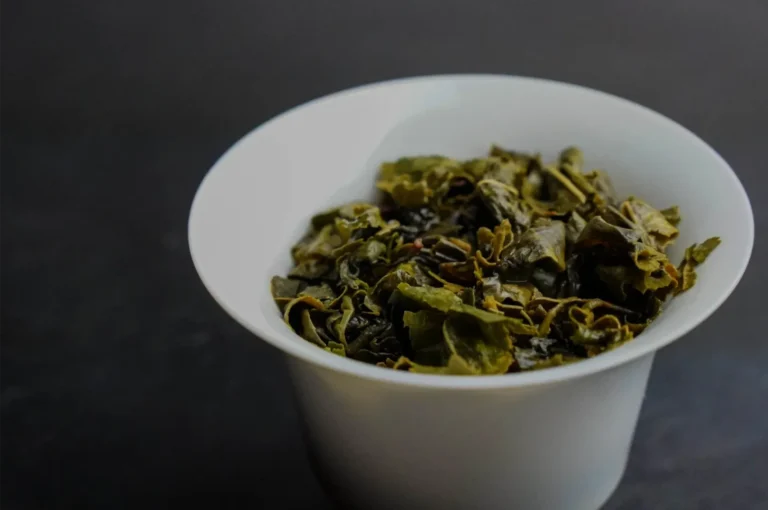
Green tea is commonly used, although black, oolong and other teas can also be scented.
NCCIH confirms that true tea naturally contains caffeine, while herbal infusions made from other plants are a different category.
This is why “jasmine tea” and “jasmine flower infusion” should not be treated as interchangeable.
How Much Caffeine?
There is no one number.
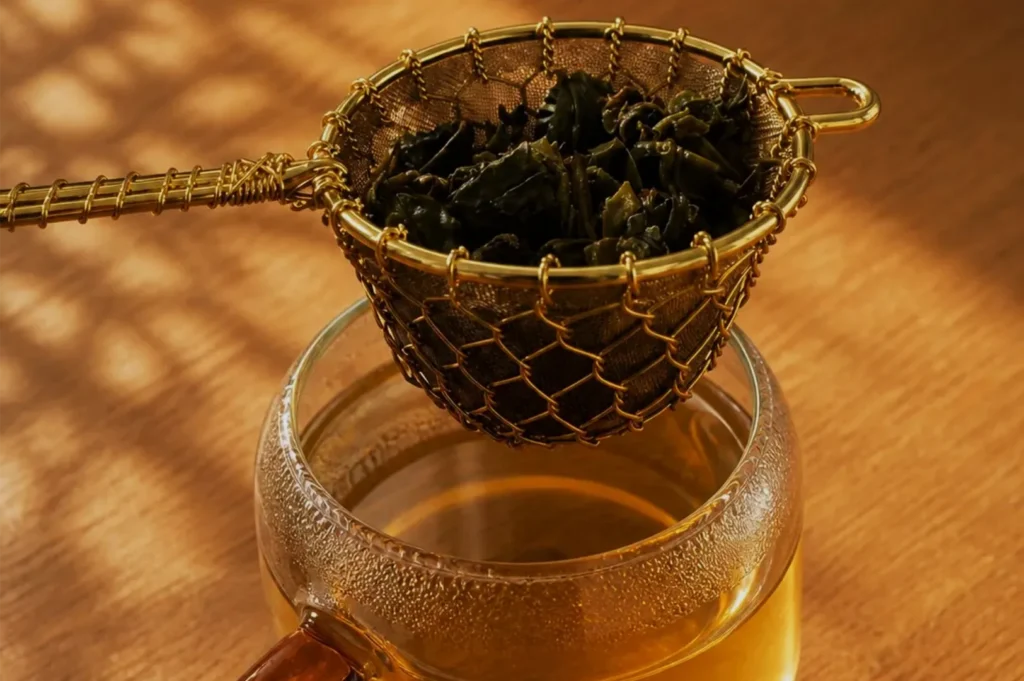
A 2026 study of commercial jasmine tea beverages found considerable variation in caffeine content and linked differences to raw materials, processing and extraction.
Loose-leaf tea varies for the same reason.
Leaf grade, quantity, temperature and time all influence the final cup.
Brewing Changes Extraction
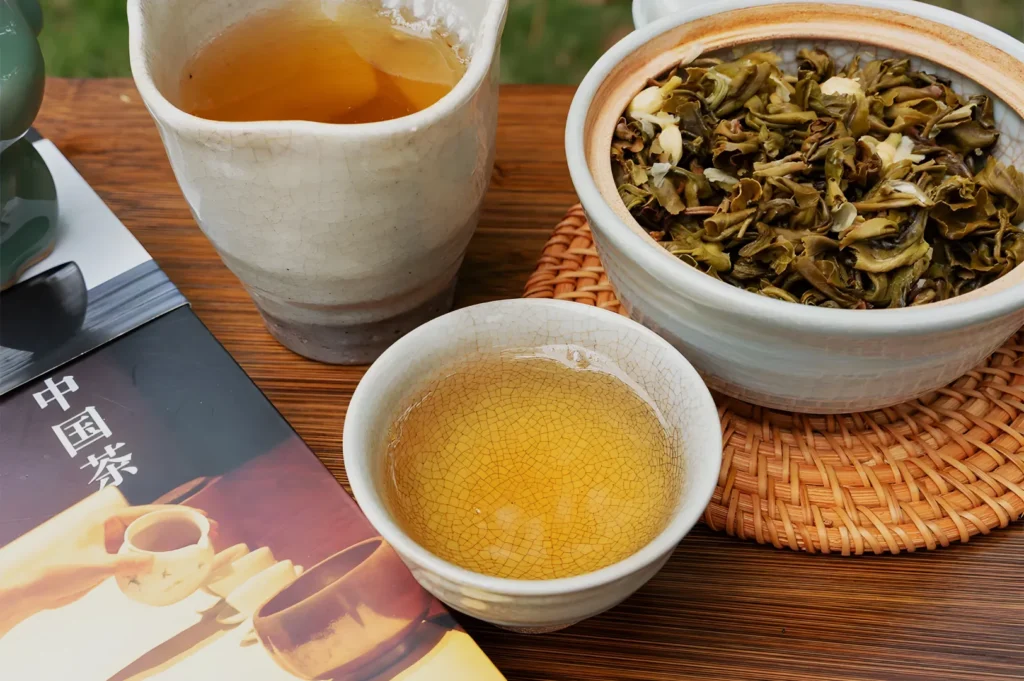
Hotter water and longer steeping generally extract more caffeine from tea.
Research comparing different tea steeping methods found caffeine extraction increased with hotter water and longer brewing.
This does not mean you should try to engineer jasmine tea into a caffeine-free drink.
It means brewing style changes the experience.
Gentler brewing protects flavour first. Any caffeine reduction is secondary.
When Should You Drink Jasmine Tea?
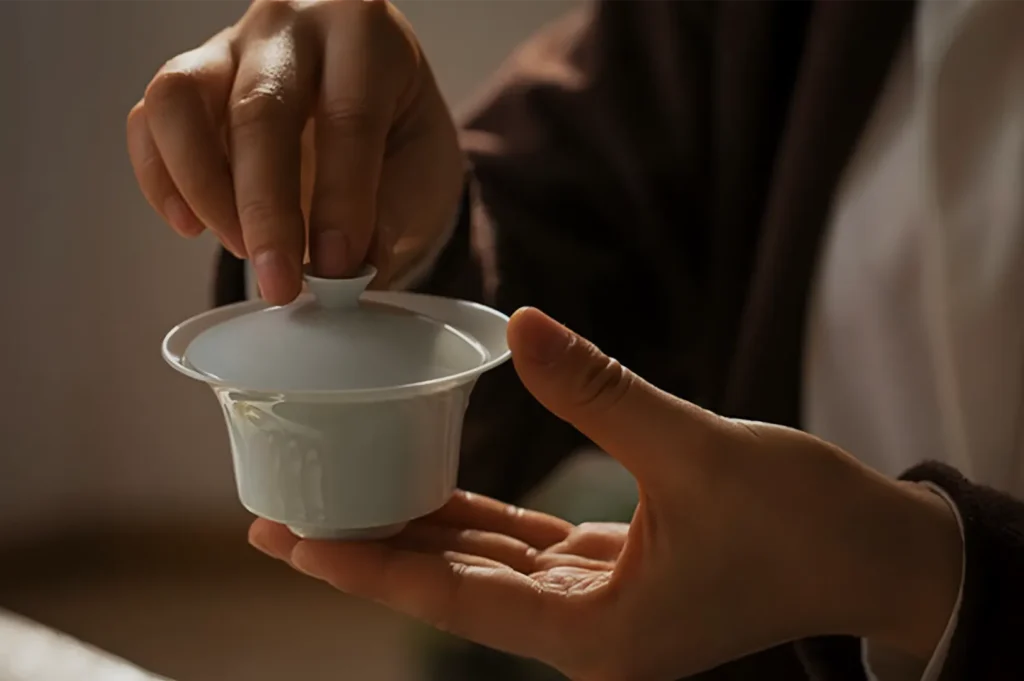
Morning to afternoon suits many people.
Evening depends on personal sensitivity.
If tea regularly delays your sleep, jasmine tea’s soft aroma does not make it exempt.
Those who are particularly caffeine-sensitive can use less leaf, brew more gently or simply enjoy caffeinated tea earlier.
Do Flowers Make Caffeine Gentler?
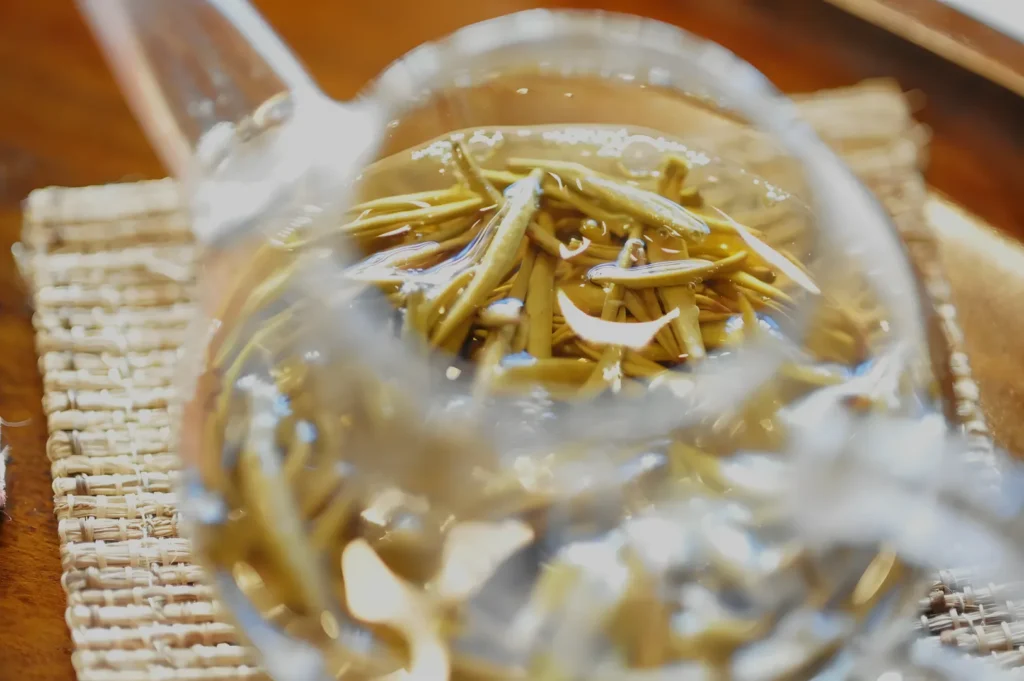
Not in any reliable way we would promise.
Fragrance may make the experience feel softer, but it does not neutralise caffeine.
The body and the nose are reading different parts of the cup.
At Tea Room by Ki-setsu, we think this distinction is useful beyond jasmine tea. Premium Chinese tea appreciation is not only about identifying aroma. It is also about understanding how leaf, brewing and timing affect the drinker.
Final Thought
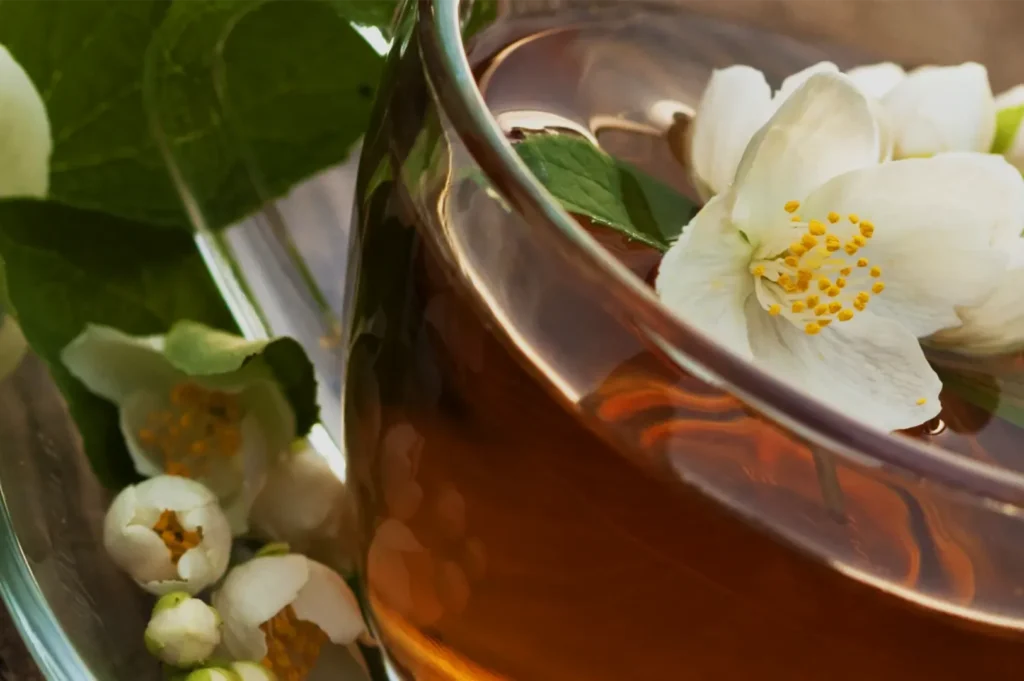
Does jasmine tea have caffeine?
If it is traditional jasmine-scented true tea, yes.
The exact amount varies.
Let the flowers tell you what the tea smells like. Let the tea base tell you how seriously to take the caffeine.