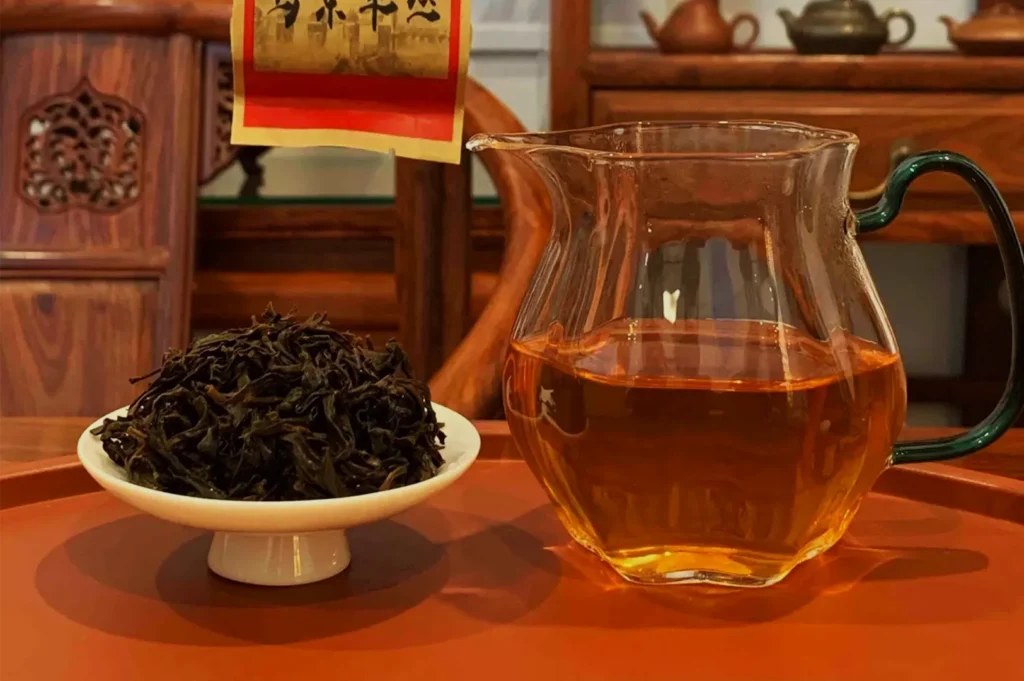
Phoenix Dan Cong tea is often called one of the most aromatic oolongs in Chinese tea.
That description is fair, but it can also make the tea sound easier than it is. Phoenix Dan Cong, also known as Fenghuang Dancong, is not only fragrant. It can be honeyed, floral, fruity, mineral, sharp, soft, or surprisingly intense. A good cup may feel graceful. A careless brew may turn bitter before the drinker understands what went wrong.
Phoenix Dan Cong tea rewards attention because it is expressive, but not always forgiving.
At Tea Room by Ki-setsu, our approach to chinese tea Singapore begins with this kind of patience: understanding the leaf before rushing to describe it.
What Is Phoenix Dan Cong Tea?
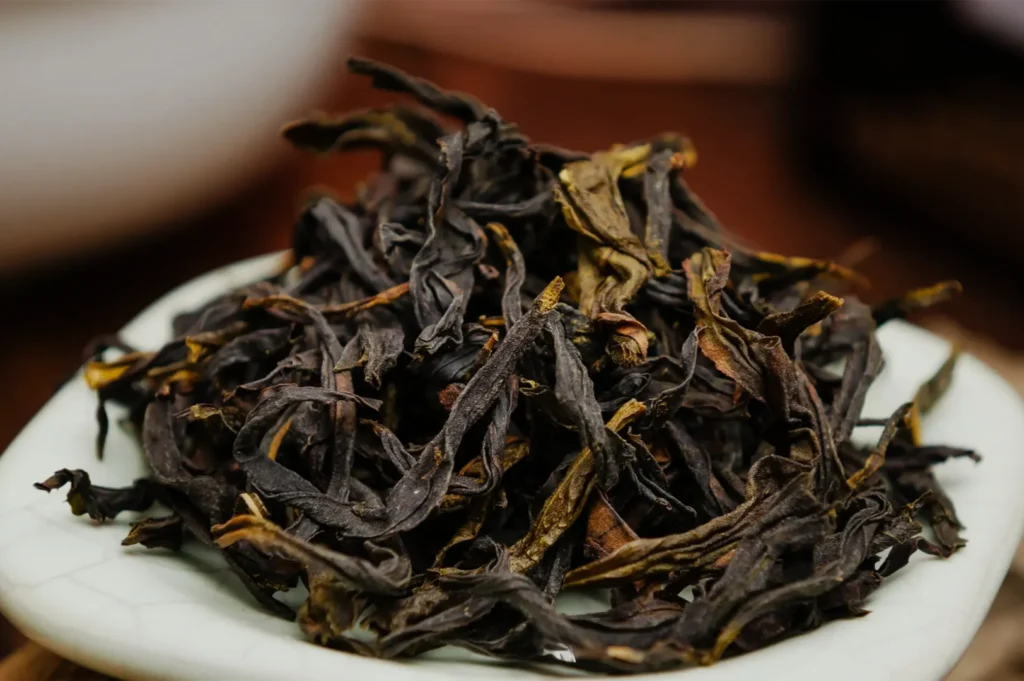
Phoenix Dan Cong is an oolong tea from the Fenghuang, or Phoenix, mountain area of Chaozhou in Guangdong, China.
The European Union’s GIview record for Fenghuang Dan Cong lists it as a protected geographical indication product from China under the tea category. This matters because Phoenix Dan Cong is not a generic aromatic oolong. Its name is tied to place, craft, and a long tea-making tradition.
“Dan Cong” is often translated as single bush or single clump. Traditionally, this points to the practice of selecting and processing leaves from individual tea trees or specific cultivars known for distinctive aroma.
What Does Phoenix Dan Cong Taste Like?
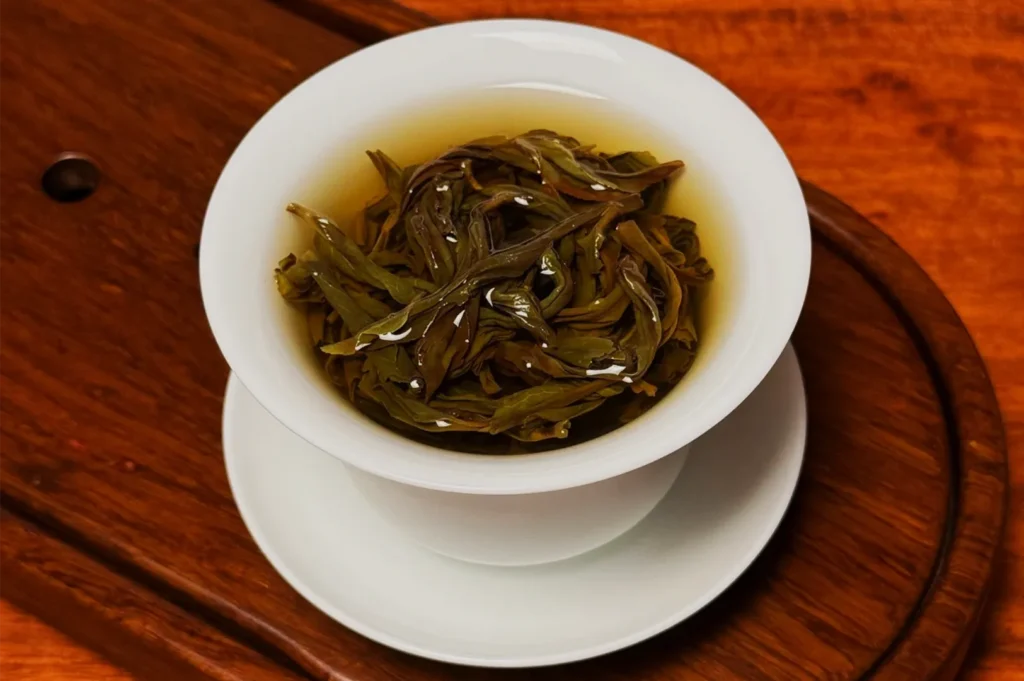
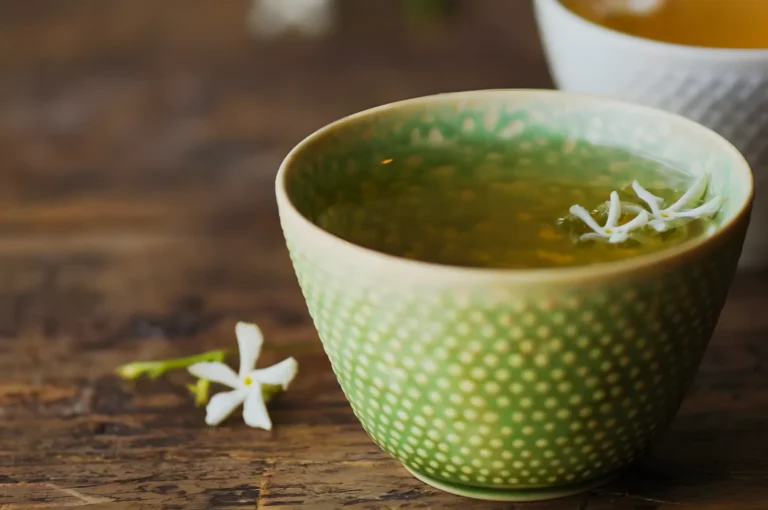
Phoenix Dan Cong can taste like honey, orchid, fruit, gardenia, almond, ginger flower, citrus, or warm minerals, depending on the type.
A Scientific Reports study on aromatic components in Phoenix Dan Cong tea notes that different aromatic components give different tea flavours, and that aroma types are central to understanding Phoenix Dan Cong.
This explains why the tea can feel so vivid. Its fragrance is not added. It comes from cultivar, leaf chemistry, processing, and careful brewing.
The best Phoenix Dan Cong does not smell perfumed. It smells alive.
Famous Phoenix Dan Cong Aroma Types
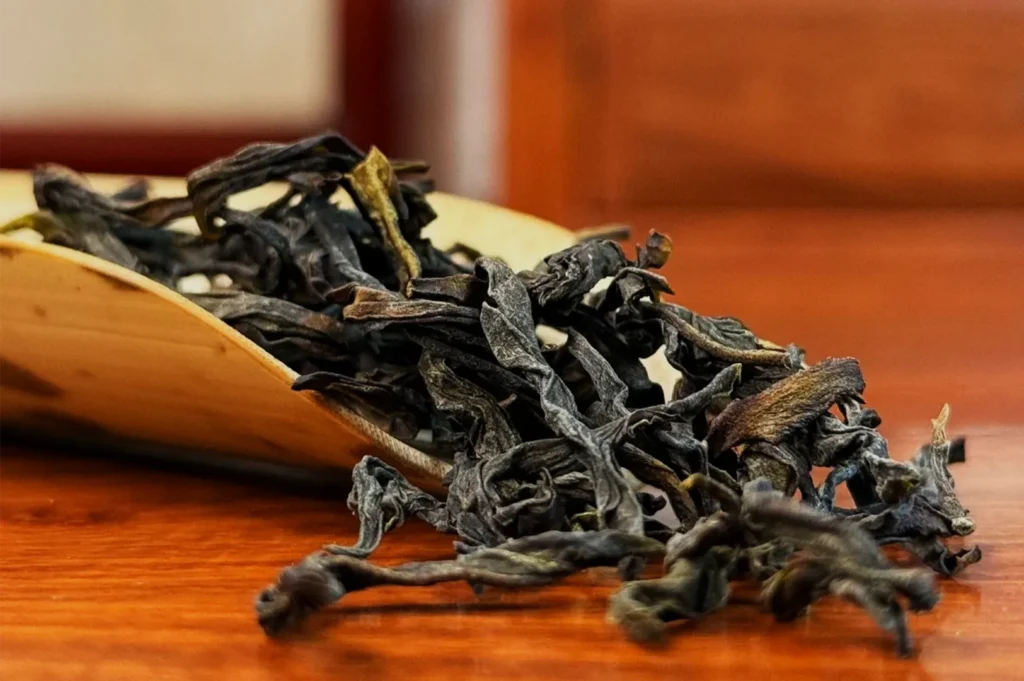
Phoenix Dan Cong is often grouped by aroma type.
Some common names include Mi Lan Xiang, or Honey Orchid aroma; Ya Shi Xiang, often translated as Duck Shit aroma; Huang Zhi Xiang, or Gardenia aroma; Zhi Lan Xiang, or Orchid aroma; and Xing Ren Xiang, or Almond aroma.
These names can sound poetic, strange, or even comic. But they serve a purpose. They help drinkers understand the tea through fragrance.
A ScienceDirect study on key aroma differences in Fenghuang Dancong teas examined Yashi, Huangzhi, and Milan aroma types, showing how different samples produced distinct aromatic impressions.
Why Phoenix Dan Cong Can Be Difficult
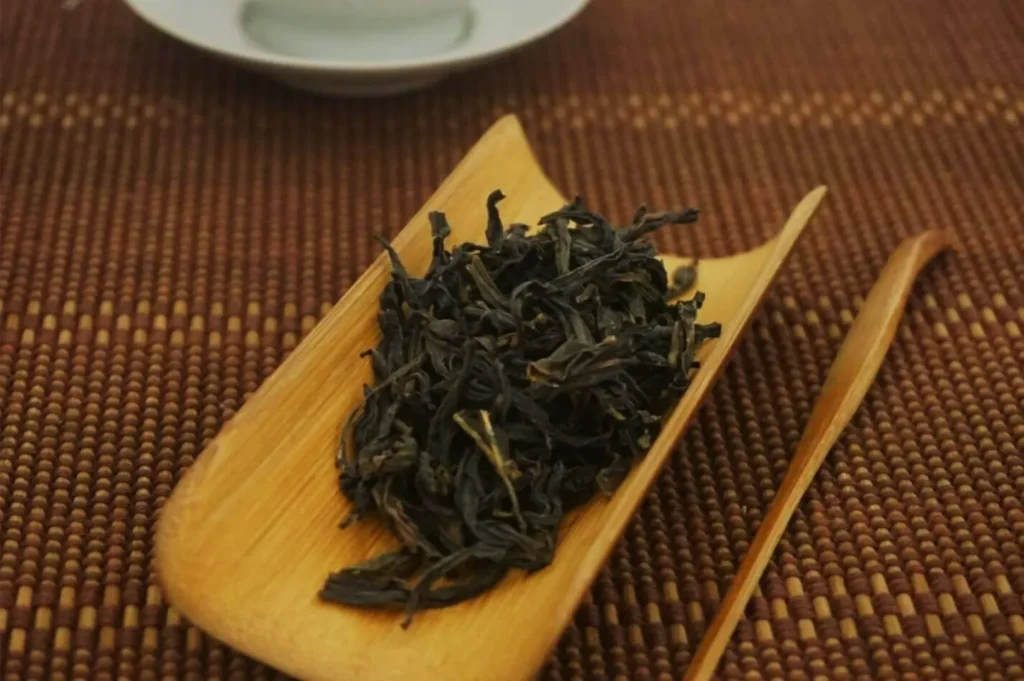
Phoenix Dan Cong is famous for aroma, but it can become bitter if handled carelessly.
This is especially true when too much leaf, boiling water, and long steeping are combined without attention. Unlike some softer oolongs, Dan Cong can turn quickly. Its fragrance may be beautiful, but its structure needs respect.
This does not make the tea unsuitable for beginners. It simply means beginners should start gently and taste slowly.
At Tea Room by Ki-setsu, we see Phoenix Dan Cong as a tea that teaches listening. It reminds us that aroma alone is not enough. The body, bitterness, sweetness, and finish must also be understood.
How to Brew Phoenix Dan Cong Tea
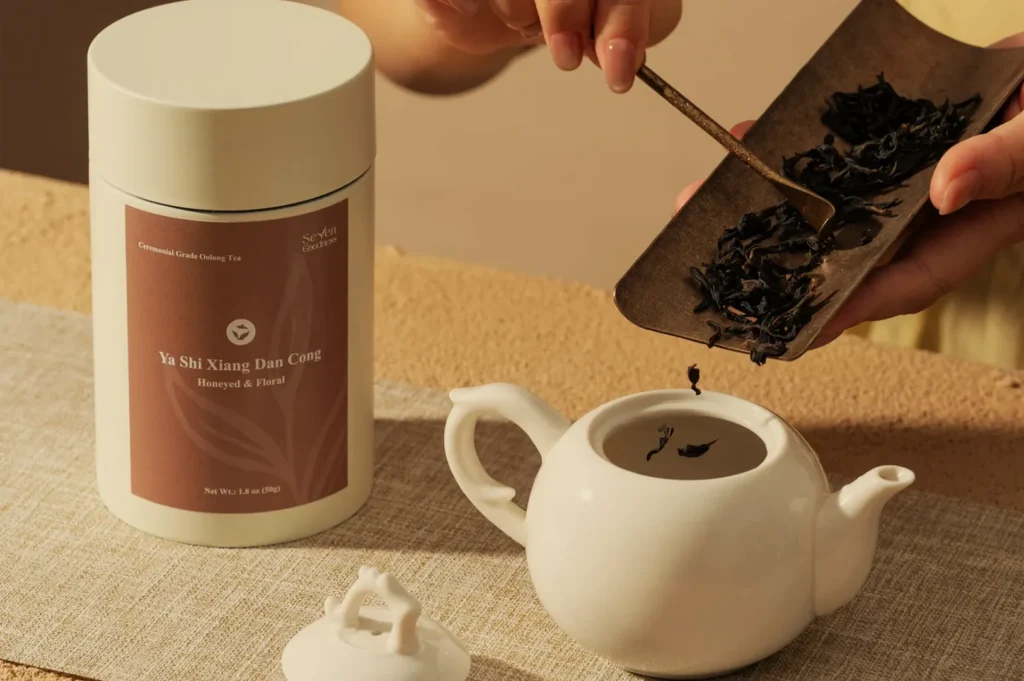
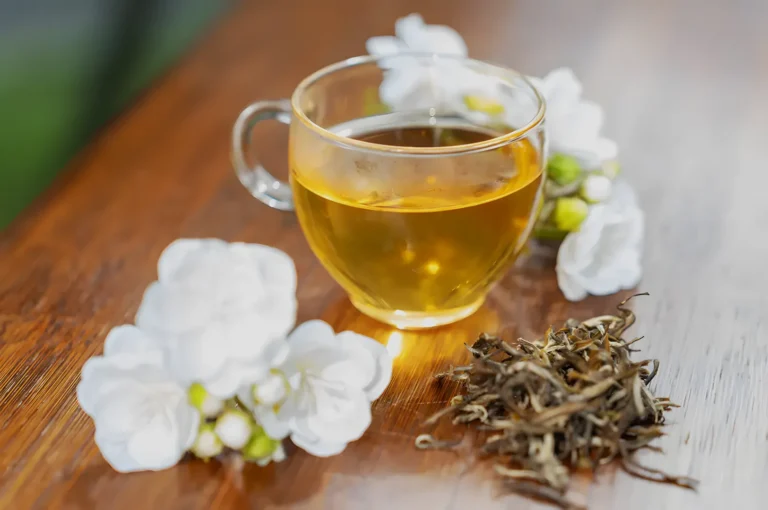
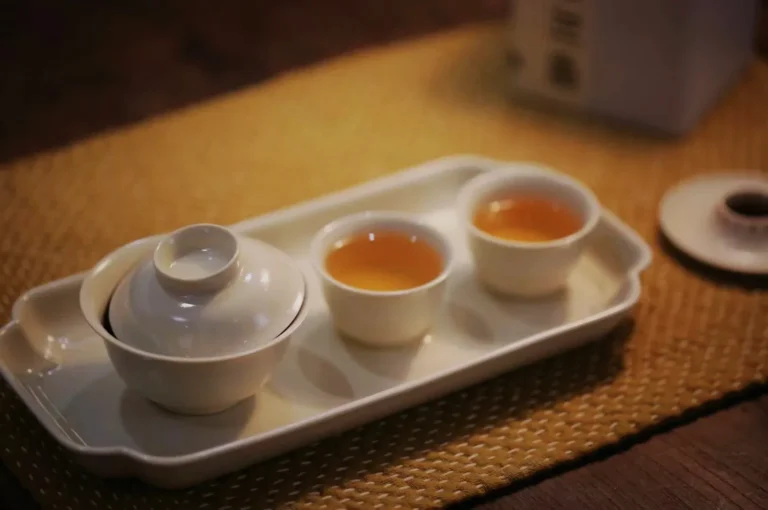
Phoenix Dan Cong is often brewed gongfu-style with a gaiwan or small teapot.
Use enough leaf for aroma, but avoid pushing the tea too hard. Short infusions are usually better than long ones. Hot water can help open the leaf, but timing matters.
A simple beginner approach is to use a small vessel, quick infusions, and careful tasting. If the cup becomes too sharp, shorten the steep or reduce the leaf. If it feels thin, increase slightly next time.
Phoenix Dan Cong should be opened, not forced.
The first infusion may bring fragrance. The second may show texture. Later cups may reveal sweetness, mineral structure, or a long aromatic finish.
Does Phoenix Dan Cong Have Caffeine?
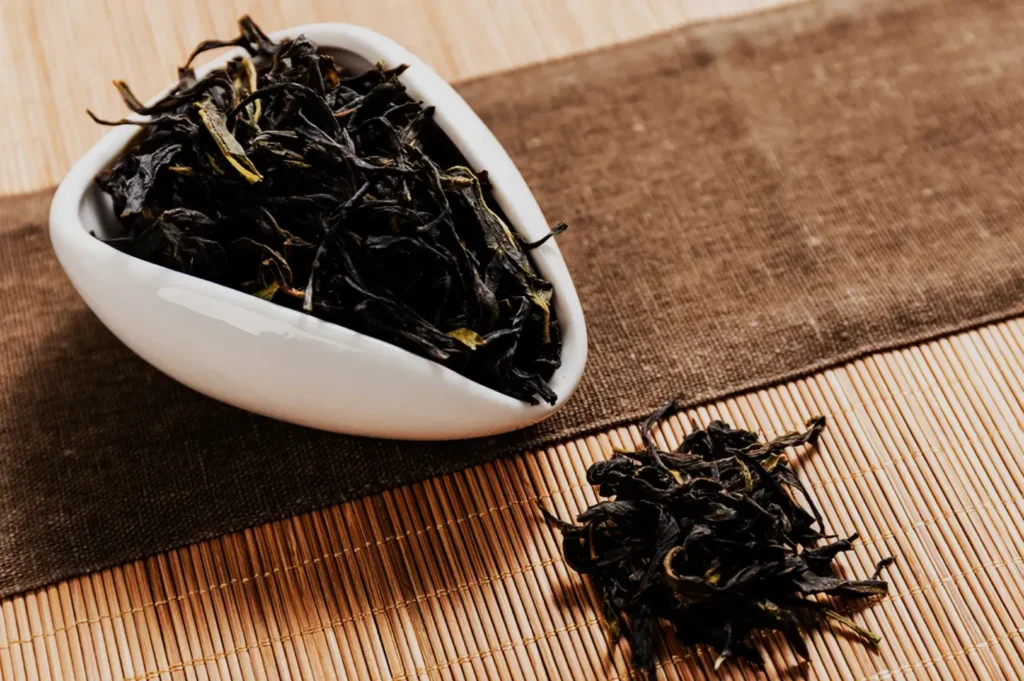
Yes. Phoenix Dan Cong contains caffeine because it is made from Camellia sinensis.
The amount depends on leaf quantity, water temperature, infusion time, and number of steeps. A concentrated gongfu session can feel more active than the tea’s fragrance suggests.
Those sensitive to caffeine should drink it earlier in the day and begin with lighter infusions.
Phoenix Dan Cong Benefits
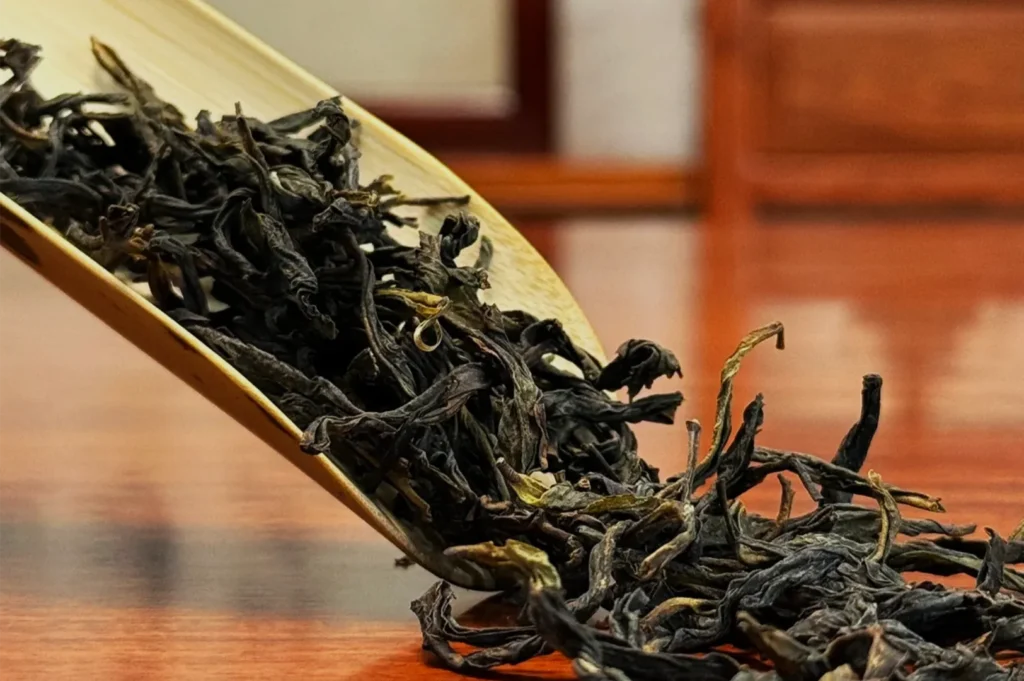
Phoenix Dan Cong is often discussed as an oolong tea with natural tea polyphenols and antioxidant potential.
Still, it should not be treated as medicine. Tea can support a thoughtful daily rhythm, but it does not replace sleep, food, movement, or medical care.
Its quieter benefit may be ritual. Phoenix Dan Cong asks the drinker to slow down, notice fragrance, manage timing, and return to the cup with care.
Final Thought
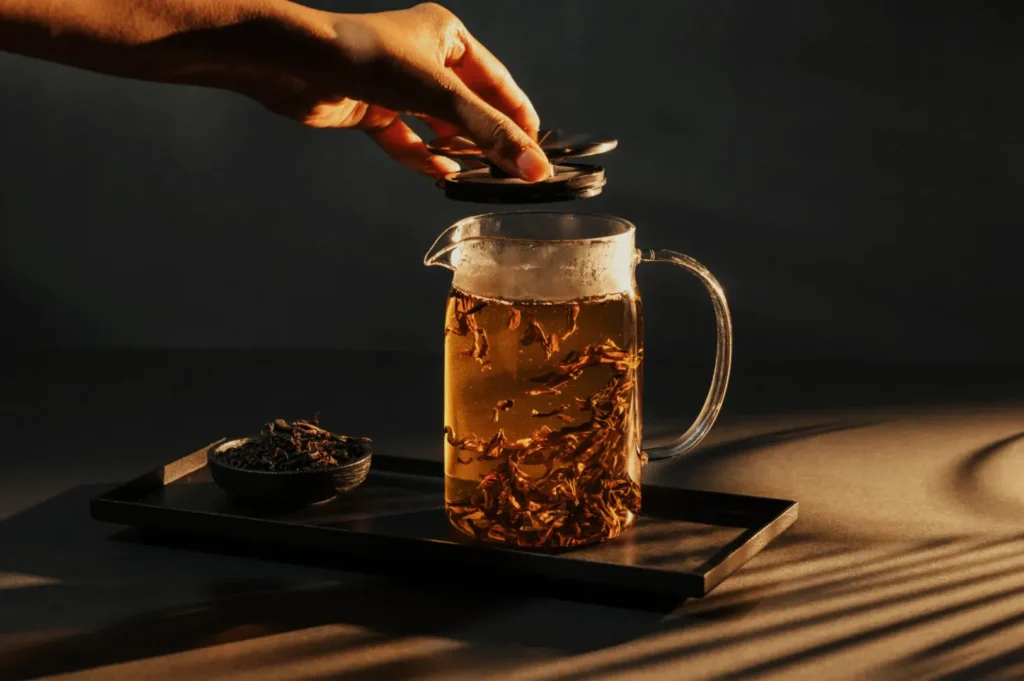
Phoenix Dan Cong tea is fragrant, but fragrance is only the beginning.
Its real beauty lies in the relationship between aroma, structure, origin, and restraint. It can be honeyed, floral, fruity, mineral, and bright, but it asks to be brewed with care.
For those exploring authentic Chinese tea, Phoenix Dan Cong offers a vivid lesson: the most aromatic tea is not always the easiest tea. Sometimes, that is exactly why it is worth understanding.