Jasmine tea and green tea are often placed side by side as though they are competing tea categories.
They are not.
Green tea is one of China’s six basic tea types.
Jasmine tea is a scented tea, often made from green tea.
One describes how the tea itself was processed. The other describes what happened to that tea afterwards.
Our guide to naturally scented Chinese floral tea explains the wider jasmine tradition.
Green Tea Comes First
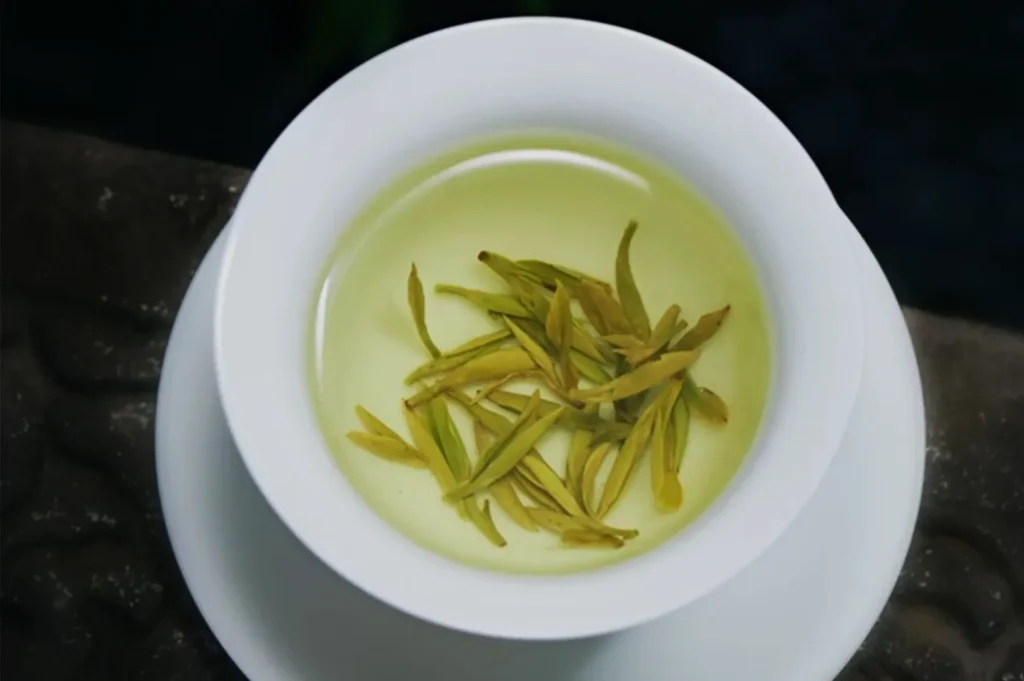
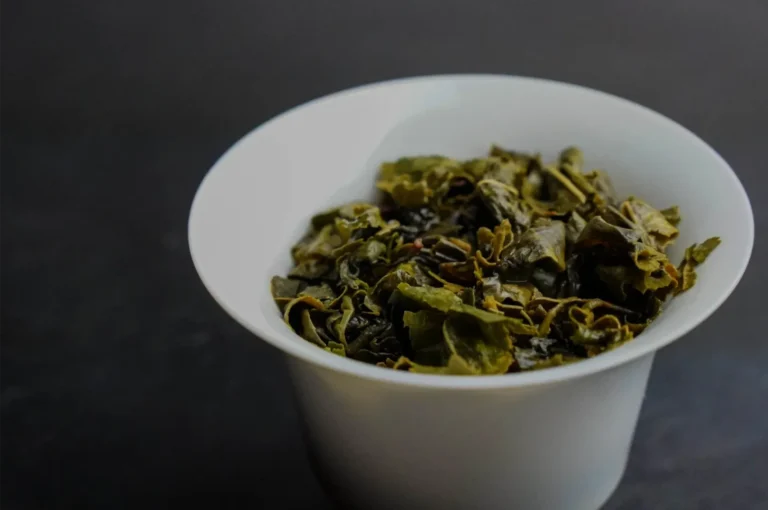
Green tea is processed to limit oxidation and preserve fresh qualities in the leaf.
China’s traditional tea system recognises green tea alongside yellow, white, oolong, black and dark teas. Flower-scented teas are treated as reprocessed teas.
So a jasmine green tea begins life as green tea.
Then comes scenting.
Jasmine Changes the Aroma
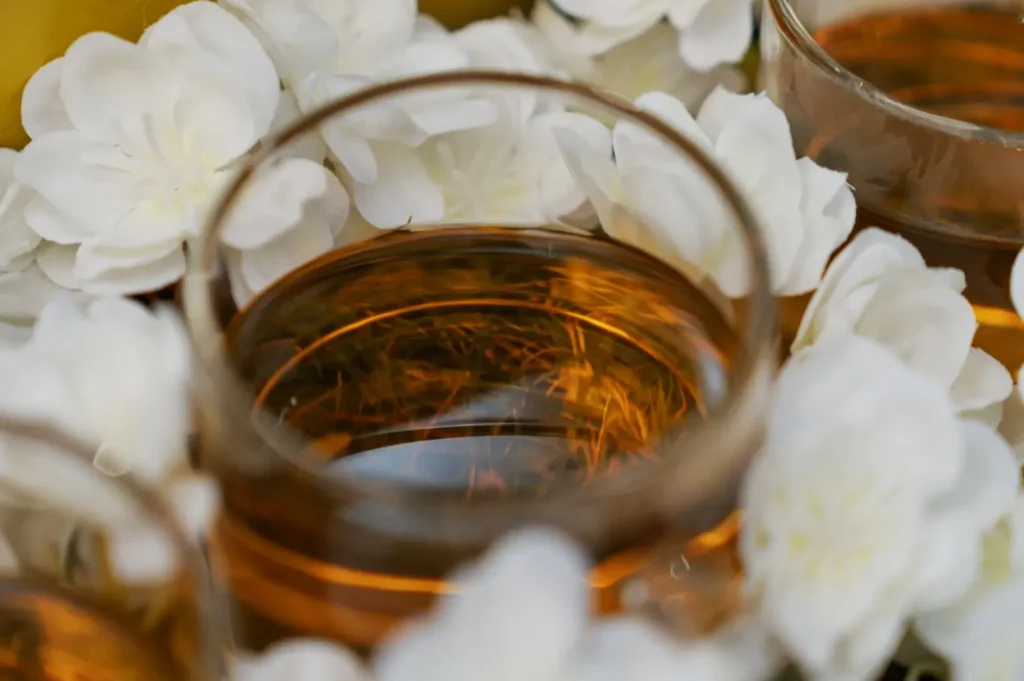
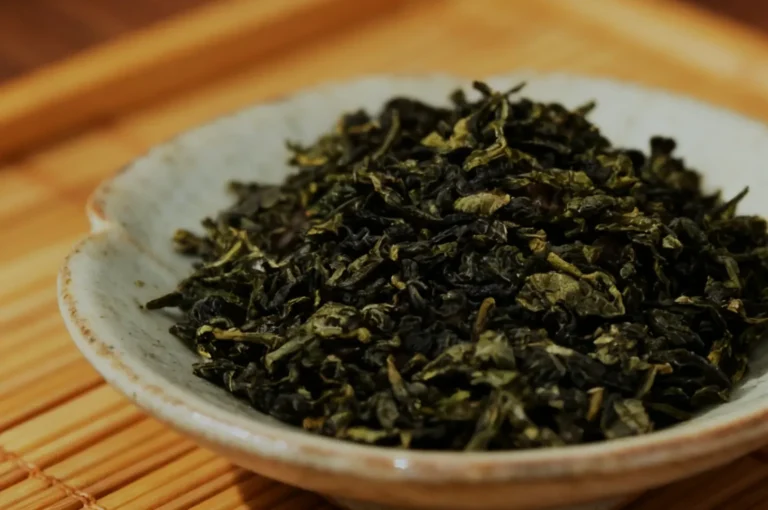
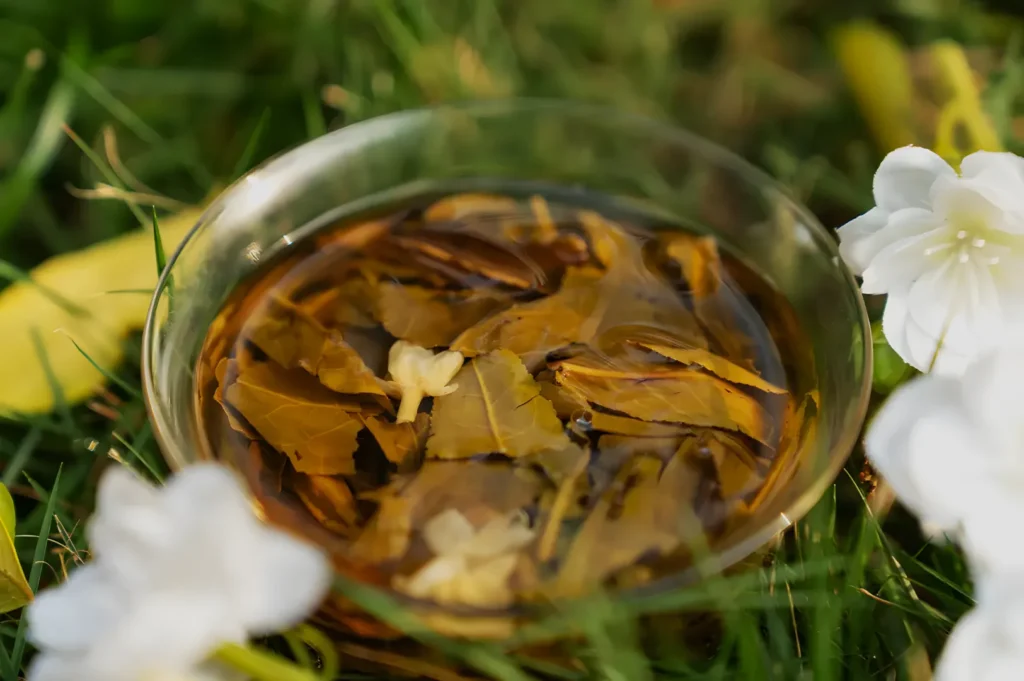
During scenting, tea absorbs volatile compounds released by fresh jasmine flowers.
A recent study found identifiable jasmine-derived aromatic compounds transferring into the tea and significant changes in the finished sensory profile.
That extra processing stage is the central difference.
Plain green tea expresses cultivar, terroir and green-tea craft directly.
Jasmine green tea adds a deliberate floral layer.
Do They Taste Different?
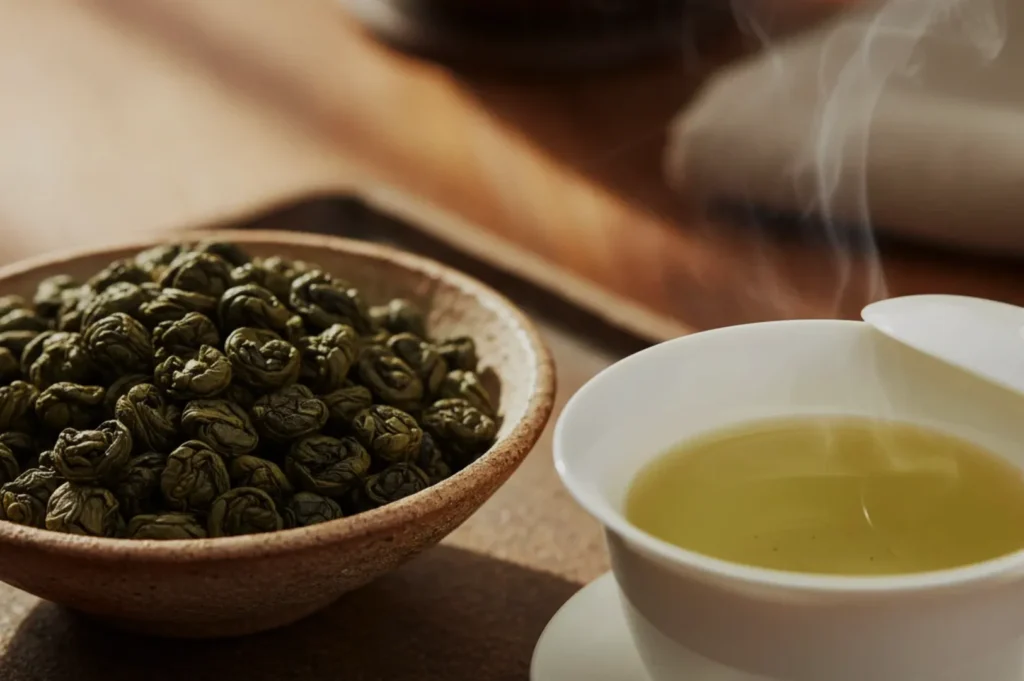
Usually, very much so.
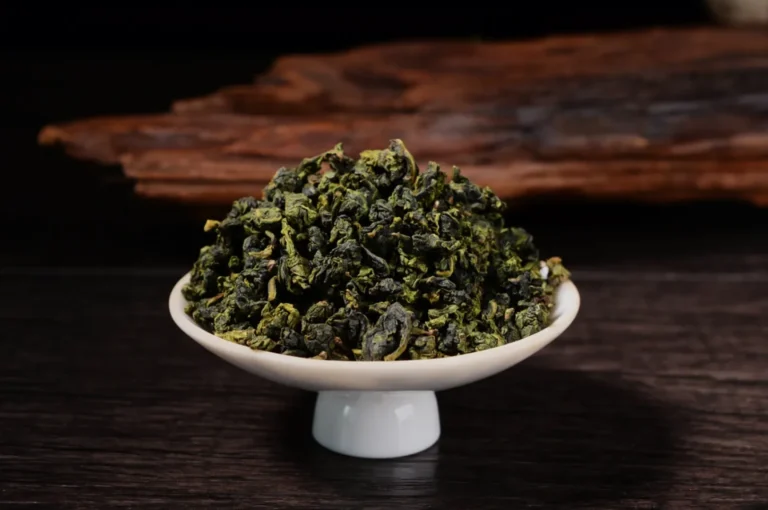
Green tea may suggest grass, beans, chestnut, seaweed, flowers or sweet vegetation depending on style.
Jasmine green tea adds an unmistakable floral dimension.
The better versions do not erase the green tea underneath.
Jasmine should transform the tea, not make the base irrelevant.
What About Caffeine and Polyphenols?
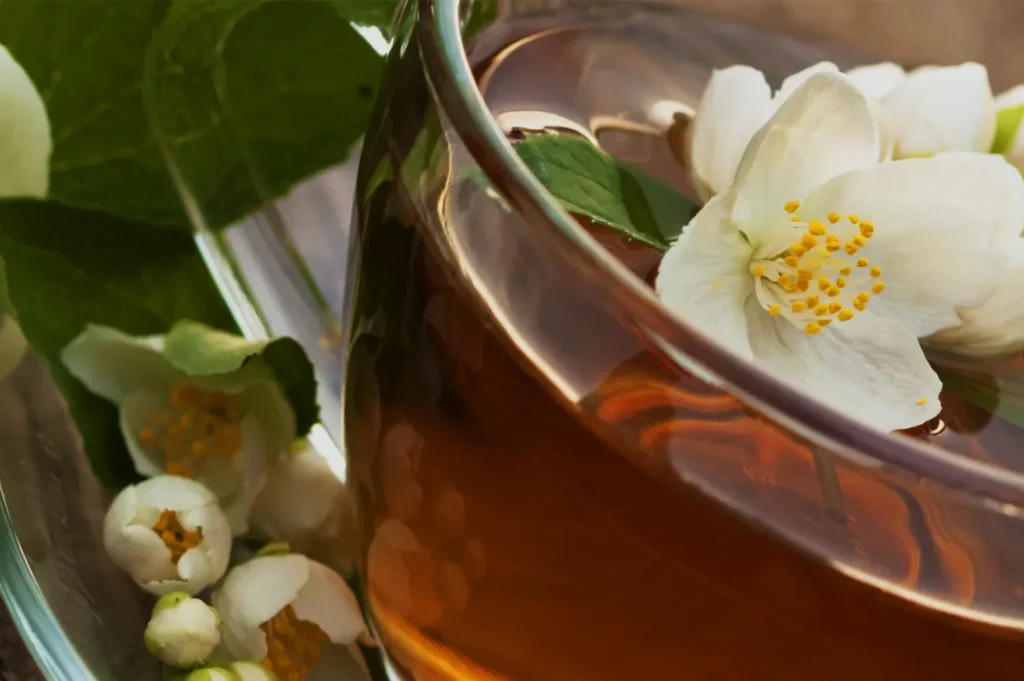
Both contain compounds from Camellia sinensis.
Jasmine green tea does not stop being green tea chemically simply because it has absorbed flower aroma.
Scenting can alter aspects of the finished composition and sensory character, but both drinks remain caffeinated true teas.
Research comparing jasmine tea before and after scenting has observed changes in tea polyphenols, catechins, amino acids, sugars and volatile compounds.
Which Should You Choose?
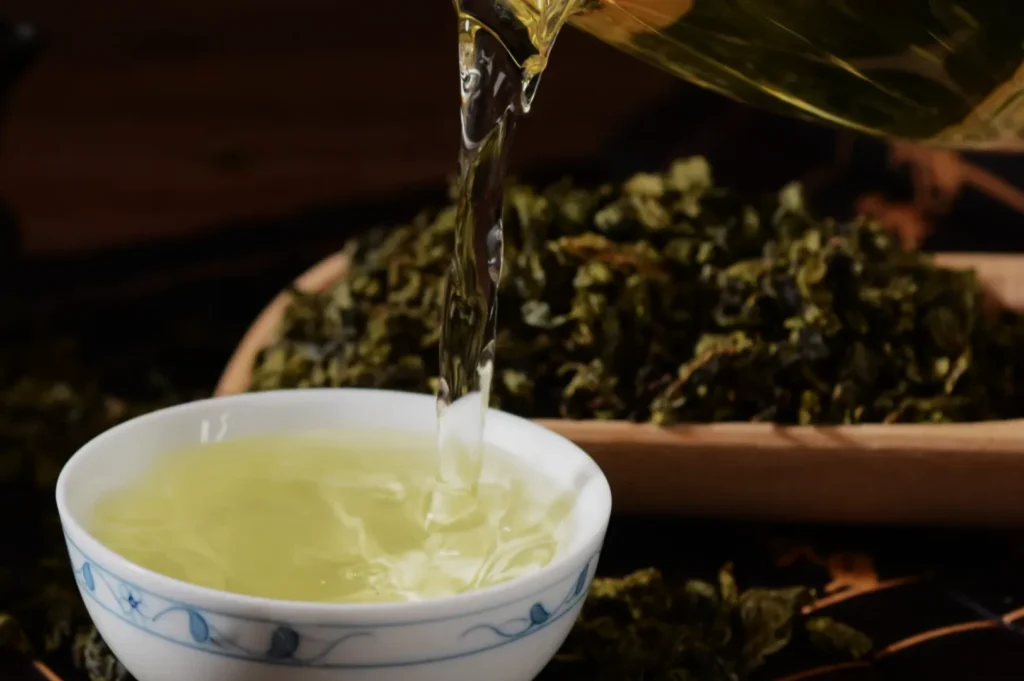
Choose plain green tea when you want the leaf itself to be the clearest voice.
Choose jasmine green tea when you want green-tea structure with a floral aromatic layer.
Neither is inherently more refined.
Quality depends on the starting tea, processing, storage and brewing.
At Tea Room by Ki-setsu, our premium Chinese tea philosophy begins with exactly this distinction. Labels help us organise tea. They should never replace tasting.
Final Thought
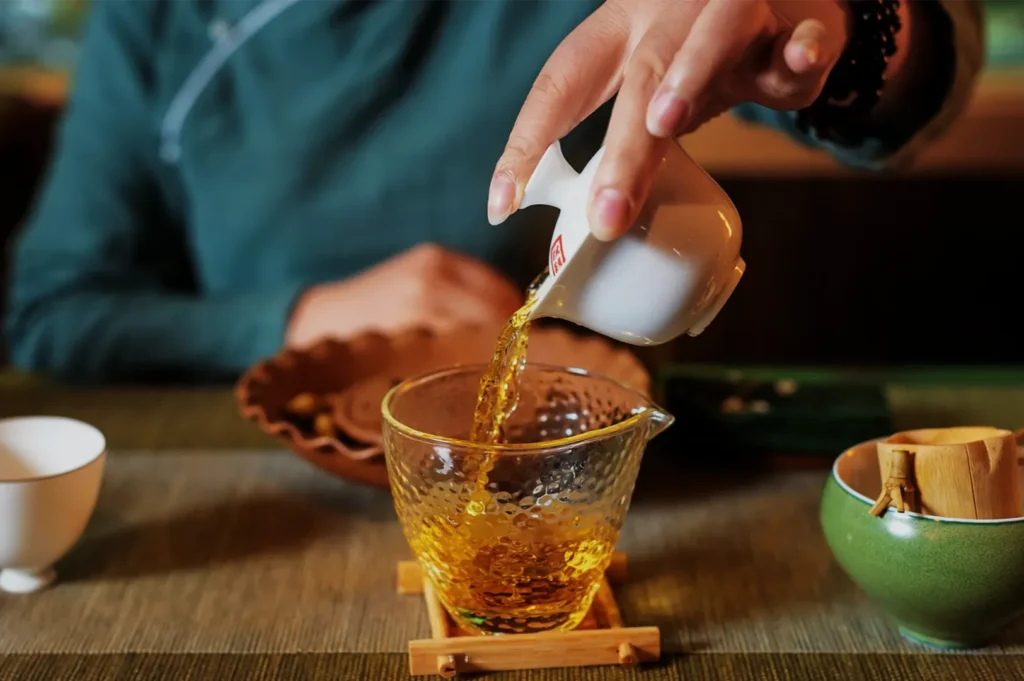
Jasmine tea vs green tea becomes simple once we separate category from scenting.
Green tea can exist without jasmine.
Jasmine green tea cannot exist without a tea base.
The jasmine is a second act. The green tea was already there before the flowers entered the room.