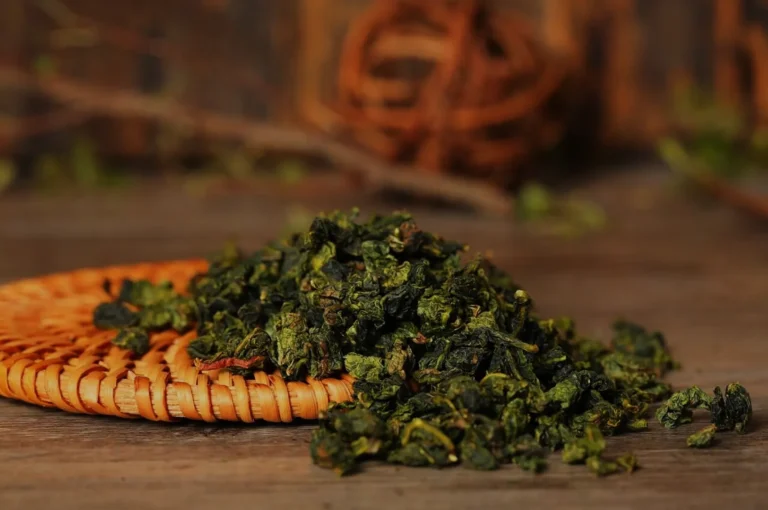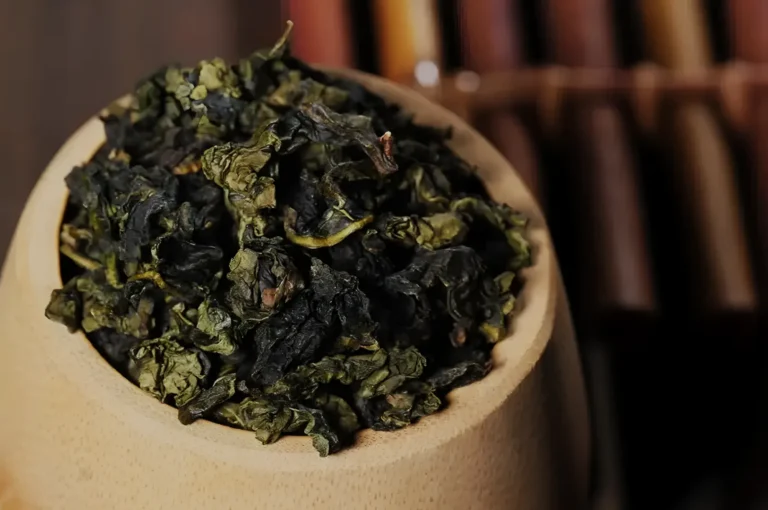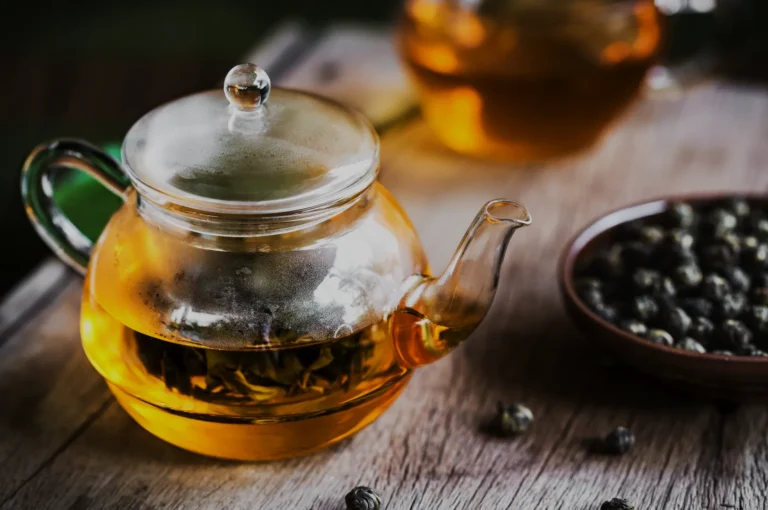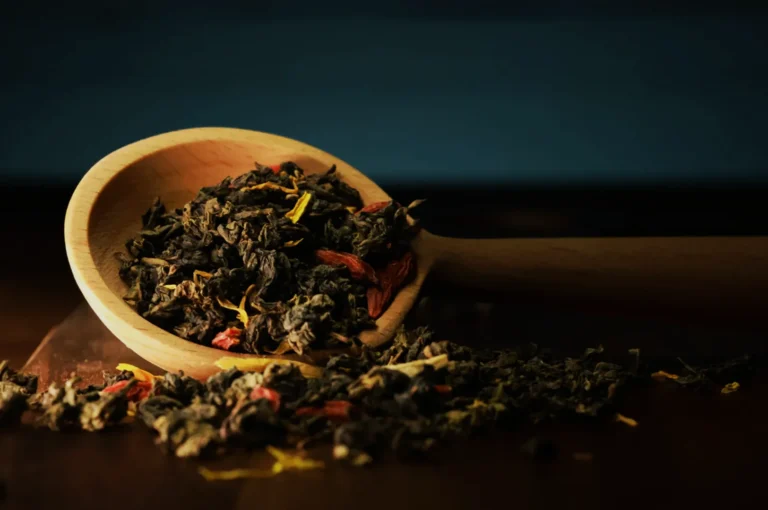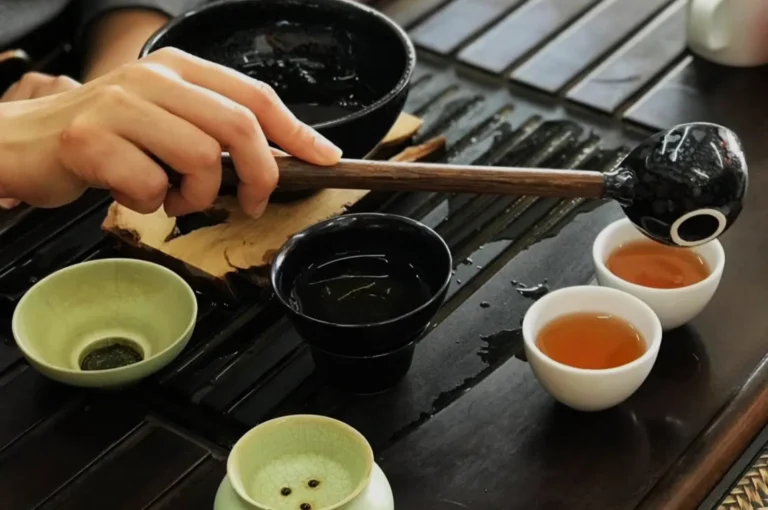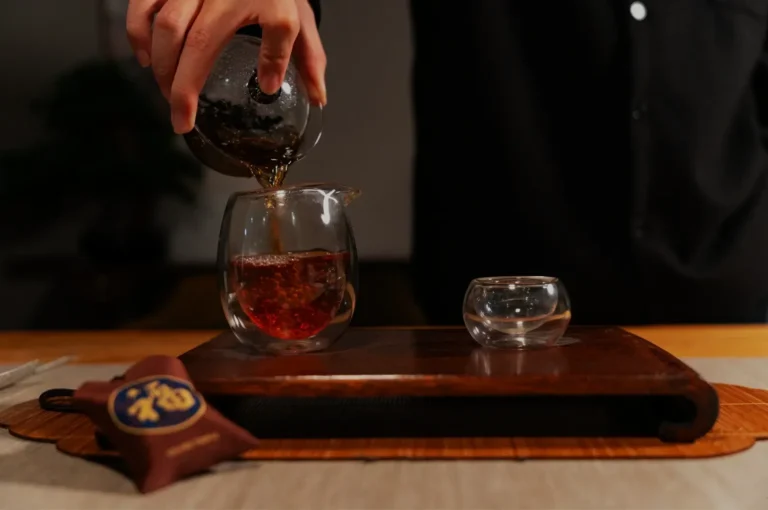
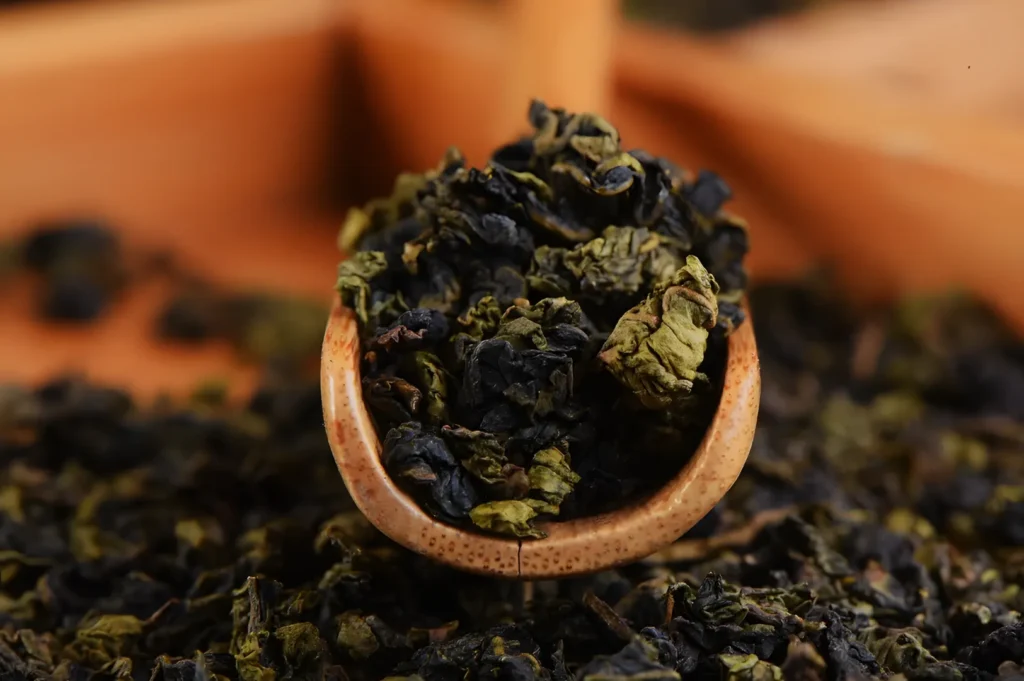
Tie Guan Yin tea has two common faces.
One is light, floral, green, and lifted. The other is roasted, warm, deeper, and more settled.
Both can be beautiful. Both can be Tie Guan Yin. But they do not create the same mood in the cup.
This is where many beginners become confused. They try one Tie Guan Yin and assume they know the tea. Then a second version arrives, and it feels almost like another category.
Light and roasted Tie Guan Yin are not competing identities. They are different expressions of the same oolong.
For readers who want the wider foundation, we have written a guide on Tie Guan Yin. This article focuses on the difference between light and roasted Tie Guan Yin, and how to choose the right one.
What Is Light Tie Guan Yin?
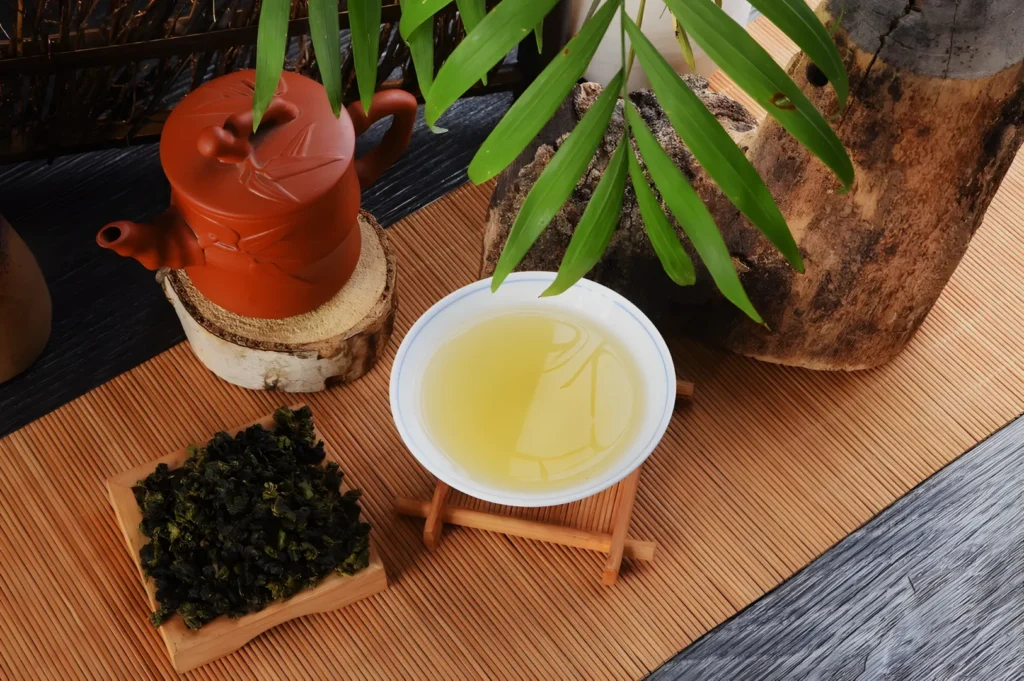
Light Tie Guan Yin is often modern, greener, and more floral in style.
It usually carries a bright aroma. Orchid is the common description, though the cup may also suggest fresh leaves, soft cream, spring flowers, or a light sweetness. The liquor is often pale gold or green-gold.
This style appeals to drinkers who want elegance and fragrance.
The tea feels lifted rather than grounded. It opens quickly in the nose and usually suits shorter, careful infusions. Water that is too hot or steeping that is too long can flatten its fragrance or bring sharpness forward.
Light Tie Guan Yin asks to be protected. Its beauty is in lift and clarity.
What Is Roasted Tie Guan Yin?
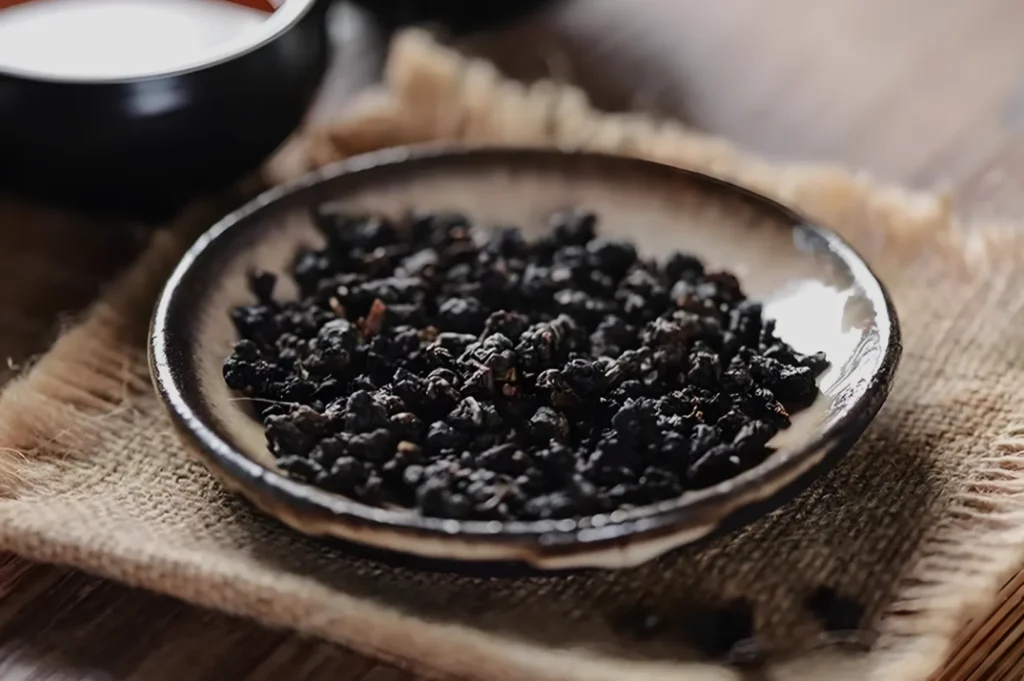
Roasted Tie Guan Yin moves in a warmer direction.
The roast may bring notes of toasted grain, nuts, honey, dried fruit, caramel, or warm wood. The liquor is usually darker. The texture may feel rounder. The finish may feel longer and more comforting.
Research on Tieguanyin after roasting notes that roasting can weaken bitterness and astringency while enhancing sweet aftertaste. This helps explain why roasted Tie Guan Yin can feel more mellow when handled well.
But roast should not become a disguise.
If the tea tastes burnt, flat, or dry, the roast has taken too much. A good roast should deepen the tea, not bury it.
How Baking Changes the Tea
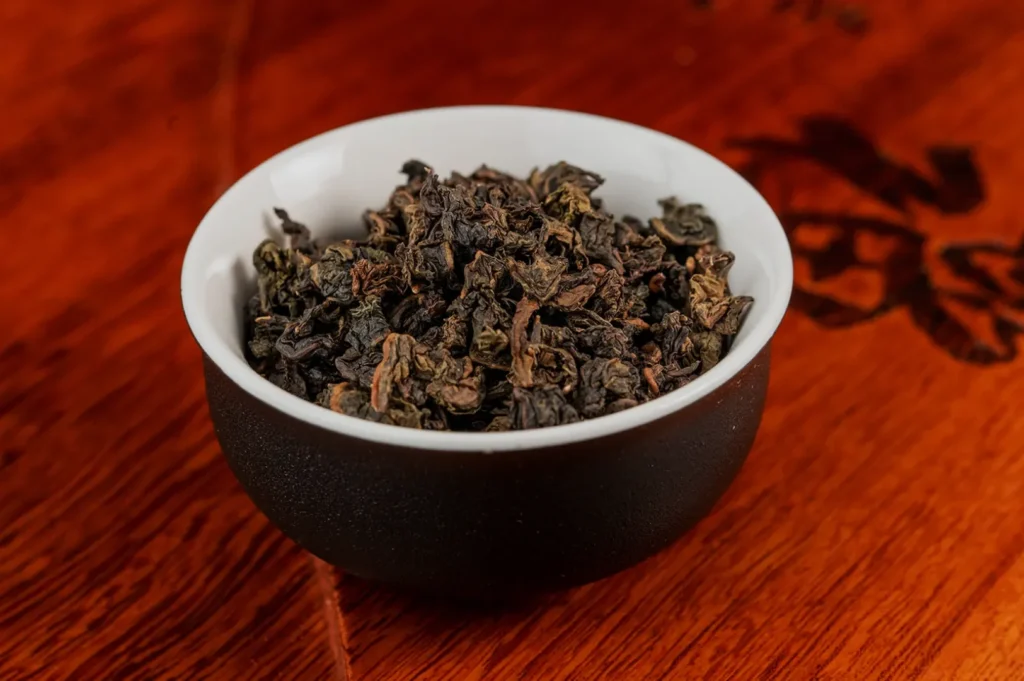
Roasting is not only a flavour choice. It changes the tea’s chemistry and sensory profile.
A PubMed Central study on the baking process in Tieguanyin oolong tea categorises Tieguanyin into jade, medium-baked, and deep-baked types based on baking process, showing how baking changes chemical composition and sensory quality.
In simpler terms, roasting adjusts the tea’s body, aroma, sweetness, and finish.
A lightly baked tea may still feel floral. A medium roast may balance flowers with warmth. A deeper roast may shift toward grain, nuts, and a more grounded aftertaste.
This is why Tie Guan Yin should not be judged by colour alone.
Which Style Tastes More Traditional?
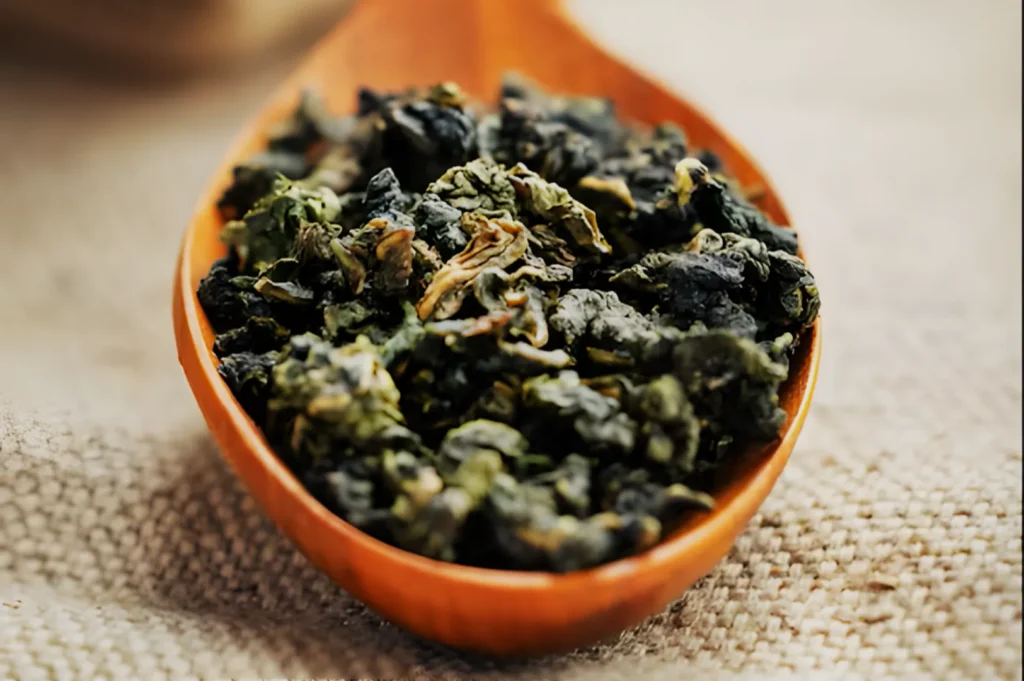
This question is delicate.
Many modern drinkers know Tie Guan Yin through the greener, floral style. It is fragrant, attractive, and easy to understand on first impression.
Traditional roasted Tie Guan Yin, however, has deeper roots in older oolong appreciation. It tends to be less immediately flashy, but more settled in the body.
That does not mean one is automatically more authentic than the other. Tea culture changes. Taste changes. Markets change.
At Tea Room by Ki-setsu, we prefer to ask whether the tea is well made, balanced, and honest in the cup.
Tradition matters, but quality is not proven by darkness alone.
Which One Should Beginners Choose?
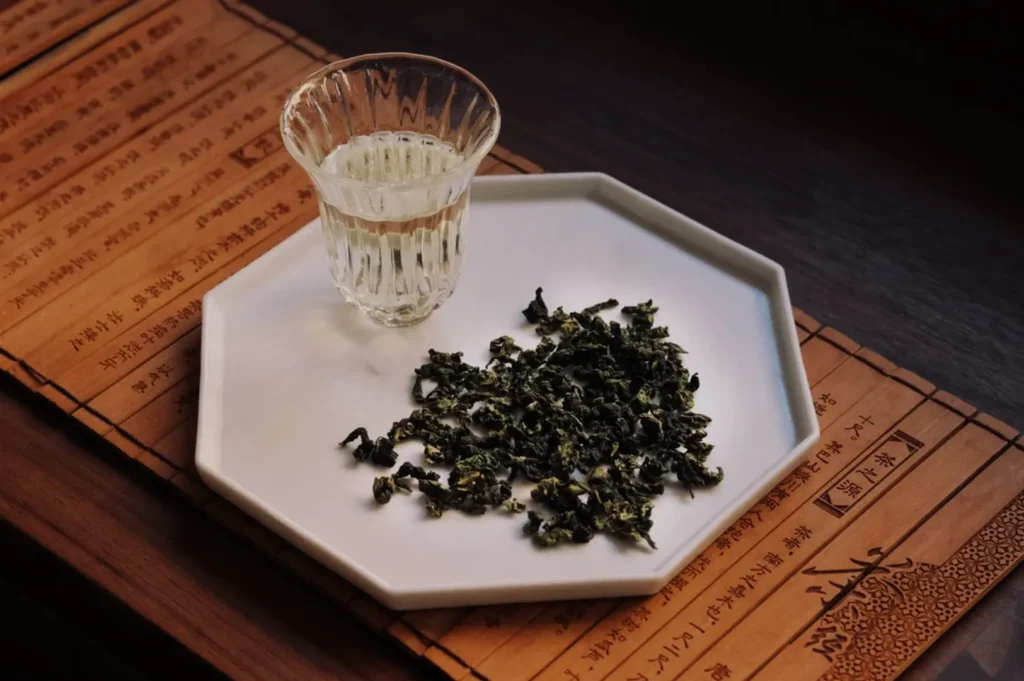
Choose light Tie Guan Yin if you enjoy floral aroma, smoothness, and freshness. It is often a good first oolong for drinkers coming from green tea or jasmine tea.
Choose roasted Tie Guan Yin if you enjoy warmth, toasted notes, and a calmer finish after food. It may suit drinkers who enjoy roasted oolong, black tea, or tea with more body.
If you are unsure, taste both.
The contrast teaches more than description alone. Light Tie Guan Yin shows fragrance. Roasted Tie Guan Yin shows depth. Together, they reveal the range of Iron Goddess oolong.
Brewing Light vs Roasted Tie Guan Yin
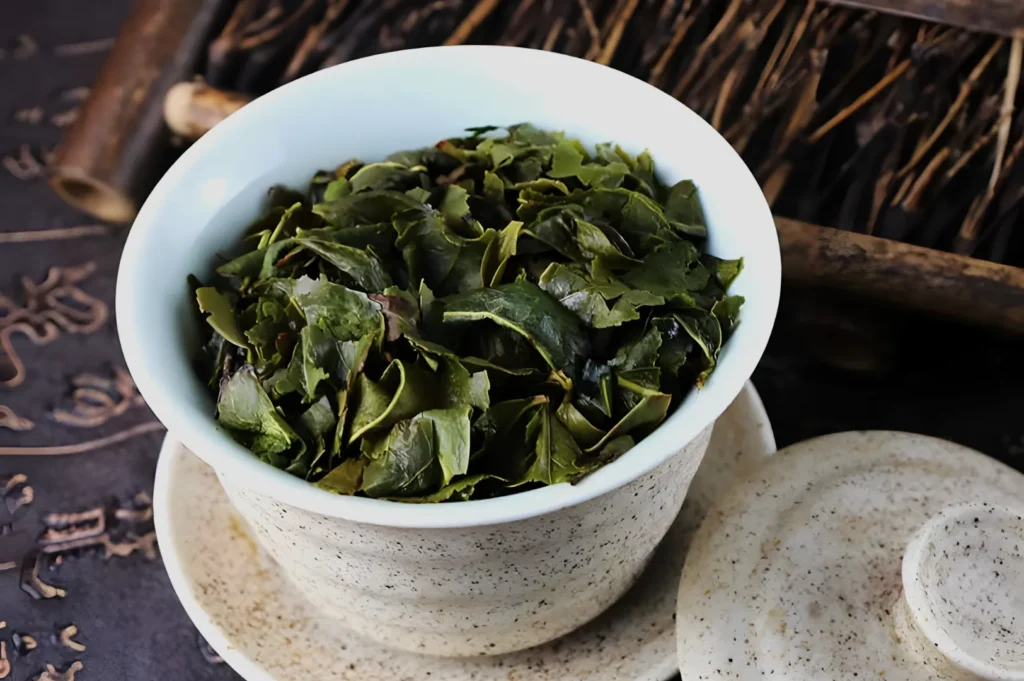
Light Tie Guan Yin usually benefits from gentler water and shorter infusions. This protects its aroma and keeps the cup from becoming too sharp.
Roasted Tie Guan Yin can usually handle hotter water. It often needs more heat to open the roast, body, and sweetness.
A recent study on classifying roasting levels in Tieguanyin reflects how important roasting level is to quality identification and sensory evaluation. In daily drinking, the same point holds: roast changes how the tea should be brewed.
Do not force both styles into one method.
When to Drink Each Style
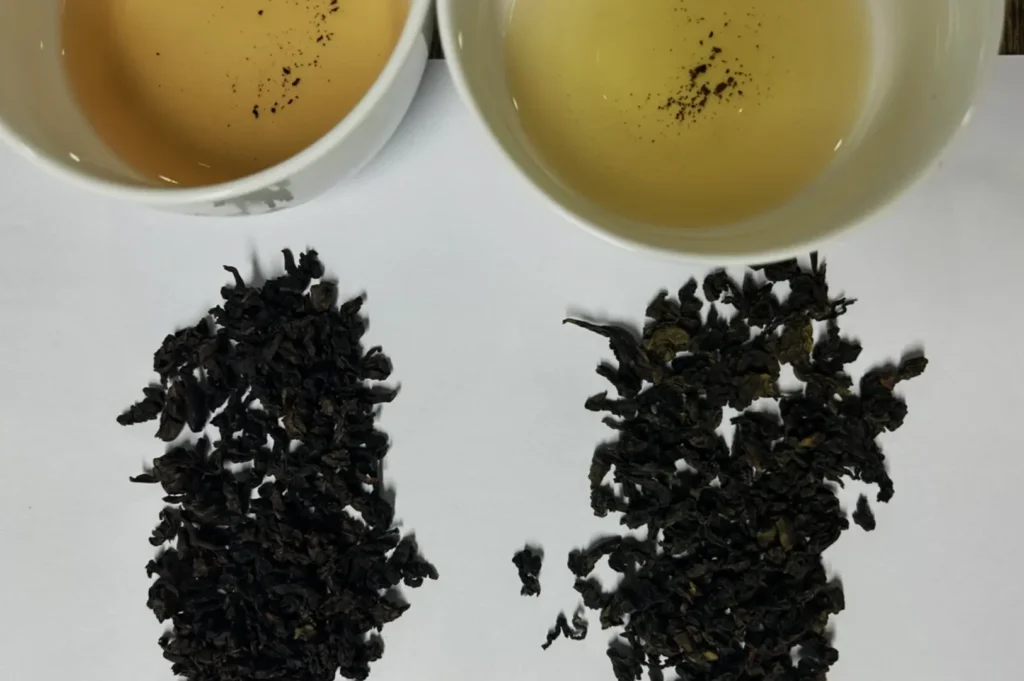
Light Tie Guan Yin suits quiet afternoons, warm weather, and moments when you want fragrance without heaviness.
Roasted Tie Guan Yin suits after meals, rainy evenings, or times when the body wants something more grounded.
One lifts. One settles.
Neither is better. The better tea is the one that meets the moment honestly.
Final Thought
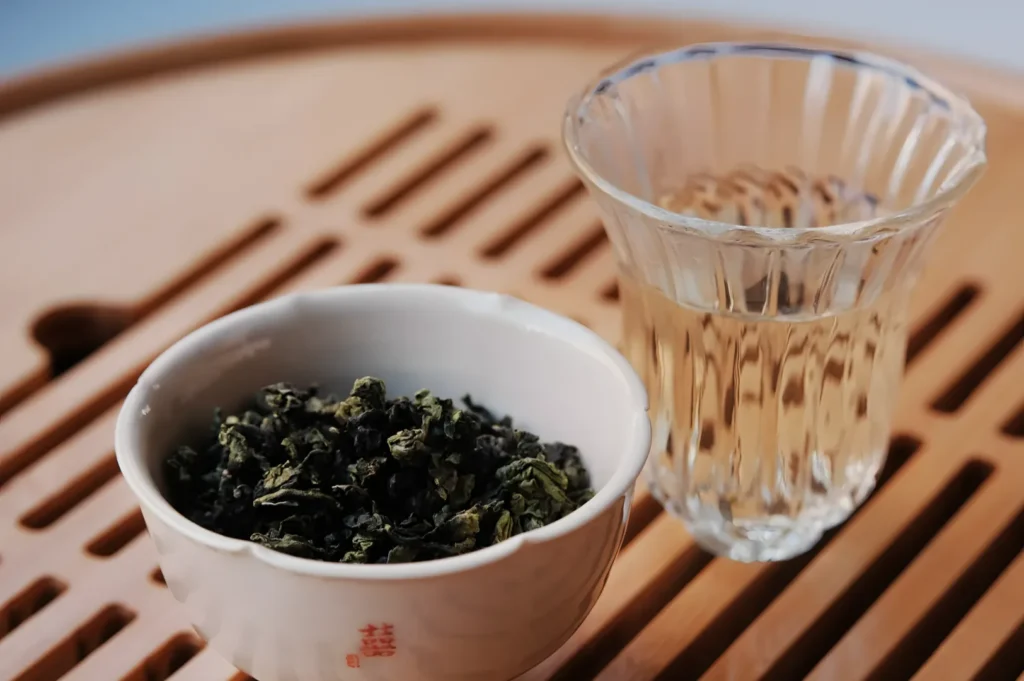
Light vs roasted Tie Guan Yin is not a contest.
Light Tie Guan Yin is floral, bright, and graceful. Roasted Tie Guan Yin is warm, rounded, and deeper. One moves upward. The other moves inward.
The real pleasure is learning how one tea can hold both freshness and fire.
For those exploring Tie Guan Yin for the first time, tasting the two styles side by side is one of the clearest ways to understand why Iron Goddess oolong remains so beloved.