Antioxidants are often spoken about as if the word explains everything.
It does not.
In tea writing, “rich in antioxidants” has become one of those phrases that appears so often it begins to lose shape. It sounds healthy. It sounds reassuring. But for a thoughtful tea drinker, it is worth asking a quieter question: what are these antioxidants, and what do they actually do?
Longjing, also known as Dragon Well tea, is a Chinese green tea. Like other true teas from Camellia sinensis, it contains natural plant compounds, including polyphenols and catechins. These compounds are part of why green tea is so often discussed in relation to wellness.
But Longjing should not be reduced to a health claim. It is still tea first.
For readers who want the broader picture, we have written about the wider health properties of Long Jing tea. This article looks more closely at antioxidants, EGCG, catechins, and why the science should be understood with balance.
What Are Antioxidants?
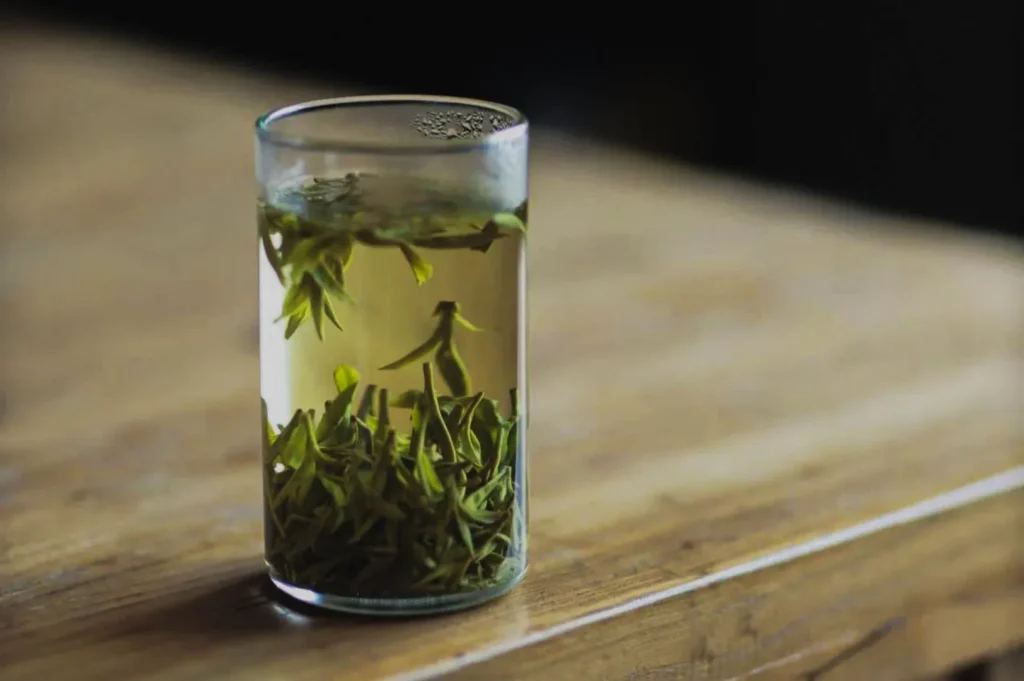
Antioxidants are compounds that help the body manage oxidative stress.
Oxidative stress happens when there is an imbalance between free radicals and the body’s ability to neutralise them. Free radicals are unstable molecules that can form naturally in the body, but also through exposure to pollution, smoking, stress, poor diet, and other environmental pressures.
This does not mean antioxidants are magic. The body is not a simple machine where one cup of tea solves everything. Still, antioxidant-rich foods and drinks can be part of a wider pattern of care.
The Harvard T.H. Chan School of Public Health’s Nutrition Source notes that traditional teas are rich in polyphenols, and that green tea contains catechins, with EGCG as a main form.
That is where Longjing becomes interesting.
What Are Catechins?
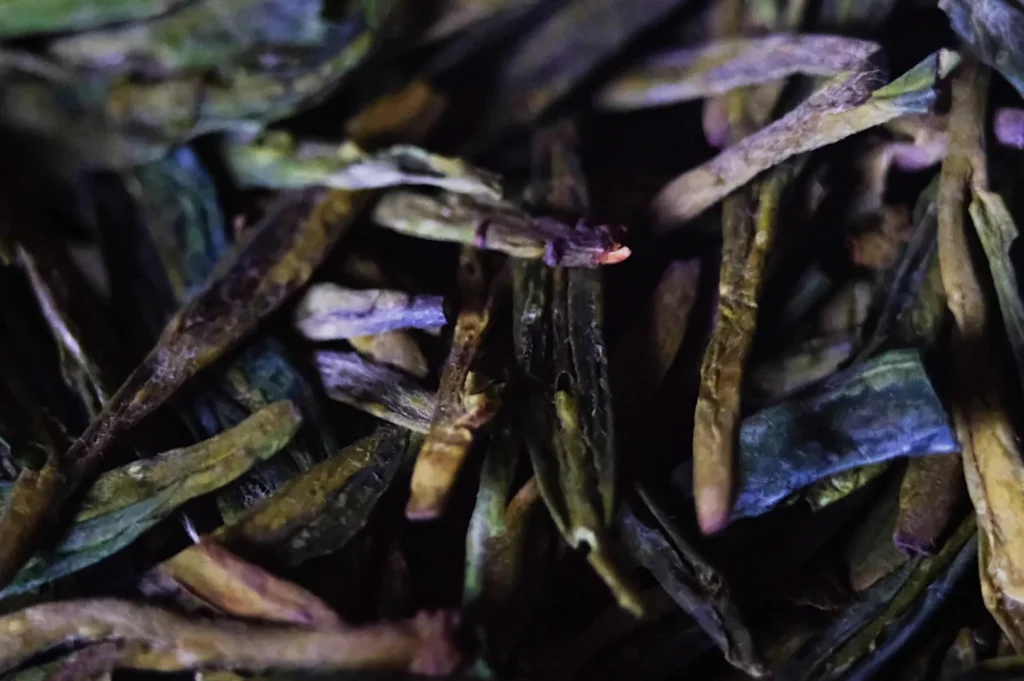
Catechins are a type of polyphenol found especially in green tea.
They contribute to tea’s taste, structure, and biological activity. In the cup, catechins can be linked to astringency, gentle bitterness, and the dry, clean feeling that lingers after swallowing.
This matters because wellness and flavour are not entirely separate. The same family of compounds that makes green tea scientifically interesting also shapes how it feels on the tongue.
A Longjing with good balance should not feel harsh. Its catechins are present, but they sit within the tea’s broader character: soft roast, gentle sweetness, vegetal clarity, and a clean finish.
In Longjing, antioxidants are not only hidden in the science. They are also felt in the structure of the cup.
What Is EGCG?
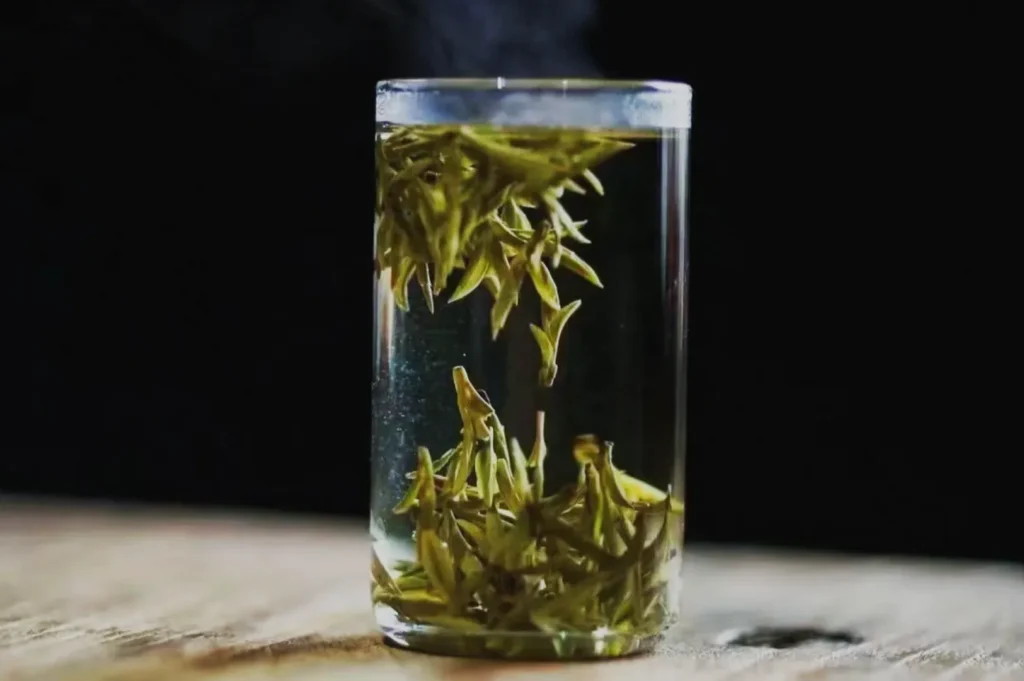
EGCG stands for epigallocatechin gallate. It is one of the most discussed catechins in green tea.
A recent review available through PubMed Central on EGCG describes EGCG as a predominant catechin in green tea and discusses its antioxidant and anti-inflammatory activity. Another review on catechins and human health also notes that green tea is rich in antioxidants and polyphenols, especially catechins such as EGCG.
This is why EGCG appears so often in discussions about green tea benefits.
But it should be handled carefully. Much of the research on EGCG looks at extracts, controlled studies, or concentrated amounts. A normal cup of Longjing is not the same as a supplement. Drinking tea is gentler, slower, and more complex.
At Tea Room by Ki-setsu, we prefer not to treat EGCG as a slogan. It is useful to understand, but it should not flatten the experience of tea into one compound.
Why Green Tea Is Often Discussed for Antioxidants
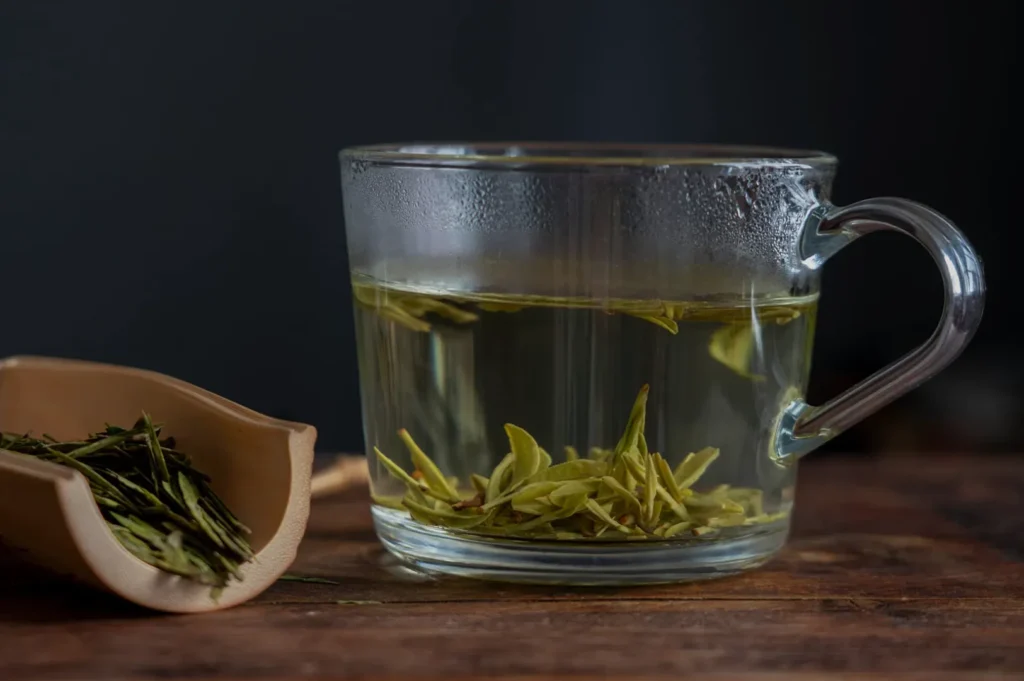
Green tea is minimally oxidised compared with black tea. Because the leaves are heated soon after picking, much of the green character is preserved.
That includes catechins.
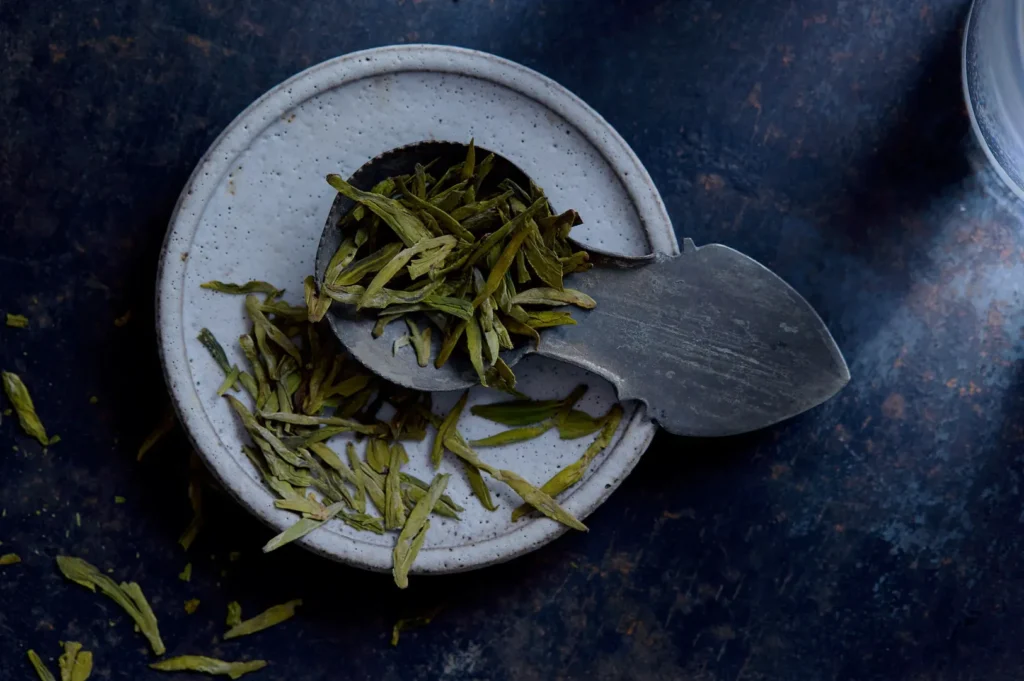
This is one reason green tea is often associated with antioxidant content. Longjing’s traditional pan-firing also gives it its familiar roasted fragrance and smooth character. The tea is not only preserved; it is shaped.
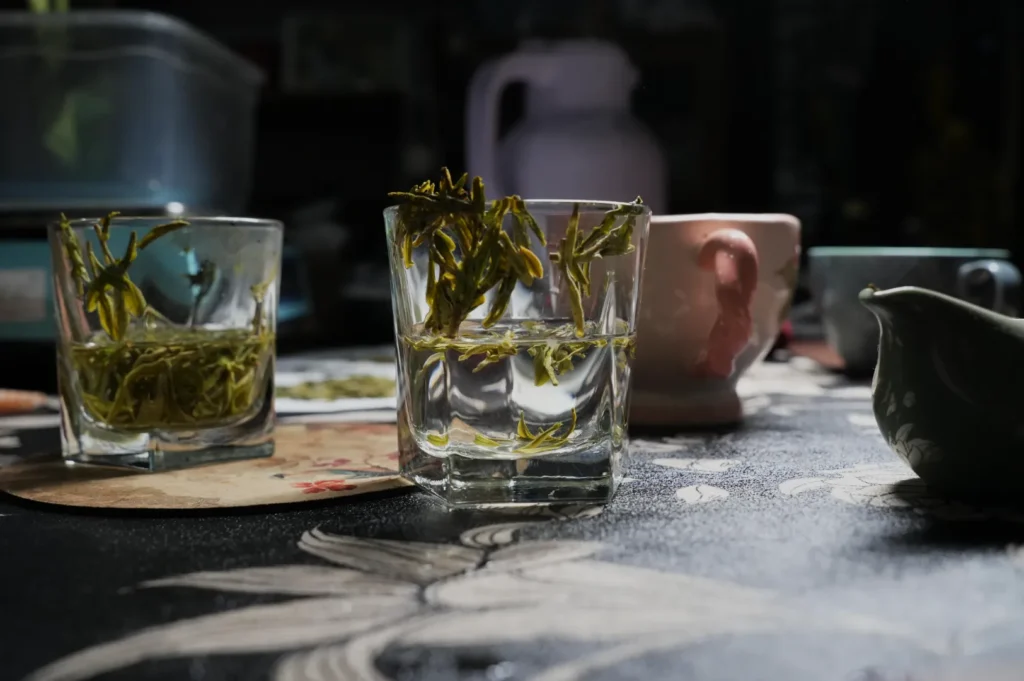
The result is a cup that can feel clear, light, and structured. It may carry soft chestnut notes, a gentle vegetal edge, and a sweetness that appears more clearly as the tea cools slightly.
Do Longjing Tea Antioxidants Make It Healthier Than Other Teas?
This is where we should be careful.
Longjing contains antioxidants, yes. But that does not mean it should be treated as automatically “better” than every other tea. Oolong, white tea, black tea, and Pu-erh all contain different compounds shaped by oxidation, fermentation, ageing, and processing.
The better question is not which tea wins. The better question is what kind of tea suits your body, taste, and rhythm.
Longjing is valuable because it brings together green tea’s catechin profile with a calm, approachable flavour. It is not as heavy as some aged teas. It is not as floral as certain oolongs. It is not as intense as matcha. It sits in a quieter place.
Longjing’s strength is balance, not exaggeration.
How Brewing Affects What You Taste
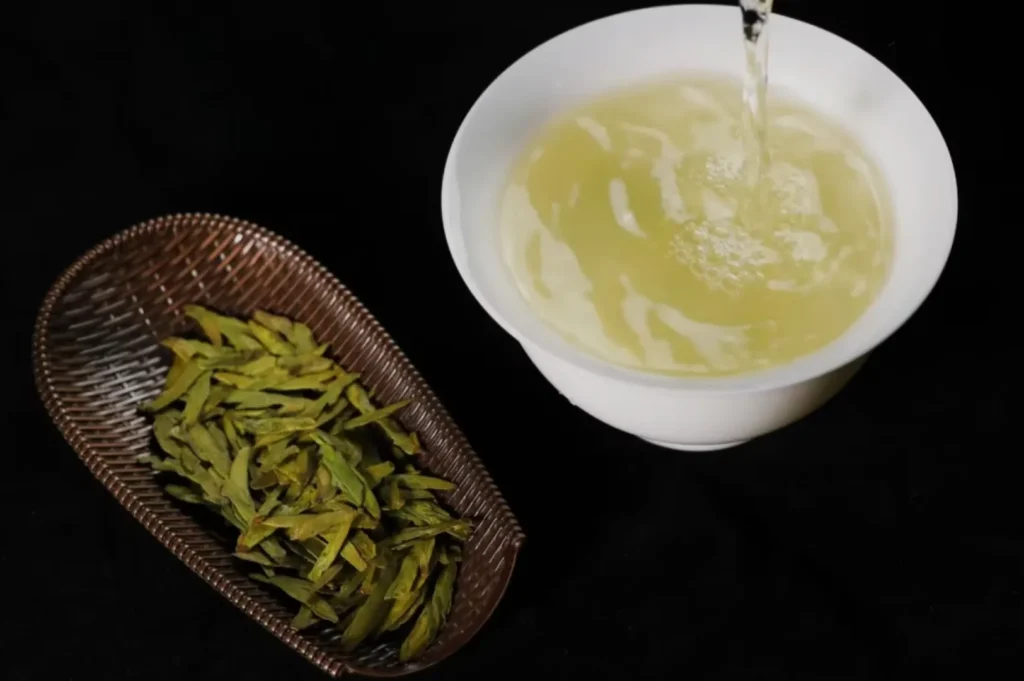
A strong brew may draw out more bitterness and astringency. A gentler brew may reveal sweetness, aroma, and smoothness more clearly.
This is important because people sometimes mistake harshness for strength. They assume that if a tea tastes more bitter, it must be more beneficial. That is not a useful way to drink Longjing.
Tea should not be forced into severity.
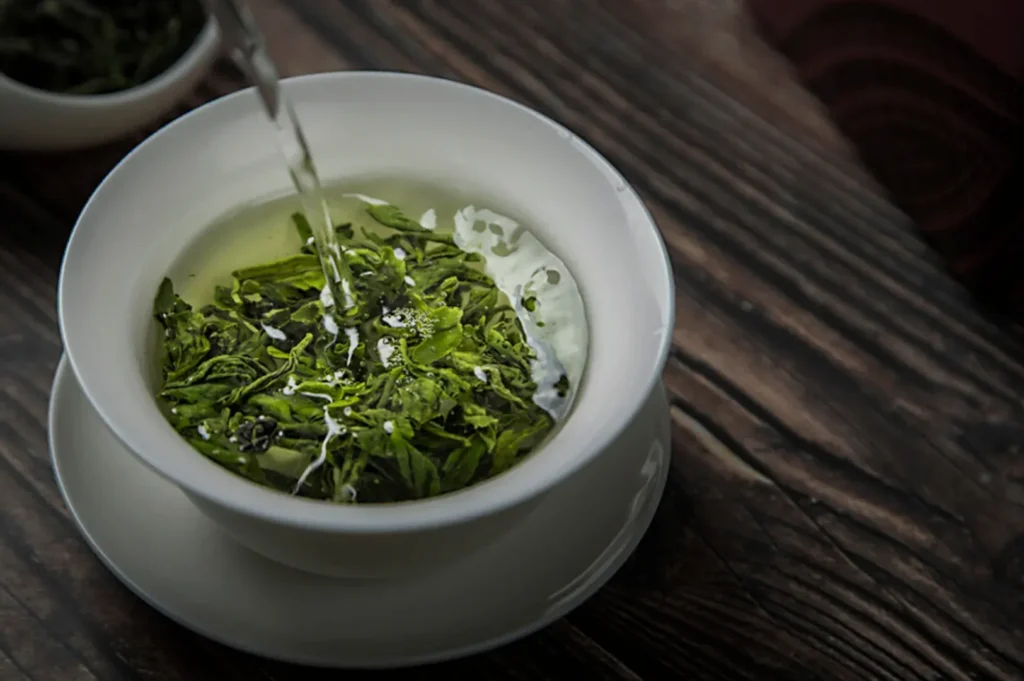
With Longjing, a careful infusion lets the tea show its structure without becoming sharp. The cup should feel clean, but not punishing. Present, but not aggressive.
Can Longjing Tea Replace a Healthy Lifestyle?
No.
Longjing tea can support a thoughtful daily ritual, but it cannot replace sleep, balanced meals, movement, medical care, or rest. Antioxidants are part of the conversation, not the whole answer.
This is especially important in wellness writing. Tea deserves respect, but it does not need inflated promises. In fact, the more honestly we speak about tea, the more beautiful it becomes.
At Tea Room by Ki-setsu, we see Longjing as a tea of clarity. It gives the drinker something to return to: warmth, attention, and a small pause in the day.
That may not sound dramatic. It is not meant to.
Final Thought
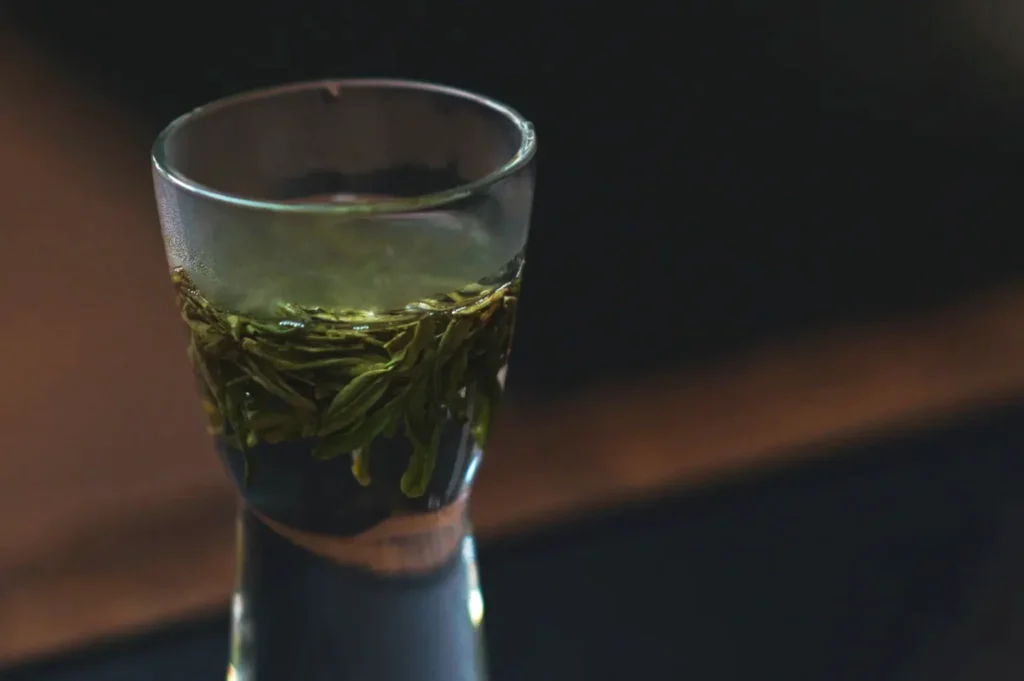
Longjing tea contains antioxidants, including catechins such as EGCG. These compounds are part of why green tea continues to interest researchers, nutrition writers, and tea drinkers.
But Longjing is not a supplement in disguise. It is a whole tea, shaped by leaf, origin, firing, water, vessel, and attention.
The best way to understand Longjing tea antioxidants is not to chase a claim, but to taste the tea with patience.
In the cup, Longjing reminds us that wellness does not always arrive loudly. Sometimes, it is pale green, gently warm, and quietly composed.